If your yard gets 6+ hours of direct sun, you’ve basically won the shrub lottery. Full sun means more buds, stronger stems, and brighter color—assuming you match the plant to your USDA Growing Zone and give it a decent start. Below are 10 flowering shrubs for full sun that keep the garden lively from spring to frost, plus practical notes I wish someone had told me sooner.
Before you plant: Most shrubs bloom best in well-draining soil. In the first year, treat watering like a routine, not a rescue mission. A thick 2–3 inch mulch ring (kept off the stems) keeps roots cooler and saves you from daily hose duty.
Table of Contents
Panicle Hydrangea (Hydrangea paniculata)
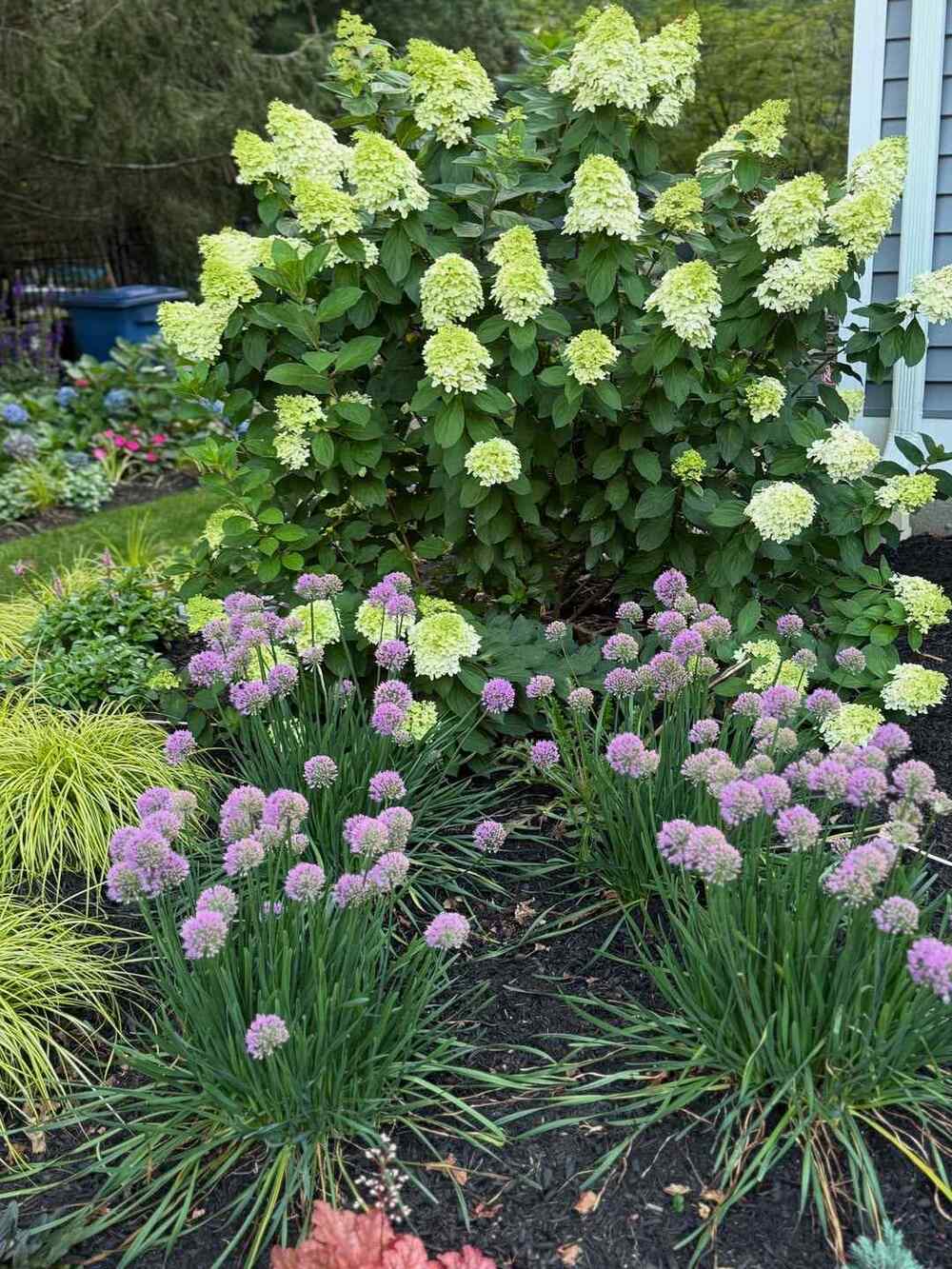
Zones: 3–8
Panicle hydrangea is the “I can’t believe it survived that winter” kind of shrub. It blooms mid-summer into fall with big cone flowers that start white and often blush pink or red. Advantage: it handles sun better than many hydrangeas and blooms on new wood, so pruning mistakes are forgiven.
Care tip: In early spring, prune back by up to ⅓ to encourage larger blooms. In heat waves, give deep watering instead of quick sprinkles.
Butterfly Bush (Buddleja davidii)
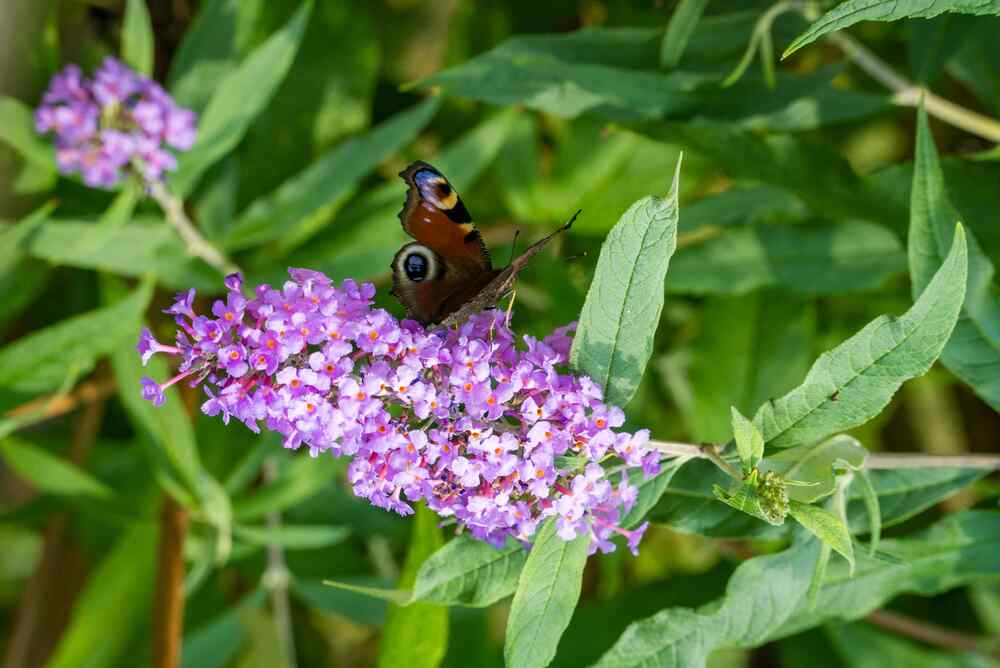
Zones: 5–9 (varies by cultivar)
This one is a pollinator magnet—those long flower spikes smell sweet and stay busy with butterflies and bees through summer. Advantage: fast growth and a long blooming season when it’s happy. It’s a great “instant color” shrub if your garden feels bare.
Care tip: Cut it back hard in early spring for a tidier shape and more flowers. In some regions it can be invasive, so choose sterile or non-invasive cultivars when available.
Weigela (Weigela florida)
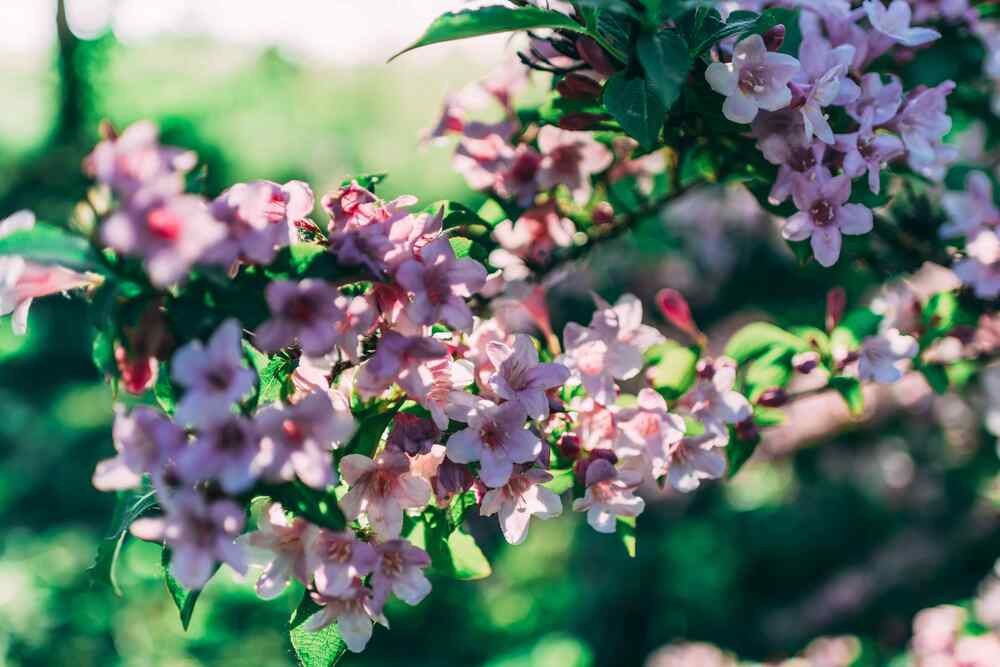
Zones: 4–8
Weigela is that cheerful shrub that never seems stressed. It produces tubular, bell-shaped flowers in spring and often repeats in summer. Advantage: many varieties have colorful foliage (burgundy, lime, variegated), so it looks good even when not blooming.
Care tip: Prune right after the main spring bloom, because it flowers on old wood. Full sun brings the best leaf color.
Knock Out® Roses (Rosa ‘Knock Out’)
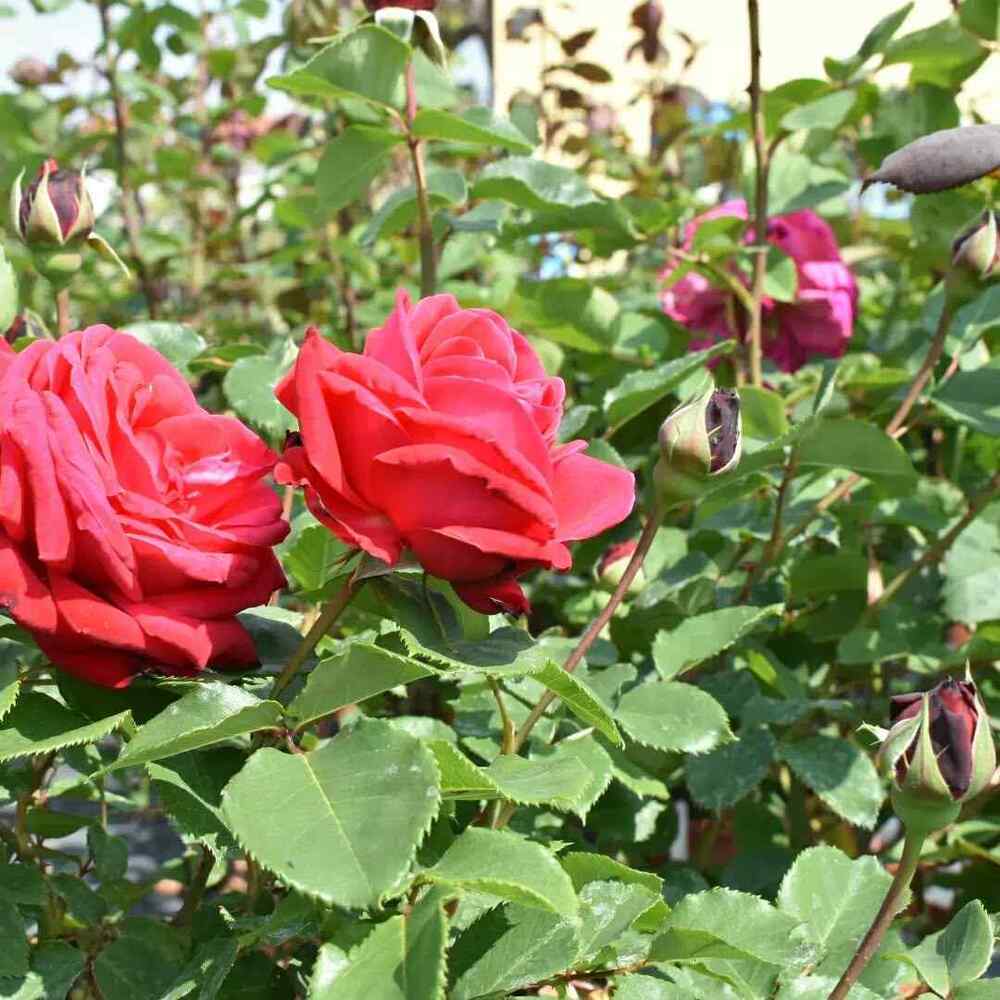
Zones: 5–11 (varies by selection)
If roses intimidate you, these are the confidence builders. They’re disease-resistant, bloom like crazy from spring to frost, and don’t demand fussy care. Advantage: nonstop color and good performance even for beginners.
Care tip: Give 6–8 hours of sun and decent airflow. A spring trim (about ⅓) keeps them bushy. Water at the base to avoid wet leaves.
Rose of Sharon (Hibiscus syriacus)
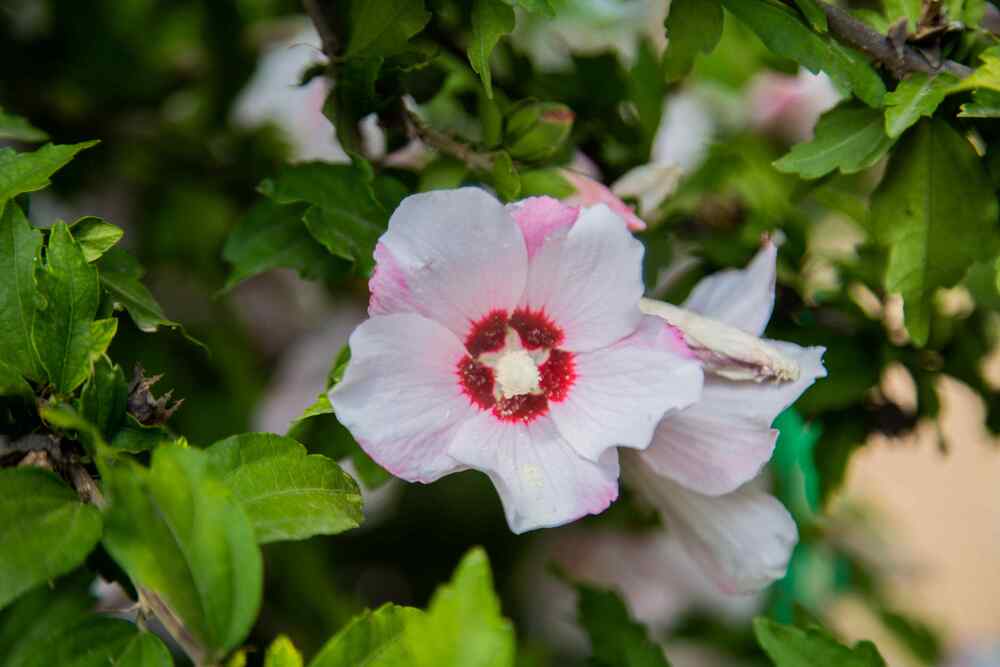
Zones: 5–9
This is a late-summer hero when many shrubs are fading. It can reach 10–16 feet, making it useful for hedges, screens, and privacy. Advantage: big tropical-looking flowers when you most want fresh color.
Care tip: It leafs out late in spring, so don’t panic. If you want a smaller footprint, look for dwarf forms and prune in early spring.
Spirea (Spiraea spp.)
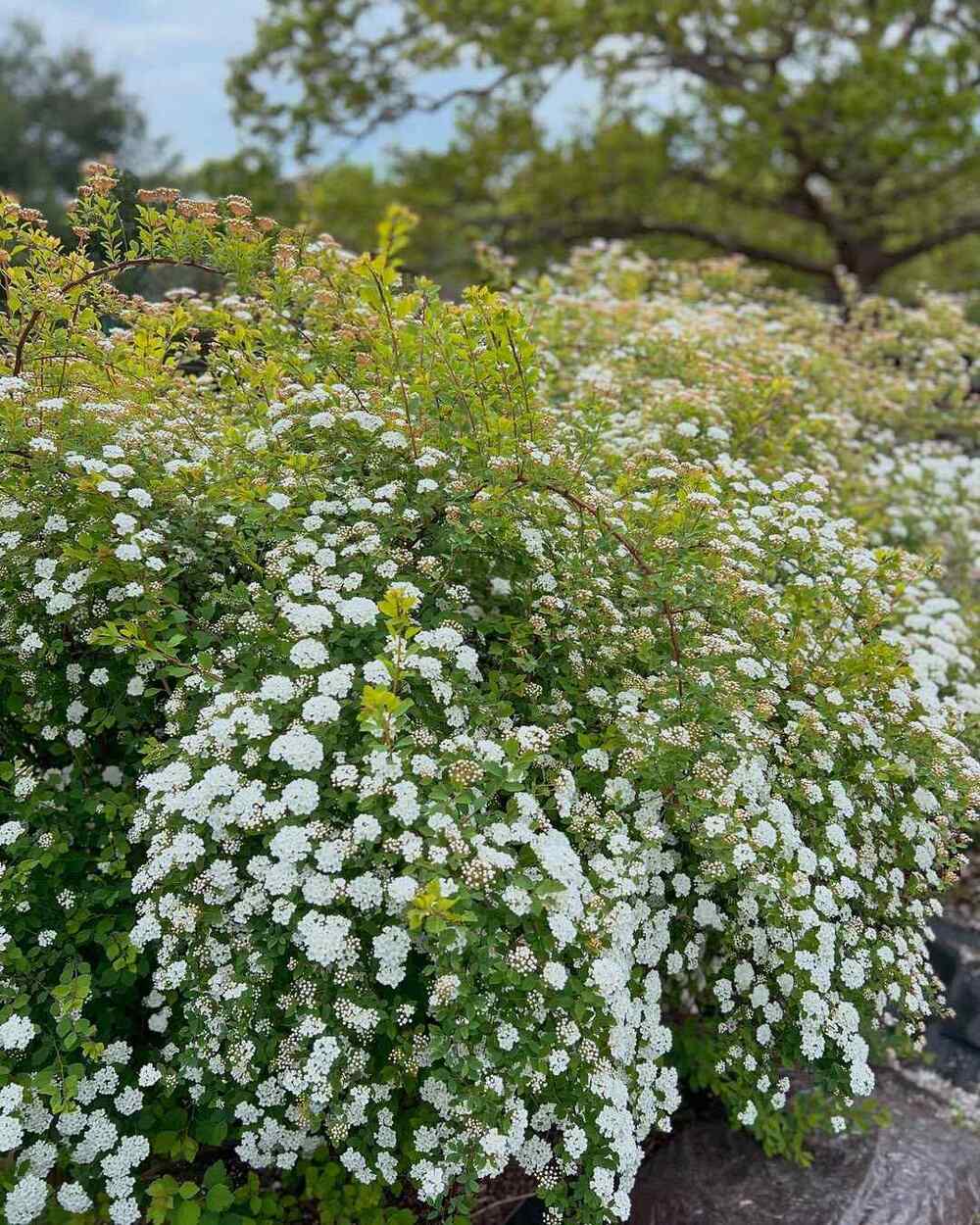
Zones: 3–8 (varies widely)
Spirea is easy, reliable, and surprisingly versatile—some bloom in spring, others in summer, and many stay compact. Advantage: fast growth, lots of flowers, and good tolerance of average soil.
Care tip: Spring bloomers get pruned right after flowering. Summer bloomers can be trimmed in early spring. A light haircut after bloom can trigger a nice second show.
Viburnum (Viburnum spp.)
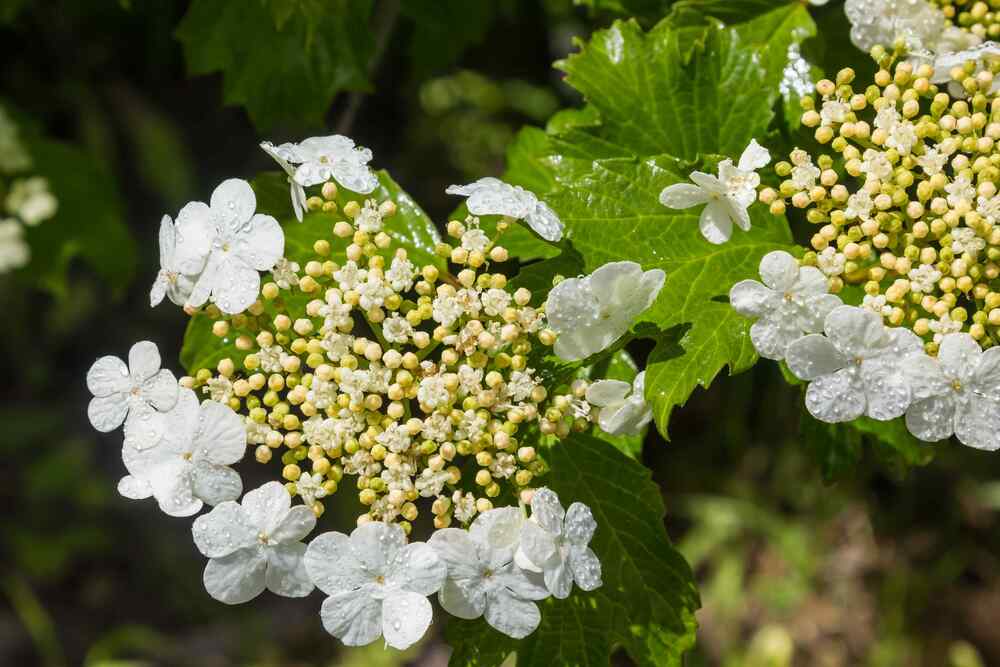
Zones: 2–9 (depends on species)
Viburnums are the “extra credit” shrubs: spring flowers, often fragrance, then berries that birds love, and sometimes fall color too. Advantage: they add structure and seasonal interest beyond just petals.
Care tip: Give full sun for best flowering, but many tolerate light shade. Plant two compatible varieties if you want heavier berry production (some need cross-pollination).
Lilac (Syringa vulgaris)
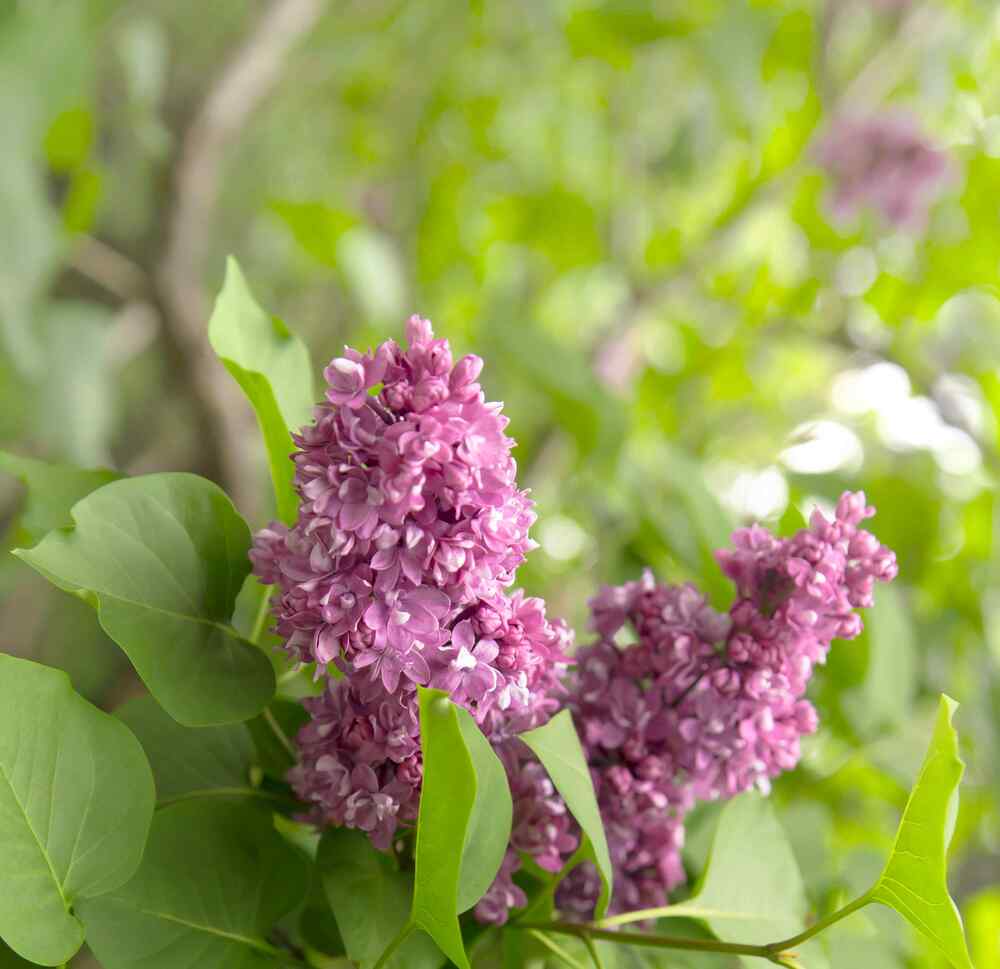
Zones: 3–7
Lilacs are famous for that spring perfume that stops people in their tracks. They bloom in big clusters of purple, pink, or white. Advantage: fragrance + nostalgia + serious curb appeal, all in one shrub.
Care tip: Full sun is non-negotiable for strong blooming. Prune right after flowering and remove spent blooms if you have time. Good airflow helps prevent mildew.
Potentilla (Potentilla fruticosa)
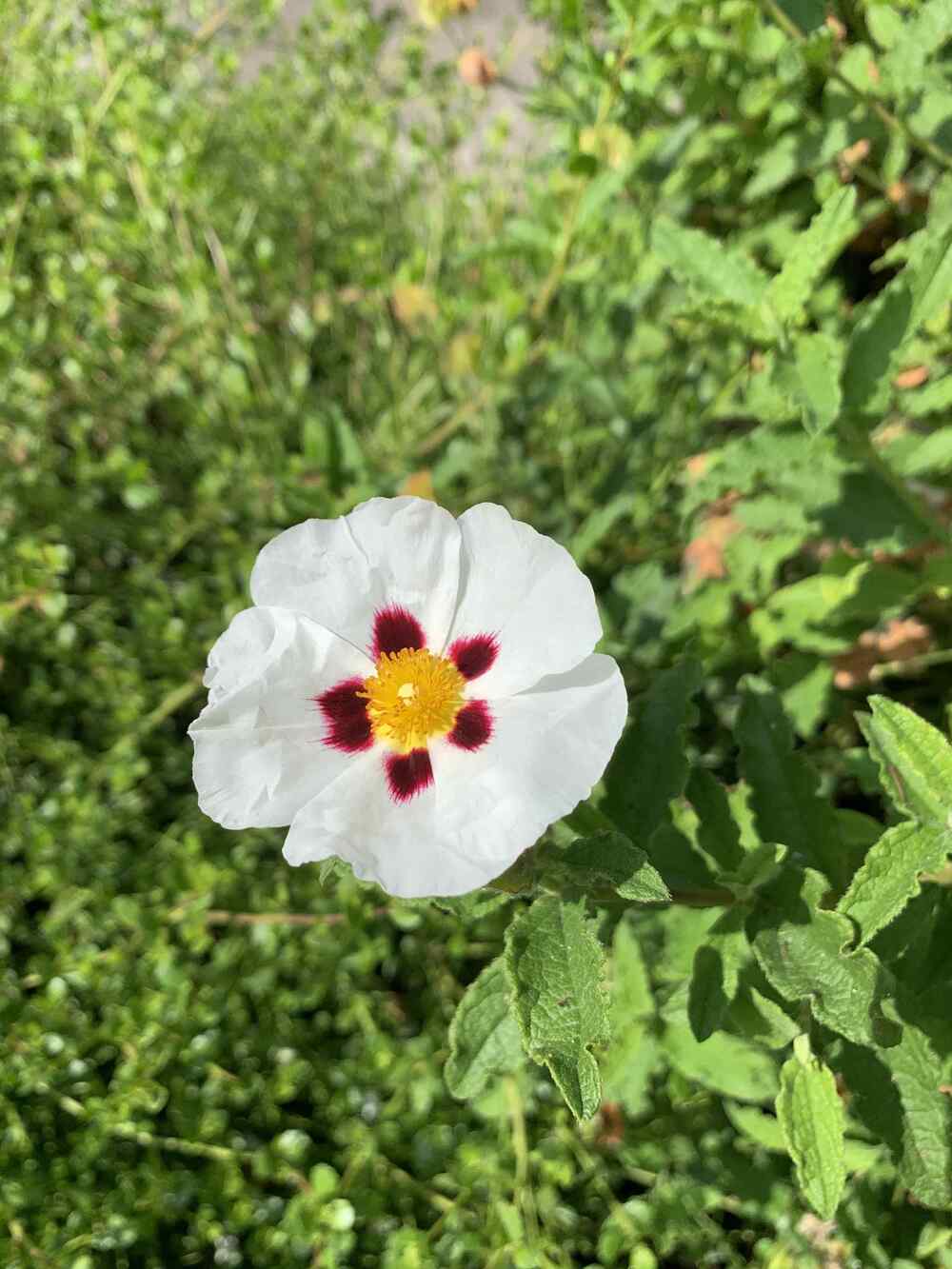
Zones: 2–7
Potentilla is small, tough, and blooms for months—yellow, white, and orange tones from early summer into fall. Advantage: low maintenance and excellent for borders, slopes, and busy people who forget to pamper plants.
Care tip: In early spring, lightly shape or thin old stems to keep it from getting twiggy. It’s drought-tolerant once established, but young plants still need regular water.
Abelia (Abelia × grandiflora)
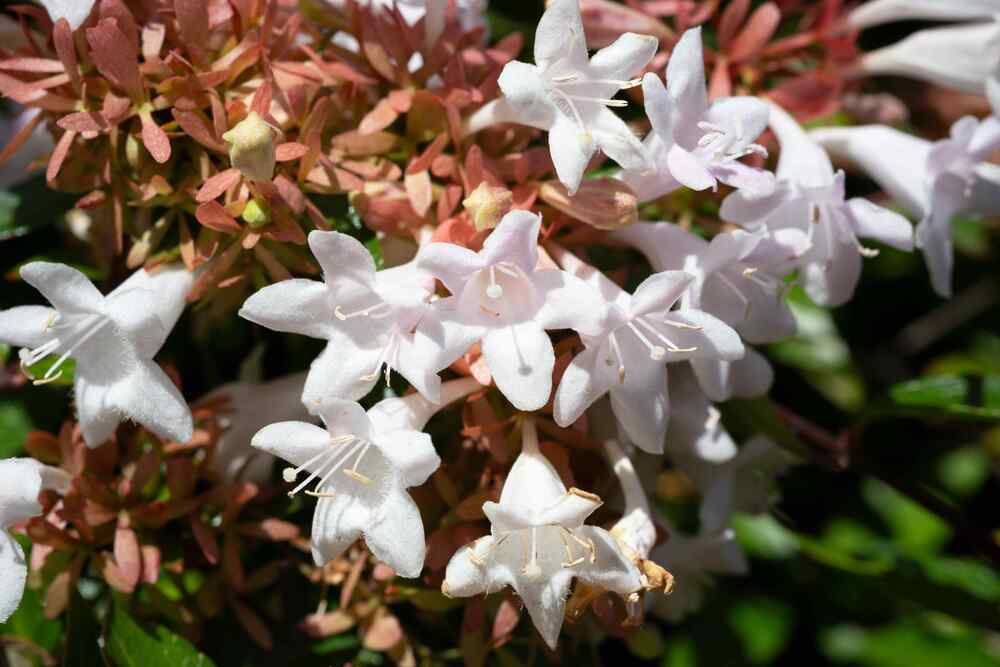
Zones: 6–9 (some cultivars tolerate 5)
Abelia brings a softer look: glossy leaves and dainty bell-shaped flowers that keep coming through summer. Advantage: long bloom season and attractive foliage, often with bronze or reddish tones in cooler weather.
Care tip: Prune in late winter or early spring to keep it compact. Full sun boosts flowering, but in very hot climates it appreciates a little afternoon relief.
Quick Tips for Full-Sun Shrub Success
Watering: First year is everything. Water deeply 1–2 times per week, more during extreme heat or sandy soil. If the top 2 inches are dry, it’s usually time. New shrubs fail from “a sip here and there,” not from one missed day.
Soil: Aim for well-draining. If water puddles for hours, add compost and consider planting slightly high. Panicle hydrangea is flexible, but even it won’t love soggy roots.
Size planning: Read the mature size, then believe it. If space is tight, choose dwarf options like ‘Little Lime’ panicle hydrangea or compact spireas. Crowding causes mildew, fewer flowers, and awkward pruning later.