Flowering evergreen shrubs are my favorite kind of “set it and forget it” garden plant. You get structure and privacy all year, then a burst of blooms when you need it most. The flowers aren’t just pretty, either: they feed pollinators, perfume patios, and make winter and early spring feel less bleak. Below are 10 reliable evergreen shrubs that flower well, plus the growing basics that actually make them thrive.
If you’re planting for a hedge, evergreen bloomers do double duty. Their leaves keep a solid screen in every season, and their blossoms soften that “green wall” into something lush. If you’re planting near paths or seating, fragrance matters more than you think—one good shrub can scent an entire corner of the yard.
Table of Contents
1) Gardenia (Gardenia jasminoides)
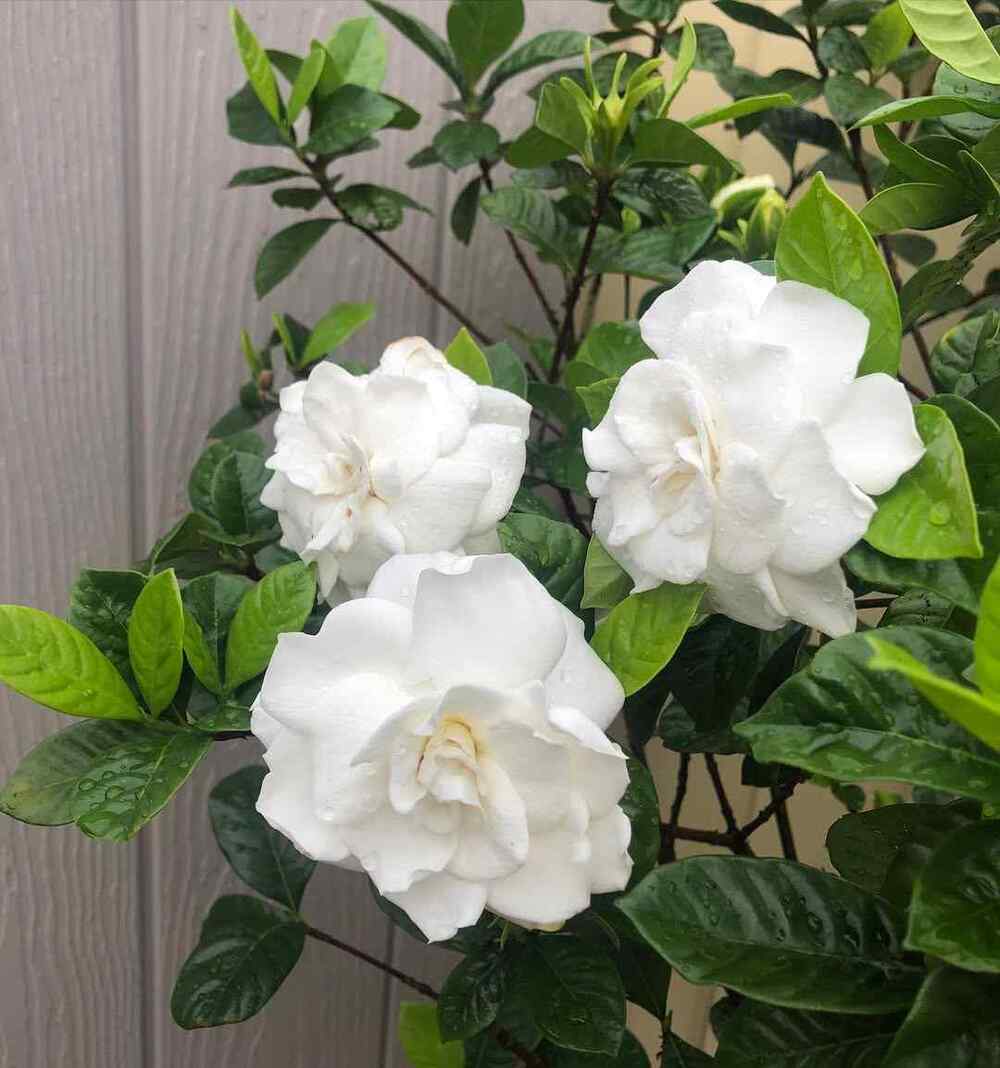
Gardenia is pure romance: glossy leaves year-round and creamy white, intensely fragrant flowers in warm months. The big advantage is scent—one shrub near a doorway can make the whole entry feel fancy without extra effort.
Growth habit: Rounded, dense, usually 3–6 ft tall.
Sun exposure: Bright light; morning sun + afternoon shade is ideal.
USDA zones: 7–11 (variety dependent).
Soil needs: Acidic, rich, well-drained; consistent moisture.
Tip: Mulch with pine bark and water deeply during bud set, or buds may drop.
2) Camellia (Camellia japonica / sasanqua)
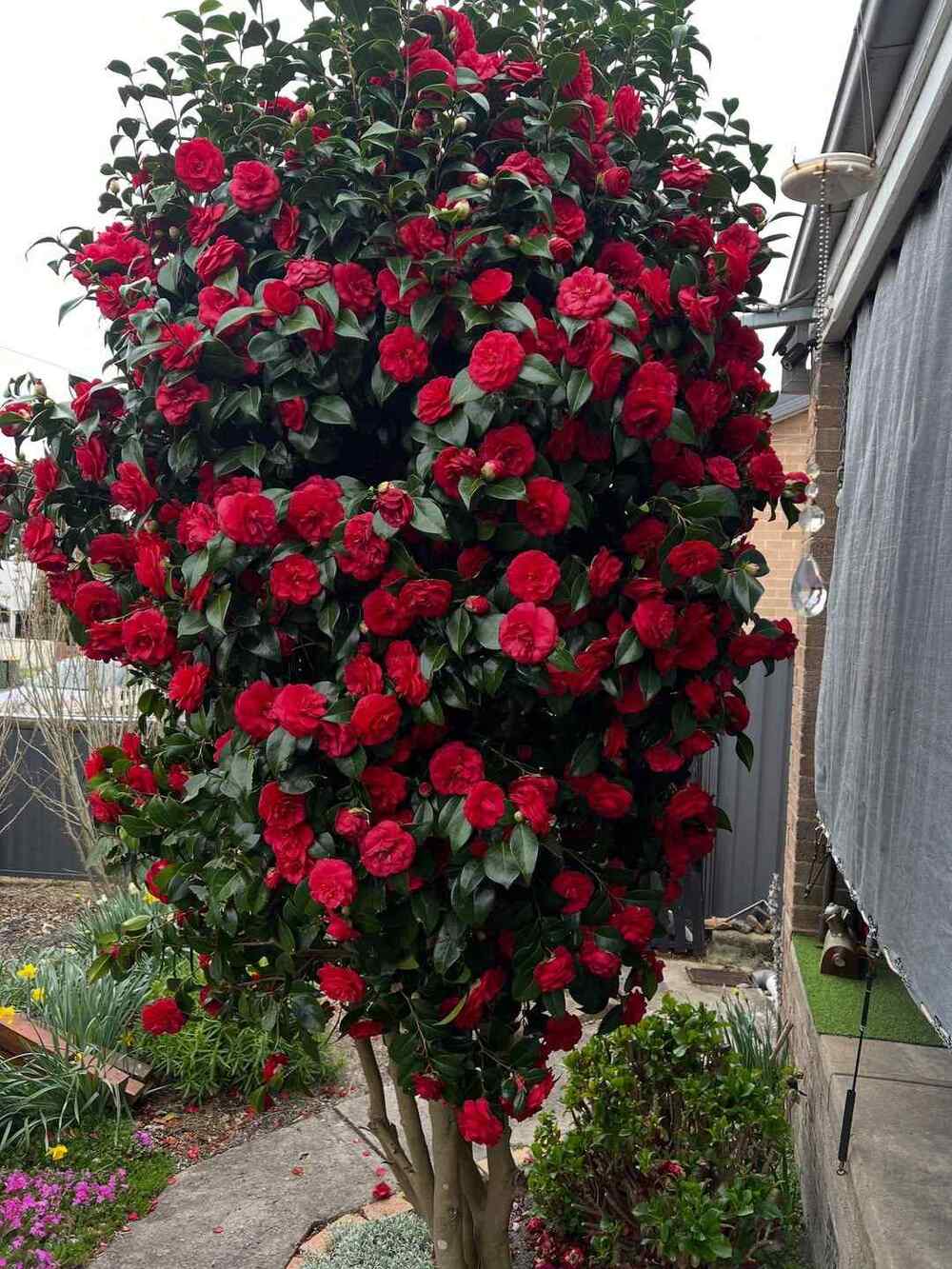
Camellias bloom when many gardens are quiet. Their rose-like flowers show up in fall through spring (depending on type), and the foliage stays deep green and polished all year. They also make a classy foundation plant that doesn’t scream for attention.
Growth habit: Upright to rounded, 6–12 ft (can be pruned smaller).
Sun exposure: Part shade; sasanqua tolerates more sun than japonica.
USDA zones: 7–10 (some varieties to 6 with protection).
Soil needs: Acidic, organic, well-drained.
Tip: Protect from harsh afternoon sun and drying wind to prevent brown leaf edges.
3) Azalea (Rhododendron spp.)
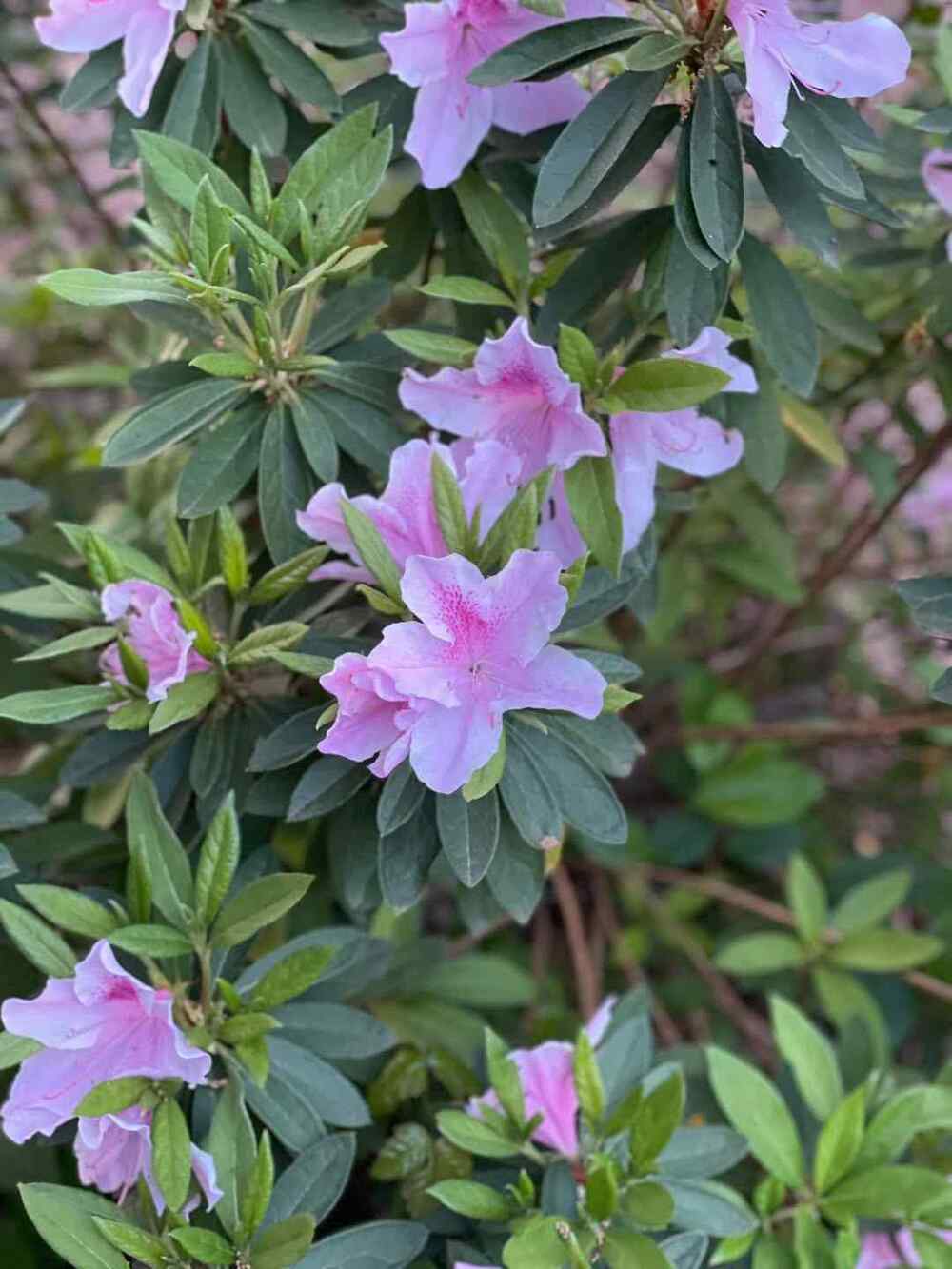
Evergreen azaleas are spring firecrackers—dense blooms in pink, red, white, purple, and bicolors. Flowering is often so heavy the leaves disappear. They’re also excellent for edging paths or making layered borders under taller trees.
Growth habit: Mounded, 2–6 ft, depending on variety.
Sun exposure: Part shade; some types handle more sun with enough water.
USDA zones: 6–9 (variety dependent).
Soil needs: Acidic, moist, well-drained, high organic matter.
Tip: Prune right after flowering so you don’t remove next year’s buds.
4) Japanese Pieris (Pieris japonica)
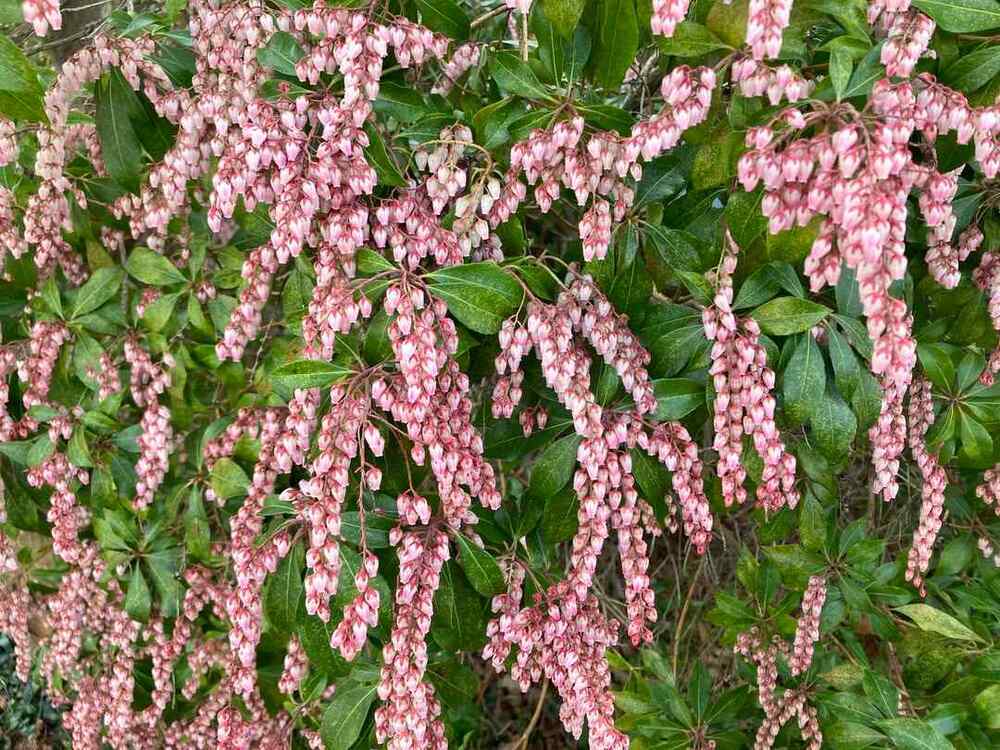
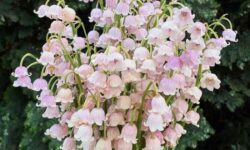
Pieris gives you a two-season show: dangling flower chains (like lily-of-the-valley) and gorgeous new growth in red or bronze. It keeps a neat evergreen shape and looks especially good in mixed shrub beds.
Growth habit: Upright, 4–10 ft, slow-growing and tidy.
Sun exposure: Part shade; more sun in cooler climates.
USDA zones: 5–8.
Soil needs: Acidic, well-drained, evenly moist.
Tip: Avoid soggy soil—root stress often shows up as yellow leaves.
5) Daphne (Daphne odora)
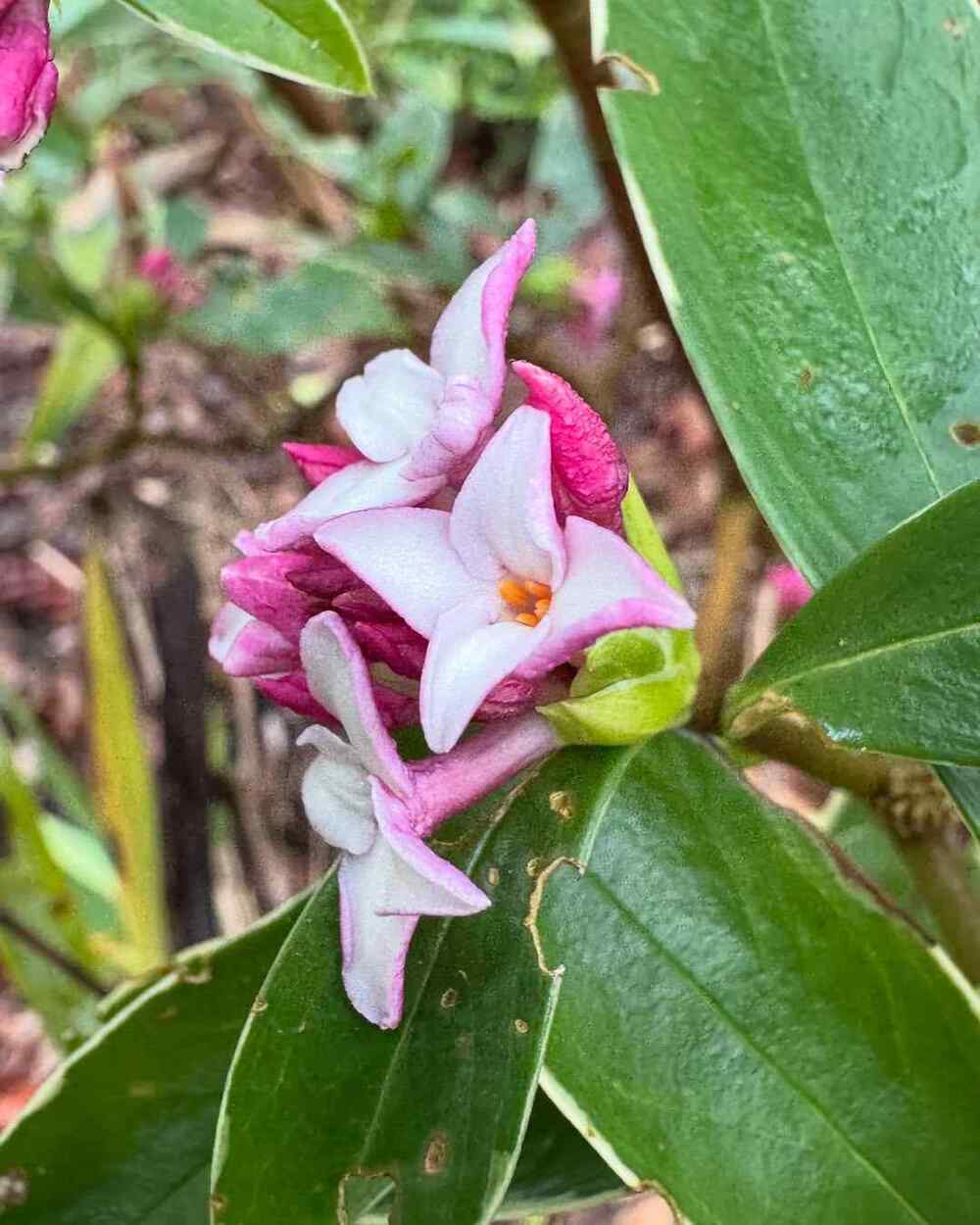
Daphne is the “small shrub, big impact” choice. The main advantage is fragrance: sweet, spicy perfume from compact clusters, often in late winter or early spring. When I plant Daphne, I put it close enough that I can smell it on a quick walk outside.
Growth habit: Rounded, 3–5 ft; not a fan of being moved.
Sun exposure: Part shade; gentle morning sun is great.
USDA zones: 7–9 (some to 6 in sheltered spots).
Soil needs: Excellent drainage, neutral to slightly acidic, not heavy clay.
Tip: Plant once, plant right—disturbing roots can set it back badly.
6) Rhododendron (Rhododendron spp.)
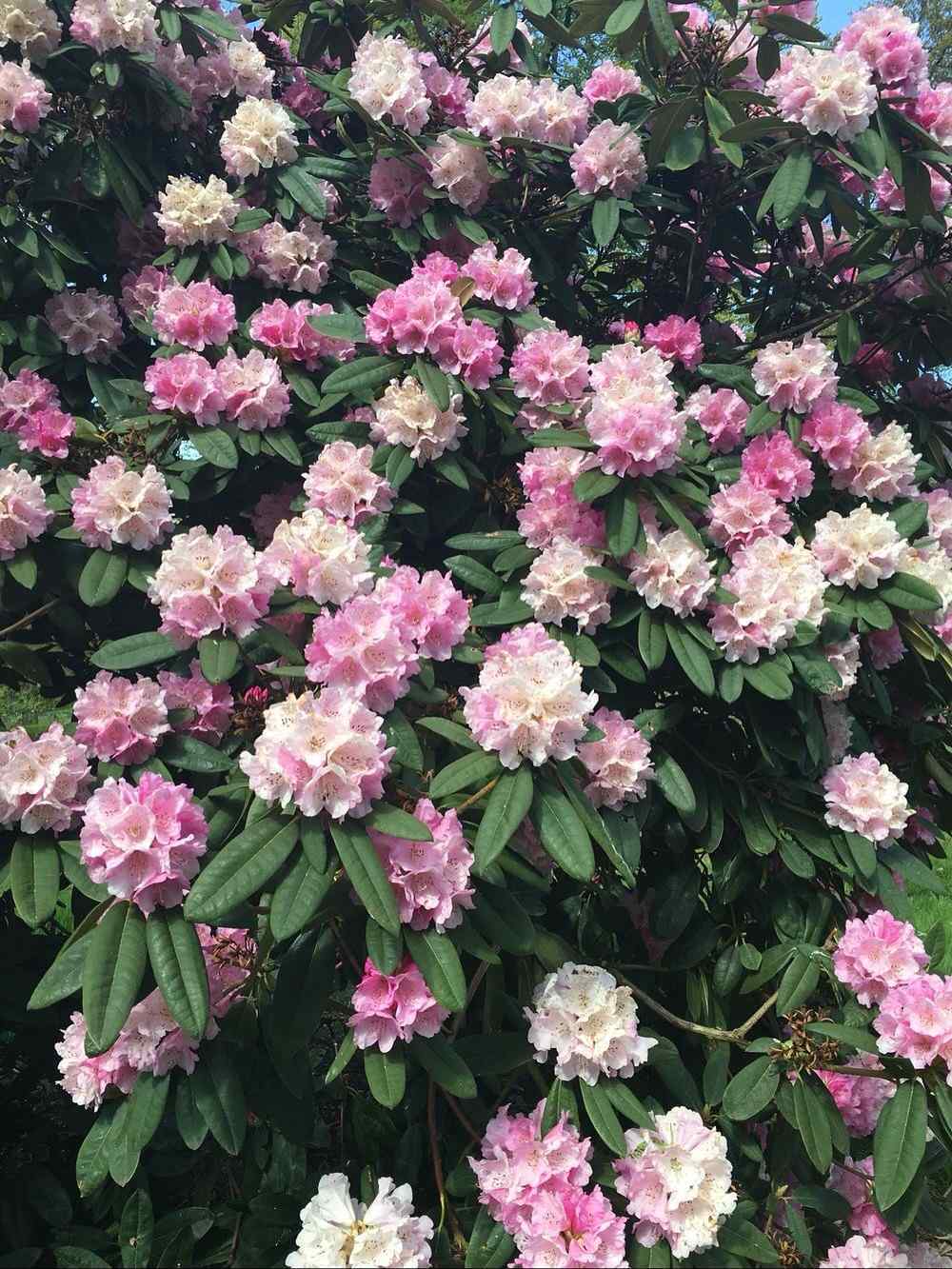
Rhododendrons bring big, showy flower trusses and thick, leathery foliage that stays strong in winter. They’re great for a bold backdrop in woodland gardens, and they can form a substantial screen over time.
Growth habit: Upright to rounded, 4–15+ ft depending on type.
Sun exposure: Dappled shade or morning sun.
USDA zones: 4–8 (variety dependent).
Soil needs: Acidic, moist, well-drained; loves leaf mold/compost.
Tip: Deadhead faded blooms to redirect energy into growth and next year’s buds.
7) Viburnum tinus
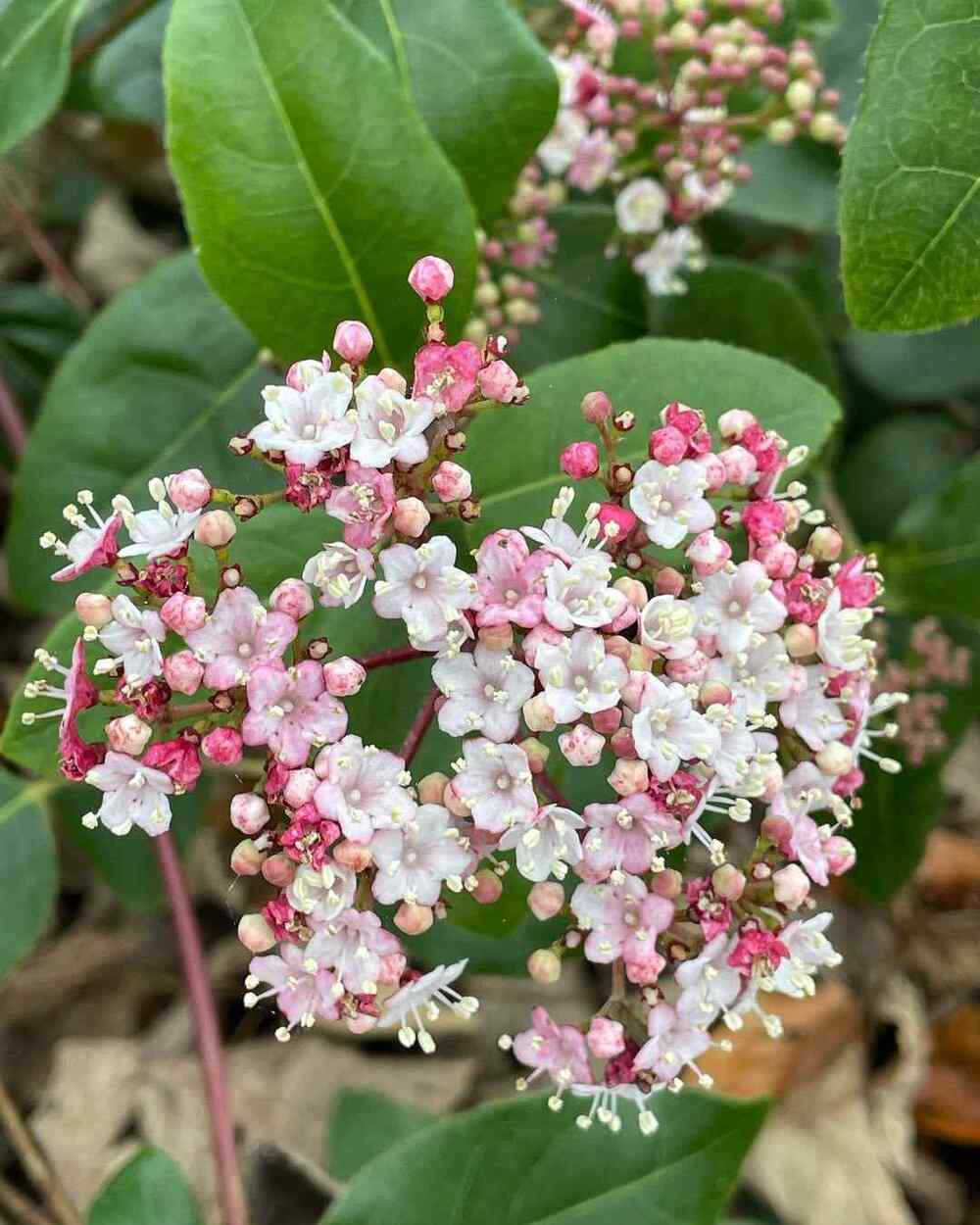
If you want an evergreen that doesn’t fuss much, Viburnum tinus is a workhorse. It offers white flower clusters in cooler months and dark berries that look great against the foliage. It’s also a strong choice for hedging.
Growth habit: Dense, 6–12 ft; responds well to pruning.
Sun exposure: Full sun to part shade.
USDA zones: 7–10.
Soil needs: Adaptable; prefers well-drained soil.
Tip: Clip lightly after flowering to keep a thick hedge without sacrificing next blooms.
8) California Lilac (Ceanothus spp.)
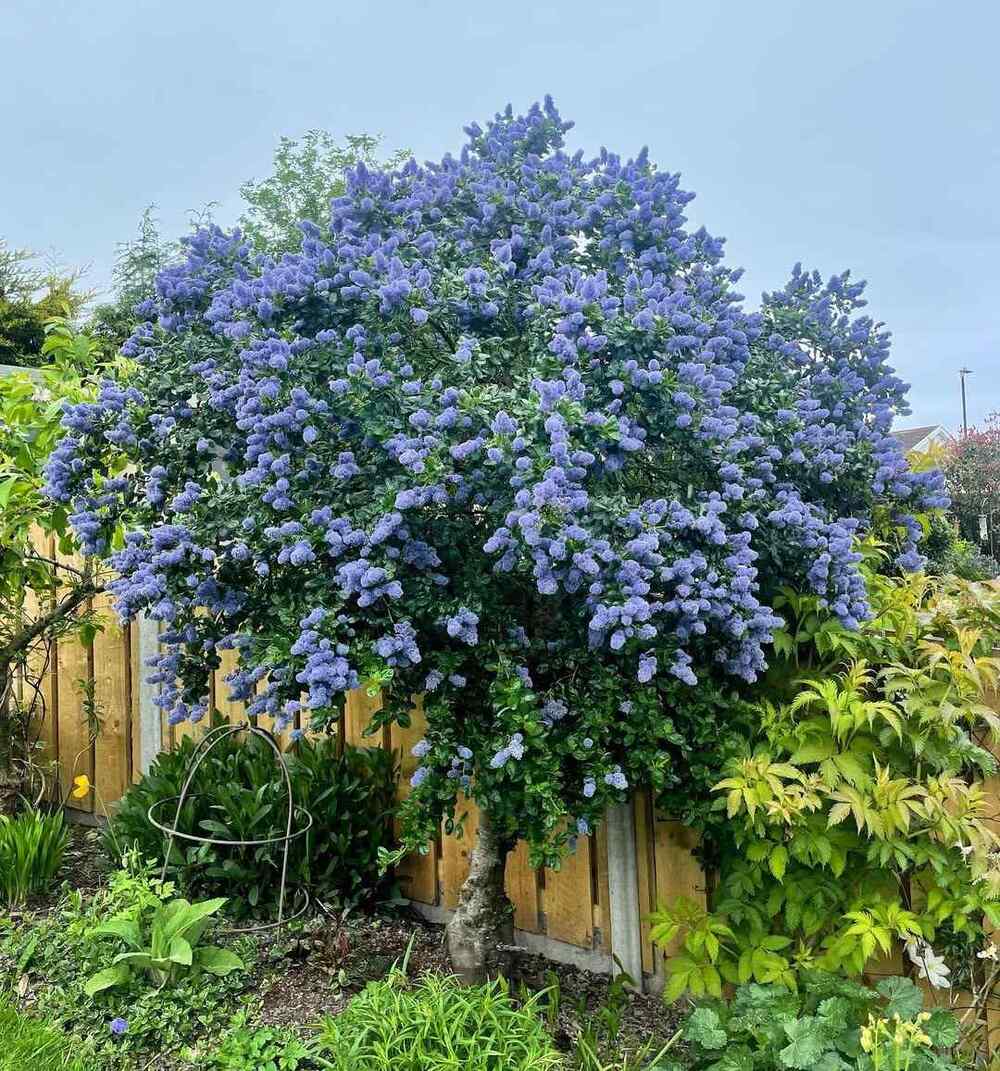
Ceanothus is famous for electric blue flower clusters that can stop you in your tracks. The blooms are a pollinator magnet, and many types handle drought once established. This one shines in dry, sunny gardens that need color without constant watering.
Growth habit: Low mounds to large shrubs (2–10 ft).
Sun exposure: Full sun.
USDA zones: 7–10 (some hardy types exist).
Soil needs: Well-drained, lean to average; dislikes heavy clay.
Tip: Don’t overwater—too much summer water can shorten its life.
9) Mahonia (Mahonia aquifolium)
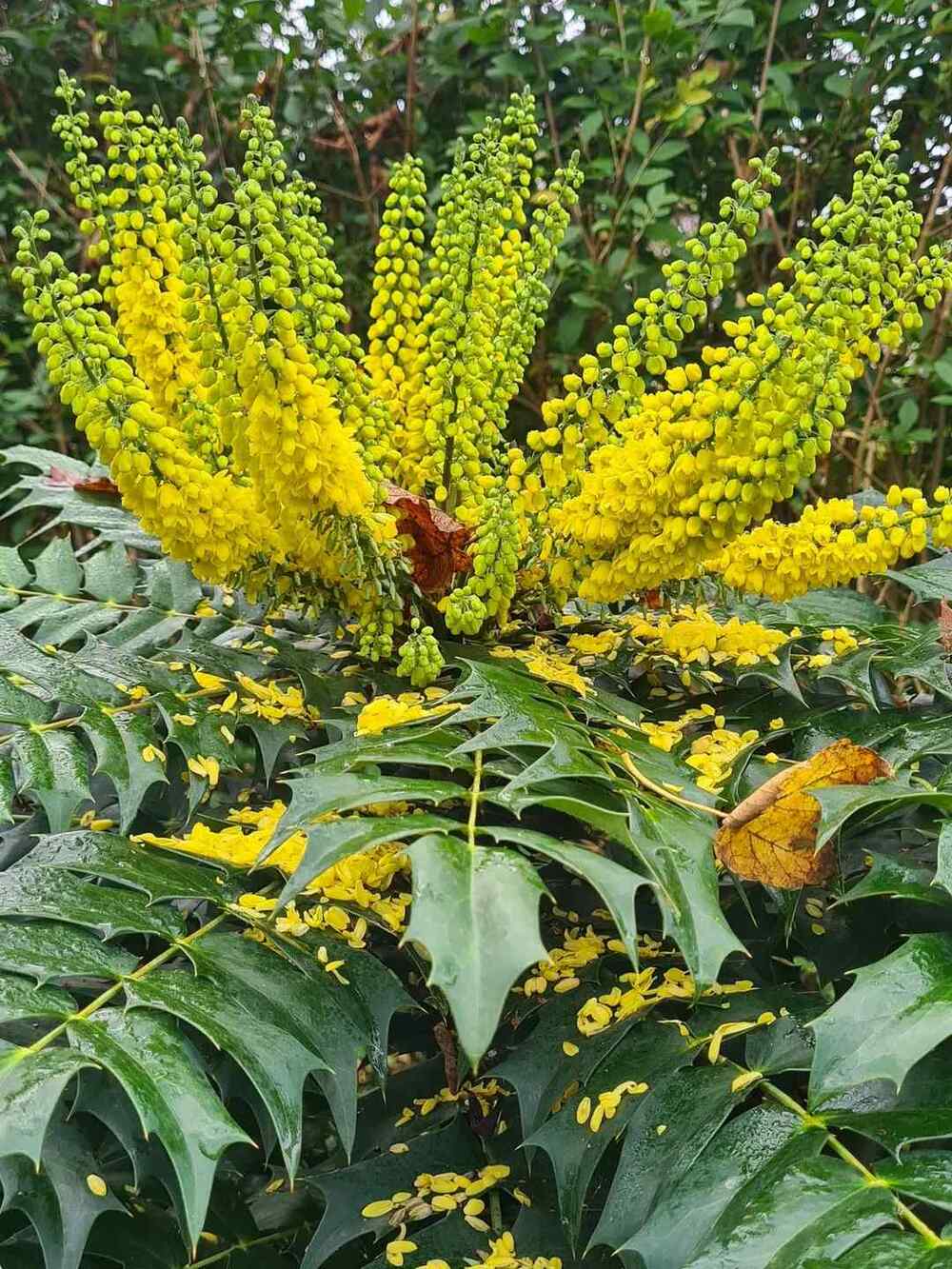
Mahonia brings winter cheer with bright yellow, lightly fragrant flowers, plus bold, holly-like leaves. It’s a great plant for shade, and the flowers often arrive when pollinators are desperate for food.
Growth habit: Upright, 3–6 ft, can spread by suckers.
Sun exposure: Part shade to shade; tolerates sun with moisture.
USDA zones: 5–9.
Soil needs: Well-drained, average to rich; fairly forgiving.
Tip: If it gets leggy, cut a few older stems to the base to refresh growth.
10) Hebe (Hebe spp.)
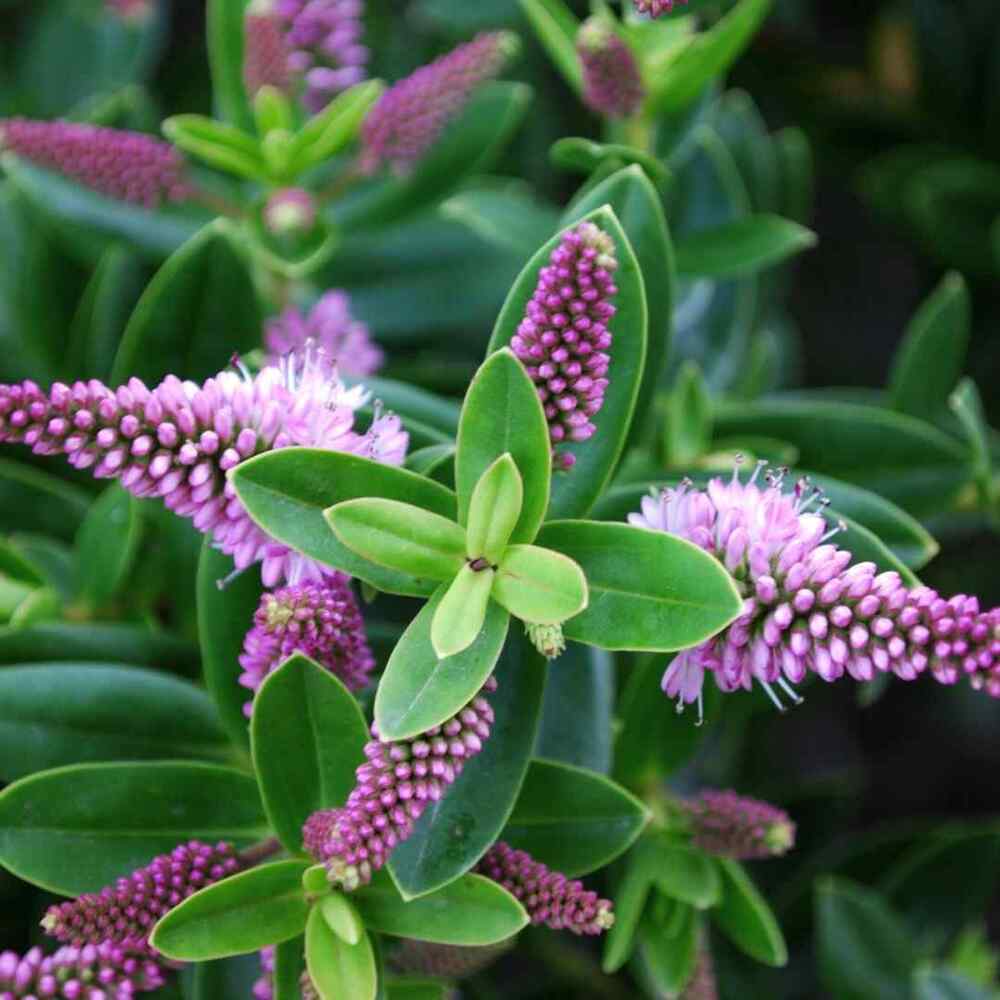
Hebe is compact, evergreen, and surprisingly stylish—clean leaves with spikes of purple, blue, pink, or white flowers. It’s excellent for containers, front borders, or modern landscapes where you want tidy shapes.
Growth habit: Low to medium mounds, 1–4 ft.
Sun exposure: Full sun to part shade.
USDA zones: 7–11 (many dislike hard freezes).
Soil needs: Well-drained; moderate moisture.
Tip: In colder zones, treat it as a container shrub and shelter it during freezes.
A few simple rules that make these shrubs happier
Most of these plants bloom best with steady moisture, not constant sogginess. If your soil holds water, add organic matter and plant slightly high, then mulch. For the acid-lovers (gardenia, camellia, azalea, pieris, rhododendron), don’t fight the chemistry—use an acidic mulch and avoid lime-heavy amendments.
Planting location matters more than fertilizer. Put fragrance near doors, patios, or paths. Put bigger growers where they can stay wide without becoming a pruning chore. Do that, and you’ll end up with a garden that looks alive in every season—green when it’s cold, and flowering when you need hope.