A front yard feels finished when it has evergreen bones—plants that keep their shape and color in every season. I like shrubs that hold the foundation line steady in winter, then reward you with flowers, fragrance, or bright new growth when spring arrives. Below are ten dependable choices, plus the growing details that actually matter: USDA zones, soil, light, and how to place them.
Table of Contents
1) Boxwood (Buxus) — clean structure, instant polish
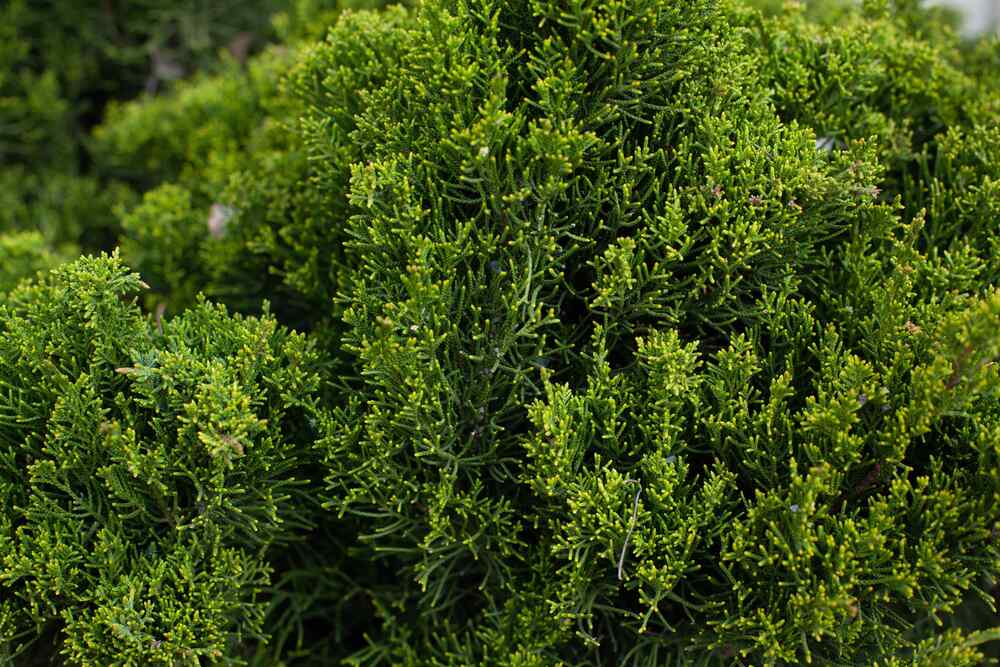
Boxwood is the classic “frame” shrub. It reads tidy even when nothing else is blooming, and it makes doors and windows feel intentional.
Zones: 5–9 (many types; some are hardier).
Light: Full sun to part shade.
Soil: Well-drained, slightly acidic to neutral.
Flower advantage: blooms are small, but pollinators appreciate them.
Tip: keep it off wet soil; soggy roots invite trouble.
2) Camellia (Camellia japonica / sasanqua) — glossy leaves, big romantic flowers
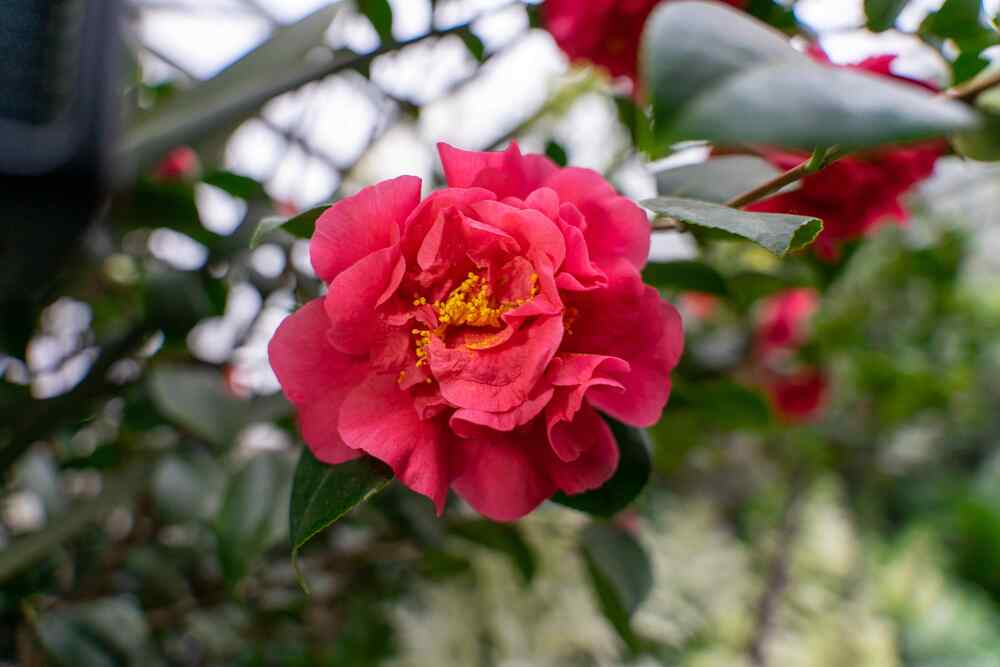
If you want a “wow” shrub without losing the evergreen look, camellias deliver. Sasanqua often blooms in fall; japonica tends to bloom late winter into spring.
Zones: 7–10 (some varieties tolerate 6).
Light: Part shade; morning sun is ideal.
Soil: Acidic, rich, evenly moist, well-drained.
Flower advantage: large blooms add seasonal focal points near entries.
3) Azalea (Rhododendron spp.) — spring color that reads from the street
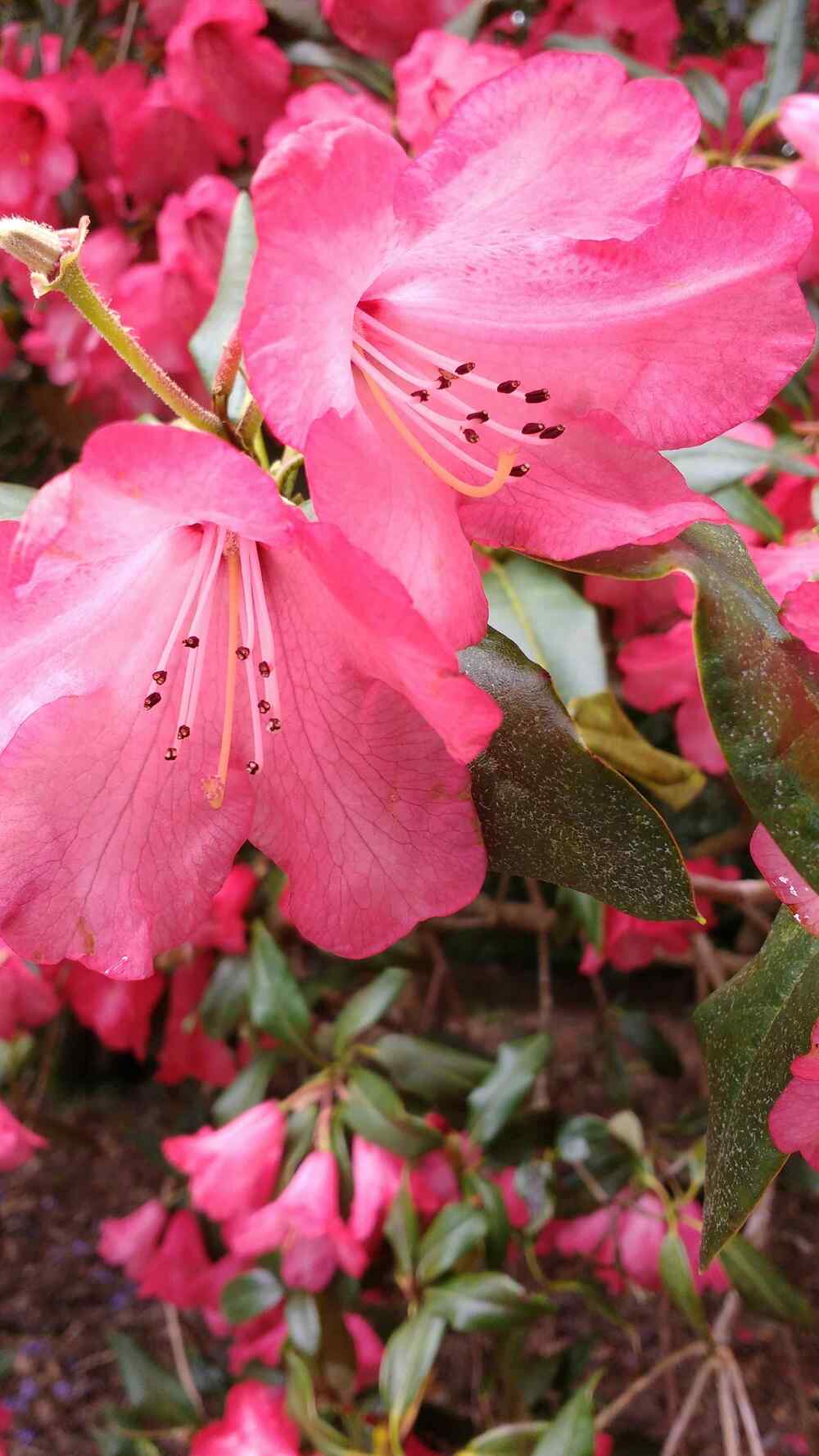
Azaleas are curb-appeal machines. A tight mound covered in blooms makes the whole house feel cheerful. Many evergreen azaleas stay compact and behave nicely in foundation beds.
Zones: 6–9 (varies by type).
Light: Part shade; some take sun with enough moisture.
Soil: Acidic, humusy, moist but draining.
Flower advantage: bright blooms boost early nectar for bees.
4) Gardenia (Gardenia jasminoides) — fragrance that turns a walkway into a moment
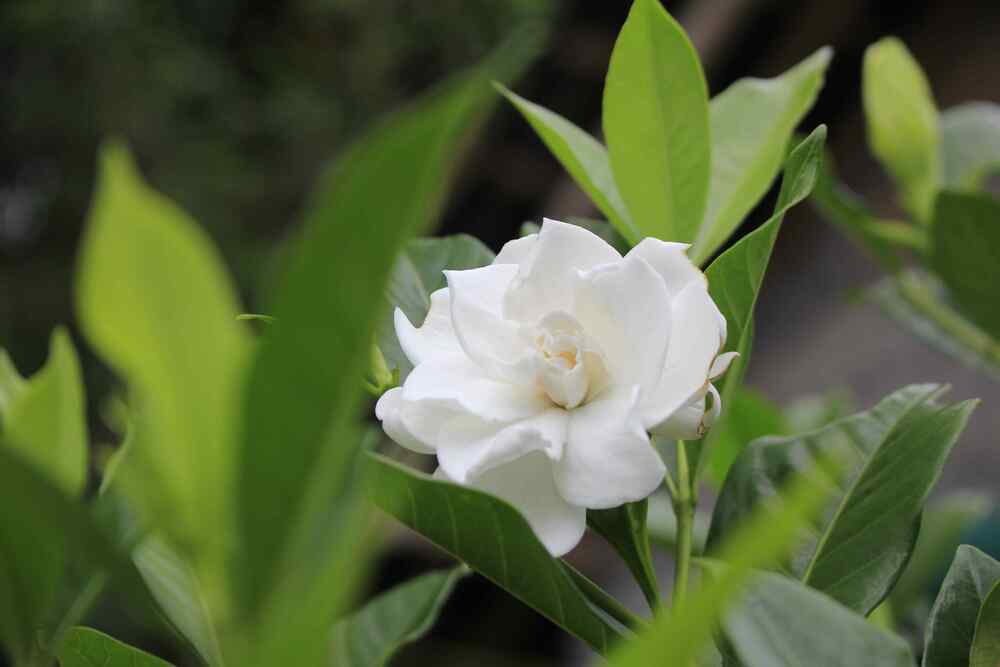
Gardenia is for people who want scent you notice before you reach the door. The white flowers feel “fancy,” but the plant still reads neat and evergreen.
Zones: 7–11 (some cultivars are hardier).
Light: Part sun to bright shade; protect from harsh afternoon sun.
Soil: Acidic, organic, consistently moist, excellent drainage.
Flower advantage: perfume + white blooms = entryway luxury.
5) Daphne (Daphne odora) — small shrub, huge fragrance
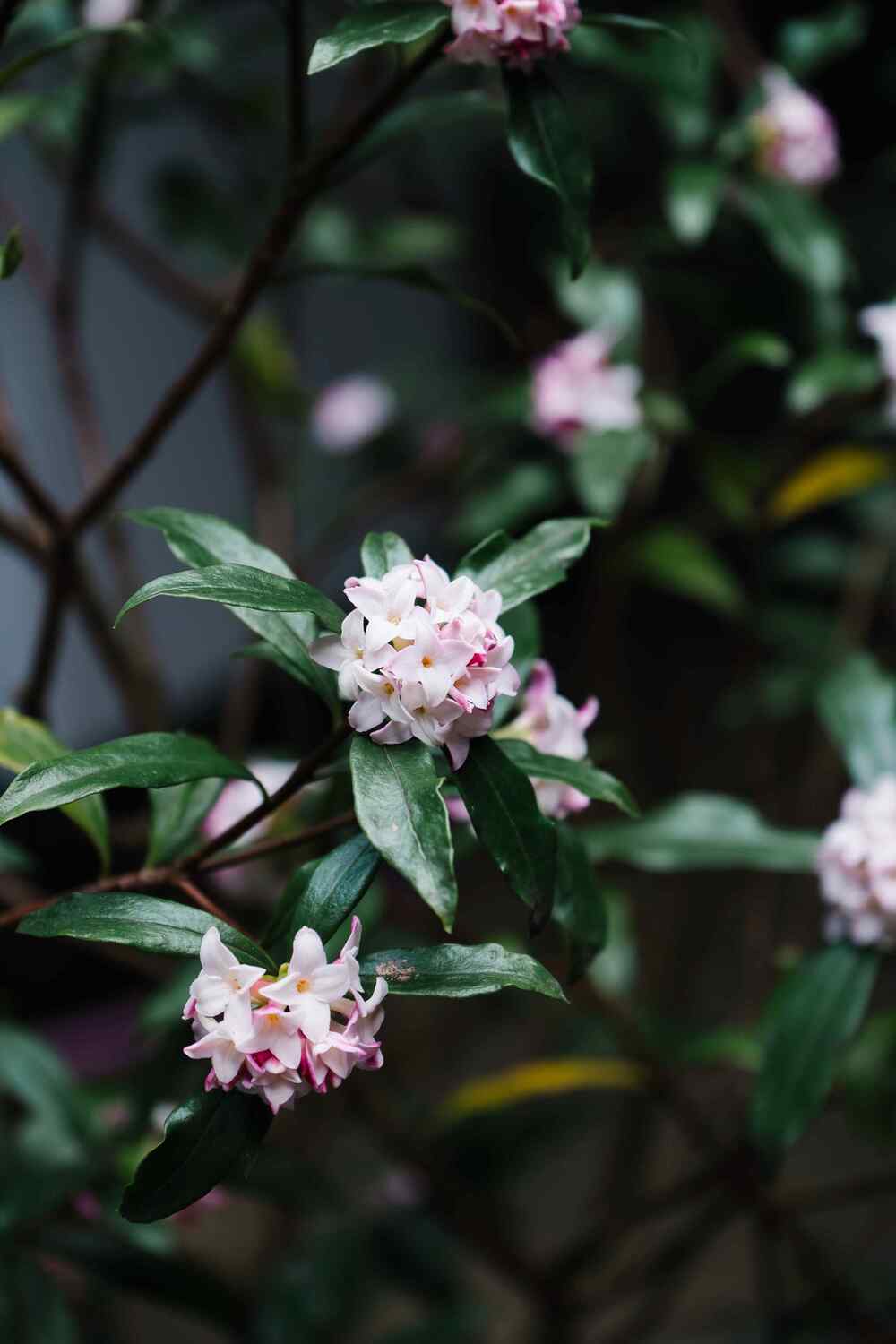
Daphne is compact and special—perfect under a window where you’ll smell it. It can be picky, but when it’s happy, it’s unforgettable.
Zones: 7–9 (some to 6 in protected spots).
Light: Part shade; gentle morning sun.
Soil: Sharp drainage, slightly acidic to neutral; hates wet feet.
Flower advantage: clusters of blooms provide high-impact scent in late winter/spring.
Tip: plant once, don’t move it.
6) Indian Hawthorn (Rhaphiolepis indica) — tough, tidy, and generous with flowers
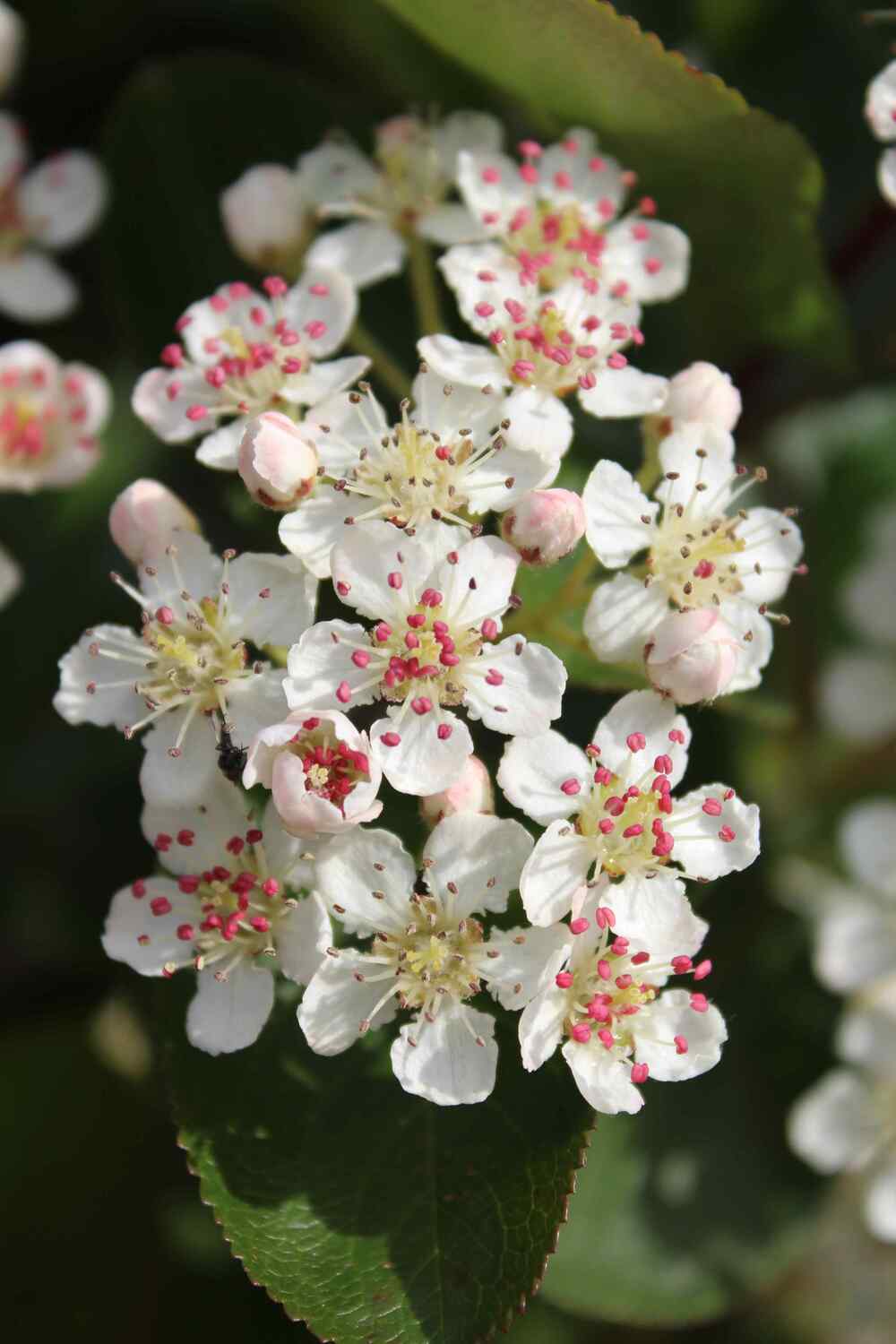
This is one of my favorite “set it and relax” shrubs for warm regions. It stays compact, handles drought once established, and blooms with soft pink or white clusters.
Zones: 7–10.
Light: Full sun to part shade (best blooms in sun).
Soil: Well-drained; adaptable, tolerates coastal conditions.
Flower advantage: blooms support pollinators, followed by berries for birds.
7) Pieris (Pieris japonica) — cascading flowers + colorful new growth
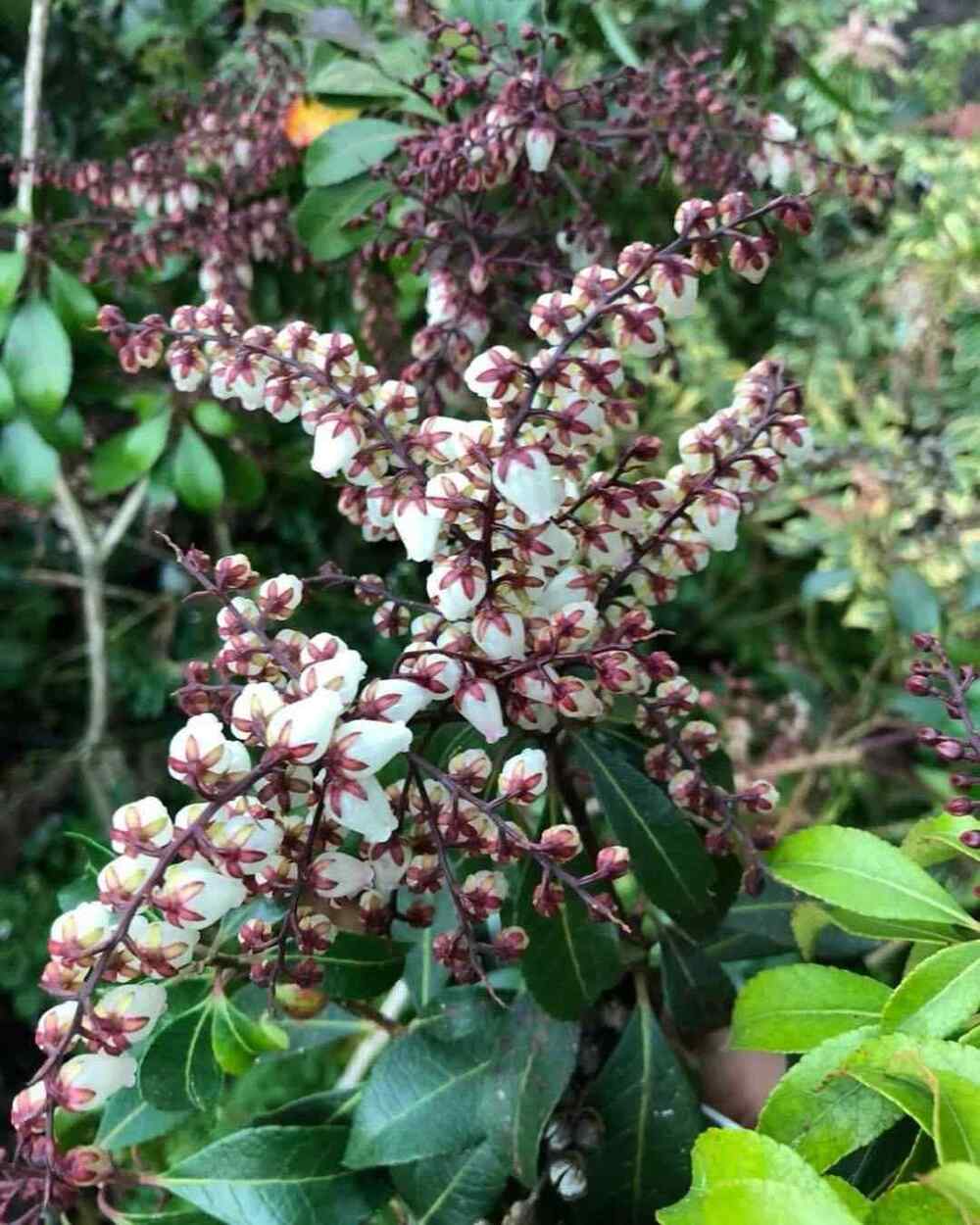
Pieris is the shrub I use when a foundation bed needs texture and a little drama. The spring flower clusters hang like tiny bells, and new growth often comes in red or pink tones.
Zones: 5–8.
Light: Part shade; shelter from harsh wind.
Soil: Acidic, moist, well-drained, rich.
Flower advantage: early blooms give soft movement and seasonal brightness.
8) Nandina (Nandina domestica) — evergreen color that shifts like a sunset

Nandina brings color even without flowers. Many compact types (like ‘Firepower’) turn fiery red in cool weather, which is perfect against brick, stone, or white siding.
Zones: 6–10.
Light: Sun to part shade (best color with more sun).
Soil: Adaptable, prefers well-drained.
Flower advantage: small blooms lead to berries (where viable), adding wildlife interest.
Note: in some regions, some nandina can be invasive—choose sterile cultivars where recommended.
9) Mahonia ‘Soft Caress’ — modern texture, winter blooms, shade-friendly
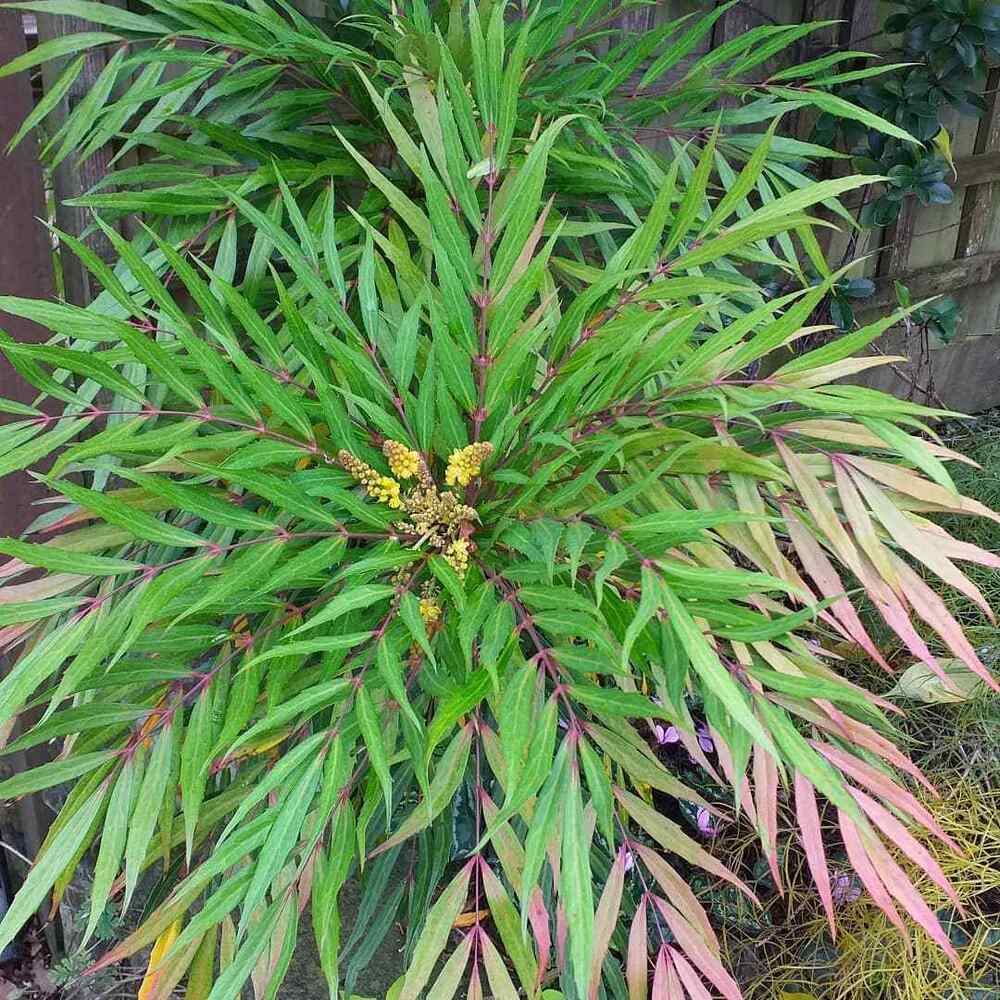
This mahonia doesn’t feel spiky; it’s feathery and refined. The yellow winter flowers are a bright surprise when most landscapes feel asleep.
Zones: 6–9.
Light: Part shade to shade.
Soil: Moist, well-drained, rich; tolerates clay if not waterlogged.
Flower advantage: winter blooms provide cold-season nectar and a fresh pop of color.
10) Juniper (Juniperus) — durable evergreen “armor” in many shapes
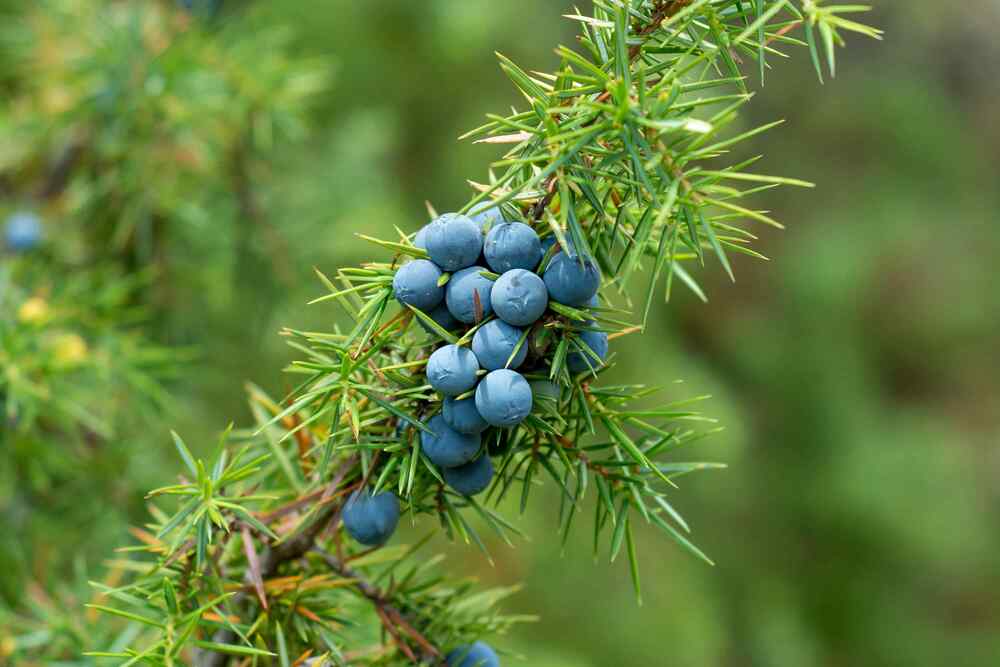
Junipers are the tough ones. Use low spreaders to soften edges, or upright forms as living columns by the front steps. Many offer blue-green tones that look sharp year-round.
Zones: 3–9 (varies widely).
Light: Full sun is best.
Soil: Very well-drained; tolerates poor, sandy soils.
Flower advantage: not a showy bloomer, but the foliage provides four-season structure.
Simple Selection Tips That Save You Regret
For small gardens: choose naturally compact varieties like Pieris ‘Little Heath’ or dwarf azaleas, and give each plant its mature width. A shrub that fits from day one still needs breathing room later, so resist the “just one more” temptation.
For low maintenance: junipers and boxwood are dependable if drainage is good. Pair them with one fragrant shrub near the entry—gardenia or daphne—and you get both order and personality.
Front-of-House Layout Rules I Actually Use
Keep the tallest shrubs at corners or between windows, then step down in height as you move toward walkways. Leave 6–12 inches of air between shrubs and the house for airflow and easy pruning. Repeat one evergreen shape (like boxwood mounds) to calm the scene, then add one “star” bloomer (camellia or azalea) for seasonal excitement.