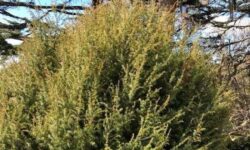
Shade can be such a mood. Sometimes it’s cool and peaceful under trees, sometimes it’s that stubborn north-facing side of the house where nothing seems happy. Either way, evergreen shrubs are my go-to because they keep the garden from feeling bare in winter, and they give you a “backbone” you can build everything else around.
A quick note before the list: shade isn’t one thing.
-
Dappled shade = filtered light through branches (many shrubs love this).
-
Part shade = 3–6 hours of sun, usually morning sun.
-
Deep shade = little direct sun (harder, but not impossible).
And yes, soil matters more in shade than people expect. Shady areas often stay damp longer (root rot risk), or they’re bone-dry under mature trees (water competition). I’ll point out what each shrub actually wants so you don’t end up babying the wrong plant.
Table of Contents
1) Rhododendron (Rhododendron spp.)
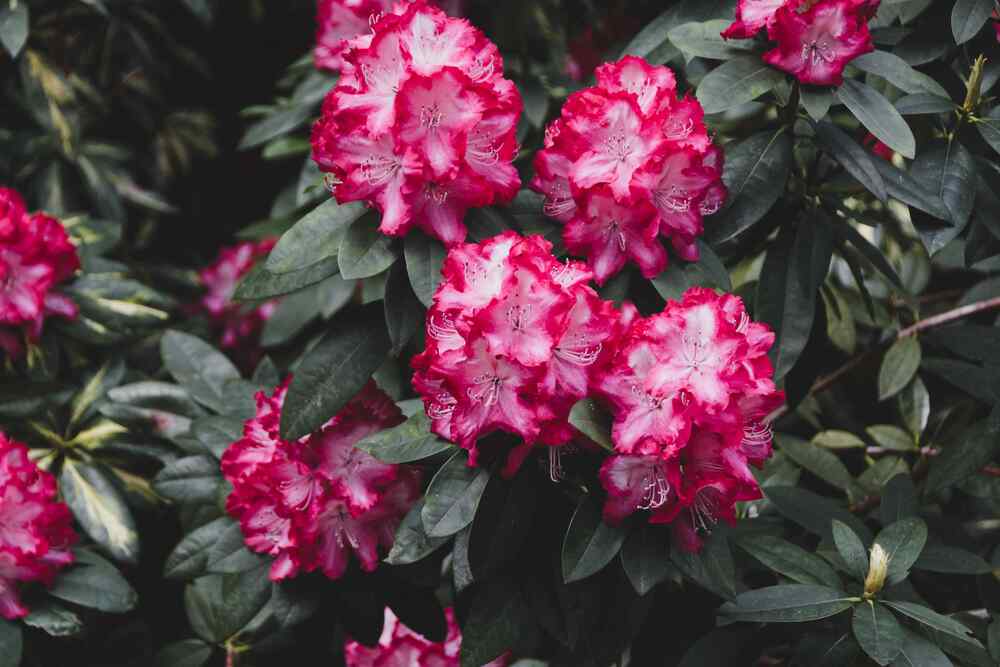
If you want spring flowers that feel like a celebration, rhododendrons deliver—big, bold blooms and thick evergreen leaves that look good year-round.
-
USDA Zones: 4–8 (varies by species/cultivar)
-
Light: Dappled shade to part shade (morning sun is best)
-
Soil Needs: Acidic (pH ~4.5–6), moist, well-drained, high organic matter
-
Water: Even moisture; hate drying out, hate soggy feet
-
Tip I actually use: Mulch with pine bark/needles, keep mulch off the trunk, and plant slightly high if your soil holds water.
Best use: Understory shrub, woodland beds, shady foundation corners.
2) Camellia (Camellia spp.)
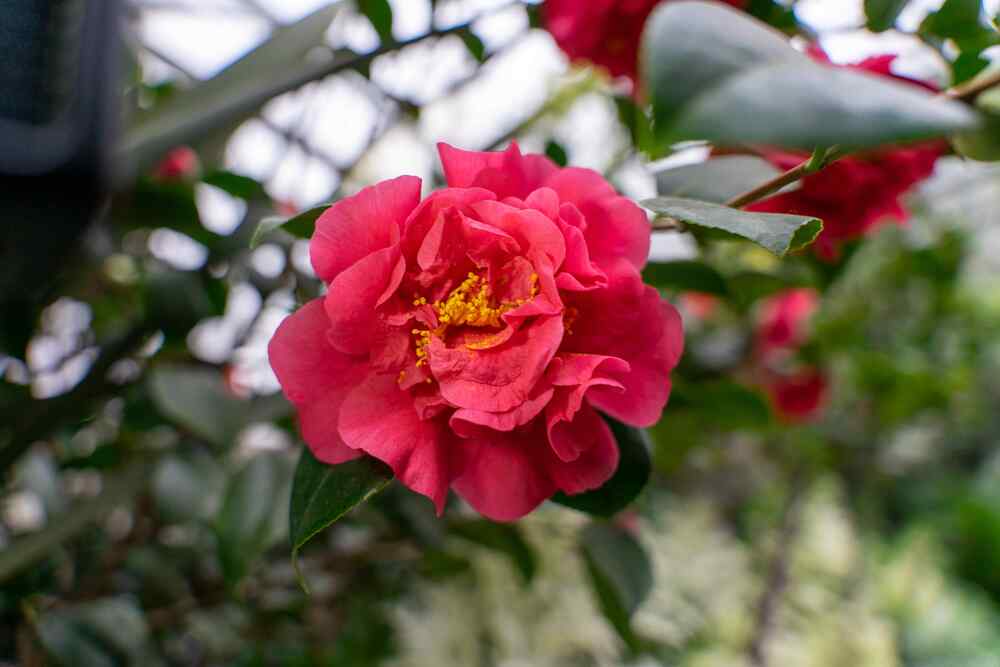
Camellias feel a little fancy without being fussy—glossy leaves, and blooms that can show up in fall, winter, or early spring depending on the type.
-
USDA Zones: 7–10 for many (some varieties down to 6 with protection)
-
Light: Part shade (protect from hot afternoon sun)
-
Soil Needs: Acidic, well-drained, evenly moist
-
Water: Deep watering during bud set and bloom season
-
Cold-weather trick: In borderline zones, plant in a sheltered spot (near a wall that blocks wind) and mulch root zone heavily.
Best use: Elegant specimen shrub, foundation planting, near patios where you’ll notice the blooms.
3) Japanese Pieris (Pieris japonica)
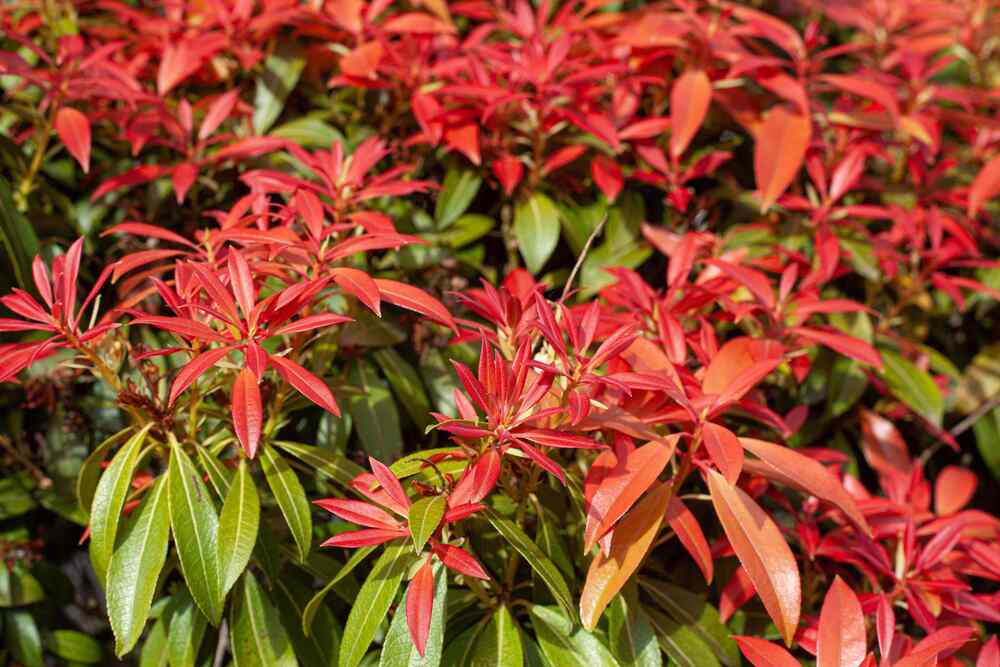
Pieris is one of those shrubs that quietly looks good all year, and then in spring it adds little drooping flower clusters plus colorful new growth (red/bronze tones are the fun part).
-
USDA Zones: 5–8
-
Light: Part shade to dappled shade
-
Soil Needs: Acidic, moist, well-drained
-
Water: Consistent moisture, especially first 2 years
-
Small warning: Pieris can struggle in heavy clay unless you amend and improve drainage.
Best use: Woodland borders, paired with rhododendrons/azaleas, along shaded walkways.
4) Boxwood (Buxus spp.)
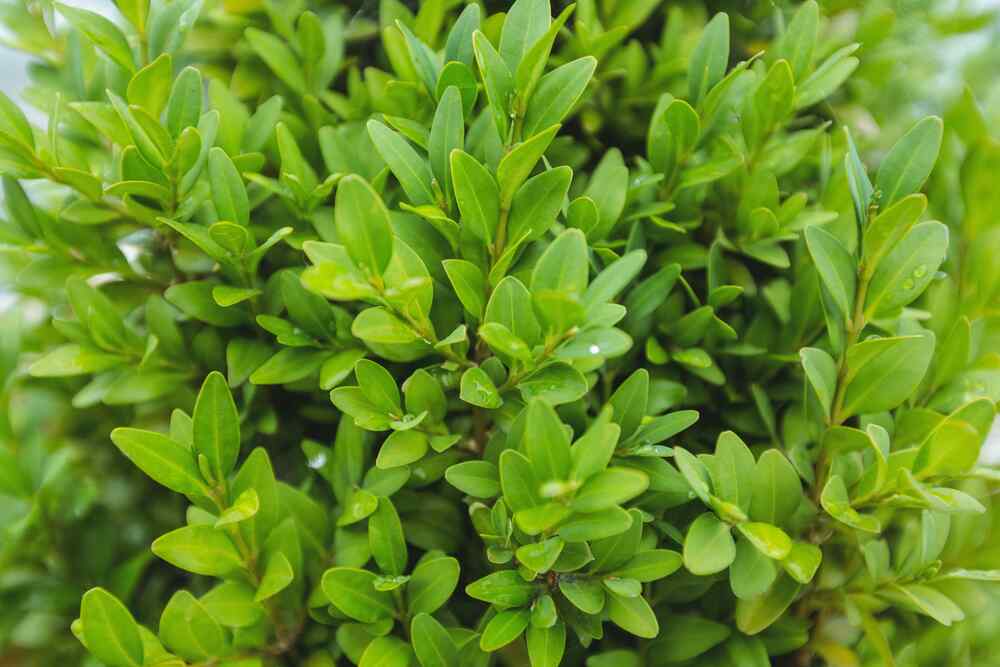
Boxwood is the classic “structure shrub.” It’s tidy, calm, and makes everything around it look intentional—even if the rest of the garden is chaos.
-
USDA Zones: 5–9 (varies)
-
Light: Part shade to sun (some tolerate deep shade, but growth slows)
-
Soil Needs: Well-drained, neutral to slightly alkaline, consistent moisture
-
Water: Regular until established; then fairly drought tolerant
-
Shade bonus: Some boxwood handles dry shade once established, which is rare.
Best use: Low hedges, edging, topiary, foundation “anchors.”
Real-life tip: Give it airflow—tight, damp shade can invite fungal issues.
5) Mountain Laurel (Kalmia latifolia)
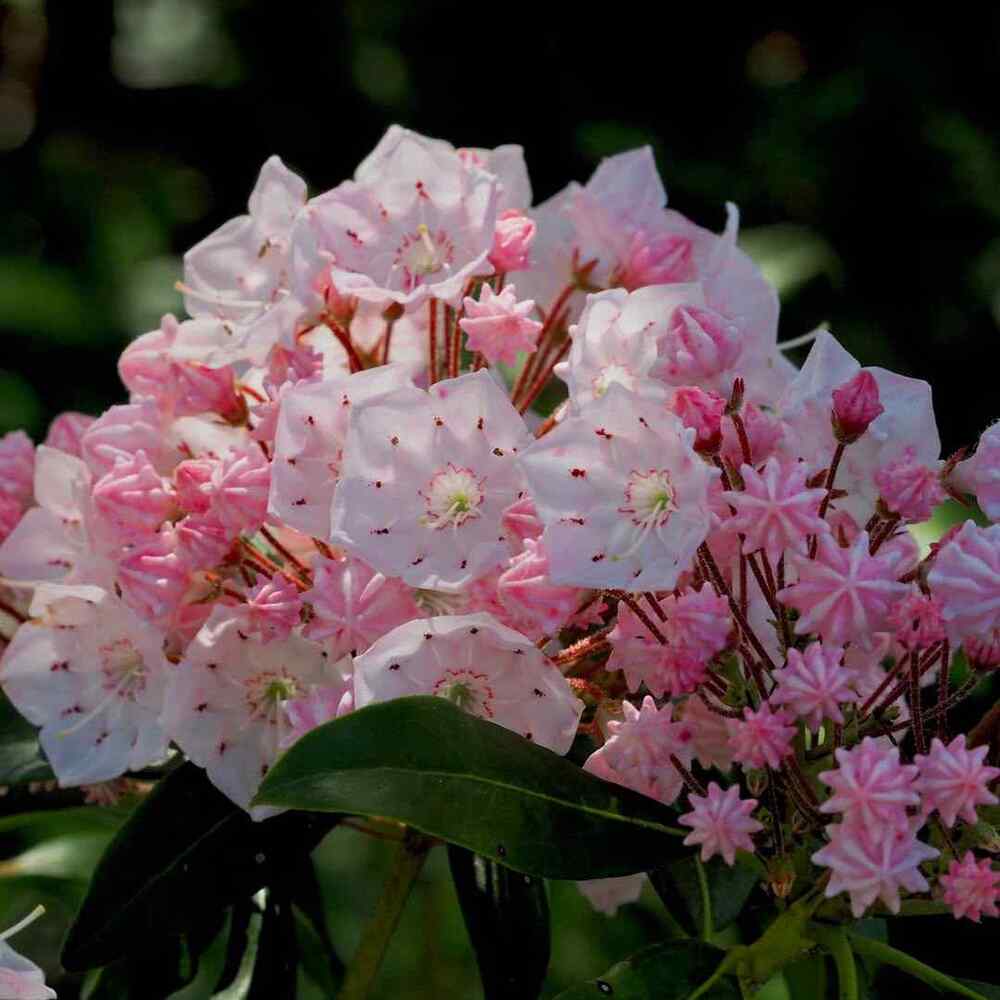
Mountain laurel is a slow-growing native that earns its keep with intricate, starry blooms in late spring. It has a quiet, woodland vibe that feels natural, not forced.
-
USDA Zones: 4–9
-
Light: Dappled shade to part shade
-
Soil Needs: Acidic, well-drained, organic
-
Water: Moderate; drought tolerance improves once established
-
Patience note: It’s not a “fast hedge” shrub. It’s more of a long-term investment.
Best use: Native plantings, woodland gardens, slopes with decent drainage.
6) Mahonia (Mahonia spp.)
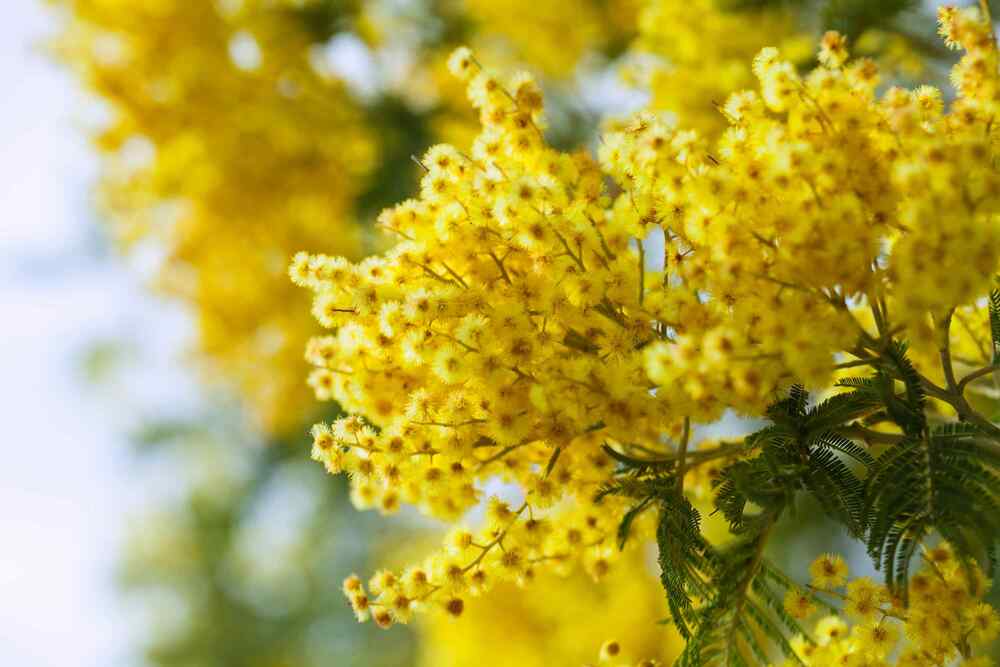
Mahonia is underrated. The foliage is bold and architectural (often prickly), and you get yellow winter flowers when the garden is usually asleep—plus berries for birds.
-
USDA Zones: 5–9 (depending on species; many are 6–9)
-
Light: Shade to part shade
-
Soil Needs: Adaptable, prefers well-drained soil with organic matter
-
Water: Average; fairly drought tolerant once established
-
Design trick: It looks amazing against softer plants (ferns, hostas) because of the strong leaf texture.
Best use: Deep shade accents, wildlife-friendly corners, winter interest.
7) Gardenia (Gardenia jasminoides)
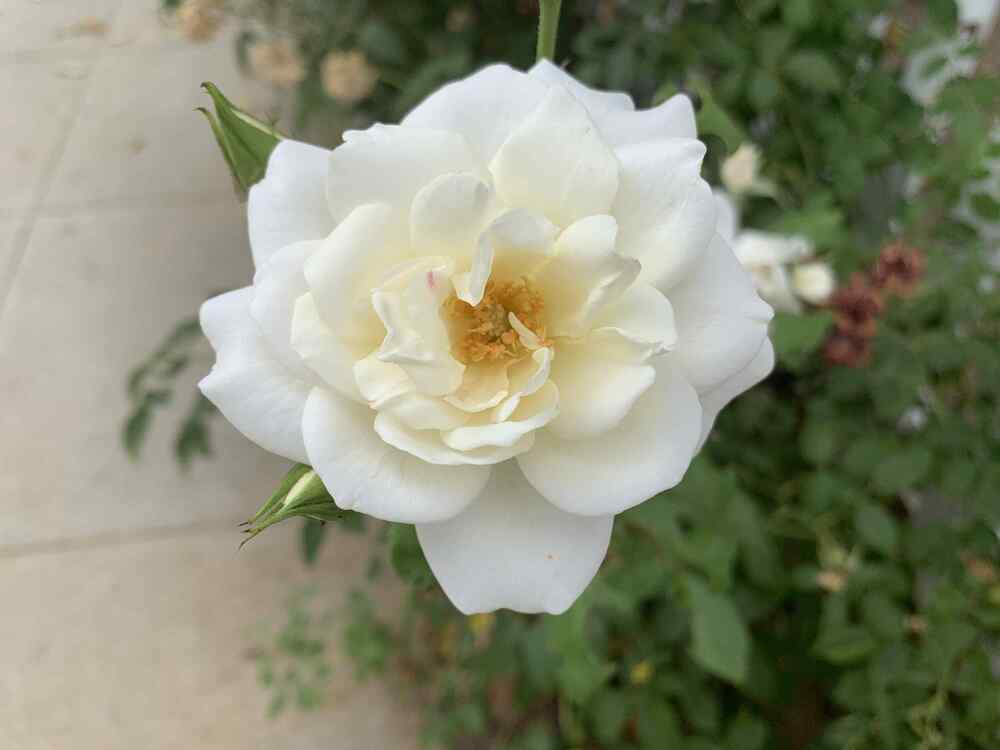
Gardenia is for people who want fragrance—the kind you notice from the driveway. In the right climate, it’s a glossy-leaved evergreen that feels almost tropical.
-
USDA Zones: 8–11 (some hardy cultivars to 7 with protection)
-
Light: Part shade (bright shade is ideal in hot climates)
-
Soil Needs: Acidic, rich, consistently moist but well-drained
-
Water: Regular; don’t let it dry out during blooming
-
Practical tip: If leaves yellow, it’s often pH or iron related—gardenias are picky about acidity.
Best use: Warm shaded patios, entryways (so the scent hits you), sheltered foundation beds.
8) Yew (Taxus × media and other Taxus spp.)
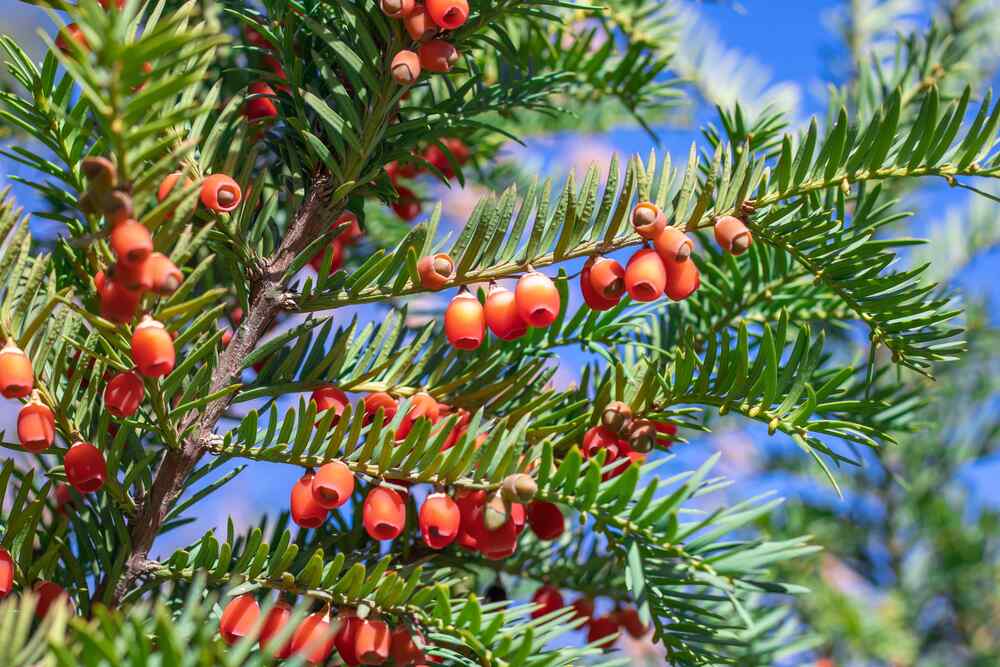
Yew is one of the best shrubs for shade—period. It’s tough, long-lived, and can be clipped into hedges or left more natural.
-
USDA Zones: 4–7 (some types to 8)
-
Light: Full shade to sun (seriously adaptable)
-
Soil Needs: Well-drained; tolerates many soils but dislikes soggy ground
-
Water: Moderate; drought tolerant once established
-
Important safety note: Yews are toxic if ingested (pets/kids should not nibble).
Best use: Privacy hedges in shade, dark evergreen backdrop, formal gardens.
9) Inkberry Holly (Ilex glabra ‘Gem Box’)
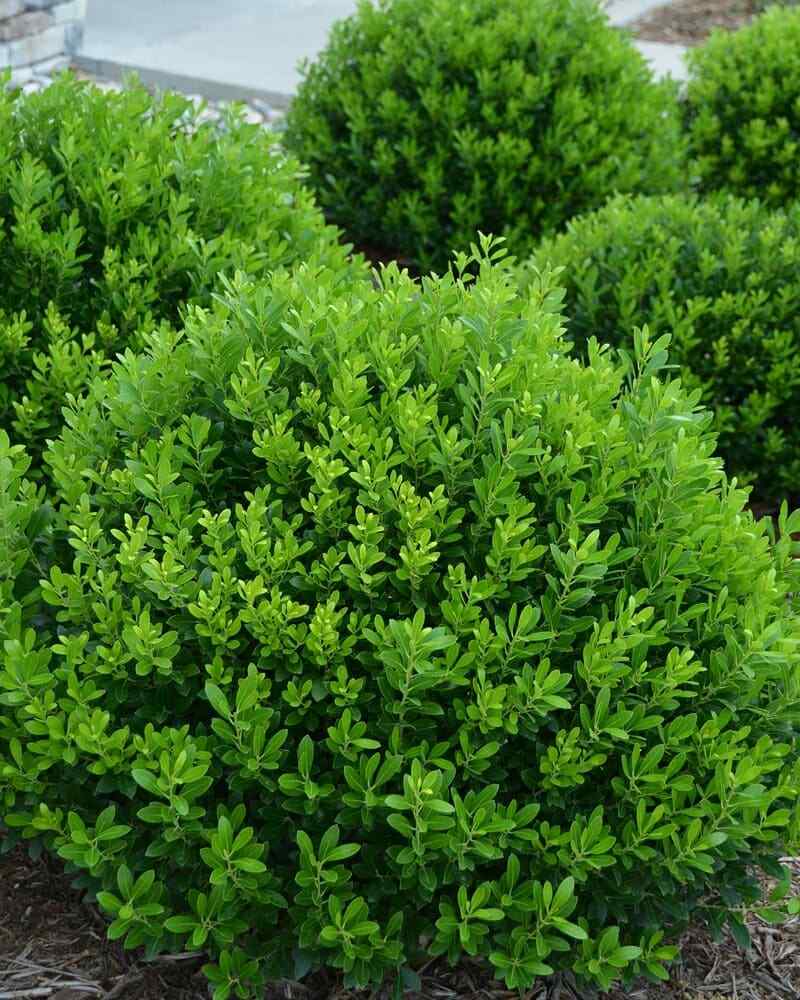
If boxwood struggles in your area (disease, winter burn, pests), inkberry is a lovely native alternative with a similar tidy feel—especially this compact cultivar.
-
USDA Zones: 5–9
-
Light: Part shade to shade (more sun = denser growth)
-
Soil Needs: Moist, acidic; tolerates clay and wetter sites better than many shrubs
-
Water: Likes consistent moisture, especially in dry shade under trees
-
Bonus: It’s native in the eastern U.S., and generally wildlife-friendly.
Best use: Low hedges, foundation plantings, rain-garden edges (not swampy, just reliably moist).
10) Leucothoe (Leucothoe fontanesiana)
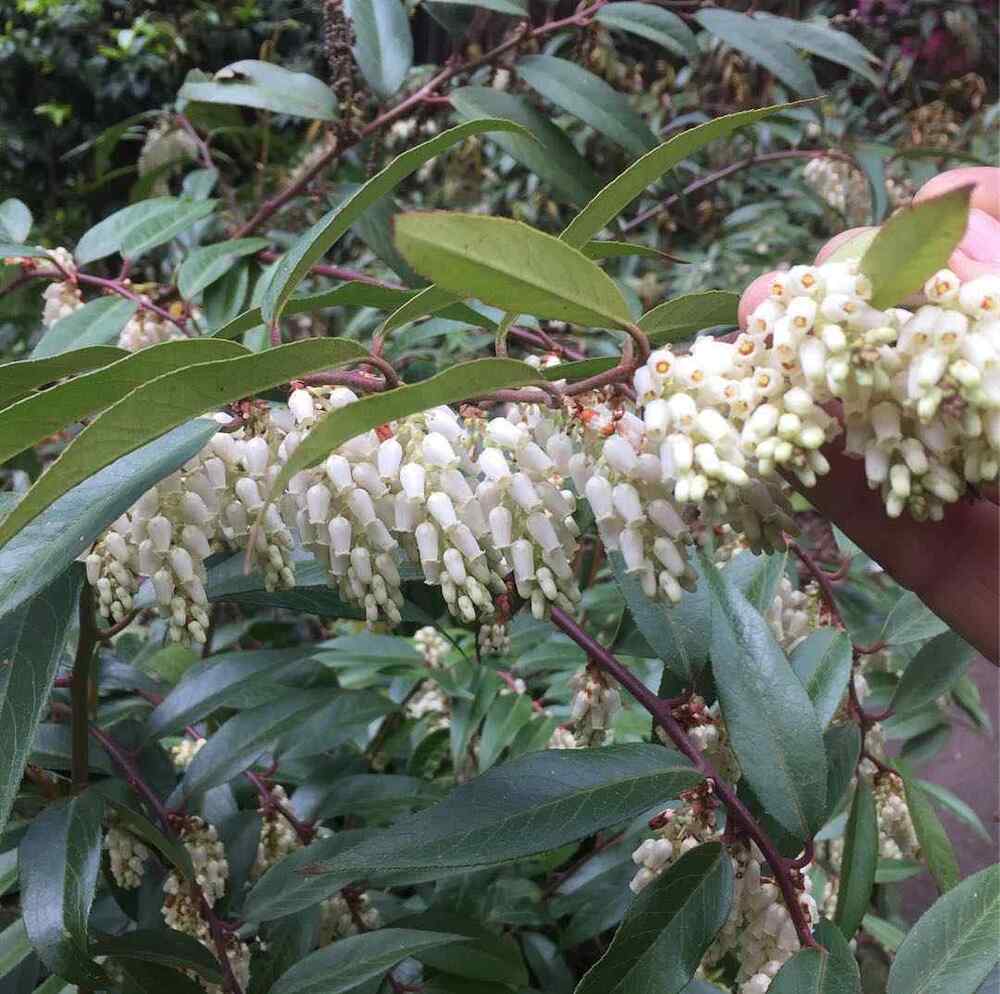
Leucothoe has a graceful, cascading form—arching branches, small bell flowers, and foliage that can bronze up in winter. It softens hard edges like nothing else.
-
USDA Zones: 5–8
-
Light: Shade to part shade
-
Soil Needs: Acidic, moist, well-drained; high organic matter
-
Water: Moderate; doesn’t want to dry out completely
-
Placement tip: Give it room to spill a bit—this is not a “tight ball” shrub.
Best use: Slopes, woodland borders, shady foundation beds where you want movement.
A few shade-shrub habits that save a lot of regret
1) Plant for root competition.
Under trees, the soil can be dry even when it looks shady and “cool.” For those spots, yew or established boxwood often cope better than thirstier acid-lovers.
2) Drainage is the secret boss fight.
Shade + wet soil = trouble. If water sits after rain, raise the planting area slightly and add organic matter. Rhododendron, camellia, pieris, and leucothoe all prefer moist but draining soil.
3) Mulch like you mean it (but don’t smother).
A 2–3 inch mulch layer keeps roots steady and reduces watering stress. Keep mulch a few inches away from stems.
4) Don’t over-fertilize shade shrubs.
In shade, too much fertilizer can push soft growth that’s more vulnerable to cold and disease. Slow and steady wins.
If you want a simple “starter combo” for shade
-
Structure: Boxwood or Inkberry (‘Gem Box’)
-
Drama blooms: Rhododendron or Camellia
-
Texture + winter interest: Mahonia or Leucothoe
-
Ultra-shade backbone: Yew