If your yard gets blasted with sun for most of the day (the good kind of problem), evergreen shrubs are the backbone that keeps everything from feeling empty once the flowers fade. I like them for one simple reason: they show up every month of the year, even when I’m not in the mood to baby plants.
For this list, I’m sticking to shrubs that handle full sun—think 6–8+ hours daily—and still provide structure, privacy, and texture. I’m also including practical notes like USDA growing zones, soil needs, and care habits so you can actually use the information, not just admire the plant names.
Table of Contents
Before You Plant: A Quick Reality Check
-
Sun: Full sun = 6–8+ hours. Morning sun + afternoon sun both count, but harsh afternoon heat can stress some broadleaf evergreens in hot climates.
-
Soil: Most evergreens hate wet feet. If your soil stays soggy, plan on raised beds, mounding, or improving drainage.
-
Water (Year 1): Your first year is the make-or-break period. Water deeply and consistently so roots go down instead of hovering near the surface.
-
Mulch: A 2–3 inch mulch ring (kept a couple inches away from the stem) keeps moisture steady and helps with weeds.
1) Blue Point Juniper (Juniperus chinensis ‘Blue Point’)
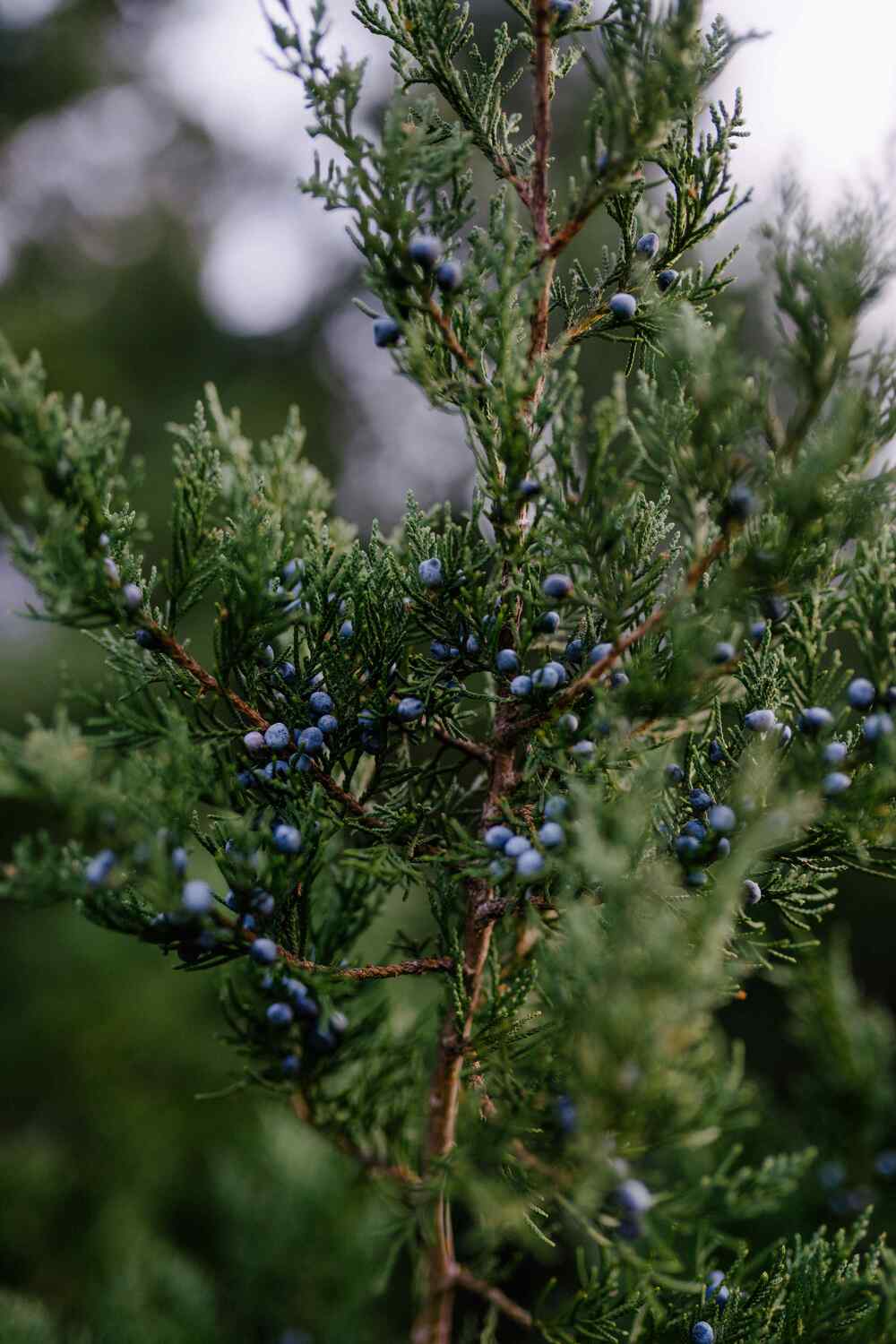
Why I like it: That blue-green color looks clean and crisp year-round, and it behaves like a natural privacy accent without constant trimming.
-
USDA Zones: 4–9
-
Sun: Full sun (best color in strong sun)
-
Size: Around 10–12 ft tall, 3–6 ft wide
-
Soil Needs: Well-drained soil; tolerates sandy, rocky, and poor soils
-
Water: Drought-tolerant once established; water weekly in year one
-
Best Use: Screening, corner anchors, “tall exclamation point” plantings
Tip: If your soil is heavy clay, plant slightly high and mound soil around the root ball.
2) Green Giant Arborvitae (Thuja x ‘Green Giant’)
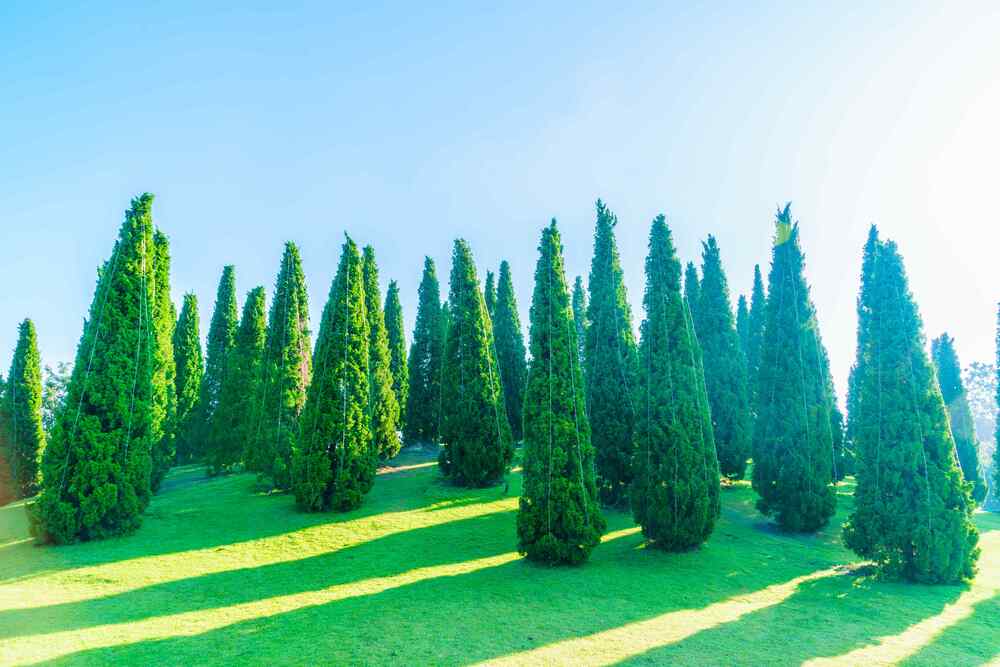
Why I like it: Fast privacy. It’s the shrub people plant when they want a living wall yesterday.
-
USDA Zones: 5–8 (sometimes does okay in 9 with irrigation)
-
Sun: Full sun to part sun
-
Size: 30–50 ft tall, 10–15 ft wide (yes, it gets big)
-
Soil Needs: Adaptable, but prefers moist, well-drained soil
-
Water: Needs regular water during establishment; don’t let it dry out completely
-
Best Use: Tall privacy screens, windbreaks
Tip: For a dense screen, space 5–8 ft apart depending on how quickly you want coverage.
3) Boxwood (Buxus spp.)
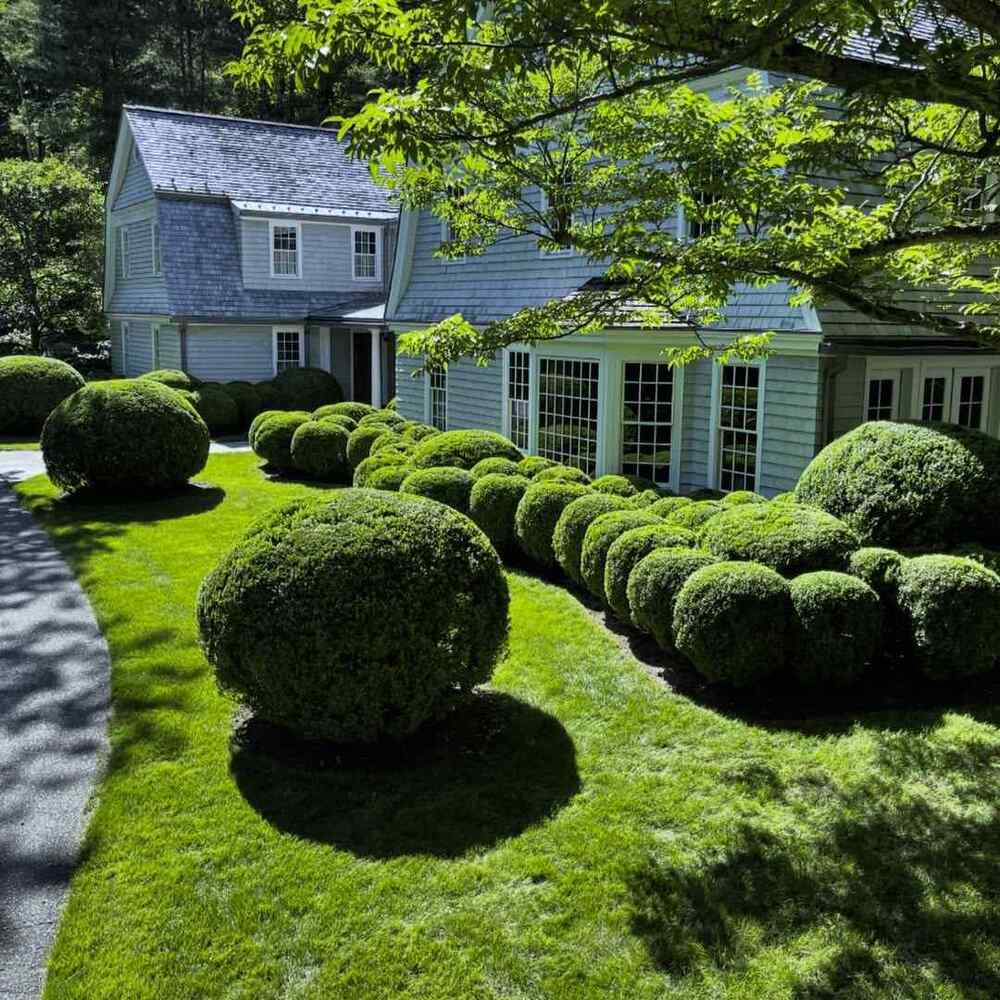
Why I like it: Boxwood is the “little black dress” of landscaping—simple, structured, always appropriate.
-
USDA Zones: 5–9 (varies by species/cultivar)
-
Sun: Full sun to part shade (in hot zones, afternoon shade helps)
-
Size: Depends on variety; 2–6 ft is common
-
Soil Needs: Rich, well-drained soil; dislikes waterlogged spots
-
Water: Moderate; keep evenly moist in year one
-
Best Use: Hedges, edging, topiary, foundation structure
Tip: Boxwoods can bronzing in winter wind—mulch well and avoid exposed, windy corners.
4) Camellia (Camellia sasanqua / japonica)
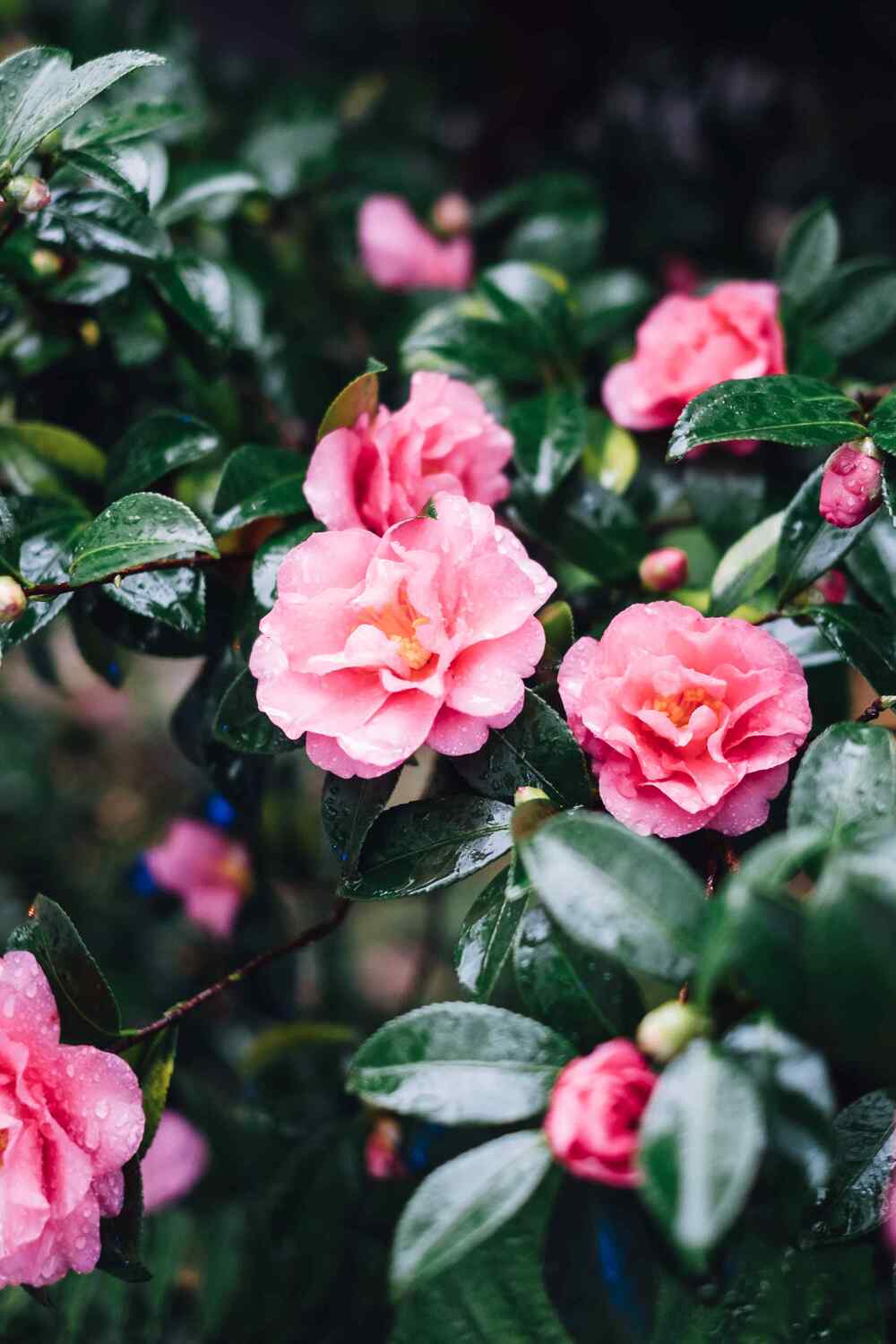
Why I like it: Glossy leaves all year, plus blooms when most of the garden is quiet. It feels a little luxurious.
-
USDA Zones: 7–10 (many sasanqua types handle 7 better)
-
Sun: Full sun to part shade (more sun = more blooms, but protect from extreme heat)
-
Size: Often 6–12 ft tall, depending on type
-
Soil Needs: Acidic, well-drained, organic-rich soil
-
Water: Consistent moisture; don’t let it swing between drought and soggy
-
Best Use: Specimen shrub, evergreen flowering hedge
Tip: If your soil is alkaline, amend with pine bark/compost and consider planting where runoff won’t pool.
5) Sun-Tolerant Rhododendron (Rhododendron spp.)
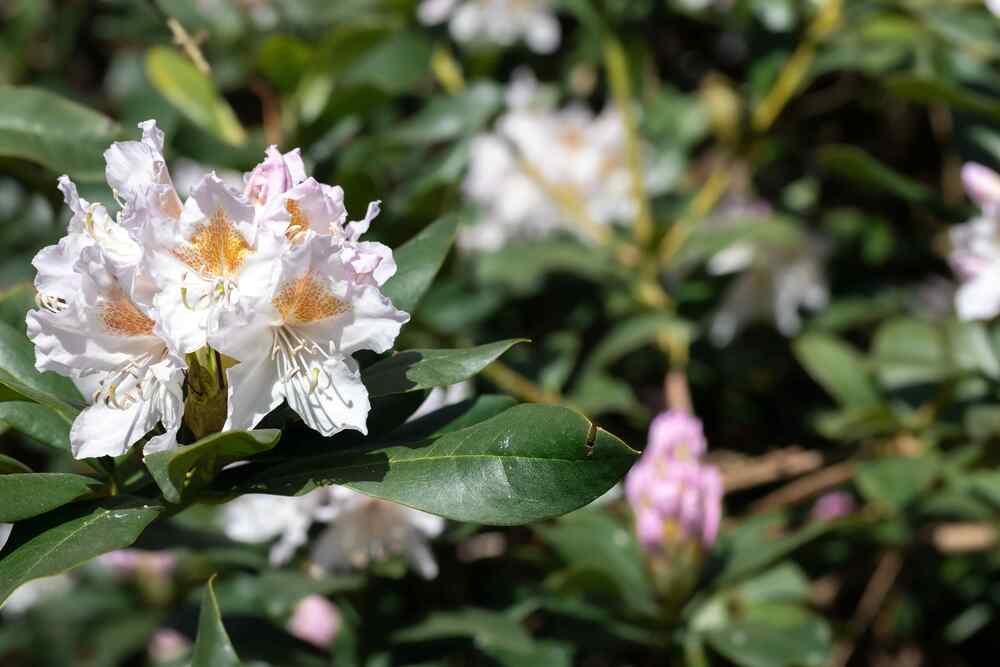
Why I like it: Those showy blooms make the yard feel intentional. Choose a sun-tolerant variety and it can handle brighter spots.
-
USDA Zones: Commonly 4–8 (varies a lot)
-
Sun: Full sun only if variety is sun-tolerant; otherwise give afternoon relief
-
Size: 3–10 ft, depending on cultivar
-
Soil Needs: Acidic, well-drained, high organic matter
-
Water: Shallow roots—water during dry spells even after establishment
-
Best Use: Flowering evergreen massing, woodland-edge feel in sunnier areas
Tip: Mulch is non-negotiable for rhododendrons. It keeps roots cool and stops moisture swings.
6) Leatherleaf Mahonia (Mahonia bealei)
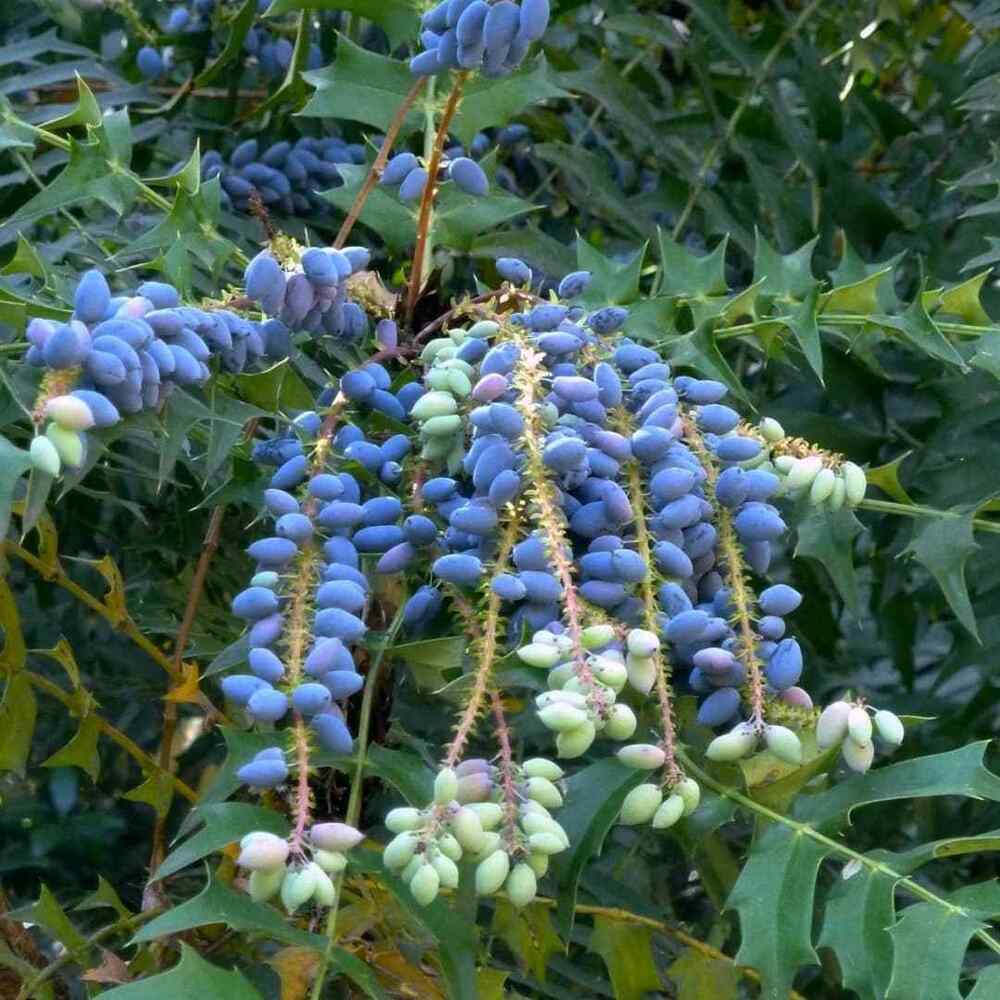
Why I like it: It’s bold and architectural, like a plant that knows it’s interesting even without flowers.
-
USDA Zones: 7–9
-
Sun: Full sun to part shade
-
Size: 6–10 ft tall, 4–6 ft wide
-
Soil Needs: Adaptable, but prefers well-drained soil
-
Water: Moderate; more drought tolerant once established
-
Best Use: Background shrub, statement foliage, wildlife-friendly plantings
Tip: Wear gloves when pruning—foliage is spiky and it means it.
7) Pieris japonica (Japanese Andromeda)
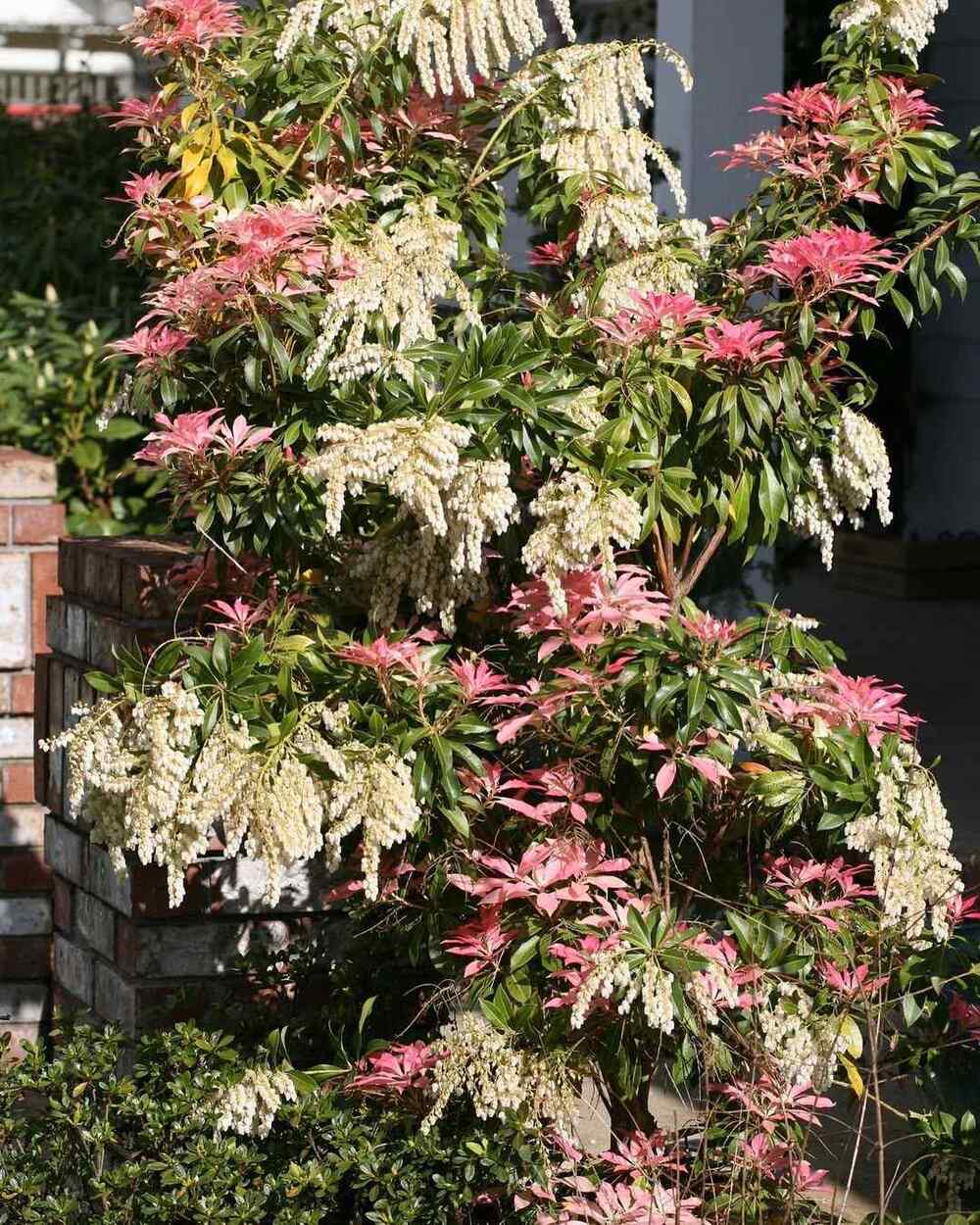
Why I like it: The new growth comes in red/bronze tones that look like built-in seasonal decor.
-
USDA Zones: 5–8
-
Sun: Full sun to part shade (hot climates prefer part shade)
-
Size: 4–10 ft tall, 4–8 ft wide
-
Soil Needs: Acidic, well-drained, organic-rich soil
-
Water: Likes consistent moisture; avoid soggy soil
-
Best Use: Foundation plantings, mixed evergreen borders
Tip: If leaves yellow between veins, suspect alkaline soil or nutrient lockout—adjust pH and use an acid-lover fertilizer.
8) Korean Fir ‘Blauer Eskimo’ (Abies koreana)
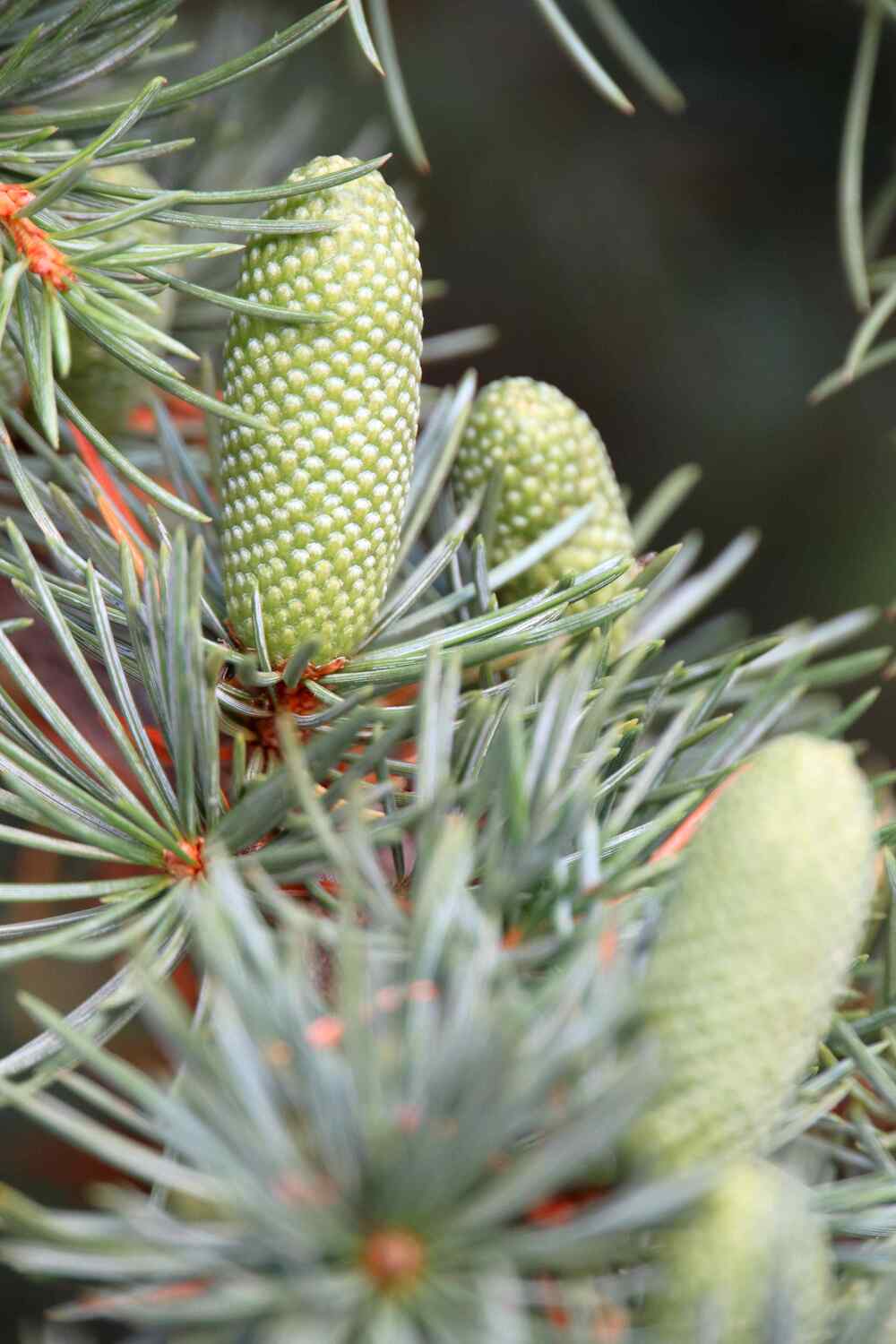
Why I like it: Compact conifer with a tidy habit—great when you want evergreen presence without a giant tree.
-
USDA Zones: 5–8
-
Sun: Full sun to light shade
-
Size: Often 2–4 ft tall in many years; slow-growing
-
Soil Needs: Cool, well-drained soil; hates heat + wet soil together
-
Water: Moderate; don’t let it bake dry in containers
-
Best Use: Containers, small gardens, focal point near patios
Tip: In hot regions, morning sun + afternoon shade keeps it happier.
9) Photinia ‘Red Robin’
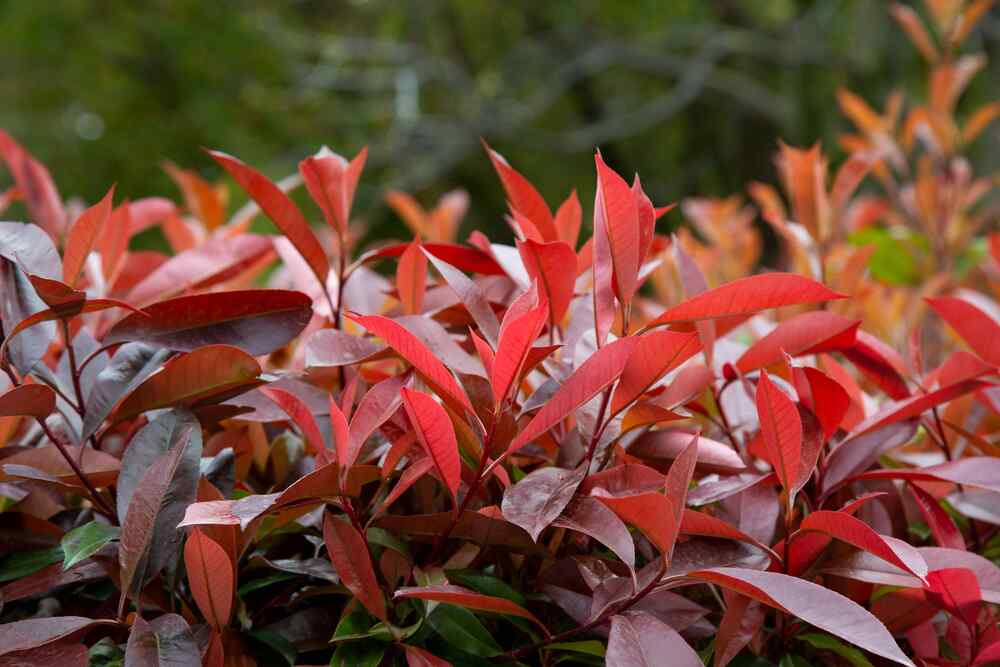
Why I like it: That bright red new growth in spring is basically a free color show, even before flowers.
-
USDA Zones: 7–9
-
Sun: Full sun (best color with strong light)
-
Size: 8–15 ft tall, 6–10 ft wide
-
Soil Needs: Well-drained soil, moderate fertility
-
Water: Regular in establishment; avoid overhead watering to reduce leaf issues
-
Best Use: Evergreen hedge, privacy screen
Tip: Give it airflow. Tight, shaded hedges can invite fungal leaf spot, so don’t cram it into a damp corner.
10) Choisya (Mexican Orange Blossom)
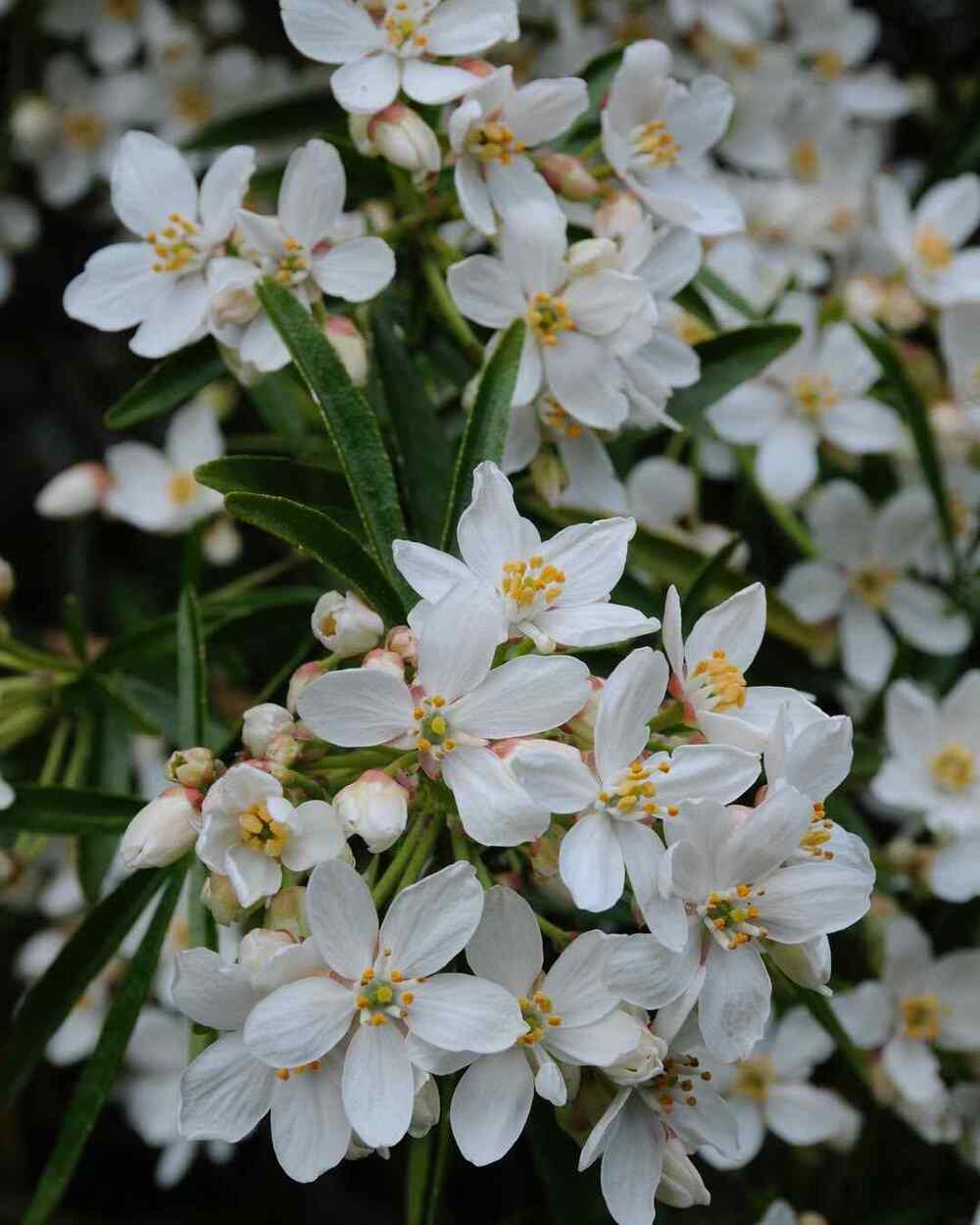
Why I like it: Glossy leaves + fragrant white flowers = it earns its space. Even a quick brush past it smells nice.
-
USDA Zones: 7–10
-
Sun: Full sun to part shade
-
Size: Typically 4–8 ft tall, 4–6 ft wide
-
Soil Needs: Well-drained soil; tolerates average garden soil
-
Water: Moderate; more drought-tolerant once established
-
Best Use: Flowering evergreen hedge, entryway planting
Tip: Light pruning after flowering keeps it compact and encourages fresh growth.
11) Escallonia
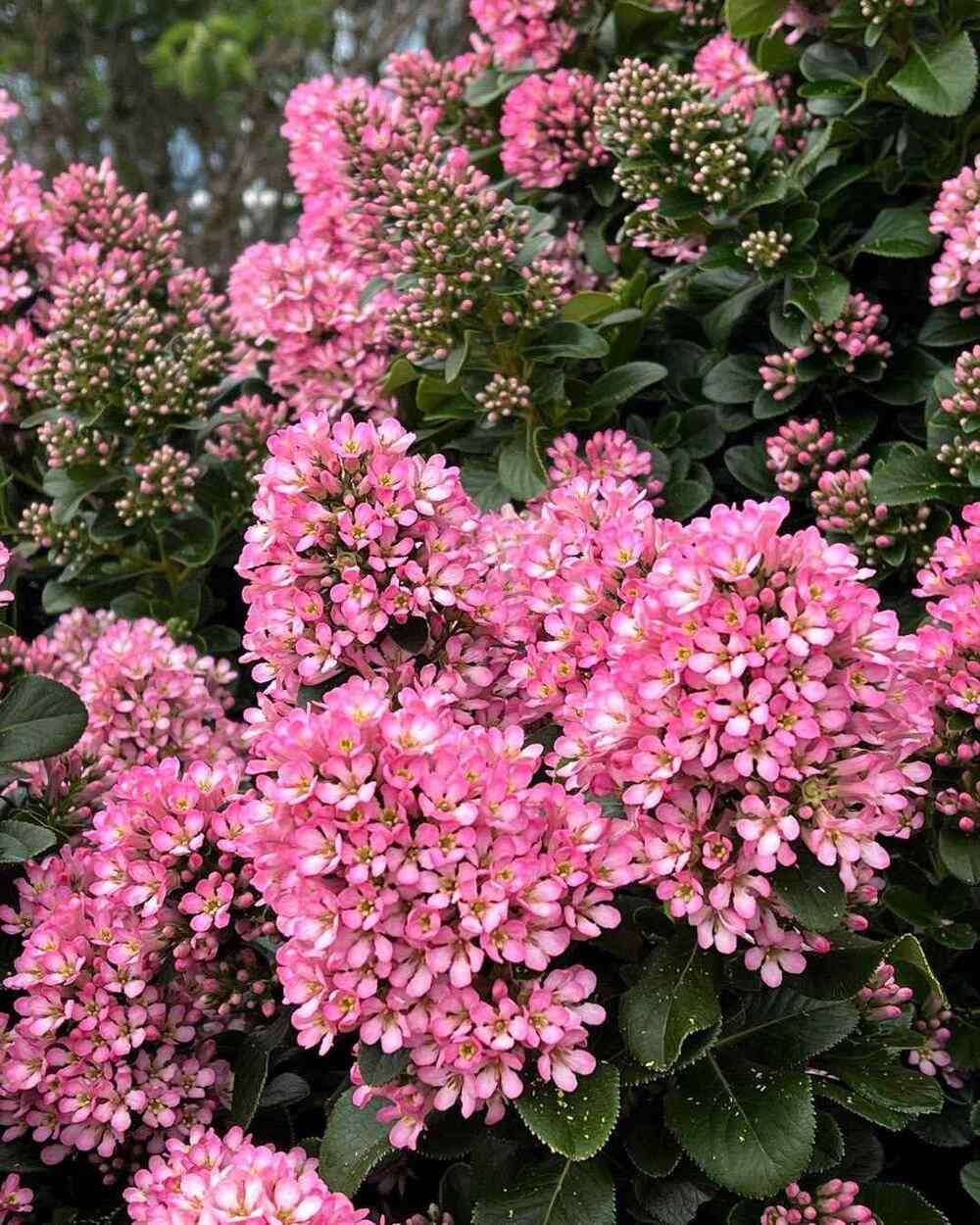
Why I like it: It’s a workhorse hedge shrub with glossy leaves and pink/red blooms—especially useful in coastal or windy areas (depending on variety).
-
USDA Zones: Generally 7–10 (some types handle 6 with protection)
-
Sun: Full sun
-
Size: Often 4–10 ft tall, 4–8 ft wide
-
Soil Needs: Well-drained, tolerates sandy soils
-
Water: Moderate; fairly tough once established
-
Best Use: Flowering hedge, screening, seaside gardens
Tip: If you want a clean hedge line, shear lightly after the main bloom flush instead of constant trimming.
12) Pittosporum tenuifolium
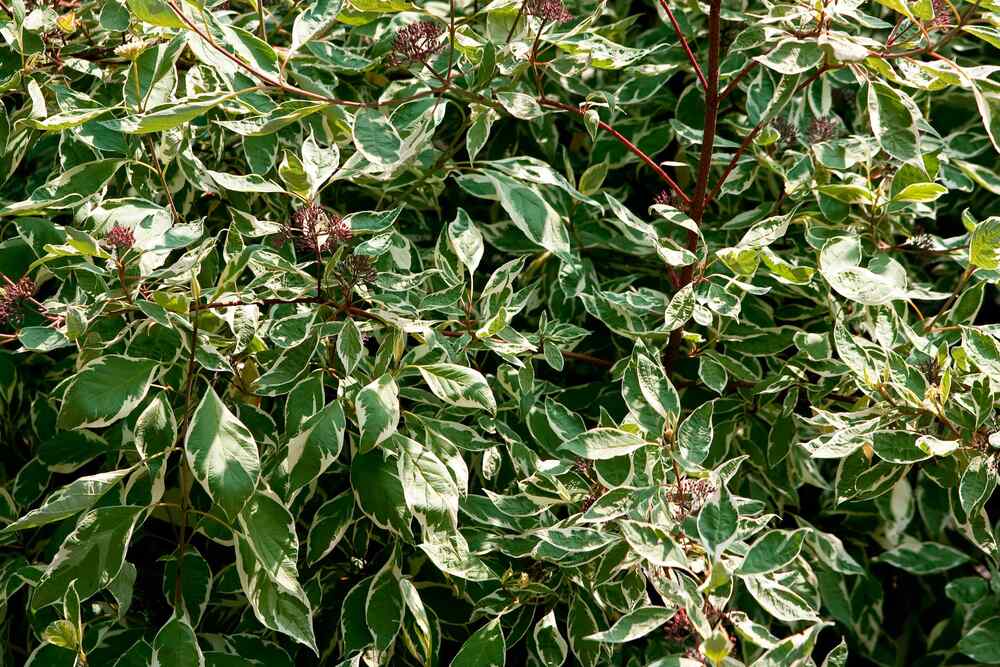
Why I like it: The foliage and stems can be dramatic (some have dark stems), and many varieties have a subtle fragrance.
-
USDA Zones: 8–10 (some varieties may handle 7 with protection)
-
Sun: Full sun to part shade
-
Size: Often 8–15 ft tall, 6–10 ft wide
-
Soil Needs: Well-drained soil; doesn’t like heavy, wet clay
-
Water: Moderate; drought tolerant once established
-
Best Use: Privacy screen, modern landscapes, specimen shrub
Tip: In colder edge zones, plant near a warm wall or sheltered spot to reduce winter damage.
Simple Layout Ideas (So It Doesn’t Feel Random)
-
Fast privacy wall: Green Giant Arborvitae + a few Blue Point Junipers for color contrast.
-
Formal structure: Boxwood hedge with Camellia or Pieris behind it for seasonal drama.
-
Low-fuss texture border: Juniper + Pittosporum + Escallonia (especially good in bright, open yards).
-
“Winter interest” corner: Camellia + Mahonia + Pieris—glossy leaves and blooms when the rest of the yard naps.
My “Don’t Mess This Up” Checklist
-
Water deeply the first year. Most “hard plants” die from rushed establishment.
-
Fix drainage before planting. If water sits after rain, raise the planting area.
-
Match the shrub to your soil pH. Camellia, Pieris, and Rhododendron want acidic soil—they will sulk in alkaline ground.
-
Give mature space. Privacy shrubs get wide. Crowding leads to stress and disease.