If you garden in Zone 9, you already know the front-of-house struggle: you want something that stays green all year, doesn’t constantly need babysitting, and still has that “pulled together” curb-appeal vibe in every season. The good news is Zone 9 has options—evergreen shrubs that bring fragrance, flowers, berries, bold foliage, and structure without turning your weekends into a full-time landscaping job.
Below are 10 evergreen shrubs that work beautifully in foundation plantings (right in front of the house), plus the details people always wish they had upfront: sun exposure, soil needs, bloom timing, watering, and design notes.
Table of Contents
1) Gardenia (Gardenia jasminoides)
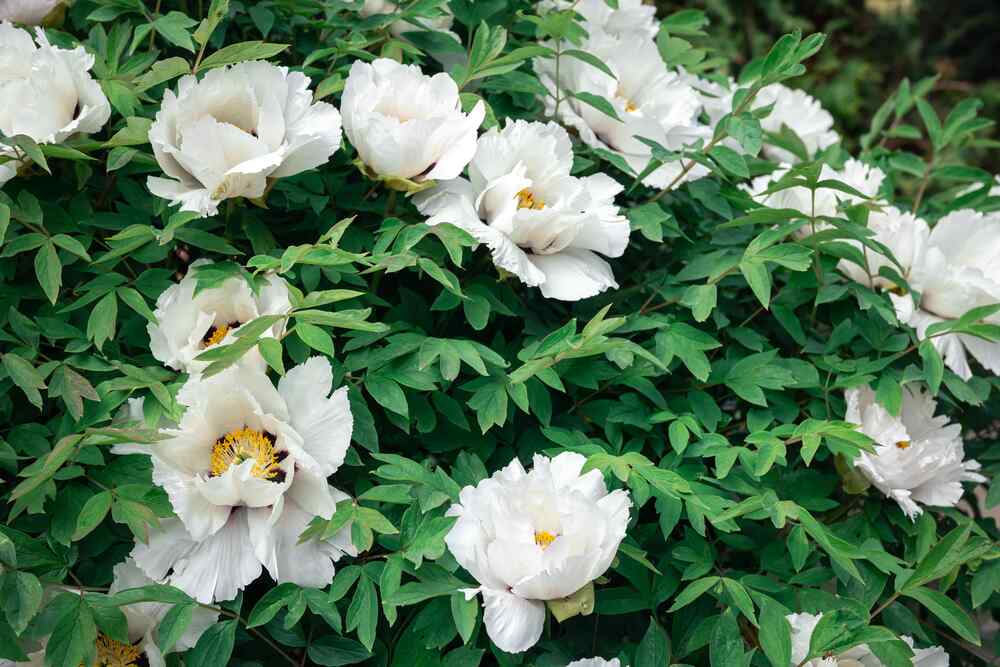
Why it’s perfect out front: That glossy green foliage looks polished year-round, and the white blooms smell like fancy perfume drifting across your walkway.
-
Sun exposure: Full sun to partial shade. In hotter Zone 9 areas, morning sun + afternoon shade keeps leaves from scorching.
-
Soil needs: Acidic, rich, well-draining soil (pH roughly 5.0–6.5). If your soil is alkaline, gardenias will sulk (yellow leaves are a common complaint).
-
Blooming season: Usually late spring through summer (some varieties repeat).
-
Watering: Likes even moisture, not soggy roots. Mulch helps keep roots cool and damp.
-
Front-yard styling tip: Plant near the entry path so the fragrance is unavoidable in the best way.
Little trick: Feed with an acid-loving fertilizer and add pine bark mulch. If your gardenia turns yellow with green veins, it may want iron.
2) Boxwood (Buxus spp.)
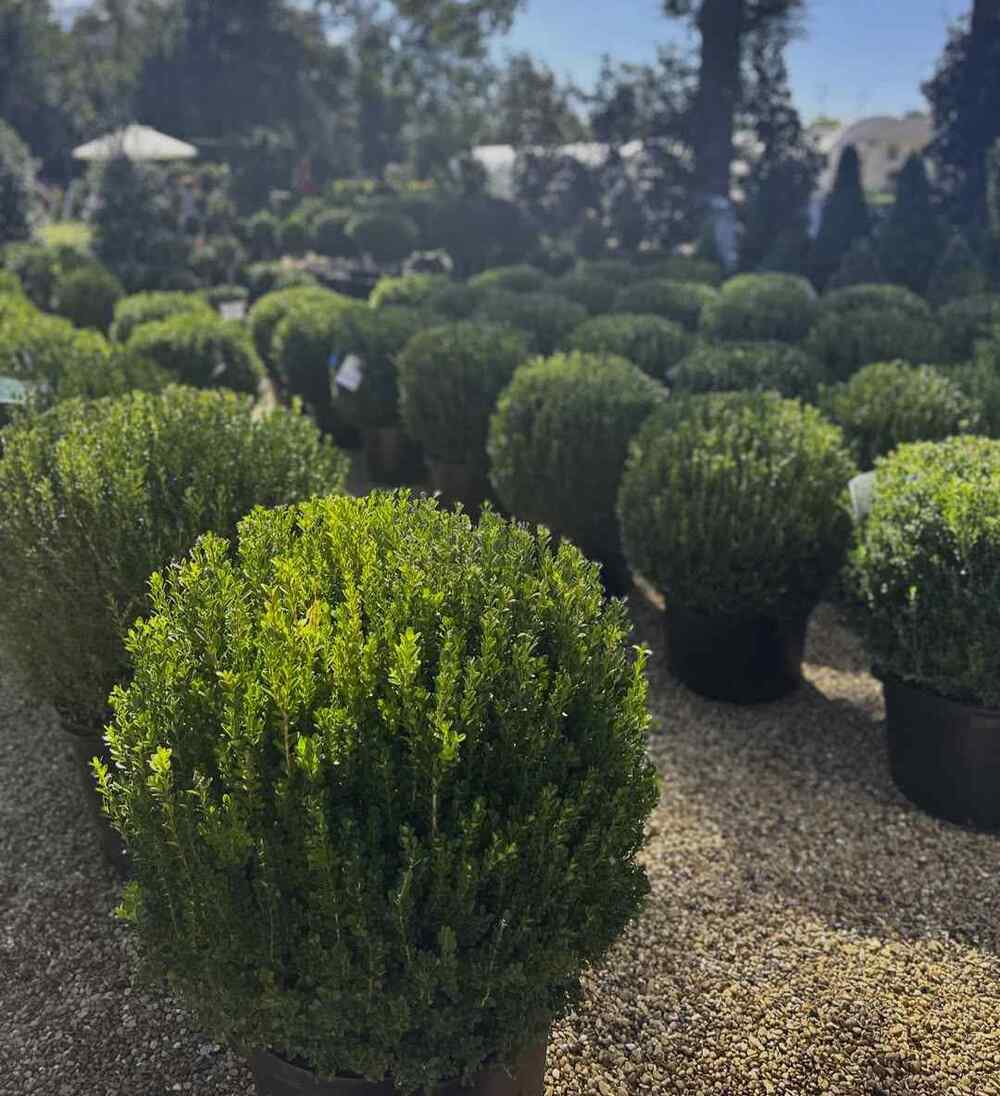
Why it’s perfect out front: It’s the classic “clean edges” shrub—instant structure, tidy all year, and it makes a house feel intentional.
-
Sun exposure: Full sun to partial shade. In Zone 9, boxwoods are often happiest with some afternoon shade.
-
Soil needs: Well-draining soil, slightly acidic to neutral. Avoid spots where water puddles.
-
Blooming season: Insignificant flowers; boxwood is about form, not blooms.
-
Watering: Moderate. Once established, fairly tolerant, but hates drought stress + intense reflected heat.
-
Front-yard styling tip: Use as low hedges or rounded “green pillows” near the porch steps.
Little trick: If your foundation gets blazing hot (south/west facing), give boxwood a bit of shade or choose a heat-tolerant cultivar. Also, don’t shear constantly—light shaping looks more natural and stresses it less.
3) Loropetalum (Loropetalum chinense) — Chinese Fringe Flower
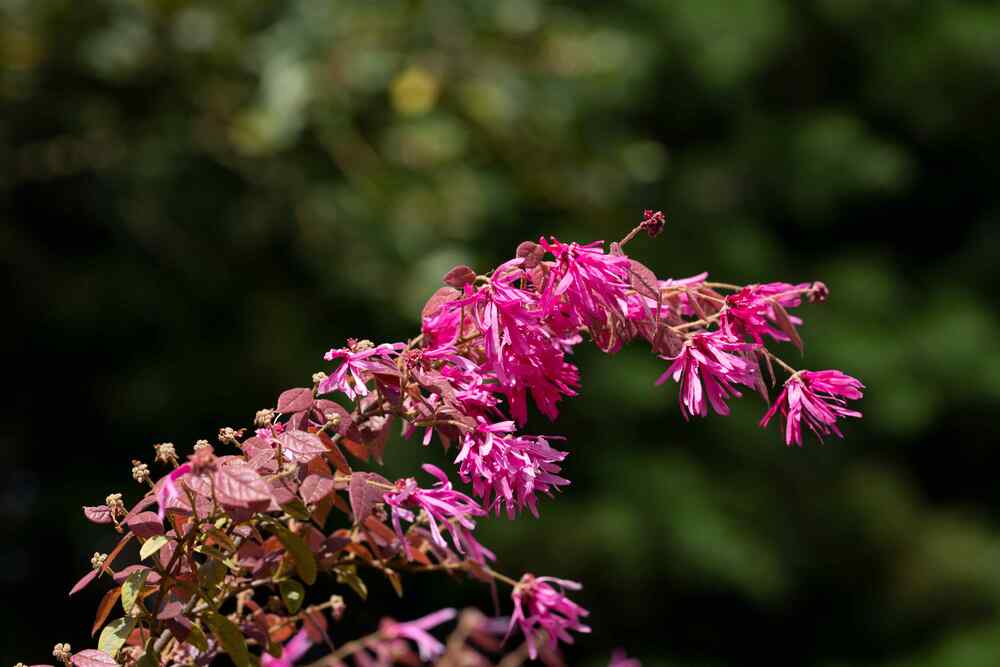
Why it’s perfect out front: Burgundy foliage gives you color even when nothing’s blooming, and the pink flowers feel like confetti.
-
Sun exposure: Full sun to partial shade. Best foliage color usually comes from more sun, but in very hot spots, partial shade prevents leaf scorch.
-
Soil needs: Well-draining, moderately fertile soil.
-
Blooming season: Often spring, with occasional repeat blooms.
-
Watering: Moderate until established; then more drought-tolerant than people expect.
-
Front-yard styling tip: Use as a back layer shrub behind lower evergreens to create depth and contrast.
Little trick: Don’t plant it too tight to the house—loropetalum can get big fast unless you choose a dwarf variety.
4) Indian Hawthorn (Rhaphiolepis indica)
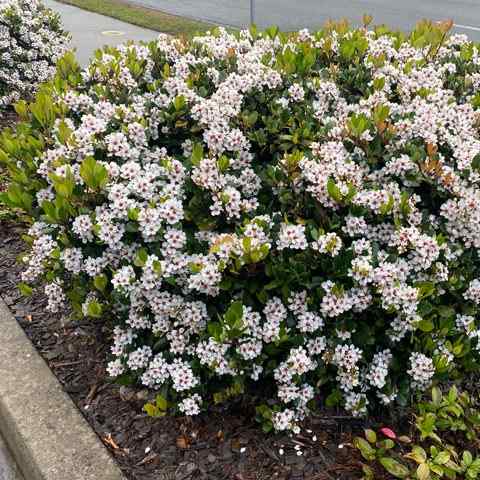
Why it’s perfect out front: This is one of those shrubs that looks neat without being needy. Compact, evergreen, and the spring flowers are genuinely pretty.
-
Sun exposure: Full sun is best for dense growth and good flowering.
-
Soil needs: Well-draining soil; tolerates a range but doesn’t like wet feet.
-
Blooming season: Spring (white or pink clusters).
-
Watering: Low to moderate. Drought-tolerant once established.
-
Front-yard styling tip: Great as a low foundation row under windows.
Little trick: Space for airflow. Crowding can invite leaf spot issues, especially in humid areas. Give it room to breathe.
5) Camellia (Camellia japonica / Camellia sasanqua)
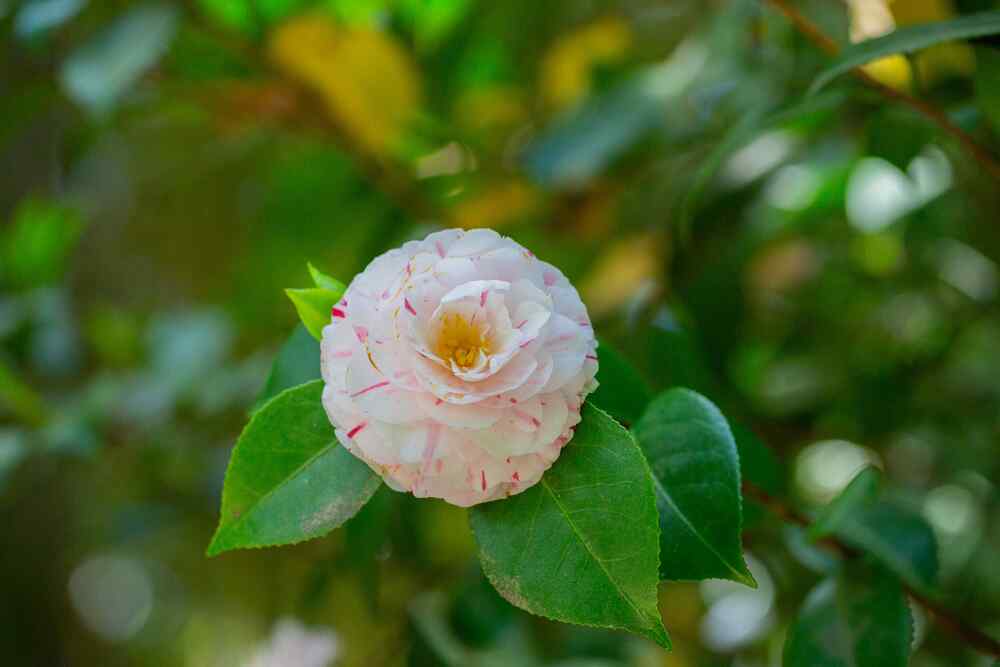
Why it’s perfect out front: When most yards look dull, camellias show up with real flowers—often in winter or early spring—like they didn’t get the memo that it’s “off season.”
-
Sun exposure: Partial shade is ideal. Sasanqua can take more sun than japonica.
-
Soil needs: Acidic, well-draining, organic-rich soil.
-
Blooming season:
-
Sasanqua: fall to early winter
-
Japonica: winter to spring
-
-
Watering: Moderate; keep evenly moist while establishing.
-
Front-yard styling tip: Place in protected shade near the house where it’s sheltered from harsh wind and blazing afternoon sun.
Little trick: Bud drop happens when camellias get stressed (drought, sudden cold snaps, or too much heat). Consistent watering and mulch solve a lot.
6) Holly (Ilex spp.)
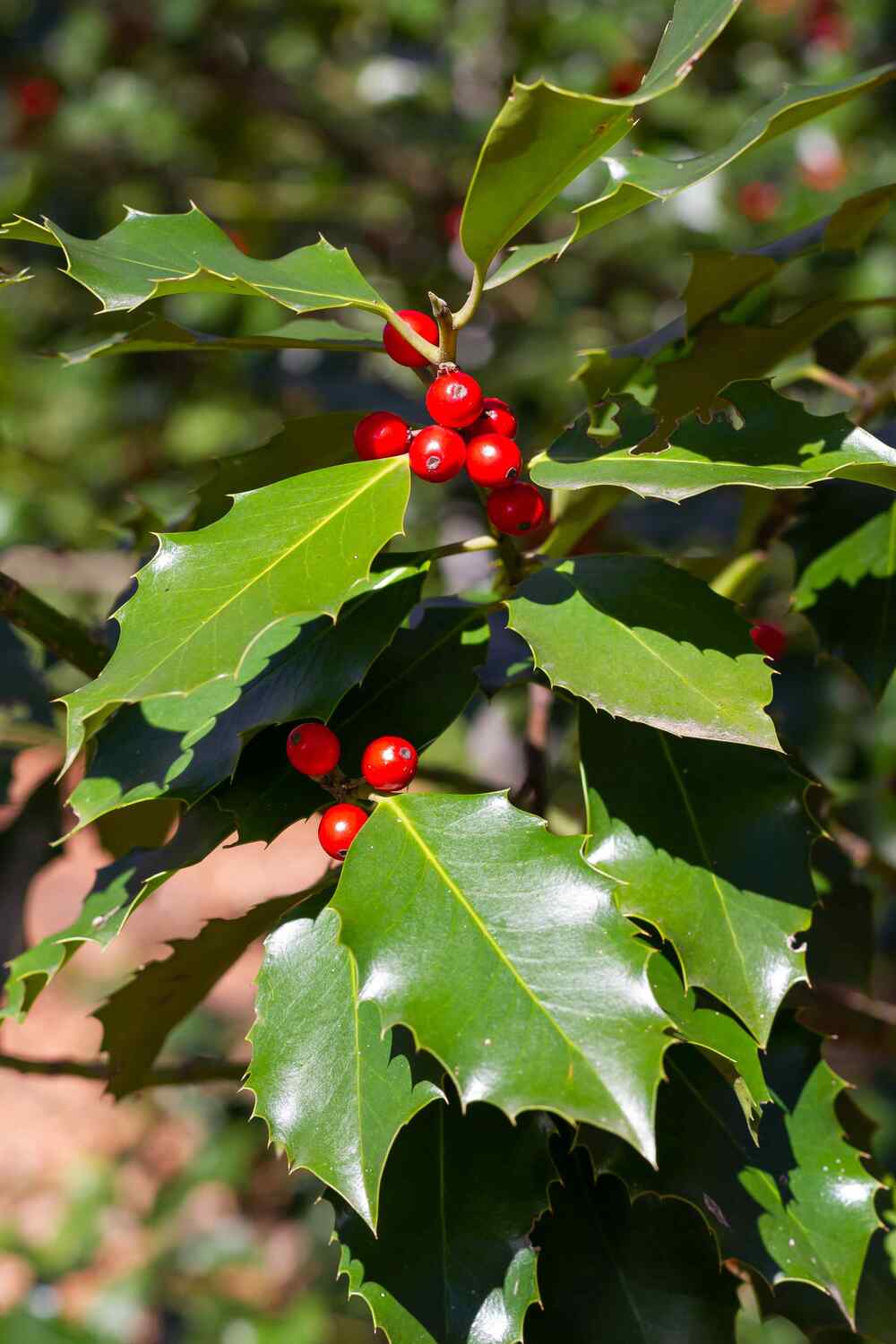
Why it’s perfect out front: Evergreen shine + berries in winter = instant seasonal interest. Also, holly gives your foundation planting that sturdy “anchored” feeling.
-
Sun exposure: Full sun to partial shade (varies by species).
-
Soil needs: Moist but well-draining, slightly acidic is ideal.
-
Blooming season: Small spring flowers (not showy).
-
Berry season: Berries show up fall into winter (on female plants, usually with a male nearby for pollination, depending on type).
-
Watering: Moderate.
-
Front-yard styling tip: Use taller holly varieties as corner plants to frame the house.
Little trick: Check if your holly needs a pollinator partner for berries. If you want berries, plan for it upfront.
7) Juniper (Juniperus spp.)
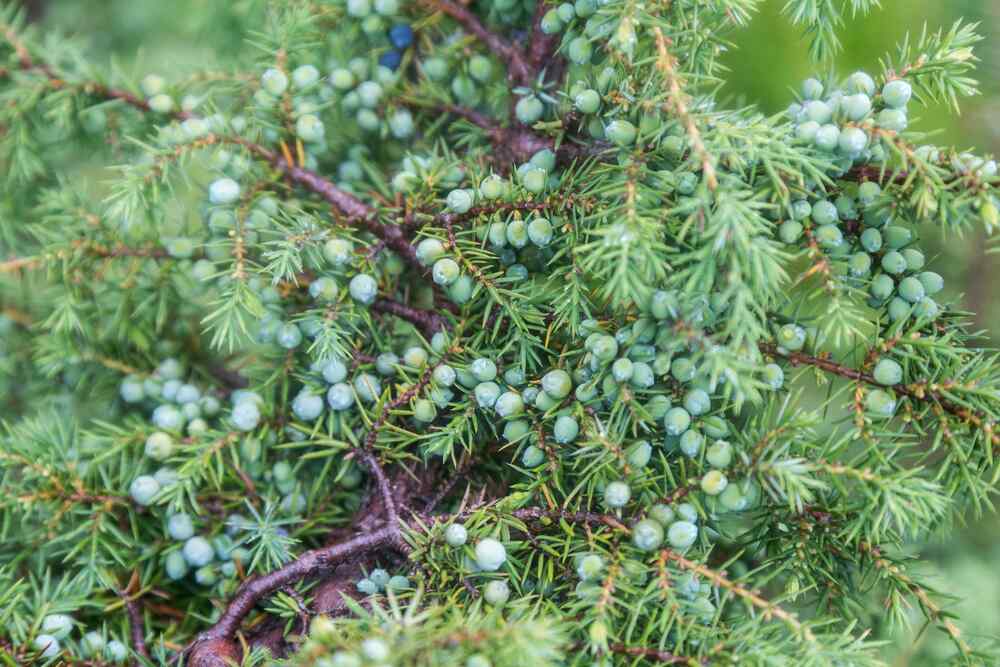
Why it’s perfect out front: Junipers are tough. Like, “forgot-to-water-for-a-while” tough. Plus, many have that cool blue-green color that looks modern and crisp.
-
Sun exposure: Full sun is best.
-
Soil needs: Well-draining, even sandy or rocky soils are fine.
-
Blooming season: Not grown for blooms.
-
Watering: Low once established.
-
Front-yard styling tip: Use low-growing types as groundcover in hot, sunny foundation strips that roast everything else.
Little trick: Junipers hate being wet and crowded. Good drainage and spacing are your best disease prevention.
8) Mahonia (Mahonia spp.)

Why it’s perfect out front: Mahonia brings bold texture—leathery, holly-like leaves—and it blooms when you’re not expecting it.
-
Sun exposure: Partial shade to shade (some can take sun, but leaves can look rough in heat).
-
Soil needs: Moist, well-draining soil with organic matter.
-
Blooming season: Winter (yellow flowers).
-
Bonus: Many types produce berries after flowering.
-
Watering: Moderate; more regular water in the first year.
-
Front-yard styling tip: Perfect for shadier foundation areas where other shrubs get thin and sad.
Little trick: Plant where people pass by—the winter flowers can be lightly fragrant, and they draw pollinators when little else is available.
9) Fatsia japonica (Japanese Aralia)
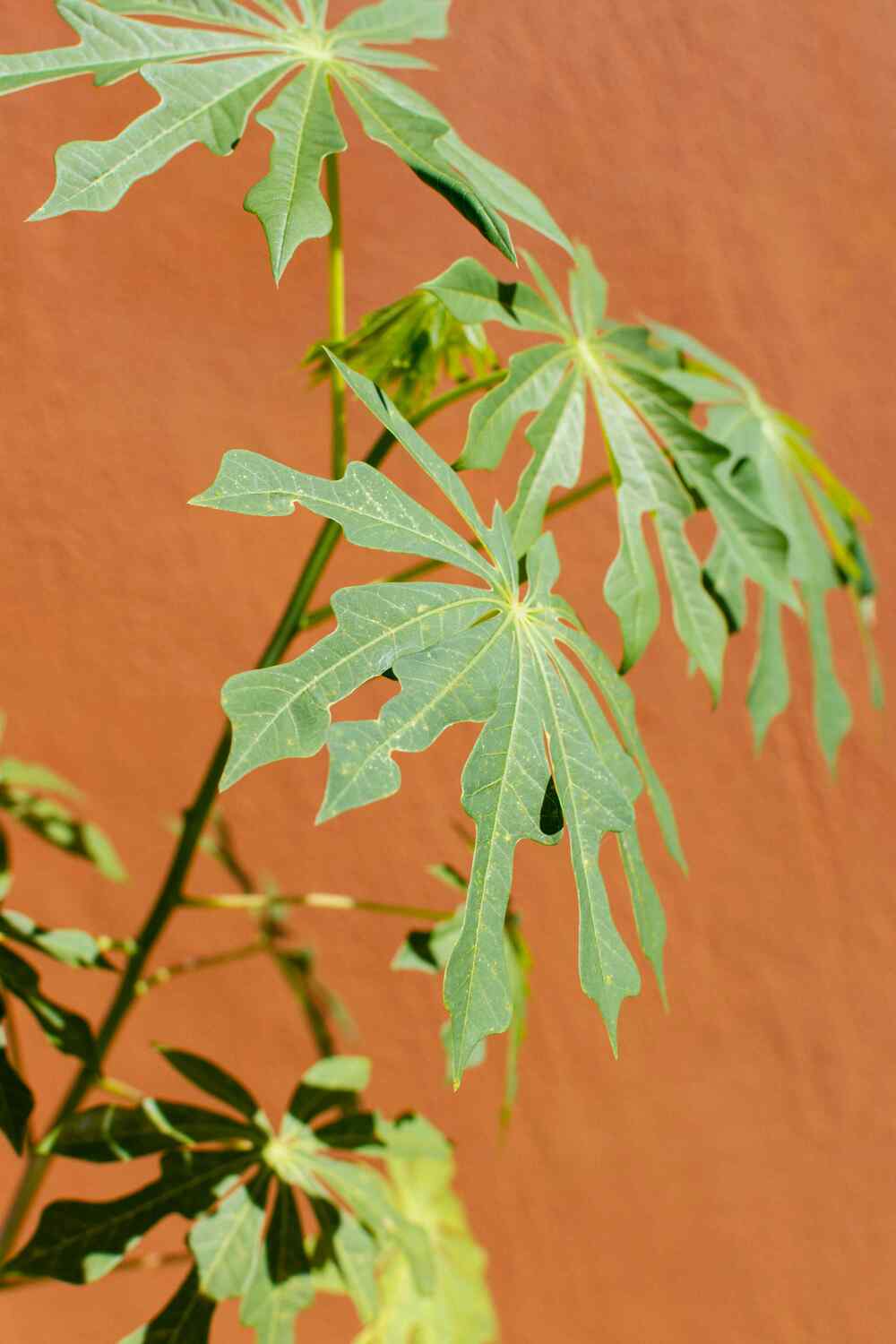
Why it’s perfect out front: Those big glossy leaves are dramatic in the best way. It gives shade areas a lush, “I meant to do this” vibe.
-
Sun exposure: Partial shade to full shade. Morning sun is okay; harsh afternoon sun can scorch.
-
Soil needs: Rich, well-draining soil; appreciates compost.
-
Blooming season: Often fall to early winter (small white blooms, not the main show).
-
Watering: Moderate; keep moist but not soggy.
-
Front-yard styling tip: Use in a modern or tropical-style bed, especially near a shaded porch or north-facing wall.
Little trick: Fatsia looks best when it has a bit of space and soft light. Overcrowding makes it feel messy instead of bold.
10) Dwarf Mugo Pine (Pinus mugo)
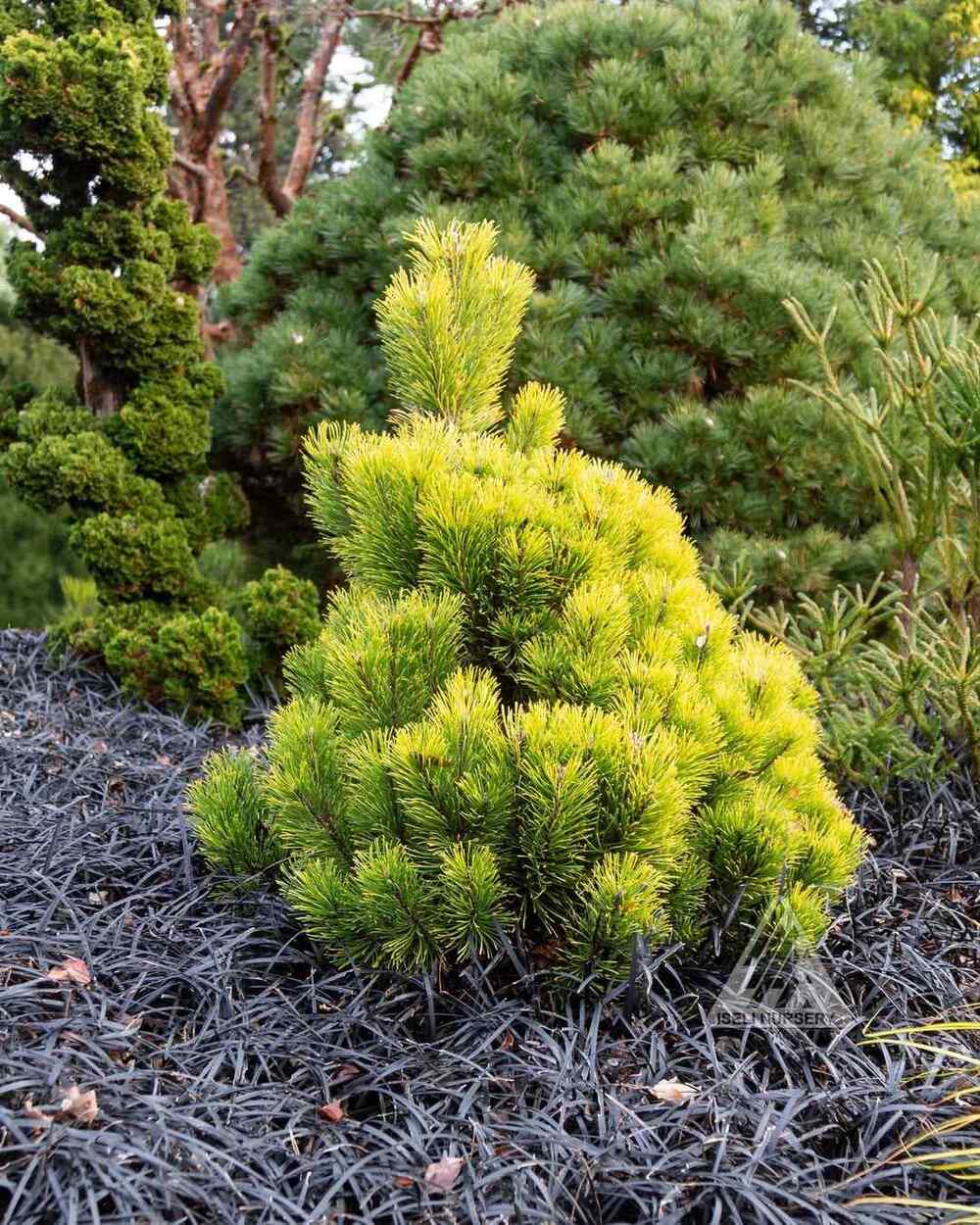
Why it’s perfect out front: Year-round texture, low profile, and it looks great in both formal and casual landscapes. It’s one of those shrubs that makes other plants look more “designed.”
-
Sun exposure: Full sun for best density.
-
Soil needs: Well-draining soil; tolerates poorer soils better than many shrubs.
-
Blooming season: Not a flowering shrub; it may produce small cones.
-
Watering: Low to moderate once established.
-
Front-yard styling tip: Use as a front border anchor or in repeating clusters for a clean rhythm.
Little trick: “Candle pruning” (pinching new growth in spring) can keep it compact and fuller—just don’t go overboard.
Quick Design Tips for a Zone 9 Foundation Bed
Here’s how to make these shrubs look like a cohesive front-yard plan instead of a random plant lineup:
-
Give everything adult space. Crowding is the #1 reason shrubs get diseased and awkward. Space based on mature width, not the nursery pot size.
-
Layer on purpose.
-
Back layer (taller): Holly, Loropetalum, Camellia (depending on variety)
-
Middle: Gardenia, Mahonia, medium Boxwood
-
Front edge (lower): Indian Hawthorn, Juniper groundcovers, Dwarf Mugo Pine
-
-
Match plant to light.
-
Sunny beds: Gardenia, Indian Hawthorn, Juniper, Dwarf Mugo Pine
-
Part shade / shade: Fatsia, Camellia, Mahonia
-
-
Repeat for a “designed” feel. Two or three of the same shrub spaced evenly often looks more upscale than ten different single plants.
A simple combo that usually works (and looks expensive)
If you want one easy recipe for a typical Zone 9 front yard:
-
Back corners: Holly (structure + winter berries)
-
Middle row: Gardenias (fragrance + glossy green)
-
Front edge: Indian Hawthorn or dwarf juniper (easy, tidy, drought-friendly)
-
Add contrast: One Loropetalum as a burgundy focal point
It’s clean, practical, and still has personality.