If your summers feel like a hair dryer and your hose is basically a part-time job, drought-tolerant shrubs are the sanity saver. Once established, these shrubs handle full sun and low water like it’s normal life. Many have deep roots, silver or waxy leaves, or small foliage that slows moisture loss. They also bring fragrance, color, and pollinators without constant babysitting.
A quick note from my own yard mistakes: most “drought tolerant” shrubs fail because the soil holds water too long. They don’t want a daily drink; they want drainage. Water deeply, then let the soil dry. For the first season, they’ll need regular help. After that, they get impressively independent.
Table of Contents
1) Butterfly Bush (Buddleja)
Sun exposure: Full sun (6–8+ hours)
USDA zones: 5–9 (variety-dependent)
Soil needs: Well-draining soil; tolerates poor, rocky ground
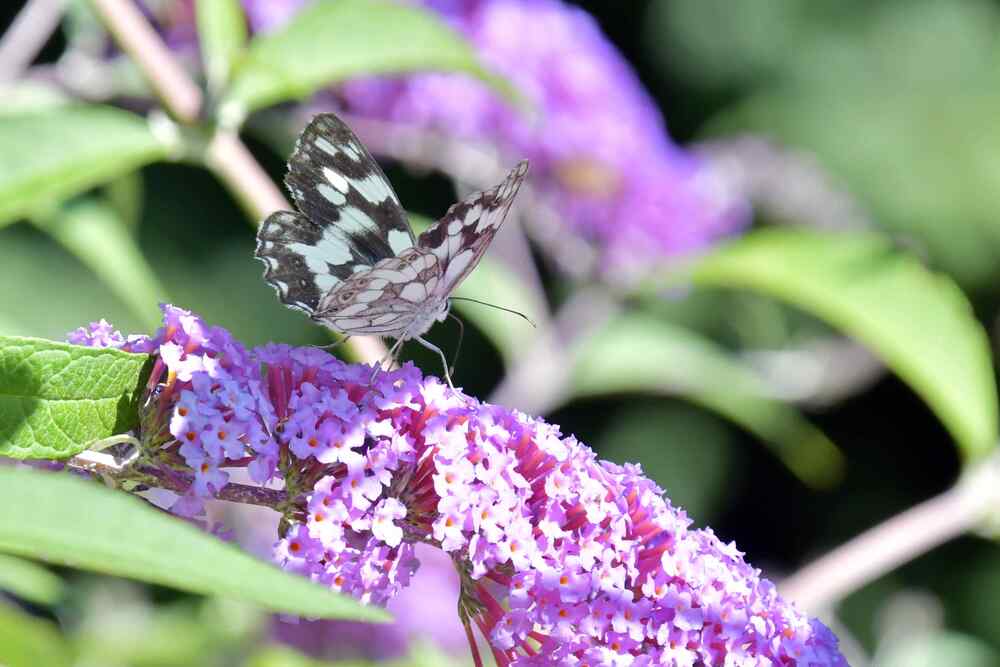
Butterfly bush makes long, fragrant flower spikes from summer into fall, and pollinators treat it like a festival. Give it sun and room, then prune hard in late winter or early spring for fresh growth and better blooms. Once established, it handles dry spells well, especially in lean soil that doesn’t stay soggy.
2) Lavender (Lavandula)
Sun exposure: Full sun
USDA zones: 5–9 (English types often hardier; Spanish/French more heat-loving)
Soil needs: Sandy or gravelly, sharply draining soil; dislikes heavy clay
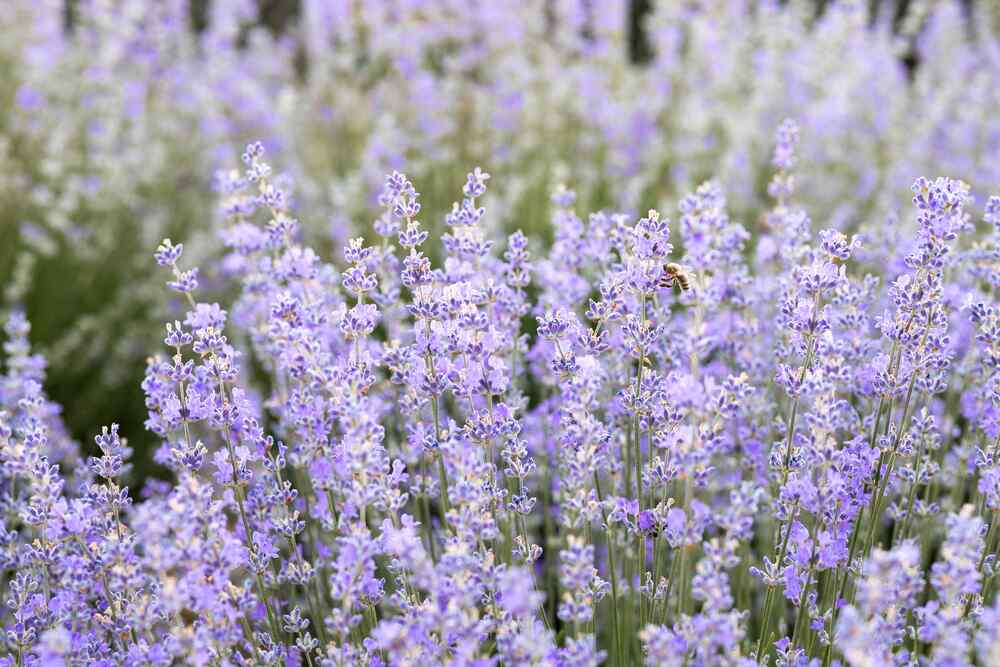
Lavender is the “smells good, looks clean” shrub that thrives on neglect—if the drainage is right. Plant it a bit high, like a tiny mound, so water runs away from the crown. Avoid rich fertilizer; it makes floppy growth. Lightly shear after flowering to keep a tidy, rounded shape.
3) Russian Sage (Perovskia atriplicifolia)
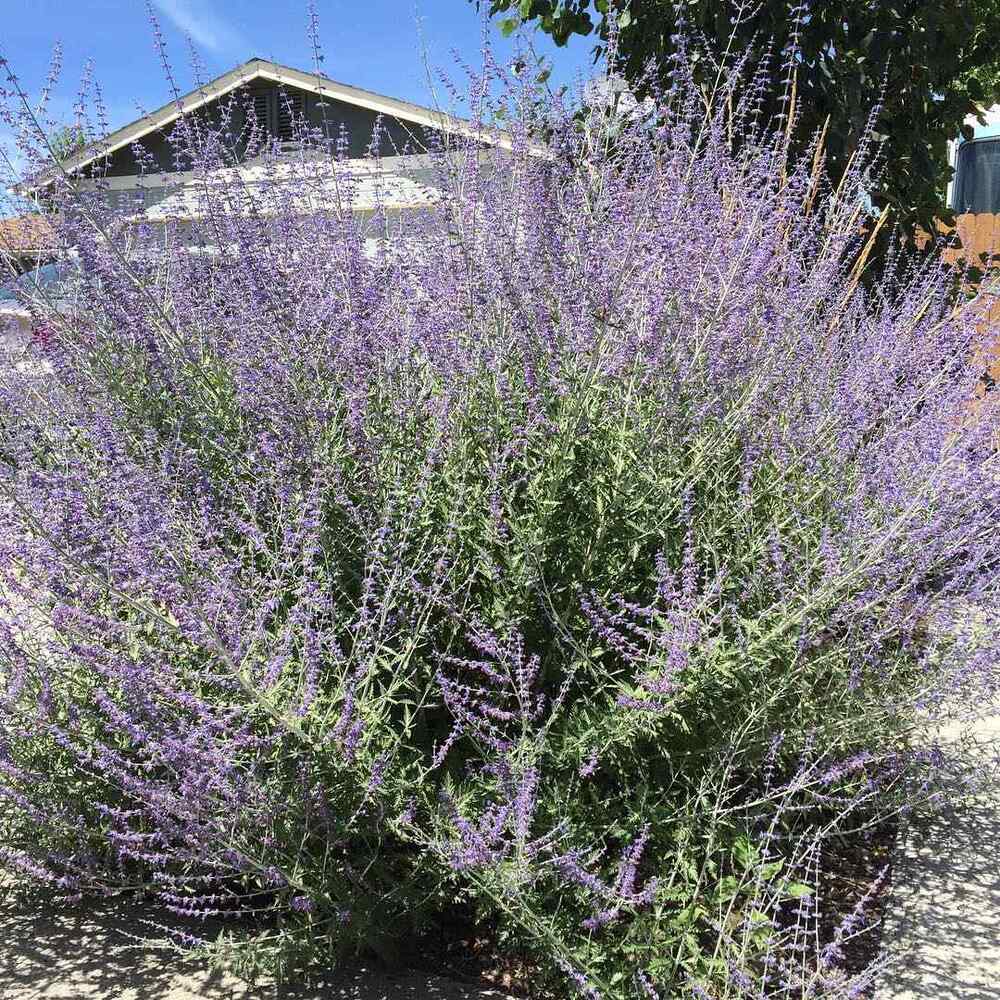
Sun exposure: Full sun
USDA zones: 4–9
Soil needs: Dry to average, well-drained soil; tolerates poor soils
Russian sage brings airy lavender-blue flowers and silver foliage that glows in harsh sunlight. It’s great when you want height without heaviness. Cut it back in late winter/early spring to encourage sturdy new stems. It stays happy with minimal watering once its roots settle in.
4) Bluebeard (Caryopteris)
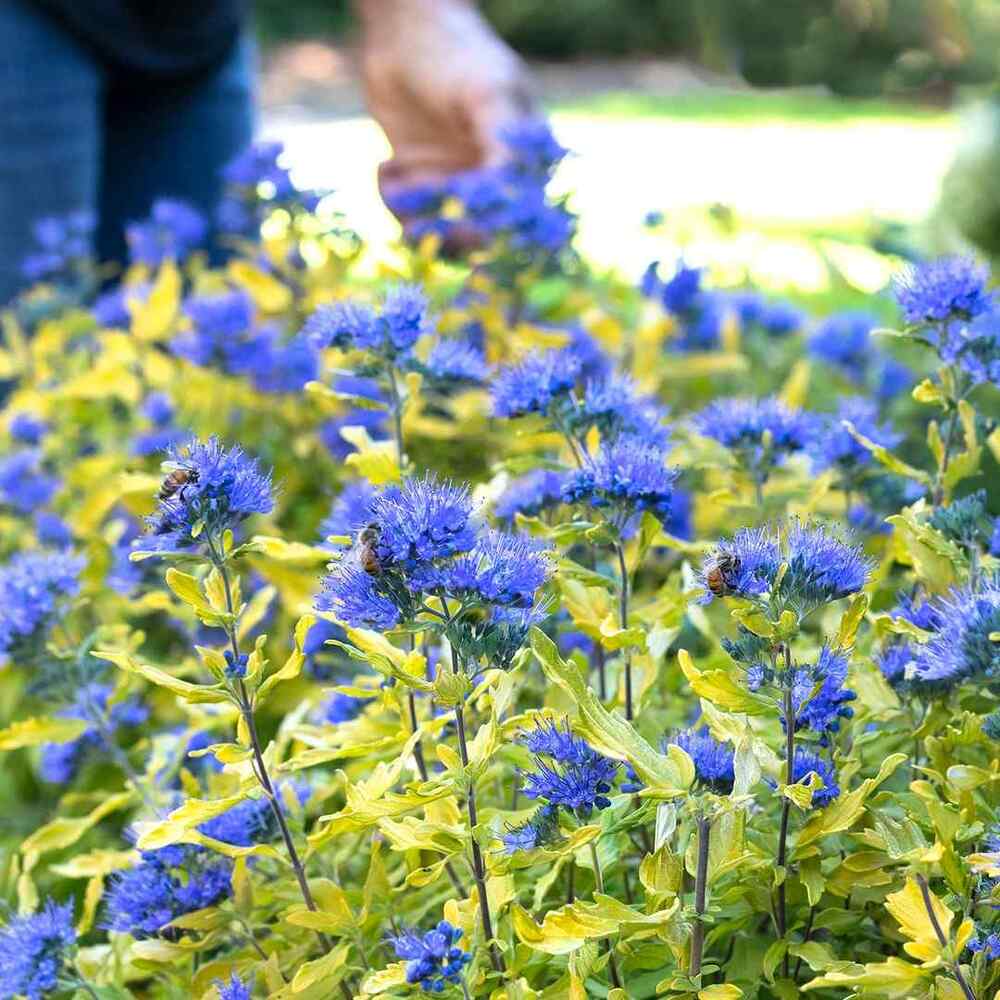
Sun exposure: Full sun for best flowering
USDA zones: 5–9
Soil needs: Well-drained soil; avoid waterlogged sites
Bluebeard is compact, low-maintenance, and throws vivid blue blooms late in the season when other shrubs look tired. It’s also a pollinator magnet. Prune it back in early spring (it blooms on new growth). If your soil is heavy, add grit or plant on a berm.
5) Potentilla (Cinquefoil)
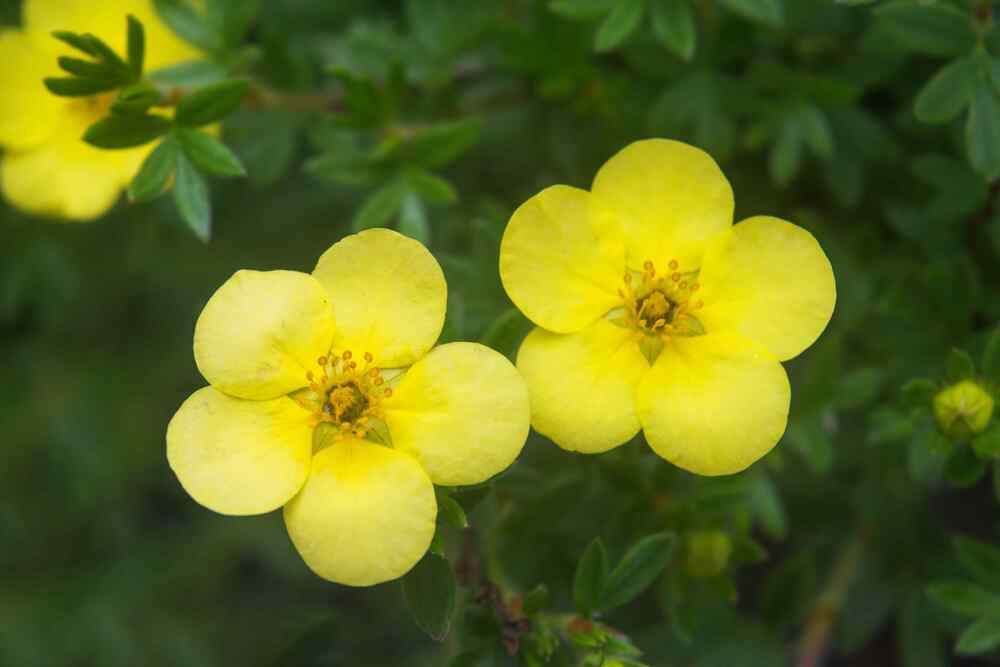
Sun exposure: Full sun to light shade (best bloom in full sun)
USDA zones: 2–7 (many are very cold-hardy)
Soil needs: Average to poor soil; prefers good drainage
Potentilla is tough and cheerful, flowering for ages—often spring through fall—without acting fussy. It’s a great “just plant it” shrub for dry, sunny beds. Remove a few older stems at the base every year or two to keep it from getting woody. It’s also typically deer-resistant.
6) Rock Rose (Cistus)
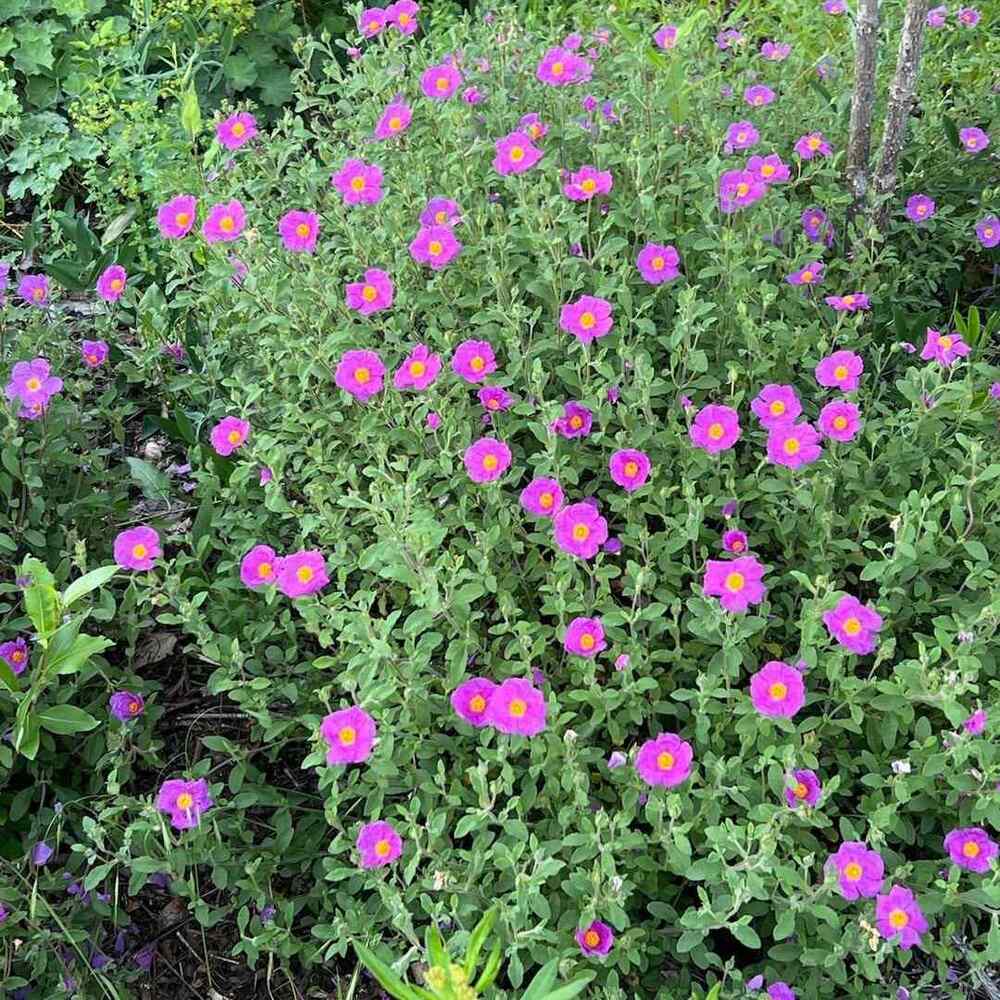
Sun exposure: Full sun, heat welcome
USDA zones: 7–10
Soil needs: Very well-drained, lean soil; hates wet winters
Rock rose is made for bright, baking spots. It blooms with papery flowers that feel a bit wild and Mediterranean, especially in gravel mulch. Don’t overwater—really. Lightly shape after blooming, but avoid hard pruning into old wood. In humid climates, give it airflow and fast-draining soil.
7) Texas Ranger (Leucophyllum frutescens)
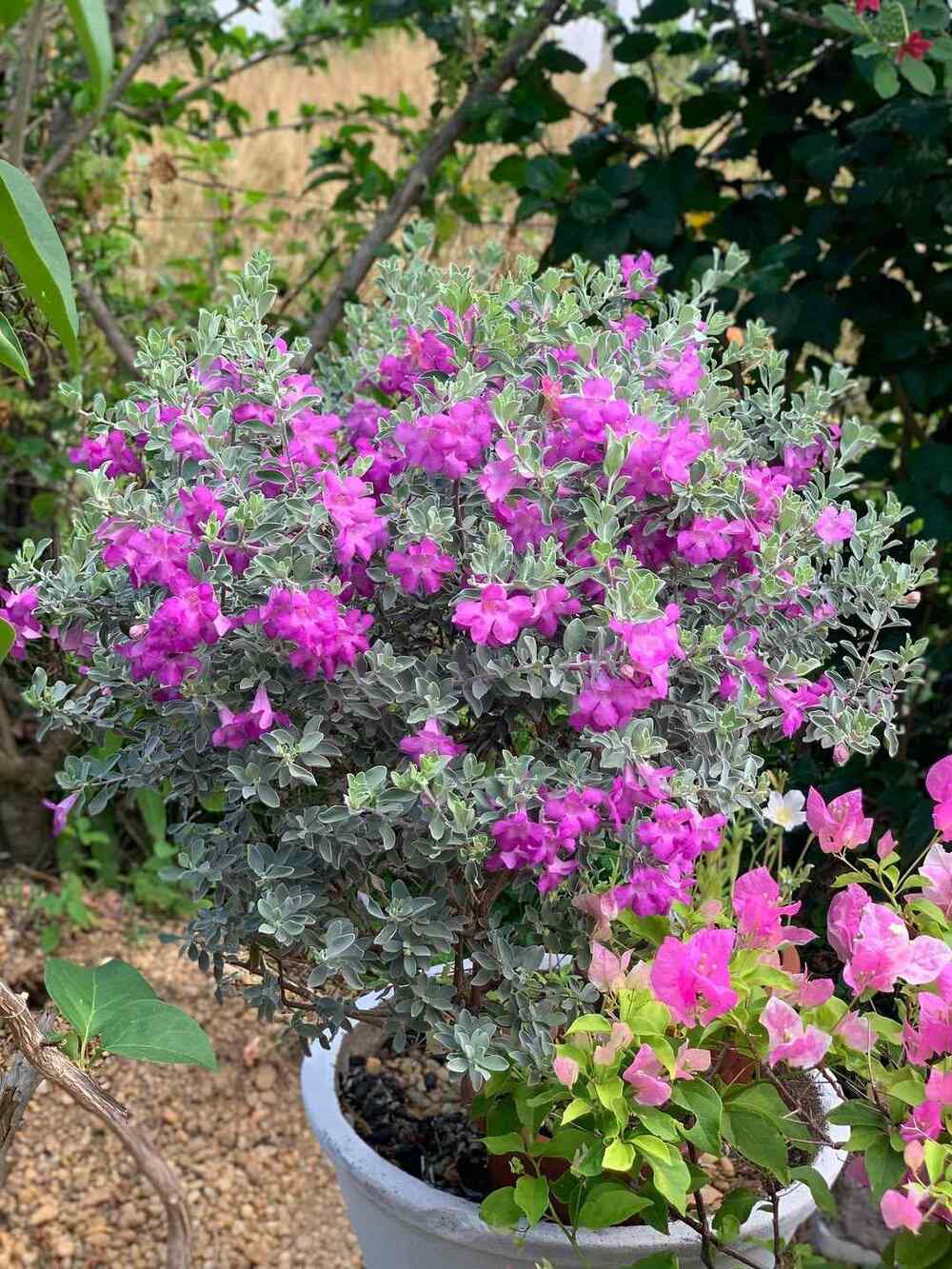
Sun exposure: Full sun, intense sun preferred
USDA zones: 7–11
Soil needs: Fast-draining soil; thrives in rocky and sandy sites
Texas ranger is built for heat. The silver foliage reflects sunlight, helping it conserve moisture, and it can bloom in bursts—often after humidity or rain—like a little surprise. Avoid rich soil and frequent irrigation, which can reduce flowering. It’s excellent for hot driveways, walls, and reflected heat zones.
8) Manzanita (Arctostaphylos spp.)
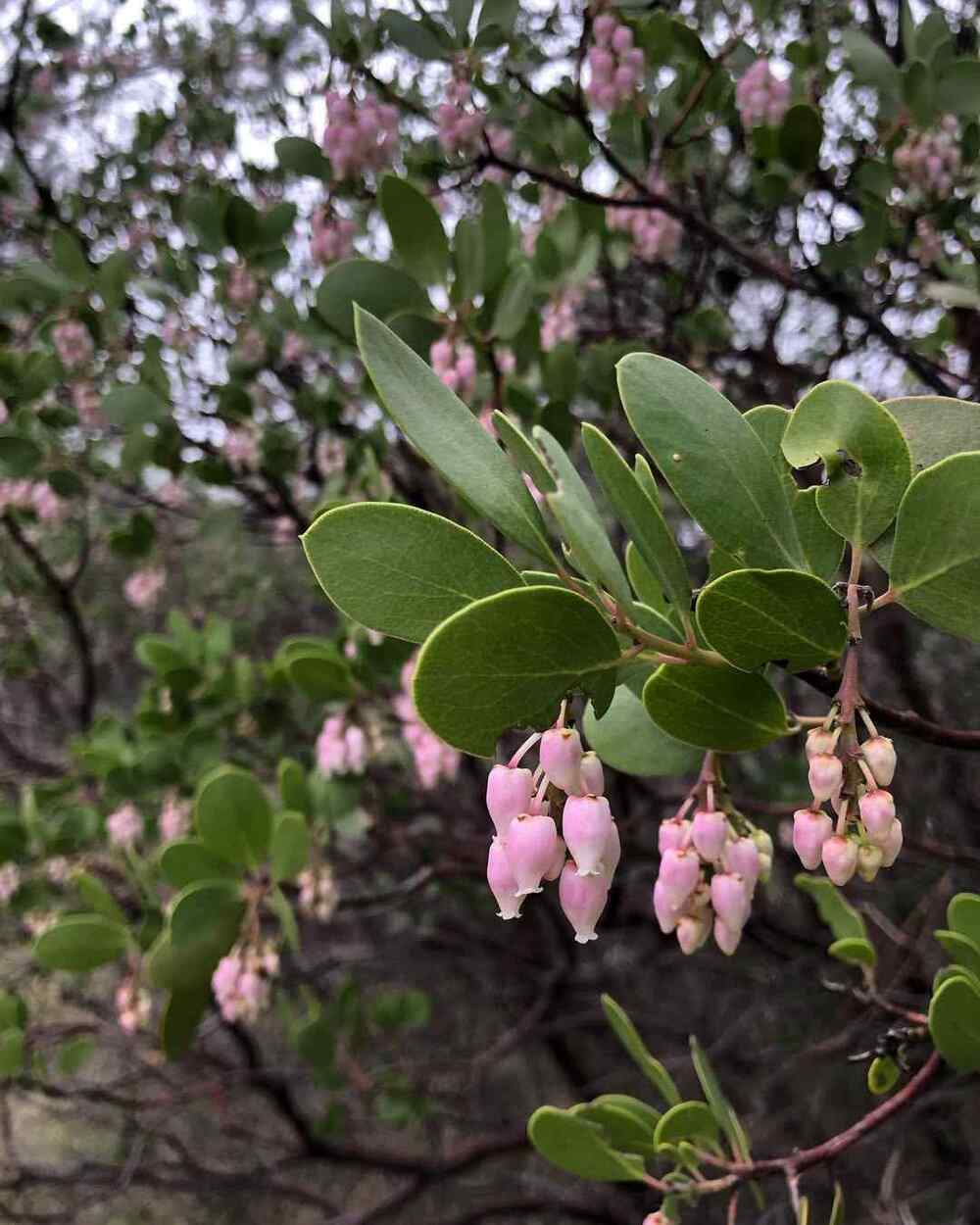
Sun exposure: Full sun to partial shade (full sun in mild climates, a bit of shade in extreme heat)
USDA zones: 7–10 (some types differ)
Soil needs: Very well-drained, often acidic soil; dislikes heavy clay
Manzanita is evergreen with gorgeous bark and an architectural vibe that makes a garden feel intentional. It’s famously drought tolerant once established, but it’s picky about drainage. Keep mulch away from the trunk, water deeply but infrequently the first year, and then back off. It prefers being left alone.
9) Creosote Bush (Larrea tridentata)
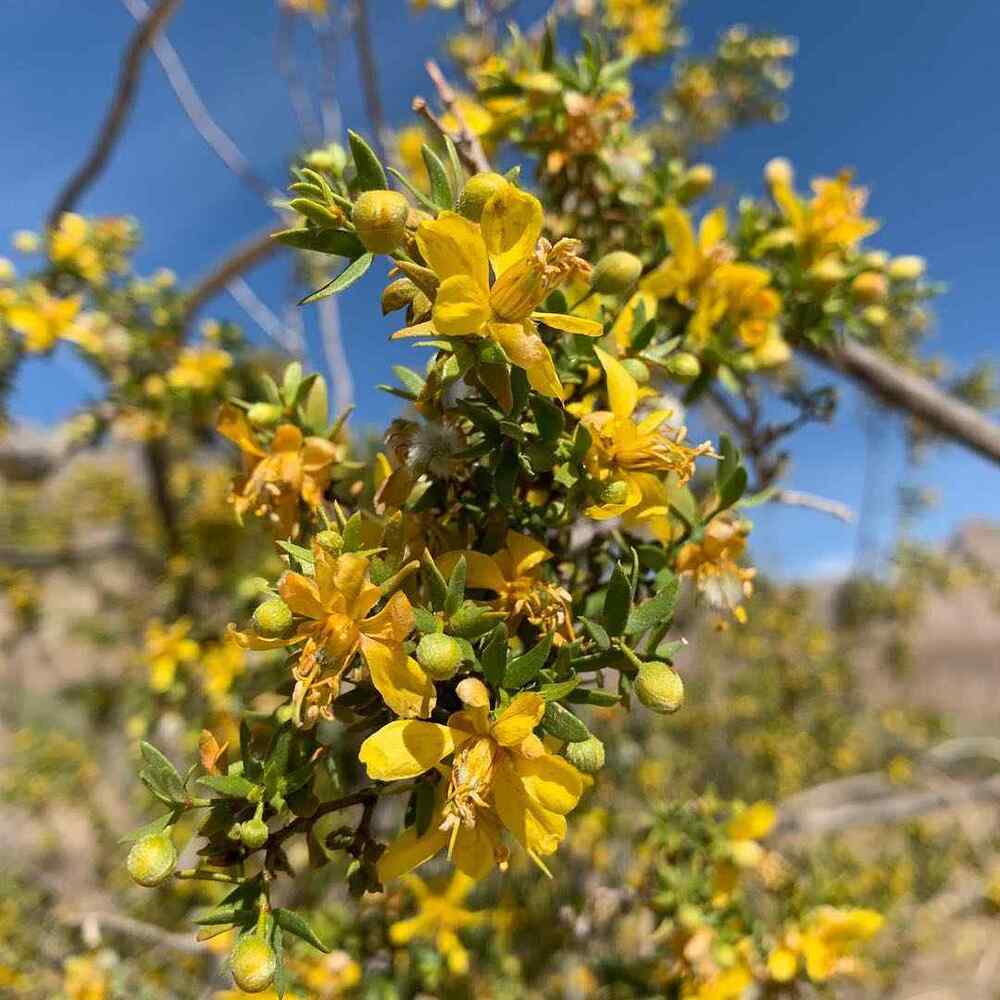
Sun exposure: Full sun
USDA zones: 8–11
Soil needs: Dry, sandy or rocky soil; excellent drainage required
Creosote bush is a desert native with waxy leaves that shrug off long droughts. It’s not a “lush cottage garden” shrub—it’s more minimalist desert beauty. Give it space, avoid regular irrigation, and expect it to thrive where many plants quit. It’s ideal for true xeriscaping and low-water landscapes.
10) Apache Plume (Fallugia paradoxa)
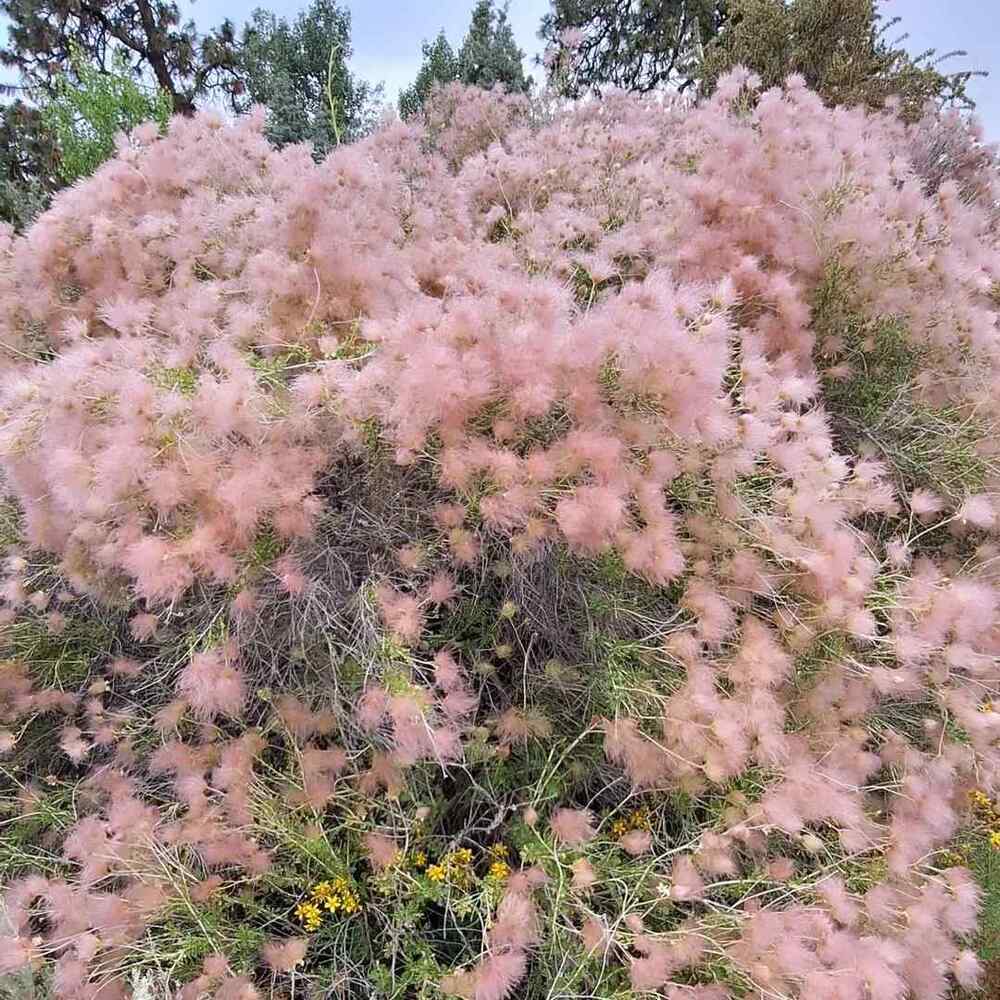
Sun exposure: Full sun
USDA zones: 5–9
Soil needs: Well-drained soil; handles sandy, rocky, and poor soils
Apache plume is a small upright shrub with white flowers, followed by feathery pinkish seed heads that look soft and airy. It handles heat and dry conditions well, and it’s useful for slopes or naturalized areas. Prune lightly for shape after flowering, and don’t baby it with frequent watering.
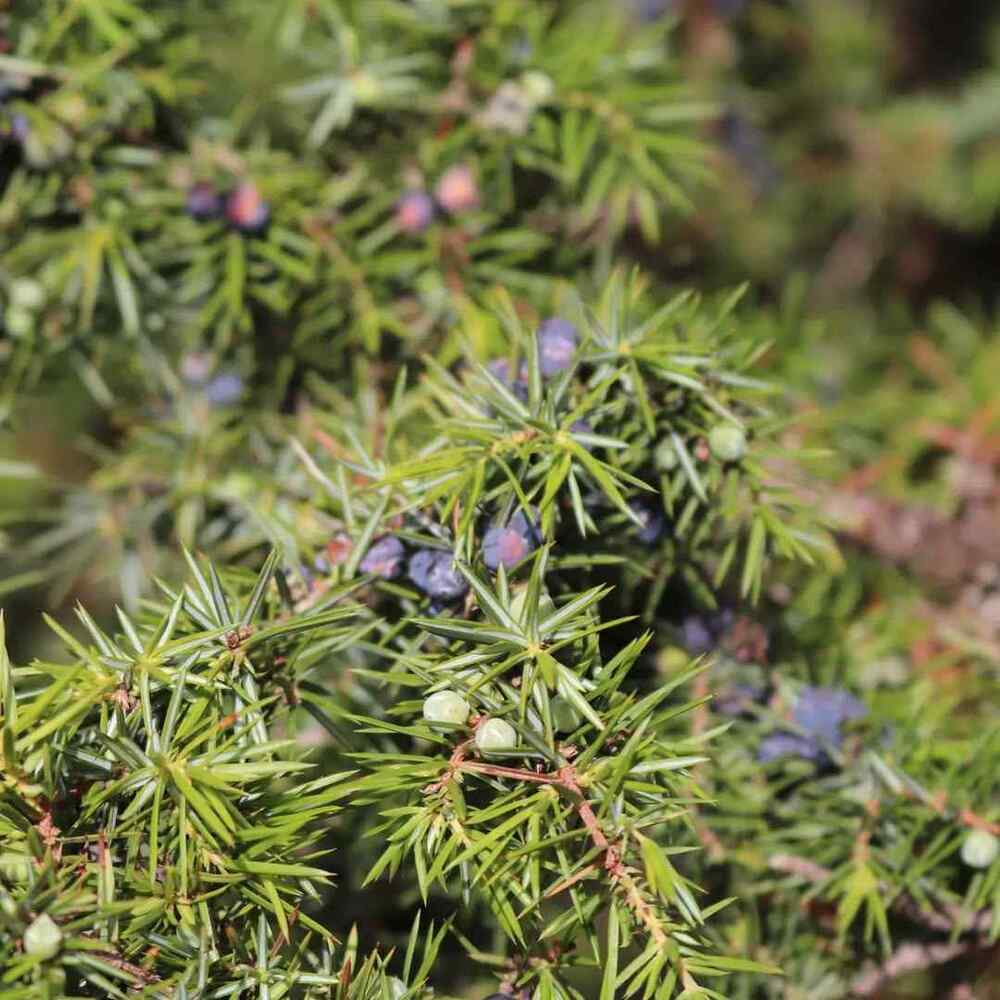
11) Juniper (Juniperus communis and other Juniperus spp.)
Sun exposure: Full sun to partial shade (best density in full sun)
USDA zones: 2–8 for many common junipers (species varies widely)
Soil needs: Well-drained soil; tolerates poor, sandy, and rocky ground
Junipers are the reliable evergreen backbone—mounding, upright, creeping, you name it. Once established, many are extremely drought tolerant and handle punishing sun. They prefer dry feet, so drainage is key. Don’t over-prune into bare wood; instead, trim lightly and choose a size that fits the space.
Simple Setup Tips for a Low-Water, Full-Sun Shrub Bed
Spacing matters. Crowded shrubs compete for water and airflow, and stressed plants invite pests. Give each shrub the mature width it deserves, even if it looks “too empty” at first. It fills in faster than you think.
Water smart in year one. Deep watering beats frequent sprinkling. A good rhythm is a thorough soak, then wait until the top few inches dry before watering again. After establishment, most of these shrubs prefer occasional deep water during extended heat.
Mulch like you mean it—just not against stems. Gravel mulch works beautifully for many drought-tolerant shrubs and keeps crowns drier. If you use bark mulch, keep it a few inches away from the base to prevent rot.
Soil doesn’t need to be rich. Many drought lovers bloom better in lean soil. If your soil is heavy clay, mix in grit, use raised planting mounds, or choose the toughest options like potentilla and certain junipers that tolerate more variation.
With these 11 shrubs, you can build a full-sun landscape that still feels colorful and alive—without feeling chained to a watering schedule. If you pick plants suited to your USDA zone and give them fast-draining soil, they’ll do the hard work for you.