Growing container flowers that attract hummingbirds is one of the easiest ways to bring these tiny “flying jewels” close to your home. Pots let you put nectar-rich blooms right where you can see them, like on a porch, balcony, steps, or even a sunny windowside area.
Table of Contents
Container flowers that attract hummingbirds: why pots work so well
Hummingbirds migrate north in spring, and they need quick energy from nectar. Containers help because you can move plants around to the best spots. You can also lift pots up on a table or stand, which can give hummingbirds a bit more safety from cats and other predators.
Another nice thing is, containers make it easier to control soil and water. If your yard soil is too sandy, too heavy, or just kinda “meh,” you can still grow great flowers in a pot with better soil.
And honestly, hummingbirds are not only pretty. They are helpful pollinators, and they may snack on annoying insects too (like mosquitoes). Not a magic fix, but still helpful.
Best simple setup tips for hummingbird container gardening
Before we talk plants, it helps to get the container basics right. If the pot setup is wrong, even good flowers can struggle.
Pick the right pot size (bigger is usually easier)
Small pots dry out super fast. For many hummingbird plants, a 10–14 inch pot is a good start. Some plants like more room (like cardinal flower—more on that soon). Bigger pots also stay moist longer, which is nice if you forget watering sometimes (it happens).
Use drainage holes, always
If water can’t escape, roots can rot. If your pretty pot has no holes, use it as a “cover pot” and keep the plant in a plastic pot inside. Not fancy, but it works.
Place pots where hummingbirds can spot them
Hummingbirds love bright colors like red, orange, and hot pink. Put pots where they are easy to see. A sunny front porch, patio edge, or balcony rail is perfect.
Sun, water, and soil basics for hummingbird containers
Most nectar flowers bloom best with a lot of sun. But some can handle part shade too.
Sunlight matters for blooms
A simple rule: more sun = more flowers (most of the time). Many of the plants below like full sun, while a few can do full sun to part shade.
Soil should drain well
A lot of hummingbird-friendly plants want well-drained soil. That means water goes through, but the soil still holds a little moisture. A basic potting mix is fine, and if your mix stays soggy, add a bit of perlite or bark.
Watering: steady, not soaking
Pots dry out faster than garden beds. Check with your finger. If the top inch feels dry, water. Some plants are drought-tolerant once established, but in containers they still need you to pay attention.
10 best hummingbird plants you can grow in containers
Below are 10 container plants that are known to attract hummingbirds, mostly because of their tubular flowers and nectar. I’m using the care info you shared, so it stays simple and clear.
Red Salvia (big nectar, long bloom time)
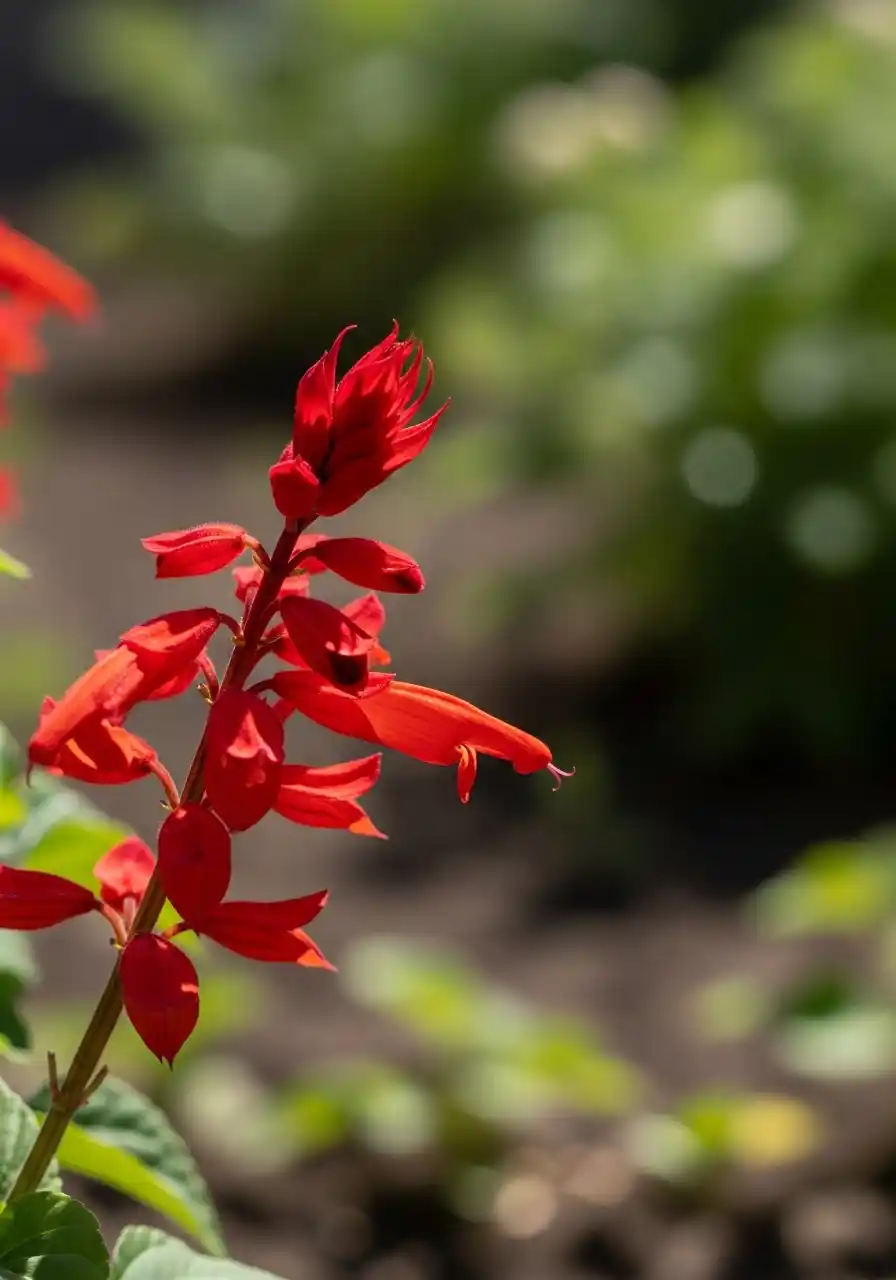
Red salvia is basically a hummingbird snack bar. It has vivid red blooms, and the flower spikes can produce lots of nectar from April to November.
Why hummingbirds like it: red tubular blooms + tons of nectar.
Container bonus: manageable size and drought tolerance.
Quick care
-
Zones: 9 to 10 (annual in cooler places)
-
Light: full sun to part shade
-
Soil: well-drained average soil
-
Size: 2–3 ft tall and wide
-
Extra note: some varieties (like “Saucy”) don’t need deadheading, which is great because deadheading is boring.
Butterfly Weed (bright orange-red blooms)
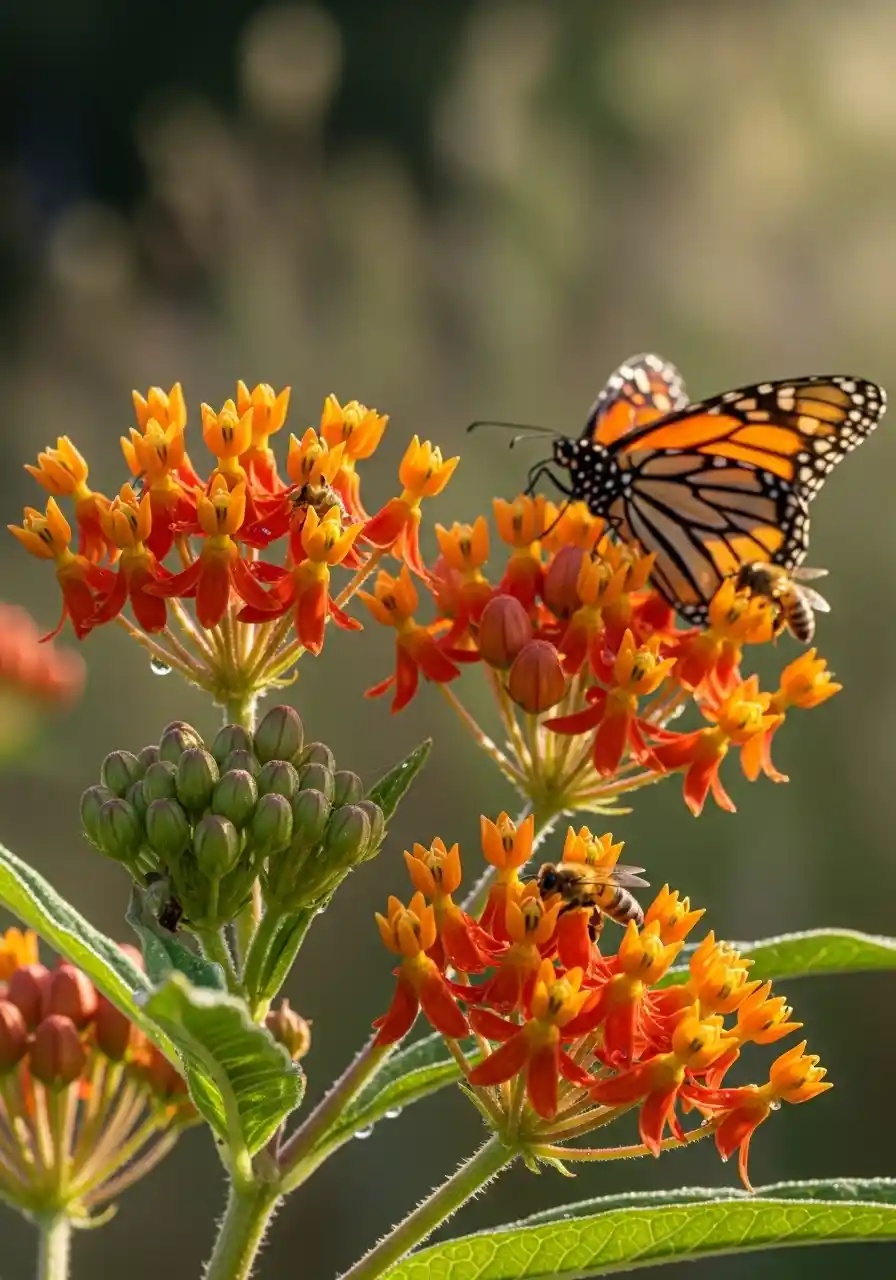
Butterfly weed is a type of milkweed, with orange and red-ish blooms that hummingbirds can spot easily.
Why hummingbirds like it: bright color and tubular bloom shape.
Container bonus: compact and drought-tolerant once established, plus it won’t take over.
Quick care
-
Zones: 3 to 9
-
Light: full sun
-
Soil: well-drained, loamy soil
-
Water: low water needs
-
Size: 1–2 ft tall and wide
Bee Balm (tubular flowers and spreads fast)
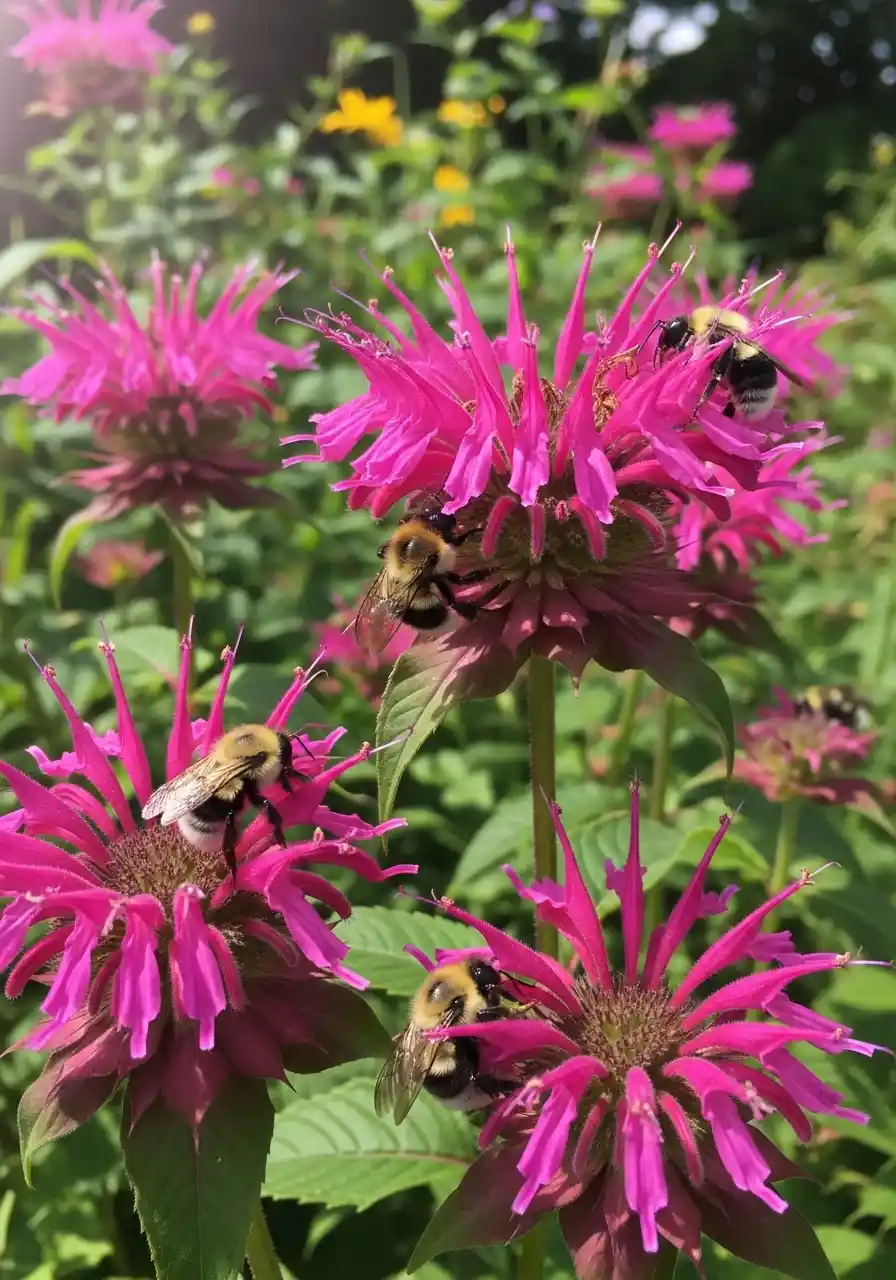
Bee balm can spread quickly in the ground, but a container helps keep it more controlled. It has red tubular flowers hummingbirds really go for.
Why hummingbirds like it: tubular blooms with good nectar.
Container bonus: pots can help manage moisture and keep it from spreading everywhere.
Quick care
-
Zones: 5 to 9
-
Light: full sun
-
Soil: well-drained soil (likes it moist, not swampy)
-
Size: 4–5 ft tall
-
Extra note: deer-resistant is a nice win if deer visit your area.
Agapanthus (violet-blue trumpet clusters)
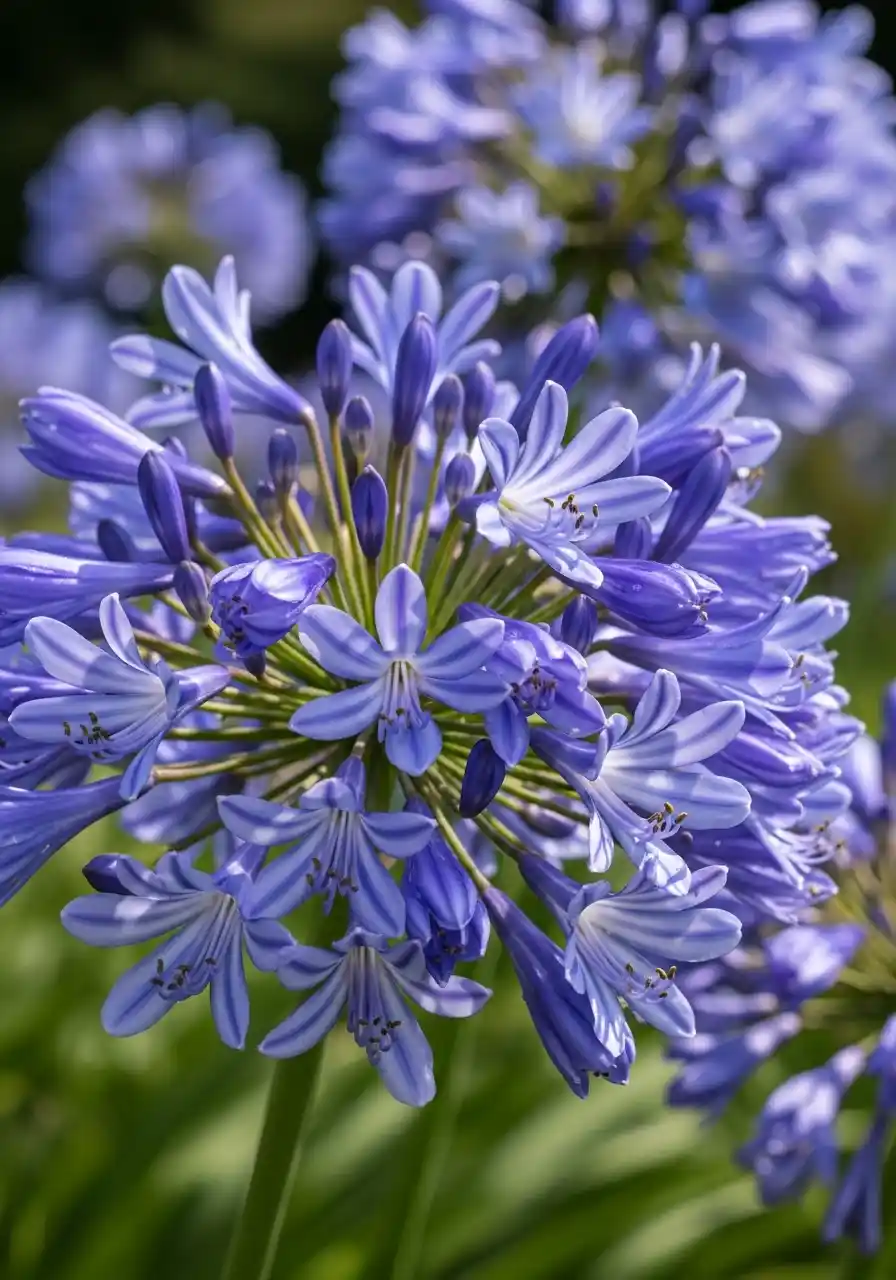
Agapanthus makes these big clusters of trumpet-shaped blooms, often in deep violet-blue. They can bloom until the first frost in many places.
Why hummingbirds like it: trumpet blooms and strong flower clusters.
Container bonus: it can bloom more when root-bound, so pots actually help.
Quick care
-
Zones: 8 to 11 (annual in cooler places)
-
Light: full sun to part shade
-
Soil: well-drained average soil
-
Water: drought-tolerant
-
Size: about 20–24 in tall, 12–18 in wide
-
Extra note: semi-dwarf types (like “Ever Sapphire”) are easier for containers.
Cardinal Flower (hummingbird magnet in red)
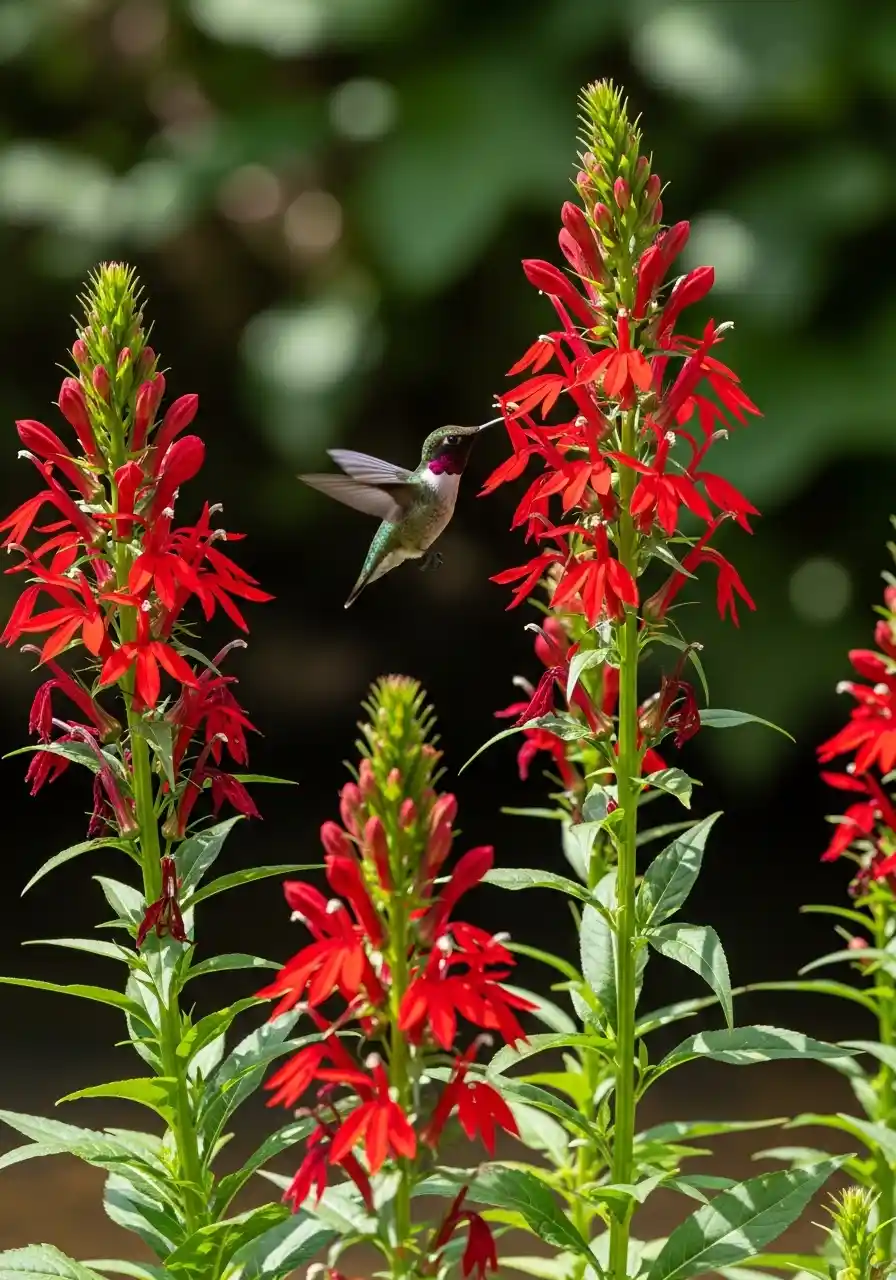
Cardinal flower is one of the most classic red hummingbird flowers. The long tubular blooms match a hummingbird’s bill and tongue really well.
Why hummingbirds like it: vivid red + long tubes made for sipping.
Container bonus: you can give it the moist soil it loves, even if your yard is dry.
Quick care
-
Zones: 3 to 9
-
Light: full sun to part sun
-
Soil: moist loamy to clay soil (it likes it wet)
-
Bloom time: July to October
-
Size: 2–4 ft tall, 1–2 ft wide
-
Pot tip: use a slightly larger pot, like 1 gallon, so it doesn’t dry out too fast.
Hyssop (lavender-blue blooms and fragrant leaves)
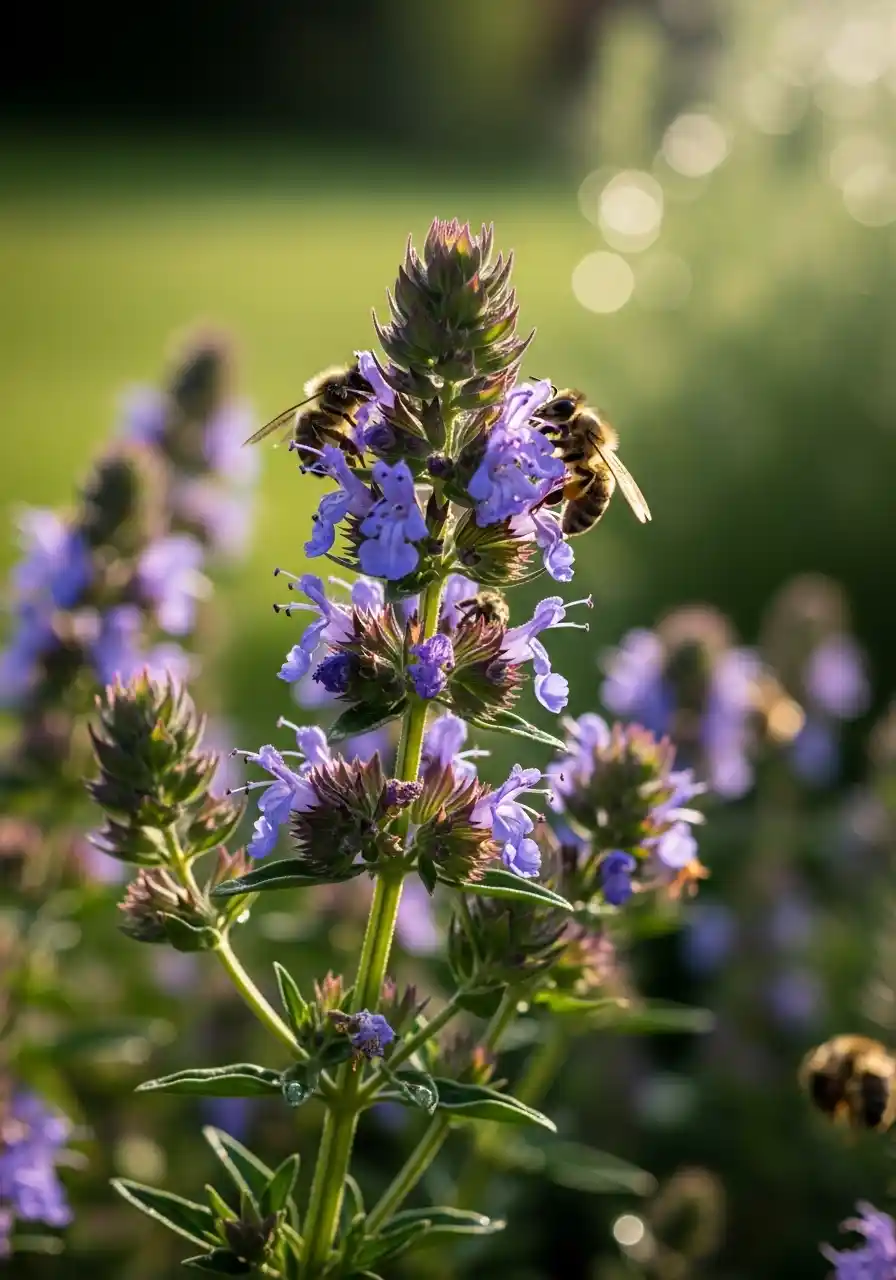
Hyssop (often anise hyssop) has small tubular lavender-blue flowers and smells nice too. It’s a hardy perennial.
Why hummingbirds like it: lots of small nectar flowers over time.
Container bonus: low-maintenance and good for small spaces.
Quick care
-
Zones: 5 to 9
-
Light: full sun
-
Soil: well-drained
-
Water: somewhat drought tolerant
-
Size: 4–5 ft tall
Eastern Red Columbine (early food for migrating birds)
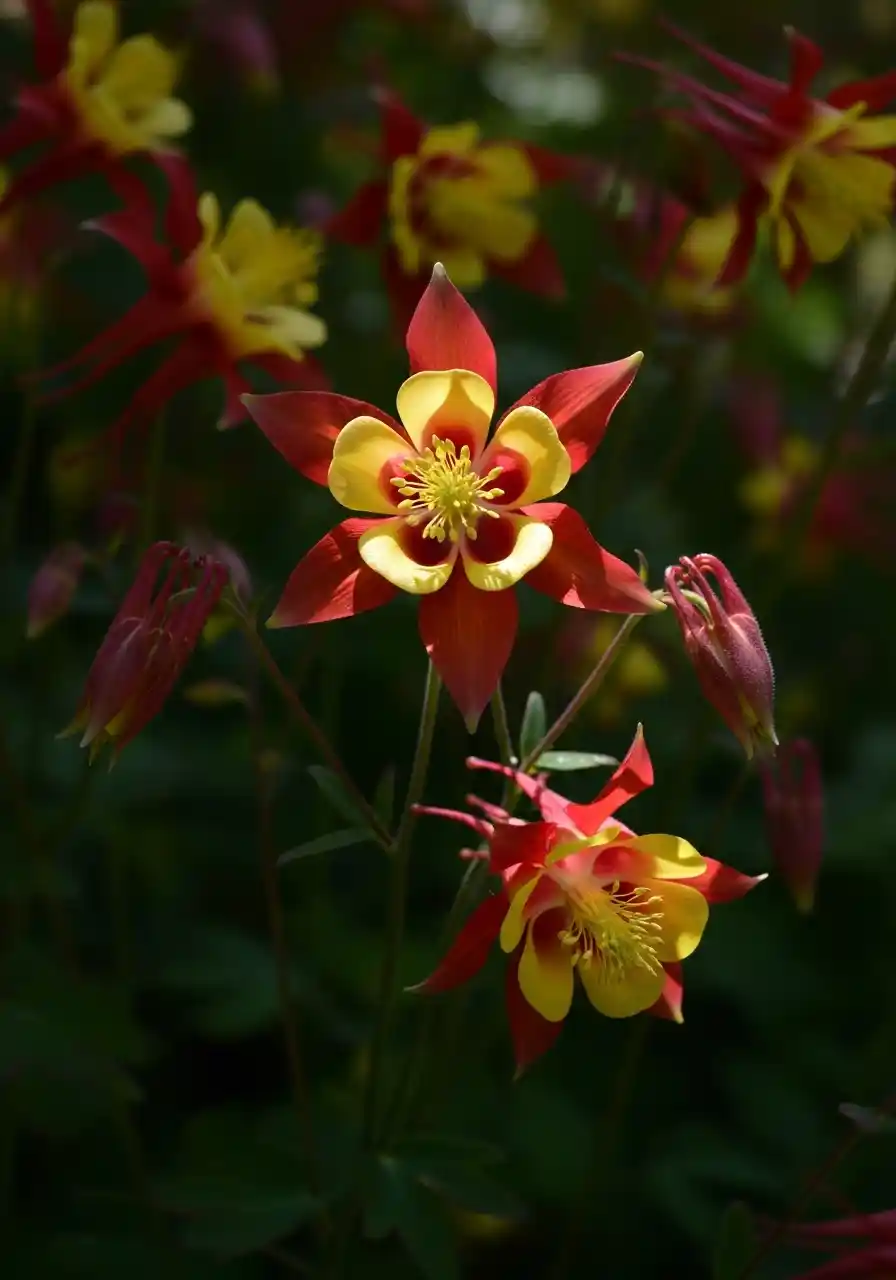
This one is special because it can bloom early, from February to July depending on your region. That timing can line up with hummingbirds arriving.
Why hummingbirds like it: red-and-yellow tubular flowers, early nectar source.
Container bonus: stays a manageable size and won’t bully other plants.
Quick care
-
Zones: 3 to 8
-
Light: full sun to partial shade
-
Soil: well-draining, moist soil
-
Water: drought-tolerant once established
-
Size: 1–2 ft tall and wide
Kaleidoscope Abelia (shrub with lots of tubular blooms)
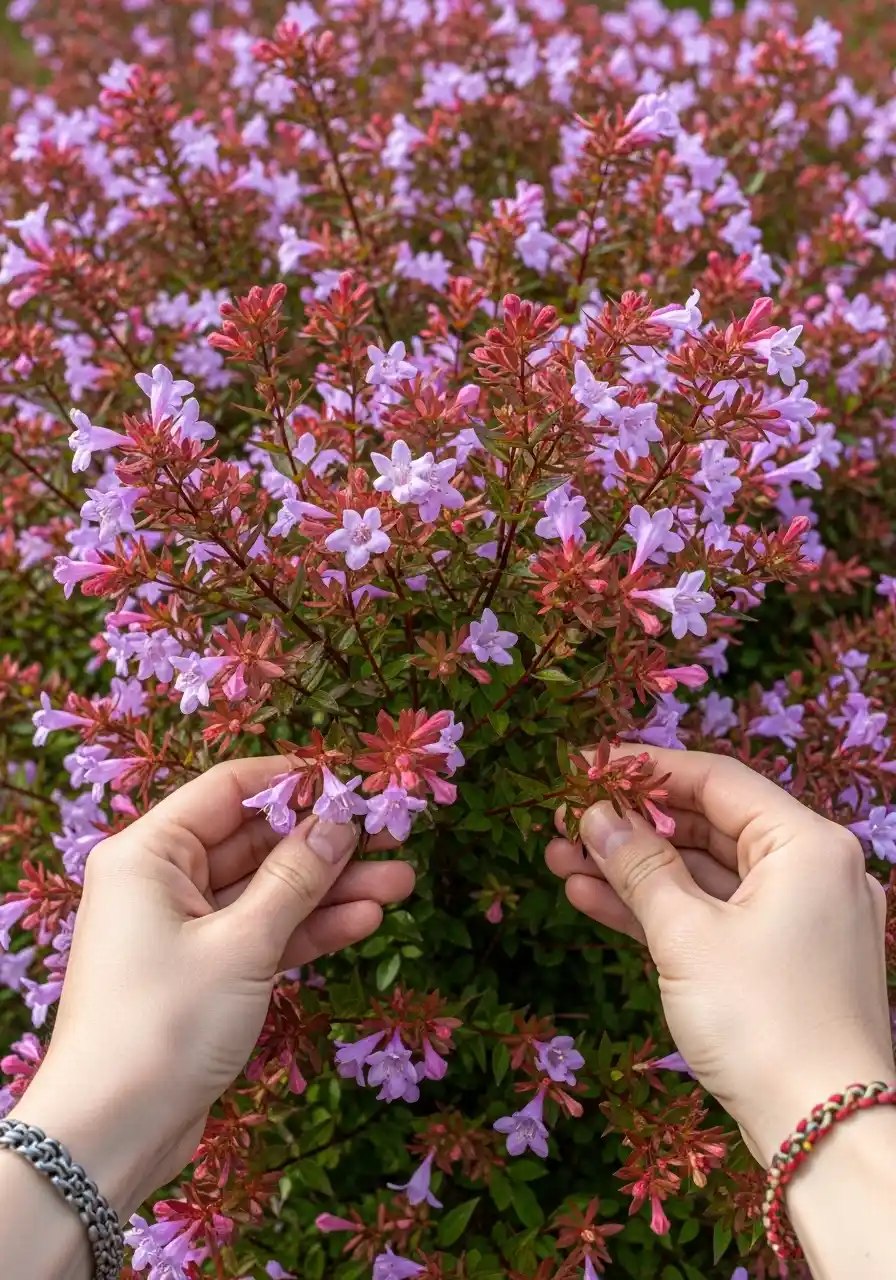
Abelia is a shrub, but some types stay compact in containers. Kaleidoscope abelia can bloom spring through fall with fragrant tubular flowers.
Why hummingbirds like it: long blooming window and tubular flowers.
Container bonus: mounding habit fills a pot nicely with little pruning.
Quick care
-
Zones: 6 to 9
-
Light: full sun to part shade
-
Soil: well-drained average soil
-
Water: drought-tolerant once established
-
Size: 2–3 ft tall, 3–4 ft wide (often smaller in containers)
Autumn Sage (blooms through migration seasons)
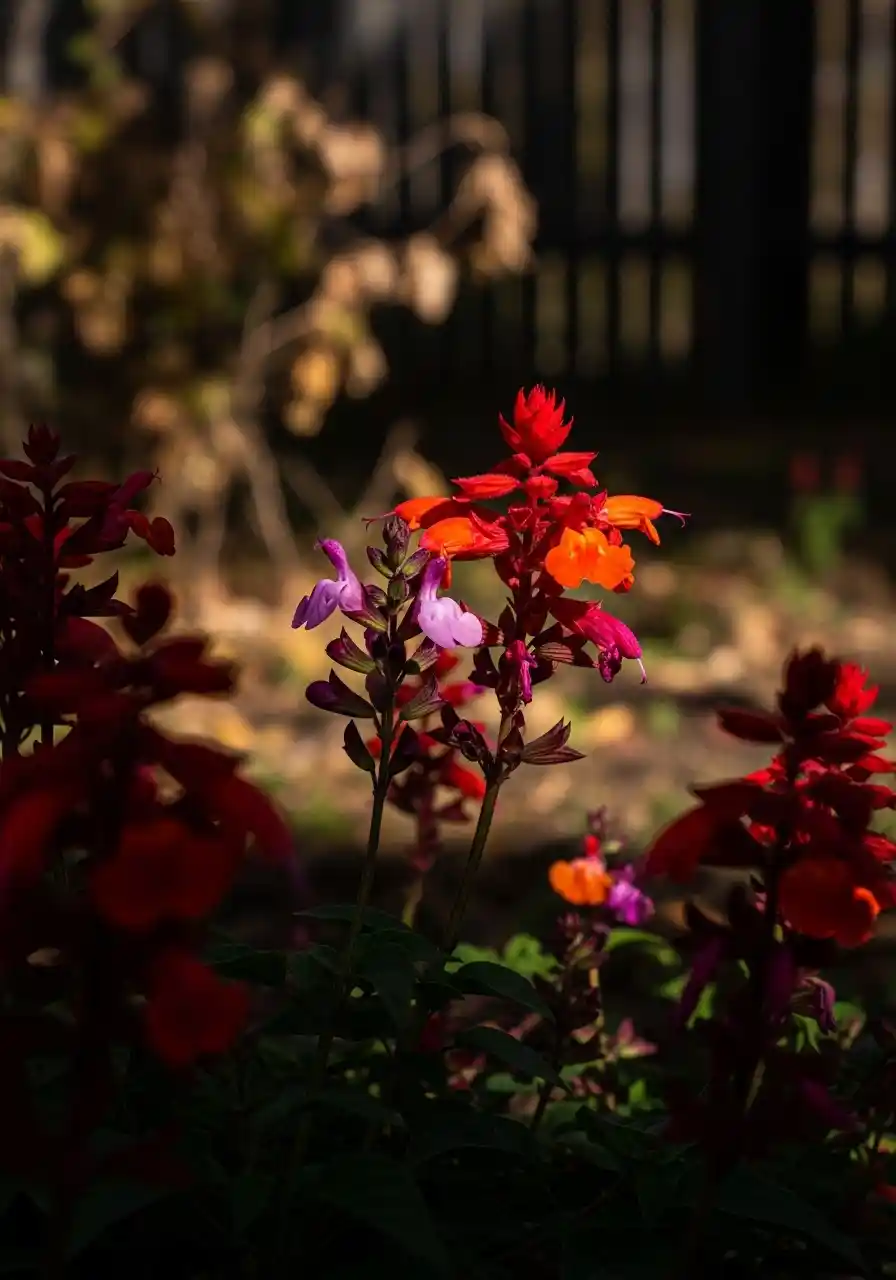
Autumn sage makes clusters of tiny tubular pink-and-red flowers. In warm areas it can bloom from March to November, which covers both migration periods.
Why hummingbirds like it: lots of small nectar flowers, long season.
Container bonus: compact and drought-tolerant once settled in.
Quick care
-
Zones: 6 to 9
-
Light: full sun
-
Soil: well-drained rocky, sandy, or loamy soil
-
Water: drought-tolerant once established
-
Size: 2–3 ft tall and wide
Lantana (hot colors and summer toughness)
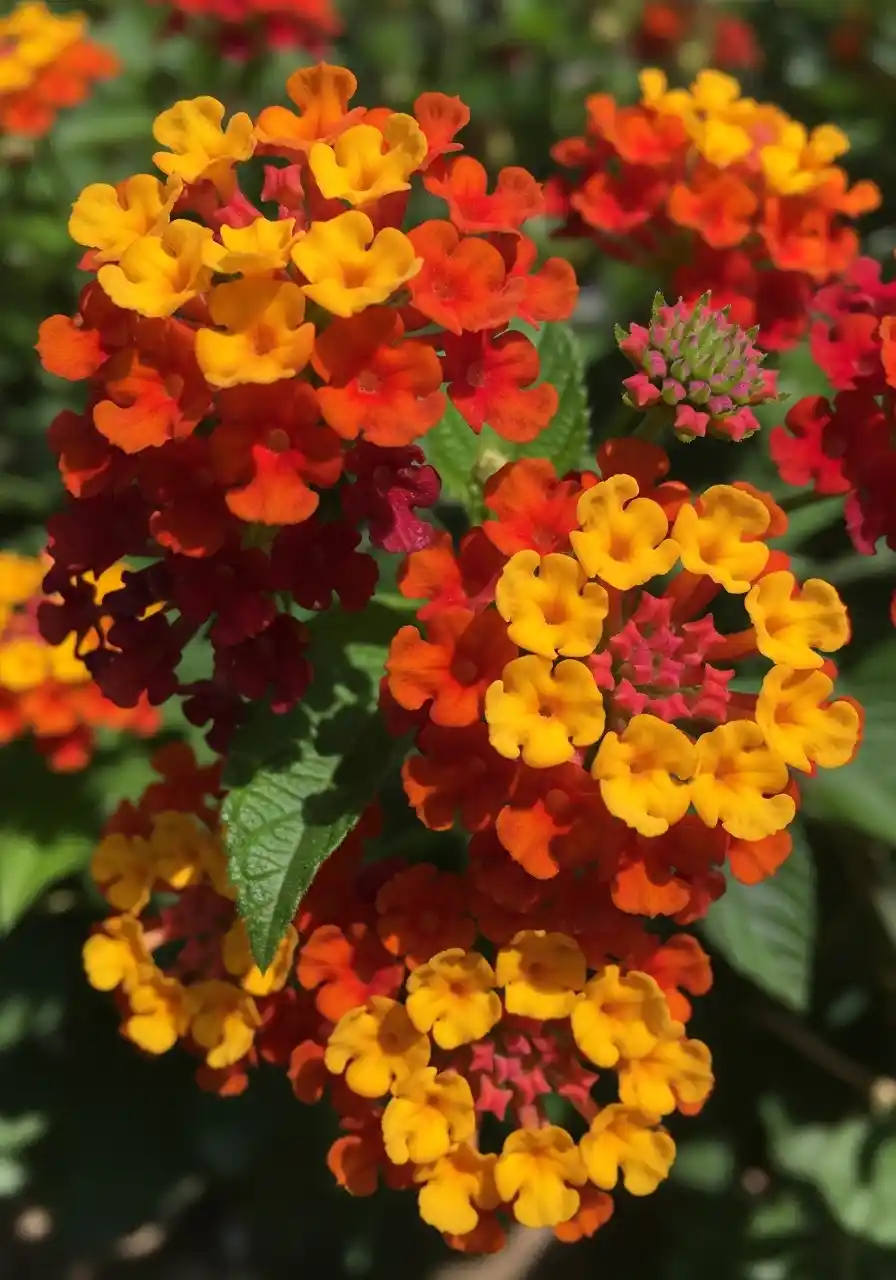
Lantana is famous for bright color mixes like hot pink and sunny yellow. It blooms summer to fall and handles heat really well.
Why hummingbirds like it: bold colors + steady blooms.
Container bonus: stays an easy size and doesn’t need much fuss.
Quick care
-
Zones: 10 to 11
-
Light: full sun
-
Soil: well-drained, slightly acidic soil
-
Water: drought-tolerant once established
-
Size: about 10–12 in tall and wide
Easy tricks to get more hummingbird visits (without doing too much)
A few small moves can make a big difference, even if you’re not a “plant expert” yet.
Group pots in a small cluster
Instead of one lonely pot, make a little group of 3–5 containers. Hummingbirds notice bigger color patches. It’s like putting up a billboard that says “nectar here!”
Keep blooms coming with light feeding
Container plants can run out of nutrients. A simple flower fertilizer (used as directed) can help keep blooms going. Don’t overdo it though, too much can make leaves grow and flowers slow down. Plants can be dramatic like that.
Mix heights for safety and viewing
Put some pots on the ground, some on steps, and some on a sturdy table or plant stand. Elevated flowers can give hummingbirds a better view around them.
FAQ: container flowers that attract hummingbirds
1) What are the best container flowers that attract hummingbirds for beginners?
Red salvia, lantana, and autumn sage are pretty forgiving and bloom a lot.
2) Do hummingbirds prefer red flowers in containers?
Often yes. Red is easy for them to spot, but they also visit orange, pink, purple, and blue flowers.
3) Can I grow cardinal flower in a pot on a sunny porch?
Yes, but keep the soil moist. It likes wetter conditions than many other plants.
4) How big should a pot be for hummingbird plants?
Many do well in 10–14 inch pots, but cardinal flower often does better with a slightly larger pot (around 1 gallon or more).
5) Do I need a hummingbird feeder if I have flowers?
Not required. Flowers can be enough, but a feeder can help, especially early season. (Just keep it clean.)
6) Which plants bloom early for migrating hummingbirds?
Eastern red columbine is a strong early bloomer in many regions.
7) What soil is best for most hummingbird container plants?
Well-drained potting mix is usually best. Many listed plants don’t like soggy roots.
8) Can these plants grow in partial shade?
Some can. Red salvia and agapanthus can handle part shade, and columbine does fine with partial shade too.
9) Are these container plants drought-tolerant?
Several are, like red salvia, butterfly weed, agapanthus, autumn sage, and lantana (once established). But pots still dry faster.
10) Will bee balm get too big for a container?
Bee balm can get tall (4–5 feet). Use a larger pot and expect it to be a “statement plant.”
11) What hummingbird plant works in a small space balcony?
Lantana, butterfly weed, autumn sage, and red salvia are good compact picks.
12) Do hummingbirds come to shrubs in containers too?
Yes. Kaleidoscope abelia is a shrub option with tubular blooms that can work in pots.
13) How can I protect hummingbirds from predators around my pots?
Place pots in open sight lines, avoid spots where cats can hide, and consider elevating some containers.
14) Why do my container flowers stop blooming mid-season?
Common reasons: not enough sun, inconsistent watering, or the pot needs nutrients. Sometimes it’s all three at once, sadly.
15) Can I grow more than one hummingbird plant in the same pot?
Sometimes, yes—if the pot is big enough and the plants have similar sun and water needs.
Conclusion
If you want more hummingbirds nearby, container flowers that attract hummingbirds is a smart and simple path. You don’t need a giant yard or perfect garden skills. A few good pots, well-drained soil, and nectar-rich blooms can turn a porch or patio into a hummingbird stopover. Start with 2–3 plants (like red salvia, lantana, and autumn sage), learn as you go, and don’t stress if a plant struggles at first. Plants are kinda like people… they react to little changes, and they can be moody for no clear reason. But when the hummingbirds show up, it feels very worth it.