Florida landscaping can feel like gardening on “hard mode” if you’re new to the state. The heat doesn’t simply get warm—it turns relentless. Humidity can make plants explode with growth one week and invite fungus the next. Then there’s the rain: sometimes you’re watering daily in a dry stretch, and other times your yard is practically a swamp after a summer storm system rolls through. Add sandy soil in many regions (which drains fast and holds fewer nutrients) and you quickly learn that Florida has its own rules.
That’s exactly why low-maintenance plants are such a smart starting point. They don’t eliminate work completely, but they reduce how often you need to intervene. Instead of battling the weather with fragile, high-demand ornamentals, you lean into plants that like Florida’s conditions or at least tolerate them without constant babysitting. When you make good choices up front—plants suited to your sun exposure, soil type, and region—you’ll spend less time troubleshooting and more time enjoying the yard you’ve created.
Below are ten of the best options for Florida gardens and landscaping when your goal is beauty, resilience, and minimal fuss.
Table of Contents
1) Bananas (Musa spp.)
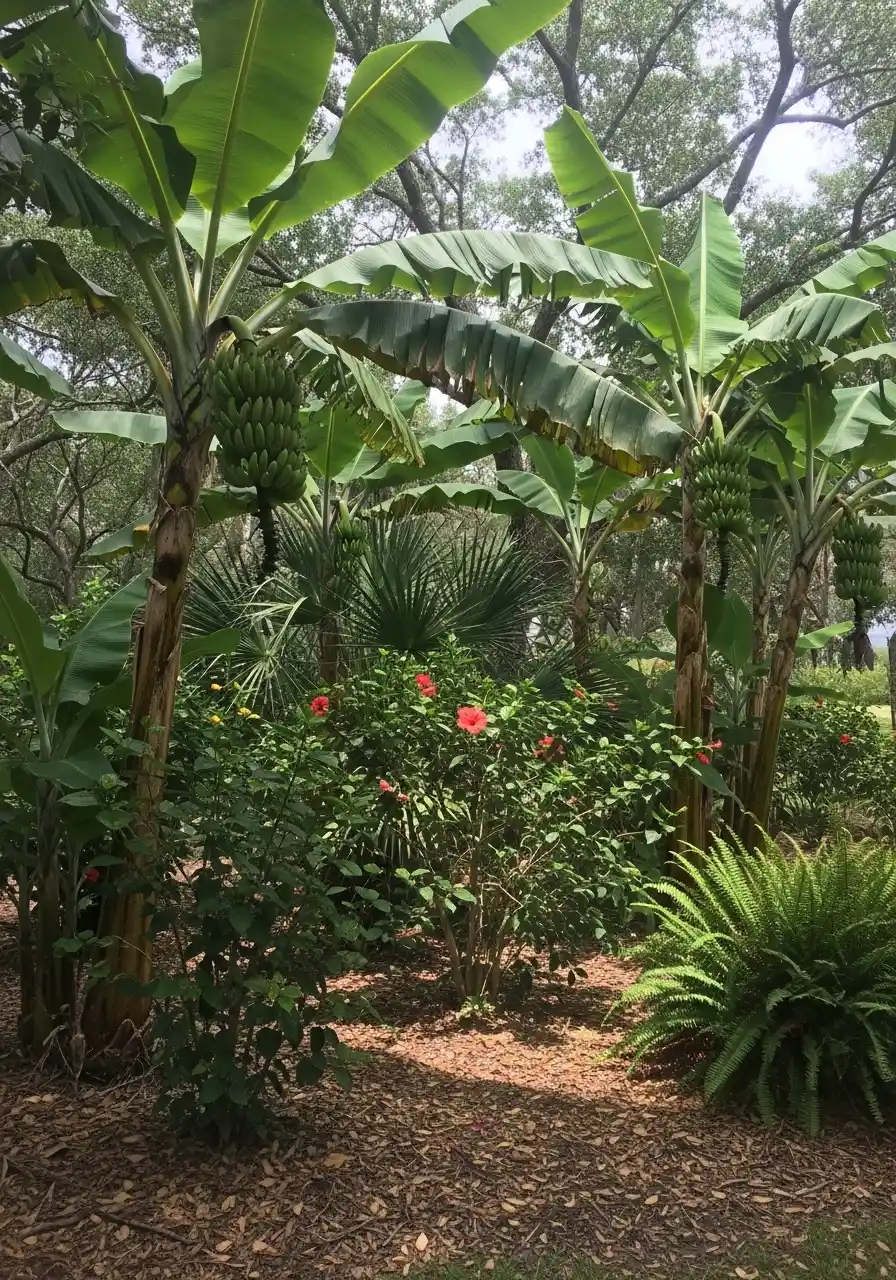
Bananas are one of those plants that make Florida gardeners feel like magicians: give them warmth, moisture, and space, and they respond with dramatic tropical growth. In landscape design, bananas work as bold, architectural features—large leaves, fast growth, and instant “vacation backyard” vibes. They also have a bonus: once established, banana plants produce pups (new shoots) that keep the planting going even as older stalks die back after fruiting.
For easiest care, plant bananas where the soil stays consistently moist but not waterlogged, and choose a location with partial shade if your sun is intense. Many gardeners find that bananas handle full sun, but they can appreciate some protection from the harshest afternoon rays, especially in exposed yards.
A clever low-effort technique is to create a banana circle: plant several banana pups in a ring around a composting pit (a large hole or bin where you add kitchen scraps and yard waste). As the compost breaks down, it feeds the bananas continuously, and you get a tidy system that reduces fertilizer needs. This setup works especially well in Florida where decomposition happens quickly.
One caution: bananas are tropical and don’t love frost. In North Florida, a hard freeze can damage or kill top growth. If temperatures are predicted to drop below freezing, cover the plant with frost cloth, blankets, or other protection. Even if the above-ground parts are damaged, the underground corm may resprout—so don’t assume it’s gone unless you give it time.
2) Everglades Tomatoes (a tough cherry tomato type)
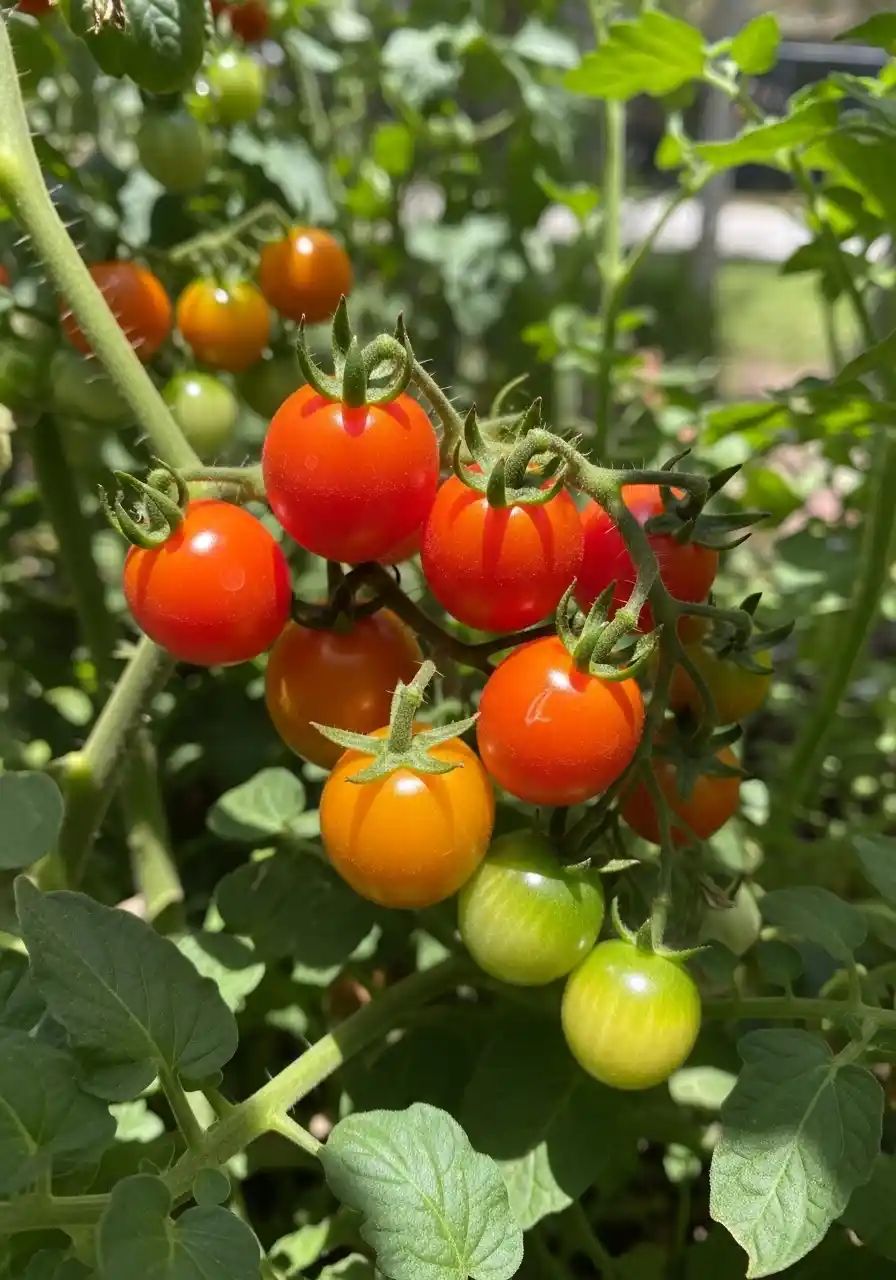
Many people assume tomatoes and Florida don’t mix because of the humidity and disease pressure. The truth is: some tomatoes thrive here, and Everglades tomatoes are the poster child for low-maintenance success. These small cherry tomatoes are famously vigorous in Florida conditions and can behave almost like a wild plant—surviving heat, neglect, and inconsistent watering better than many standard varieties.
Instead of carefully staking each plant, treat Everglades tomatoes more like a productive vine. Use a large cage or an area where they can sprawl. They’re excellent for gardeners who want an edible landscape element without the constant pruning, spraying, and micromanagement.
They can handle summer better than many varieties, but you’ll still get the best fruit set when plants are healthy and mulched. A deep mulch layer helps stabilize soil moisture and reduces stress, which in turn reduces pest and disease issues.
3) Martino’s Roma Tomatoes (a reliable determinate option)
If Everglades tomatoes are the “wild child” of low-maintenance Florida tomatoes, Martino’s Roma is a more structured performer—especially helpful in North Florida, where gardeners often plan around seasonal windows. This is a determinate variety, meaning it tends to set its fruit in a concentrated period rather than slowly producing all season.
The low-maintenance advantage here is predictability: you get your crop, then the plant winds down. In hot, humid Florida summers, many tomato plants struggle, so harvesting earlier in the season can feel like a win. For best success, start seeds early (often indoors) and aim to have plants in the ground in time to produce fruit before the most punishing heat.
Martino’s Roma appreciates well-drained soil, regular watering, and morning sun—morning light dries leaves quickly and helps reduce fungal problems. While tomatoes always require some attention, choosing a variety that aligns with Florida’s climate pattern reduces the overall workload dramatically.
4) Luffa (Luffa aegyptiaca or Luffa acutangula)
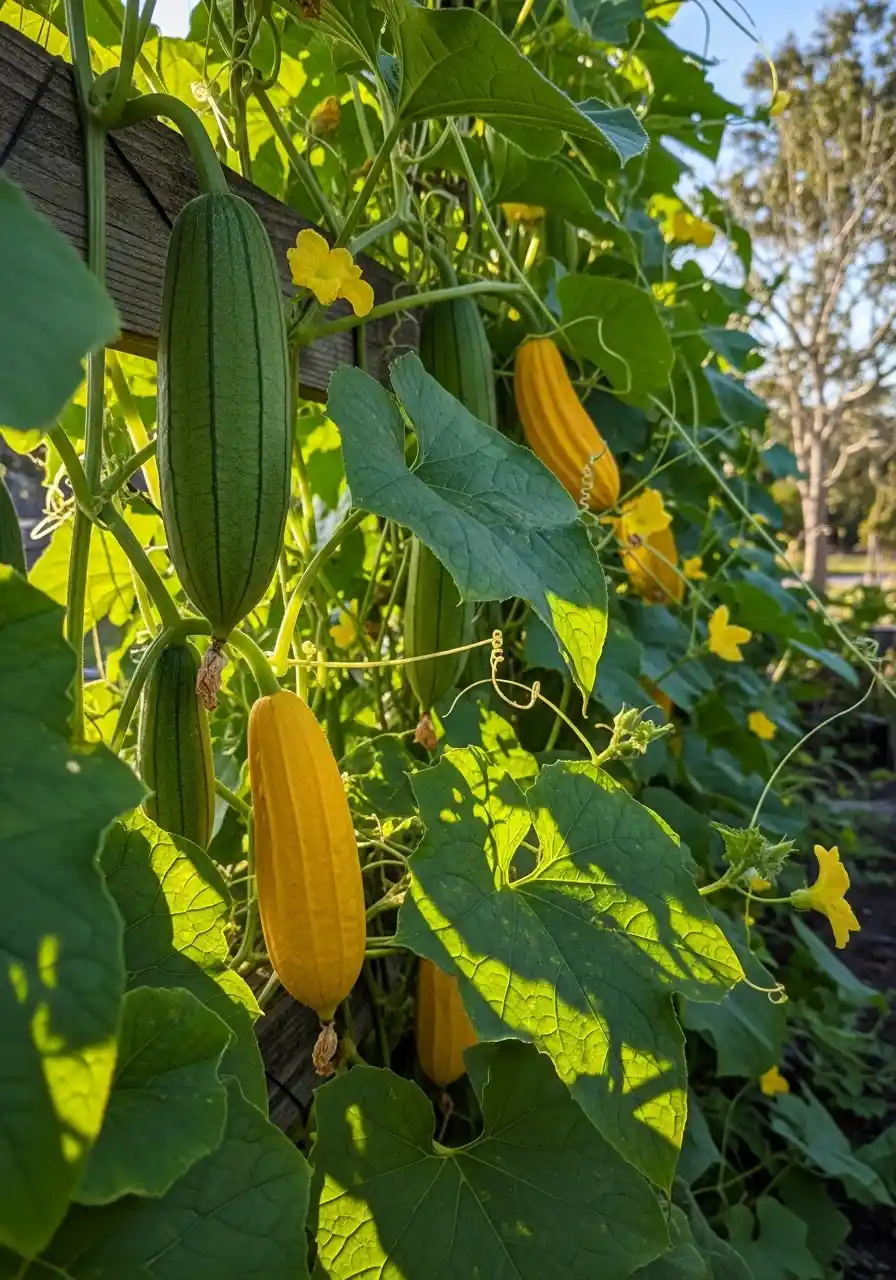
Luffa is one of the most satisfying low-maintenance vines you can grow in Florida. It’s tropical, vigorous, and thrives in the summer heat when many other garden plants wave the white flag. The vine grows quickly and can be trained up a fence, trellis, or pergola to create a living privacy screen. That means luffa isn’t just a garden crop—it’s a landscaping feature.
The most appealing part? Once it gets going, it doesn’t require much beyond sun, support, and occasional watering. The fruits can be eaten young (like a squash) or allowed to mature until they dry inside. When fully mature, you can peel the skin and use the fibrous interior as a natural sponge—an easy way to reduce plastic waste and add a self-sufficiency angle to your yard.
For low maintenance, plant luffa where it can climb freely and won’t smother delicate ornamentals. Give it room, and it will do the rest.
5) Passionfruit (Passiflora spp.)
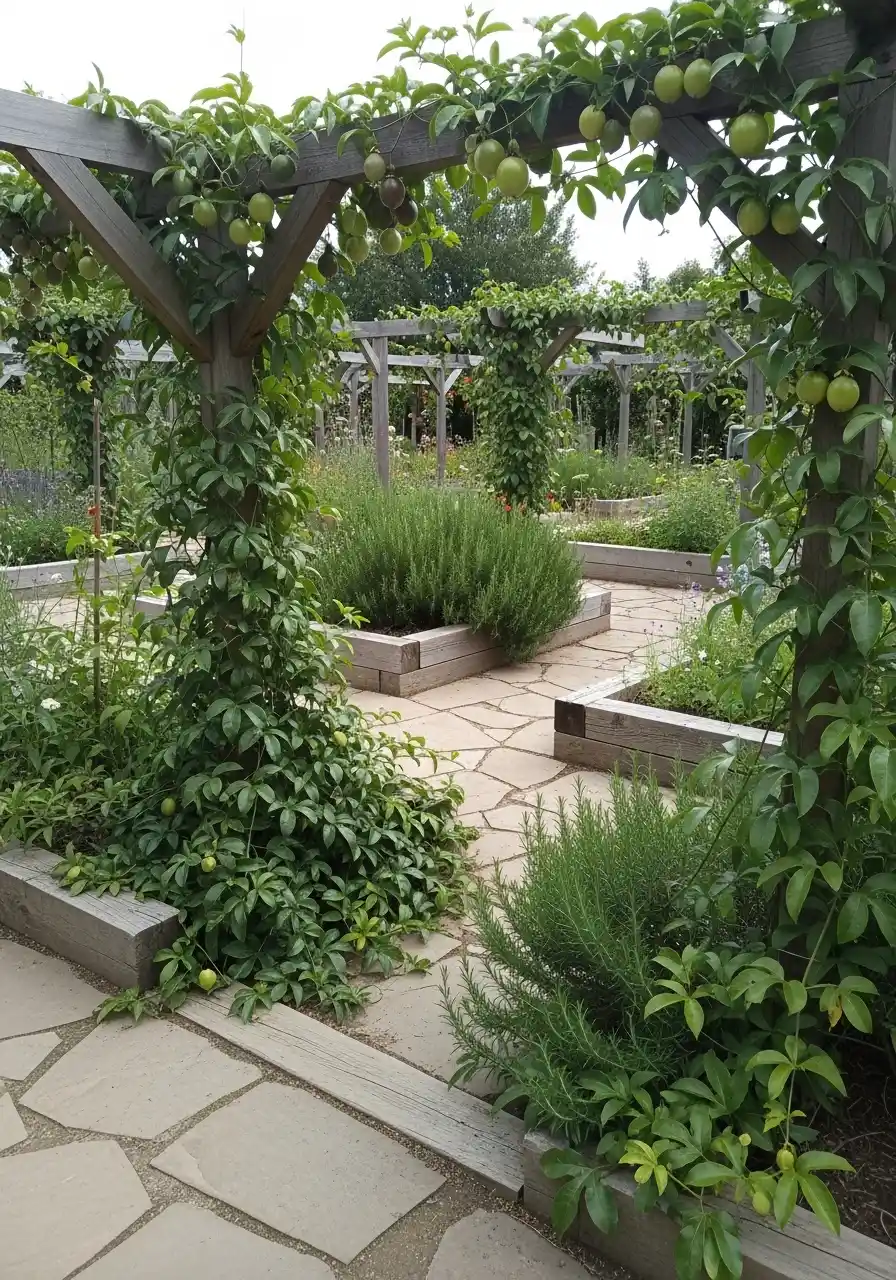
Passionfruit vines are a strong choice for Florida because they love warm weather and can handle summer conditions with less drama than many fruiting plants. They bring exotic flowers, vigorous growth, and edible fruit—all while fitting nicely into a fence-line or trellis landscape plan.
The main “maintenance” issue isn’t the plant—it’s the competition. Birds often discover ripening passionfruit before you do. If you want a reliable harvest, consider bird netting when fruit begins to form. Another interesting Florida perk is that passionfruit seeds can spread. Birds may drop seeds, and you may end up with volunteer vines nearby, which can be either a bonus or something you’ll want to control depending on your yard layout.
With sunshine, a support structure, and occasional pruning to keep it tidy, passionfruit can be both productive and visually striking without demanding constant care.
6) Beautyberry (Callicarpa americana)
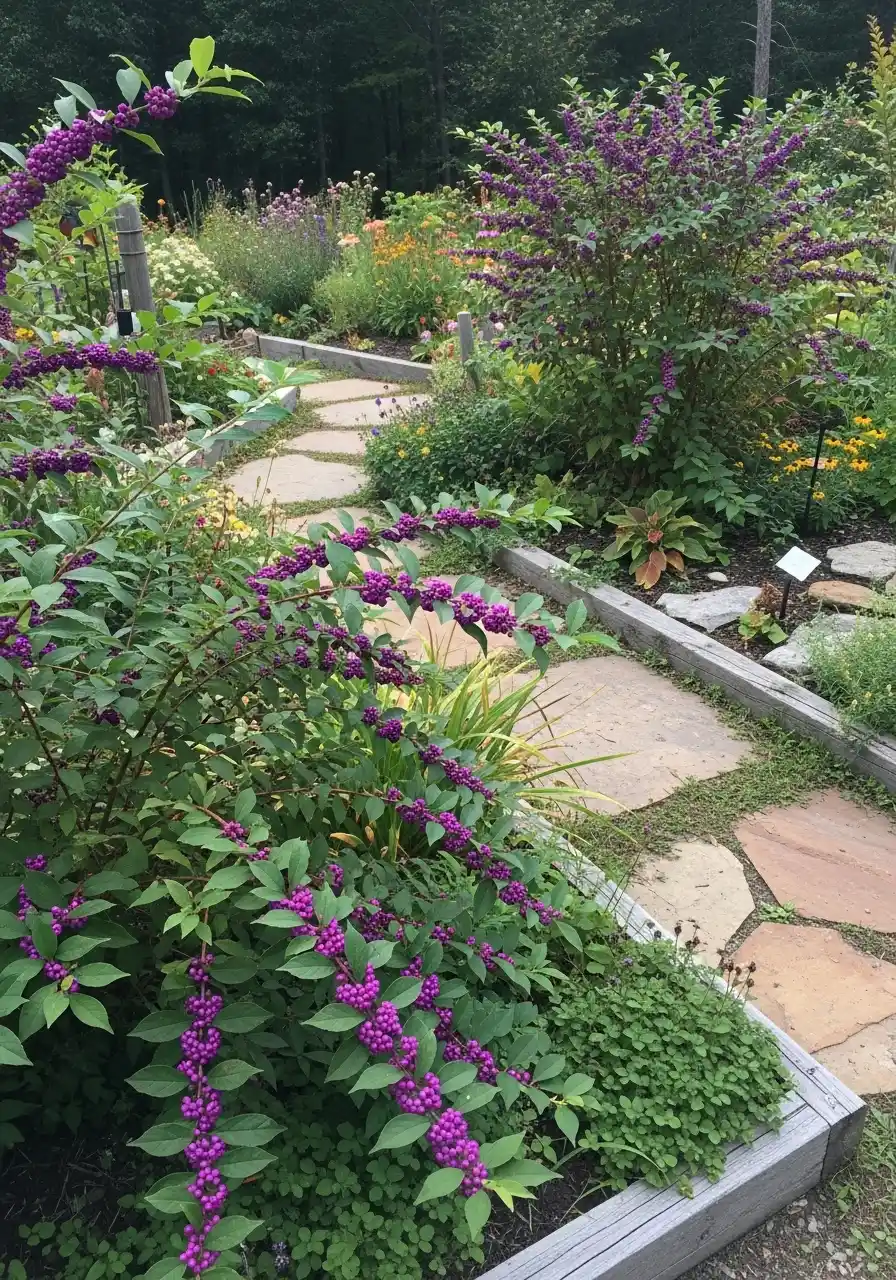
Beautyberry is one of the easiest “set it and forget it” shrubs for Florida landscapes. It’s native, tough, and widely adapted to Florida conditions. The plant is best known for its clusters of vivid purple berries that appear in season and look almost unreal—like they’ve been painted on.
Because beautyberry grows well with minimal intervention, it’s excellent for low-maintenance shrub borders, naturalistic landscaping, and pollinator-friendly designs. It can also provide berries that people use for homemade recipes (like jelly), turning a decorative shrub into something functional.
Beautyberry typically performs best when it has space and some sun (though it can tolerate partial shade). Once established, it handles Florida weather swings well and doesn’t demand heavy fertilizing or constant pruning.
7) Lantana (Lantana spp.)
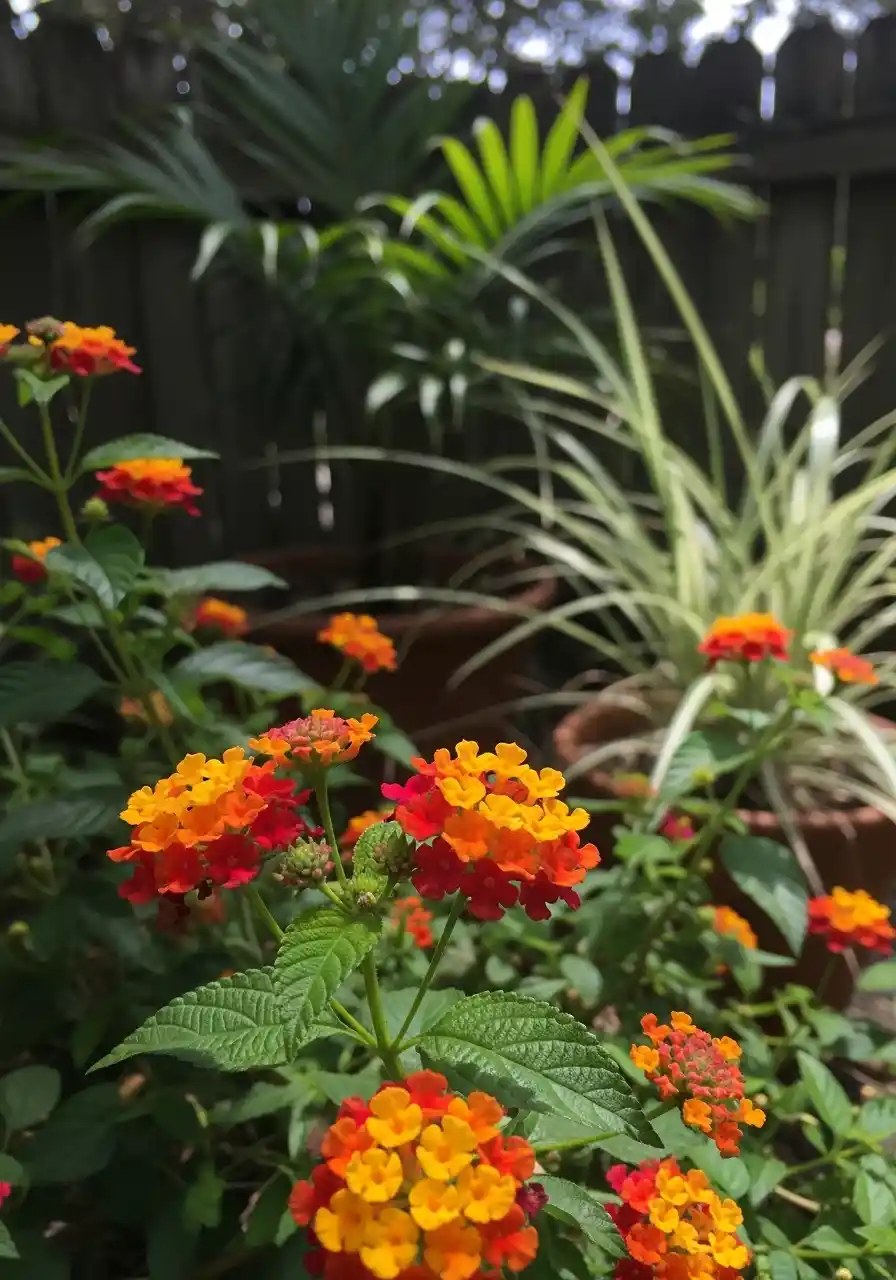
Lantana is beloved in Florida because it thrives in sun and heat while offering long-lasting color. In cooler climates, lantana is often grown as an annual. In Florida, it can behave like a tough perennial or shrub depending on the variety and location. For low maintenance landscaping, it’s often used as ground cover or a mass planting for vibrant seasonal impact.
The flowers attract pollinators—bees, butterflies, and other beneficial insects—adding ecological value without extra work. Lantana’s main “maintenance” feature is that it can spread quickly, so it’s best planted where you want it to fill in. Occasional trimming keeps it neat and encourages fresh blooming, but it doesn’t need delicate handling to survive.
In bright Florida sun, lantana can look like it’s thriving even when neglected, which is exactly what low-maintenance gardeners want.
8) Beach Sunflower (Helianthus debilis)
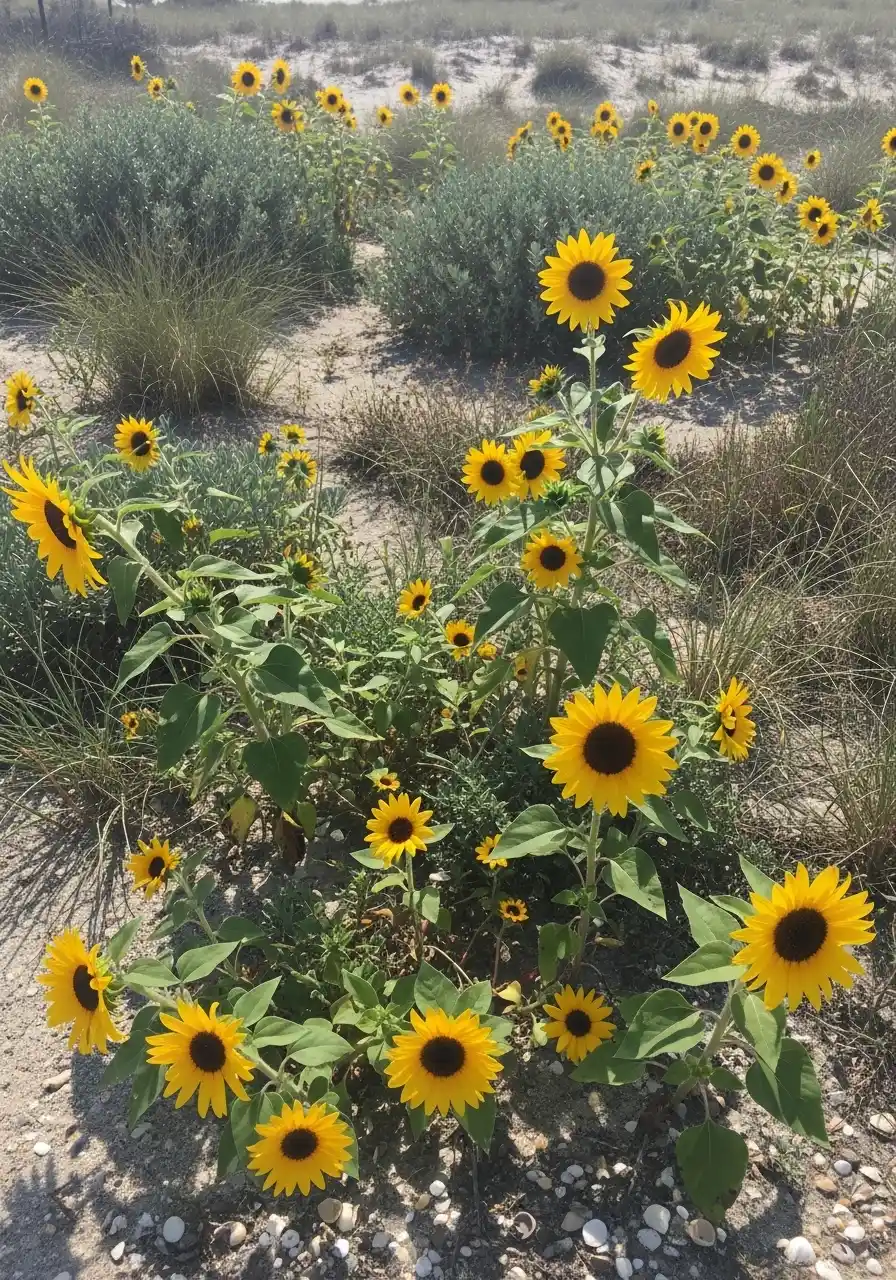
If you live near the coast—or if your soil is sandy and you struggle to keep delicate plants happy—beach sunflower is one of the best low-maintenance picks you can make. This plant stays relatively low (often around 6–10 inches) and forms a cheerful, spreading ground cover with yellow flowers.
Beach sunflower loves full sun and sandy soil, and it tolerates heat exceptionally well. It often reseeds and returns year after year, helping create a stable landscape planting that fills itself in. Because it’s adapted to Florida’s harsher coastal conditions, it doesn’t demand rich soil, constant watering, or intensive care.
It’s especially useful on sunny slopes or edges of beds where other plants dry out too fast.
9) Native Milkweed (Florida-friendly milkweed types)
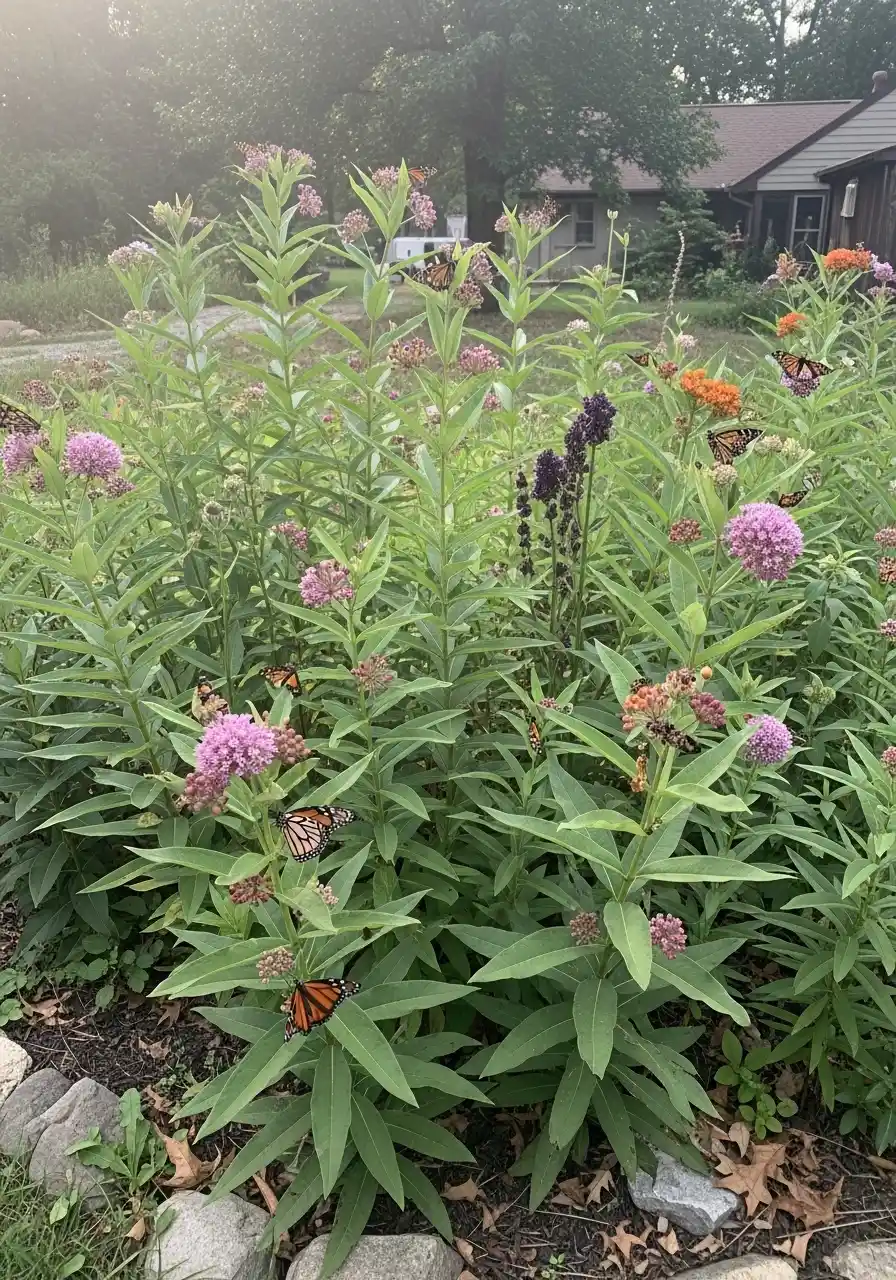
Milkweed is essential for monarch butterflies, and native Florida milkweeds provide both ecological benefit and striking color. Many gardeners mistakenly treat milkweed as something to remove, but in a pollinator-friendly landscape it becomes one of the most valuable plants you can grow.
Native milkweed produces bright orange and yellow flowers and can fit into a wildflower bed, a naturalized corner, or even tucked into a more formal landscape as a “filler” plant. The low-maintenance advantage is that it’s adapted to local conditions and doesn’t need constant fuss once established.
By attracting butterflies and other pollinators, milkweed also supports your broader garden ecosystem. If you grow vegetables or fruiting plants, better pollination often means better yields—so you spend less time trying to correct misshapen fruit or struggling with hand pollination.
10) Hibiscus (Hibiscus spp.)
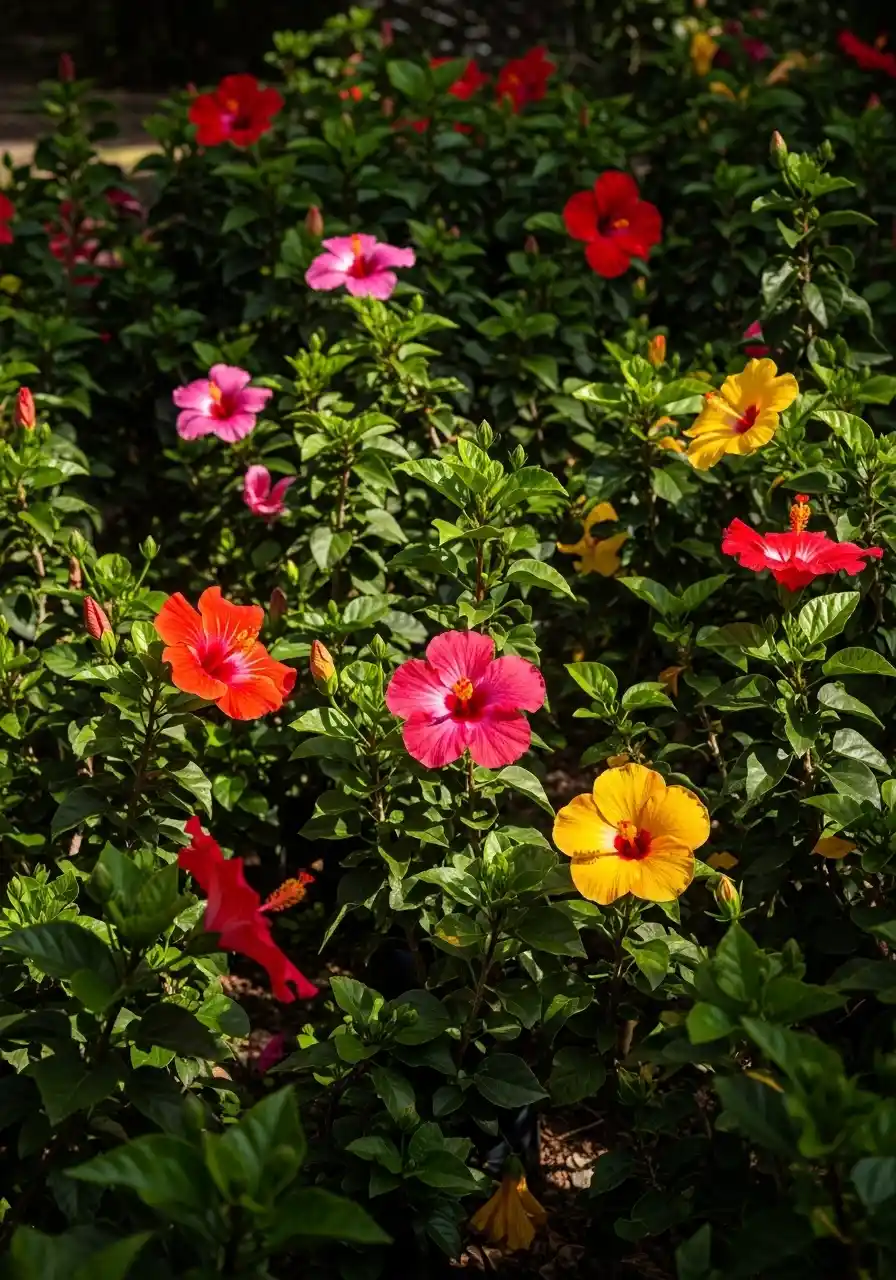
Hibiscus is practically synonymous with tropical landscaping, and Florida is the kind of climate where it shines. It thrives in heat, produces bold flowers that pop from a distance, and fits beautifully into both ornamental beds and edible landscapes (some hibiscus types are used for tea).
For low maintenance success, plant hibiscus where it gets plenty of sun, and use mulch to keep the root zone evenly moist. In Florida’s climate, hibiscus can grow vigorously, and a group planting can create a lush, high-impact look without constant replanting.
The key is simple: consistent watering when establishing, occasional trimming for shape, and mulch to reduce weeds and evaporation. Once mature, hibiscus can be surprisingly forgiving.
Bonus Option Many Florida Gardeners Swear By: Citrus (lemons, oranges, limes, grapefruit, tangelos)
Florida is one of the best places in the U.S. to grow citrus, whether in-ground or in large pots. Citrus trees can be remarkably low maintenance once established: they offer shade, fragrance, evergreen foliage, and a recurring harvest. If you choose a healthy grafted tree with strong rootstock, you can enjoy fruit sooner than you would starting from seed.
One detail that surprises beginners is that citrus fruit often stays green for a while before developing final color—so don’t assume it’s unripe just because it hasn’t turned orange or yellow yet.
A Practical Wrap-Up: How to Keep Florida Landscaping Truly Low Maintenance
A “low-maintenance” plant can become high maintenance if it’s placed in the wrong spot. To keep your workload low:
-
Match plants to your sunlight (full sun vs. partial shade).
-
Respect drainage—improve soil structure if water sits after rain.
-
Use mulch strategically to reduce weeds and watering needs.
-
Embrace Florida’s seasonal rhythm: many gardeners rest during peak summer heat and focus planting in the more forgiving windows.
The best part is that you don’t need a massive property or a complex design plan. You can start with a few containers, add a shrub border, plant a vine along a fence, or build a small pollinator bed. Over time, these low-maintenance choices create a yard that looks intentional and vibrant without requiring constant labor.