Utah gardens reward plants that handle hot, dry summers, cold winters, and soils that often lean clayey or alkaline. The right shrubs for Utah give you structure in every season—spring flowers, summer texture, fall color, and winter backbone—without demanding constant watering. Below are 10 reliable choices, including hardy natives and proven landscape performers, plus practical notes so you can plant with confidence in Salt Lake valleys, Wasatch foothills, and many high-desert neighborhoods.
Table of Contents
Shrubs for Utah: 10 Proven Choices for Cold Winters and Dry Summers
1) Apache Plume (Fallugia paradoxa)
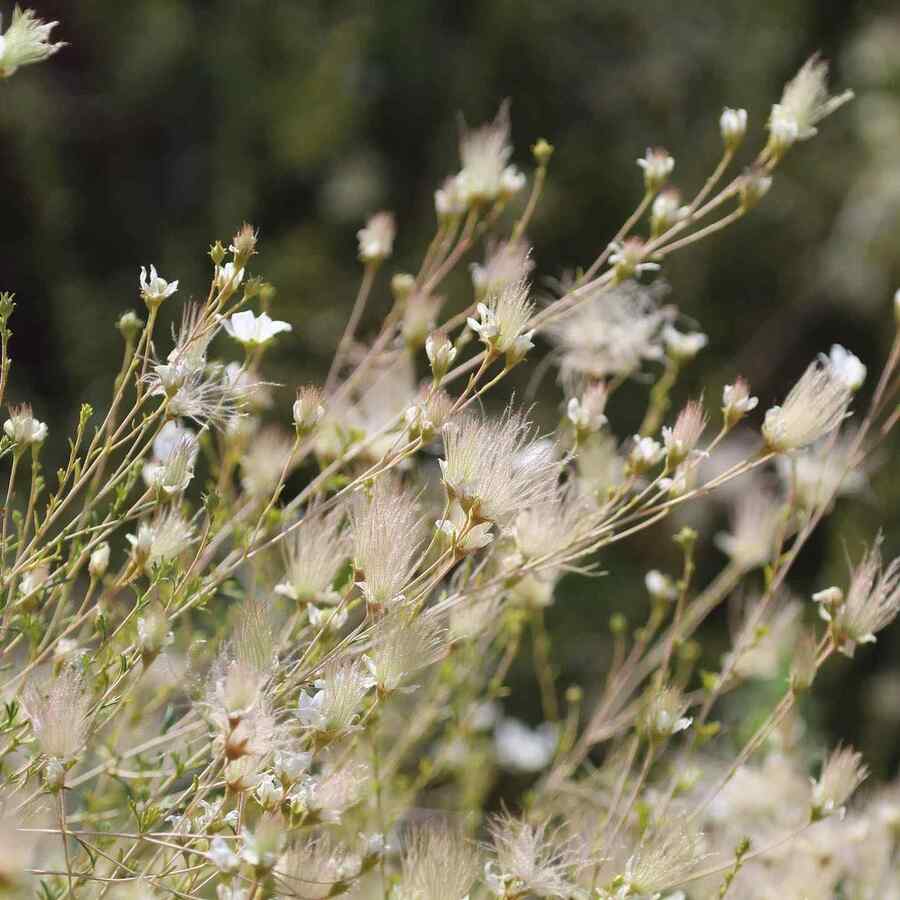
A tough native that thrives in sun, wind, and lean soils. White flowers appear in warm months, followed by showy, feathery pink seed heads that add movement and soft color.
Best use: slopes, xeriscapes, naturalized borders.
Care tips: full sun; water to establish, then minimal. Prune lightly after bloom to shape.
2) Serviceberry (Amelanchier spp.)
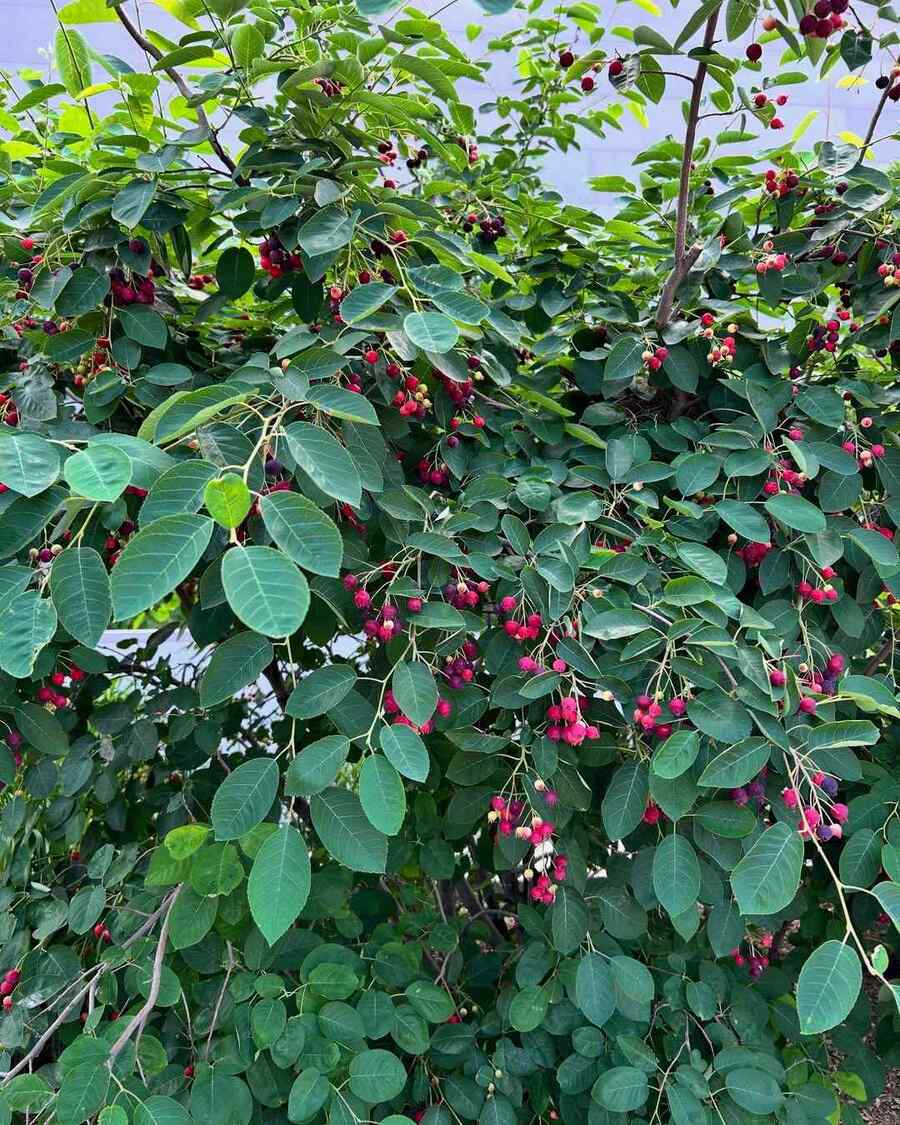
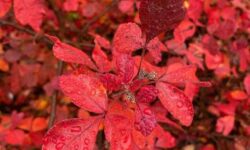
One of the most “Utah-friendly” shrubs for multi-season interest: early white spring bloom, edible berries, and strong orange-red fall color.
Best use: foundation plantings, wildlife gardens, small-yard focal points.
Care tips: sun to part shade; moderate water the first year. Mulch to protect roots from temperature swings.
3) Juniper (Juniperus spp.)
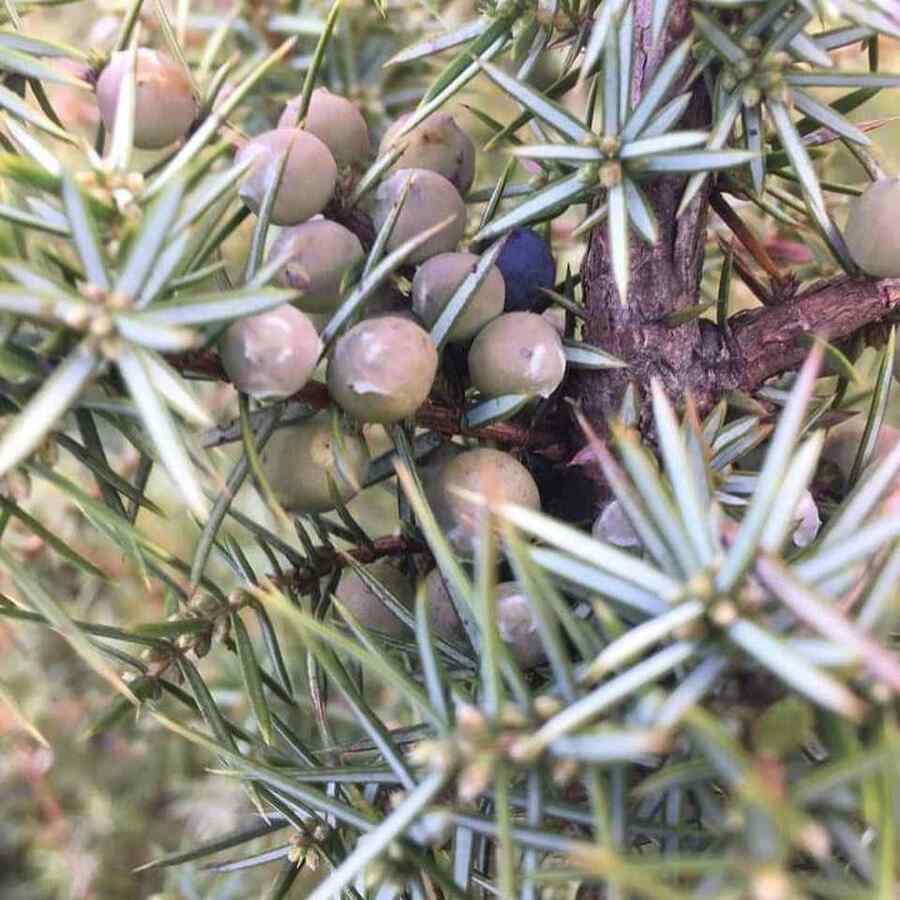
Junipers are evergreen workhorses that tolerate harsh weather, poor soils, and drought once established. Upright forms (like common landscape cultivars) add winter structure when everything else goes quiet.
Best use: privacy screens, windbreaks, year-round anchors.
Care tips: full sun; avoid overwatering. Provide airflow to reduce disease risk.
4) Ninebark (Physocarpus opulifolius)
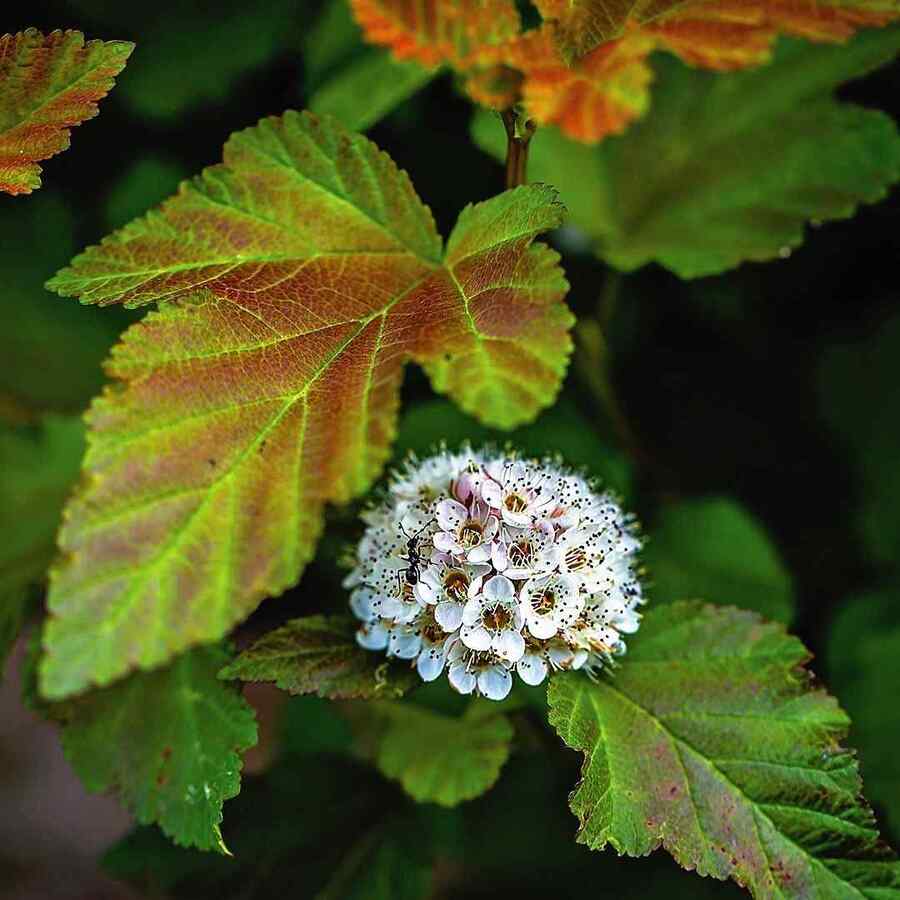
A cold-hardy shrub with peeling bark and bold foliage options (including dark-leaved cultivars). Spring flowers and rugged adaptability make it a dependable choice where conditions vary.
Best use: mixed borders, contrast planting, low-maintenance hedges.
Care tips: sun to part shade; prune after flowering for shape. Tolerates clay better than many ornamentals.
5) Fernbush (Chamaebataria millefolium)
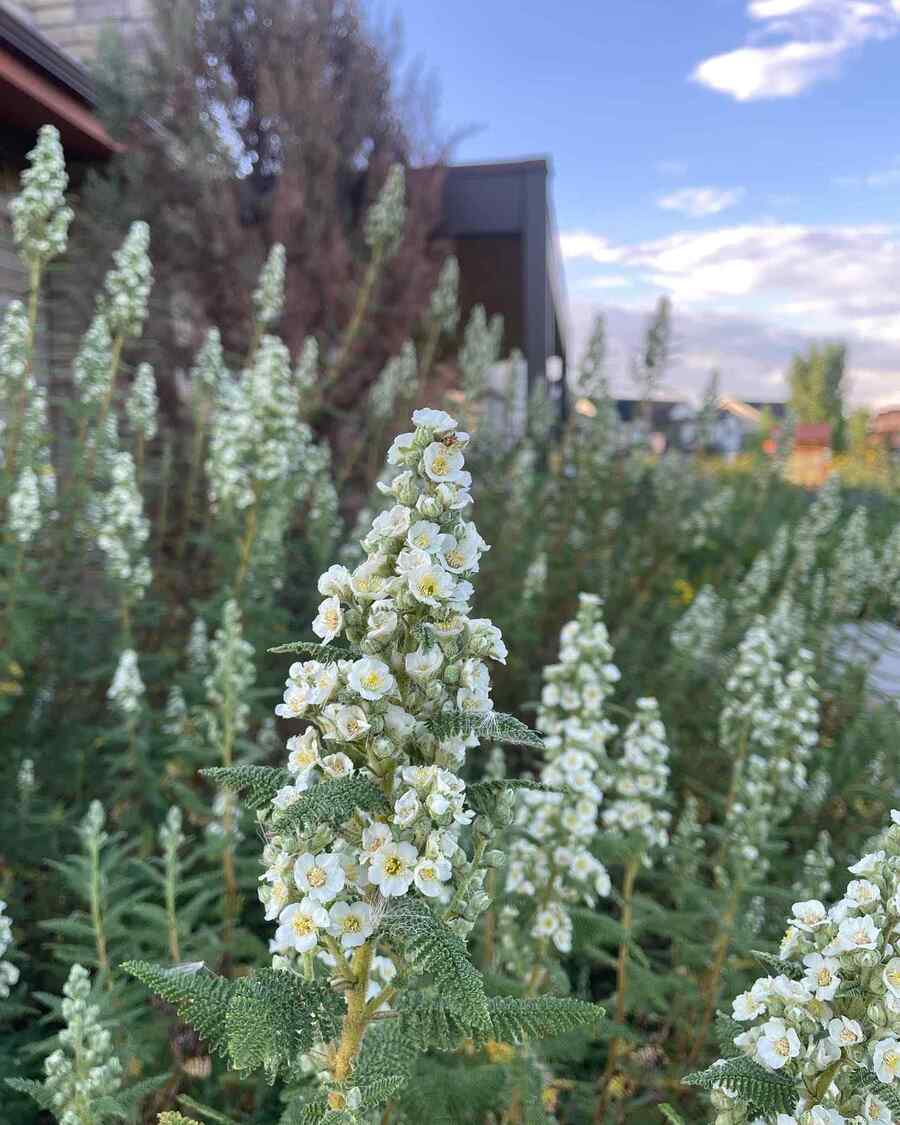
A Utah native with fragrant, fern-like foliage and clusters of small white flowers. It reads airy and refined, even in a water-wise design.
Best use: native gardens, dry borders, sensory plantings near paths.
Care tips: full sun; lean soils preferred. Don’t “pamper” with rich amendments—good drainage matters.
6) Sand Cherry (Prunus besseyi ‘Pawnee Buttes’)
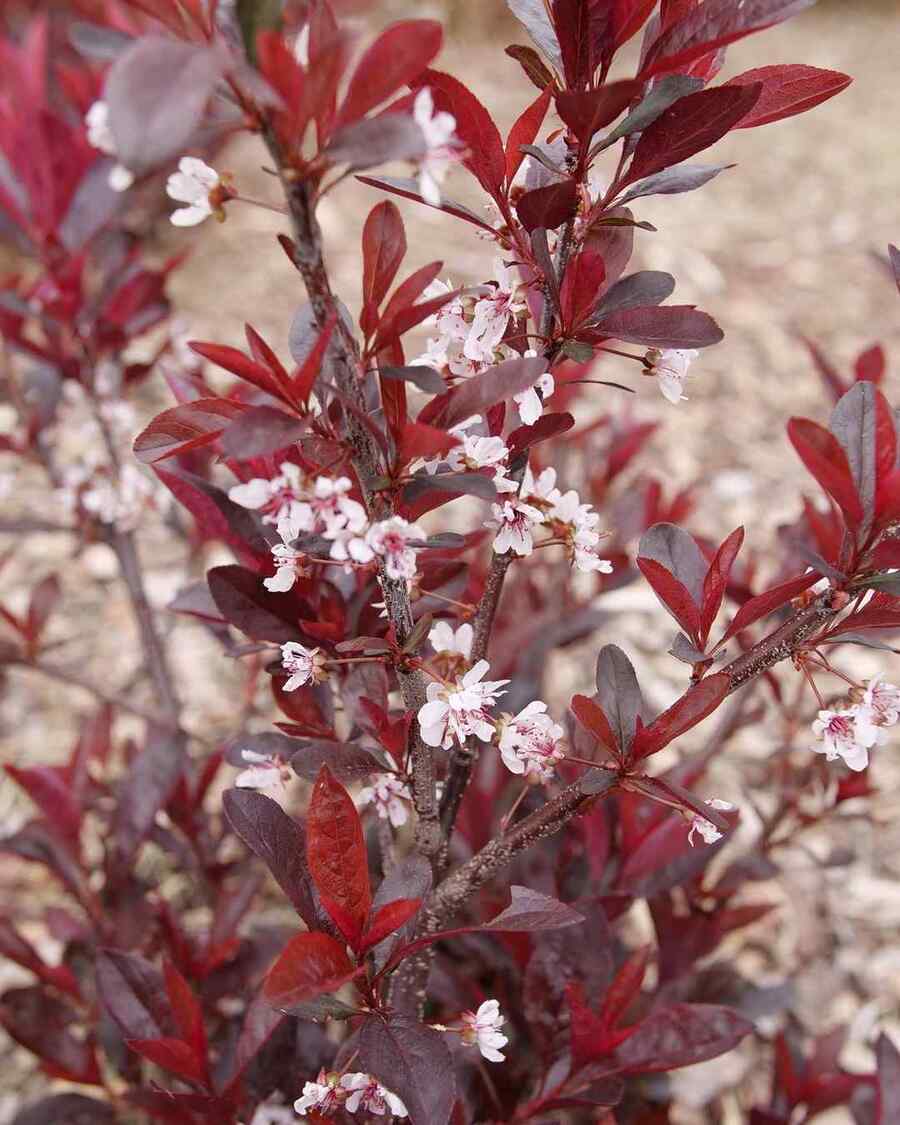
A low, spreading shrub that behaves like a handsome groundcover. Fragrant white spring blooms lead to excellent orange-red fall color, making it valuable in smaller spaces.
Best use: front-of-border, slope coverage, mass plantings.
Care tips: full sun; water regularly in the first growing season, then taper. Light pruning keeps it tidy.
7) Rabbitbrush (Chrysothamnus spp.)
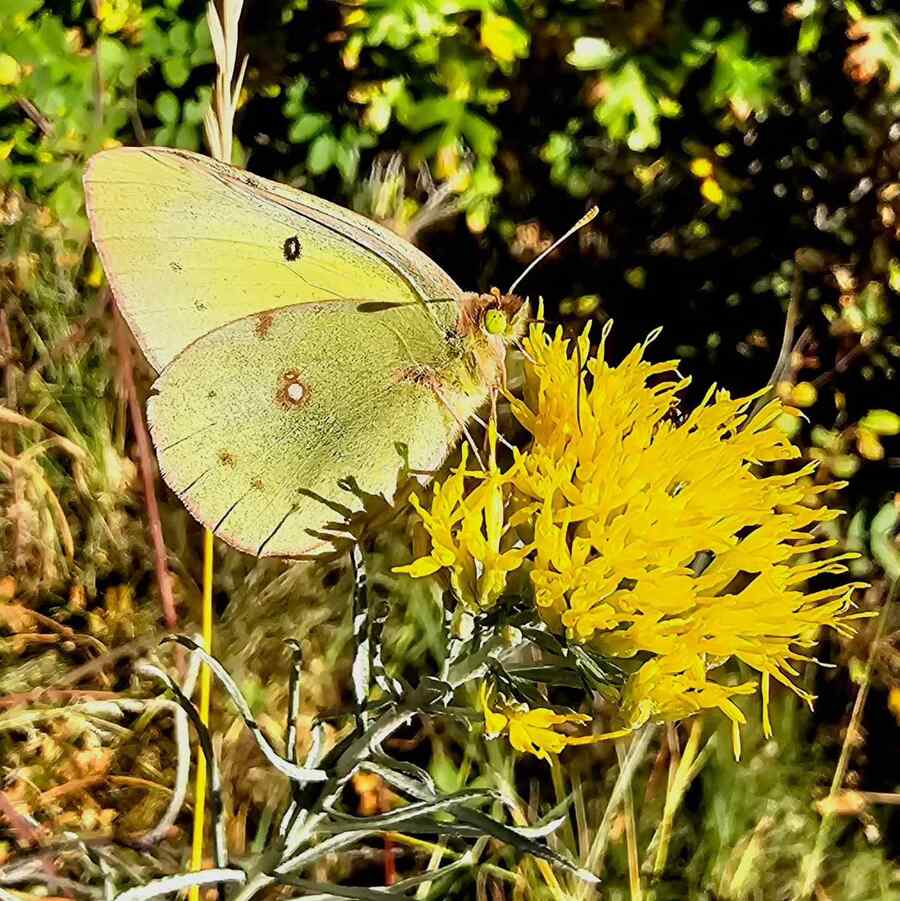
A water-wise native known for late-season yellow flowers—excellent when many landscapes fade. It’s also a strong pollinator resource in late summer into fall.
Best use: native/pollinator gardens, naturalistic plantings, hot reflected-heat zones.
Care tips: full sun; very low water once established. Cut back in early spring to encourage a fuller shape.
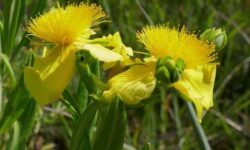
8) Potentilla (Potentilla fruticosa / Dasiphora fruticosa)
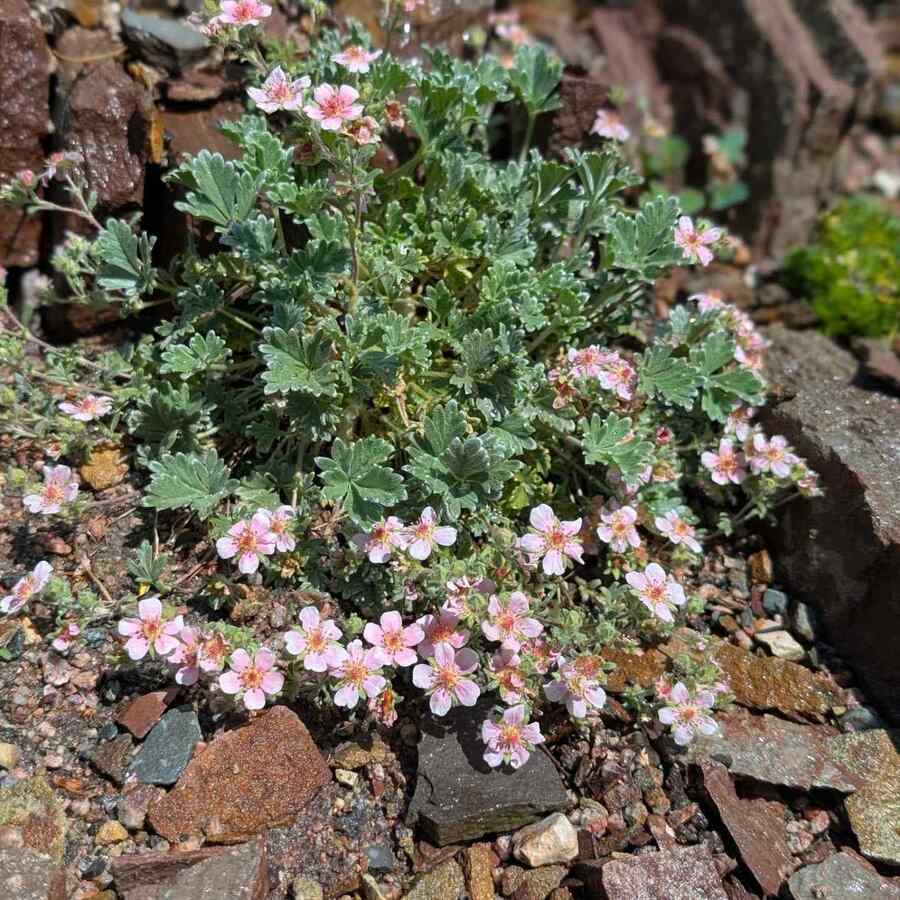
A reliable bloomer that handles cold and offers long-lasting flowers in yellow, white, or pink. It’s a steady performer for gardeners who want color without fuss.
Best use: sunny borders, low hedges, repeated rhythm plantings.
Care tips: full sun for best bloom; prune in early spring to refresh. Moderate water first year; drought-tolerant after.
9) Mountain Mahogany (Cercocarpus ledifolius)
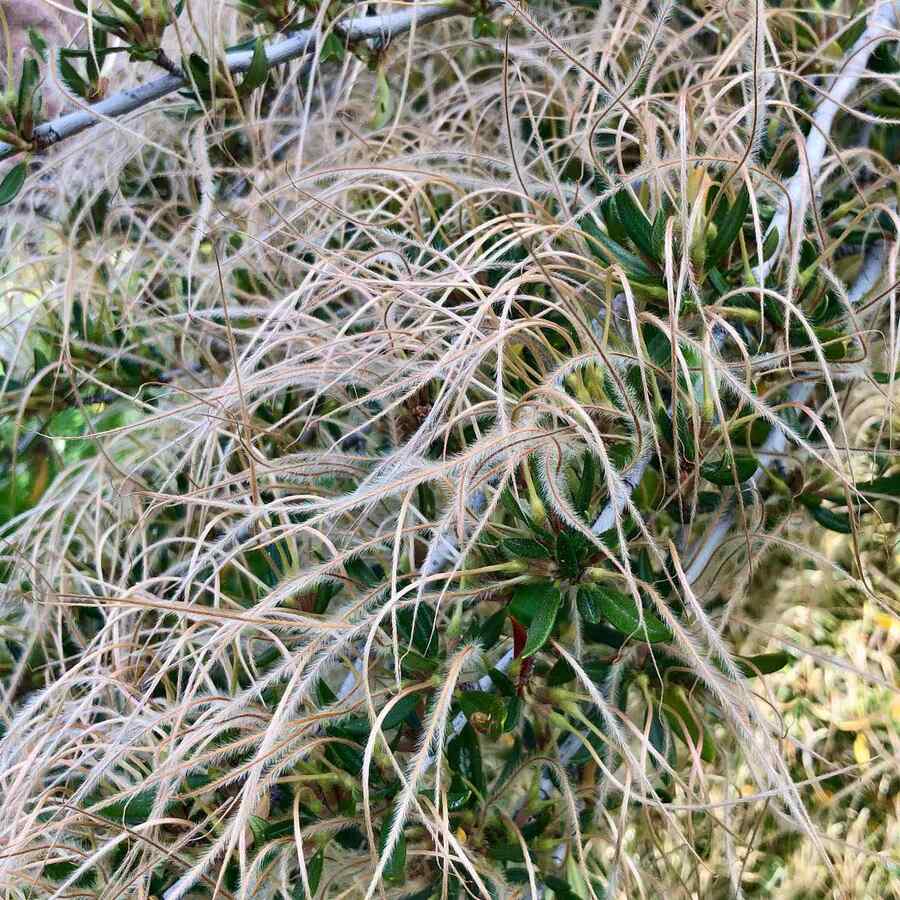
An exceptionally drought-tolerant native shrub/small tree with evergreen character and elegant, feathery seed tails. It thrives in tough sites where other plants struggle.
Best use: foothill-style landscapes, dry banks, long-term structure.
Care tips: full sun; excellent drainage is key. Water sparingly—overwatering is the common mistake.
10) Bluebeard (Caryopteris × clandonensis)
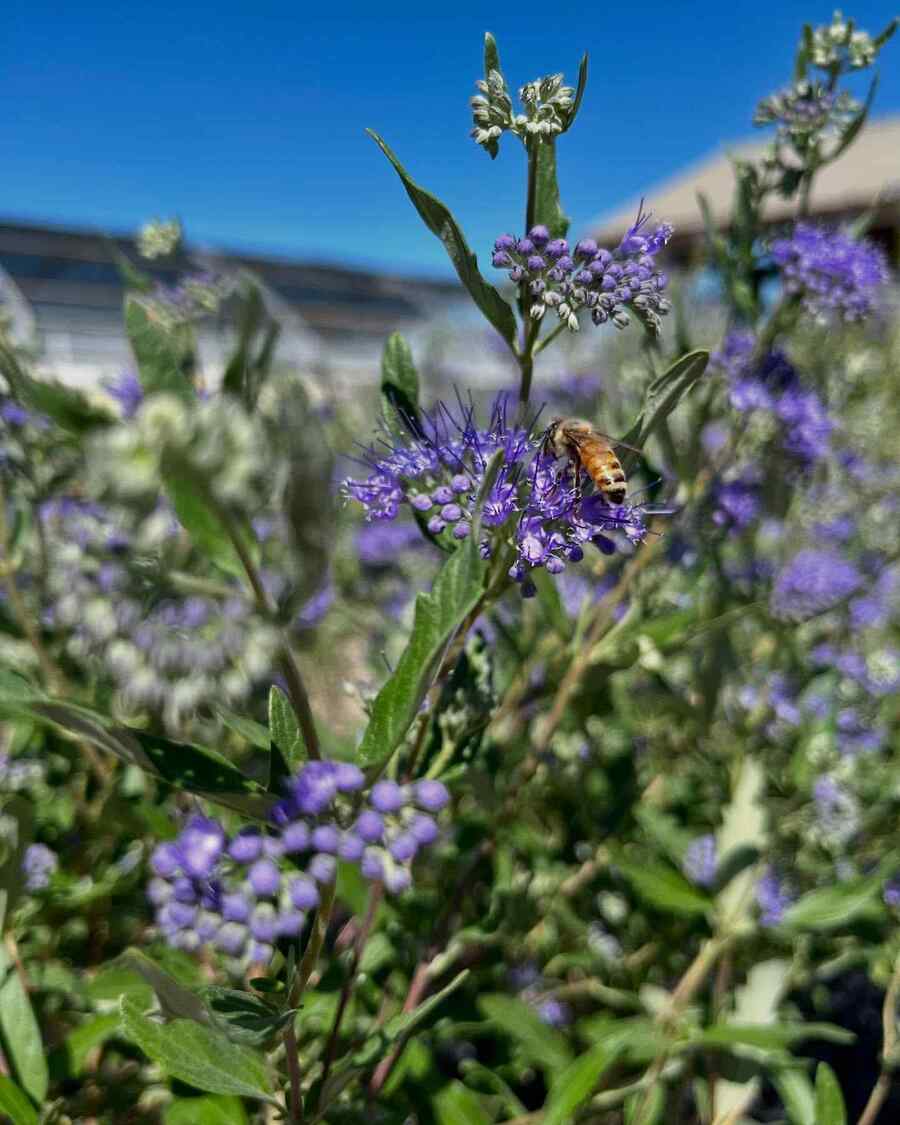
A compact shrub with late-summer blue-purple flowers that brighten Utah landscapes when heat peaks. It also supports pollinators and pairs well with ornamental grasses.
Best use: sunny borders, patio beds, color accents in xeriscapes.
Care tips: full sun; low to moderate water. In colder pockets, treat as a “cut-back” shrub—prune in spring after new growth starts.
How to Choose Shrubs for Utah by Yard Conditions
If you have clay soil: Ninebark, Serviceberry, and many Junipers handle heavier soils better—still improve drainage with compost and avoid soggy irrigation cycles.
If you want ultra-low water: Apache Plume, Rabbitbrush, Fernbush, and Mountain Mahogany excel once established.
If winter structure matters: Juniper and Mountain Mahogany keep your landscape from feeling empty in January.
If you want long bloom windows: Potentilla and Bluebeard extend color into mid/late season.
A simple planting rhythm that feels intentional: evergreen anchor (Juniper) + flowering focal (Serviceberry) + late-season color (Bluebeard or Rabbitbrush) + texture filler (Ninebark or Fernbush).
Planting and Care Tips for Utah Success
-
Planting time: early spring or early fall helps roots settle before extreme heat or deep freezes.
-
Watering: deep, infrequent irrigation beats frequent shallow watering—especially for shrubs for Utah in xeriscapes.
-
Mulch: 2–3 inches around the root zone buffers temperature and slows evaporation (keep mulch off the trunk/crown).
-
Pruning: most flowering shrubs prefer pruning right after bloom; structural shrubs often respond best to early spring cleanup.
-
Sun reality check: “Full sun” in Utah can be intense. For Serviceberry, a touch of afternoon shade can improve summer performance in hotter sites.
FAQ: Shrubs for Utah
1) What are the easiest shrubs for Utah with minimal watering?
Apache Plume, Rabbitbrush, Fernbush, and Mountain Mahogany are strong low-water options once established. Provide deep watering the first season so roots grow down.
2) Which shrubs handle Utah winters best?
Juniper, Ninebark, Potentilla, and Serviceberry are widely grown in cold climates. Microclimates matter—windy, exposed areas benefit from tougher evergreens.
3) What shrubs work well in Utah clay soil?
Ninebark is notably tolerant. Serviceberry can do well with mulch and smarter watering (avoid waterlogging). If clay drains poorly, build a slight mound and amend for structure.
4) Which shrubs support pollinators late in the season?
Rabbitbrush and Bluebeard are excellent for late-summer to fall nectar and color, helping pollinators when many other blooms have finished.