Texas landscapes ask a lot from plants: blazing summers, sudden cold snaps, alkaline clay in many areas, and watering restrictions that come and go. The good news is you can still have a yard that feels polished and welcoming with the right shrubs for Texas—especially heat-hardy natives and a few proven evergreens. Below are ten reliable choices that deliver color, structure, privacy, and pollinator value with practical care tips you can use right away.
Before planting, match each shrub to your site: sun hours, drainage, and space at maturity. In Texas, “right plant, right place” is the fastest way to get a low-maintenance landscape that looks intentional year-round.
Table of Contents
Shrubs for Texas: 10 Best Picks for a Resilient, Attractive Yard
1) Texas Sage (Leucophyllum frutescens)
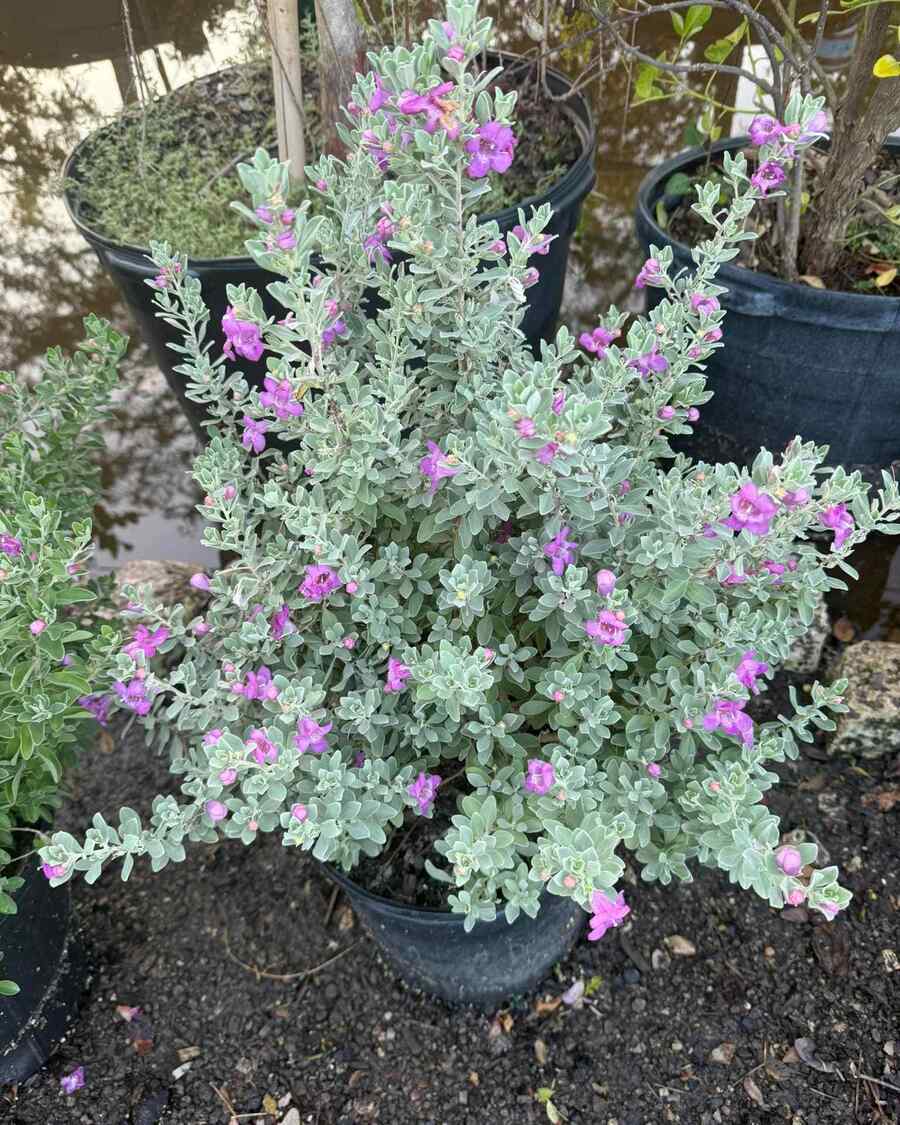
A Texas classic for sun-baked beds and reflective heat. Silver foliage stays neat, and purple blooms often pop after humidity or rain—like nature’s fireworks.
Best for: Full sun, xeriscape borders, curb appeal.
Care: Water weekly to establish, then reduce; too much water can make it floppy. Lightly shape after bloom cycles instead of heavy shearing.
Style tip: Pair with black mulch, limestone, or warm gravel for a clean modern look that still feels local.
2) Texas Mountain Laurel (Sophora secundiflora)
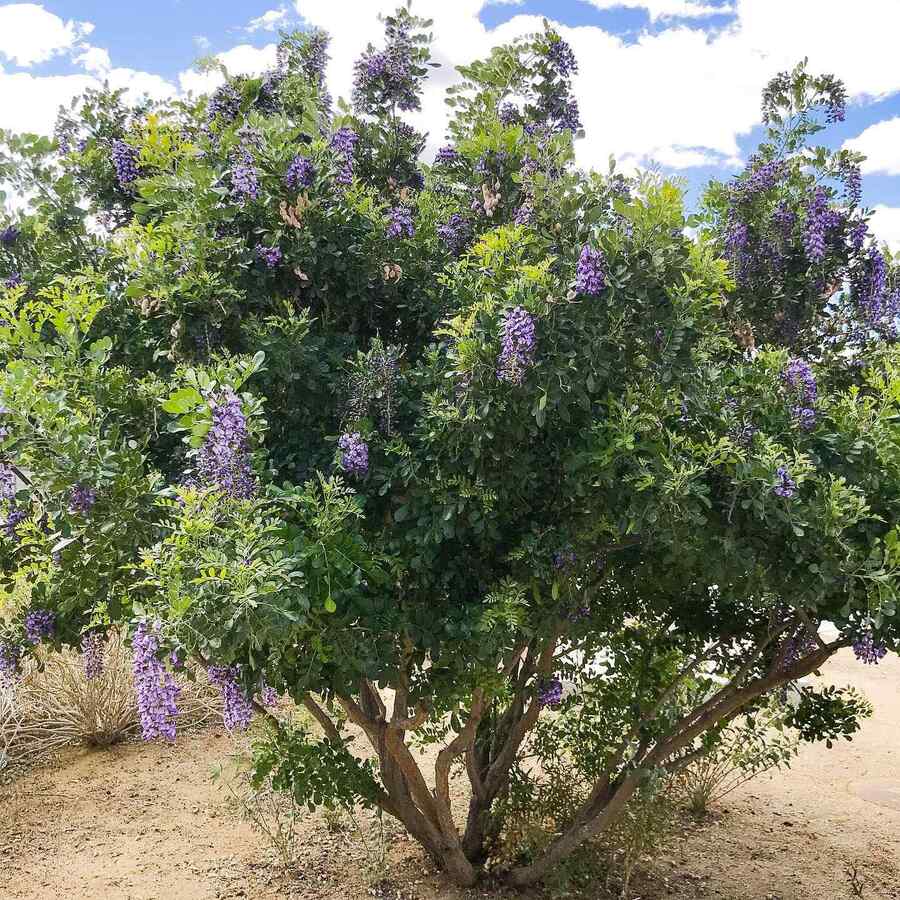
This evergreen native is prized for grape-soda fragrance and dramatic spring flowers. Slow-growing but worth the patience—perfect as a “signature” shrub near a walkway or patio.
Best for: Full sun to part shade; well-drained soil.
Care: Avoid overwatering; let the soil dry between soakings. Minimal pruning—just remove crossing branches.
Style tip: Give it space and a simple understory (rock or low groundcovers) so it reads as a focal point.
3) Yaupon Holly (Ilex vomitoria)
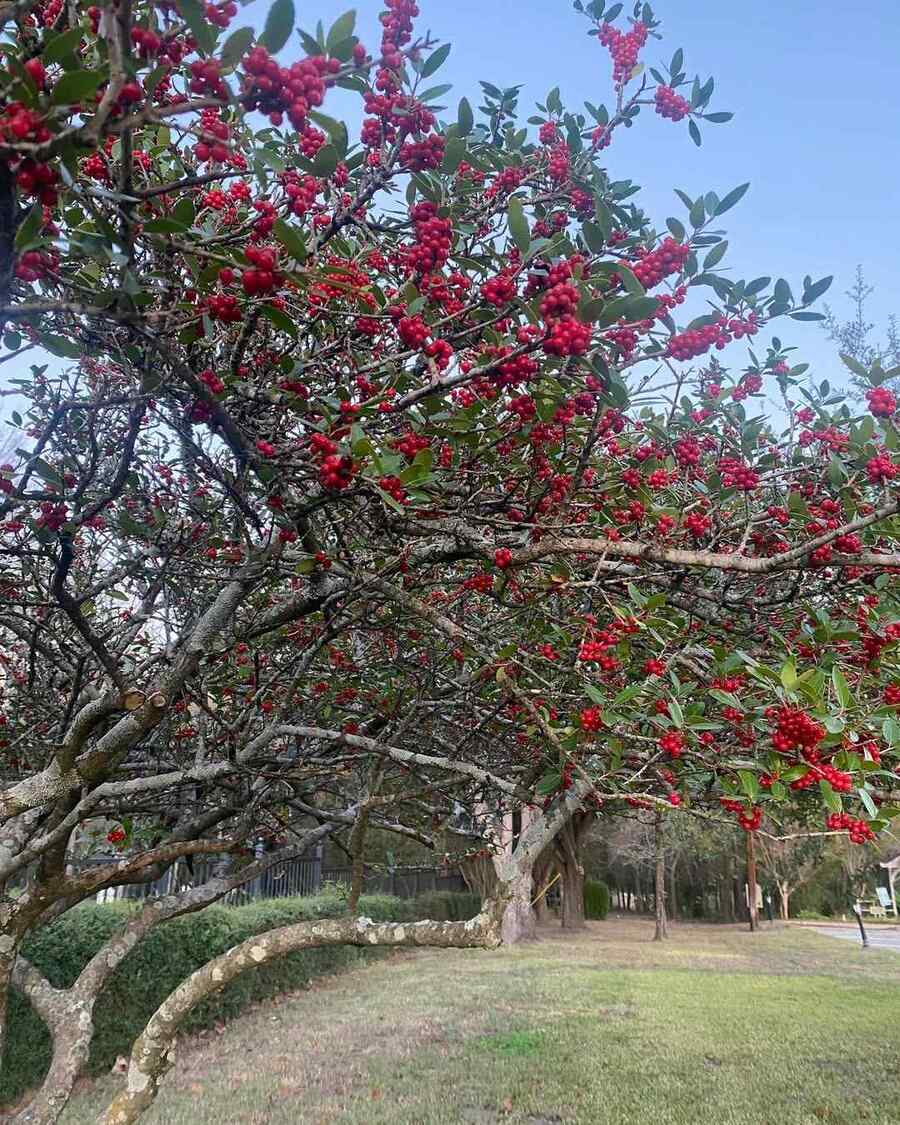
One of the toughest evergreens around, and it plays nicely with pruning. You can keep it as a dense hedge, a soft screen, or train it into a small tree form.
Best for: Sun to part shade; many soils including clay.
Care: Water to establish, then it’s notably drought-tolerant. Prune in late winter for shape. Female plants can produce berries (pollinator and bird bonus).
Style tip: Use a repeated row for a tidy “green wall” that makes the rest of your planting look curated.
4) Red Yucca (Hesperaloe parviflora)
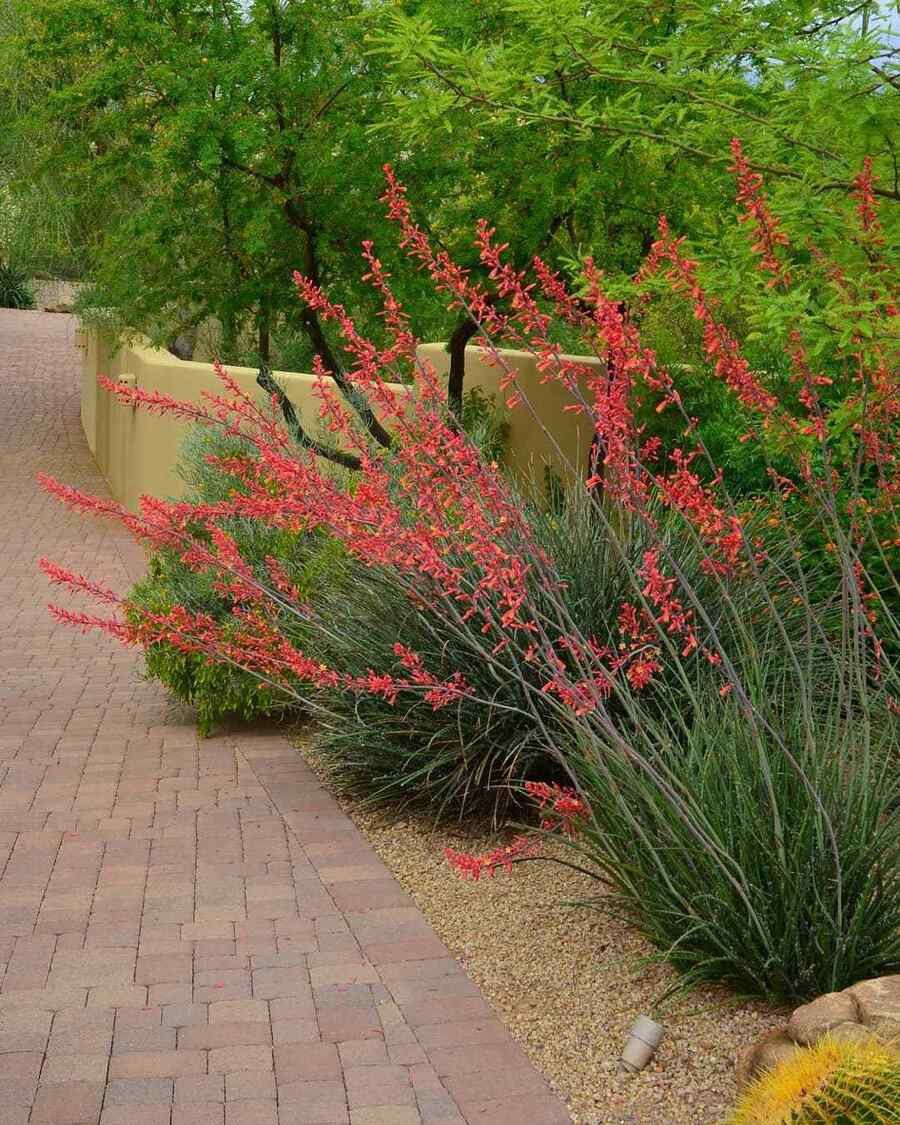
Not a true yucca, but equally tough—this plant brings architectural texture and sends up red-pink flower spikes that hummingbirds adore.
Best for: Full sun; excellent drainage.
Care: Water sparingly once established. Remove spent flower stalks for a clean finish. Handles heat and reflected sun like a pro.
Style tip: Place in threes near hardscaping (walkways, driveways) for a designer desert-modern look.
5) Japanese Boxwood (Buxus microphylla var. japonica)
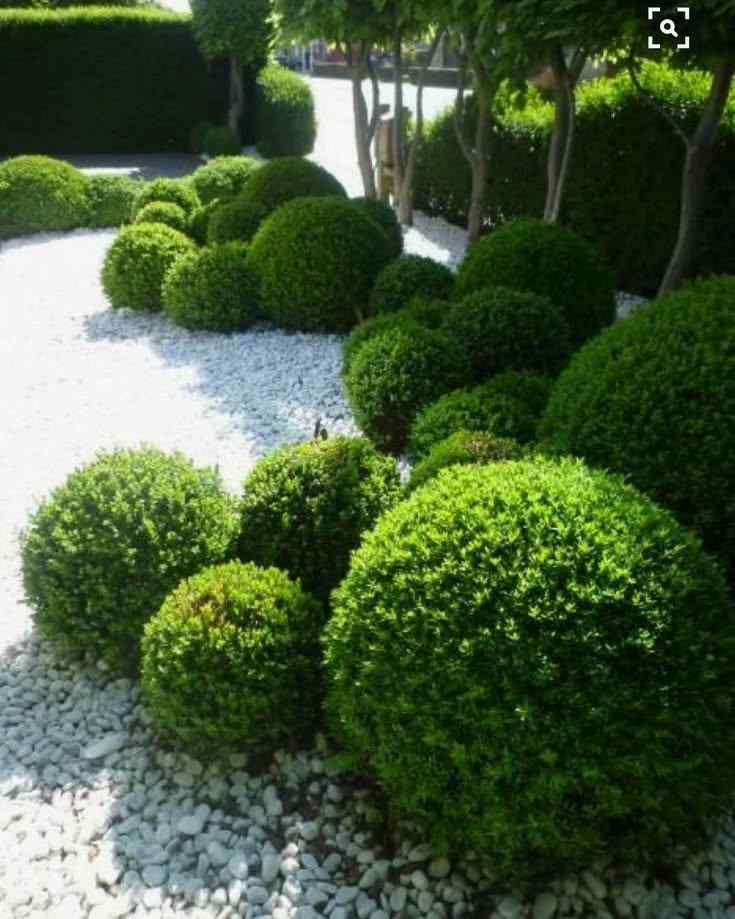
If you like clean lines, boxwood is your dependable evergreen for formal edging and structured hedges. It brings a calm, tailored feel—even in a bold Texas palette.
Best for: Part sun to sun (morning sun is ideal); consistent moisture while establishing.
Care: Mulch to keep roots cooler; avoid harsh afternoon scorch in the hottest zones. Clip lightly for shape rather than hard cuts.
Style tip: Use it to frame entry paths, then add one or two flowering shrubs as accents so the yard feels balanced.
6) Wax Myrtle (Morella cerifera)
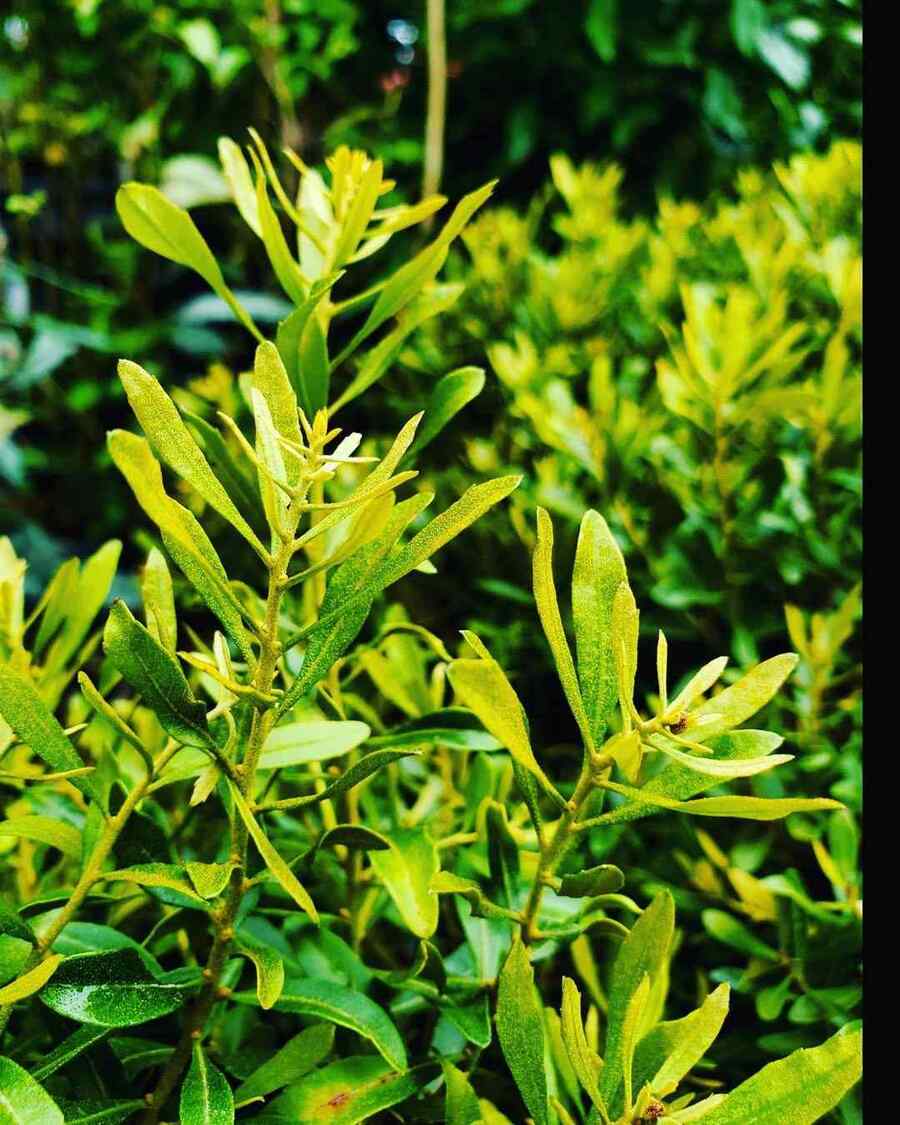
Fast-growing and native, Wax Myrtle is a go-to for privacy screening with a natural, coastal-Texas vibe. The foliage is aromatic, and it fills in quickly.
Best for: Sun to part shade; adaptable soils.
Care: Water regularly the first season; after that, it’s resilient. Prune to manage size—it can grow large.
Style tip: Plant as a loose screen behind showier shrubs so your yard feels private but not “walled off.”
7) American Beautyberry (Callicarpa americana)
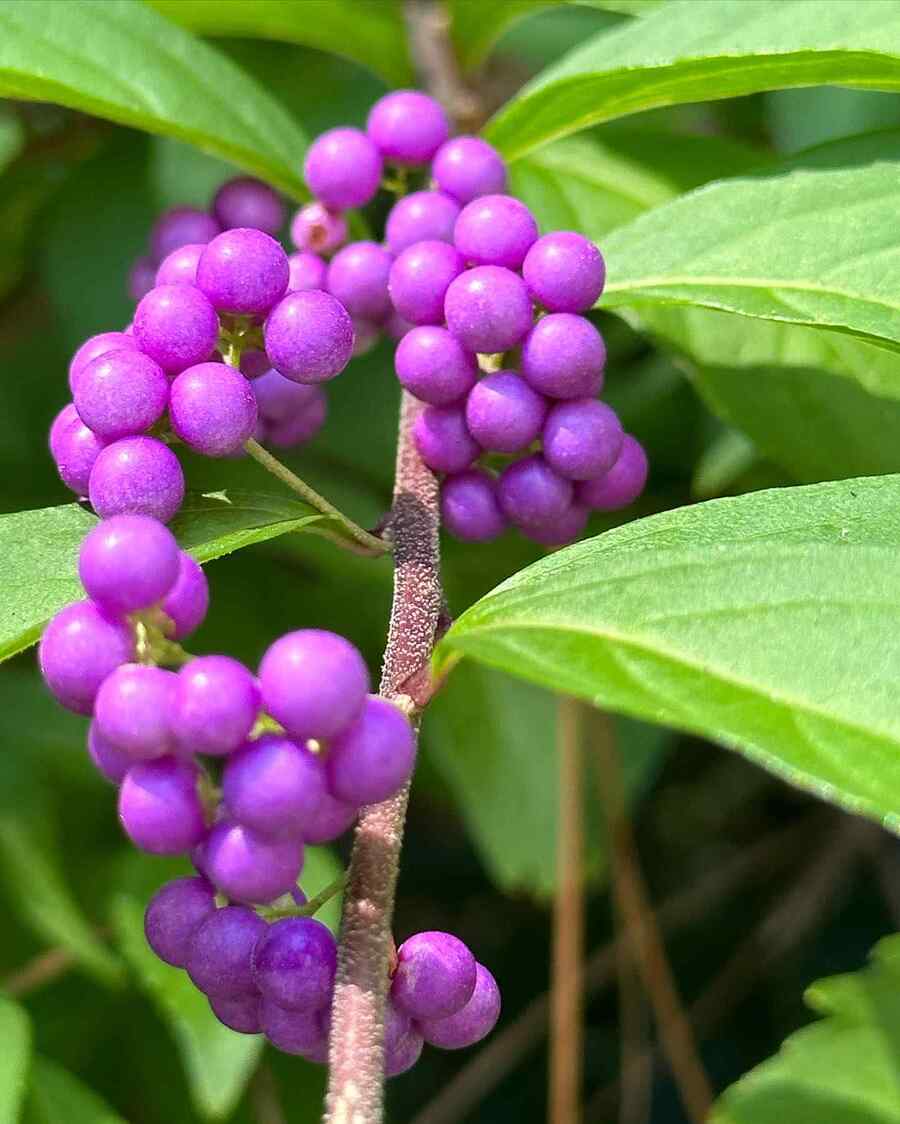
If you want seasonal drama, this is it. Beautyberry produces electric purple berries in fall that look stunning against green foliage and warm autumn light.
Best for: Part shade to sun; native gardens.
Care: It blooms on new growth—cut back in late winter to encourage fuller shape and more berries. Moderate water.
Style tip: Place where you’ll see it from a window; those berry clusters feel like natural décor.
8) Loropetalum (Chinese Fringe Flower)
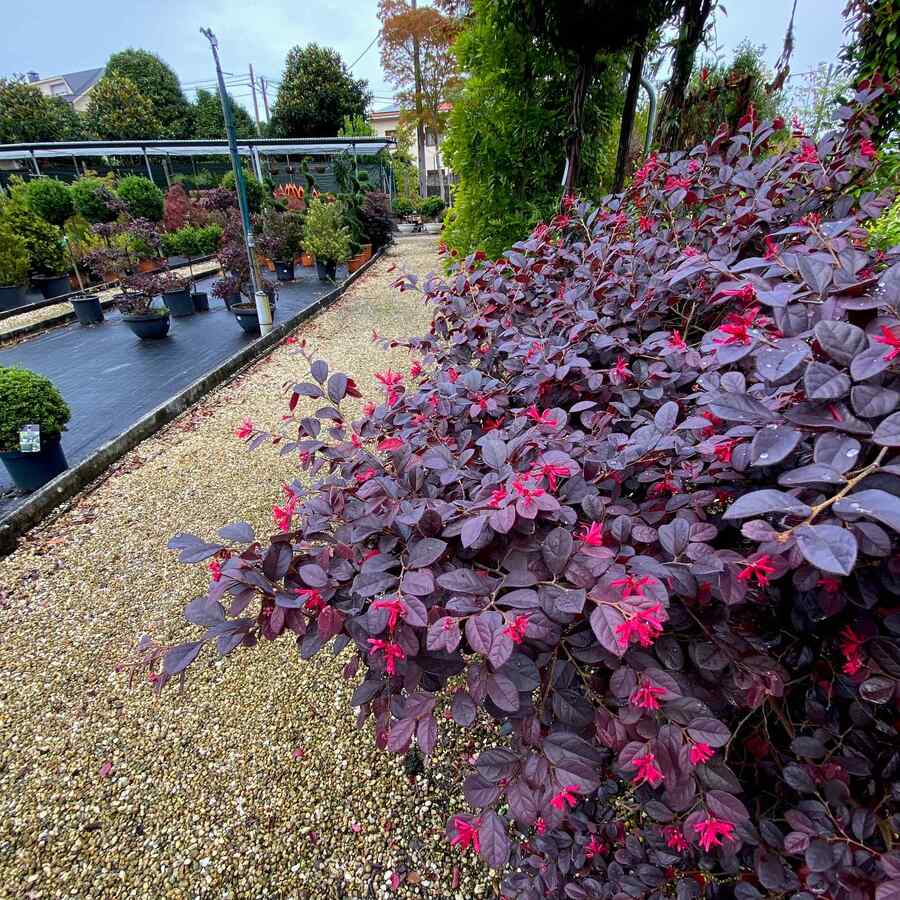
Known for purple/burgundy foliage and bright pink blooms, loropetalum adds color even when nothing else is flowering. It reads lush and ornamental with minimal fuss.
Best for: Sun to part shade; well-drained soil.
Care: Light prune after flowering; avoid frequent hard shearing. Mulch helps in summer.
Style tip: Use as a color anchor—pair with silver plants (Texas Sage) or lime-toned foliage for contrast.
9) Kaleidoscope Abelia (Abelia × grandiflora ‘Kaleidoscope’)
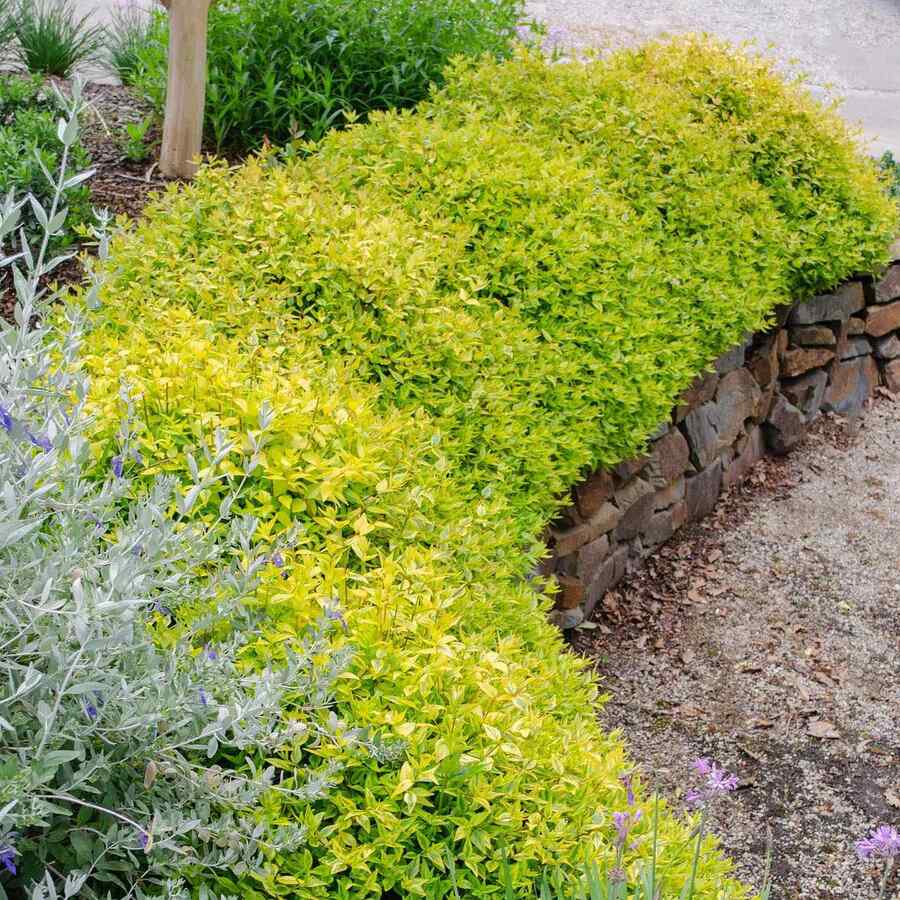
This compact shrub offers multi-season foliage color—chartreuse, gold, and coral tones—plus small flowers that support pollinators. It’s a “set it and smile” choice for busy schedules.
Best for: Sun to part shade; borders and foundation beds.
Care: Drought-tolerant once established; trim lightly to keep it rounded.
Style tip: Use along paths where the foliage color can brighten the walk and soften hard edges.
10) Nandina (Heavenly Bamboo) — Choose Non-Invasive Varieties
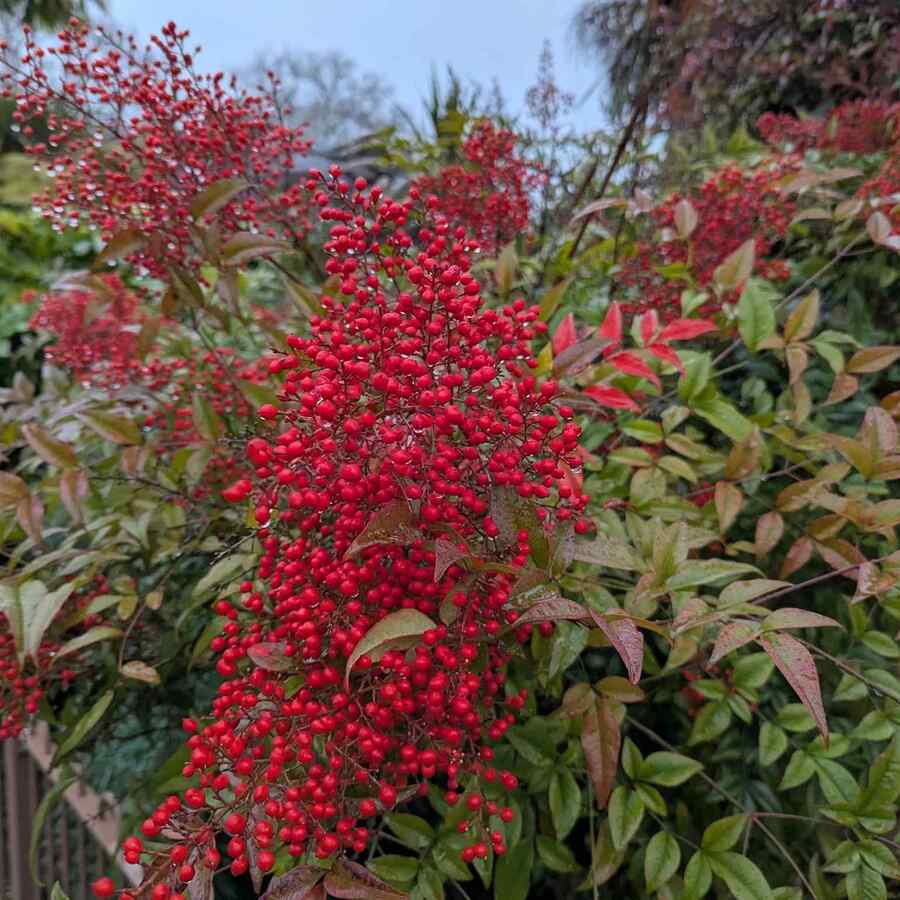
Nandina is popular for its lacy texture and winter color, but some types can spread. Many landscapes now use sterile or low-fruiting cultivars for a safer, cleaner planting plan.
Best for: Sun to part shade; adaptable soils.
Care: Drought-tolerant once established; thin older canes at the base for a fresh look instead of shearing.
Style tip: Tuck it near entry areas for year-round color that feels airy, not bulky.
Quick Planting Notes for Better Results in Texas
-
Watering: Deep soak, then allow the top inches to dry. This builds stronger roots than daily sprinkling.
-
Mulch: A 2–3 inch layer helps regulate soil temperature and reduces evaporation. Keep mulch off the trunk.
-
Soil reality: Many shrubs for Texas tolerate clay and alkaline soils, but drainage still matters. If water sits for hours, mound the planting area slightly.
FAQ: Shrubs for Texas
1) What are the easiest low-maintenance shrubs for Texas heat?
Texas Sage, Yaupon Holly, Red Yucca, and Wax Myrtle are dependable choices once established, especially in full sun with good drainage.
2) Which shrubs work best for a privacy screen?
Wax Myrtle and Yaupon Holly are top picks. Use spacing based on mature width and prune lightly for density rather than constant heavy cuts.
3) Can these shrubs handle Texas clay soil?
Many can, especially Yaupon Holly and Wax Myrtle. For plants that prefer drainage (like Red Yucca), add elevation with a slight mound and avoid overwatering.
4) How often should I water new shrubs in Texas?
For the first growing season, water deeply 1–2 times per week depending on heat and soil drainage. After establishment, many shrubs for Texas thrive with less frequent deep watering.