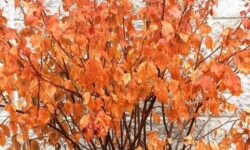
If you’re choosing shrubs for Oregon, you want plants that handle wet winters, dry summers, and everything from coastal wind to Central Oregon heat. The right shrub gives structure, privacy, and color with less fuss—especially when it’s matched to your soil, sun, and water style. Below are ten reliable picks (many native) that suit Oregon yards and support pollinators, with practical care notes so you can plant with confidence.
Table of Contents
Shrubs for Oregon: 10 dependable choices (with care tips)
1) Oregon Grape (Mahonia aquifolium)
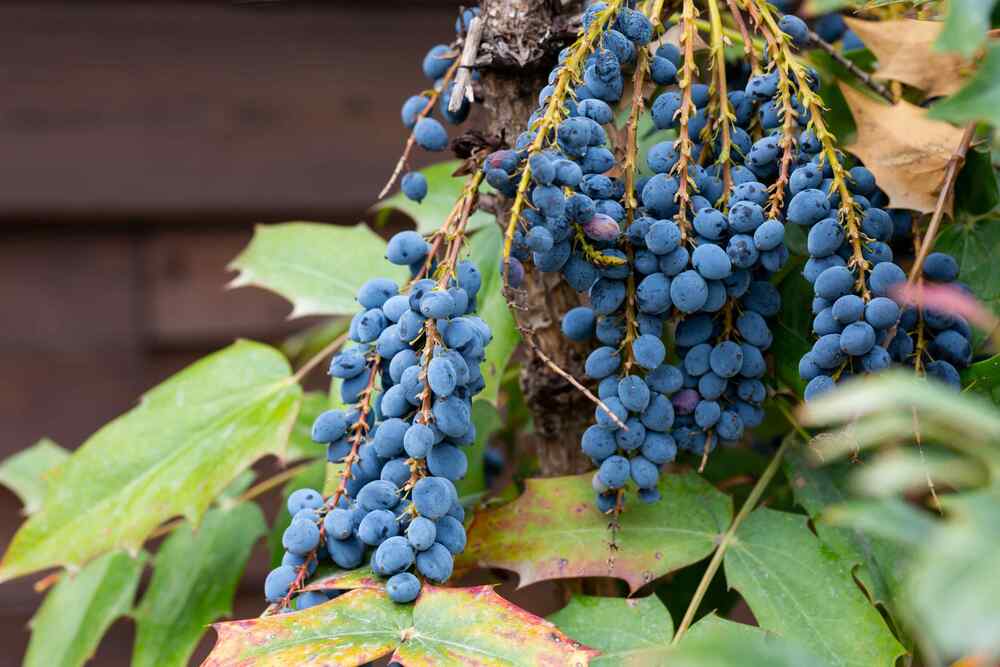
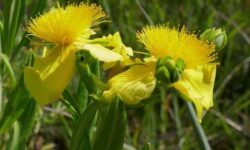
Oregon grape is a tough evergreen native with holly-like leaves that add winter texture. In spring, it carries bright yellow flowers followed by blue edible berries that birds appreciate.
Best for: Part shade to shade; woodland edges; under taller trees.
Soil & water: Average to rich soil; once established, it’s fairly drought tolerant.
Style tip: Use it as a glossy, structured foundation plant. Pair with ferns and sword fern for a classic Oregon woodland vibe.
2) Red Twig Dogwood (Cornus sericea)
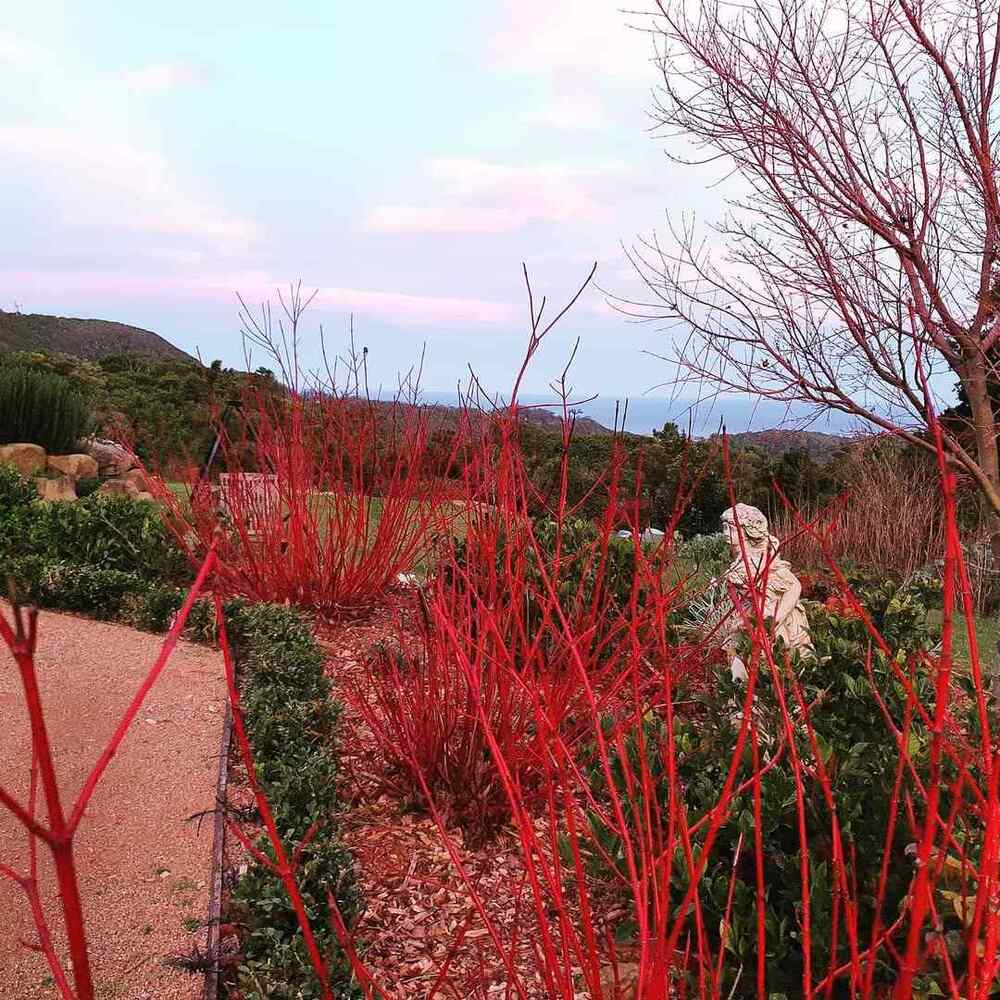
For winter drama, red twig dogwood is hard to beat—its scarlet stems glow against gray skies. It also provides white spring flowers and good habitat value.
Best for: Sun to part shade; rain gardens; low spots that stay damp.
Soil & water: Likes moist soil; irrigate in dry summers for best stem color.
Care note: Prune out older stems every year or two to encourage fresh, brightest red growth.
3) Rhododendron / Azalea (Rhododendron spp.)
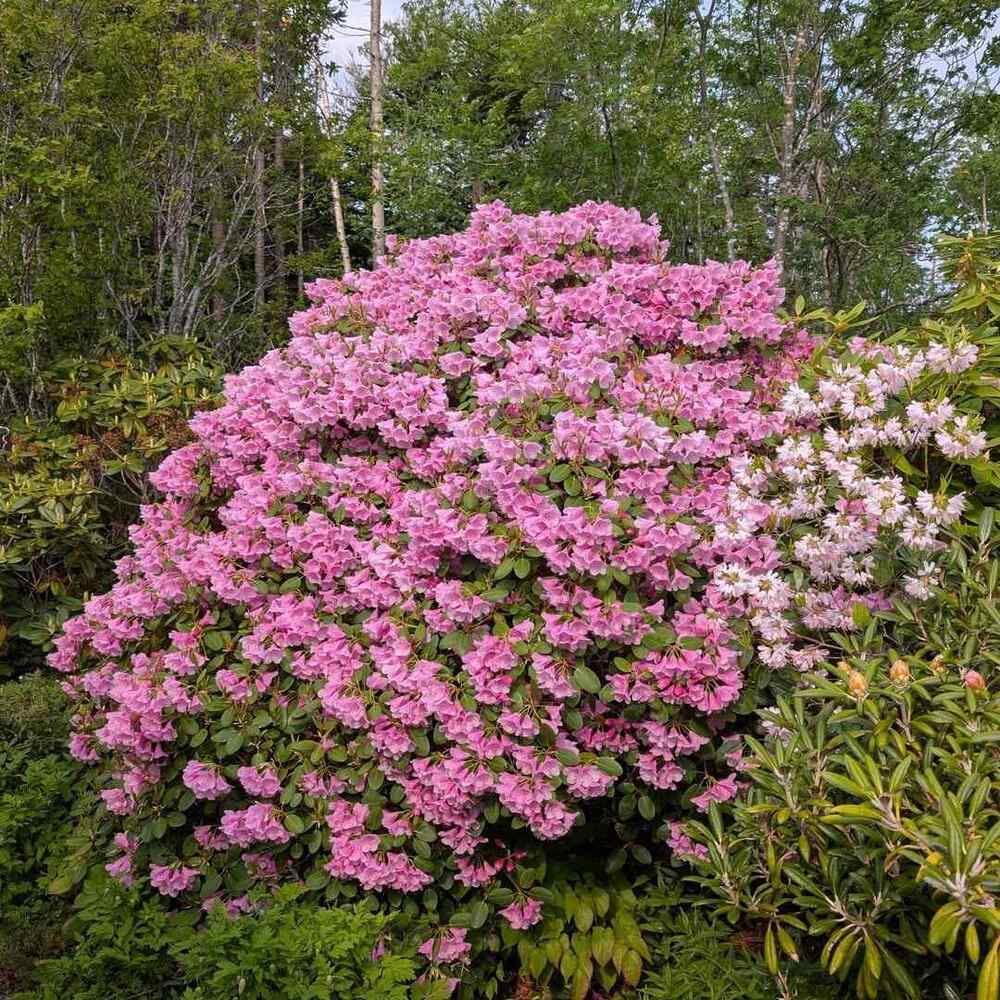
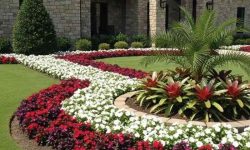
These are Pacific Northwest classics: lush evergreen foliage and showy spring blooms in whites, pinks, purples, and reds. They’re ideal when you want a polished, “settled” landscape feel.
Best for: Morning sun/afternoon shade or bright filtered light.
Soil & water: Needs acidic, well-drained soil and consistent moisture (mulch helps).
Practical tip: Plant where it’s sheltered from harsh east wind; that reduces winter leaf burn.
4) Pacific Wax Myrtle (Morella californica)
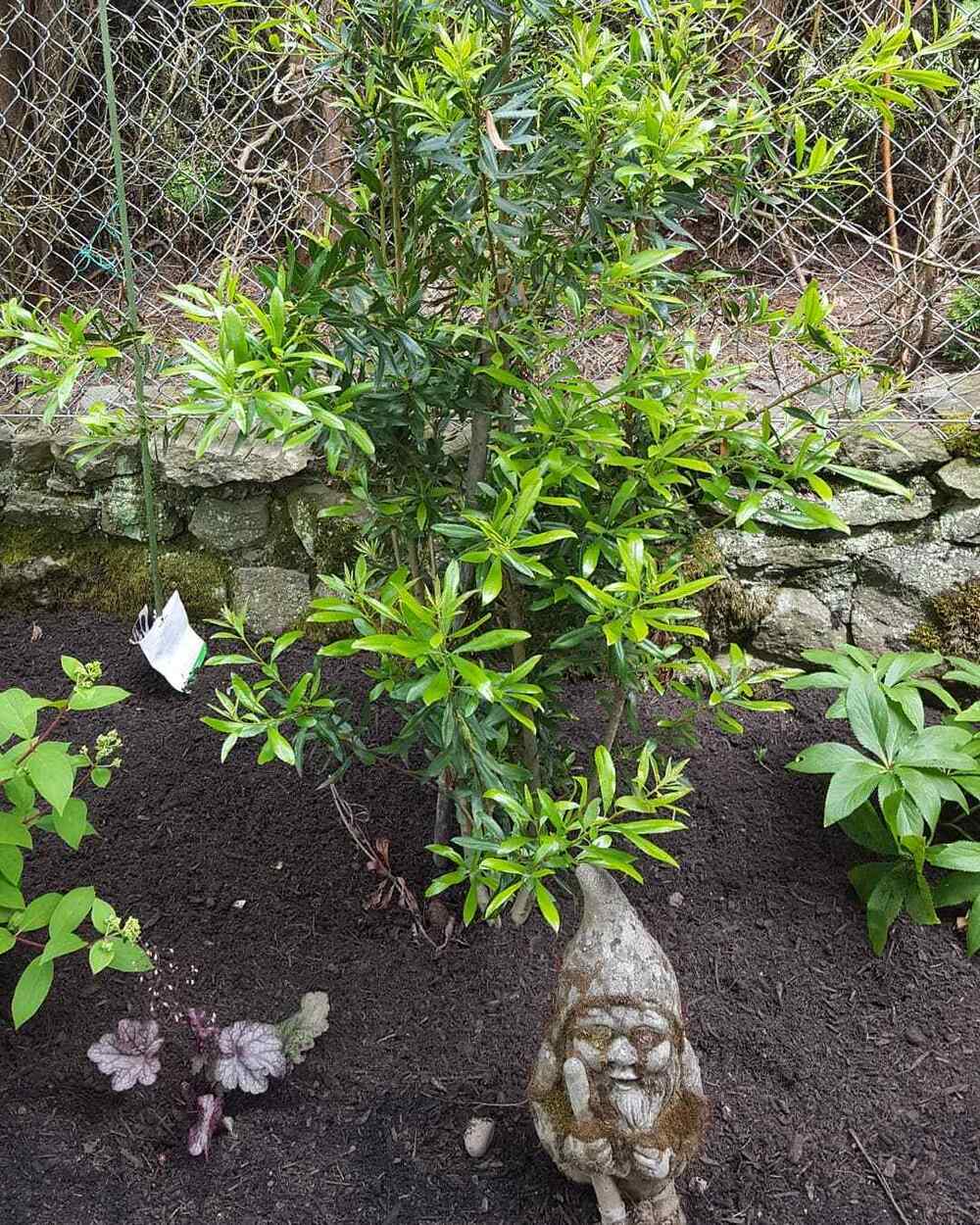
Pacific wax myrtle is a fast-growing evergreen that works beautifully for privacy. Its narrow leaves and dense habit make it feel calm and coastal, even inland.
Best for: Sun to part shade; screens, hedges, windbreaks.
Soil & water: Adaptable; moderate water while establishing, then fairly resilient.
Design note: If your yard feels exposed, place a staggered row 4–6 feet apart for a softer, natural hedge instead of a tight wall.
5) Red Flowering Currant (Ribes sanguineum)
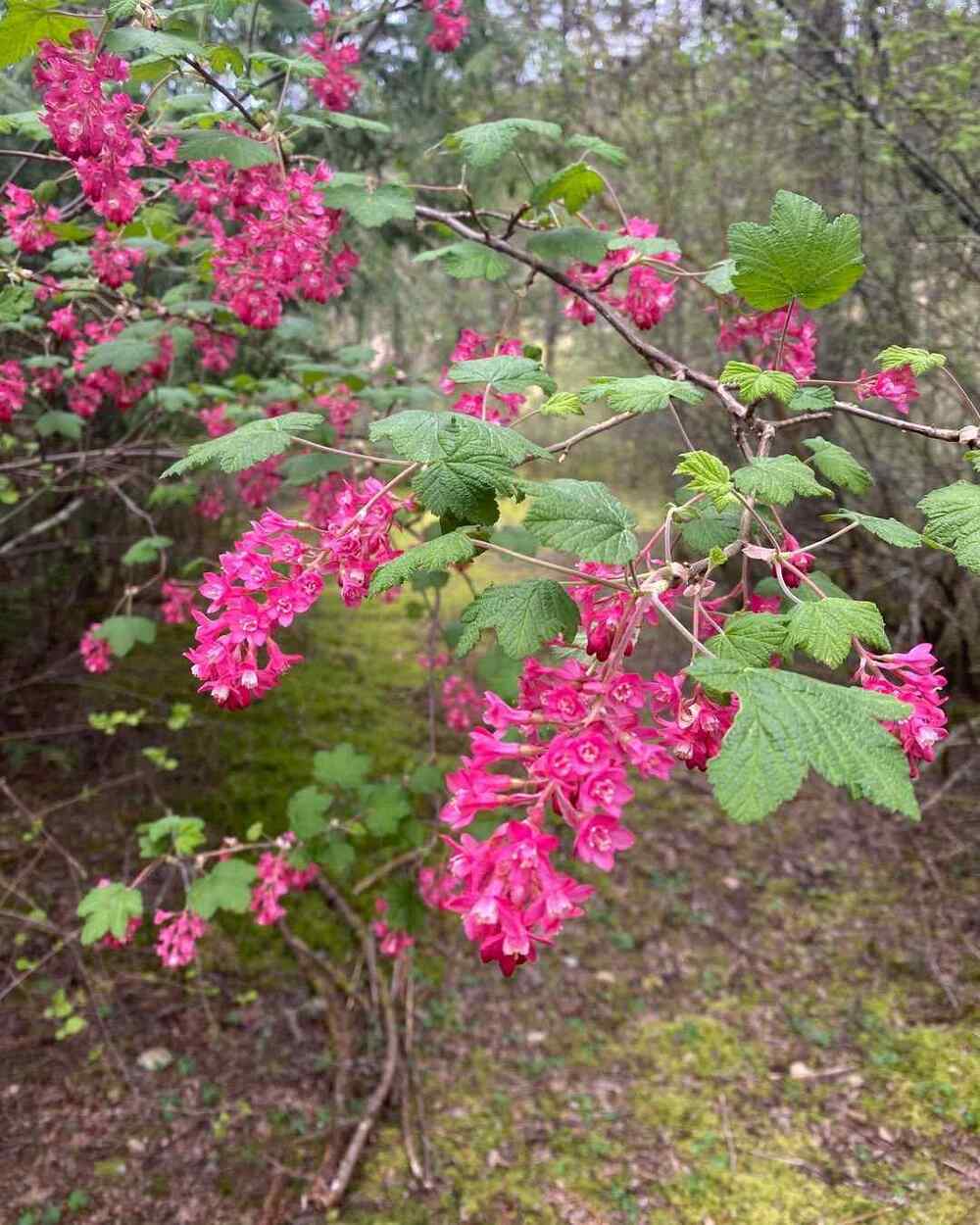
A true Oregon favorite, red flowering currant produces rosy-red spring clusters that hummingbirds find quickly. It’s a friendly, welcoming shrub near patios and paths.
Best for: Sun to part shade; pollinator gardens; mixed borders.
Soil & water: Average soil; moderate water the first year, then tolerates summer dryness.
Care tip: Light pruning after bloom keeps it tidy without sacrificing next year’s flowers.
6) Ninebark (Physocarpus opulifolius)
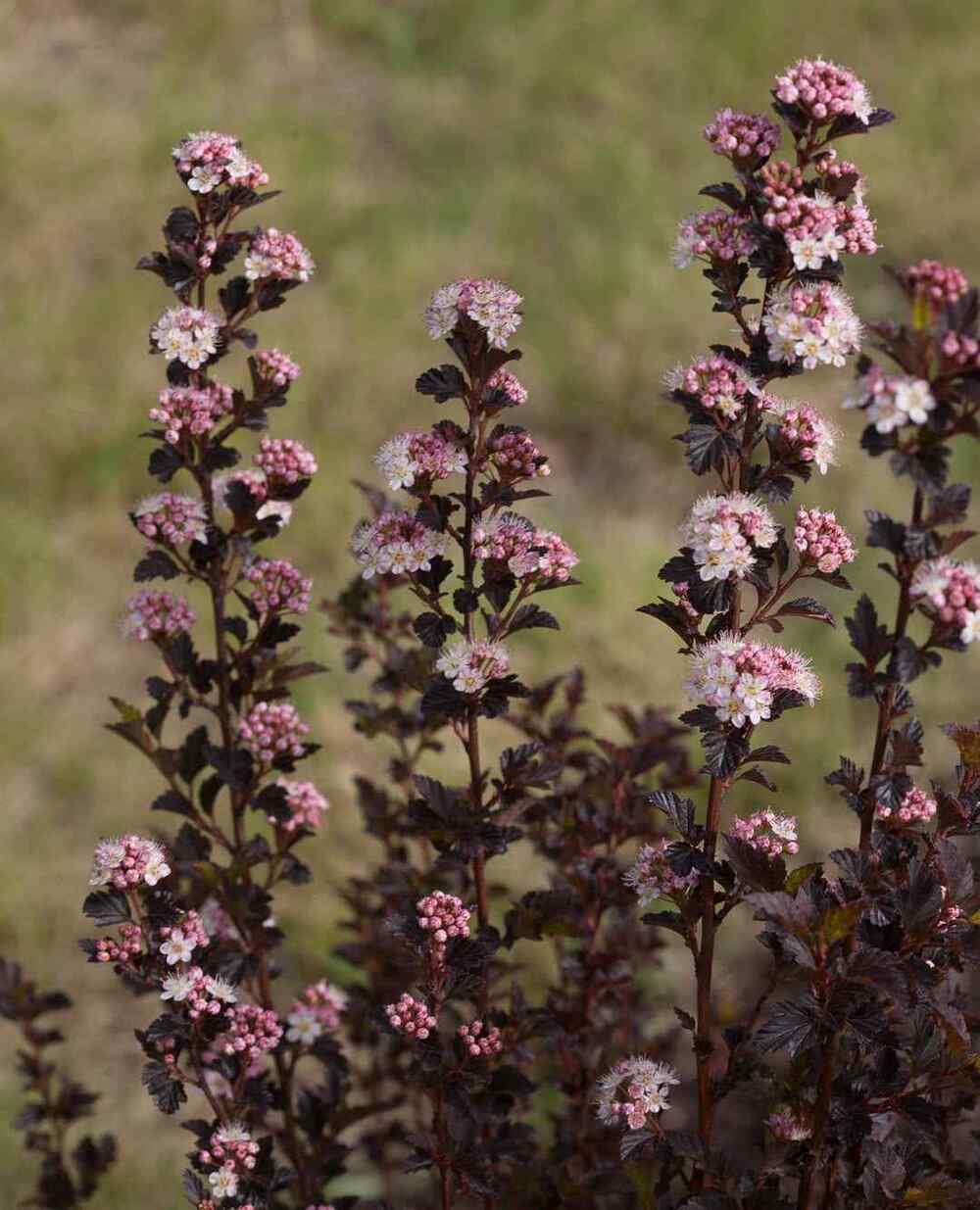
Ninebark brings exfoliating bark, an easy-care attitude, and lots of cultivar color—like deep purple ‘Diablo’—for contrast. It’s a strong choice for gardeners who want impact without delicate maintenance.
Best for: Sun to part shade; informal hedges; backdrop planting.
Soil & water: Very adaptable; handles clay better than many shrubs.
Style tip: Pair dark-leaved ninebark with chartreuse foliage (like spirea) or silver perennials for a clean, modern palette.
7) Manzanita (Arctostaphylos spp.)
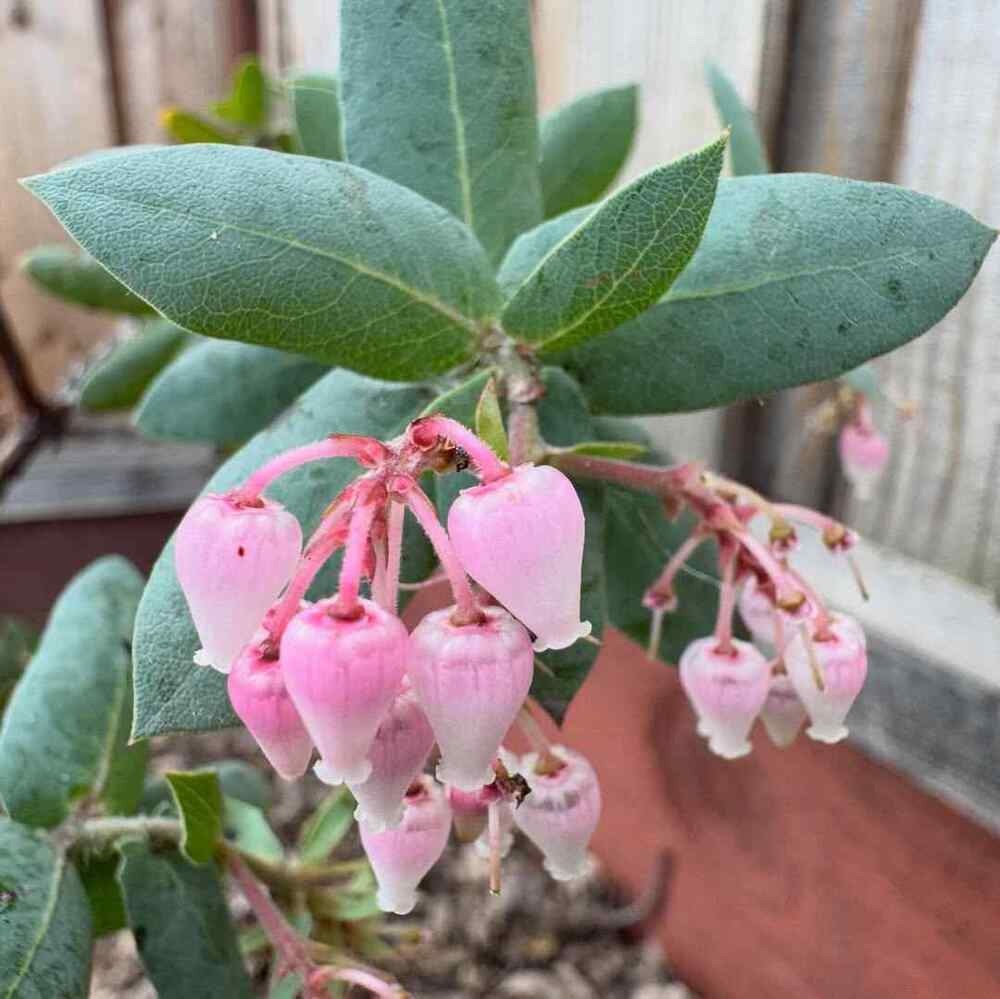
Manzanita is a standout for dry gardens, with sculptural branches and mahogany bark that looks like living art. Many forms stay evergreen and thrive in lean conditions.
Best for: Full sun; slopes; rock gardens; Central Oregon-style landscapes.
Soil & water: Excellent drainage is essential; low summer water once established.
Important note: Avoid rich soil and overwatering—those are the quickest ways to shorten its lifespan.
8) Snowberry (Symphoricarpos albus)
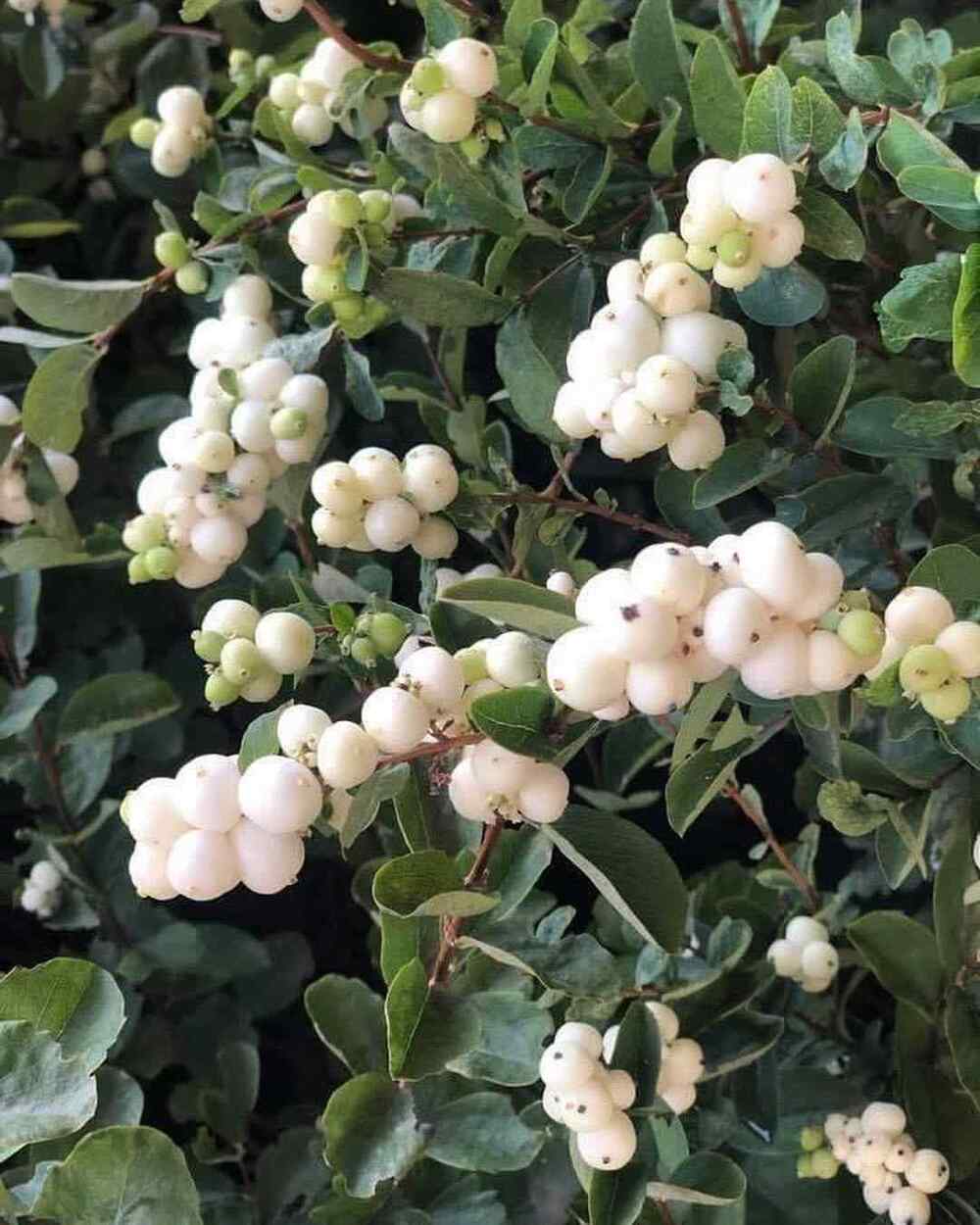
Snowberry is a shade-tolerant native that earns its name with white berries that persist into winter. It’s especially useful for naturalizing and supporting wildlife.
Best for: Part shade to shade; under trees; along property edges.
Soil & water: Adaptable; moderate water, but it’s forgiving once settled.
Care note: It can spread; use it where a gentle, informal thicket is welcome, or contain with edging and occasional thinning.
9) Oceanspray (Holodiscus discolor)
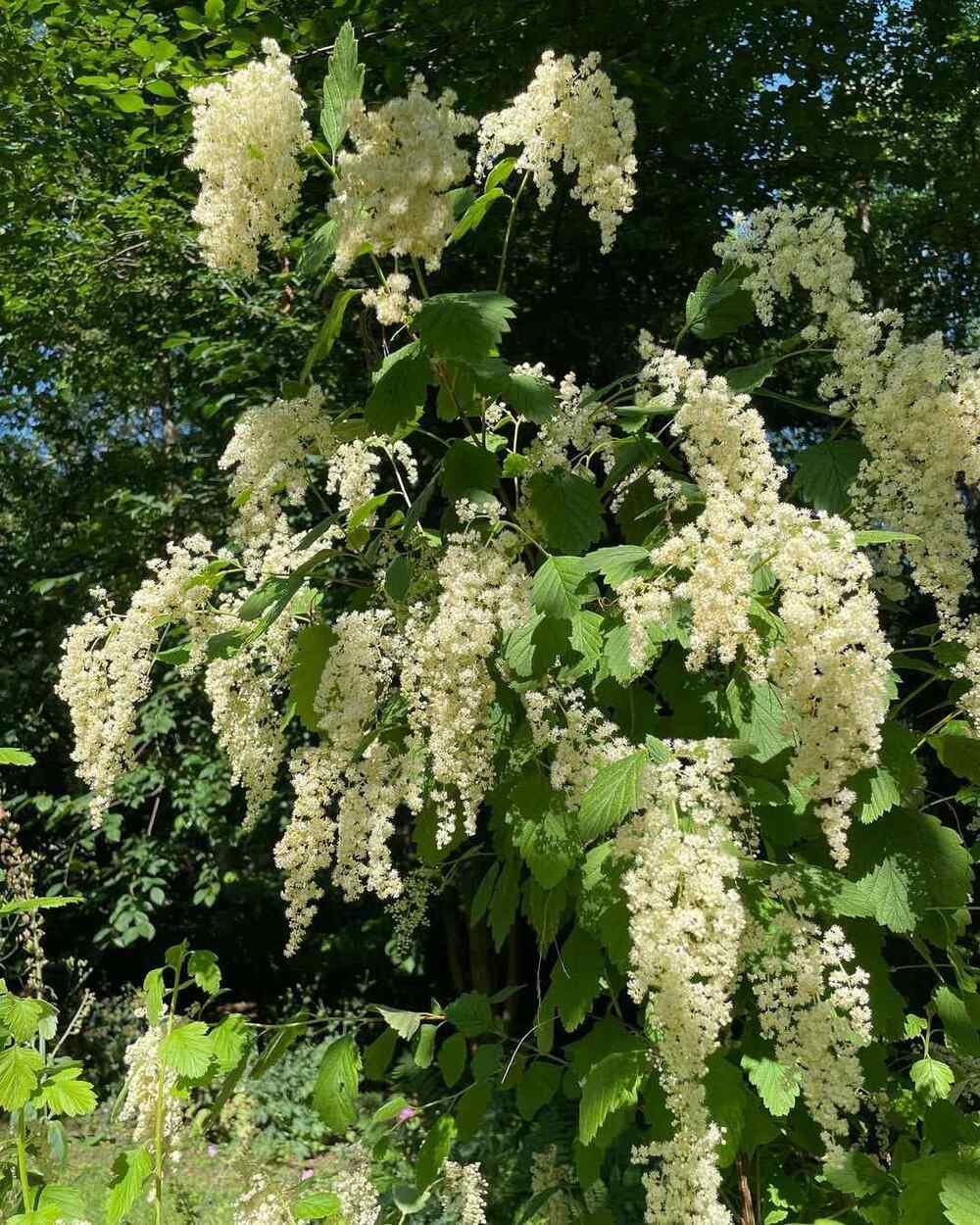
Oceanspray offers airy, cascading white plumes in summer and a graceful habit that fits both native and cottage-style gardens. It’s a strong “back-of-border” shrub with a soft silhouette.
Best for: Sun to part shade; slopes; naturalistic plantings.
Soil & water: Handles dry summers well once established.
Design tip: Let it be slightly wild—its charm comes from movement and texture rather than tight symmetry.
10) California Lilac (Ceanothus spp.)
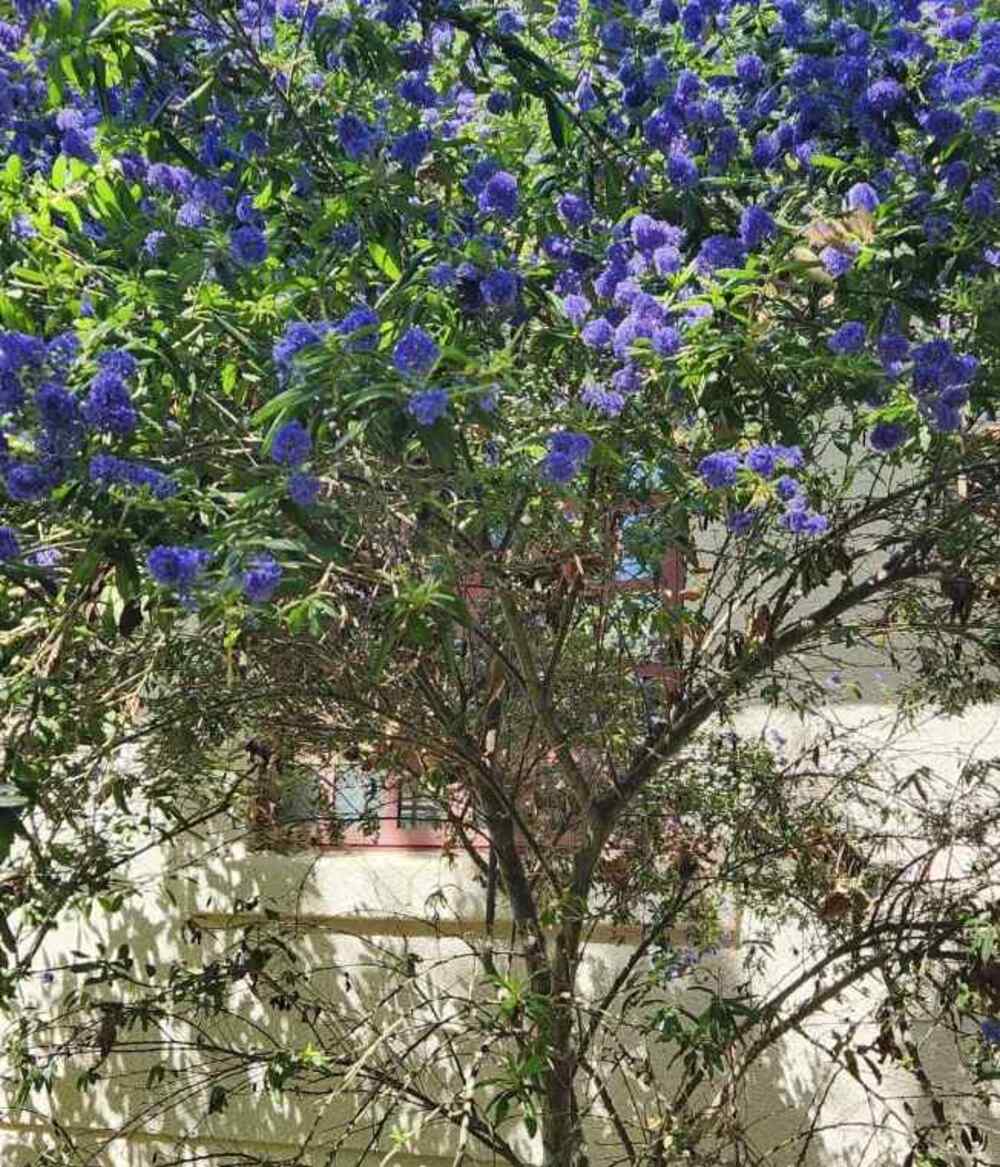
Ceanothus brings intense blue flowers and a water-wise mindset—ideal when you want bold color with reduced irrigation. Many forms are evergreen and look great year-round.
Best for: Full sun; warm, sheltered spots; drought-tolerant landscapes.
Soil & water: Needs sharp drainage; minimal summer water after establishment.
Cold note: Some varieties are tender in colder pockets—place near a south-facing wall if your winters run harsher.
Quick placement guide for Oregon conditions
-
Moist areas / rain gardens: Red twig dogwood
-
Shade and woodland edges: Oregon grape, snowberry, rhododendron
-
Dry, sunny, low-water yards: Manzanita, ceanothus, oceanspray
-
Screens and privacy: Pacific wax myrtle, ninebark
-
Pollinator focus: Red flowering currant, ceanothus, oceanspray
FAQ
1) What are the easiest shrubs for Oregon for beginners?
Ninebark, red flowering currant, and Oregon grape are forgiving and handle a range of conditions once established.
2) Which shrubs stay attractive in winter in Oregon?
Oregon grape stays evergreen, red twig dogwood has vivid winter stems, and many rhododendrons keep a full, leafy structure.
3) What shrubs for Oregon work best for drought-tolerant landscaping?
Manzanita, ceanothus (California lilac), and oceanspray perform well with low summer water—assuming excellent drainage.
4) Do I need acidic soil for all shrubs in Oregon?
No. Rhododendrons and azaleas prefer acidic soil, but ninebark, dogwood, oceanspray, and snowberry tolerate more typical garden soils.