If you garden in the Buckeye State, choosing shrubs for Ohio is mostly about two things: winter-hardiness and reliable performance through humid summers and variable springs. The good news is that Ohio’s USDA Zone 5–6 range supports a long list of shrubs that handle cold snaps, give multi-season color, and—when you lean native—feed birds and pollinators. Below are 10 picks you can confidently plant in foundations, borders, privacy lines, and woodland edges, with simple placement tips so your yard feels intentional, not random.
Table of Contents
Shrubs for Ohio: 10 dependable picks for color, screening, and wildlife
1) Arrowwood Viburnum (Viburnum dentatum)
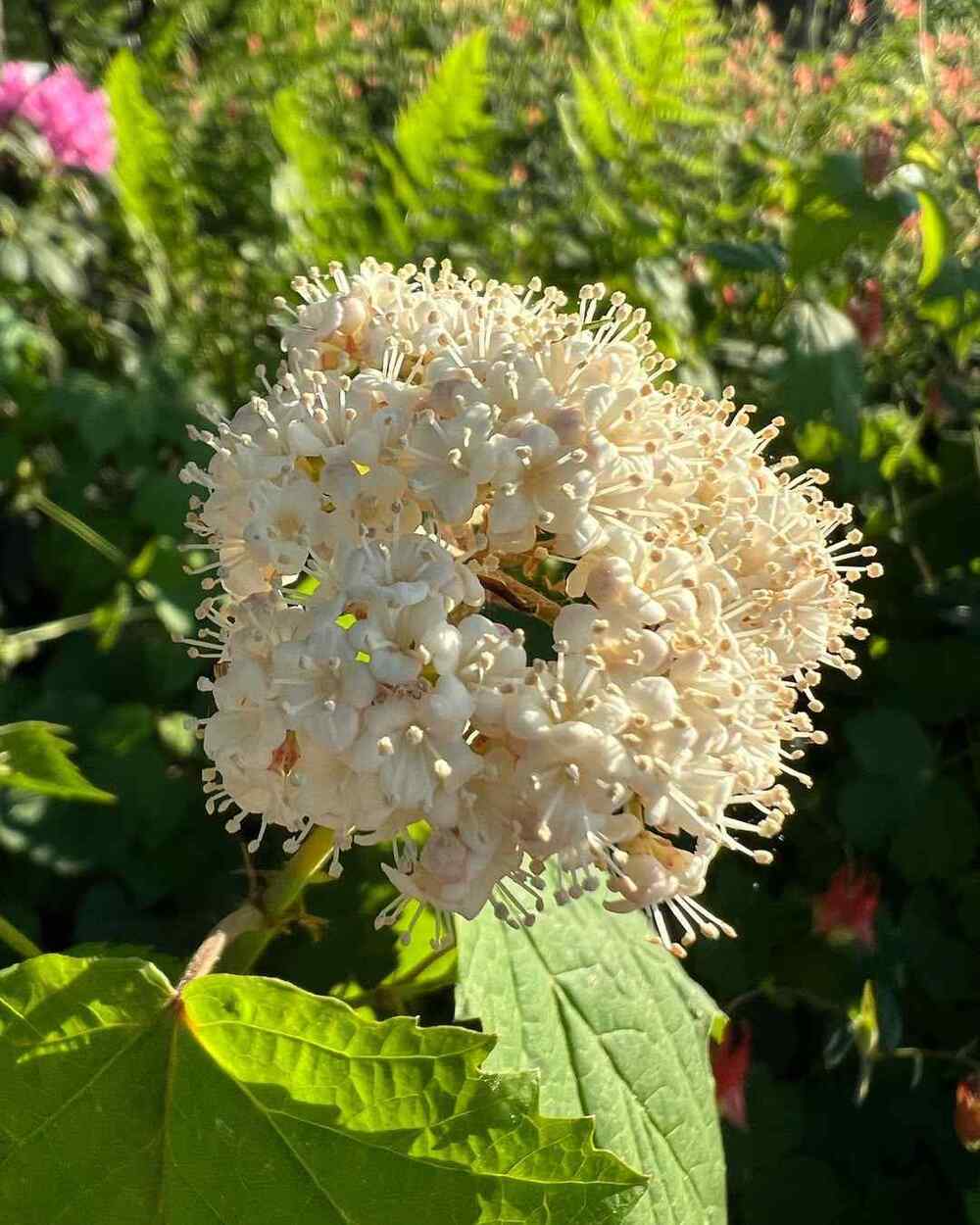
A native classic that behaves beautifully in Ohio landscapes. In late spring, it carries clusters of white blooms, then sets blue fruit that birds appreciate. Fall brings rich color—often red to purple—so it earns its space beyond summer.
How to use it: Plant in sun to part shade for best fruiting. Use 3–5 as a loose hedge along a property line, or tuck one behind perennials to create a layered, “designed” feel.
2) Ninebark (Physocarpus opulifolius)
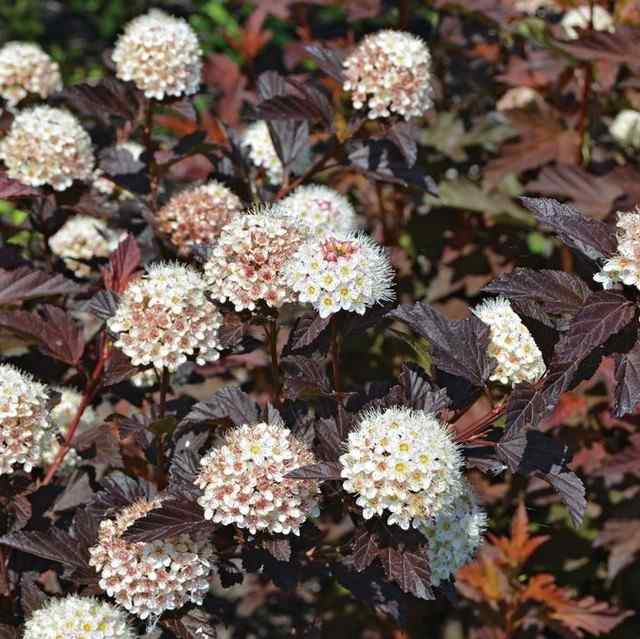
If you want a shrub that still has presence in winter, ninebark delivers with its peeling bark and sturdy form. Spring flower clusters and tough, fast growth make it excellent for low-fuss structure.
How to use it: Give it full sun for dense growth. Place it where you can see the bark in winter—near a patio view or along a pathway. Light pruning right after flowering keeps it tidy without ruining next year’s buds.
3) Blackhaw Viburnum (Viburnum prunifolium)
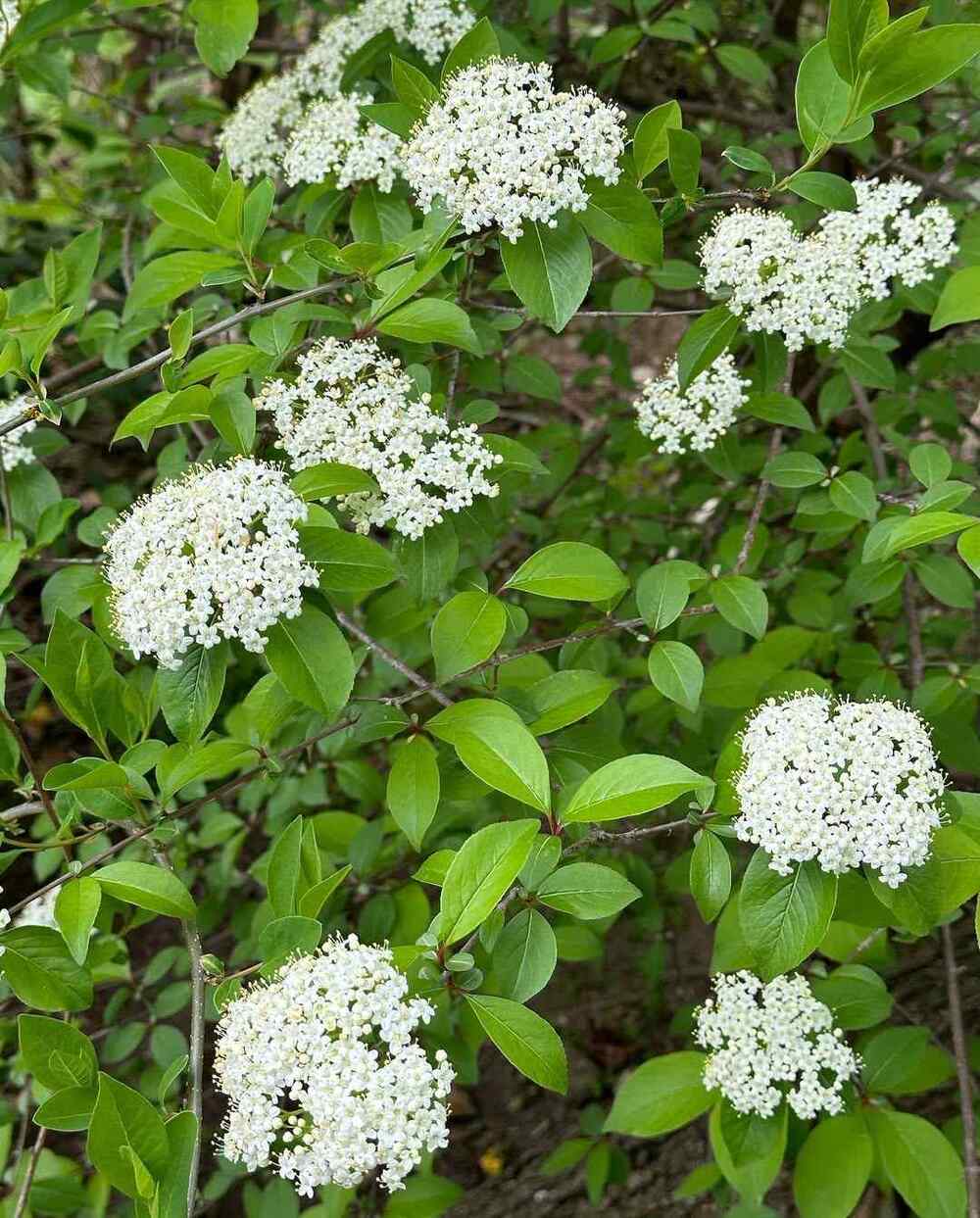
Blackhaw can read as either a large shrub or small multi-stemmed tree. It’s adaptable, handles typical Ohio soils well, and produces blue-black fruit that can be eaten (and will also attract wildlife).
How to use it: Use it as a corner anchor in a foundation bed or at the back of a mixed border. If you like a more refined look, prune to a few main stems and underplant with shade-tolerant groundcovers.
4) Bottlebrush Buckeye (Aesculus parviflora)
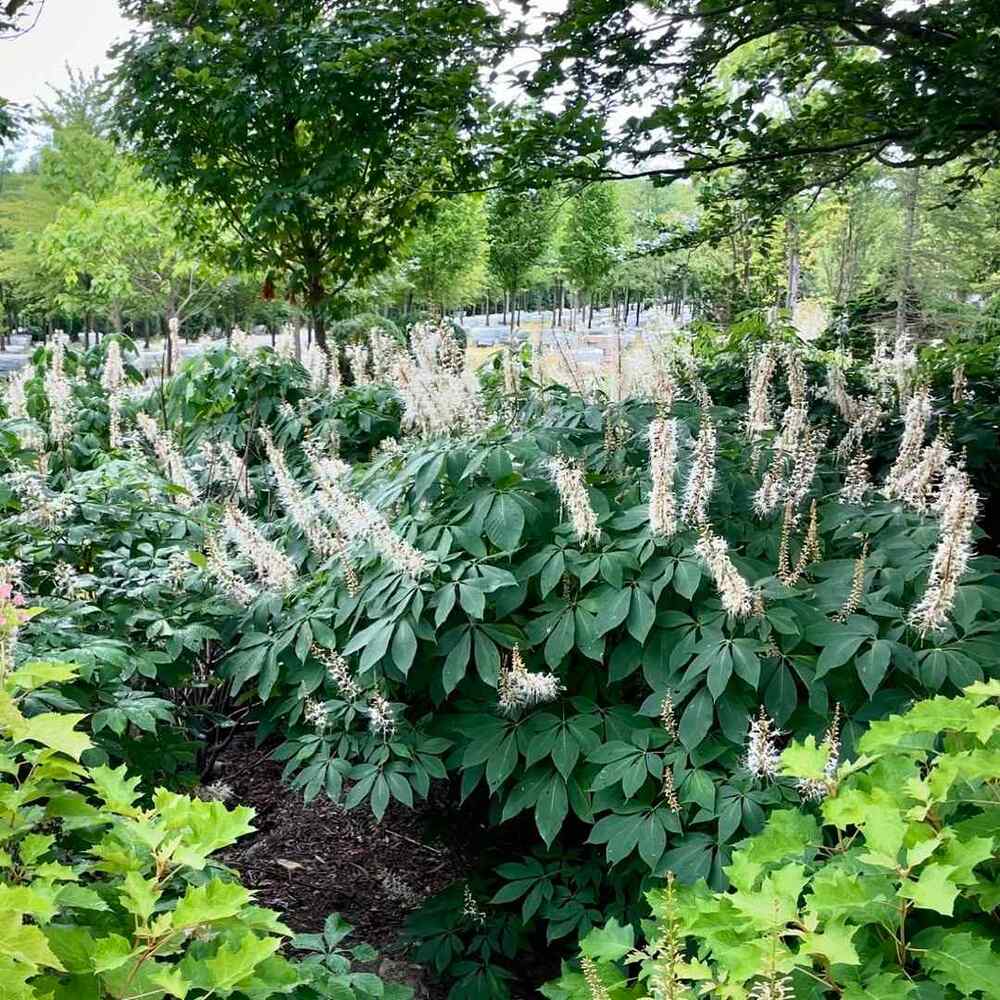
This native is a showpiece, with upright white “bottlebrush” flowers in mid-summer when many shrubs are resting. It also tolerates partial shade well, which is a big win for many Ohio yards with mature trees.
How to use it: Perfect for woodland edges and shaded side yards. Give it room to widen. Pair with ferns or hostas for a calm, garden-room vibe that feels curated and cool in summer.
5) Wild Hydrangea (Hydrangea arborescens)
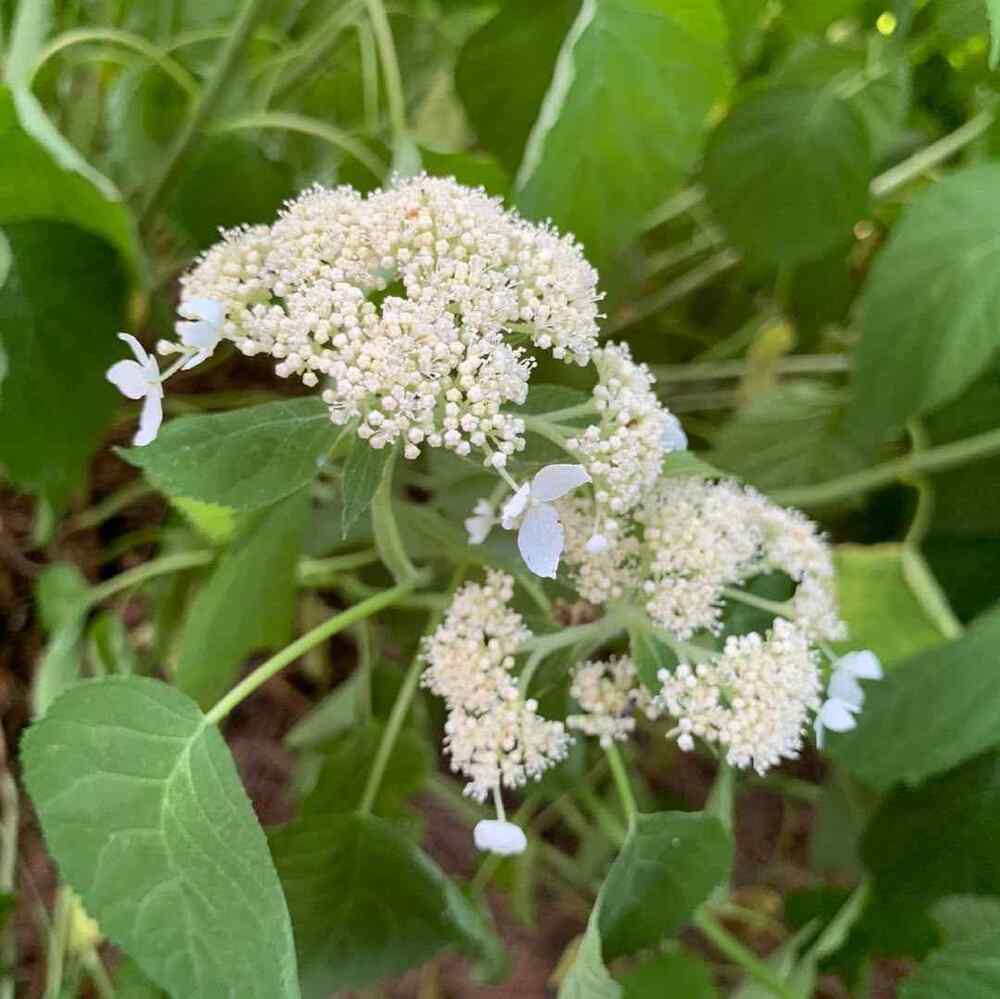
A dependable native hydrangea for Ohio that shines in part shade and still blooms heavily. The white flower heads brighten darker spots and can support pollinators when planted in mixed beds.
How to use it: Plant near porches or seating areas where you’ll enjoy blooms up close. Cut back in late winter/early spring for fresh growth and strong flowering. Add a dark mulch for a clean, photo-ready contrast.
6) Black Elderberry (Sambucus canadensis)
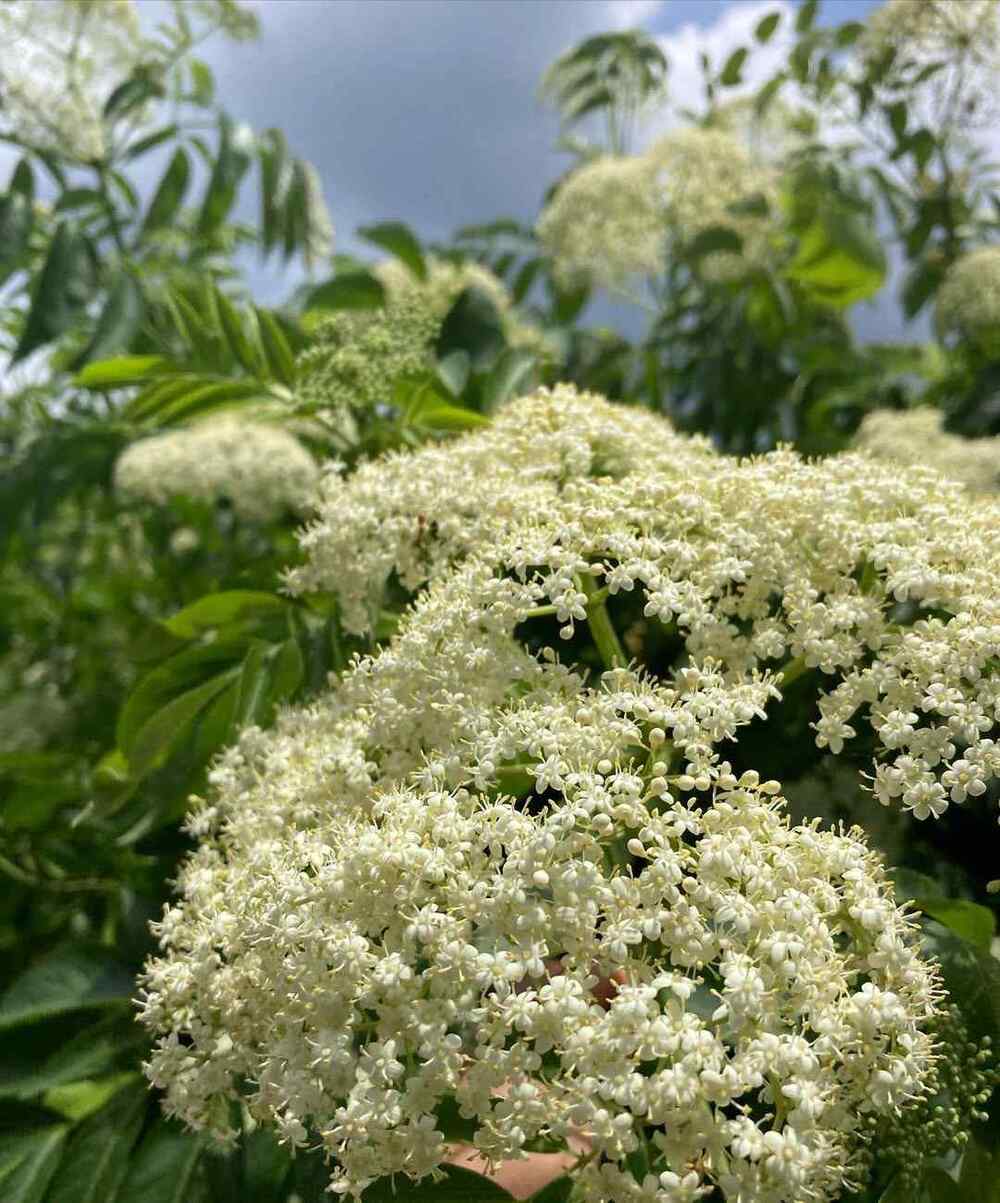
Fast-growing and generous, elderberry produces flower clusters followed by edible berries (popular for syrups and jams when properly prepared). It’s also a magnet for birds and beneficial insects.
How to use it: Best in sun to part shade with consistent moisture. Use it in a naturalized area, rain garden edge, or as a quick screen. Prune hard in early spring if you prefer a neater, shrub-like shape.
7) Mapleleaf Viburnum (Viburnum acerifolium)
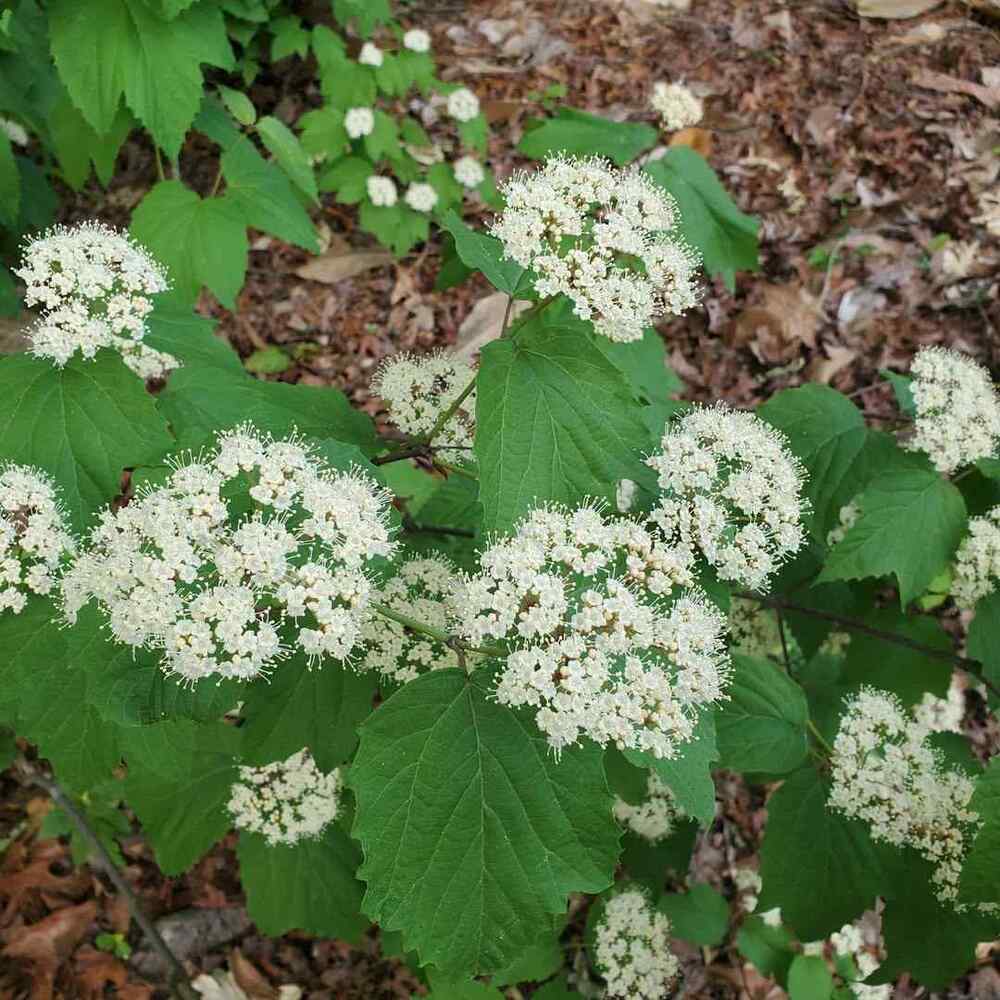
If you garden under trees, this shade-tolerant native is a gift. Mapleleaf viburnum is valued for excellent fall foliage, often in layered tones that make the understory feel intentionally planted.
How to use it: Place it in dappled shade and let it mingle with other woodland plants. It’s ideal for softening fences or creating a “walk-into-the-garden” transition from lawn to shade border.
8) Panicle Hydrangea (Hydrangea paniculata, e.g., ‘Fire Light’)
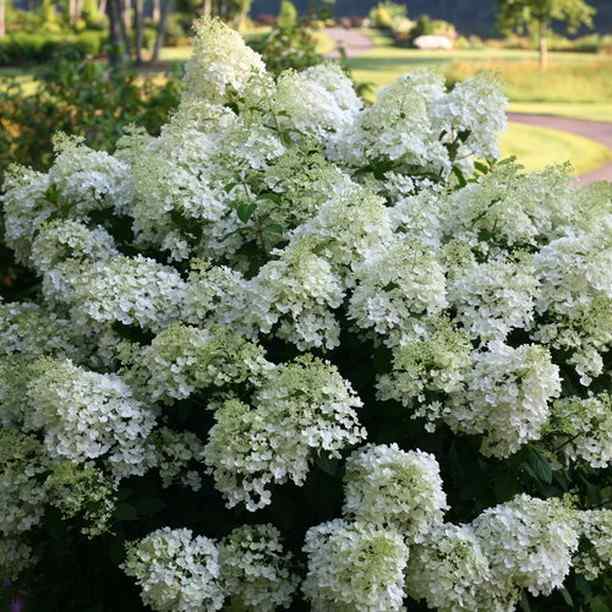
For big, durable summer blooms in Ohio, panicle hydrangeas are among the most reliable. They tolerate sun better than many hydrangeas and offer blooms that often shift color as they age.
How to use it: Plant in full sun to part shade with space for mature size. Use as a focal point in a front bed, or repeat 2–3 plants along a fence for a polished, high-impact backdrop.
9) Forsythia (Forsythia ‘Lynwood Gold’)
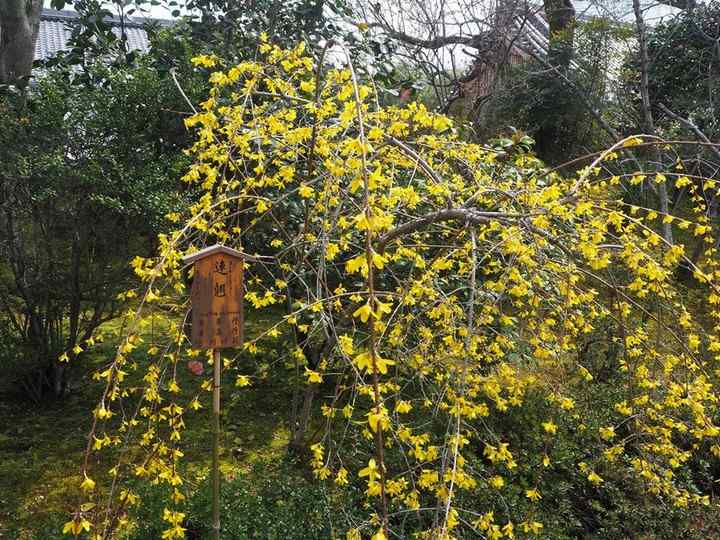
Forsythia is pure spring energy—bright yellow blooms that kick off the season before most shrubs wake up. It’s hardy and forgiving, which is why it has stayed popular in Ohio for decades.
How to use it: Put it where you’ll see it from a window in early spring. Prune right after flowering to keep it from turning into a tangle. It’s especially pretty paired with later-blooming shrubs behind it for a staggered show.
10) Boxwood (Buxus)
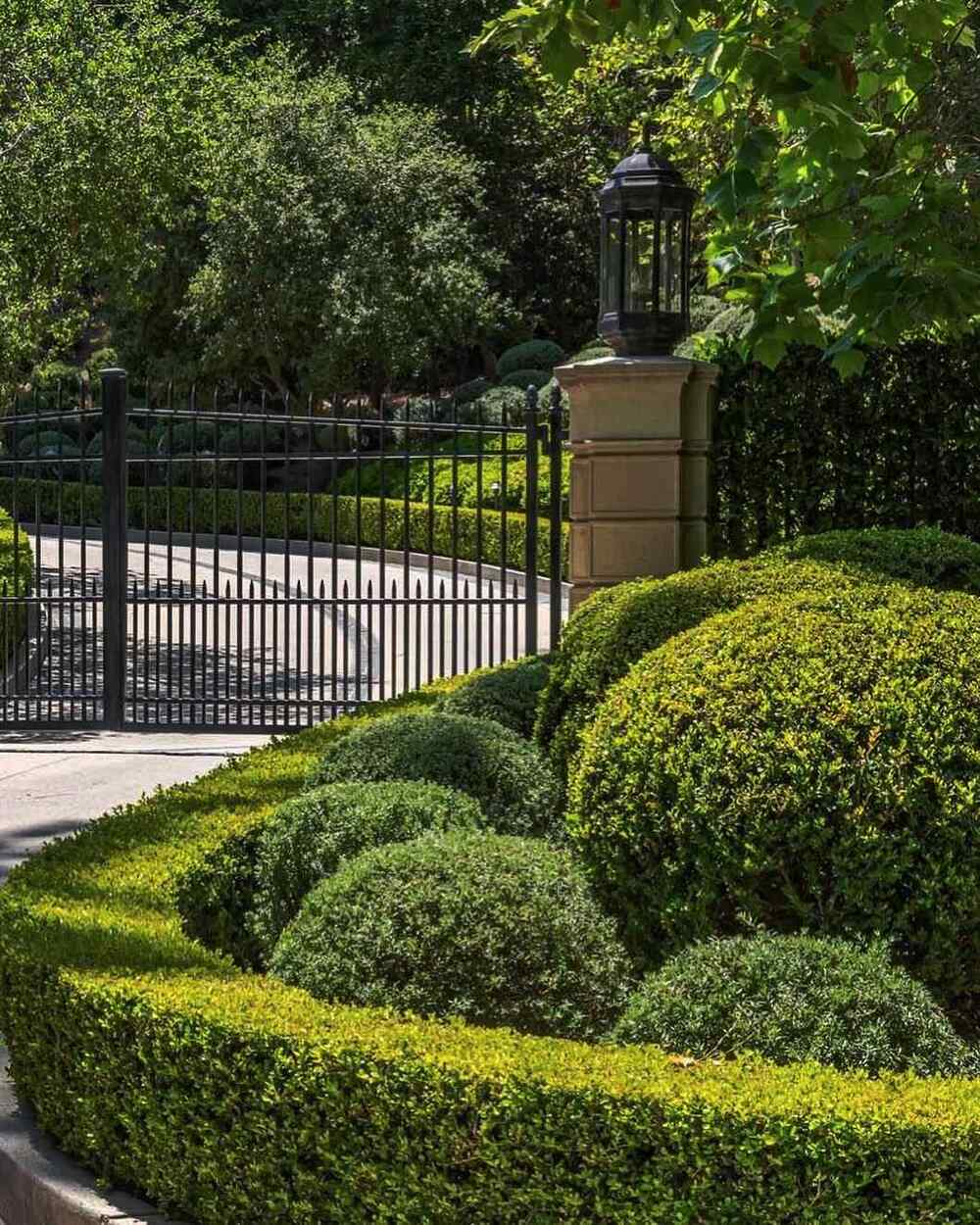
For year-round structure, boxwood is a go-to evergreen that suits formal hedges and modern, clean lines. It’s also often noted for deer resistance compared with many alternatives, though no plant is truly deer-proof.
How to use it: Use in foundation plantings, along walkways, or as low hedging. Choose a cultivar suited to your site and protect from harsh winter wind. A light shear in late spring keeps it crisp.
Simple selection tips (so it feels “you,” not a random list)
-
For privacy: ninebark + arrowwood viburnum + panicle hydrangea (layered heights look intentional).
-
For shade: bottlebrush buckeye + wild hydrangea + mapleleaf viburnum.
-
For wildlife: elderberry + viburnums (fruiting shrubs add real habitat value).
-
For a tidy, structured look: boxwood in front, flowering shrubs behind, and repeat plant groups in odd numbers.
When you choose shrubs for Ohio, you’re building the “bones” of your landscape—everything else becomes easier once the structure is right.
FAQ: Shrubs for Ohio
1) What shrubs do best in Ohio’s Zone 5–6 winters?
Ninebark, viburnums (arrowwood/blackhaw/mapleleaf), panicle hydrangea, and forsythia are all strong performers in typical Zone 5–6 conditions.
2) Which shrubs for Ohio work in part shade?
Bottlebrush buckeye, wild hydrangea (H. arborescens), and mapleleaf viburnum handle part shade very well and still provide ornamental value.
3) Which shrubs are best for birds and pollinators?
Native viburnums and black elderberry are top picks because their flowers and fruit support local insects and birds through the growing season.