North Carolina yards can swing from humid summers to sudden cold snaps, with soils that vary from sandy coastal ground to Piedmont clay and mountain loam. The best shrubs for North Carolina handle that range while still giving you the payoff you want—privacy, glossy evergreen structure, fragrant blooms, and berries that make winter feel intentional. Below are 10 shrub choices that perform well across NC, plus practical placement notes so your landscape feels personal, polished, and low-stress.
Table of Contents
Shrubs for North Carolina: How to Pick the Right Ones Fast
Start with three quick checks: sun (full sun vs. part shade), soil moisture (dry, average, or damp), and purpose (privacy, color, or wildlife). For a cohesive look, repeat shrubs in groups of 3 and layer heights: tall screen in back, medium bloomers in the middle, compact color near paths. In NC, mulch matters—keep 2–3 inches over the root zone, but leave a small gap around stems to avoid rot.
1) American Beautyberry (Callicarpa americana)
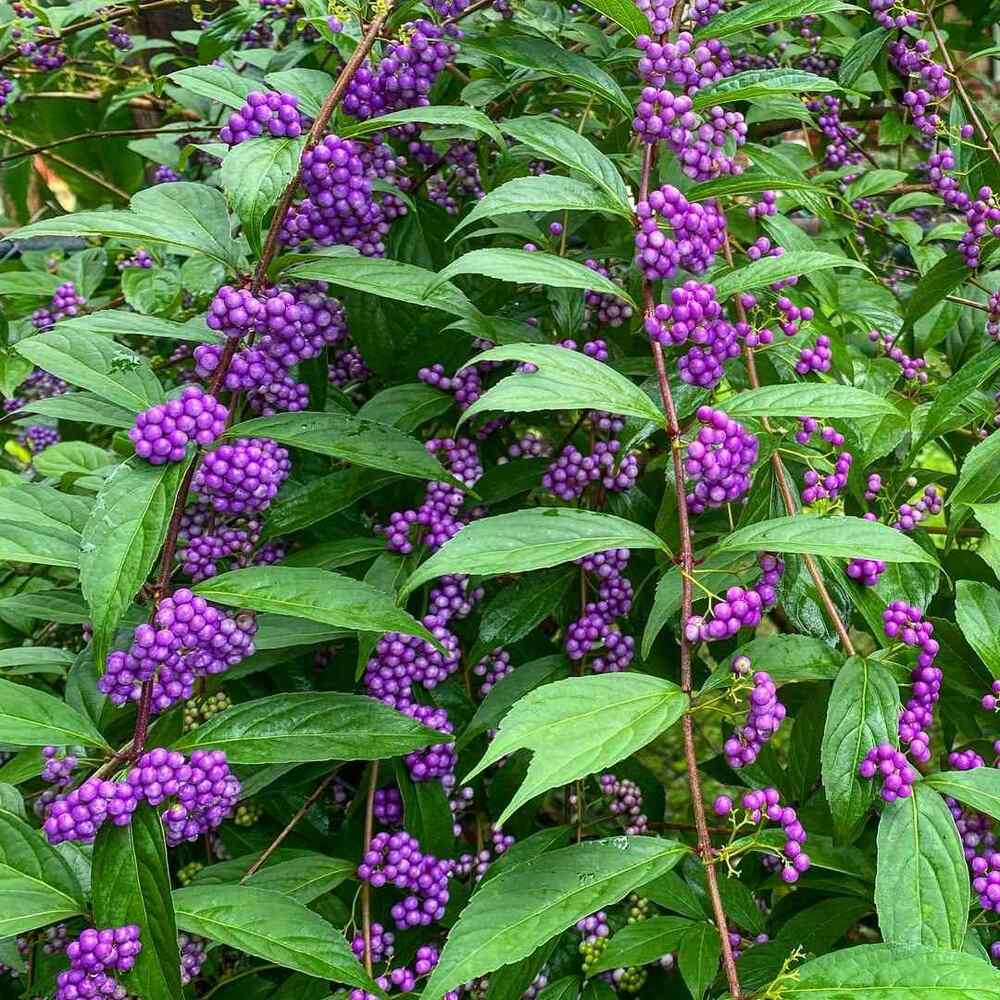
American beautyberry is a native that earns compliments in fall when its electric purple berries glow against green leaves. It handles sun or part shade, so it’s perfect if your yard has mixed light through the day.
How to use it: Place it near a walkway or patio edge so berries are close enough to notice. It also looks great paired with evergreens for contrast.
Care: Average moisture the first season; after that it’s fairly tolerant. Prune in late winter to shape and encourage fresh growth.
2) Camellia (Camellia japonica / sasanqua)
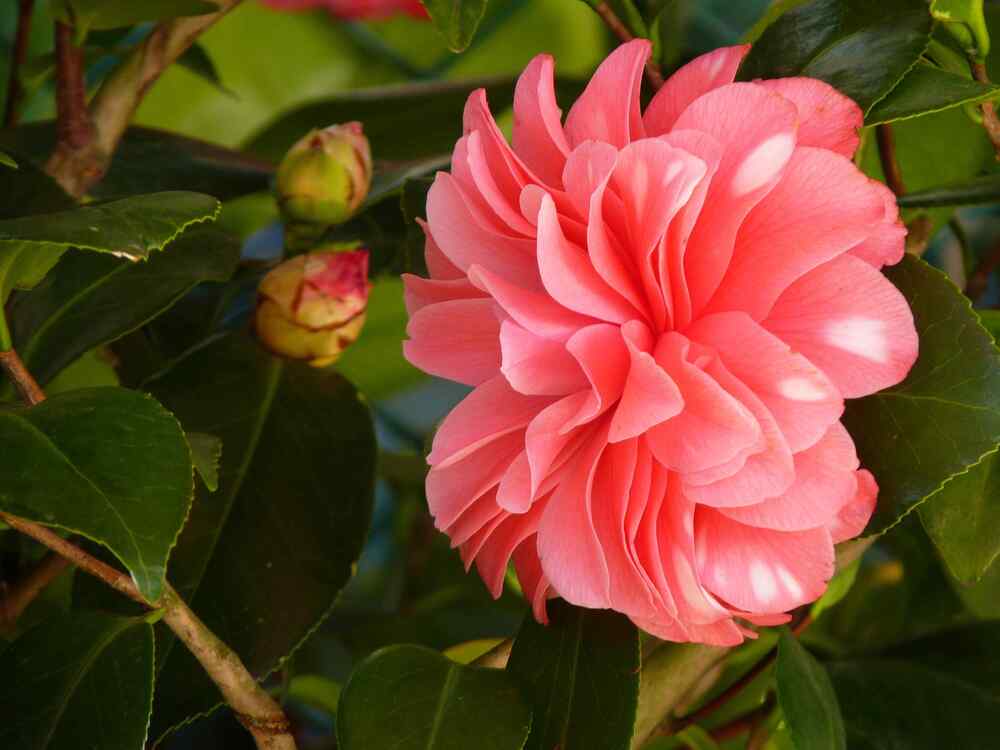
Camellias bring glossy evergreen leaves and refined blooms—like a living bouquet—during cooler seasons. Sasanquas often bloom in fall; japonicas commonly bloom in late winter to early spring, depending on variety and location.
How to use it: Use camellias as “foundation jewelry” near entries or along shaded fences where you want elegance year-round.
Care: Part shade is ideal, with protection from harsh afternoon sun. Keep soil evenly moist and mulch well; avoid planting too deep.
3) Azalea (including reblooming types like Perfecto Mundo)
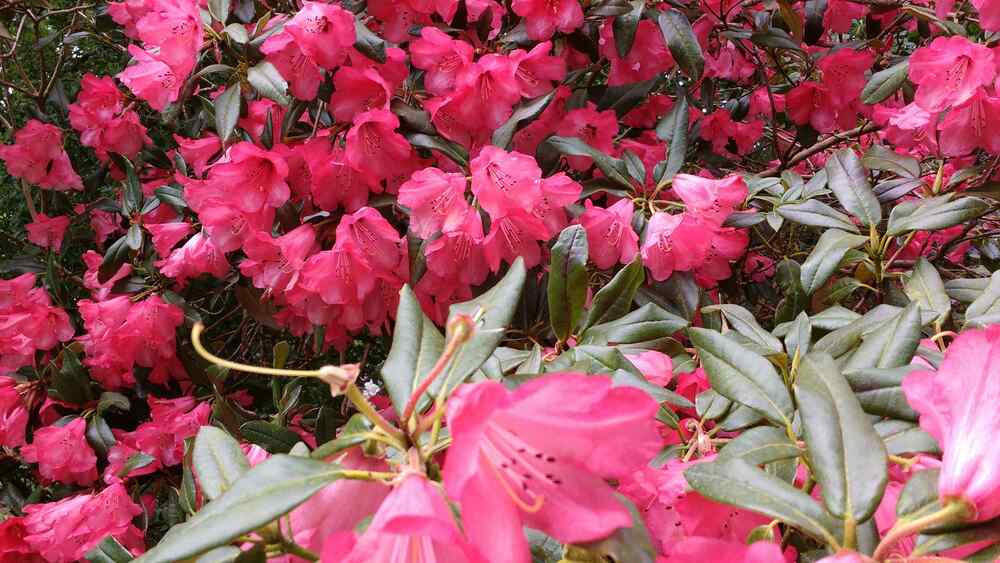
Azaleas are a signature Southern shrub, and in NC they can deliver lush color with less effort than many flowering plants. Reblooming series can extend the show into multiple flushes when conditions are right.
How to use it: Mass 3–7 plants under high, filtered shade for that classic layered garden feel. Choose one color family for a calmer, more upscale look.
Care: They prefer acidic, well-drained soil and consistent moisture. Mulch with pine fines or leaf mold and avoid heavy pruning mid-season.
4) Virginia Sweetspire (Itea virginica)
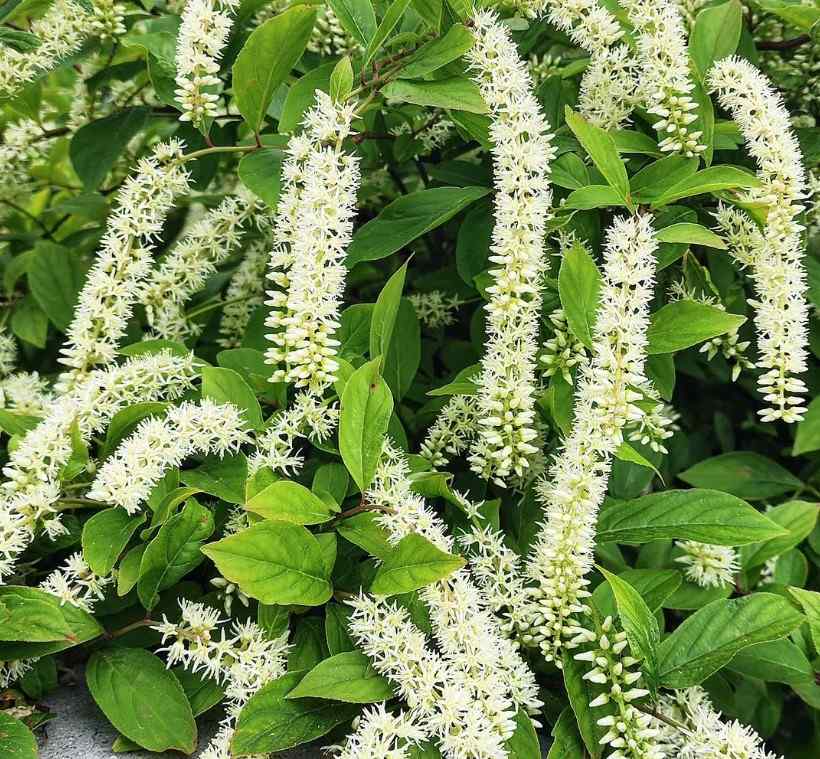
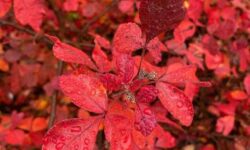
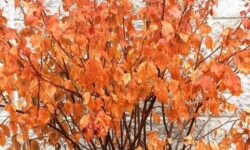
Sweetspire is a native workhorse: fragrant white flower spikes in spring and vivid red-purple fall foliage. It’s especially valuable in NC because it tolerates moisture better than many shrubs.
How to use it: Plant along drainage paths, at the edge of a rain garden, or in part shade where you want reliable seasonal change.
Care: Sun to part shade. Water during establishment; after that it’s adaptable. Light thinning after bloom keeps it tidy without losing its natural grace.
5) Winterberry Holly (Ilex verticillata)
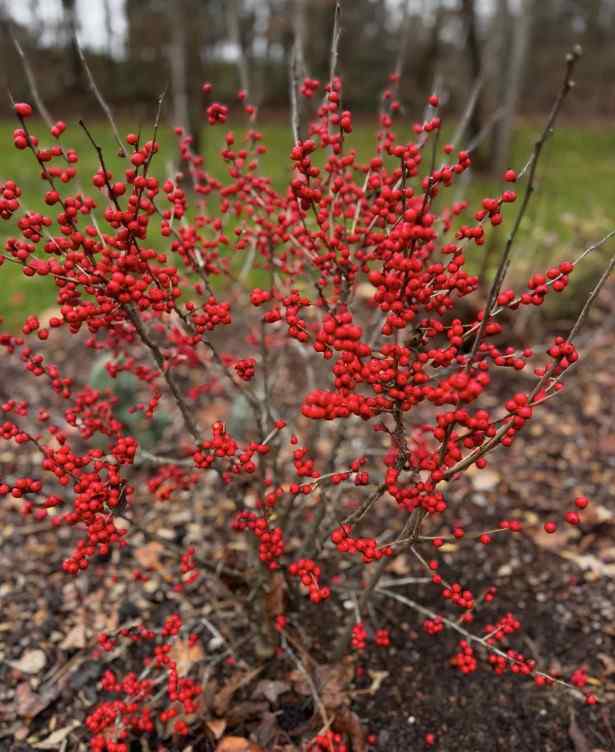
Winterberry is a deciduous holly that drops leaves and then shows off bright red berries through winter—instant curb appeal when everything else is bare.
How to use it: Place it where you’ll see it from indoors (kitchen window, living room view) or near the front walk for winter drama.
Care: Needs a male pollinator nearby for fruit (check nursery labels). Prefers sun to part shade and average to moist soil.
6) Dwarf Yaupon Holly (Ilex vomitoria ‘Nana’)
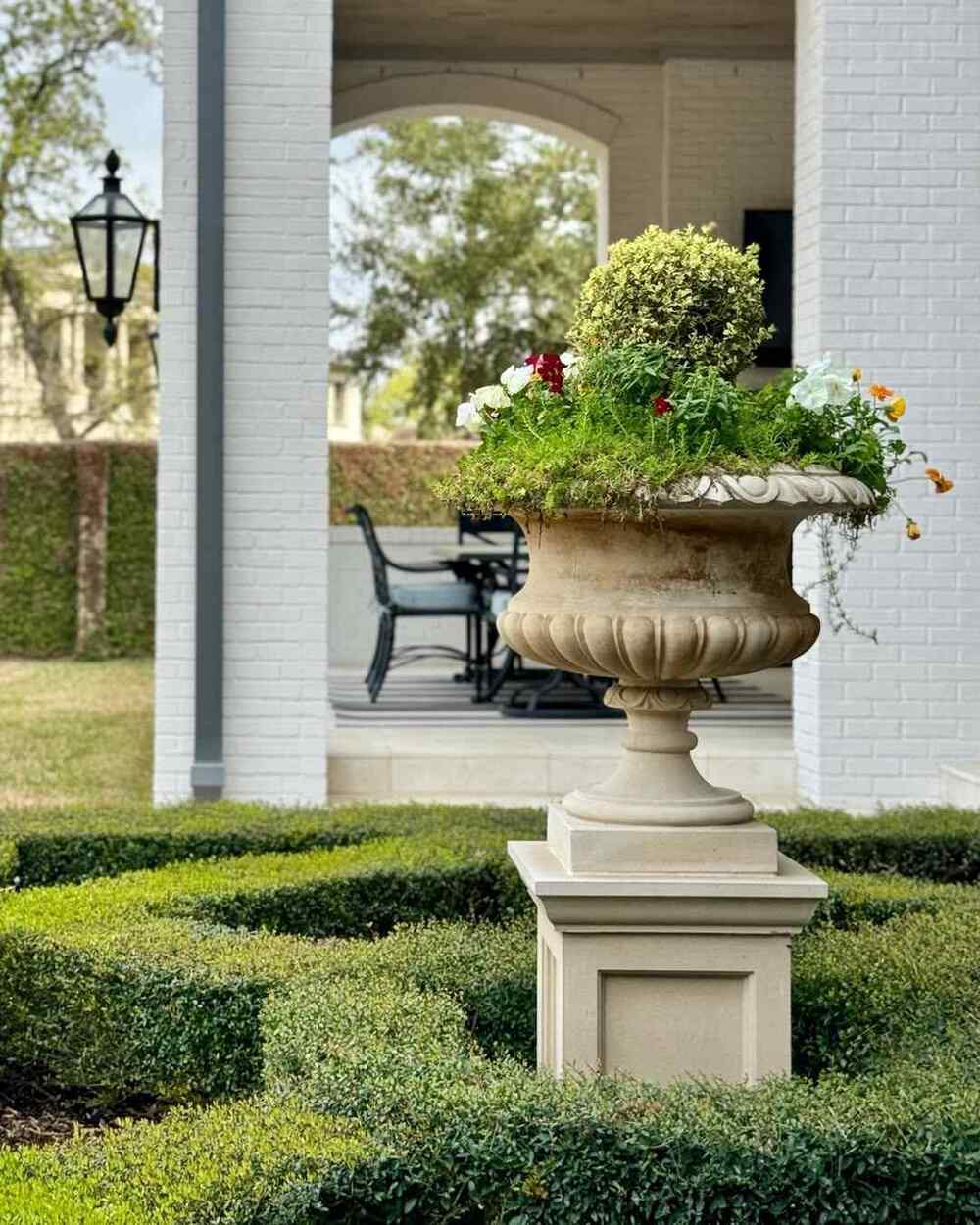
Dwarf yaupon is a dense, evergreen native that behaves like a “green cushion”—great for structure in every season. It’s durable in heat and humidity and suits both formal and relaxed designs.
How to use it: Line it along a path as a soft, low hedge or use it as repeating “dots” in foundation beds for a clean rhythm.
Care: Sun to part shade. Minimal pruning needed; if shaping, shear lightly once or twice a year rather than constantly.
7) Chindo Viburnum (Viburnum awabuki ‘Chindo’)
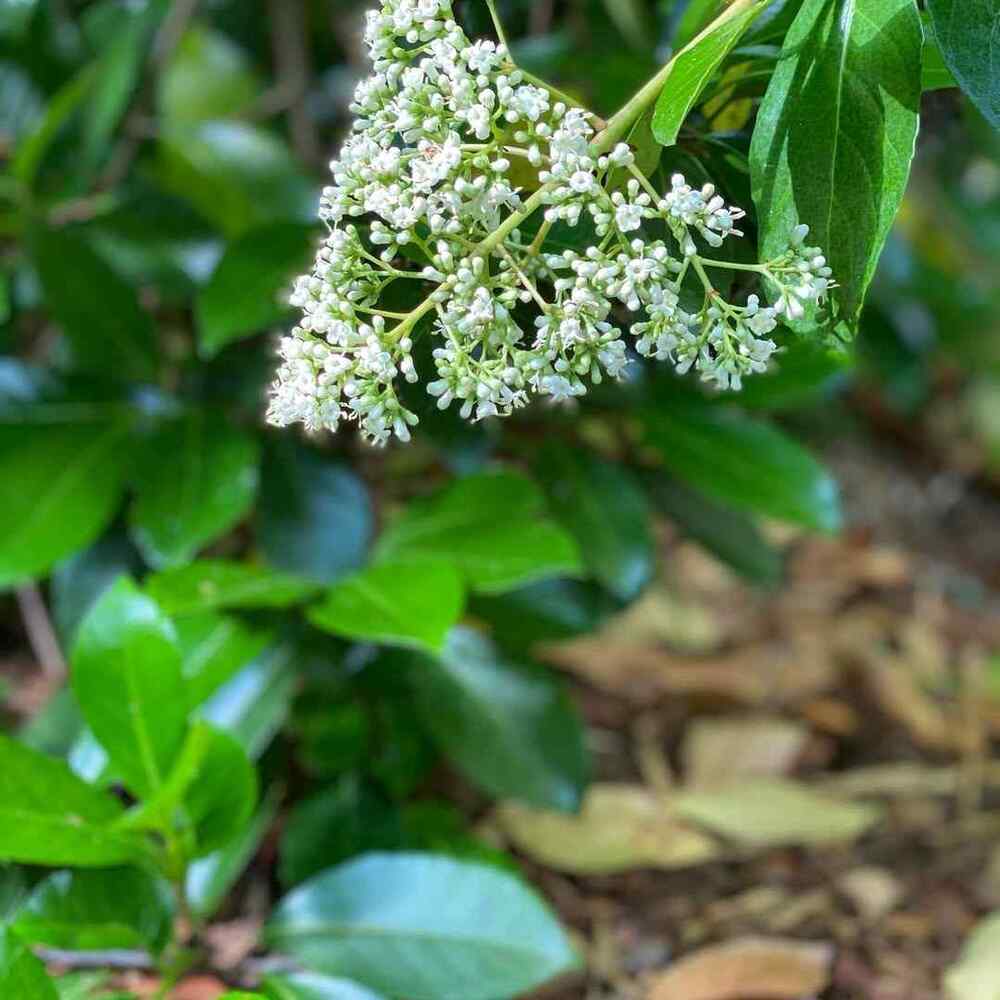
Chindo viburnum is a fast-growing evergreen with shiny leaves and red berries, often used for privacy. In NC, it’s popular because it can quickly create a green wall that feels lush, not stiff.
How to use it: Plant as a screen along fences or to block road views. For a fuller hedge, stagger plants rather than setting them in a single straight line.
Care: Sun to part shade. Water deeply the first season; mulch and avoid frequent shallow watering that encourages weak roots.
8) Mountain Laurel (Kalmia latifolia)
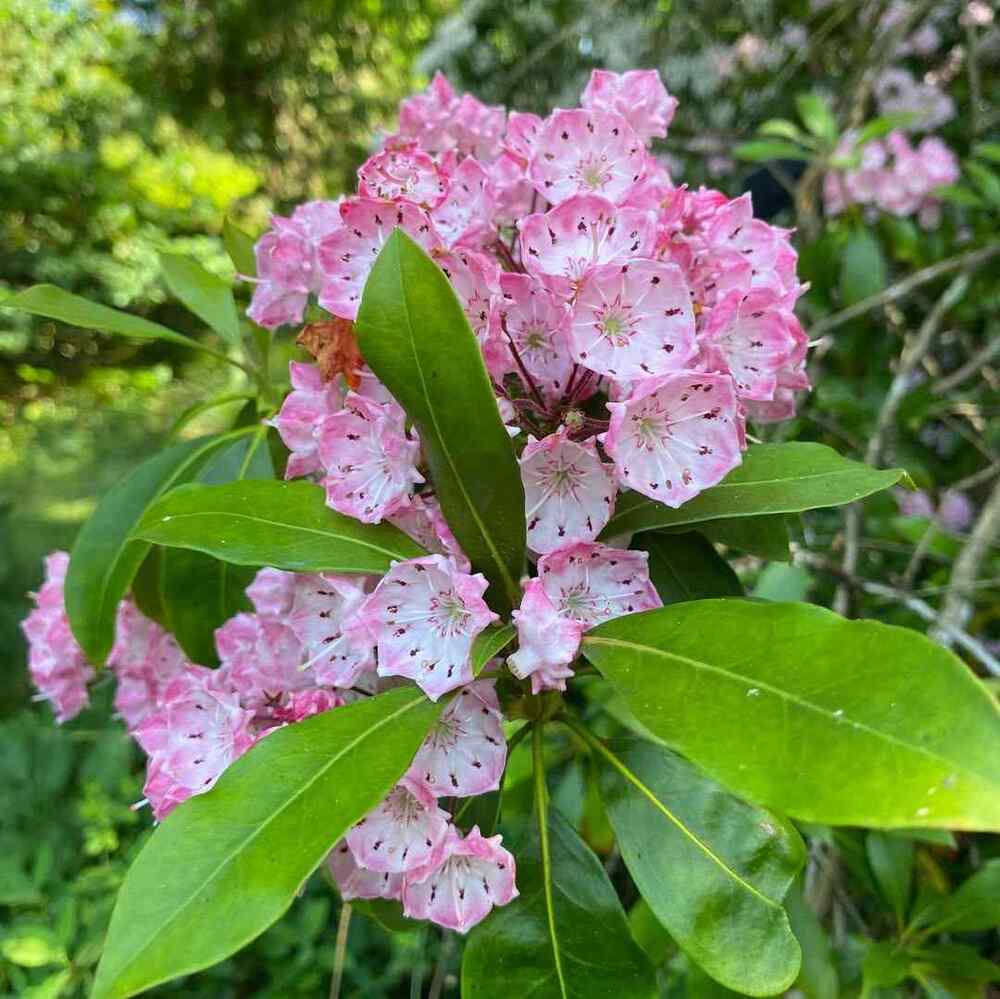
Mountain laurel is a native evergreen with intricate, starry blooms that feel special—perfect for woodland-style gardens and shaded lots. It’s a strong choice in many parts of NC when sited correctly.
How to use it: Tuck it into filtered shade with natural companions (ferns, hellebores, native grasses) for a calm, layered look.
Care: Prefers acidic, well-drained soil and consistent moisture. Avoid hot, reflected sun and heavy clay without amending drainage.
9) Kaleidoscope Abelia (Abelia x grandiflora)
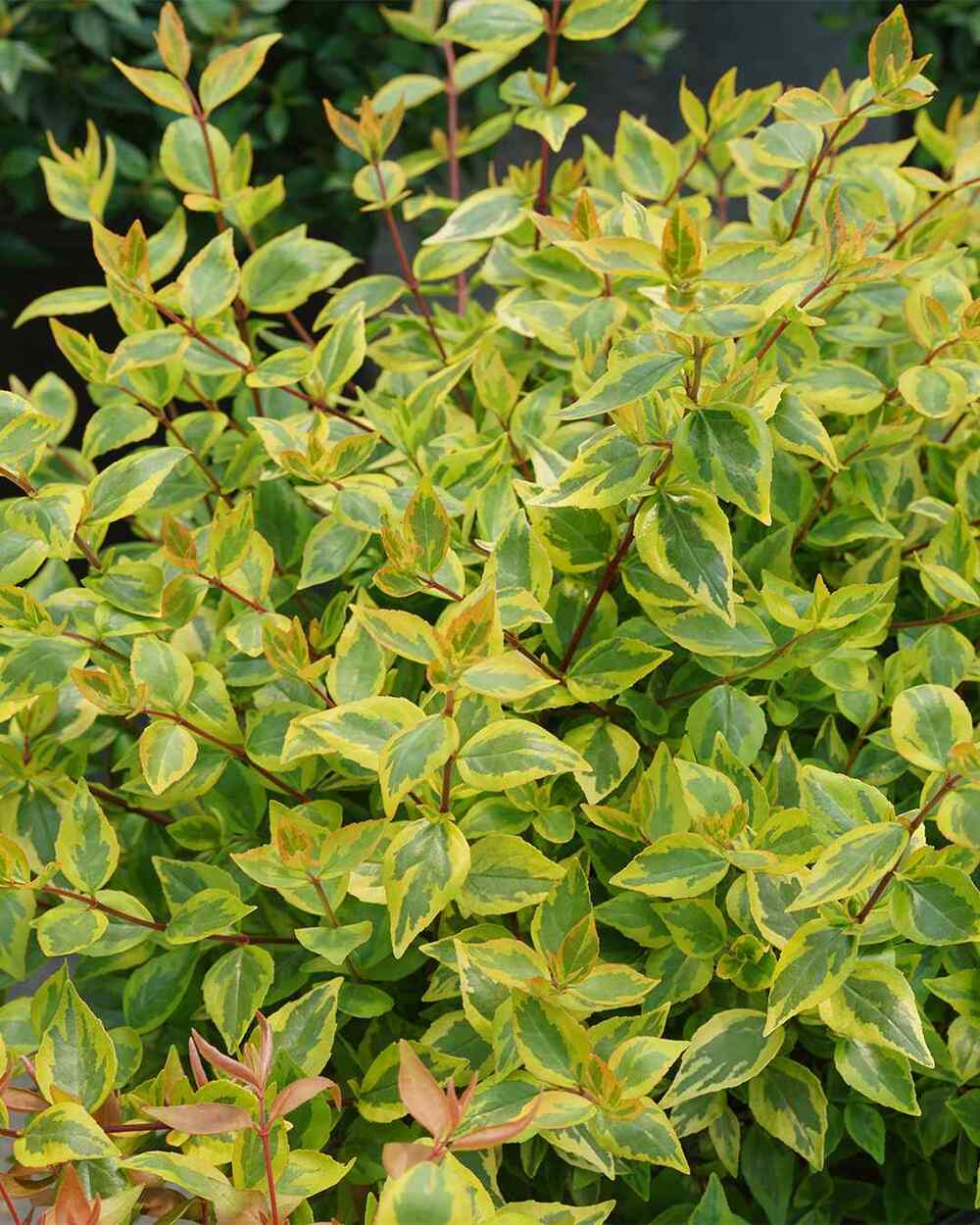
Kaleidoscope abelia brings colorful variegated foliage that shifts through yellow, green, and warm tones—so you get “flowerbed color” even when it’s not blooming. It handles heat well and stays compact.
How to use it: Use it near entrances or patios where foliage color can do the decorating. Pair with dark evergreens for contrast.
Care: Full sun to part shade. Light pruning after the main bloom keeps it dense; don’t cut it into a tight box.
10) Ninebark (Physocarpus opulifolius)
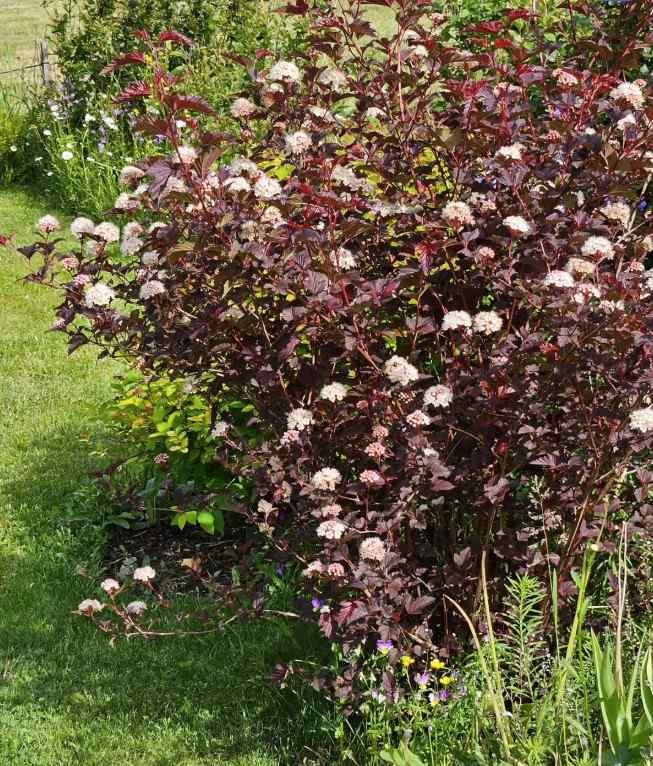
Ninebark is a hardy native with exfoliating bark and foliage that can be green, amber, or deep purple depending on cultivar. It’s an excellent “structure + color” shrub for NC landscapes that need toughness first and beauty second (but you get both).
How to use it: Pair purple ninebark with white sweetspire or camellias for a strong contrast palette.
Care: Sun to part shade. It tolerates many soils; thin older stems every few years for best form.
FAQ
Which shrubs for North Carolina are best for shade?
Camellias, mountain laurel, azaleas, and sweetspire do well in part shade. Aim for morning light and afternoon protection when possible.
What shrubs work best for privacy in NC?
Chindo viburnum is a popular fast screen. For lower, tidy structure, dwarf yaupon holly works well. Mix evergreens with a berry shrub (winterberry) for seasonal interest.
Do I need special soil for azaleas and mountain laurel?
They prefer acidic, well-drained soil. In clay-heavy yards, focus on improving drainage, planting slightly high, and mulching—rather than burying plants in heavy compost.
How often should I water new shrubs in North Carolina?
For most shrubs, water deeply 1–2 times per week during the first growing season (adjust for rain and soil). After establishment, switch to deeper, less frequent watering.
How do I get berries on winterberry holly?
You’ll need at least one male pollinator shrub that blooms at the same time as the female variety. Nurseries usually label compatible pairs—buy them together to avoid disappointment.