If you garden through humid summers, icy winters, and surprise spring cold snaps, you need plants that don’t flinch. The right shrubs for New York give structure when perennials disappear, fragrance when you want a “wow” moment, and berries or bark that keep your yard attractive in January. Below are 10 shrubs chosen for New York’s climate swing—plus styling tips so your planting feels intentional, not random.
Table of Contents
Shrubs for New York: How to Choose for Your Light and Soil
Start with two quick checks: sun hours (6+ hours is full sun) and moisture (does soil stay damp after rain or dry fast?). In New York, many yards have clay pockets and seasonal wetness, so pick shrubs that match your conditions rather than forcing them.
A simple design formula that works in suburban lots and city gardens:
1 evergreen anchor + 2 flowering shrubs + 1 winter-interest shrub.
Repeat each shrub in groups of 3 for a clean, cohesive look—especially along fences, driveways, and foundation beds.
1) Viburnum (Arrowwood, Nannyberry)
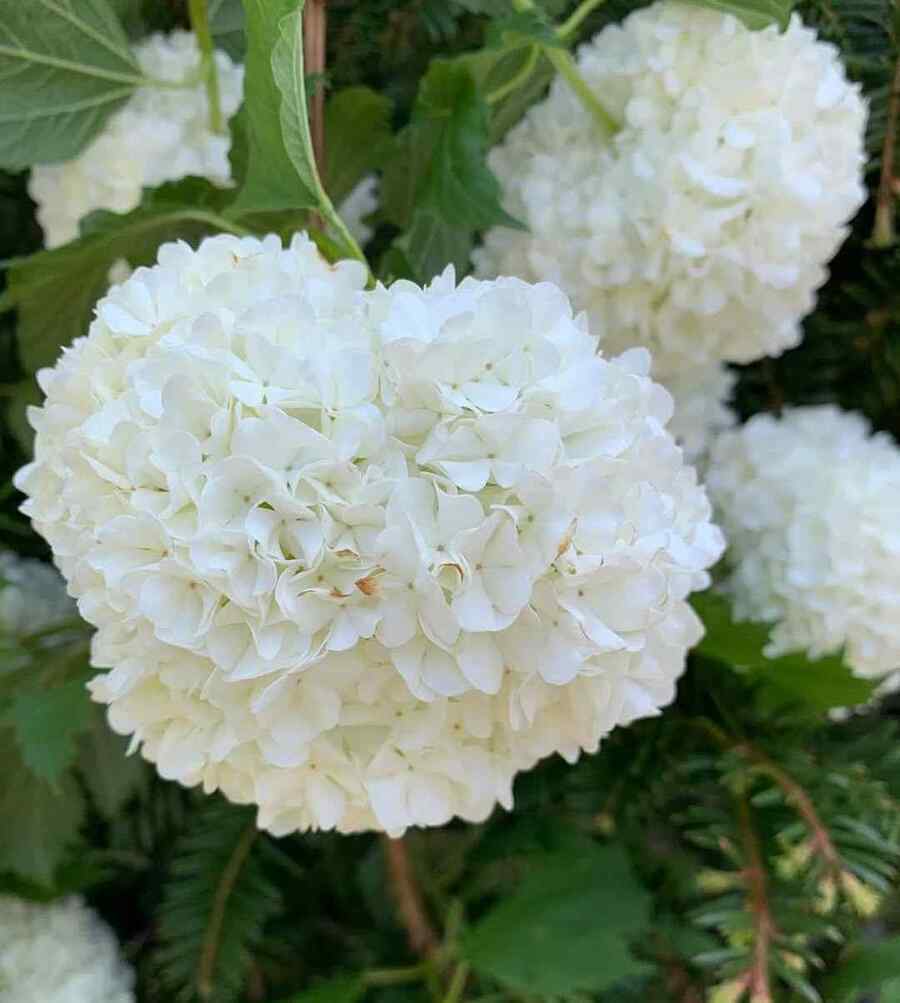
Viburnums are the dependable “backbone” shrub: spring flowers, attractive foliage, and many types add fall color and berries. In a New York landscape, that means you get interest across seasons without constant fuss.
How to use it: Plant as a soft screen along a property line, or as a mid-height layer behind hydrangeas.
Care: Most viburnums like sun to part shade and average soil. Water weekly the first season; after that, they’re fairly resilient once rooted.
2) Smooth Hydrangea (‘Annabelle’ and similar)
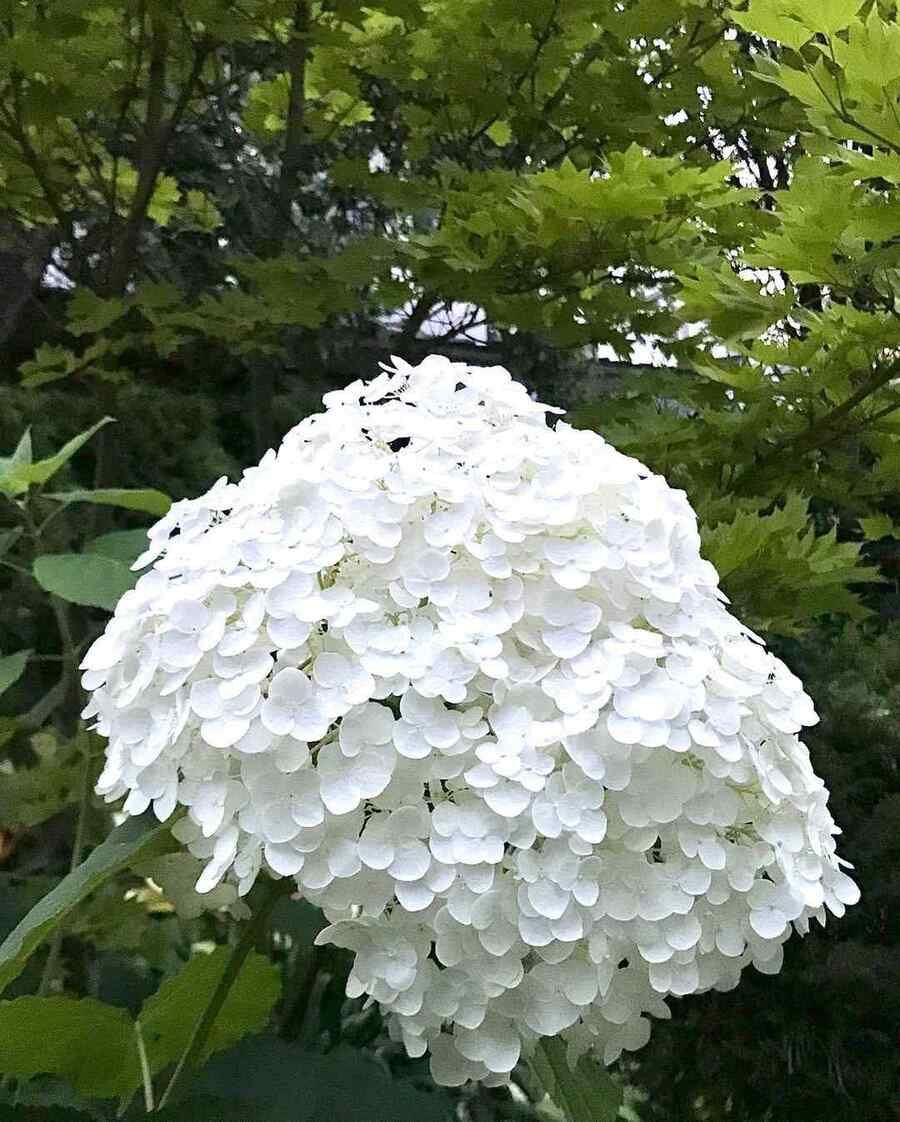
Smooth hydrangea is a reliable summer showpiece in New York, with large white blooms that read classic and bright—especially against dark mulch or evergreen backdrops.
How to use it: Use near patios or front entries for that “fresh cut flower” feeling outdoors. For a polished look, plant 3–5 in a drift.
Care: Part sun is ideal (morning sun, afternoon shade). Prune in late winter/early spring; it blooms on new wood.
3) Common Lilac (Syringa vulgaris)
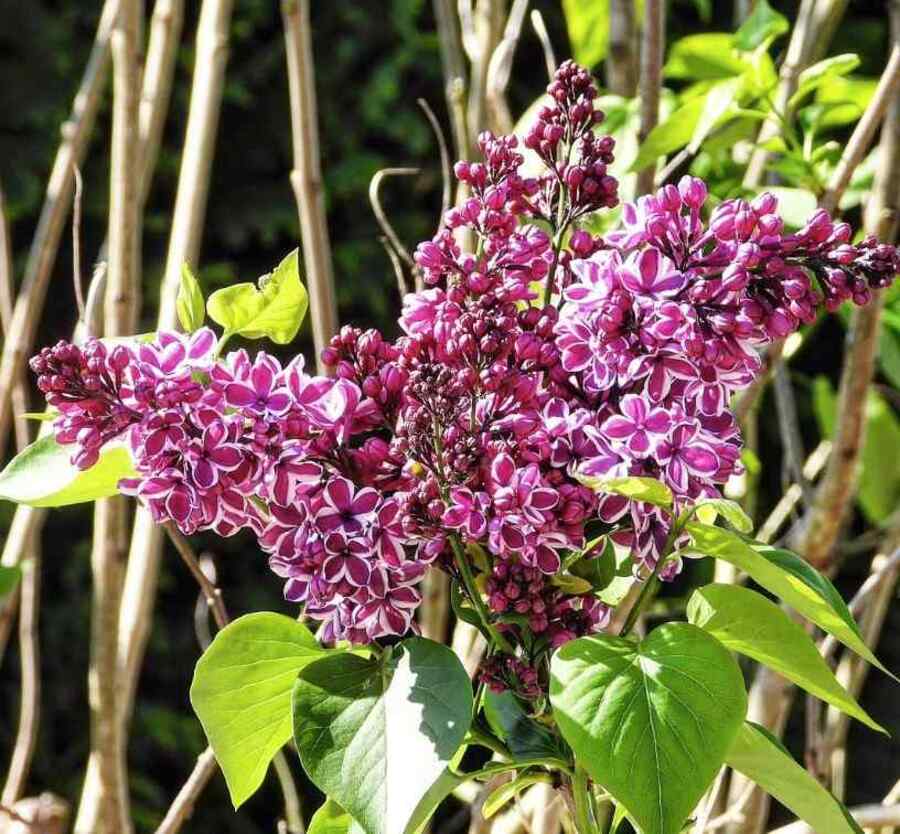
Lilac is pure spring nostalgia: fragrance, big blooms, and strong presence. It’s also cold hardy—perfect for many New York neighborhoods where winter is real and long.
How to use it: Give lilac a spot where you’ll actually smell it—near a walkway, porch, or open window.
Care: Full sun for best flowering. Prune right after bloom so you don’t remove next year’s buds. Avoid cramped, damp corners to reduce mildew.
4) Ninebark (Physocarpus opulifolius)
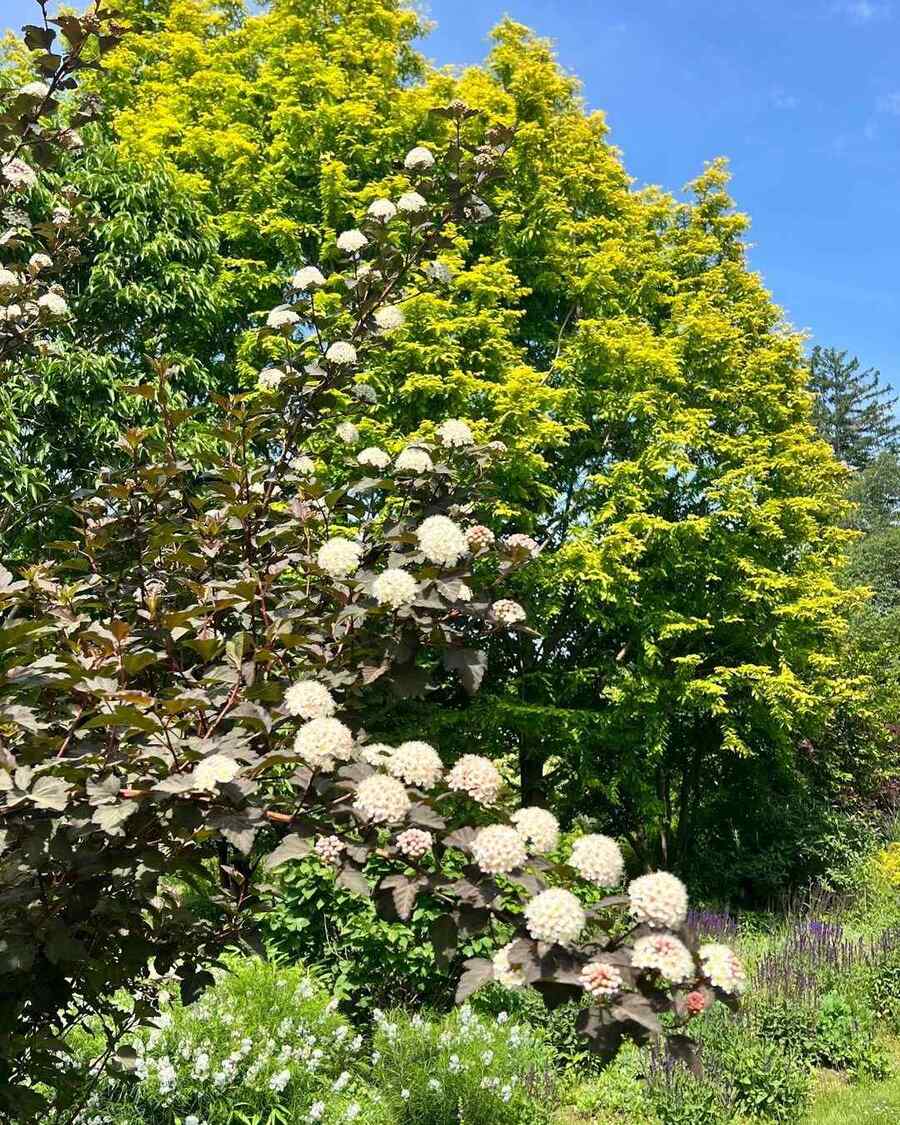
Ninebark is a tough native with peeling bark and foliage that can be green, amber, or deep purple—great for adding color without relying on flowers. It also handles New York’s weather swings better than many fussier shrubs.
How to use it: Pair purple ninebark with white hydrangeas for a high-contrast, designer look.
Care: Sun to part shade. It tolerates many soils, including clay. Thin older stems every few years for a fresh shape.
5) Arborvitae (‘Danica’, ‘Green Giant’, and others)
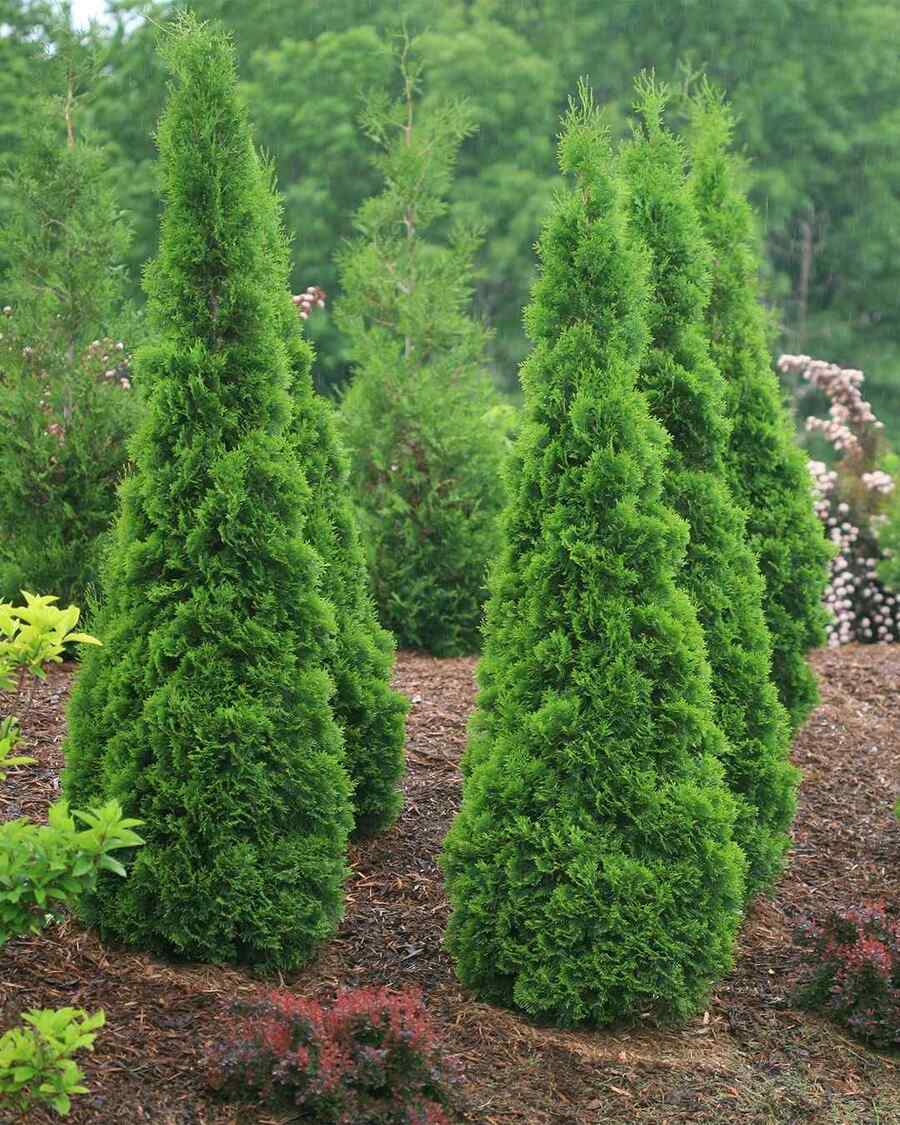
Arborvitae is the go-to evergreen for privacy and year-round structure. In winter, when everything else fades, a healthy screen makes the yard feel finished and protected.
How to use it: For privacy, stagger plants in a double row if space allows. For smaller yards, choose compact cultivars.
Care: Water deeply during the first 1–2 seasons, especially in late fall before the ground freezes. Mulch the root zone; avoid salty splash from driveways.
6) Witch-hazel (Hamamelis virginiana)
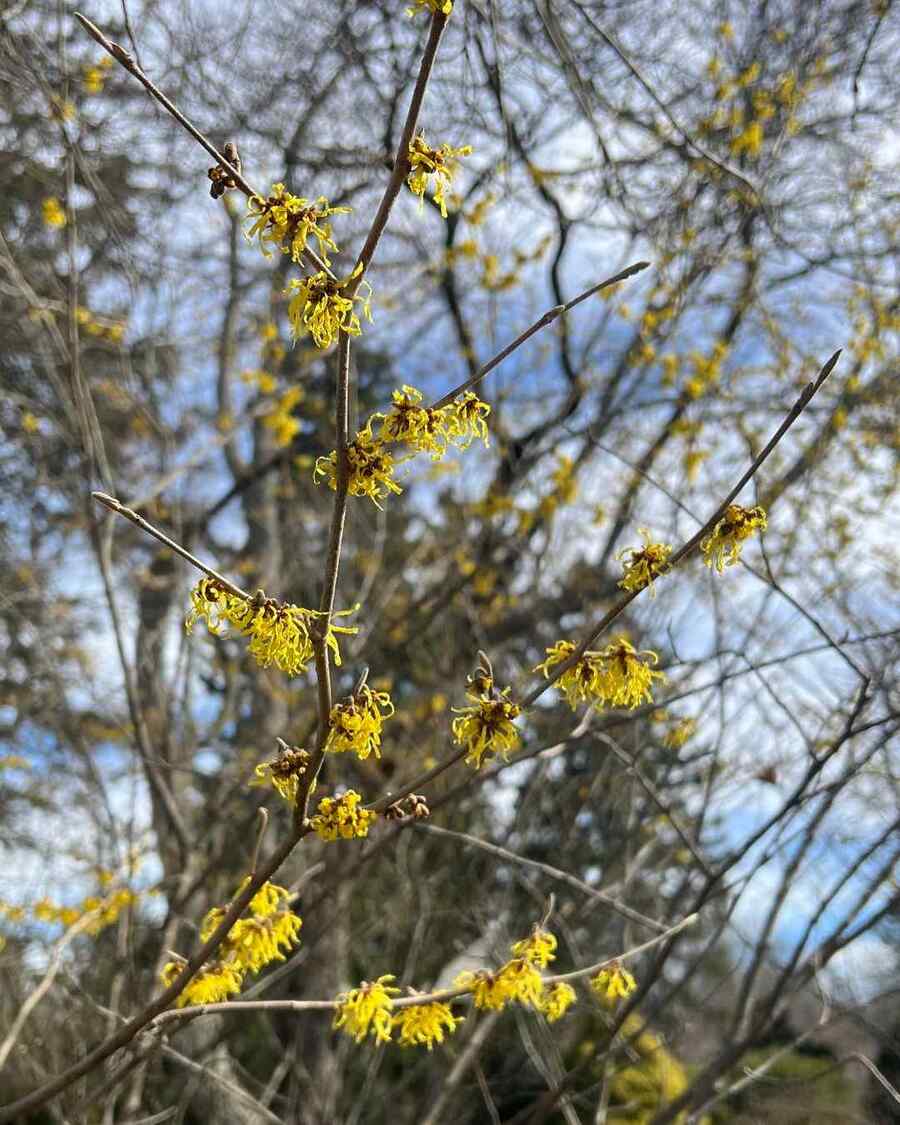
Witch-hazel is a native shrub that earns its reputation by blooming when the garden is mostly sleeping—often late winter into early spring, depending on the type. The flowers are delicate and fragrant, a quiet luxury in a New York winter.
How to use it: Place it where you’ll see it from indoors—near a kitchen window or along a frequently used path.
Care: Part shade to sun. Keep soil evenly moist while establishing; it’s not a fan of severe drought when young.
7) Winterberry (Ilex verticillata)
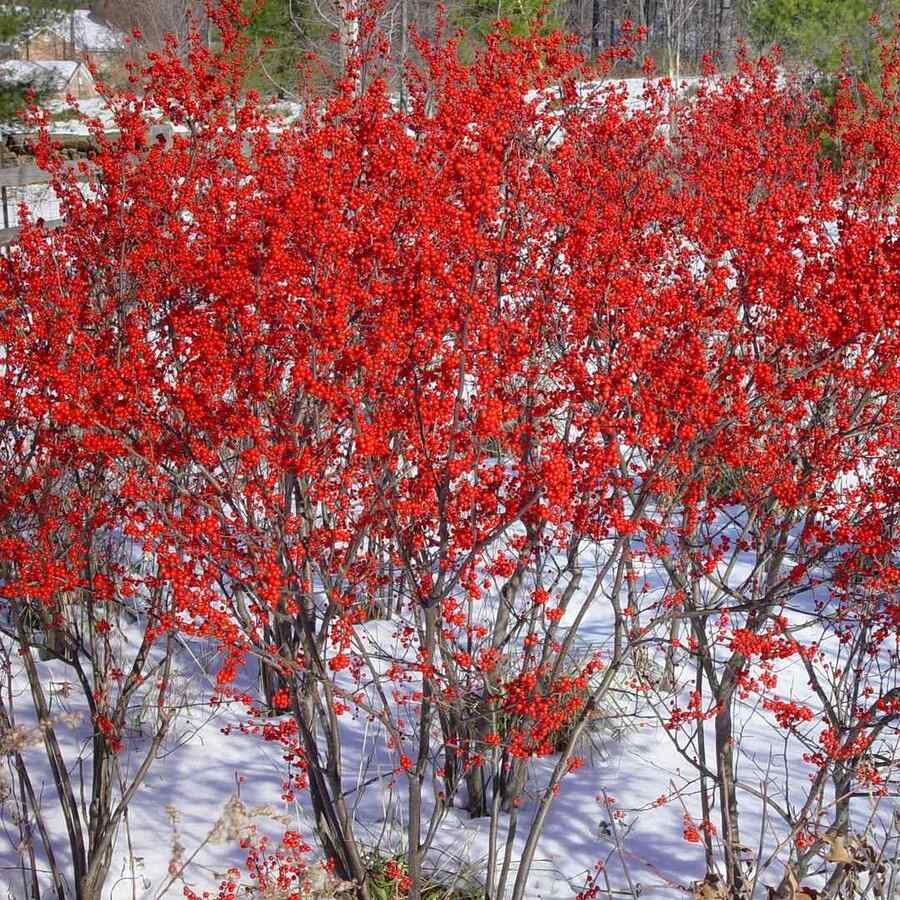
Winterberry is a deciduous holly with brilliant red berries that hold into winter, especially striking after snow or against dark fencing. It’s a native that fits New York’s seasonal drama perfectly.
How to use it: Plant where berries will be visible in winter—near the street, entry walk, or patio viewline.
Care: Needs a male pollinator shrub nearby for berries (check tags at purchase). Prefers moist to average soil and sun to part shade.
8) Summersweet (Clethra alnifolia)
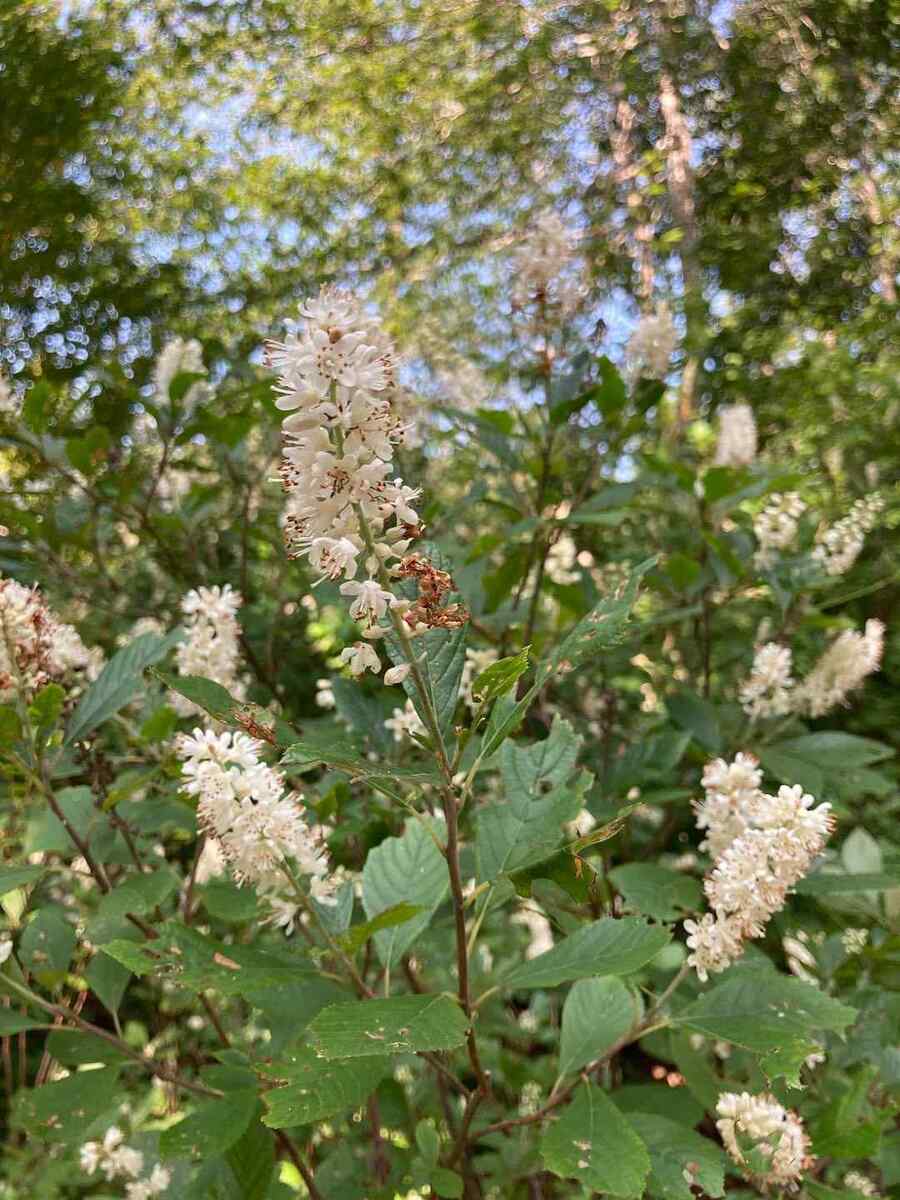
Summersweet is a gift for tricky spots: it tolerates moisture and partial shade and still blooms with fragrant spikes in late summer—when many shrubs are done.
How to use it: Ideal near downspouts (with proper drainage), along woodland edges, or in a shade border that needs life in August.
Care: Part shade is fine; more sun often means more blooms. Keep it watered in the first season; it’s forgiving once established.
9) Redosier Dogwood (Cornus sericea)
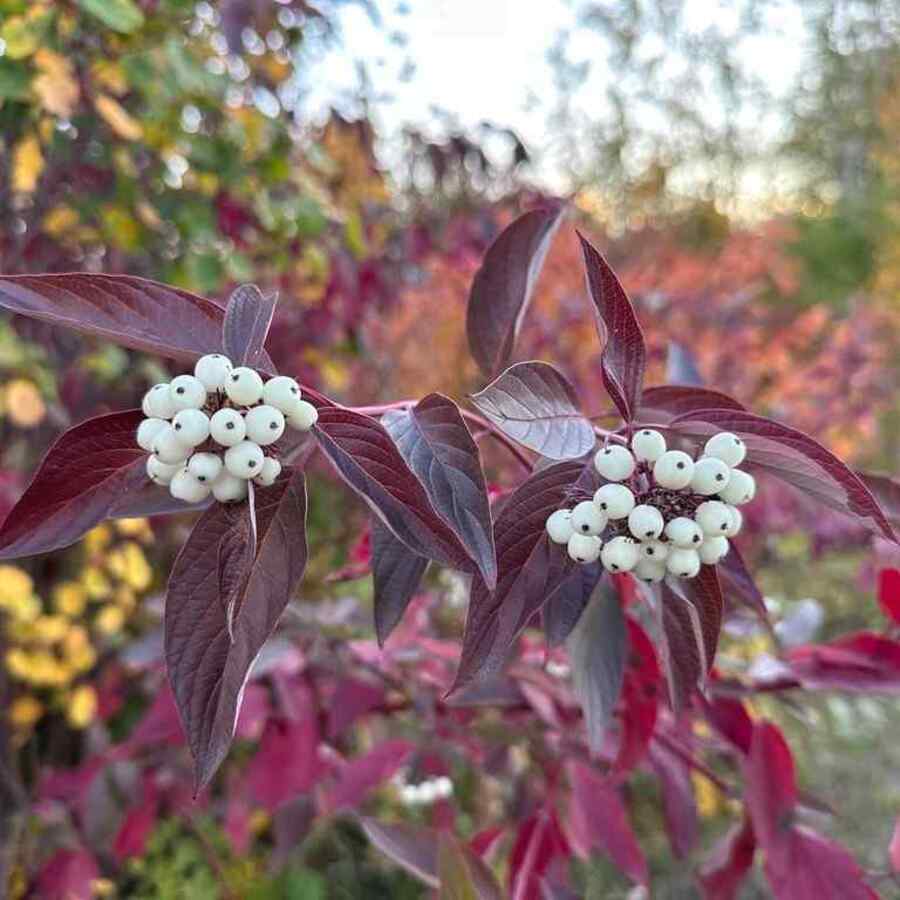
Redosier dogwood is a winter star: its bright red stems light up the landscape when New York turns gray. It’s also a strong native choice for supporting local habitat.
How to use it: Plant in groups for bold winter color, especially against evergreens or light-colored siding.
Care: For the brightest stems, prune out a portion of older wood each spring (or coppice every few years). It tolerates wetter soil better than many shrubs.
10) Juniper (‘Blue Star’, creeping forms, and others)
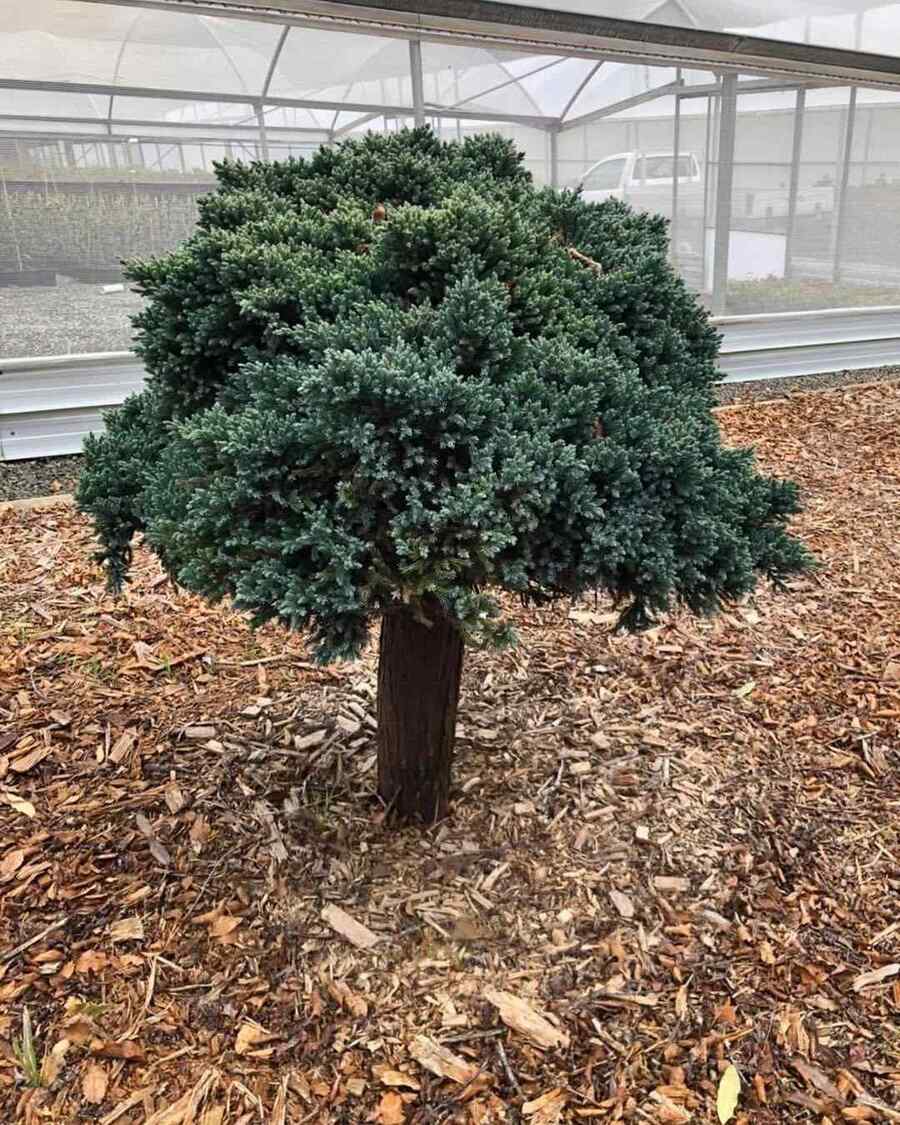
Junipers are adaptable evergreens that handle poor soils and dry spells once established. In New York gardens, they’re excellent for foundation beds, slopes, and spots where you want evergreen texture without constant trimming.
How to use it: Use creeping junipers as clean groundcover along sunny edges; use ‘Blue Star’ as a compact accent repeated along a border.
Care: Full sun for best density. Avoid overwatering and heavy, soggy soil.
FAQ
What time of year is best to plant shrubs in New York?
Early fall is ideal because roots grow while temperatures cool, and spring is also excellent. Avoid planting right before deep winter freeze or peak summer heat.
Which shrubs for New York work best in part shade?
Smooth hydrangea, witch-hazel, winterberry (part shade is okay), and summersweet are strong options for gardens with 3–5 hours of sun.
How can I get winter interest without evergreens?
Use shrubs with berries or colorful stems: winterberry for red fruit and redosier dogwood for red branches. Pair them with ornamental grasses for extra texture.
How far apart should I space shrubs for a full, professional look?
A practical rule: space most medium shrubs about 60–80% of their mature width apart so they knit together without overcrowding. Check plant tags for mature size and adjust for your style (tight hedge vs. airy layering).