Choosing shrubs for Michigan is easiest when you match plants to what your yard already gives you: sun or shade, wet or dry soil, and how much maintenance you’re willing to do. Michigan’s winters can be harsh, summers can swing humid, and many neighborhoods have clay soil—so the smartest shrubs are the ones that handle stress, still look polished, and support birds and pollinators. Below are ten proven picks (many native) with clear, practical guidance so your planting feels personal and your landscape stays beautiful through all four seasons.
Table of Contents
Shrubs for Michigan: Common Ninebark (Physocarpus opulifolius)
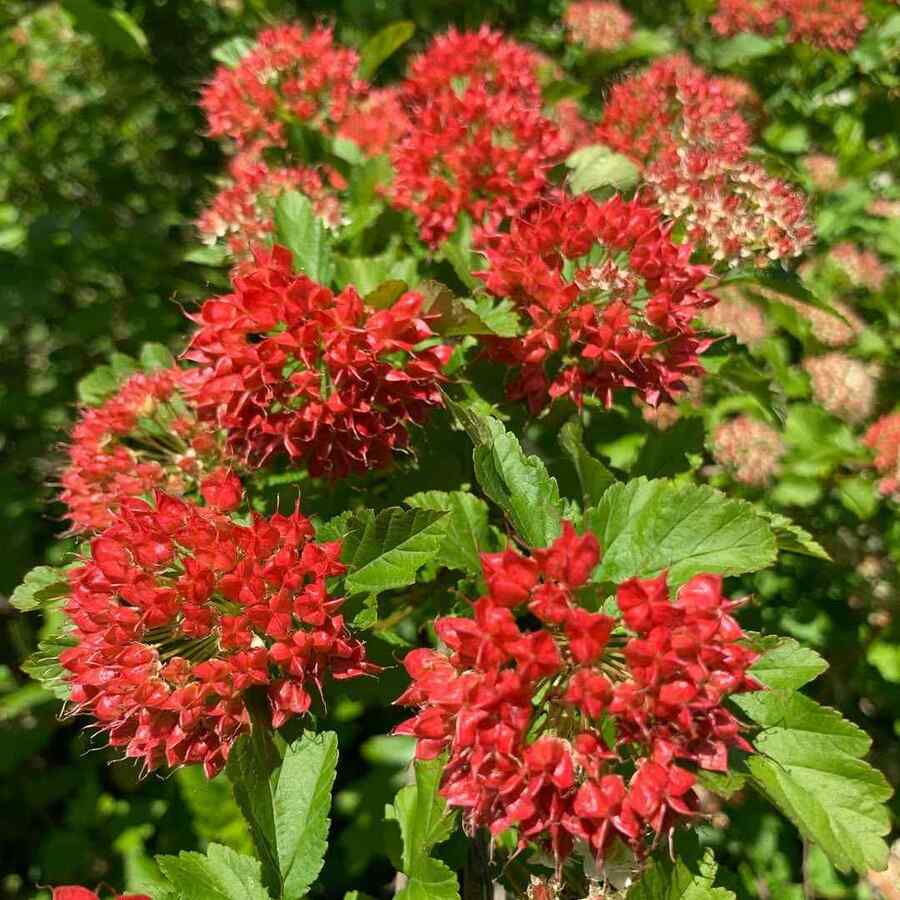
Why it earns a spot (Experience + Expertise): Common ninebark is a Michigan-tough native that performs like a workhorse hedge while still having designer appeal—thanks to its peeling, exfoliating bark and full, layered form. If you’ve ever wanted that “structured but natural” look along a fence line or to soften a foundation, ninebark delivers without babying.
How it looks (Aesthetic cues): In spring, you’ll get clusters of white to soft pink flowers that read clean and classic. The foliage stays dense, which gives you privacy and a lush backdrop for perennials. In winter, the bark adds subtle texture when everything else goes flat.
Where it works best in Michigan:
-
Sun: Full sun to part shade
-
Soil: Adaptable (tolerates clay once established)
-
Best uses: Screening, foundation planting, mixed borders, erosion-prone slopes
How to plant it so it feels “custom”: Place it behind smaller flowering plants to create a layered look: ninebark as the “wall,” then coneflowers or asters as the “soft front.” Space plants so they can mature without constant shearing; you’ll get a more natural, upscale shape.
Care notes: Water the first season; after that it’s generally drought-tolerant. Prune after flowering if you want to control size, or do renewal pruning every few years to keep stems vigorous.
Buttonbush (Cephalanthus occidentalis)
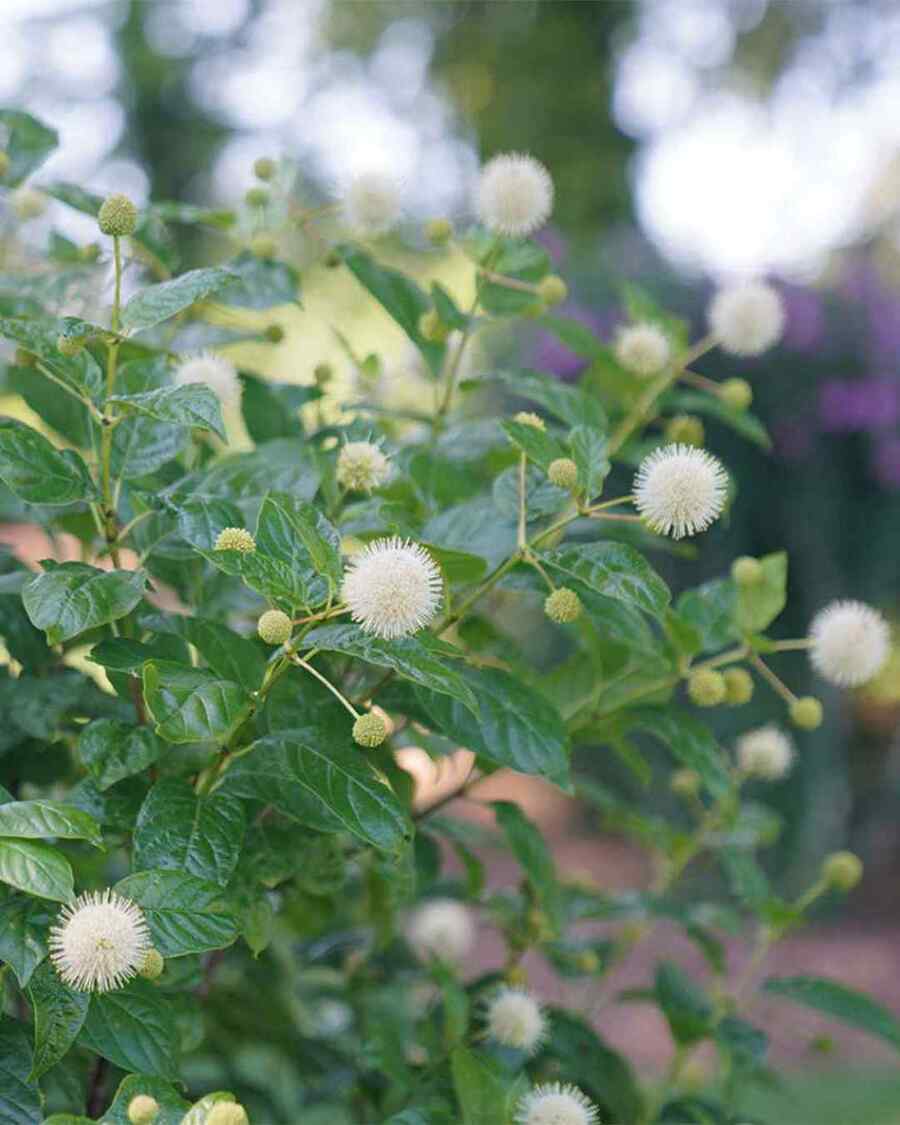
Why it earns a spot: If your yard has a low area that stays damp—or you’re near a pond, ditch, or rain garden—buttonbush is one of the most rewarding shrubs you can plant. It thrives where many shrubs sulk, and it actively supports pollinators.
How it looks: The summer flowers are the main show: white, spherical “pin-cushion” blooms that look like living ornaments. They have a light fragrance and pull in bees, butterflies, and other beneficial insects. The form is bold and slightly wild, which reads intentional when you repeat it in groups.
Where it works best in Michigan:
-
Sun: Full sun to part shade
-
Soil: Moist to wet; tolerates flooding
-
Best uses: Rain gardens, shoreline edges, low spots, naturalized areas
How to style it in a yard: For a polished effect, pair buttonbush with upright grasses (like switchgrass) and a neat edging line—this balance makes the shrub feel “designed,” not messy. In smaller yards, treat it as a focal point instead of a hedge.
Care notes: Minimal once established if soil stays moist. In dry summers, water deeply. Light pruning in late winter can shape it, but avoid heavy pruning right before bloom time.
Winterberry Holly (Ilex verticillata)
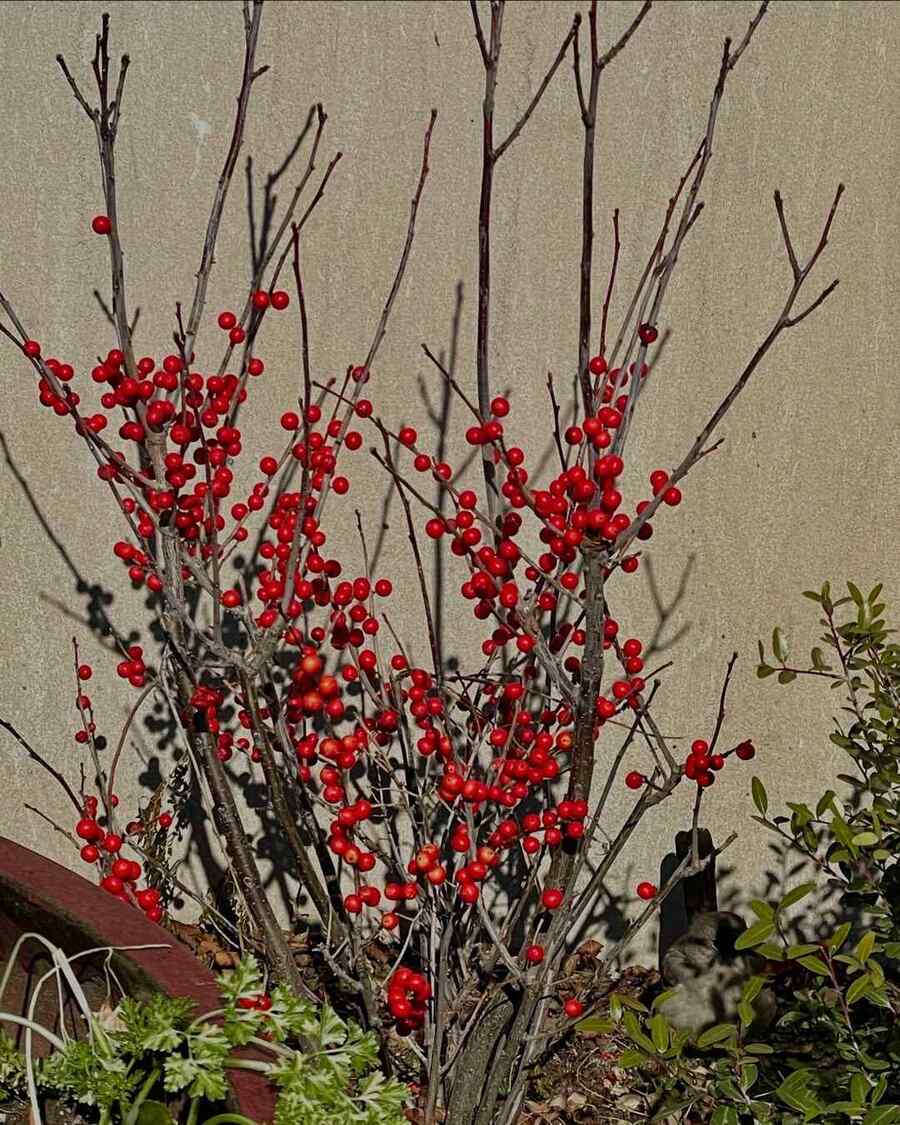
Why it earns a spot: Winterberry is a Michigan native that earns its reputation every year—especially when the landscape turns gray. It’s one of the best shrubs for winter berries that stay bright and decorative when you need color most.
How it looks: Leaves drop in fall, and then the stems carry vivid red berries that can last into winter, often becoming a magnet for birds. It’s a clean, graphic look—like natural holiday décor without trying.
Where it works best in Michigan:
-
Sun: Full sun to part shade (best berrying in more sun)
-
Soil: Moist, acidic to neutral
-
Best uses: Winter interest, wildlife gardens, mixed borders, near evergreens for contrast
Important planting detail (Trust + specific instruction): Winterberry is dioecious—you need a male plant nearby for females to set berries. A simple approach: plant one male for several females within the same general area (nearby in the landscape).
Care notes: Mulch helps keep roots cool and moisture steady. Prune in late winter if needed—berries form on new growth, so light shaping is fine.
Arrowwood Viburnum (Viburnum dentatum)
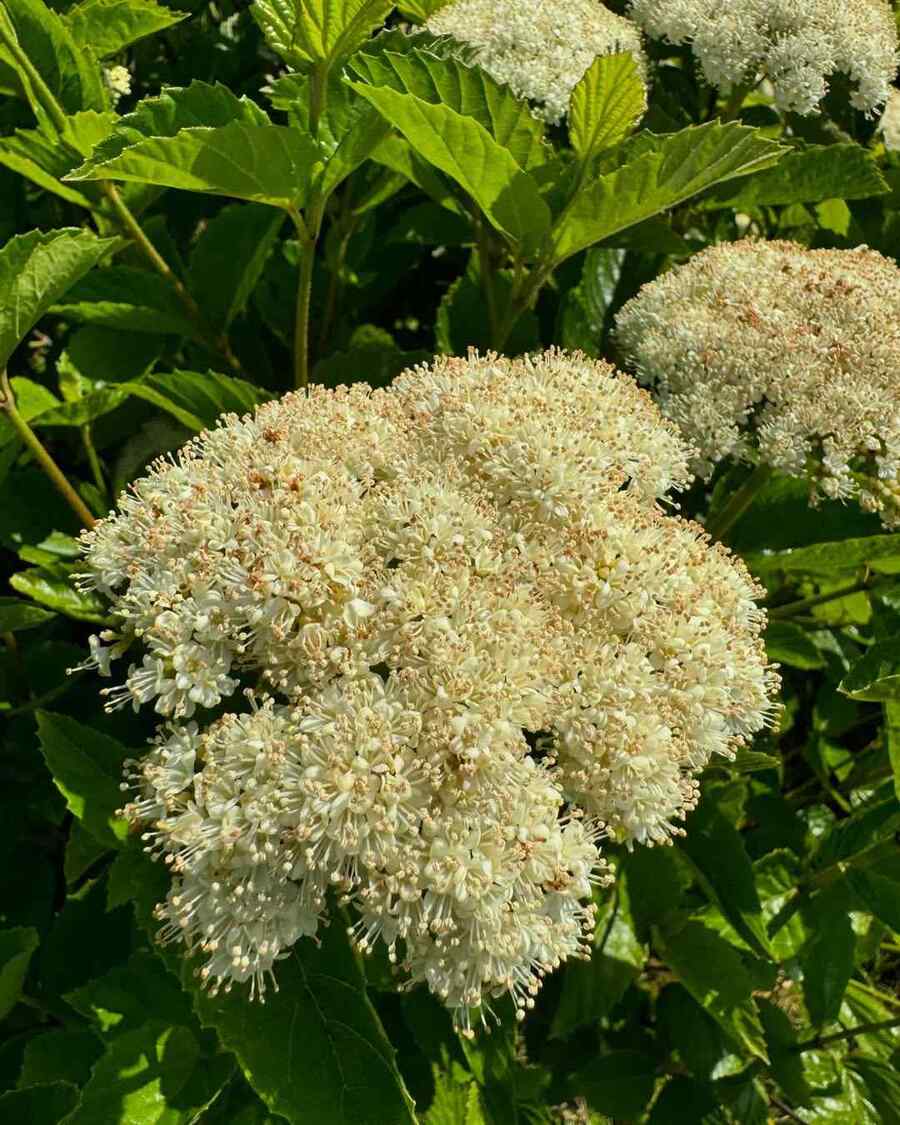
Why it earns a spot: Arrowwood viburnum is a reliable multi-stem shrub that gives you three-season value: flowers, berries, and fall color. It’s also a strong choice for privacy without the stiff “wall” feeling.
How it looks: In spring, flat-topped white blooms read airy and natural. By fall, you’ll see blue to blue-black berries and foliage that shifts into red-burgundy tones, which looks especially rich against tan ornamental grasses.
Where it works best in Michigan:
-
Sun: Full sun to part shade
-
Soil: Adaptable, prefers consistent moisture
-
Best uses: Hedging, privacy screens, wildlife borders, woodland edges
How to make it feel intentional: Plant in a gentle curve (not a straight line) and repeat the same spacing—this creates a designer rhythm. If privacy is the goal, stagger plants in two rows for depth.
Care notes: Prune after flowering if you want to keep berries (pruning late can reduce fruit). Generally low-fuss once established.
Red-Osier Dogwood (Cornus sericea)
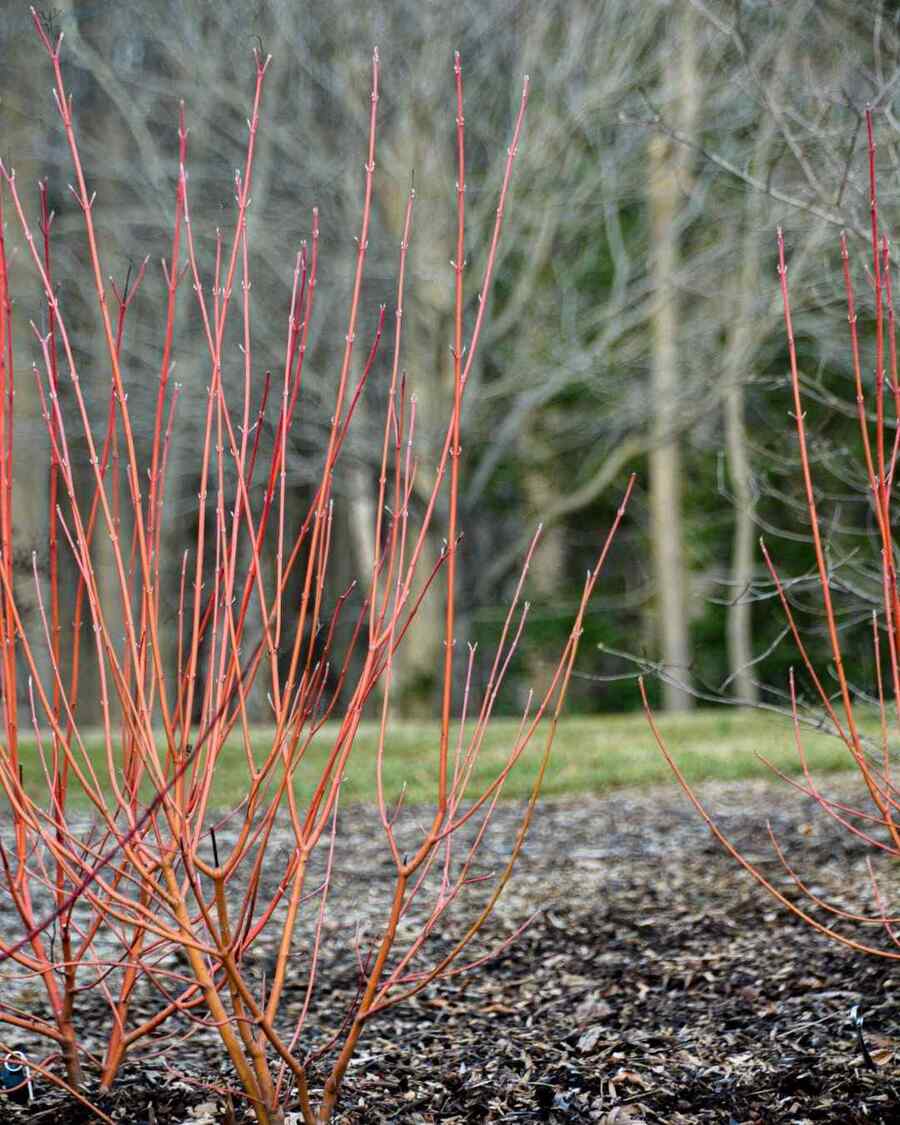
Why it earns a spot: When Michigan winter hits, red-osier dogwood becomes a landscape “light source.” Its bright red stems stand out against snow, evergreens, and tan dormant grasses.
How it looks: Spring flowers are subtle, but winter is the headline season. In mass plantings, the red stems create a bold sweep of color that reads modern and clean.
Where it works best in Michigan:
-
Sun: Full sun to part shade
-
Soil: Moist; excellent for wetter areas
-
Best uses: Winter color, rain gardens, stream banks, natural screens
Design tip: For a high-end look, plant dogwood behind a low evergreen or dark mulch bed so the red stems pop. If you want a softer, cottage feel, weave it with grasses and seed heads.
Care notes: To keep stem color vivid, do renewal pruning: remove some older stems at the base every year or two so new red stems dominate.
Blackhaw Viburnum (Viburnum prunifolium)
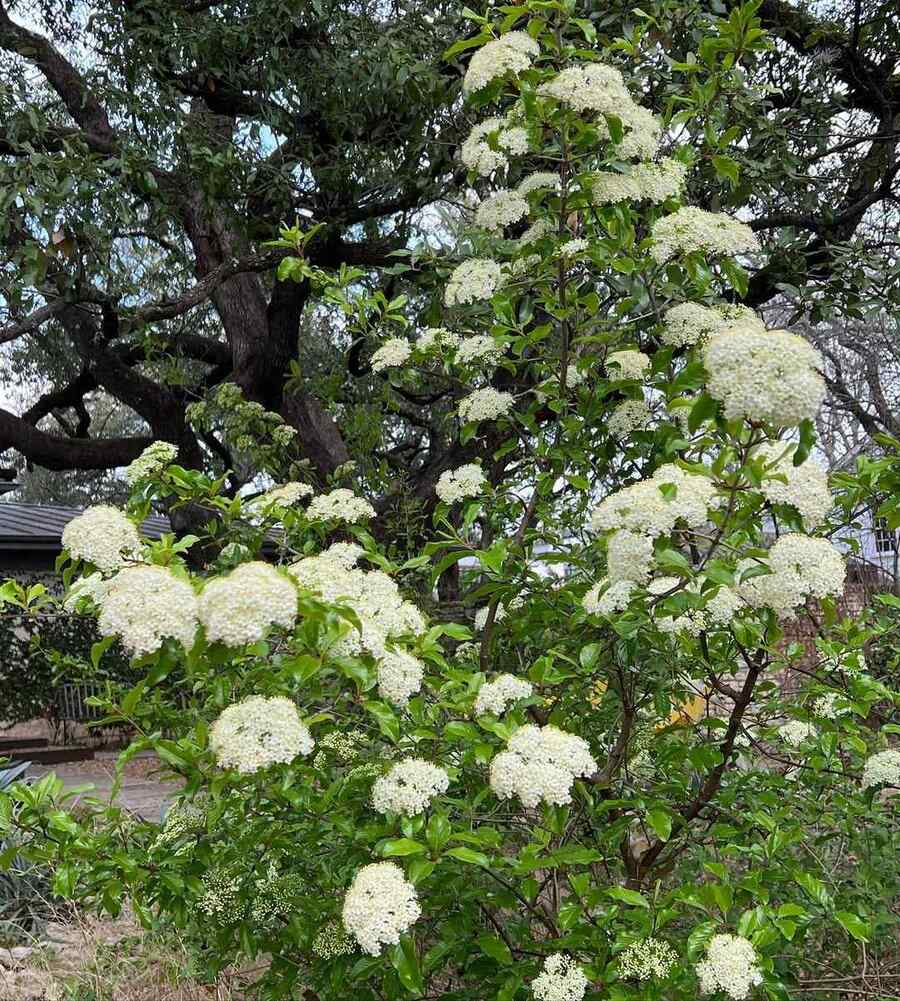
Why it earns a spot: Blackhaw viburnum is tough, adaptable, and quietly elegant—great for homeowners who want a shrub that looks refined without constant maintenance.
How it looks: Spring brings white flower clusters, followed by blue-black fruit that can be edible and is valuable for wildlife. Fall color can be excellent, often shifting into warm tones that pair beautifully with brick homes and natural stone.
Where it works best in Michigan:
-
Sun: Full sun to part shade
-
Soil: Adaptable; handles clay better than many shrubs
-
Best uses: Screening, mixed borders, property edges, naturalized hedges
Personalized placement: If your yard feels “flat,” use blackhaw as a mid-story anchor between tall trees and low perennials. It builds depth and makes the space feel finished.
Care notes: Minimal pruning needed; shape lightly after flowering. Water during extended droughts in the first couple years.
Spicebush (Lindera benzoin)
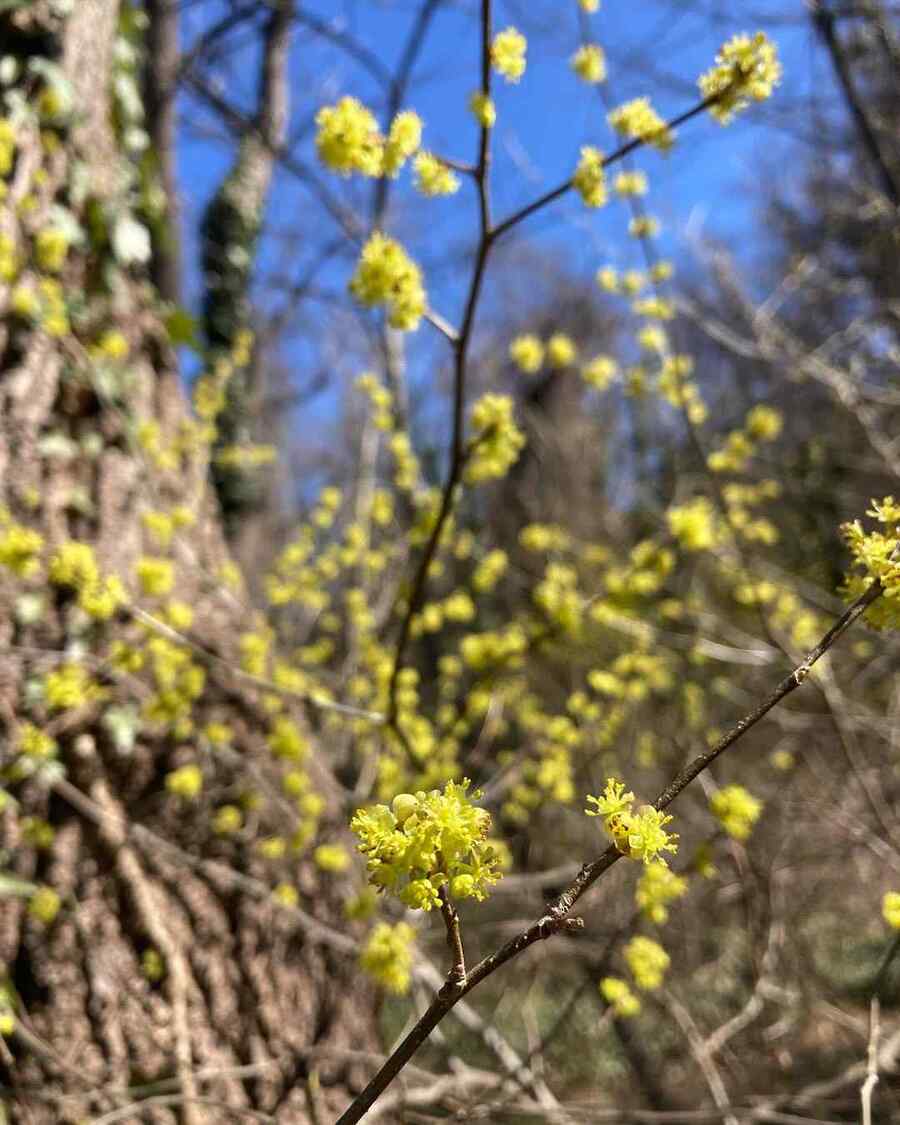
Why it earns a spot: Spicebush is for the gardener who wants a shrub that feels native, fragrant, and a little magical—especially in spring. It’s also a strong pick for partial shade, a common Michigan condition.
How it looks: Early in the season, it produces small yellow flowers that brighten the landscape before many shrubs wake up. The leaves are aromatic when crushed, and the fall color can glow yellow, giving you a warm woodland palette.
Where it works best in Michigan:
-
Sun: Part shade to shade (tolerates sun with moisture)
-
Soil: Moist, well-drained
-
Best uses: Woodland gardens, shaded borders, native plantings
How to make it feel familiar in a home landscape: Place it near a path or patio edge where you’ll brush by it—this is where the scent becomes part of the experience. It pairs well with ferns, hostas, and spring bulbs for a layered shade garden.
Care notes: Keep soil evenly moist during establishment. Prune lightly for shape; it naturally develops an attractive form.
Common Elderberry (Sambucus canadensis)
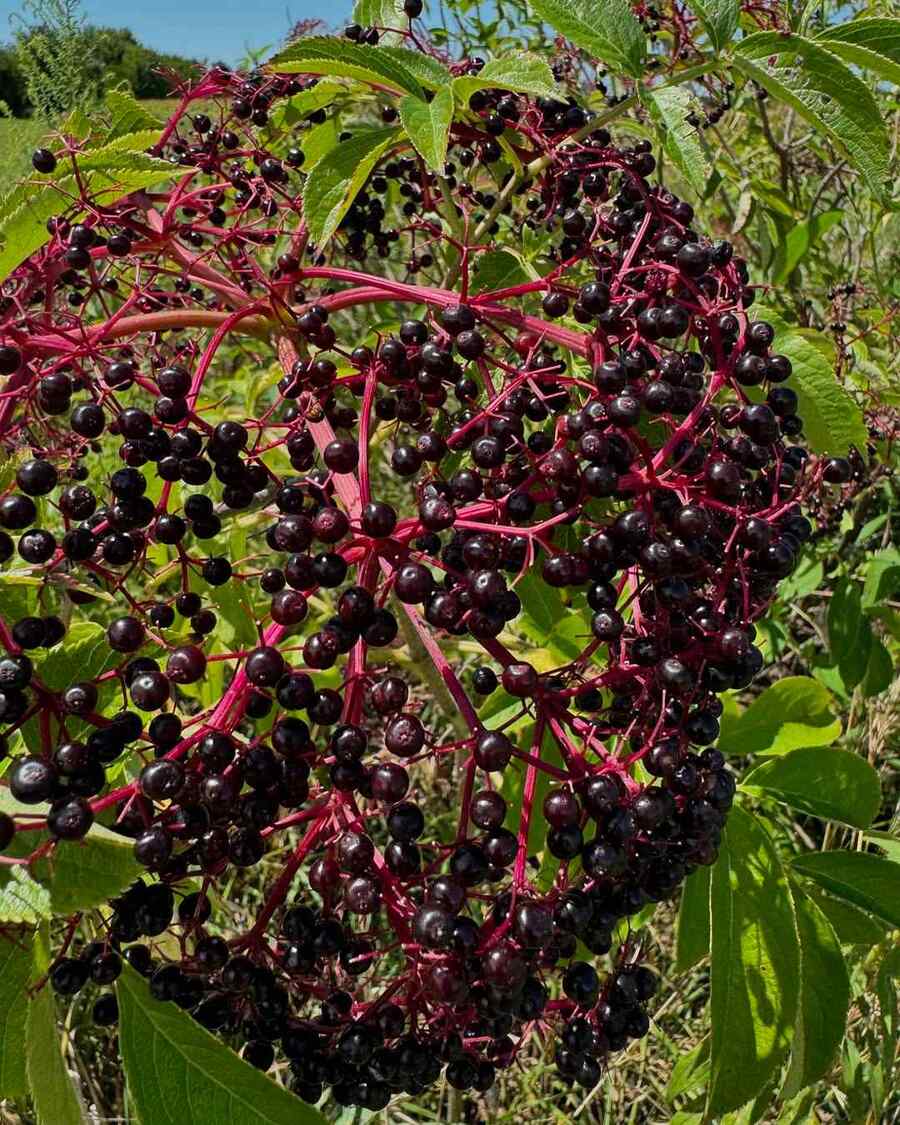
Why it earns a spot: Elderberry is fast-growing and generous—flowers for pollinators, berries for birds (and for you, if you process them properly), and a bold presence that fills space quickly.
How it looks: Large creamy flower clusters appear in early summer, followed by dark purple berries later. The overall feel is lush and abundant—perfect if you want a “productive landscape” aesthetic.
Where it works best in Michigan:
-
Sun: Full sun to part shade
-
Soil: Moist; tolerates heavier soils
-
Best uses: Wildlife gardens, edible landscapes, screening, back-of-border structure
Practical safety note (Authority): Elderberries are commonly used in syrups and preserves, but they should be properly prepared; avoid casual raw consumption. Treat it like a kitchen-craft plant.
Care notes: Prune in late winter to manage size and encourage fresh growth. Give it room; it can spread and looks best when allowed to be full.
Dwarf Bush Honeysuckle (Diervilla lonicera)
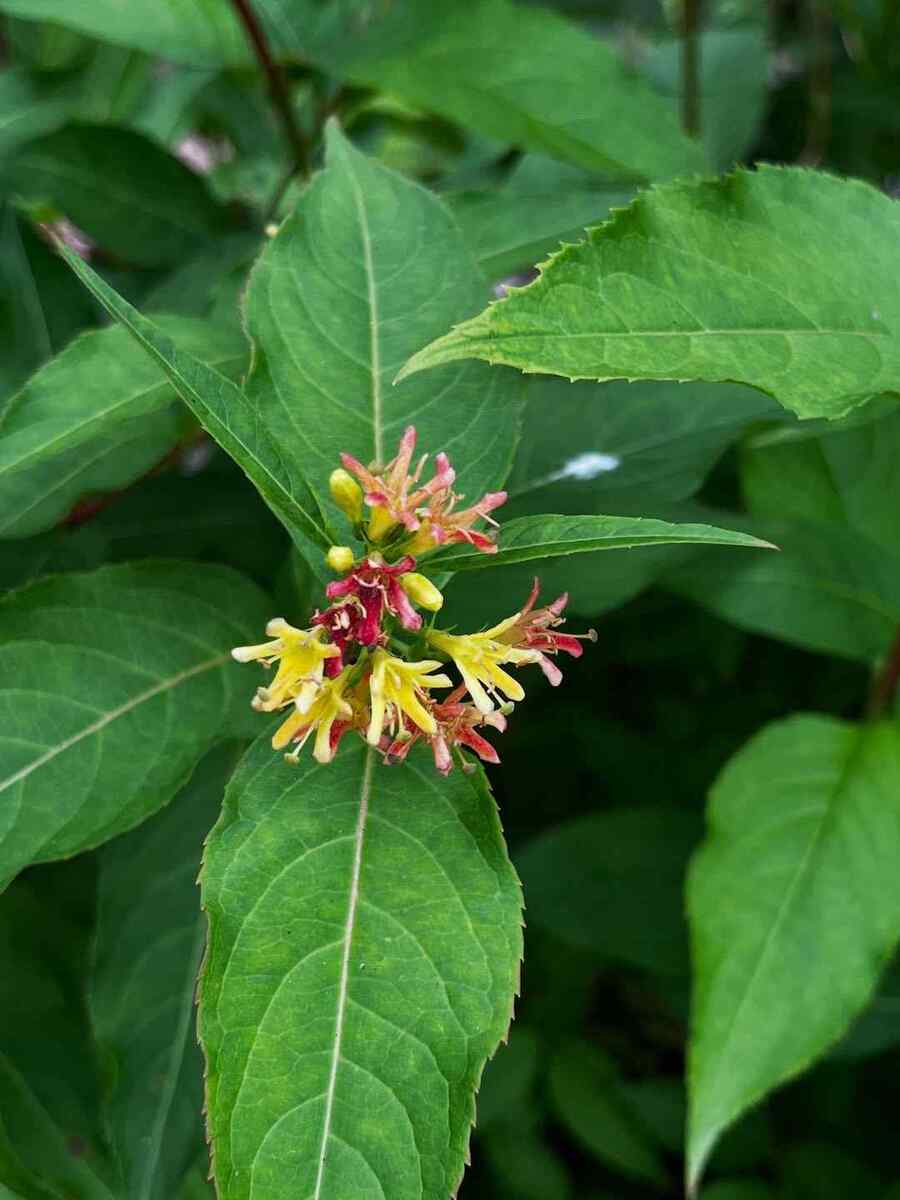
Why it earns a spot: If you’ve got dry shade—under trees, beside a garage, or on the north side of a home—this is one of the most dependable shrubs you can plant. It’s compact, native, and surprisingly tough.
How it looks: The flowers are small but charming, often yellowish, and the foliage can take on warm tones later in the season. The form stays tidy, making it ideal for “easy-care” borders.
Where it works best in Michigan:
-
Sun: Shade to part sun
-
Soil: Dry to average; tolerates poor soils
-
Best uses: Dry shade beds, low hedges, underplanting, slope stabilization
How to style it: Use it as a repeating “grounding” shrub in a border—think of it like punctuation. Repeat it every few feet and weave in shade perennials for a cohesive, calm look.
Care notes: Very low maintenance. Occasional thinning keeps it fresh, but many gardeners leave it alone.
Serviceberry (Amelanchier spp.)
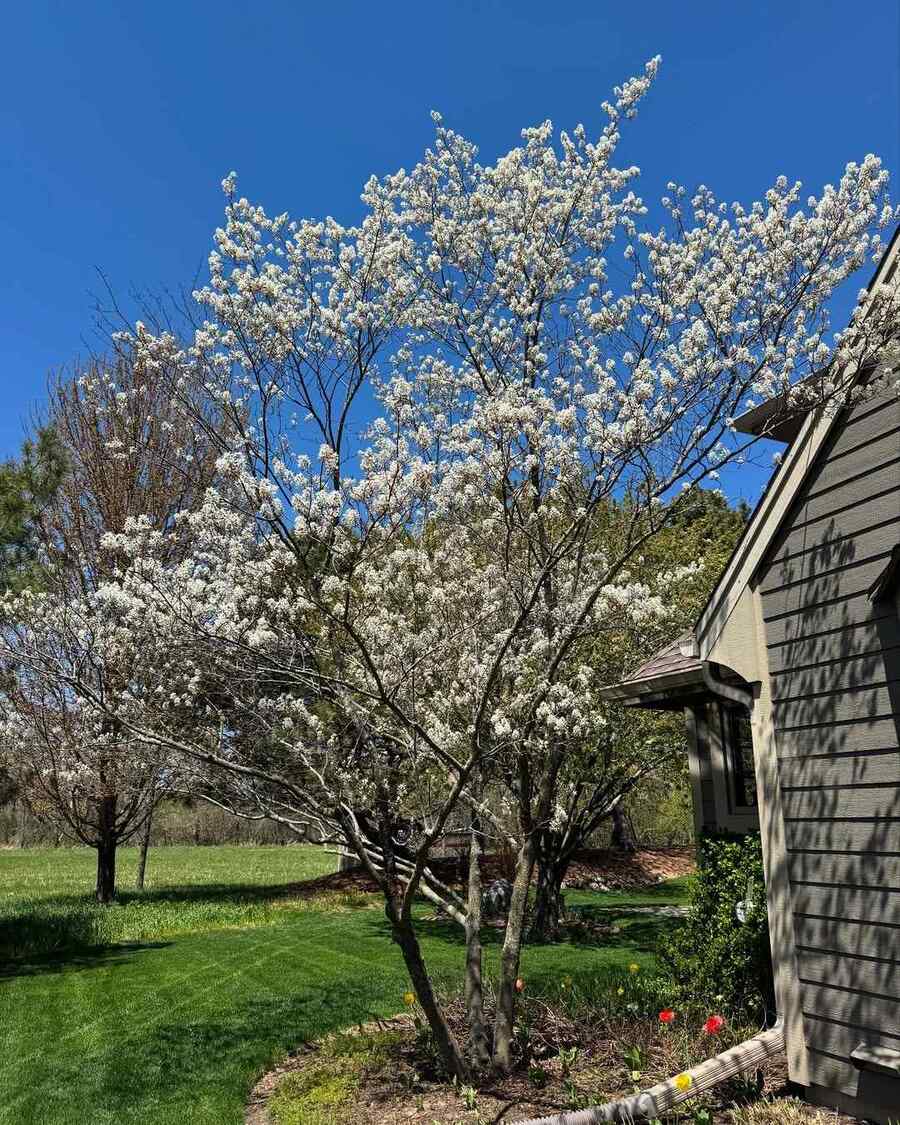
Why it earns a spot: Serviceberry gives you a near-complete four-season performance: early bloom, handsome foliage, and in many varieties, edible berries. It can be grown as a large shrub or small tree, so it’s flexible for Michigan lots.
How it looks: Early spring brings white flowers that feel crisp and uplifting after winter. Many types produce berries that shift color as they ripen, followed by attractive fall foliage. The branching structure can also look sculptural in winter.
Where it works best in Michigan:
-
Sun: Full sun to part shade
-
Soil: Well-drained to average; tolerates a range with good establishment care
-
Best uses: Specimen planting, foundation accent, mixed borders, edible landscaping
Personalization tip: If you want a front-yard focal point that still feels natural, plant a serviceberry as a “soft tree” near the corner of your house. Underplant with spring bulbs and a simple ring of mulch for a clean, welcoming entry view.
Care notes: Water well during the first year. Light pruning for structure is usually enough.
FAQ: Shrubs for Michigan
1) What are the easiest low-maintenance shrubs for Michigan?
Common ninebark, dwarf bush honeysuckle (Diervilla), and arrowwood viburnum are strong choices because they tolerate common Michigan conditions like clay soil, temperature swings, and periodic drought once established.
2) Which shrubs give the best winter interest in Michigan?
Winterberry holly provides standout berries, and red-osier dogwood delivers intense red stems that read beautifully against snow and evergreens.
3) What shrubs work best in wet areas or rain gardens?
Buttonbush and red-osier dogwood are excellent for moist to wet sites. Winterberry also handles consistent moisture well and adds winter berries for seasonal color.