New England gardens have a special kind of charm: crisp winters, bright springs, and summers that make blooms feel like a celebration. Choosing shrubs for New England is less about chasing fussy trends and more about pairing cold-hardiness with season-long beauty—berries that glow against snow, fragrant flowers near a walkway, and evergreen structure that keeps the yard feeling “finished” in February. Below are ten reliable picks (many native) with practical care notes so you can match each shrub to your light, soil, and the mood you want—cozy cottage, polished hedge, or woodland edge.
Table of Contents
Shrubs for New England: 10 reliable choices for four-season gardens
1) Winterberry Holly (Ilex verticillata)
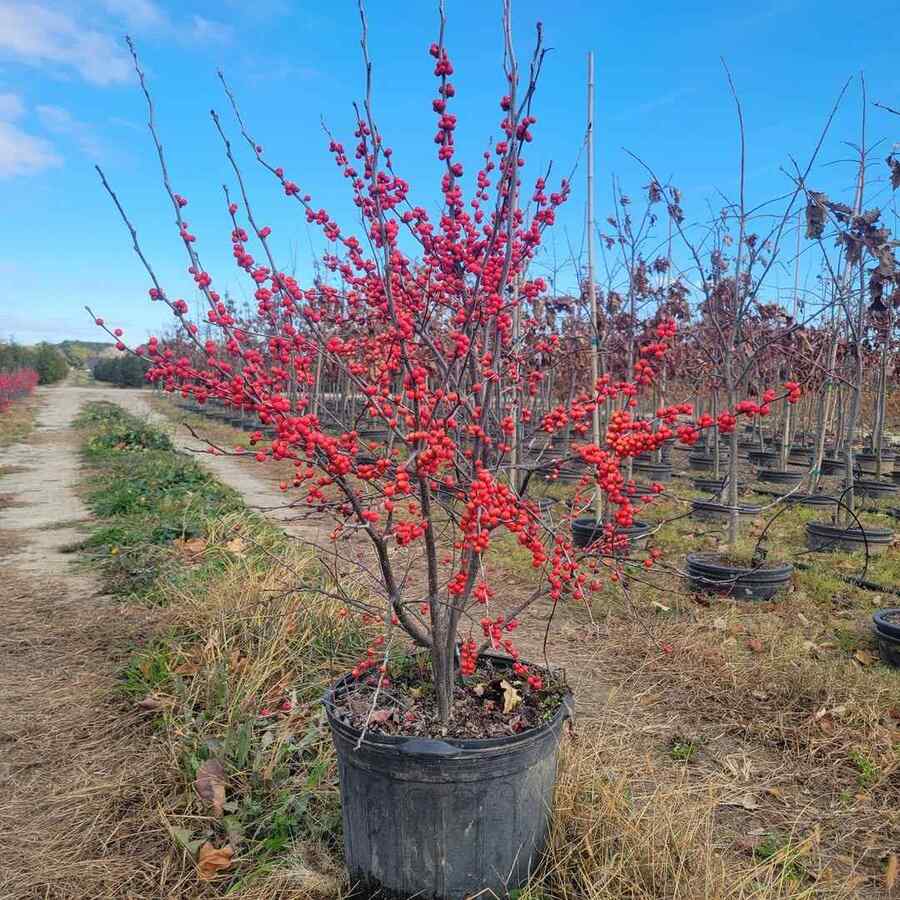
Winterberry is a New England classic for winter color—those vivid red berries read like holiday décor, even in a windswept yard. It’s native, deciduous, and happiest in moist to average soil with full sun to part shade. For strong berry set, plant one male pollinator near several females (labels matter). Use it where you’ll see it from a kitchen window or along a driveway bend so the berries become a focal point when everything else is quiet. Prune in late winter to shape, but don’t shear hard every year; you want a natural framework that holds fruit well. Add cool-season grasses nearby for an elegant, airy contrast.
2) Witch Hazel (Hamamelis virginiana)
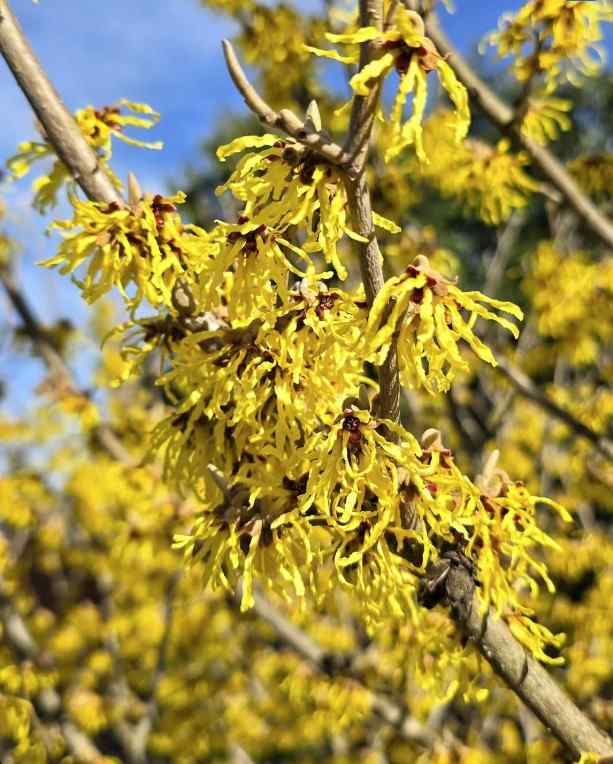
Witch hazel offers a rare gift: late-season bloom when the garden feels finished. Its ribbon-like yellow flowers show up in fall and can linger toward early winter, adding a subtle glow along woodland edges. As a native shrub, it handles New England conditions with confidence, preferring part shade and even moisture, though established plants tolerate average soils. Place it near a path or porch where you can appreciate its delicate fragrance on crisp afternoons. Let it keep a loose, vase-shaped form—minimal pruning is best, limited to removing crossing branches after flowering. Pair it with evergreens behind it so the blooms and branching silhouette stand out.
3) Panicle Hydrangea (Hydrangea paniculata)
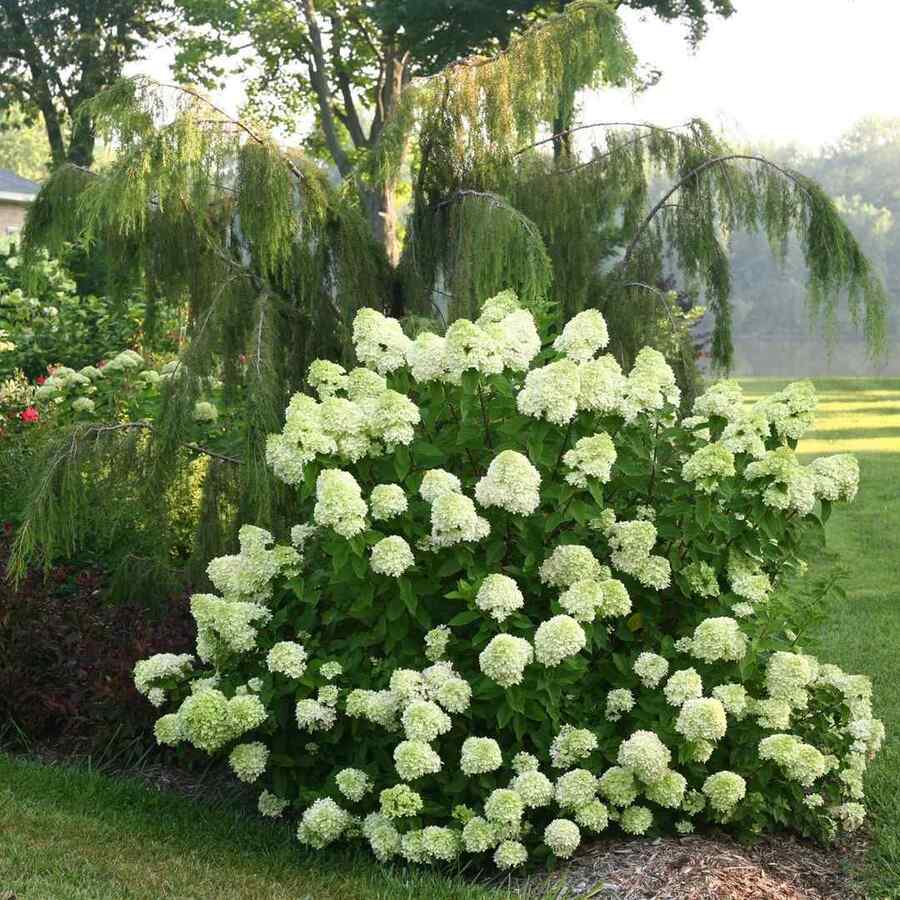
If you want dependable summer drama without constant worry, panicle hydrangea earns its spot. Many cultivars are very hardy, and the cone-shaped blooms can shift from creamy white to blush or deep pink as the season progresses. Give it full sun to light shade (more sun = sturdier blooms) and consistent water in heat. Put it as an anchor in mixed borders or as a soft hedge that still feels tailored. Prune in late winter or early spring, since it blooms on new wood—a relief compared to fussier types. For a refined look, underplant with low hostas or hardy geraniums to frame the big flower heads.
4) Inkberry Holly (Ilex glabra)
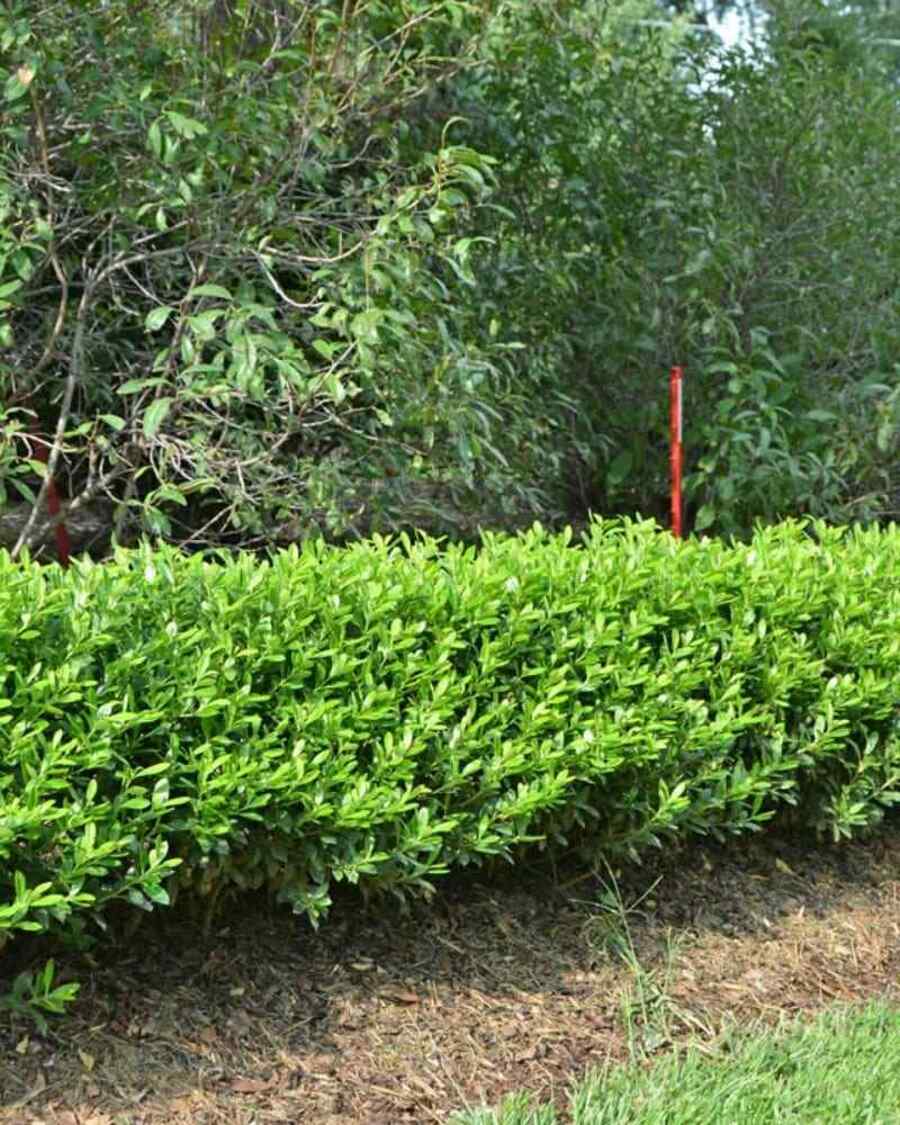
Inkberry is an evergreen native that brings calm, steady structure—exactly what New England landscapes need when perennials disappear. It tolerates wet soil, salt, and part shade, and it can form a handsome massing near foundations or as a low screen. Leaves are small and glossy, giving a tidy texture without the prickles of many hollies. Like winterberry, fruiting is stronger with a male nearby, though the black berries are more understated. Avoid frequent tight shearing; instead, thin a few older stems every couple of years to keep it full from the base. For a modern feel, repeat inkberry in simple drifts and edge with stone.
5) Summersweet (Clethra alnifolia)
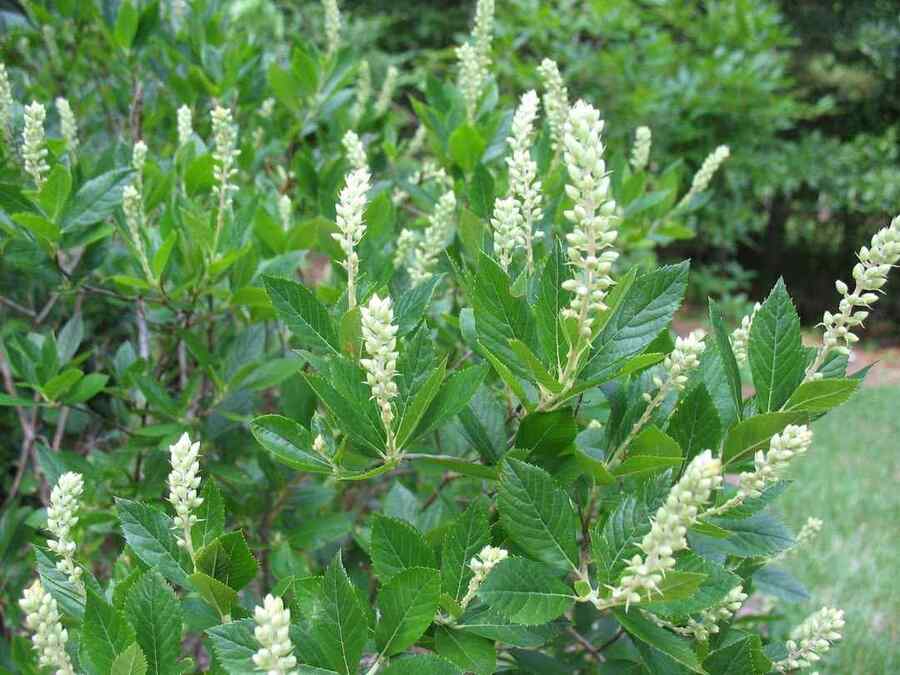
Summersweet is for gardeners who want fragrance without babying a plant. This native shrub flowers in mid-to-late summer with sweet-scented spikes that pull in pollinators, and it does surprisingly well in shade and moist soils. That makes it ideal for the side yard, under light tree cover, or near a downspout area where other shrubs sulk. Cultivars range from compact to tall, so you can fit it into small borders or naturalistic plantings. Prune lightly after flowering if needed, or simply remove a few older stems in early spring. For a cozy, familiar vibe, place it near a patio seat—its scent makes warm evenings feel extra inviting.
6) Smoke Bush (Cotinus coggygria)
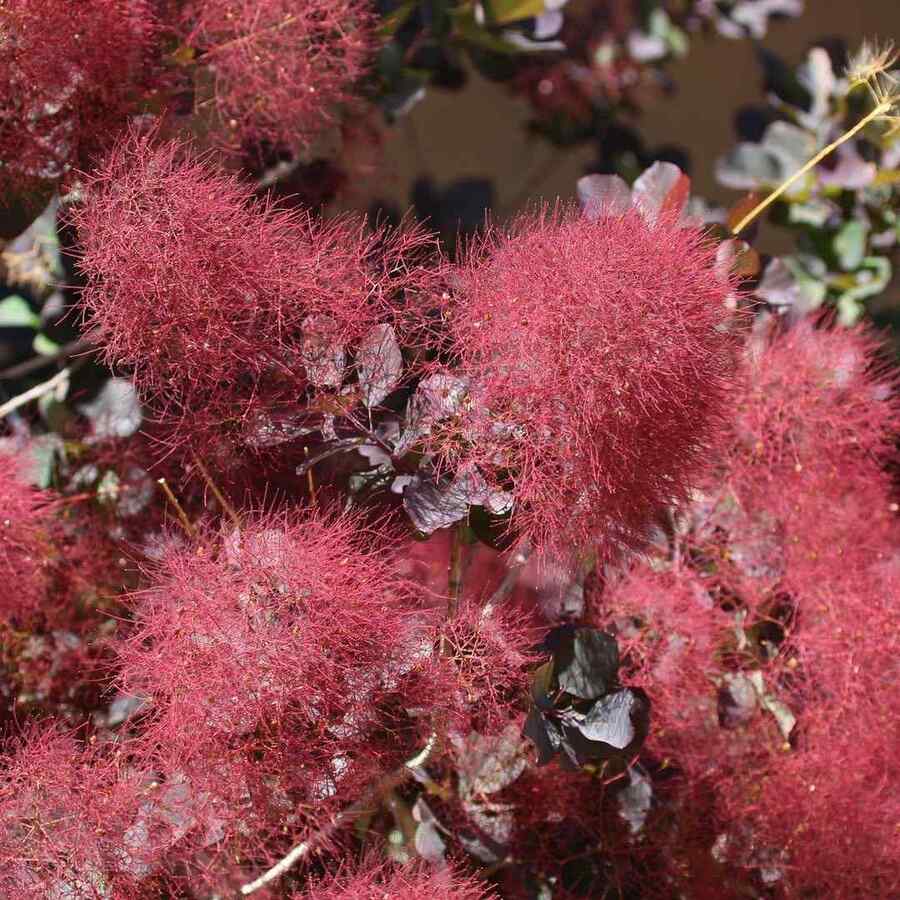
Smoke bush is a color-and-texture statement piece—great when your landscape needs one bold note. Many varieties offer burgundy, plum, or golden foliage, and the airy “smoke” plumes add a hazy softness in summer. In New England, it performs best in full sun with well-drained soil; too much shade can dull the leaf color. Use it as a focal point at the back of a border, or as a contrasting accent against evergreens. You can prune it to a multi-stem shrub form, or cut back harder in early spring for larger leaves (fewer flowers). For a designer look, repeat its leaf color in nearby perennials—purple salvia or chartreuse groundcovers.
7) Boxwood (Buxus)
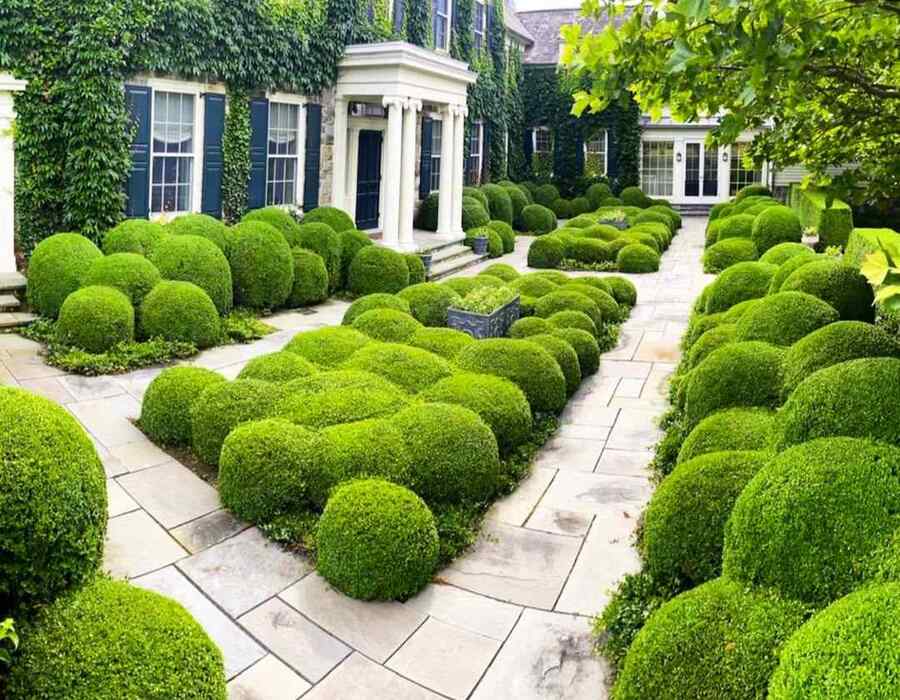
Boxwood brings classic structure—clean lines, evergreen presence, and that “finished garden” feel in every season. In New England, choose hardy cultivars and site them thoughtfully: morning sun with afternoon protection helps reduce winter burn, and well-drained soil prevents stress. Use boxwood to edge paths, frame a front entry, or create a low hedge that makes flowering shrubs and perennials feel intentional. Avoid heavy late-season pruning; shape in late spring after the first flush. Winter care matters—mulch the root zone, water before freeze-up, and consider burlap in exposed sites. The payoff is year-round formality that still pairs beautifully with looser, cottage-style blooms.
8) Mountain Holly (Ilex mucronata)
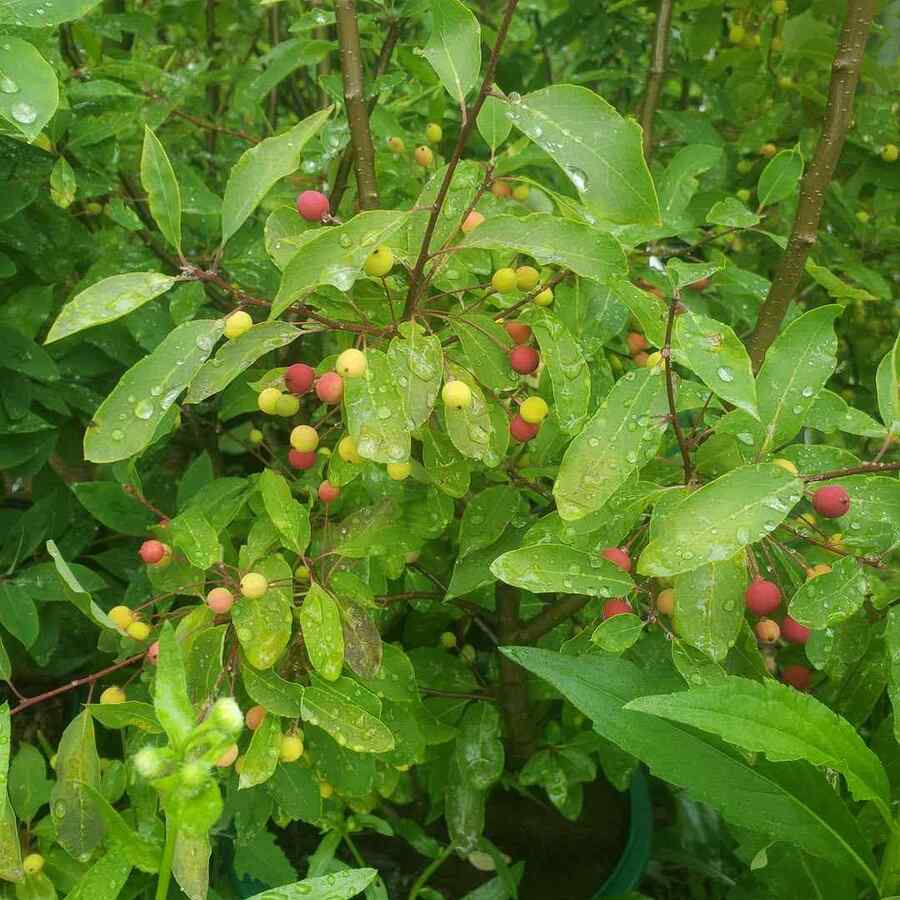
Mountain holly (often still sold under its older name, Nemopanthus) is a tough, understated native that shines in naturalistic New England plantings. It’s deciduous, with small leaves and a graceful habit, and females can carry attractive berries when a male plant is nearby. It tolerates wet areas and acidic soils, making it a strong choice near ponds, rain gardens, or low spots where other shrubs struggle. Think of it as a supporting actor that improves the whole scene—especially when paired with ferns, dogwoods, and native grasses. Prune minimally, mostly to remove dead wood or lightly shape in late winter. Place it where subtle texture and wildlife value matter more than big flowers.
9) Japanese Maple ‘Bloodgood’ (Acer palmatum ‘Bloodgood’)
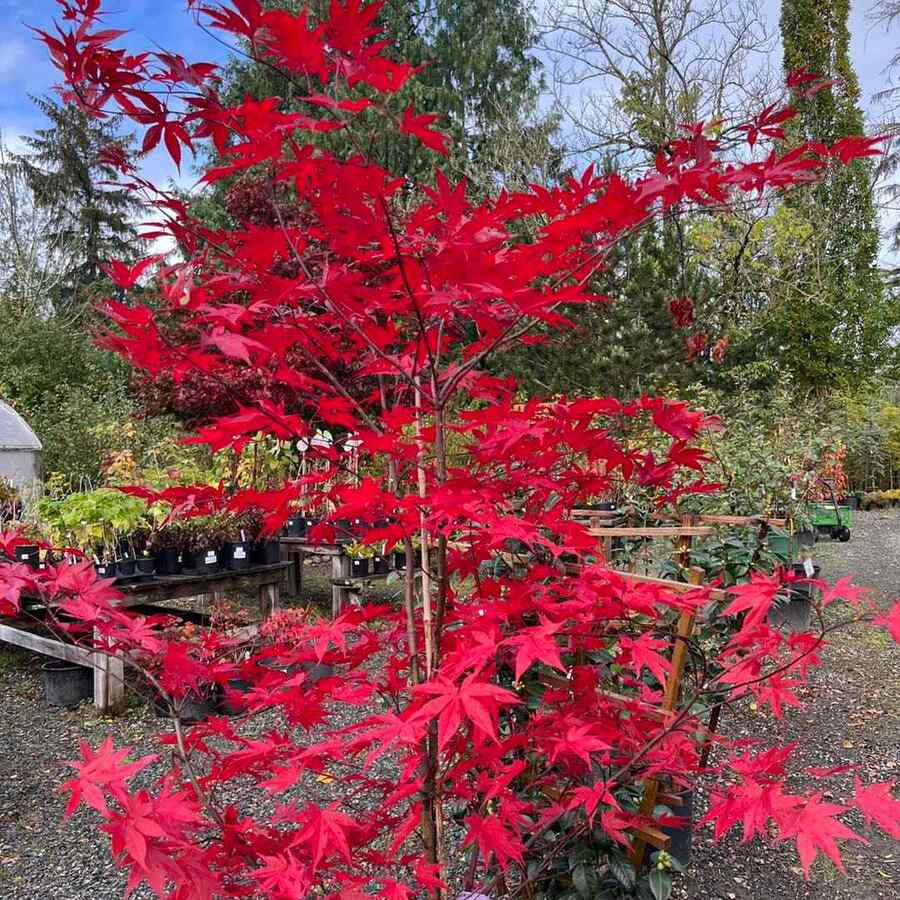
In many New England yards, ‘Bloodgood’ reads as a small tree, but it can function like a large shrub—especially in layered borders. Its deep red foliage brings instant elegance, and the branching structure gives winter interest when placed against a light fence or snow. Provide shelter from harsh wind, consistent moisture, and well-drained soil; afternoon shade can help prevent leaf scorch in hot spells. Use it near an entry or patio where its color becomes part of the home’s style—modern, traditional, or cottage. Prune sparingly to highlight its natural shape, removing only crossing branches. Pair it with hydrangeas or pale hostas to make the red tones feel rich, not heavy.
10) Lilac (Syringa)
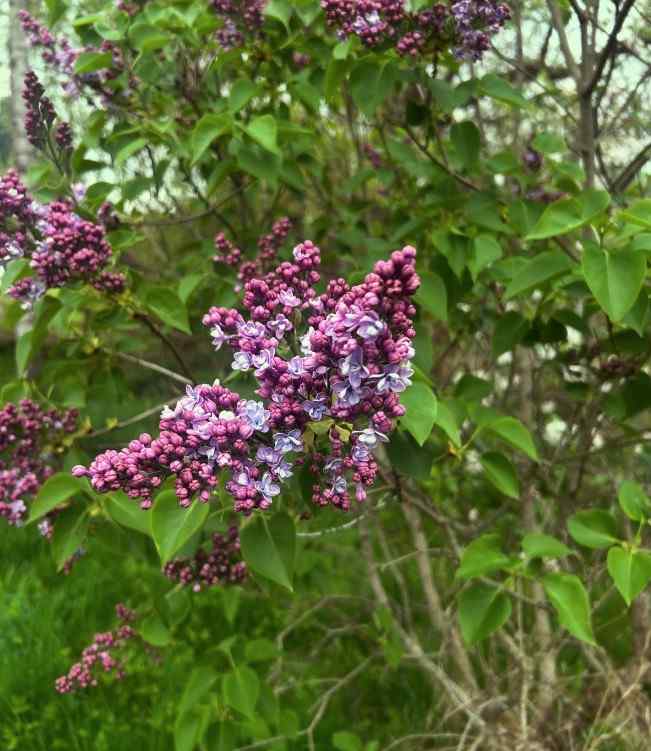
Lilacs are woven into New England memory—spring perfume, old stone walls, and that first warm evening with windows open. They need full sun and good air circulation to reduce mildew, plus well-drained soil. Plant them where fragrance matters: along a walkway, near a gate, or just outside a bedroom window. For long-term health, avoid tight shearing; instead, remove a few older stems at ground level right after flowering to renew the shrub over time. Choose hardy, disease-resistant cultivars for easier care and more consistent bloom. In a mixed border, lilac provides a strong spring peak—then let summer shrubs like hydrangea and summersweet carry the show while the lilac becomes a leafy backdrop.
FAQ
1) What are the easiest low-maintenance shrubs for New England?
Inkberry holly, panicle hydrangea, and summersweet are typically dependable with basic watering the first year and light pruning.
2) Which shrubs give the best winter interest?
Winterberry (berries), inkberry and boxwood (evergreen structure), and Japanese maple (branching silhouette) keep the landscape attractive after leaf drop.
3) Can I grow these shrubs in partial shade?
Yes—witch hazel, inkberry, and summersweet handle partial shade well. For best flowering and color, hydrangea paniculata and smoke bush prefer more sun.
4) Do I need pollinators for berry-producing hollies?
Often, yes. Winterberry and mountain holly set more berries when a compatible male plant is nearby; nursery tags usually specify the match.