If you garden in Iowa, you already know the “secret handshake” of Midwestern landscaping: cold winters, hot summers, wind, and clay-heavy soil can humble even experienced plant lovers. The good news is that there are many shrubs for Iowa that don’t just survive—they make your yard feel finished, welcoming, and intentionally designed. Below are 10 shrubs that perform beautifully in USDA Zones 4–5, with practical notes on placement, care, and the small styling choices (mulch lines, grouping, backdrop plants) that make everything feel cohesive.
Table of Contents
Shrubs for Iowa: 10 dependable picks that handle Zones 4–5
1) Panicle Hydrangea (Hydrangea paniculata)
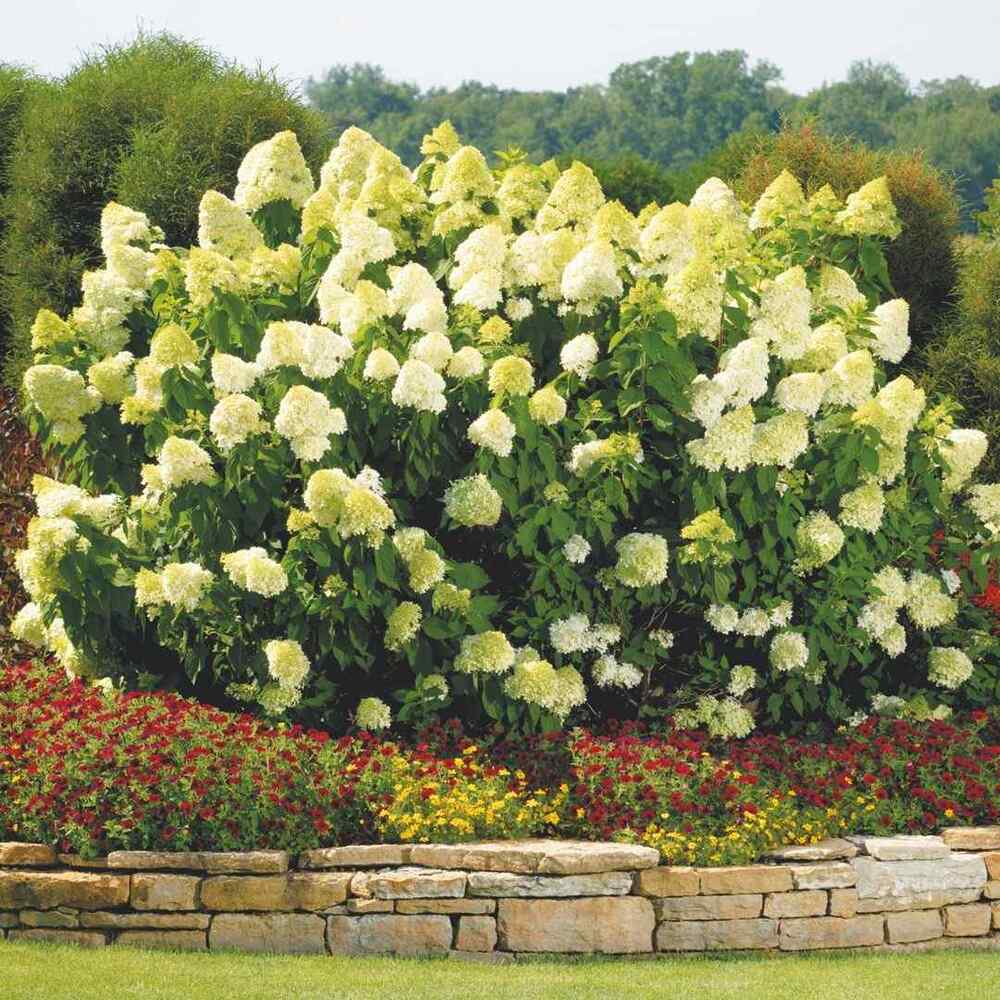
Panicle hydrangea is one of the most reliable flowering shrubs for Iowa because it’s cold-hardy, sun-tolerant, and forgiving—a combination that feels tailor-made for unpredictable Midwest seasons. Its cone-shaped blooms open white and often blush pink as summer matures into early fall, which means you get a long runway of color when many gardens start fading.
Where it looks best: Place it where you want a “soft spotlight”—near a patio, at the corner of a house, or in a mixed border behind perennials. If you want a tidy, upscale look, set panicle hydrangeas in a gentle arc and underplant with low mounding perennials or ornamental grasses. The blooms read as elegant from the street, but still feel friendly up close.
Light & soil: Full sun to part sun is ideal; morning sun with afternoon light shade also works. It’s adaptable to many soils, including Iowa clay, as long as drainage isn’t swampy.
Care tips for Iowa: Water deeply during establishment (first year), then it becomes fairly tolerant. The key advantage: it blooms on new wood, so you can prune in late winter/early spring without sacrificing flowers. For a strong structure and larger blooms, prune back by about a third; for a bigger shrub with more blooms, prune lightly.
Design note: Pair with evergreens (juniper or yew) behind it for contrast, so those creamy blooms “pop” even from a distance.
2) Lilac (Syringa spp.)
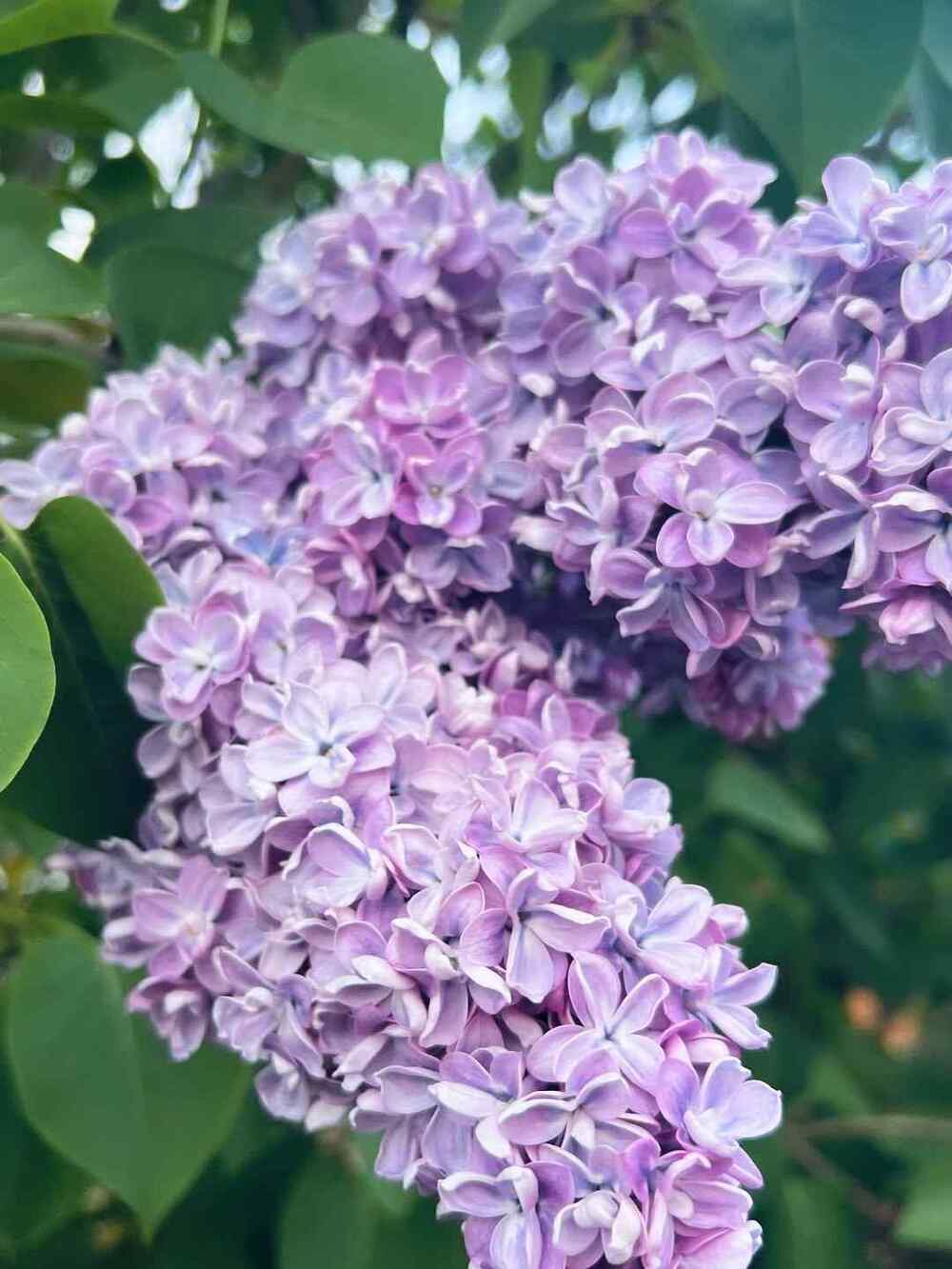
Lilacs are an Iowa classic for a reason: they’re hardy, fragrant, and long-lived, and they create that “homey” spring moment that makes neighbors slow down on evening walks. The scent alone can set the tone of your entire yard—nostalgic, welcoming, and calm.
Where it looks best: Lilacs shine along property lines, near a driveway, or as a loose screen. If you want a more curated aesthetic (not just “grandma’s lilac”), give it breathing room, edge the bed cleanly, and keep the base open instead of crowding it with random plants. A lilac with a tidy mulch ring and a few intentional companions looks instantly more modern.
Light & soil: Full sun is important for bloom quality and disease resistance. They prefer decent drainage; clay is fine if it’s not waterlogged.
Care tips for Iowa: Prune right after flowering—that’s the big rule—because lilacs set next year’s flower buds soon after they bloom. Remove a few older stems at ground level each year to keep it vigorous. Good air circulation reduces powdery mildew issues.
Design note: Combine lilacs with spring bulbs (daffodils or alliums) nearby for a layered spring show, then let summer perennials take over once lilac blooms finish.
3) Viburnum (Viburnum spp.)
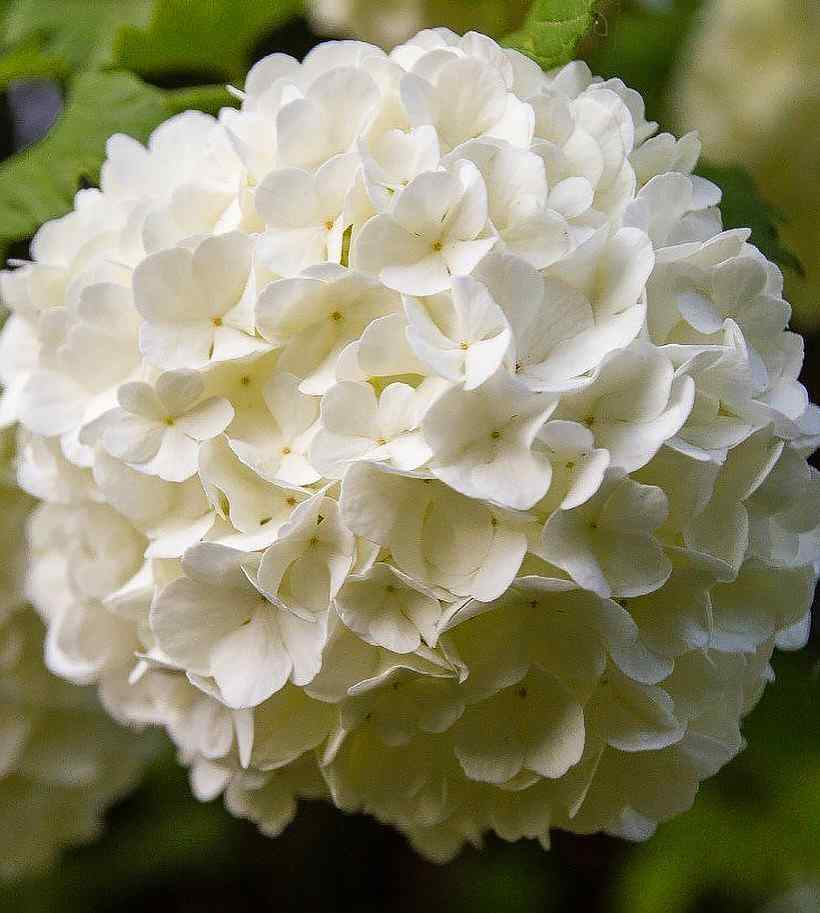
If you want a shrub that does more than one job—flowers, berries, fall color, and sometimes fragrance—viburnum is a powerhouse for Iowa landscapes. Many types thrive in Zones 4–5 and handle the Midwest “mood swings” better than fussier ornamentals.
Where it looks best: Viburnums are excellent as mid-border anchors, foundation plantings (with enough space), or informal hedges. They look especially polished when planted in groups of 3 or 5. A single viburnum can feel a bit “lonely,” but a small cluster reads as intentional design.
Light & soil: Most do well in full sun to part shade. They’re adaptable, but consistent moisture during establishment helps.
Care tips for Iowa: Minimal pruning is needed—just remove crossing branches and shape lightly after bloom if desired. Many viburnums offer berries that feed birds; if you enjoy wildlife, leave some fruiting stems rather than shearing everything tidy.
Which types to consider:
-
Arrowwood viburnum: dependable, adaptable, great for hedging
-
‘Brandywine’ viburnum (a trilobum-type hybrid): notable fruit and fall color
Design note: Viburnum fall color can be stunning; echo it by adding a few ornamental grasses nearby for a warm, autumn-ready palette.
4) Redosier Dogwood (Cornus sericea)
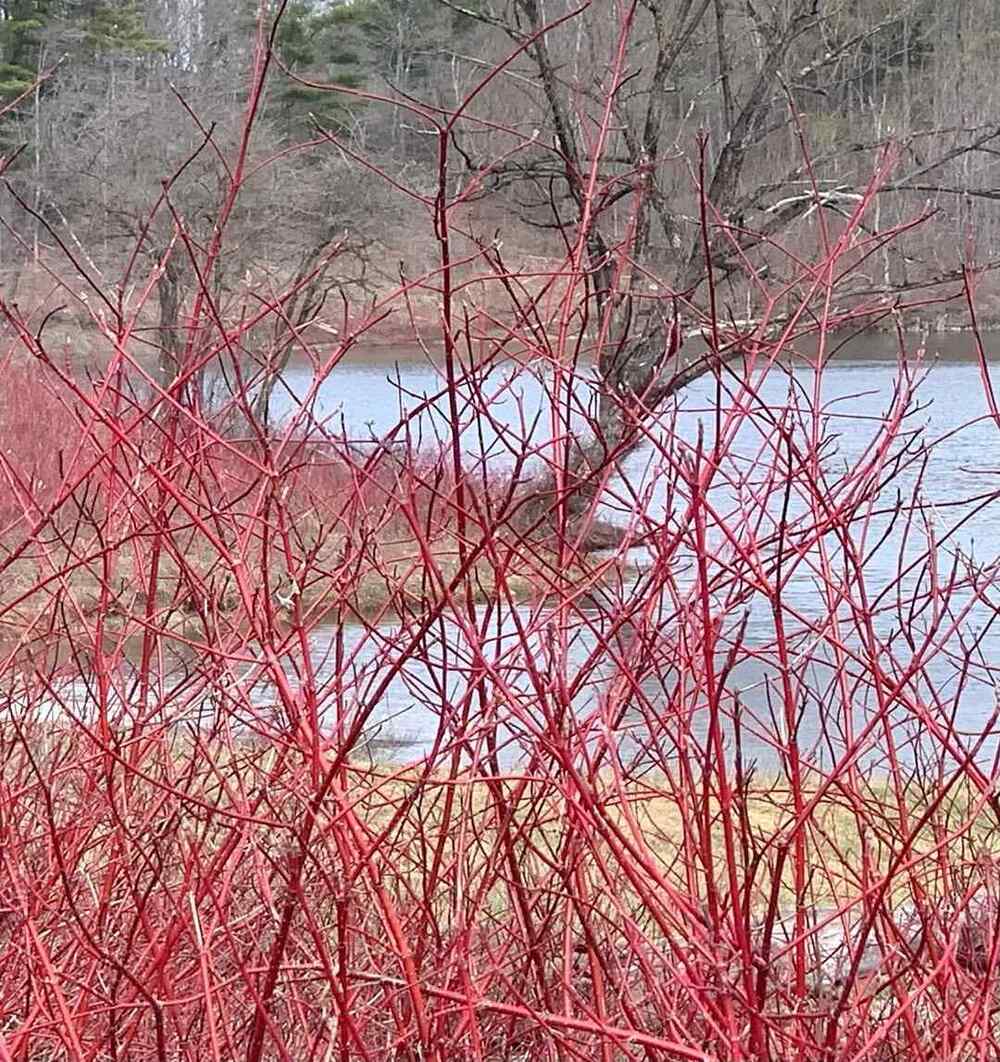
Redosier dogwood is a native shrub that earns its keep year-round, especially in Iowa winters. When everything is gray and flat, its bright red stems provide real color—like a winter scarf wrapped around your landscape. It’s also a great candidate for wetter areas where other shrubs sulk.
Where it looks best: Use it where winter visibility matters: along a driveway curve, beside an entry walk, or near a window you see from the kitchen. It also fits beautifully at the back of a rain garden or near a downspout area—anywhere the soil stays a bit moist.
Light & soil: Full sun gives the best stem color, but it tolerates part shade. It handles moist soils well and adapts to clay.
Care tips for Iowa: The most vivid red stems are on younger growth. Every few years, rejuvenate it by cutting back a portion of the oldest stems (or the whole shrub if needed) in late winter/early spring. Don’t be afraid—redosier bounces back strongly.
Design note: For a high-end winter look, pair redosier dogwood with dark evergreens behind it. That red-on-green contrast is crisp and intentional.
5) Ninebark (Physocarpus opulifolius)
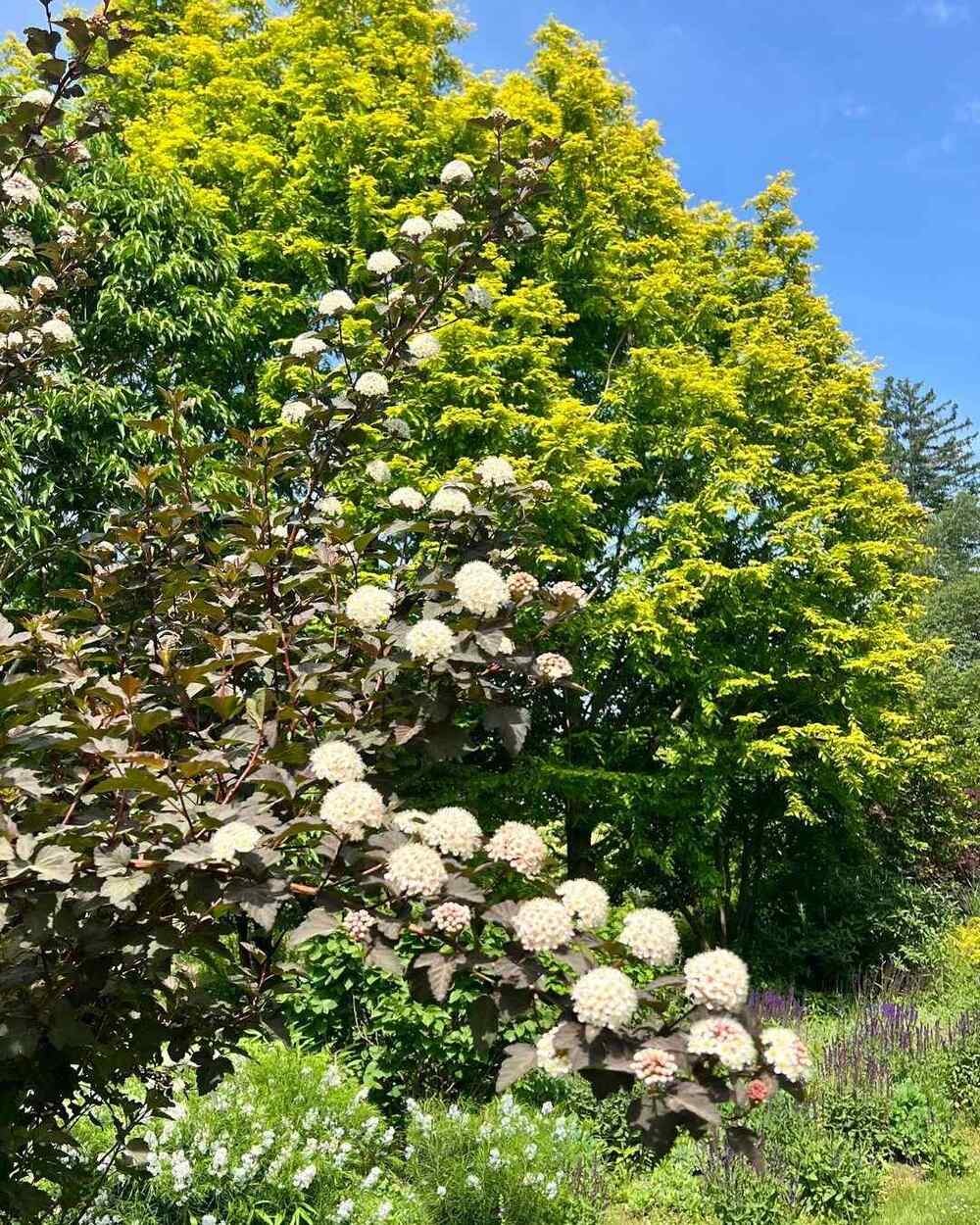
Ninebark is native, tough, and incredibly useful when you want structure without drama. It handles drought once established, tolerates clay, and offers interesting texture—peeling bark plus foliage in shades from green to deep purple depending on the cultivar.
Where it looks best: Ninebark works as a backdrop shrub in mixed borders or as a mass planting on the sunny side of a property. If you have a wide open lawn and want more “shape” in the landscape, a row of ninebarks (properly spaced) can create depth and a natural screen.
Light & soil: Full sun brings out the best foliage color, especially in purple-leaf varieties. It’s adaptable to many soils.
Care tips for Iowa: It’s low maintenance. If it gets too large, prune immediately after flowering or selectively remove older stems at the base. Avoid turning it into a tight hedge—ninebark looks best with a natural form.
Design note: Purple ninebark behind pale blooms (like panicle hydrangea) gives a designer contrast that looks planned, not accidental.
6) Spirea (Spiraea spp.)
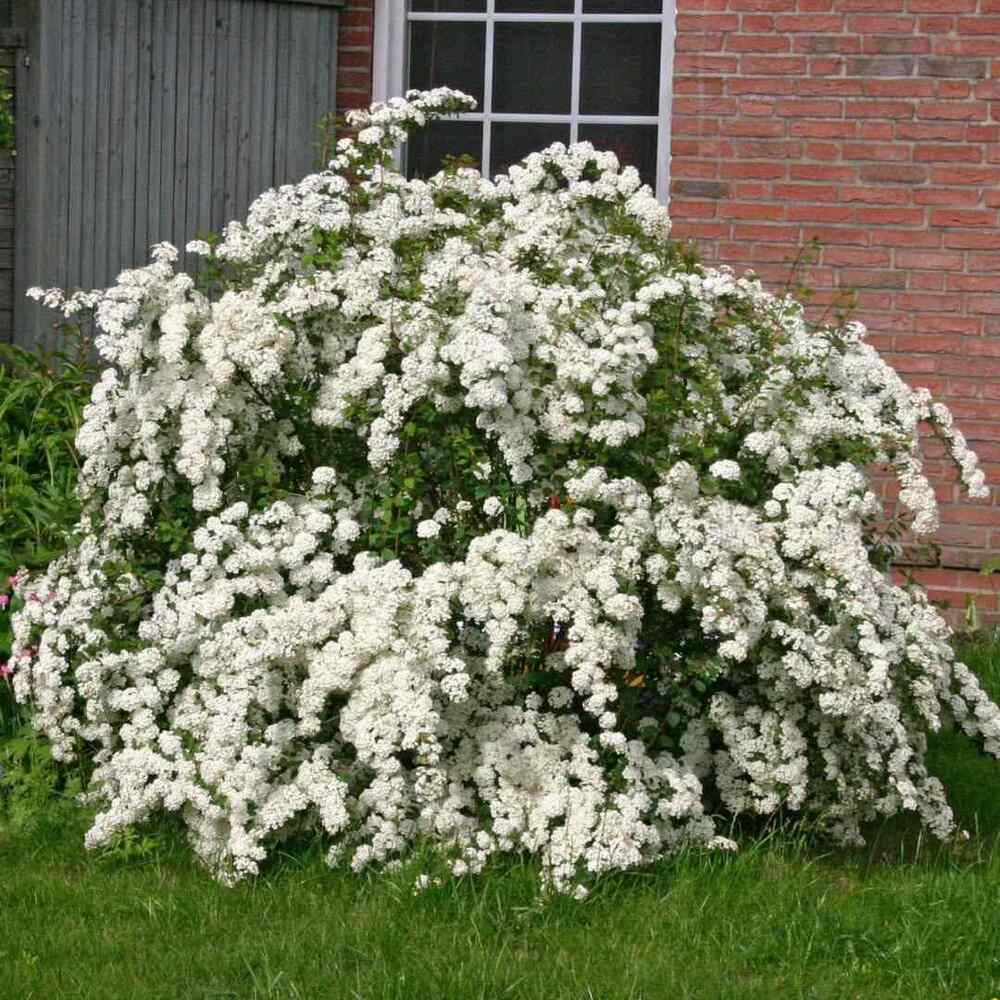
Spirea is the “steady friend” of Iowa landscaping—dependable, sun-loving, and full of cheerful flowers. Some bloom in spring, others in summer, so you can choose the timing that fits your yard’s rhythm. It’s also a great shrub for people who want attractive results without fussy routines.
Where it looks best: Use spirea along walkways, in front of taller shrubs, or in foundation beds where you want a reliable mound of color and foliage. If your home has strong straight lines, spirea can soften them without getting messy.
Light & soil: Full sun is best for flowering and compact shape. It’s tolerant of typical Iowa soils.
Care tips for Iowa: Many spireas respond well to a light trim after flowering to encourage fresh growth and sometimes a second flush of blooms. Avoid heavy shearing into perfect “meatballs” unless that’s truly your style; a gentle shaping keeps it looking natural and current.
Design note: Create repetition for a cohesive look—plant the same spirea variety in two or three separate spots to visually “tie” beds together.
7) Shrubby Cinquefoil (Potentilla fruticosa)
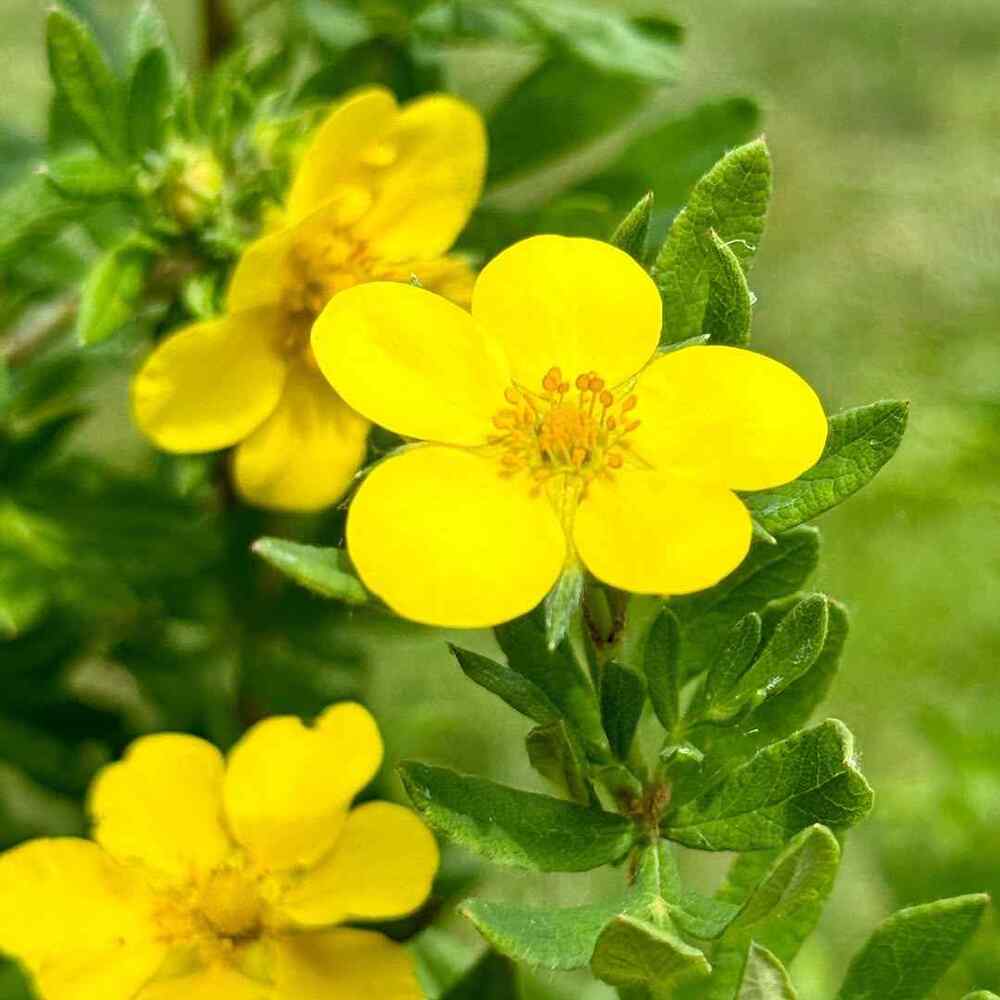
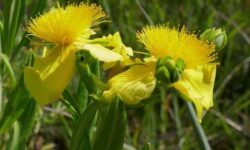
If you want months of bloom with very little fuss, shrubby cinquefoil is a workhorse. It’s compact, tough, and often flowers from late spring until frost, which is valuable in Iowa where weather can shorten the season for more delicate plants.
Where it looks best: Perfect for sunny borders, slope plantings, and spots that dry out. It’s also a smart choice for “in-between” areas where you want color but don’t want to baby the plant—think mailbox beds, driveway edges, or along a fence.
Light & soil: Full sun is ideal. It tolerates poorer soils and is drought-tolerant once established.
Care tips for Iowa: A light pruning in early spring keeps it dense and blooming well. If it gets woody over time, rejuvenate by cutting back more firmly—cinquefoil usually responds with fresh growth.
Design note: Cinquefoil has a friendly, cottage-garden vibe. To make it feel more polished, pair it with upright grasses or neat edging stones so the overall bed reads as intentional.
8) Juniper (Juniperus spp.)
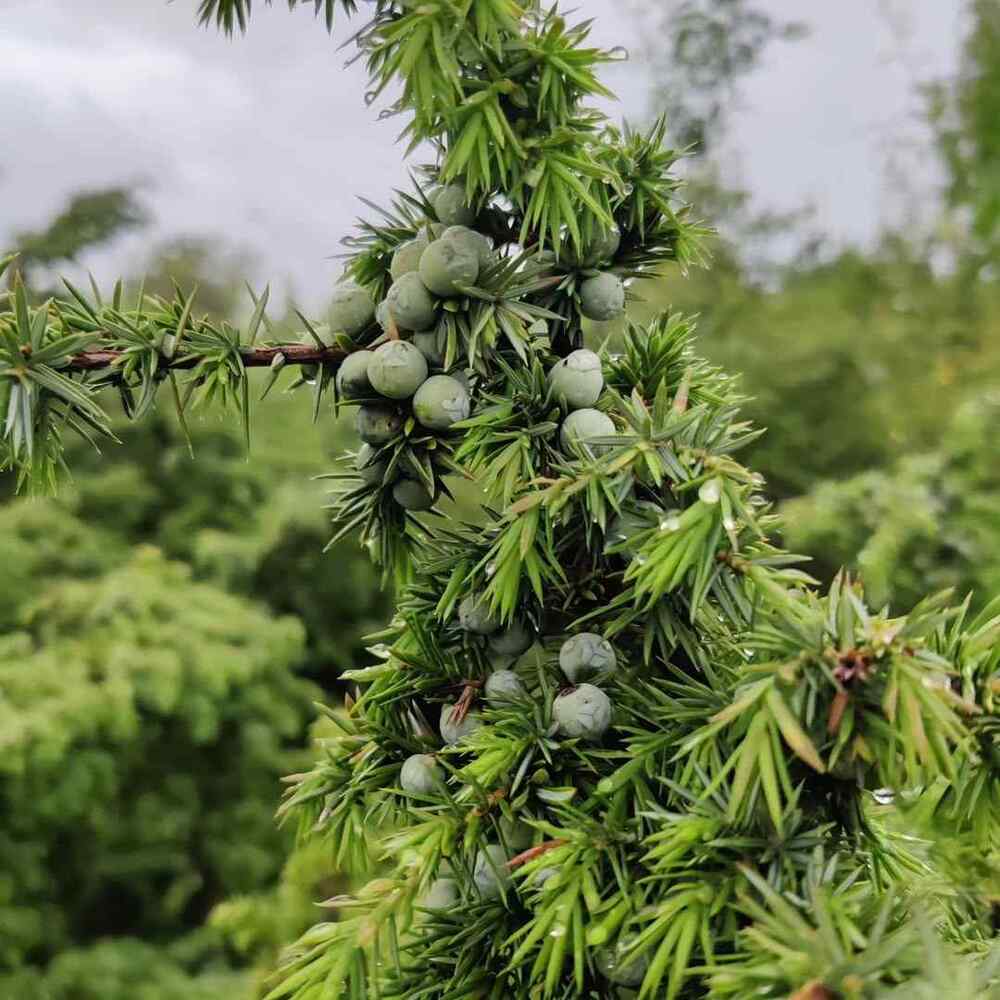
Junipers are some of the best evergreen shrubs for Iowa because they handle cold, wind, and sun with minimal complaint. They provide structure in winter, hold the landscape together visually, and come in forms ranging from ground-hugging spreaders to tall, narrow sentinels.
Where it looks best: Use low junipers as durable groundcover on sunny slopes or at the front of foundation beds. Use upright forms to frame an entry, flank a garage, or provide winter structure behind flowering shrubs.
Light & soil: Full sun is best. Junipers prefer well-drained soil but can handle a range of conditions once established.
Care tips for Iowa: Don’t overwater—junipers dislike “wet feet.” Mulch lightly, keep the base clear of thick, soggy mulch, and avoid heavy pruning into old wood. Most junipers look best with minimal shaping.
Design note: If your yard feels “bare” in January, adding even two strategically placed junipers can make the entire landscape feel more finished through winter.
9) Oakleaf Hydrangea (Hydrangea quercifolia)
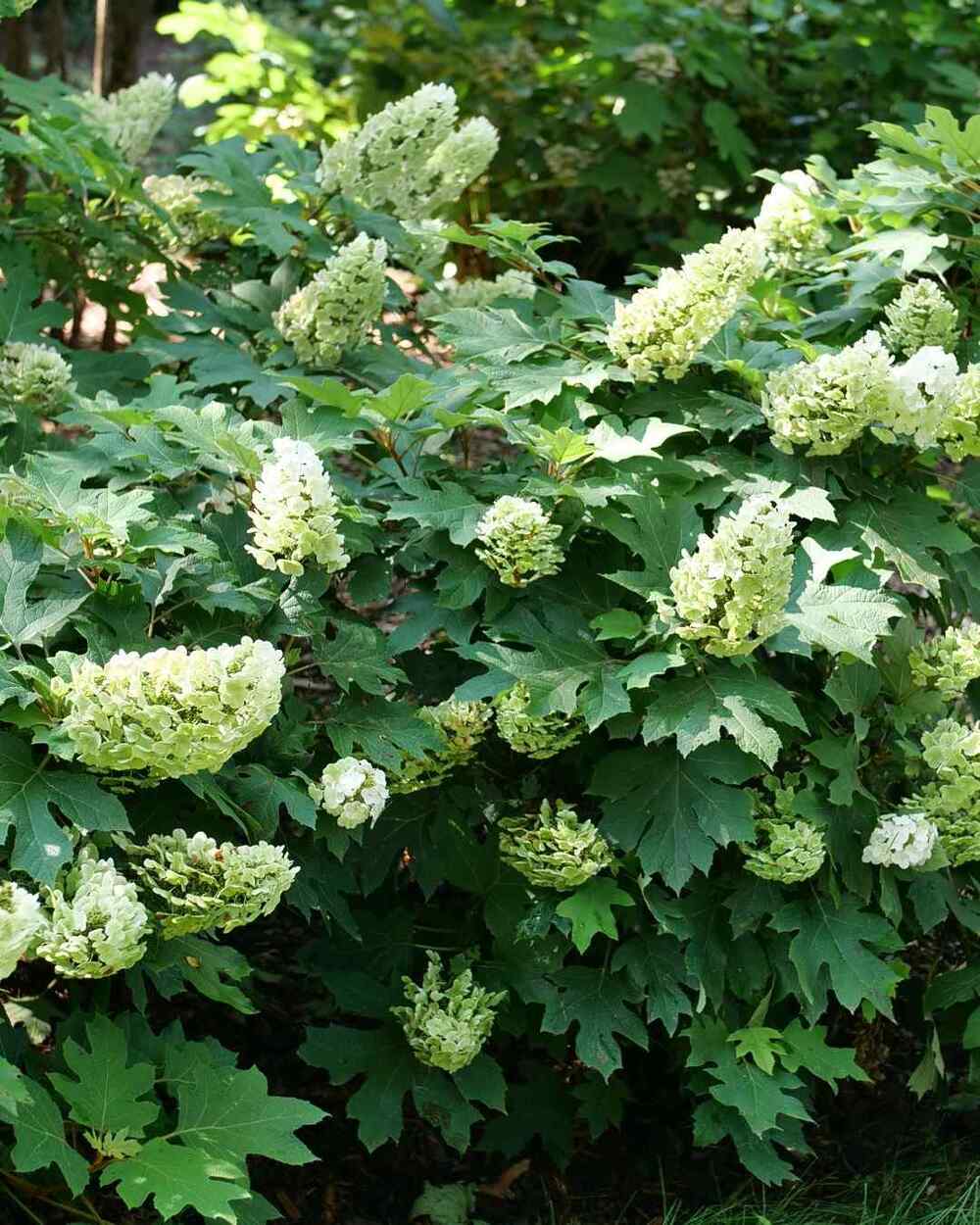
Oakleaf hydrangea delivers four-season interest: spring-to-summer blooms, bold foliage, vibrant fall color, and exfoliating bark for winter texture. In Iowa, it can be a standout—especially in a protected spot where it can settle in and show off.
Where it looks best: It’s a natural fit for part-shade gardens, woodland edges, and north/east sides of homes where light is softer. If you want that “designed garden” feel, oakleaf hydrangea is a signature shrub—architectural leaves, strong presence, and seasonal change.
Light & soil: Part shade is often ideal in Iowa; morning sun with afternoon shade helps prevent stress in hot spells. It likes well-drained soil with consistent moisture during establishment.
Care tips for Iowa: Unlike panicle hydrangea, many oakleaf types bloom on old wood, so pruning should be minimal and done right after flowering if needed. Winter protection from harsh wind can help, especially for younger plants.
Design note: Underplant with shade-friendly companions (hosta, ferns, or heuchera) to create a layered, intentional vignette.
10) Witch-alder / Fothergilla (Fothergilla spp.)
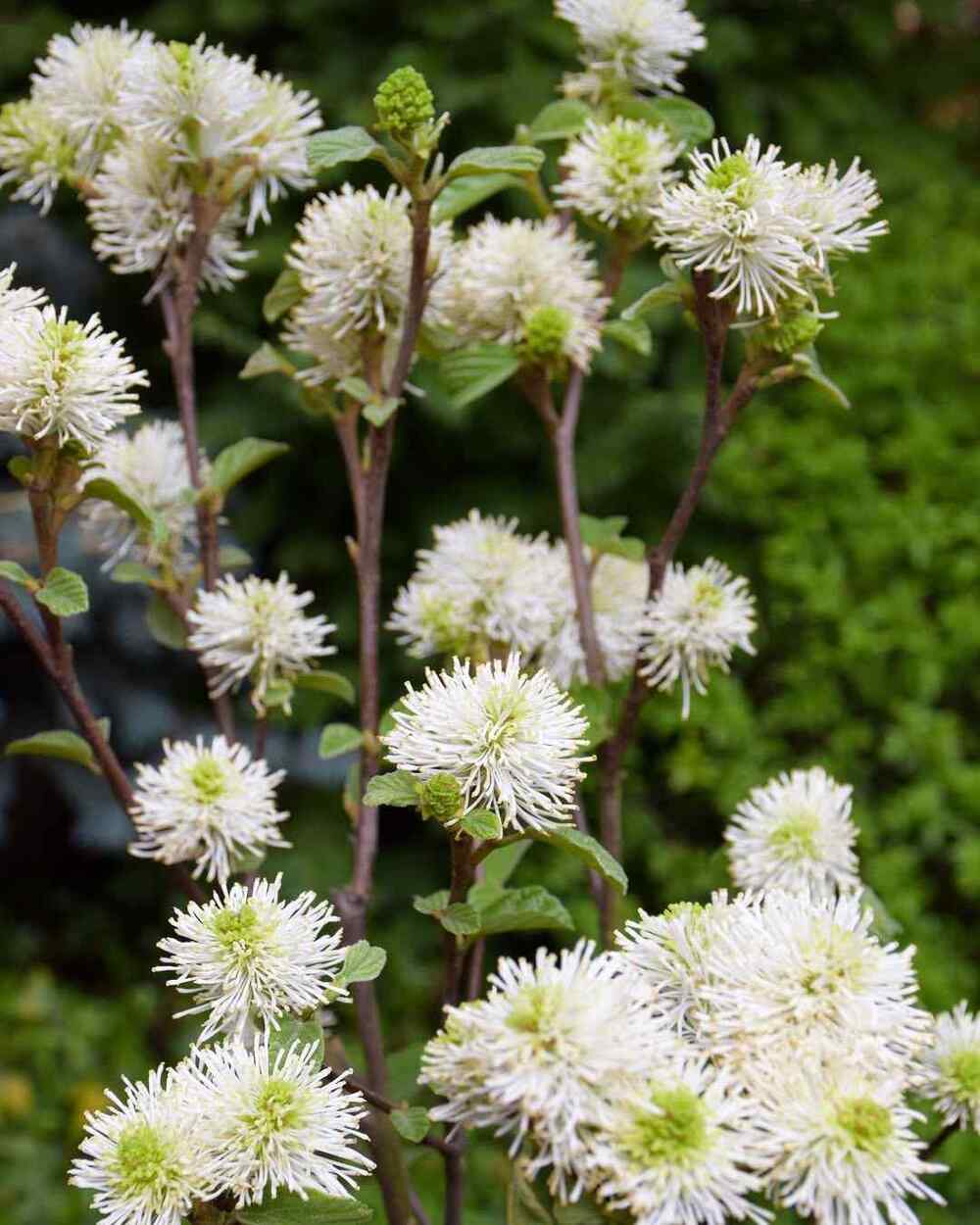
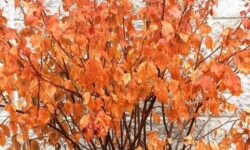
Fothergilla is a refined shrub that earns attention quietly—fragrant, bottlebrush-style white flowers in spring and exceptional fall color in oranges and reds. It’s a great choice when you want something a little less common than the usual hedge shrubs, but still hardy enough for Iowa conditions.
Where it looks best: Use it near an entry path or patio where you can appreciate the spring fragrance. It also works beautifully as a mid-border highlight in mixed plantings—especially when you want a “wow” moment in fall without relying on trees alone.
Light & soil: Full sun to part shade. It generally prefers acidic to neutral soil; if your soil is more alkaline (common in parts of Iowa), adding organic matter and choosing a good planting site improves performance.
Care tips for Iowa: Keep it evenly moist during establishment. Prune lightly after flowering only if needed—its natural shape is part of its charm. Give it space to develop a full form rather than squeezing it into a tight corner.
Design note: Combine fothergilla with evergreens nearby so its fall color doesn’t fade into a background of bare branches—contrast makes the color feel richer.
A simple “Iowa-proof” layout you can copy
For a yard that feels familiar but elevated: anchor with evergreens (juniper or yew), layer in long-bloom shrubs (panicle hydrangea, spirea, cinquefoil), and add one seasonal showpiece (oakleaf hydrangea or fothergilla). Repeat one or two shrubs in multiple beds to make the whole property feel unified rather than random.