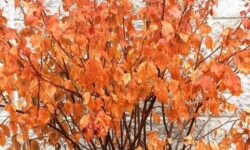
If you garden in Idaho, you already know the pattern: bright summer sun, low humidity, and winters that test every plant choice. The good news is that the right shrubs for Idaho can handle cold snaps, dry spells, and tricky soils while still giving your yard a finished, intentional feel. Below you’ll find 10 dependable shrubs—many native—that bring structure, seasonal color, fragrance, and habitat. I’ll keep the advice practical, with placement and care notes you can apply the same weekend you plant.
Table of Contents
Shrubs for Idaho: How to Choose the Best 10 for Your Yard
Start by matching the shrub to your site reality: winter low temperatures, summer water availability, wind exposure, and soil drainage. In much of Idaho, shrubs that tolerate cold + drought perform best, especially if they can handle alkaline soils. Decide what you want most—privacy, winter color, berries for birds, low-water curb appeal—then pick shrubs with that “job” in mind. A simple rule that saves money: water deeply the first season, then taper so roots grow down, not sideways.
1) Sagebrush (Artemisia tridentata)
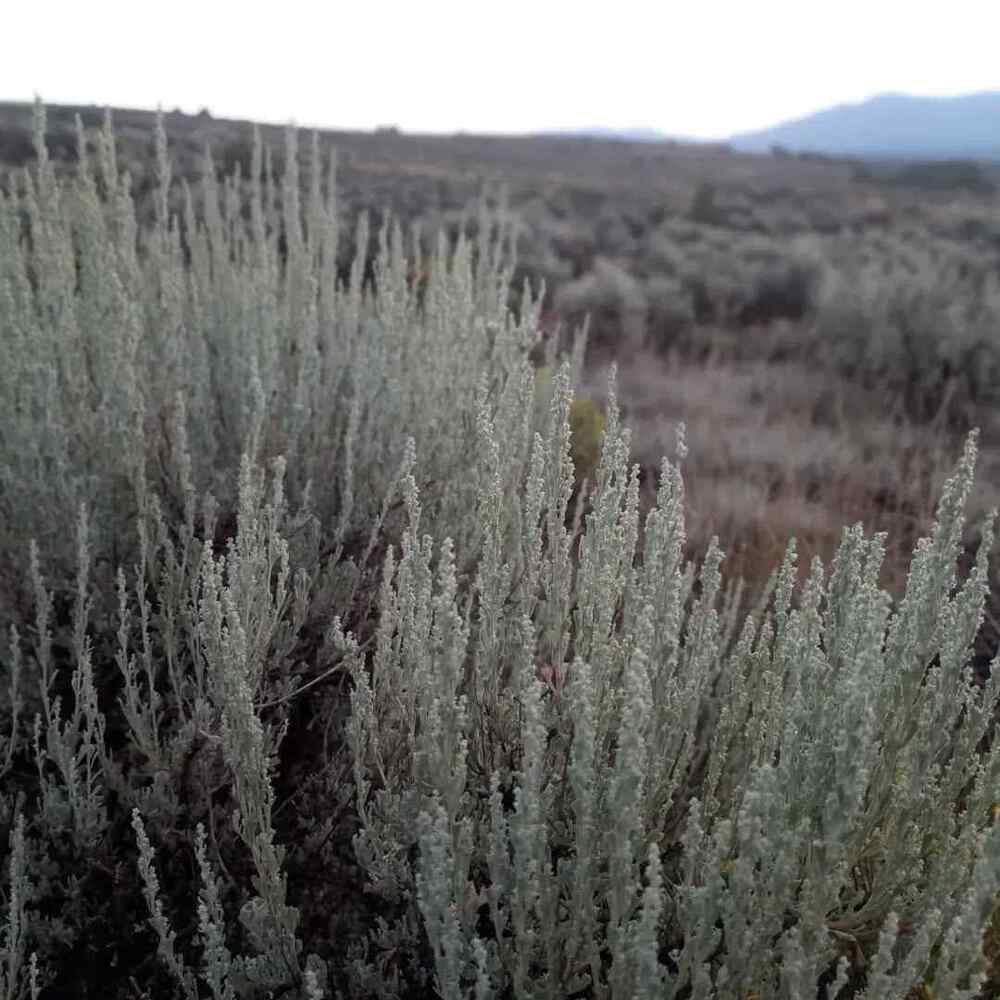
Sagebrush is the signature shrub of the Intermountain West, and it earns its place in Idaho landscapes that lean natural, modern, or xeric. The silvery-gray foliage reads calm and refined, especially beside gravel mulch, boulders, or warm-toned wood fencing. It’s extremely drought-tolerant once established and can be the backbone of a low-water garden where other plants are accents.
Design cue: use sagebrush like a “soft neutral paint color” in the background—then add pops of purple salvia or yellow blanketflower nearby.
Care: plant in full sun and well-drained soil; avoid heavy irrigation and soggy sites. Water regularly for the first 6–10 weeks, then reduce. Prune lightly (no hard shearing) to maintain a natural shape. If you want a cleaner silhouette, thin a few older stems at the base rather than cutting across the top.
2) Chokecherry (Prunus virginiana)
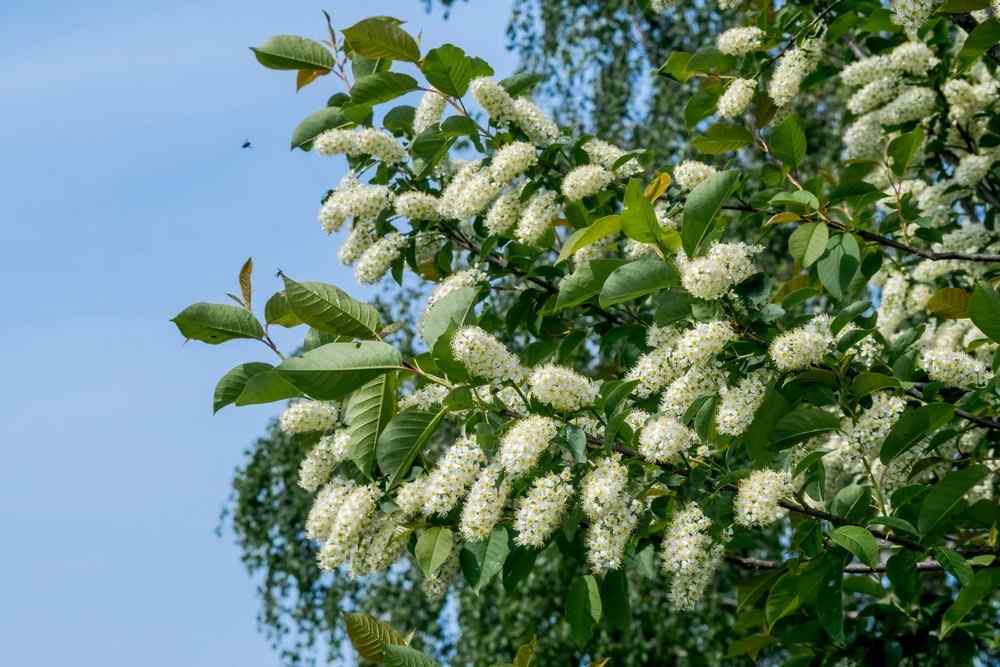
Chokecherry gives Idaho yards genuine four-season payoff: frothy white spring blooms, edible summer berries (tart but useful for jams), and rich fall color. It also supports wildlife—birds love the fruit, and dense growth offers shelter. It can form a thicket, so it works well where you want a “living edge” rather than a tight formal hedge.
Design cue: plant it along a back fence line to soften views, then underplant with native grasses for a layered look.
Care: tolerates a range of soils but prefers decent drainage. Water weekly during the first growing season, then shift to occasional deep watering. If it suckers more than you want, remove shoots at the base while they’re small. Light pruning after flowering helps keep airflow and reduces disease pressure.
3) Lewis’ Mock-orange (Philadelphus lewisii)
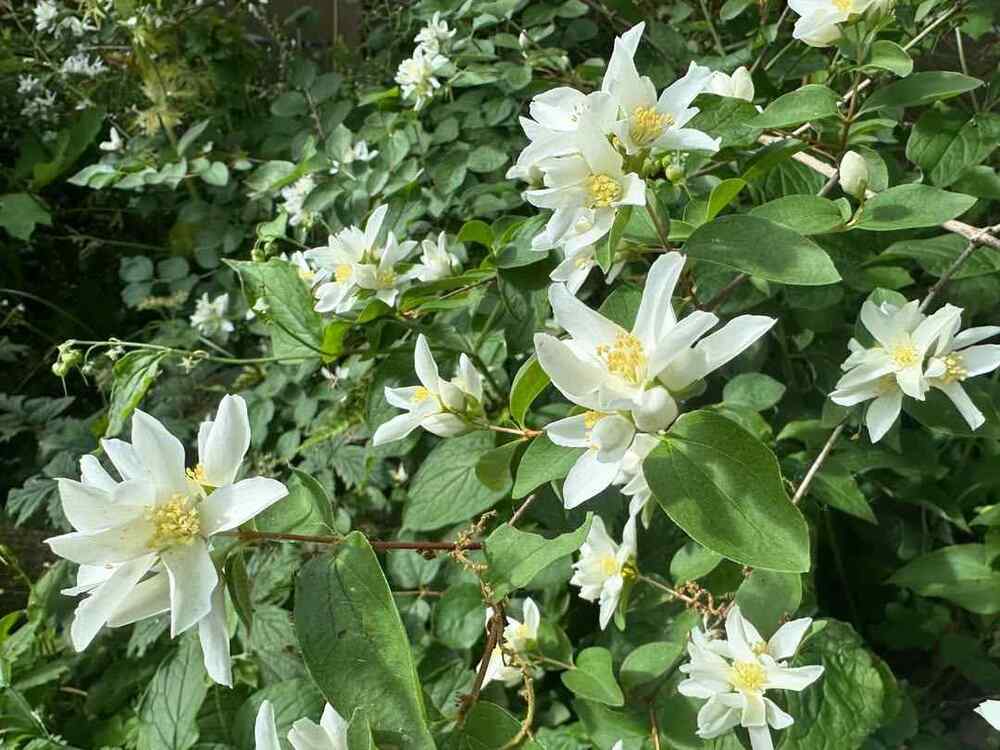
Lewis’ mock-orange is Idaho’s state flower, and it’s one of the best shrubs for a “welcome-home” scent moment. In late spring, it produces bright white blossoms with a sweet fragrance that feels perfect near a porch, patio, or path you use daily. The plant’s arching form looks relaxed and classic—more cottage than formal—yet it still reads tidy with minimal shaping.
Design cue: place it where evening breezes can carry scent toward seating areas. Pair with blue catmint or ornamental grasses for a clean, modern-meets-native style.
Care: full sun to part shade. It’s fairly drought-tolerant once established, but it flowers best with moderate moisture in spring. After bloom, remove a few older stems at ground level to encourage fresh growth and consistent flowering year to year.
4) Redtwig Dogwood (Cornus sericea)
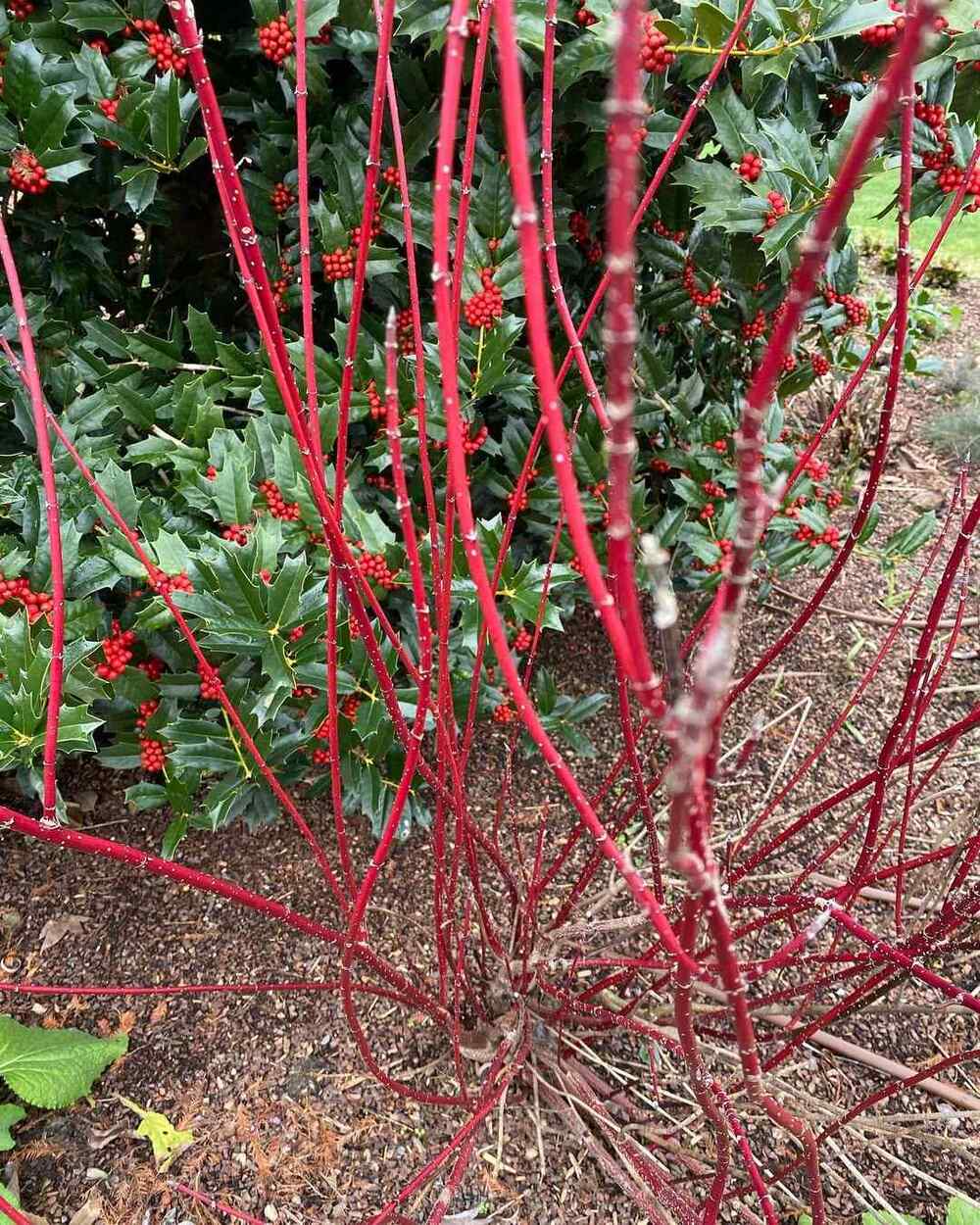
Redtwig dogwood is your winter color specialist. When leaves drop, the stems glow red against snow, gravel, or evergreen backdrops—exactly the kind of detail that makes a yard feel designed even in January. It also handles moist areas better than many Idaho shrubs, making it a smart solution for drainage swales or spots that stay damp.
Design cue: plant in a drift (3–7 shrubs) for a strong winter statement; it looks especially sharp behind tan grasses.
Care: it prefers consistent moisture, especially in summer heat. For the brightest stem color, rejuvenate by cutting back about one-third of the oldest stems each year (or do a harder renewal cut every few years). Give it space; tight shearing reduces the natural stem show.
5) Rubber Rabbitbrush (Chrysothamnus nauseosus)
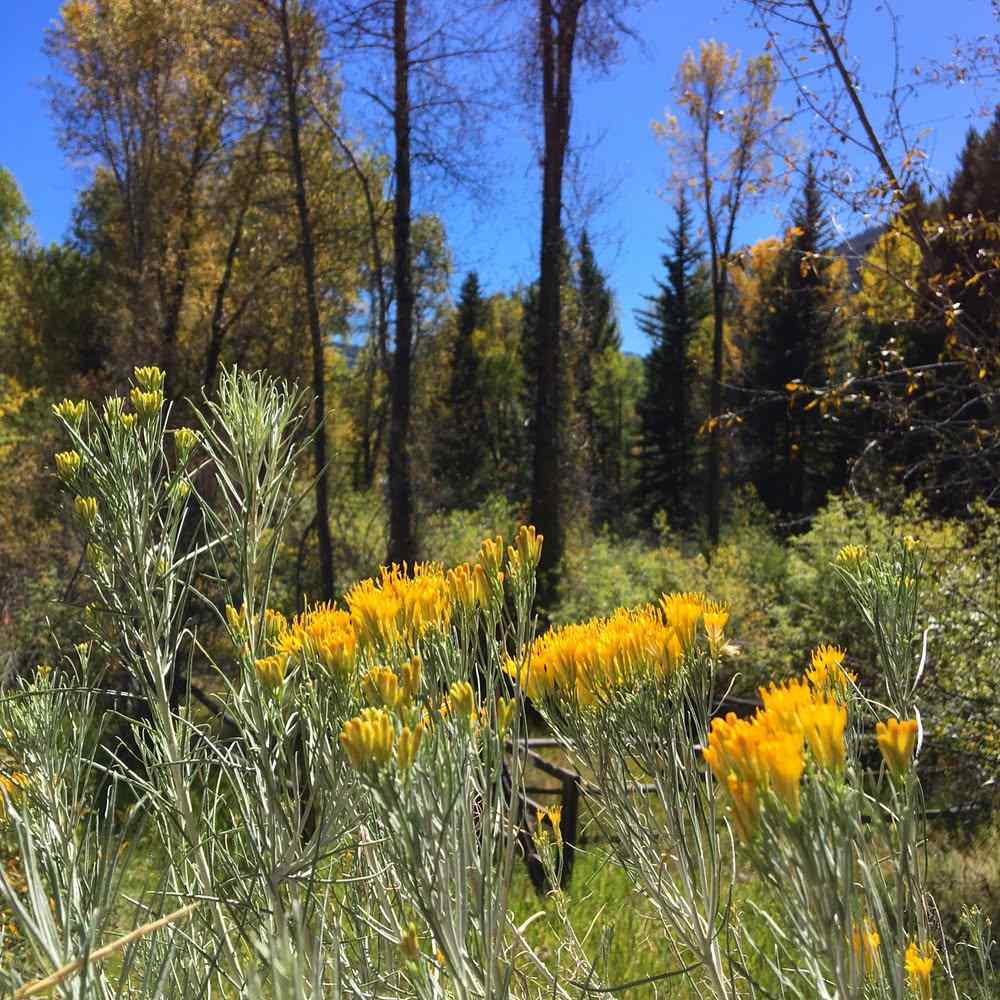
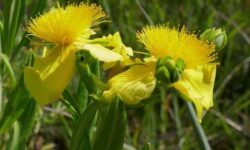
Rubber rabbitbrush is a tough, sun-loving native that delivers late-season gold when many shrubs are fading. In late summer into fall, it bursts into yellow blooms that attract pollinators and bring warmth to dry landscapes. The gray-green foliage fits Idaho’s sage-and-stone aesthetic beautifully, and it thrives where irrigation is limited.
Design cue: use it as a “sunset color” anchor near rocks, rusted steel edging, or warm gravel. It pairs well with purple asters for a bold contrast.
Care: full sun, lean soil, and minimal supplemental water once established. Avoid rich compost and frequent fertilizing—rabbitbrush performs best in simpler conditions. Prune lightly in early spring to shape; avoid cutting into old wood too hard. Provide good airflow and keep mulch from piling against stems.
6) Saskatoon Serviceberry (Amelanchier alnifolia)
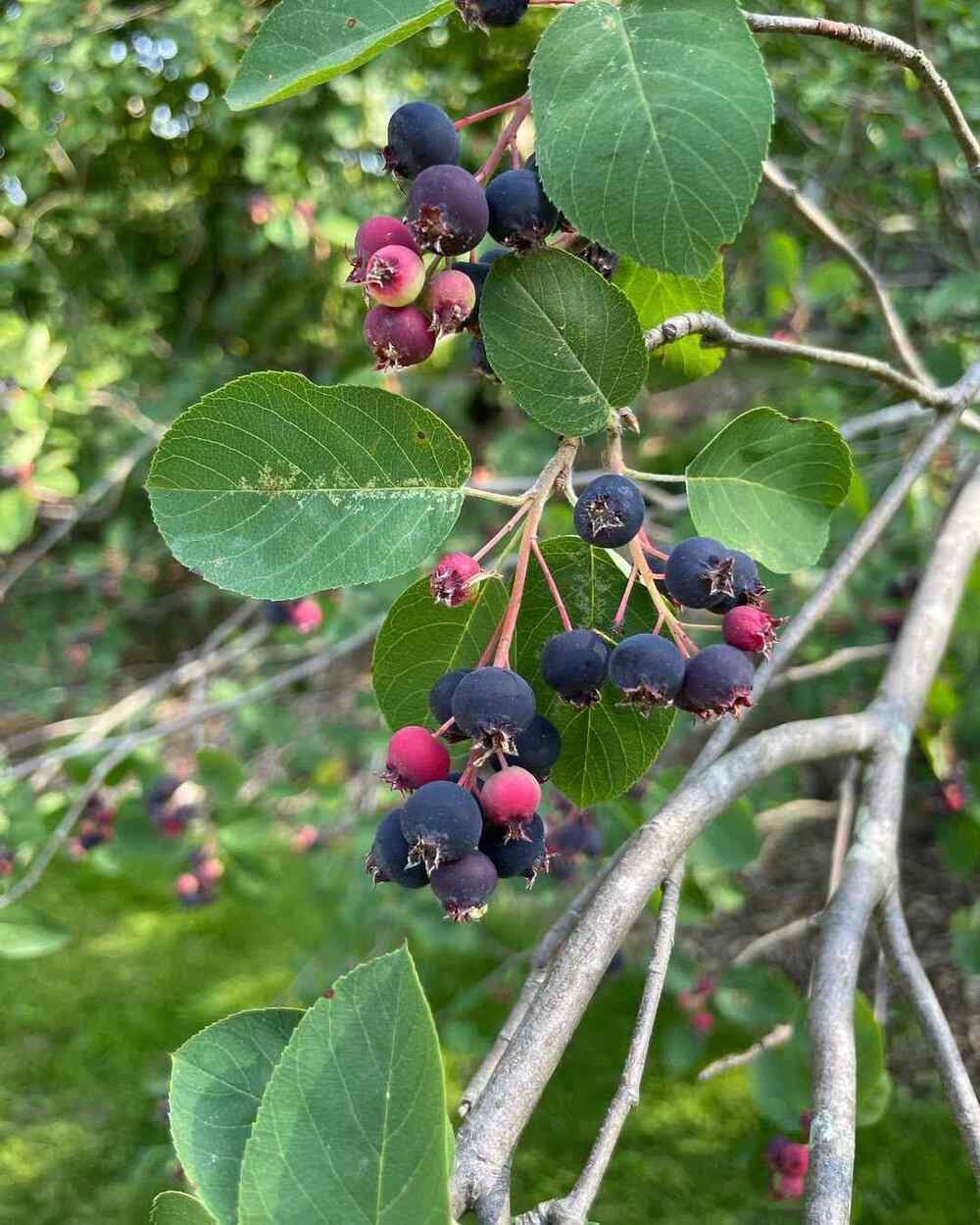
Saskatoon serviceberry is one of the most rewarding shrubs for Idaho if you want beauty and berries. Spring brings white flowers, summer brings sweet edible fruit, and fall brings warm leaf color. It’s also a strong wildlife plant—birds, bees, and beneficial insects all benefit. Depending on variety and site, it can be a large shrub or small multi-stem tree.
Design cue: place it as a focal point near the front yard, then frame it with lower evergreens or drought-tolerant perennials.
Care: full sun to part shade with well-drained soil. Water consistently during establishment; afterward, deep watering during prolonged heat keeps fruit quality high. Prune in late winter to remove crossing branches and maintain an open shape. Netting may be needed if you want to harvest berries before birds do.
7) Rocky Mountain Maple (Acer glabrum)
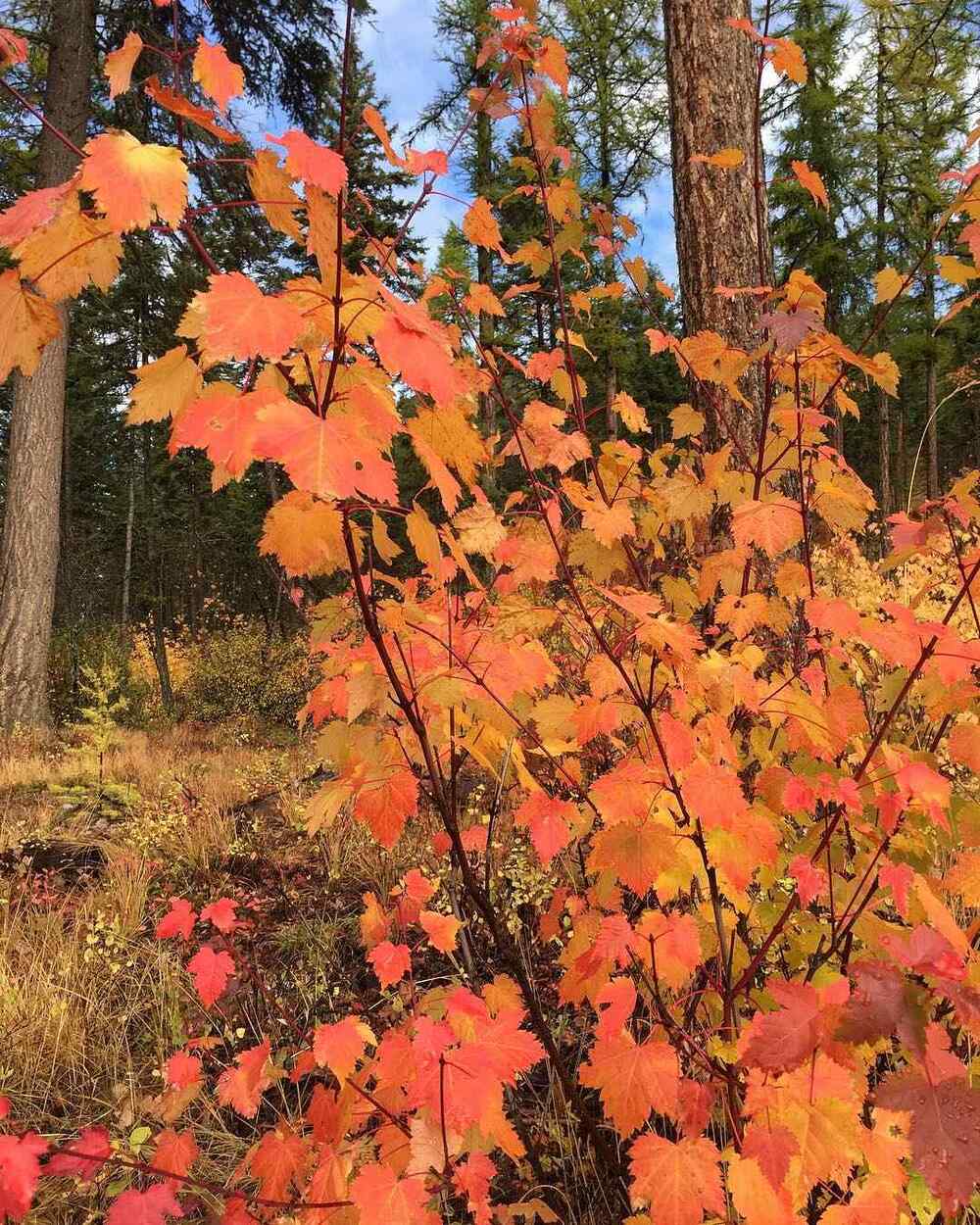
Rocky Mountain maple is a versatile native that can behave like a small tree or a large shrub, depending on pruning. It’s especially valuable for Idaho yards that want shade in a compact footprint and strong fall color without heavy maintenance. It also tolerates partial shade better than many drought-tough shrubs, making it helpful on the north side of buildings or beneath taller trees.
Design cue: use it to create a soft canopy over a sitting area, then add understory texture with ferns (in moist spots) or grasses (in drier ones).
Care: it prefers well-drained soil and moderate moisture. Mulch helps retain moisture through summer. Prune to develop either a multi-stem shrub form or a cleaner trunk form—both are attractive. Protect young plants from deer browse if that’s an issue in your area.
8) Juniper (Juniperus spp.)
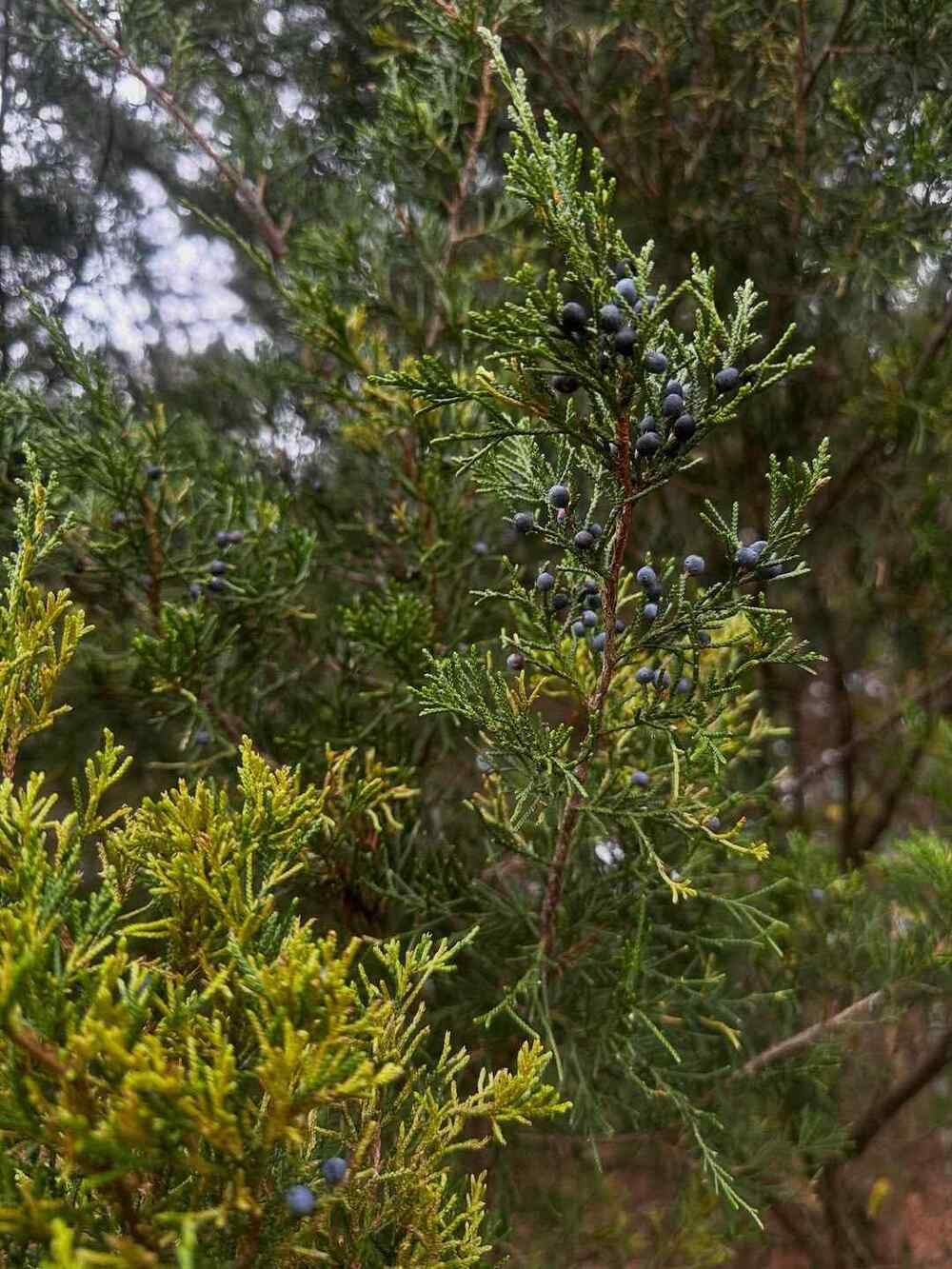
Junipers are among the most durable evergreen shrubs for Idaho, providing year-round structure when deciduous shrubs go bare. You can choose low groundcovers for slopes, rounded mounds for foundation planting, or upright forms for screening. Many varieties tolerate drought, wind, and poor soil, which makes them dependable for both urban and rural landscapes.
Design cue: for a polished look, repeat one juniper variety in a rhythm (every 6–10 feet) rather than mixing too many types.
Care: full sun and sharp drainage are key. Overwatering is the most common mistake—especially in clay soils. Water deeply but infrequently during establishment, then back off. Avoid heavy shearing; selective pruning keeps the natural texture. If you need a tighter form, pick a naturally compact variety rather than forcing it with constant trimming.
9) Black Hawthorn (Crataegus douglasii)
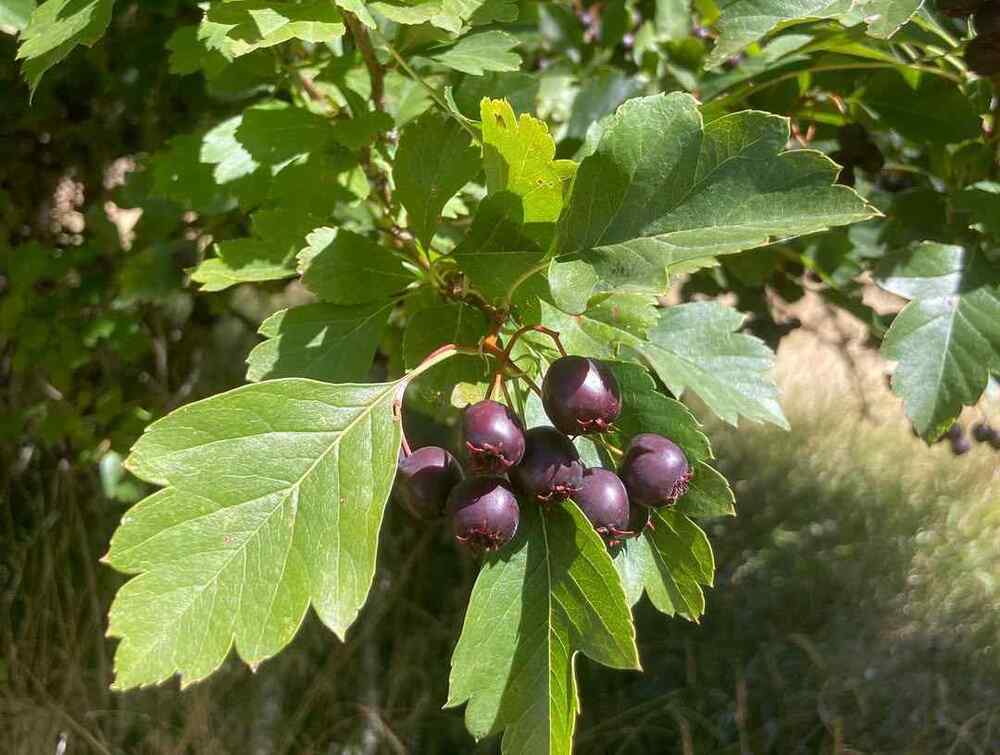
Black hawthorn is a hardy, thicket-forming shrub (or small tree) that excels as a wildlife plant and a natural barrier. It offers spring flowers, dense branching, and dark fruit that birds appreciate. Because it can have thorns, it’s excellent where you want a “stay out” edge along property lines, behind gardens, or at the back of a lot.
Design cue: use it as a living fence, then soften the front edge with grasses so it feels intentional rather than wild.
Care: full sun to part shade, with adaptable soil tolerance. Water regularly for the first season; afterward it’s fairly resilient. Prune in late winter to remove dead wood and manage size. Wear gloves and long sleeves during maintenance. Give it room—crowding reduces airflow and makes pruning more difficult.
10) Blue Shadow Fothergilla (Fothergilla major)
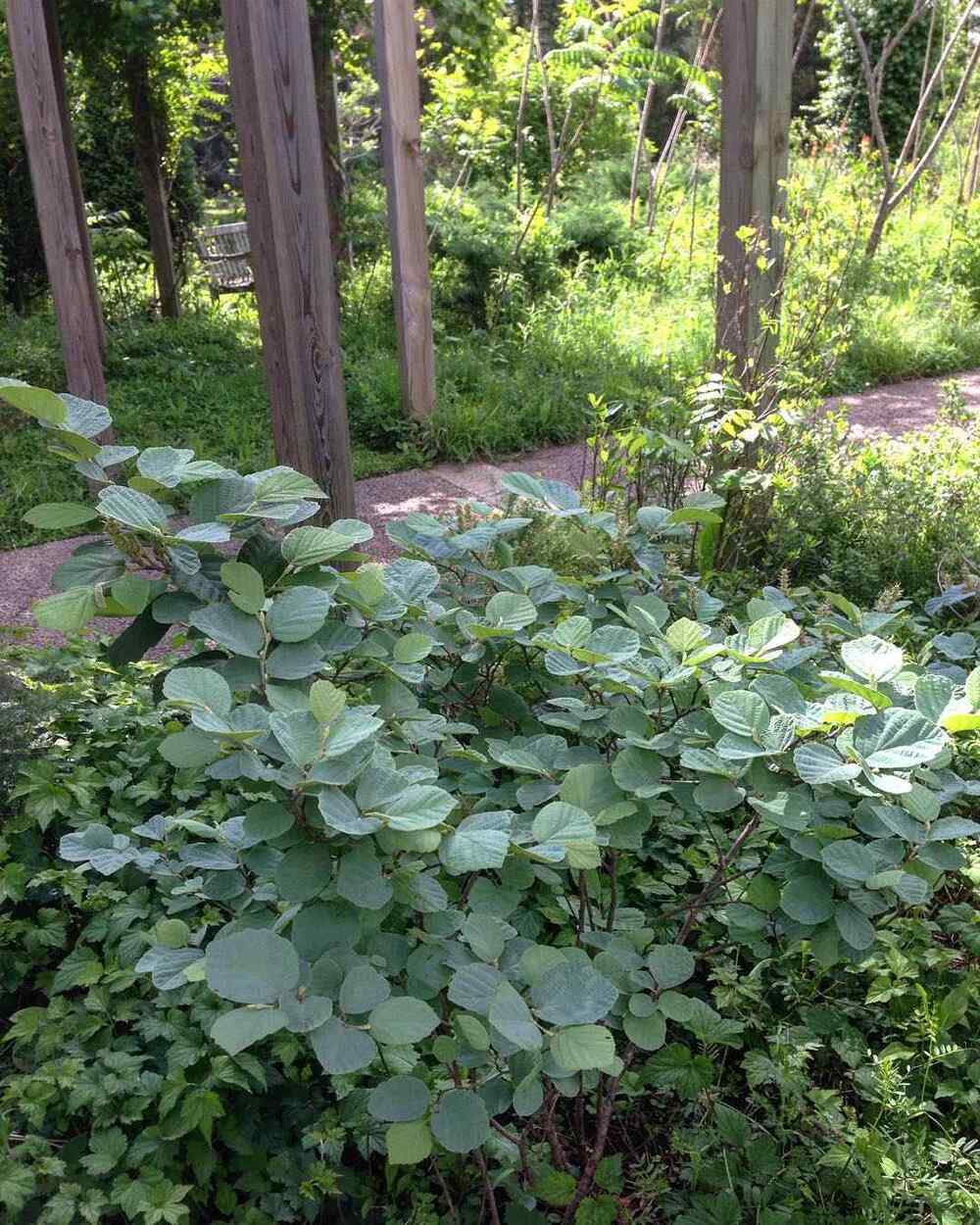
Blue Shadow fothergilla brings a more “designed garden” vibe to Idaho landscapes: blue-green foliage, lightly fragrant spring flowers, and standout fall color that can shift into orange-red tones. It’s ideal when you want a shrub that feels curated and ornamental while still being tough enough for a real climate. It’s especially pretty near paths where you can appreciate texture up close.
Design cue: pair it with dark evergreens or black mulch for contrast; it reads crisp and upscale without feeling fussy.
Care: it prefers well-drained soil and benefits from consistent moisture during heat. In more alkaline soils, it may perform better with organic matter and a gentle acidifying mulch (like pine fines). Minimal pruning is needed—just remove weak stems and keep a natural rounded form. Morning sun with some afternoon shade can help reduce stress in hotter sites.
FAQ: Shrubs for Idaho
1) What are the best low-water shrubs for Idaho?
Sagebrush and rubber rabbitbrush are top choices for low irrigation. Many junipers also handle drought well once established.
2) Which shrubs provide the best winter interest?
Redtwig dogwood is a standout for winter stem color. Junipers keep evergreen structure all year.
3) What shrubs support Idaho wildlife the most?
Chokecherry, serviceberry, and black hawthorn offer flowers, cover, and fruit that birds and pollinators use.
4) Which shrubs work well for privacy in Idaho?
Upright junipers can form strong evergreen screens. Chokecherry and black hawthorn also create dense coverage where a natural look fits.
5) How long should I water new shrubs before they’re “established”?
Plan on one full growing season of consistent watering. After that, shift to deep, occasional watering based on heat and soil drainage.