Colorado gardens ask a lot of plants: intense sun, drying winds, alkaline soils, surprise late frosts, and big temperature swings in a single day. The good news is that the right shrubs for Colorado landscapes can make your yard feel intentional and finished without constant watering or fuss. If you want a planting plan that looks good in every season—flowers in spring, color in fall, structure in winter—start with shrubs that are proven performers across the Front Range and many mountain communities.
Below are ten shrubs that handle Colorado’s realities and still deliver the kind of texture, color, and “designed” look that makes a landscape feel like home.
Table of Contents
Why Shrubs Matter in Colorado Yards
Shrubs are the bridge between tall trees and perennials. They soften fences, anchor foundation beds, provide privacy, and create wind buffers. In Colorado, they also do something even more valuable: once established, many of these shrubs need less supplemental water than thirsty ornamentals, while still providing blooms, berries, fall color, or evergreen form.
A quick rule that saves time and money: match the shrub to your site first (sun, soil moisture, elevation), then choose the color and style you love.
Shrubs for Colorado landscapes: how to choose the right ones for your yard
Before you buy anything, take five minutes to “read” your space. This small step makes the rest easy and keeps your yard from turning into a high-maintenance project.
1) Know your sun pattern
-
Full sun (6+ hours): best for drought-tough shrubs like mountain mahogany, three-leaf sumac, Russian sage, and potentilla.
-
Part sun/part shade: great for serviceberry, ninebark, and chokecherry.
-
More shade: aim for shrubs that tolerate lower light, and keep expectations realistic about flowering.
2) Be honest about water
-
Dry, hot spots (south/west exposure, reflected heat): choose true low-water plants.
-
Moist spots (near downspouts, irrigation zones, low areas): dogwood and other moisture-tolerant shrubs will be happier.
3) Plan for mature size
Colorado shrubs can grow faster than people expect once their roots settle. Place tall shrubs where they can widen without crowding walkways or windows.
4) Give them a good start
Most drought-tolerant shrubs still need regular watering the first season. Think: deep, infrequent watering, then tapering down as roots develop.
1) Serviceberry (Amelanchier alnifolia)
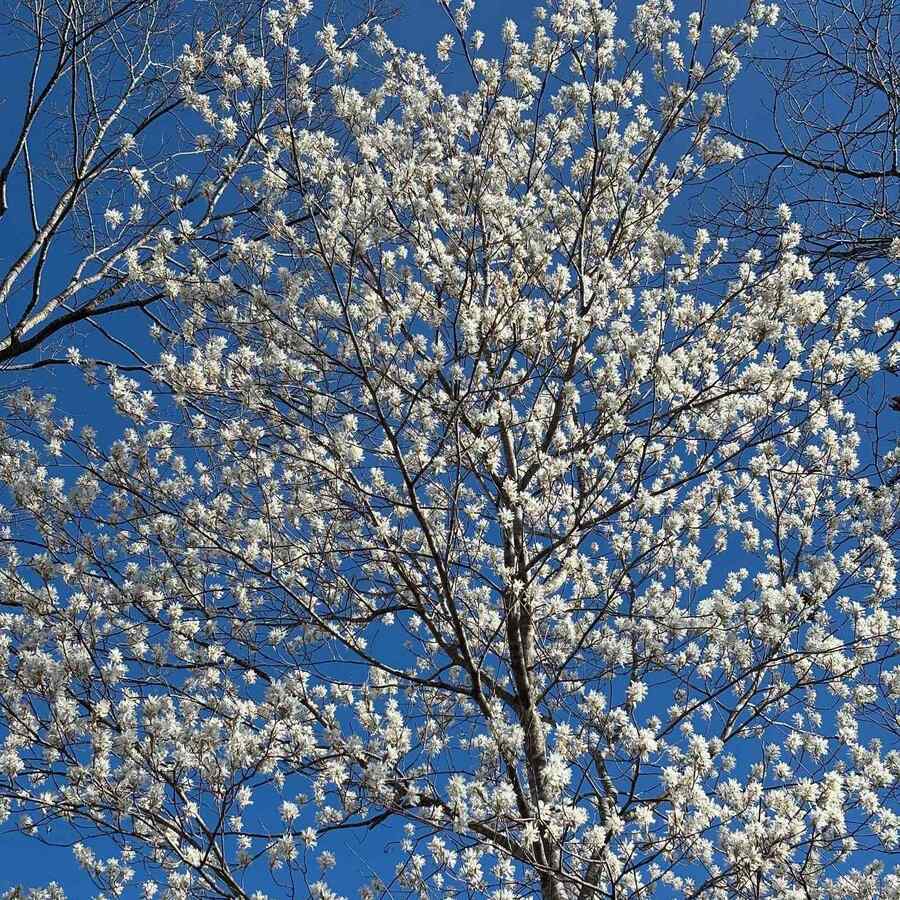
If you want a shrub that feels “Colorado-native” and still looks polished in a front yard, serviceberry is a favorite for a reason. It delivers early spring white blossoms, edible berries that birds love, and excellent fall color.
Best for: part sun to full sun, mixed borders, naturalized areas
Style tip: pair with ornamental grasses for a soft, modern look; plant in a small cluster for a natural foothills vibe
Care notes: moderate water to establish; once rooted, it handles dry spells better than many flowering shrubs
2) Mountain Mahogany (Cercocarpus montanus)
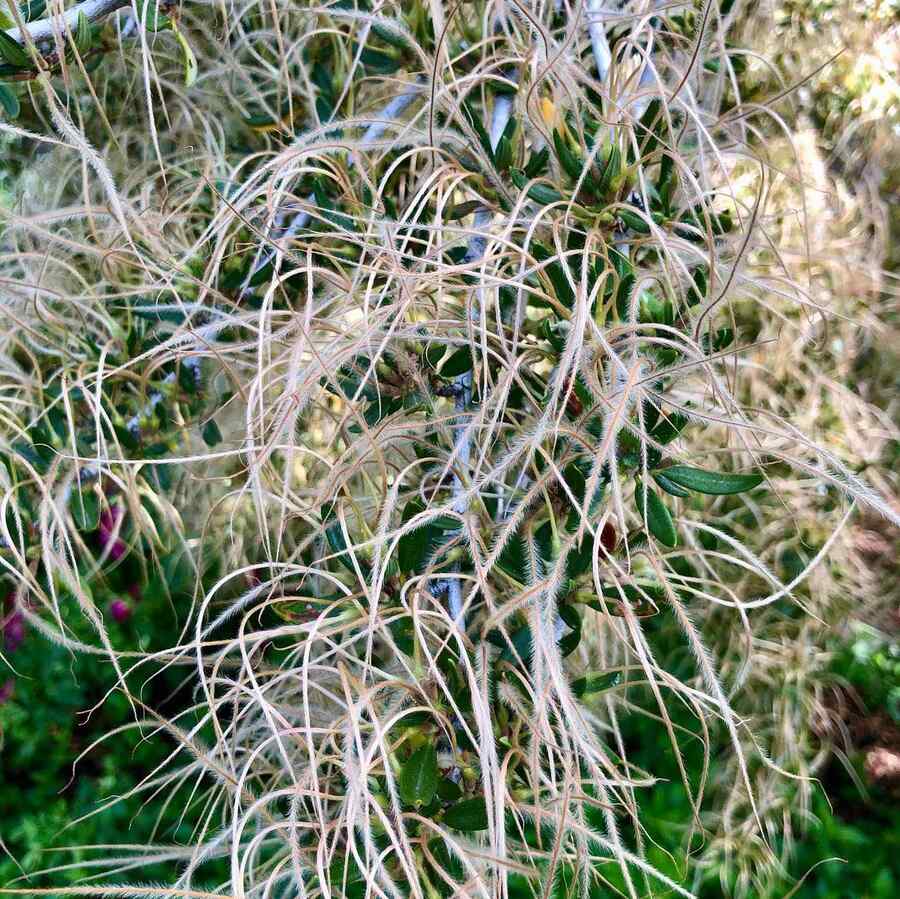
Mountain mahogany is the definition of tough beauty: a native shrub that thrives in dry, sunny, rocky sites. It also has delicate seed tails that add texture and movement.
Best for: xeriscapes, slope stabilization, sunny hellstrips
Style tip: use it as a backbone shrub—simple, sculptural, and quietly elegant
Care notes: avoid overwatering; give it sharp drainage and let it do its thing
3) Chokecherry (Prunus virginiana)
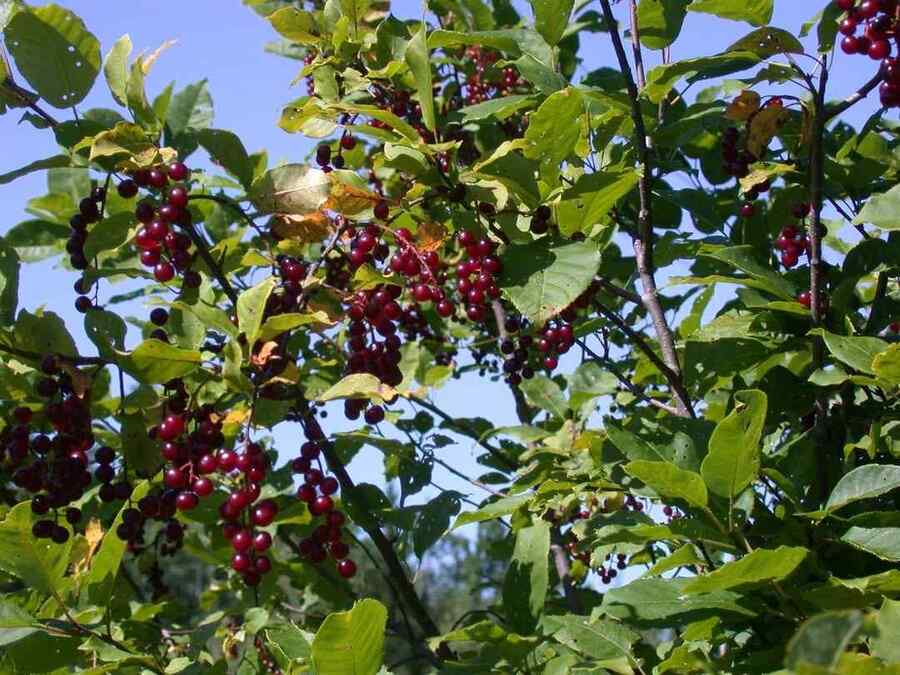
Chokecherry is a hardy native that brings presence: spring flowers, wildlife value, and reliable growth. It’s a strong choice when you want a shrub that can read as a screen or large background plant.
Best for: larger yards, windbreak edges, wildlife-friendly landscapes
Style tip: place it behind lower shrubs to create layered depth (like a natural “shrub wall”)
Care notes: can spread by suckers—great for natural areas, less ideal for tight foundation beds unless you manage it
4) Three-Leaf Sumac (Rhus trilobata)
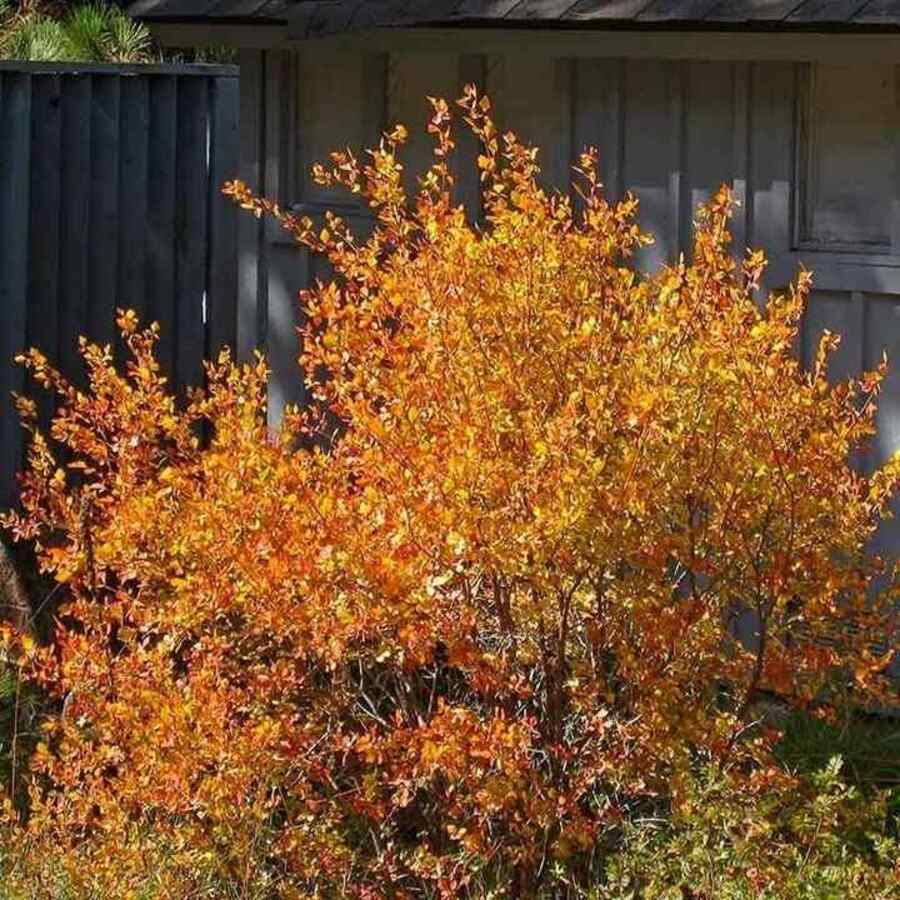
For dry Colorado sites, three-leaf sumac is a workhorse that still brings beauty—especially in autumn when it turns warm shades of red and orange.
Best for: hot exposures, low-water designs, erosion control
Style tip: use it to create a broad, natural-looking mass; it makes landscapes feel grounded and regional
Care notes: very drought-tolerant once established; prune lightly to shape if needed
5) Potentilla (Potentilla fruticosa)
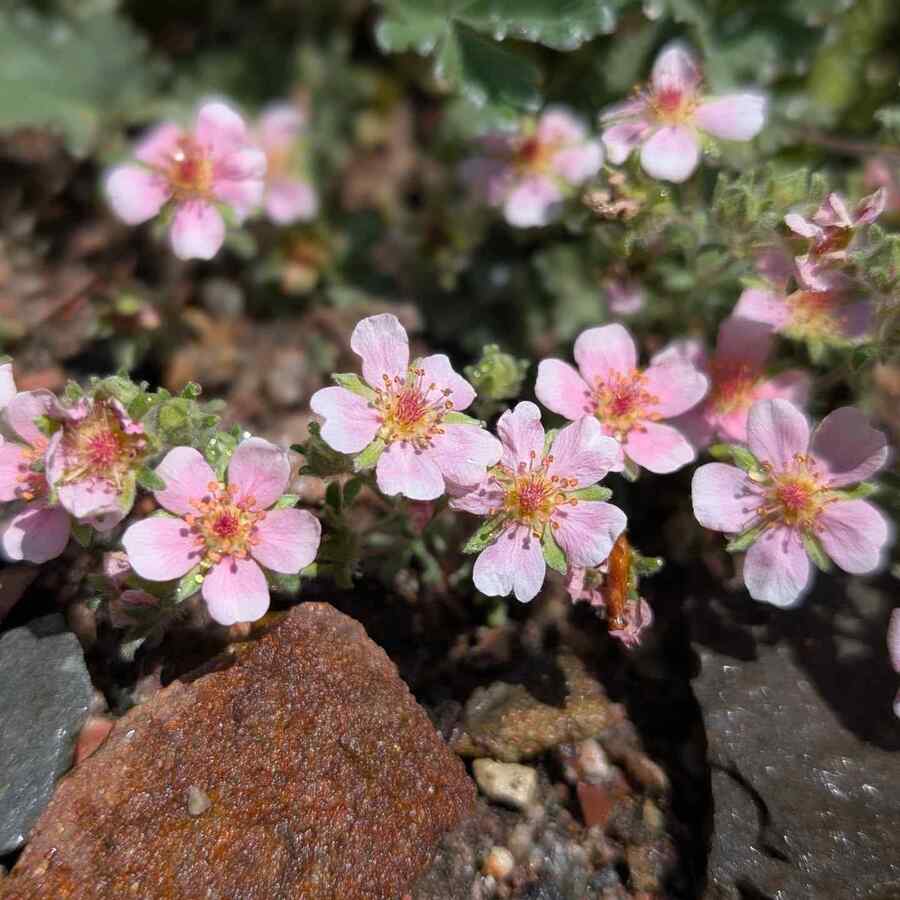
Potentilla is the shrub you choose when you want steady color with minimal effort. It blooms for a long season and comes in several flower colors.
Best for: full sun, curbside plantings, low hedges
Style tip: repeat the same variety in a line for a clean, intentional look
Care notes: tolerates tough conditions; a light spring trim keeps it tidy and encourages fresh growth
6) Ninebark (Physocarpus opulifolius)
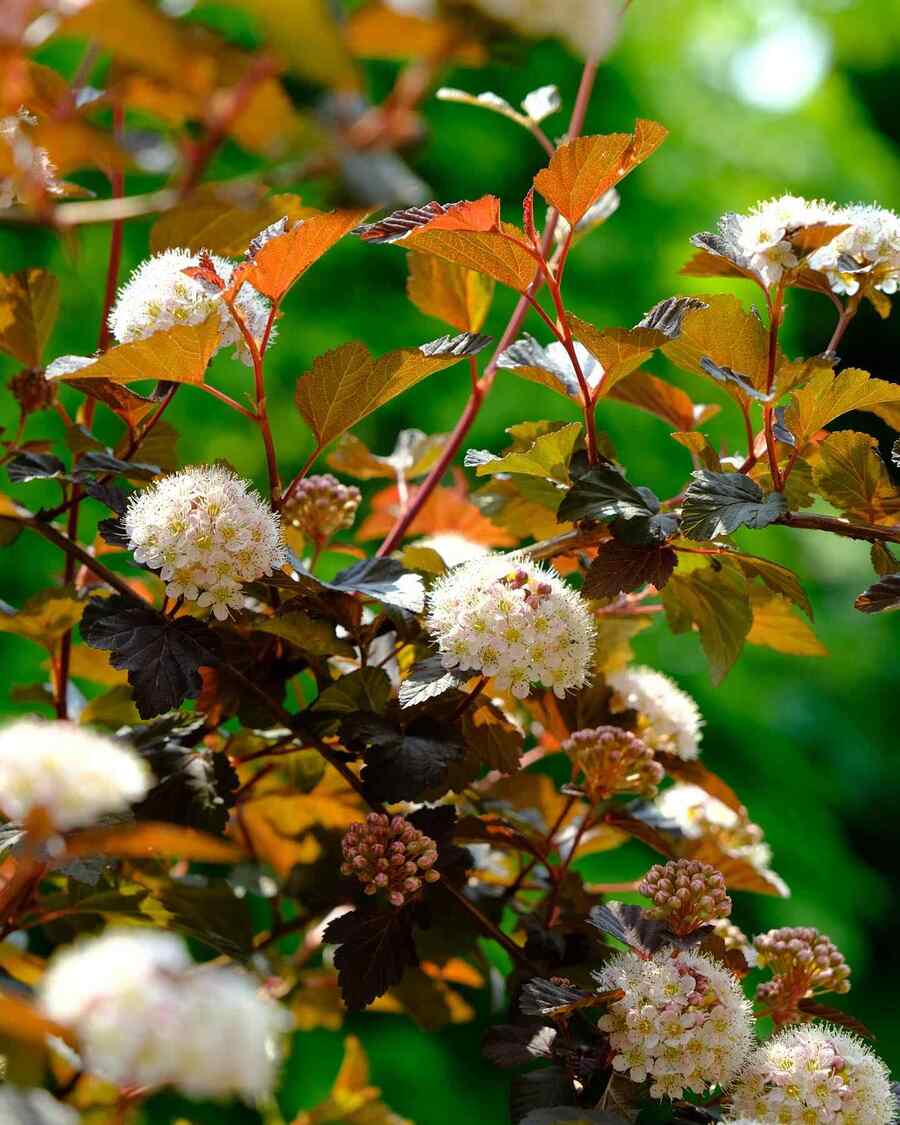
Ninebark earns its place with exfoliating bark, good drought tolerance, and modern cultivars with deep foliage colors (like burgundy). It can feel both wild and refined depending on how you use it.
Best for: mixed borders, privacy layers, contemporary color palettes
Style tip: combine a dark-leaf cultivar with silvery plants or light grasses for high contrast that still feels natural
Care notes: give it room; it can be vigorous. Occasional renewal pruning keeps it youthful
7) Red Twig Dogwood (Cornus sericea)
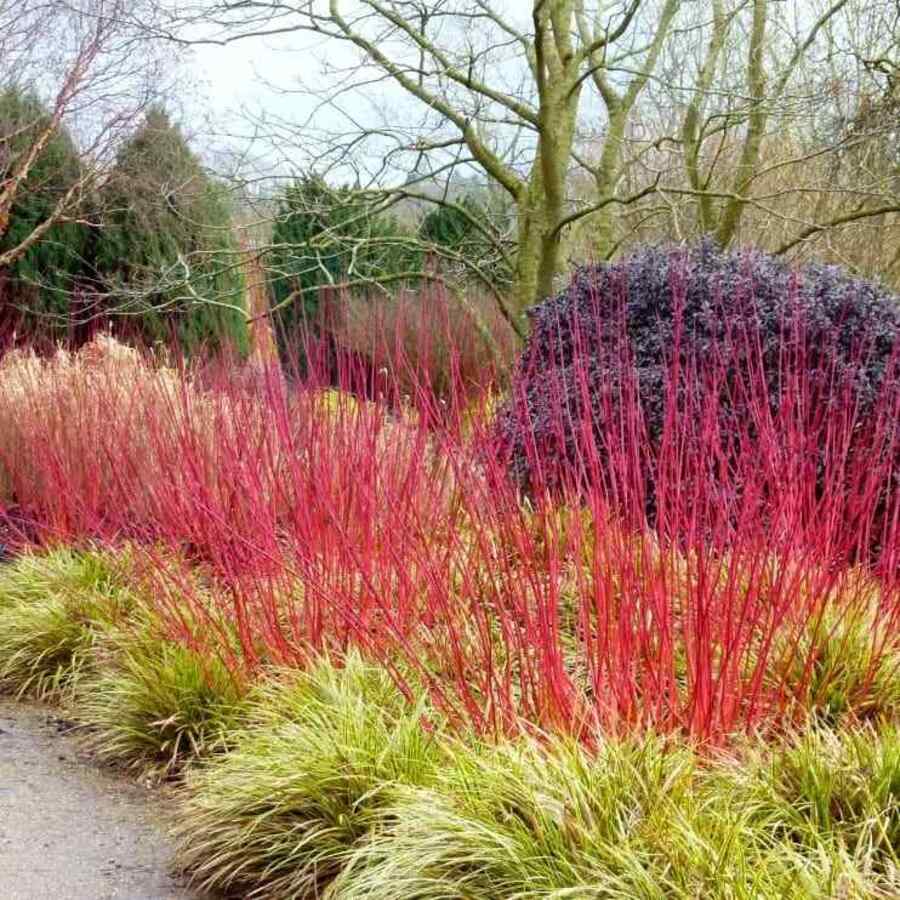
If your yard has a spot that stays a bit wetter—or you want winter color that pops against snow—red twig dogwood is a classic. The red stems are the star when everything else is dormant.
Best for: moist soils, near drainage areas, seasonal interest beds
Style tip: plant it where you see it in winter (near a window or entry path)
Care notes: for the brightest red stems, remove a portion of old canes every year to encourage new growth
8) Russian Sage (Perovskia atriplicifolia)
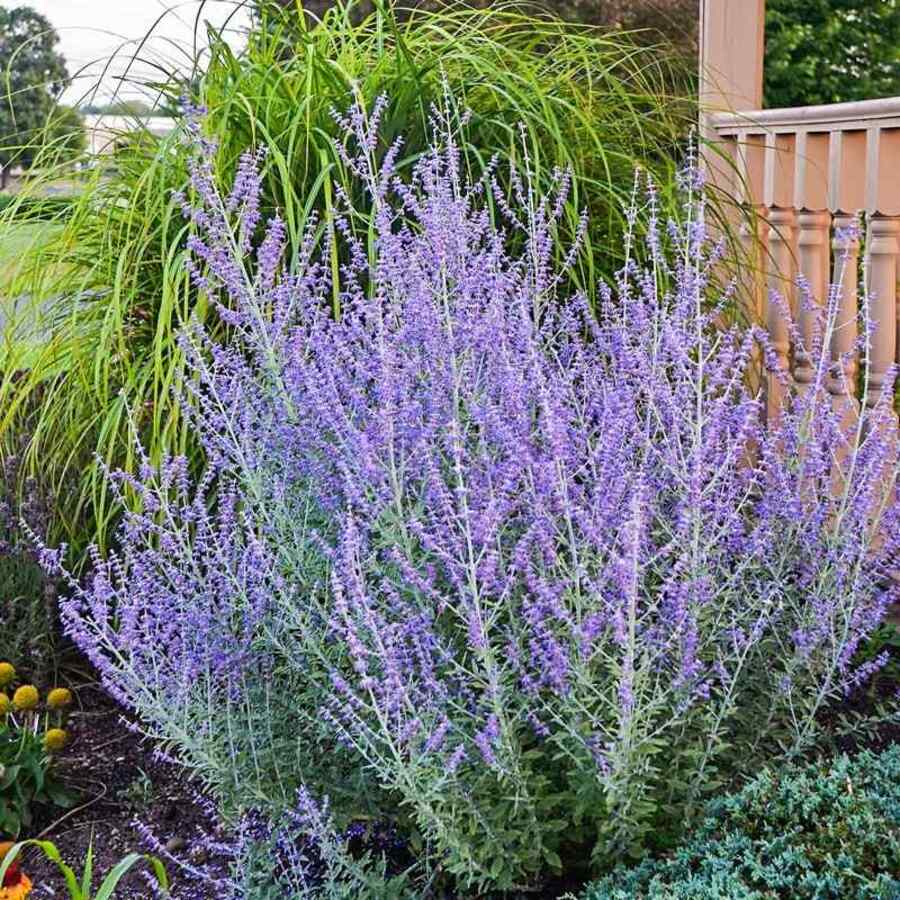
Russian sage is a go-to for heat, drought, and long seasonal bloom. Silvery stems and purple flowers create an airy, romantic look that still reads tidy in structured designs.
Best for: full sun, xeriscapes, hot borders
Style tip: use it as a “haze layer” in front of sturdier shrubs—soft, moving texture that makes everything feel more landscaped
Care notes: avoid rich soils and overwatering; cut back in late winter or early spring for fresh growth
9) Apache Plume (Fallugia paradoxa)
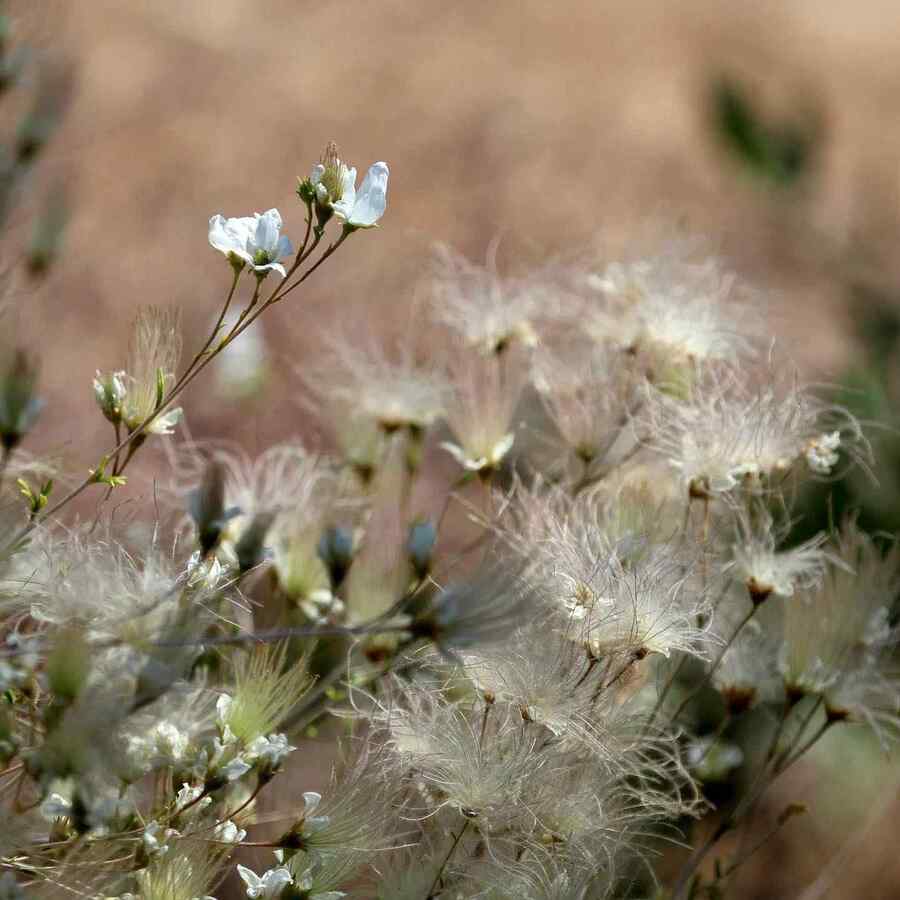
Apache plume is a tough native with delicate white flowers followed by pink, feathery seed plumes that look almost like soft brush strokes in the landscape.
Best for: dry sites, native plantings, sunny slopes
Style tip: place it where the seed plumes can be enjoyed up close—along a path or near a patio
Care notes: thrives with minimal water once established; prune lightly to shape after flowering
10) Mugho Pine (Pinus mugo)
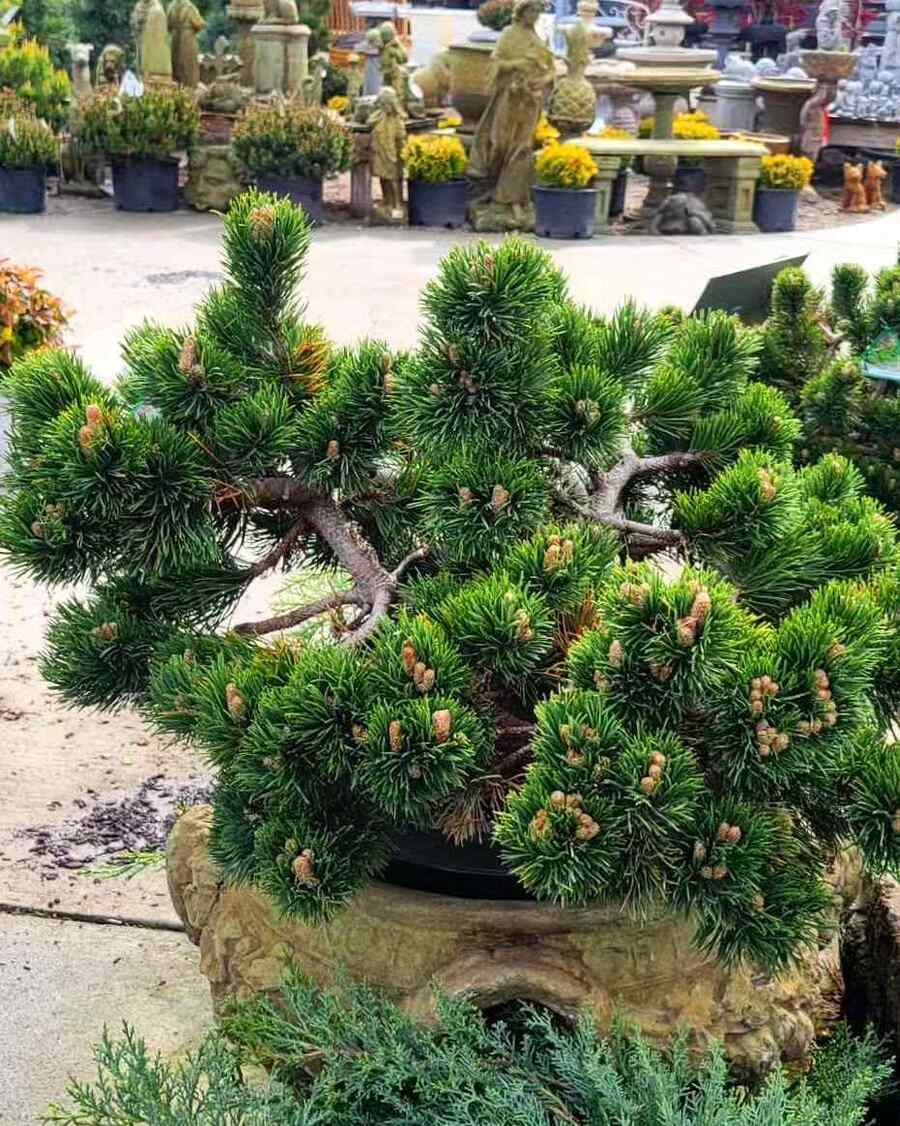
Colorado landscapes benefit from evergreens that provide structure through winter. Mugho pine is compact, durable, and naturally rounded, making it a reliable “green anchor” in beds.
Best for: year-round structure, foundation plantings, rock gardens
Style tip: use one as a focal point surrounded by lower perennials; it keeps the scene calm and composed
Care notes: slow-growing and low maintenance; “candling” (pinching new growth) can keep it extra compact if desired
Simple Planting Combinations That Look Designed
If you want your yard to feel familiar and pulled together, use these easy pairings:
-
Soft + structured: mugho pine + Russian sage
-
Four-season interest: serviceberry + ninebark + ornamental grass
-
Dry-slope solution: mountain mahogany + three-leaf sumac + Apache plume
-
Moist-area highlight: red twig dogwood + serviceberry (with shade-tolerant perennials beneath)
A design trick that works in almost any Colorado neighborhood: repeat the same shrub 3–5 times instead of using one of everything. Repetition makes a landscape feel calm, intentional, and professionally planned.
Establishment Tips: the “First Year” Routine That Makes Shrubs Succeed
Even the toughest shrubs need a smart first season.
-
Dig wide, not deep: loosen soil outward so roots expand.
-
Water deeply: soak the root zone, then let it dry slightly before the next watering.
-
Mulch 2–3 inches: keep mulch away from the stem base to prevent rot.
-
Skip heavy fertilizer: most Colorado shrubs prefer moderate nutrition; too much can create weak growth.
Closing Thoughts
The best shrubs for Colorado aren’t just “hardy”—they make your yard feel welcoming in every season. Choose a few that match your sun and water reality, repeat them in simple patterns, and let texture do the decorating. With these ten shrubs, you can build a landscape that looks intentional, supports local wildlife, and still feels easy to live with—because it is.