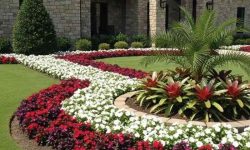
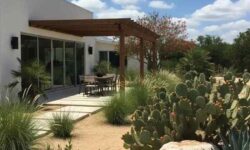
California gardens have a special kind of beauty—sunlit, breezy, and effortlessly natural when the plants are chosen well. If you’re selecting shrubs for California, aim for varieties that handle long dry spells, thrive in bright light, and still offer flowers, berries, fragrance, or evergreen structure. The ten shrubs below are favorites for a reason: they look at home in a Mediterranean climate, support birds and pollinators, and fit everything from modern minimal courtyards to relaxed, native-style hillsides.
You’ll also get simple, practical guidance—where each shrub shines, what it needs, and how it feels in a landscape—so your planting plan looks intentional, not random.
Table of Contents
Shrubs for California: How to Choose the Right Ones for Your Yard
Before you buy anything, picture the mood you want to live with every day. Do you want a clean evergreen backdrop? A soft, coastal look? A lively garden that hums with bees? In California, the best shrubs usually share a few traits:
-
Drought tolerance once established (crucial for water-wise landscapes)
-
Evergreen or semi-evergreen structure for year-round “bones”
-
Wildlife value (nectar, berries, shelter)
-
Heat and sun resilience—especially in inland valleys
-
Smart placement for fire-prone regions (more on that below)
Aesthetic shortcut: If your home has warm tones (tan stucco, cedar, terracotta), lean into silvery greens and deep evergreens. If your exterior is cooler (gray, white, black), bring in bolder flower color and textured bark.
1) California Lilac (Ceanothus spp.)
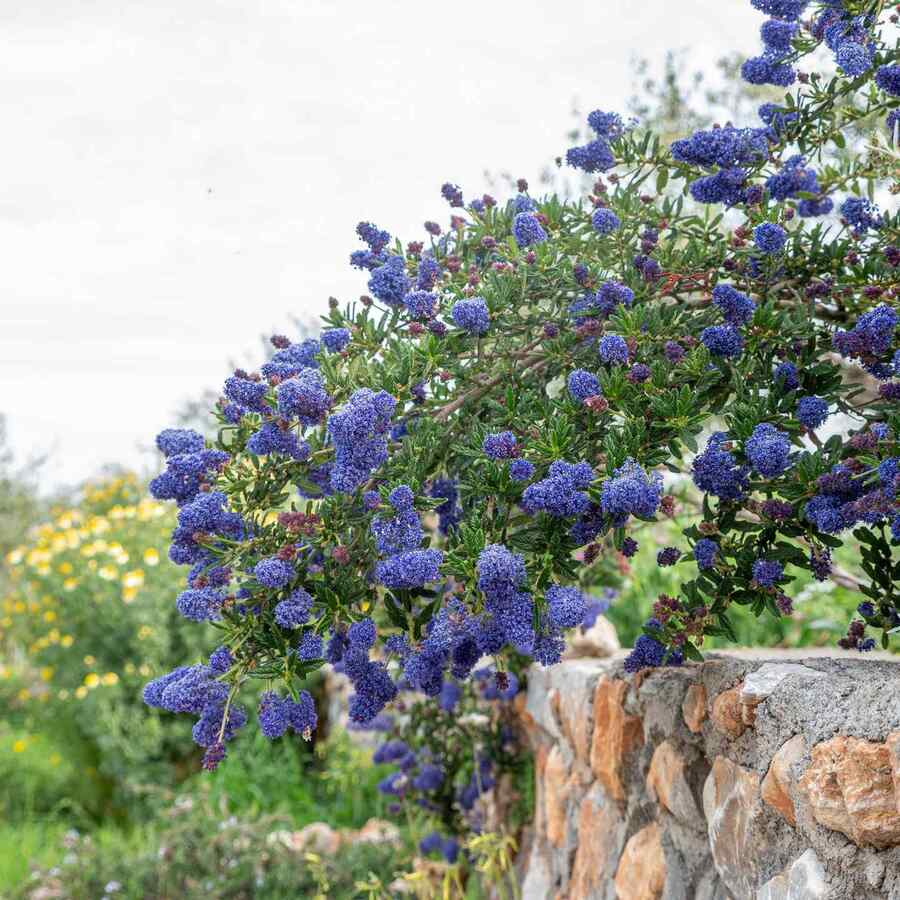
If you love a spring garden that feels alive, California lilac is the showpiece. Its blue-to-purple blooms can look like a watercolor wash across the yard.
Why it works:
-
Evergreen, drought-tolerant, and packed with spring flowers
-
Excellent for pollinators
-
Many forms: low groundcovers to large shrubs
Where it looks best:
Along a sunny slope, as a casual hedge, or near a patio where you want a seasonal “wow” moment.
Care notes:
Full sun is ideal. Give it well-drained soil and avoid frequent summer water once established—too much can shorten its life.
2) Toyon (Heteromeles arbutifolia)
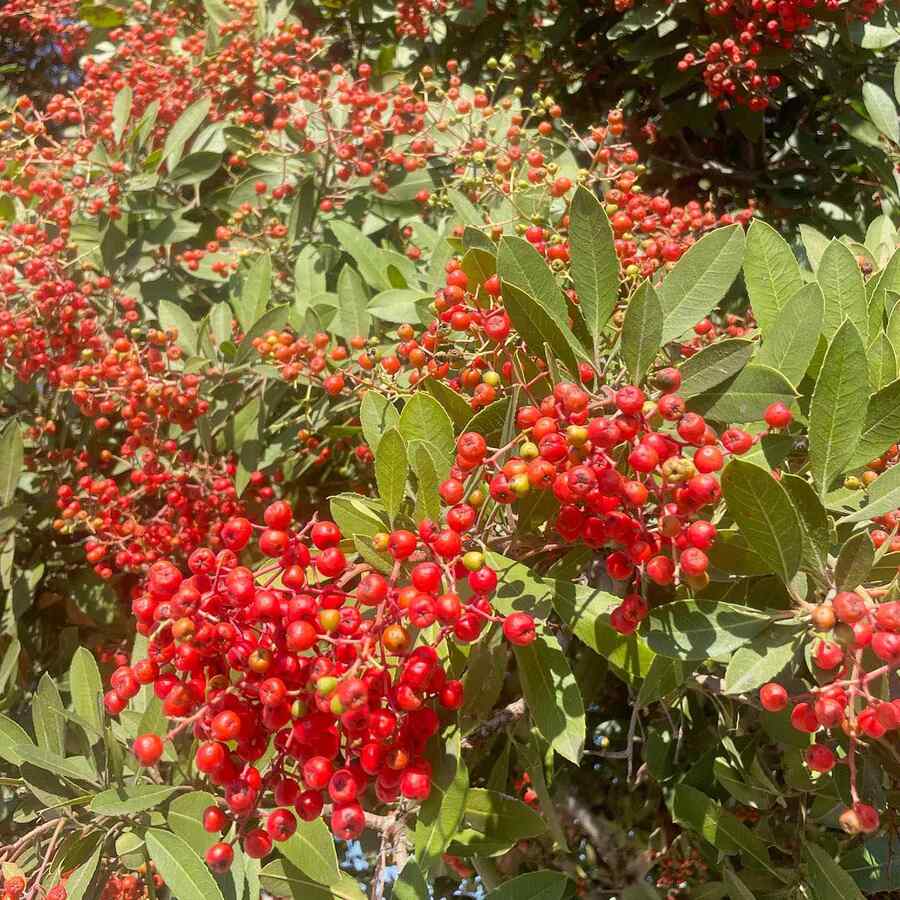
Toyon feels like classic California: glossy leaves, white flowers, and bright red winter berries that birds adore. It’s also one of those shrubs that looks mature quickly—useful when you want instant structure.
Why it works:
-
Native evergreen with winter berries
-
Often used as a screen and commonly considered useful in fire-wise planning when maintained properly
-
Great bird habitat
Where it looks best:
At the back of borders, along fences, or as a privacy layer behind smaller shrubs.
Care notes:
Handles sun to part shade. Once established, it’s comfortable with low water.
3) Coffee Berry (Frangula californica)
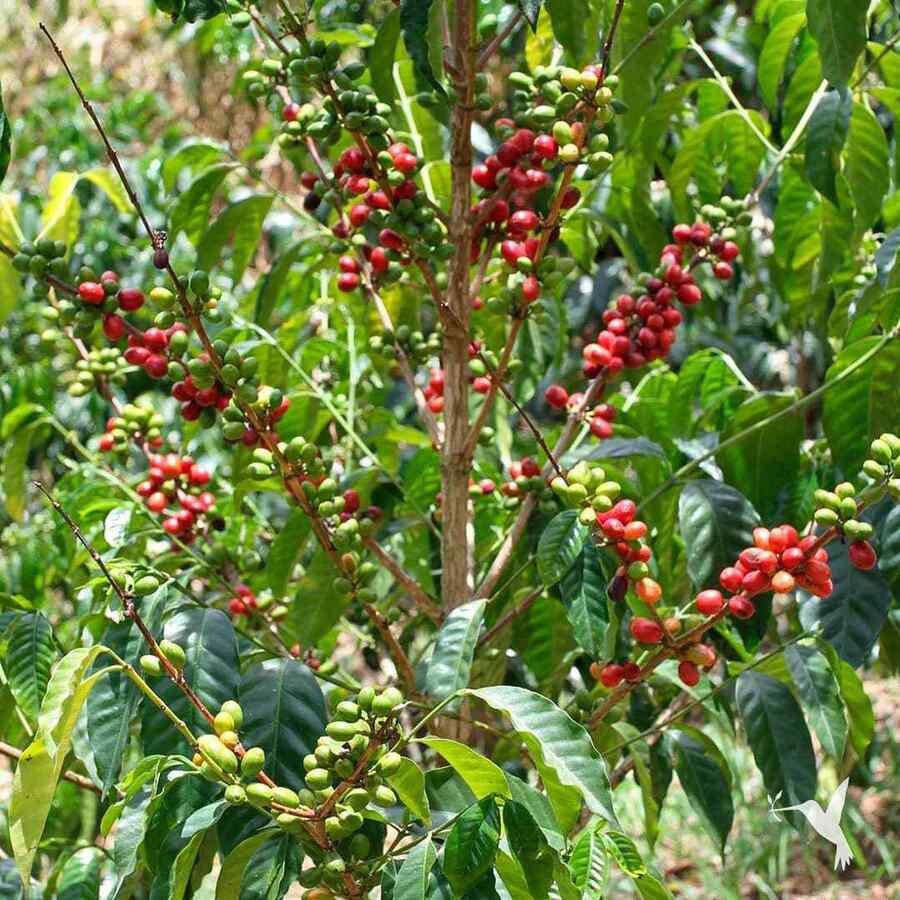
Coffee berry is the quiet workhorse that makes a landscape look polished. It has deep green leaves, a naturally full shape, and it’s easy to use as a hedge without feeling overly formal.
Why it works:
-
Native evergreen with a clean, adaptable look
-
Can be shaped for hedging or left natural
-
Feeds wildlife
Where it looks best:
As a living fence, a backdrop behind flowering perennials, or a repeating shrub to create rhythm along a walkway.
Care notes:
Sun to part shade. Water the first year for establishment; after that, reduce to occasional deep watering.
4) Cleveland Sage (Salvia clevelandii)
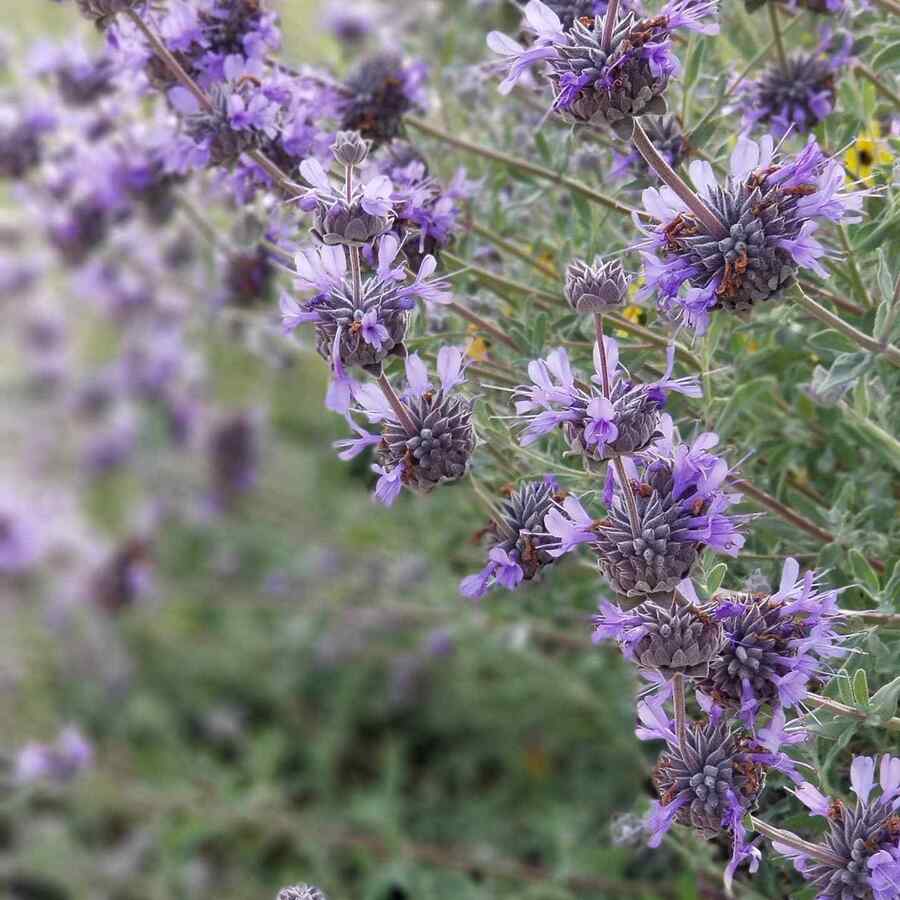
This is the shrub for people who want a garden that feels personal—fragrant, vibrant, and a little wild in the best way. Brush past it and you’ll catch that unmistakable California sage scent.
Why it works:
-
Strong fragrance, purple blooms
-
Attracts hummingbirds and butterflies
-
Drought tolerant
Where it looks best:
Near paths, patios, or entryways—anywhere you’ll touch or smell it. Pair with gravel, boulders, and warm-toned hardscape for a naturalistic look.
Care notes:
Full sun and sharp drainage matter. Give it space and avoid heavy summer irrigation.
5) Sticky Monkeyflower (Diplacus aurantiacus)
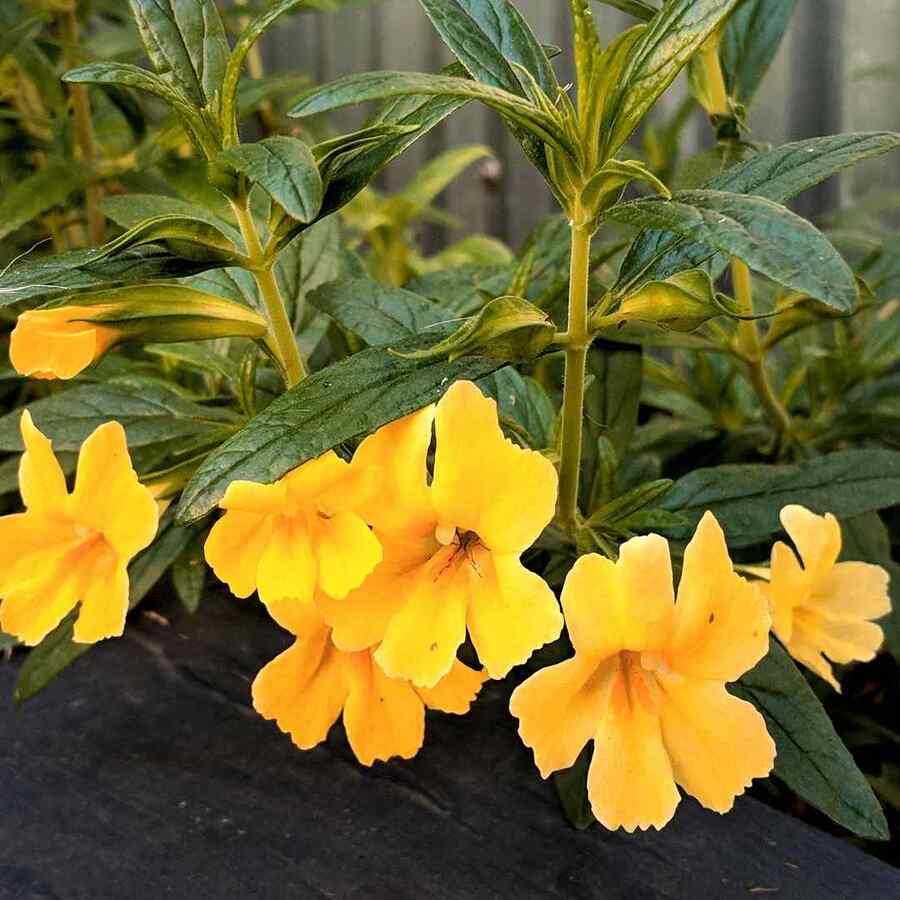
Sticky monkeyflower brings warm color—orange and yellow tones that feel like sunset. It’s especially at home in coastal and chaparral-inspired gardens.
Why it works:
-
Native, sun-loving, and long-blooming
-
Excellent for pollinators
-
Adds bright color without high water use
Where it looks best:
On a sunny bank, spilling over a low wall, or mixed with grasses for a coastal scrub vibe.
Care notes:
Full sun to light shade. Prune lightly after flowering to keep it tidy.
6) Dwarf Coyote Brush (Baccharis pilularis ‘Pigeon Point’)
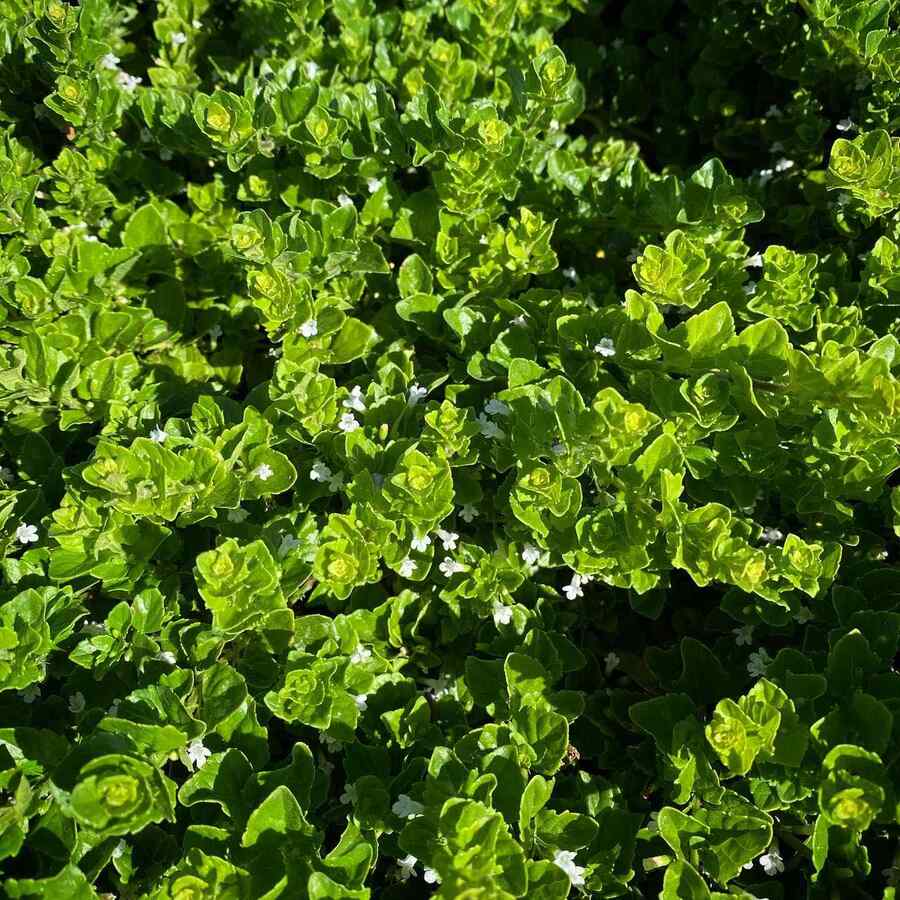
If you want a low, dense green carpet that behaves itself, this is the one. It’s not fussy, it’s not thirsty, and it makes everything around it look more intentional.
Why it works:
-
Low, spreading shrub—great groundcover
-
Helps with erosion control
-
Very low maintenance once established
Where it looks best:
Slopes, wide borders, parking strips, or anywhere you want a clean green “base layer” under taller shrubs.
Care notes:
Sun to part shade. Shear lightly if you prefer a tighter, smoother look.
7) Lemonade Berry (Rhus integrifolia)
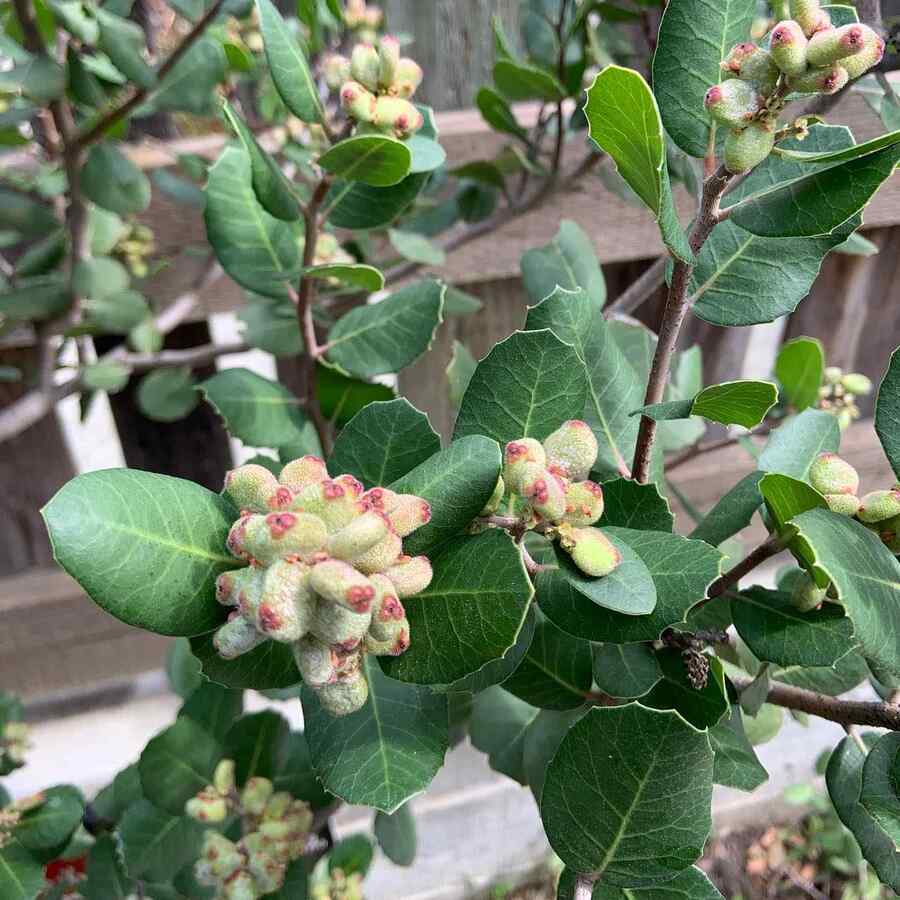
Lemonade berry has thick, glossy leaves and a tough, coastal-ready personality. The berries are edible, and the plant itself reads as bold and architectural.
Why it works:
-
Evergreen, drought tolerant, durable
-
Excellent for coastal conditions
-
Dense foliage for screening
Where it looks best:
Windy areas, coastal gardens, and boundaries where you want a strong green wall without a formal hedge feel.
Care notes:
Full sun to part shade. Give it room; it can become a substantial shrub.
8) California Buckwheat (Eriogonum fasciculatum)
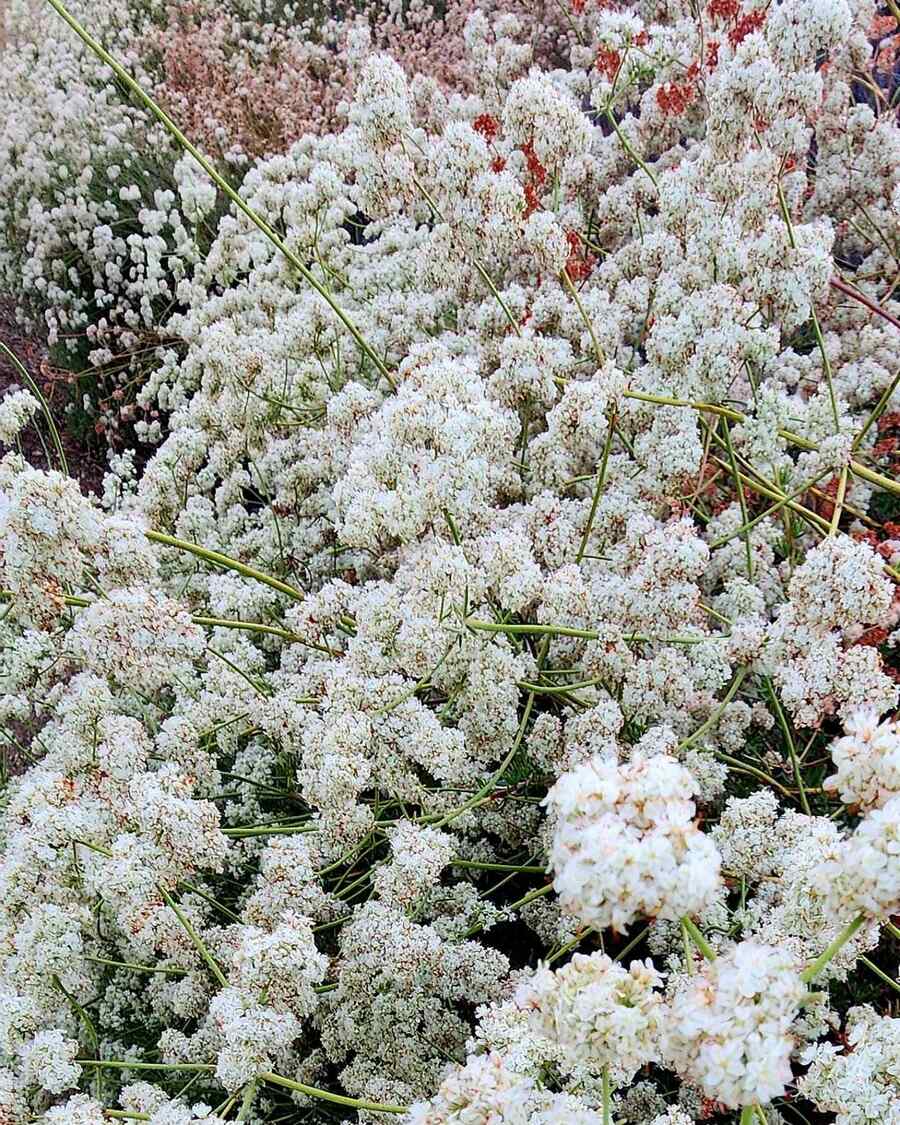
This shrub is a pollinator magnet and a seasonal color-shifter. It blooms in summer with pale clusters that age into warm rust tones—perfect for a garden that changes gently through the year.
Why it works:
-
Outstanding for bees and beneficial insects
-
Summer bloom, fall color shift
-
Drought tolerant and heat resilient
Where it looks best:
In drifts, along sunny borders, or paired with sage and manzanita for a true California palette.
Care notes:
Full sun and lean soil. Deadhead or shear lightly after bloom if you want a neater silhouette.
9) Manzanita (Arctostaphylos spp.)
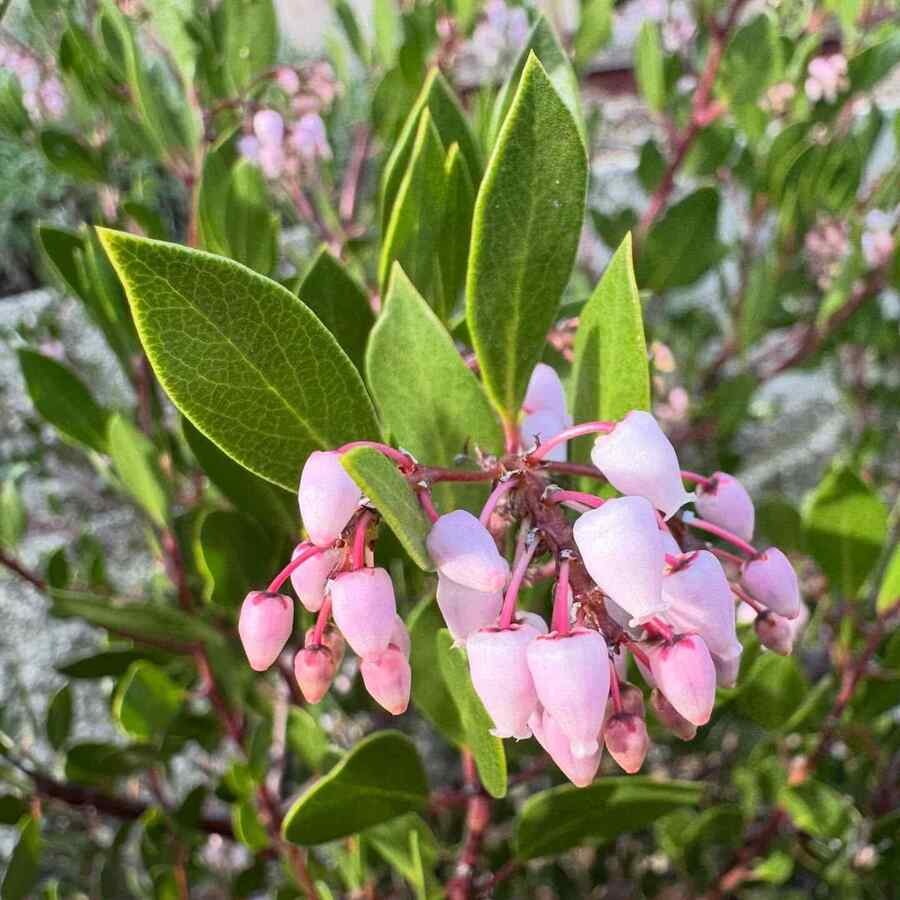
Manzanita is pure California sculpture: smooth red bark, evergreen leaves, and a silhouette that looks curated even when it’s not. If you want your garden to feel like a designed space—without fuss—this shrub is your anchor.
Why it works:
-
Iconic red bark and evergreen structure
-
Drought tolerant, very hardy
-
Early flowers can support pollinators
Where it looks best:
As a focal point near the entry, framed by boulders, or on a slope where the branching can be admired.
Care notes:
Drainage is non-negotiable. Water sparingly once established and avoid rich soil.
10) Western Redbud (Cercis occidentalis)
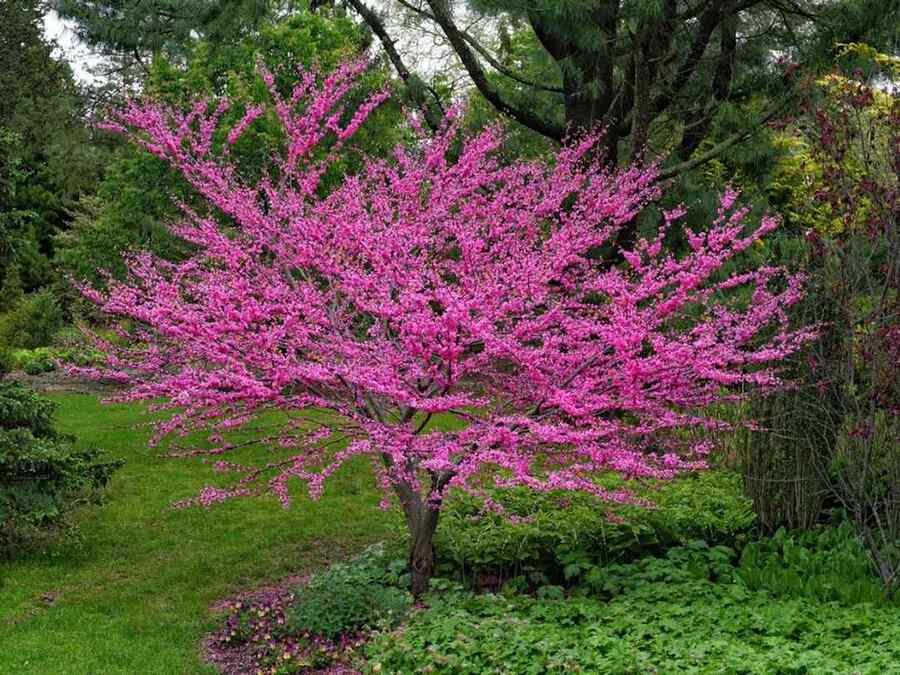
Western redbud is technically a small tree or large shrub, and it earns its place here because it brings unforgettable spring color—magenta blooms that make your yard feel celebratory.
Why it works:
-
Brilliant spring flowers
-
Heart-shaped leaves
-
Beautiful form for small spaces
Where it looks best:
Near patios, by windows, or as a specimen where you’ll notice the blooms daily. It also pairs beautifully with grasses and boulders.
Care notes:
Sun to part shade. Moderate water while establishing; afterward, it’s relatively drought tolerant, especially in well-drained soil.
Styling Ideas: Make These Shrubs Feel “Designed”
A shrub list is helpful, but arrangement is what makes a garden feel like yours. Try one of these easy formulas:
Calm + modern (clean lines):
-
Coffee berry (repeated) + dwarf coyote brush base + one statement manzanita
Warm + coastal (relaxed, sun-washed):
-
Sticky monkeyflower + lemonade berry + California buckwheat
Classic California (native, lively, layered):
-
Toyon back layer + ceanothus mid layer + Cleveland sage and buckwheat in front
Personal touch: repeat one shrub three times in a line (evenly spaced). Repetition is the fastest path to a garden that feels cohesive.
Quick Care Rules That Prevent 80% of Problems
-
Water deeply, not often (especially after year one).
-
Group shrubs by water needs so you’re not overwatering drought lovers.
-
Give natives drainage—many struggle in heavy, soggy soil.
-
Prune with purpose: shape lightly after flowering rather than constant clipping.
If you live in a fire-prone region, keep shrubs well-maintained, remove dead material, and follow local defensible space guidelines—plant choice matters, but maintenance and spacing matter just as much.
A Simple Way to Pick Your Top 3
If you want a fast, confident starting point, choose:
-
One structural evergreen: coffee berry, toyon, or lemonade berry
-
One “signature beauty” shrub: manzanita or ceanothus
-
One pollinator engine: Cleveland sage or California buckwheat
That trio gives you year-round shape, seasonal color, and wildlife value—without demanding constant water.
Final Planting Note
The best shrubs for a California garden are the ones that match your light, soil, and lifestyle. If you want a yard that feels familiar the moment you step outside—calm, sun-friendly, and alive with small movement from birds and bees—start with these ten. They’re dependable, beautiful, and built for the way California really lives.