If you garden in USDA Zone 3, you already know the routine: winter bites hard, spring arrives late, and anything “almost hardy” usually becomes compost. The good news is that full sun shrubs can be some of the toughest plants in your yard. With the right picks, you get fragrance, flowers, winter color, and structure—without babying them all season.
Zone 3 full sun usually means 6+ hours of direct light, plus wind, plus snow load. Shrubs that thrive here tend to have sturdy wood, reliable buds, and roots that don’t rot when snowmelt turns your soil into a cold sponge. Most of these options also handle -40°F to -30°F winters (depending on your exact Zone 3 pocket and exposure).
Before the list, here’s the simple rule I follow: plant for drainage first. In Zone 3, “wet and cold” is more dangerous than “dry and cold.” If you can improve the soil even a little—raised beds, a slight mound, compost, and avoiding low spots—your shrubs will look twice as good with half the work.
Table of Contents
1) Common Lilac (Syringa vulgaris)
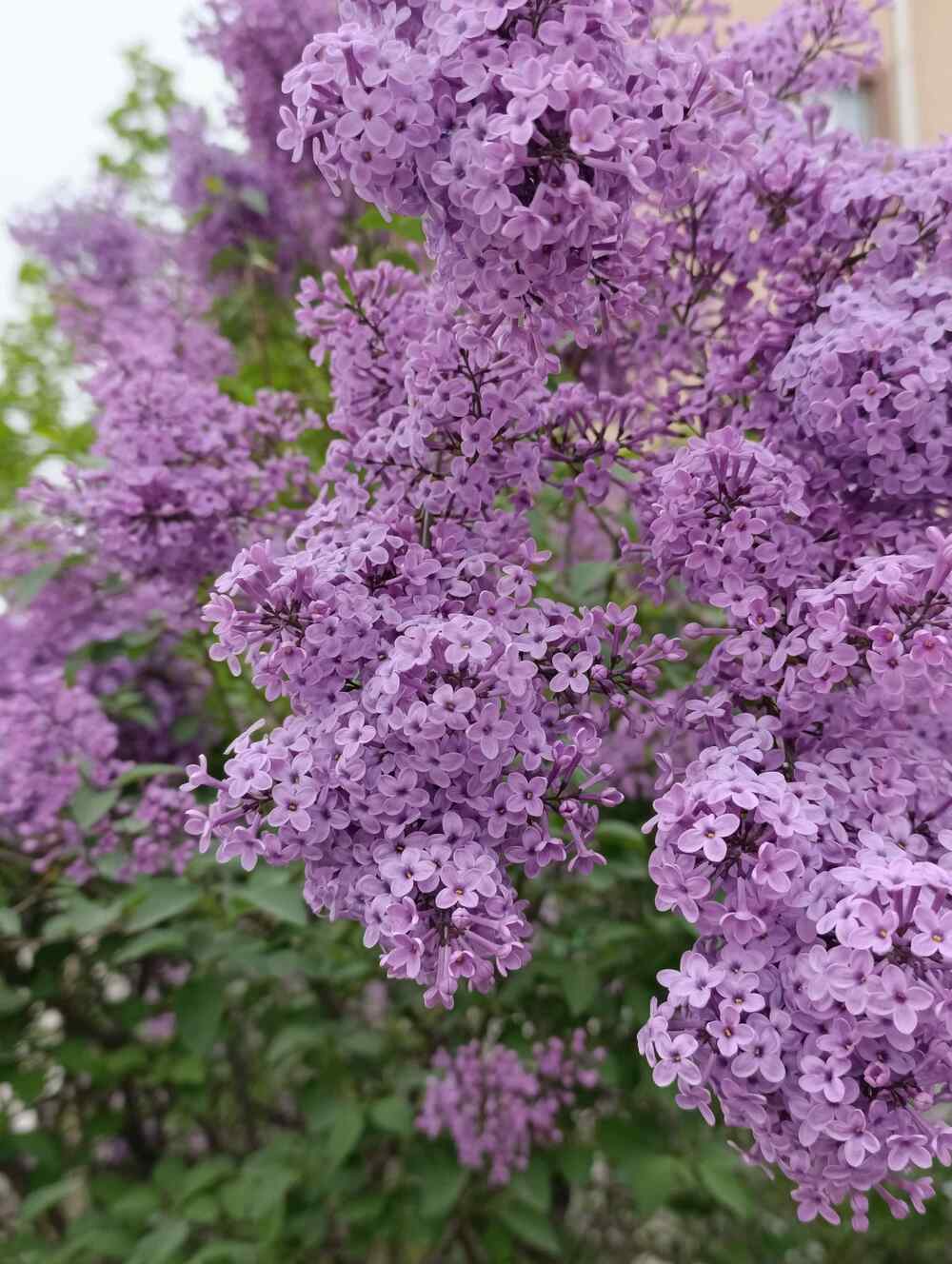
Lilac is a classic for a reason: hardy wood, reliable blooms, and perfume that feels like the start of summer after a long winter. In full sun, it flowers best and stays denser. It’s also one of the easiest shrubs to use as a flowering screen or informal hedge.
Zones: 3–7
Sun: Full sun (best flowering)
Soil needs: Well-drained, average soil; prefers neutral to slightly alkaline
Flower advantage: Those fragrant flower clusters pull you outside on purpose. They’re also great for cutting—bring the scent indoors.
Care tips: Prune right after flowering so you don’t remove next year’s buds. If lilac gets too tall, remove a few oldest stems at ground level each year to renew it.
2) Panicle Hydrangea (Hydrangea paniculata)
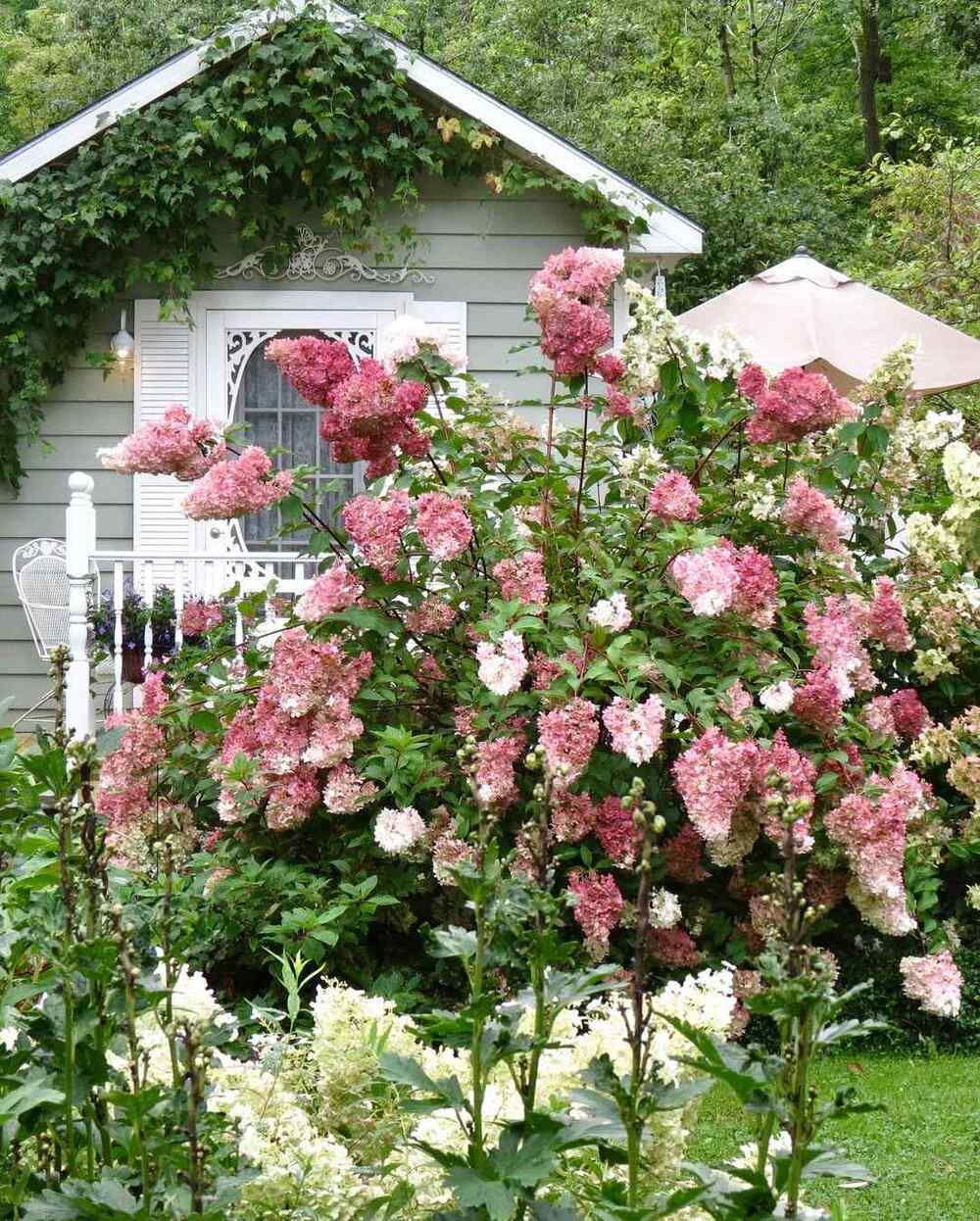
If you want big blooms in a cold climate, panicle hydrangea is the safe bet. It flowers on new wood, so winter dieback doesn’t ruin the show. The cones of flowers start white and often blush pink as the season goes on.
Zones: 3–8 (many cultivars thrive in Zone 3)
Sun: Full sun to part sun (more sun = sturdier stems)
Soil needs: Moist but well-drained; compost helps a lot
Flower advantage: Late-summer blooms are a gift in Zone 3 when spring-flowering shrubs are finished.
Care tips: If your plant flops, it often needs more sun and less nitrogen. A spring prune (light shaping or a harder cut) is fine because it blooms on new growth.
3) Ninebark (Physocarpus opulifolius)
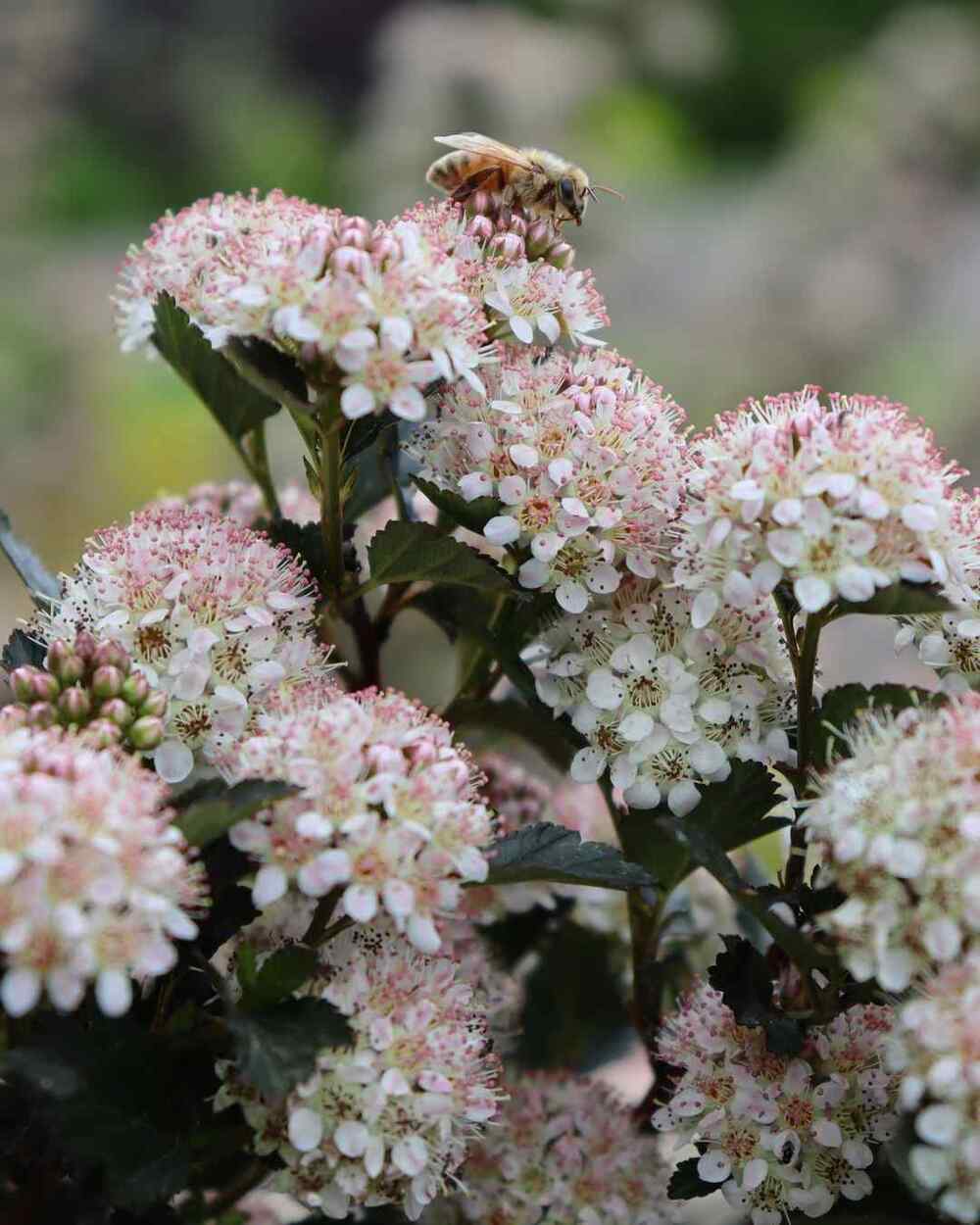
Ninebark is the shrub I recommend when someone says, “I want something pretty, but I don’t want to fuss.” It has colorful foliage (gold, copper, deep purple), spring flowers, and peeling bark that shows off in winter.
Zones: 2–7
Sun: Full sun for best leaf color
Soil needs: Adaptable; prefers well-drained but tolerates a lot
Flower advantage: Spring clusters feed early pollinators, then the foliage carries the rest of the season.
Care tips: For a fuller plant, remove a few older stems each spring. If it gets wild, you can cut it back hard and it rebounds quickly.
4) Red Twig Dogwood (Cornus sericea)
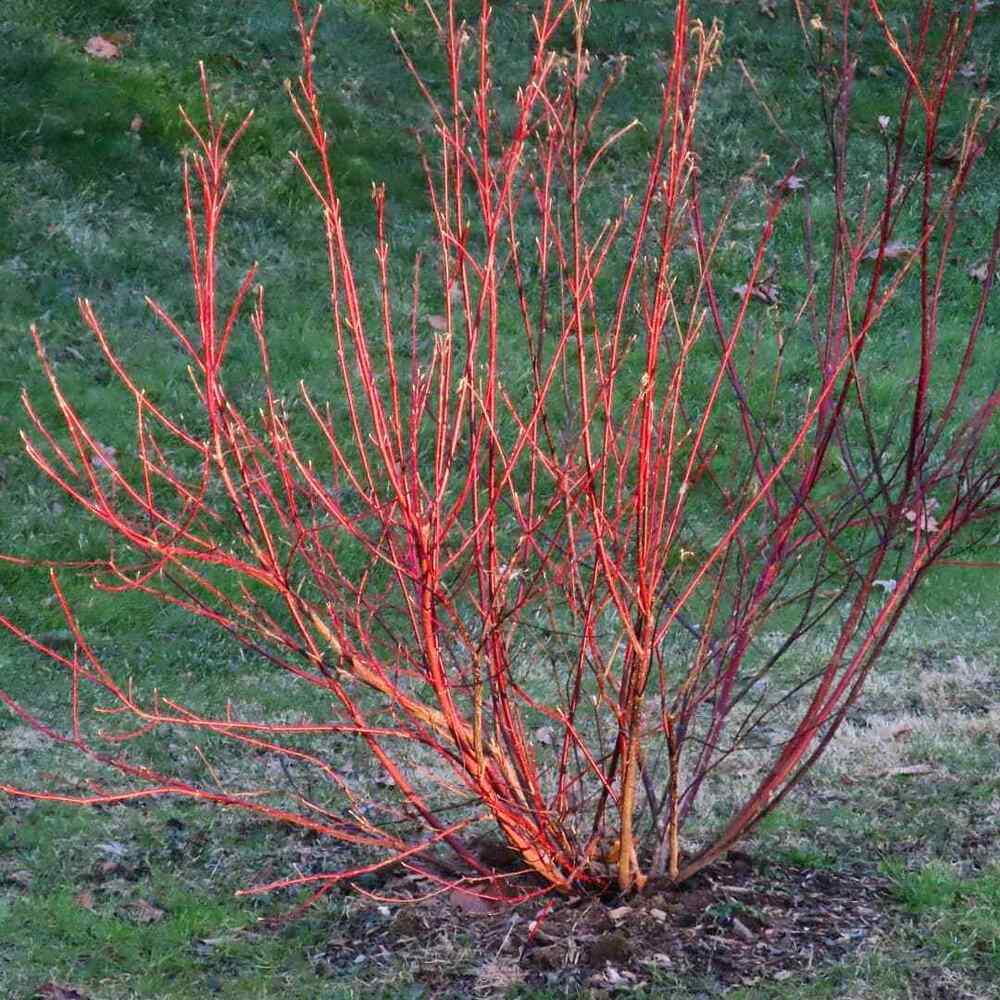
This one earns its place for winter alone. When the leaves drop, the stems turn bright red and look amazing against snow. In summer you get green leaves and small flowers, and birds often appreciate the berries.
Zones: 2–7
Sun: Full sun to light shade (full sun gives best stem color)
Soil needs: Moist soil is fine; it tolerates heavier ground better than most shrubs
Flower advantage: Small flowers and berries support wildlife, while you get the winter stem show.
Care tips: To keep stems vivid, cut back about one-third of the oldest stems each spring. Young stems are the brightest.
5) Potentilla (Potentilla fruticosa)
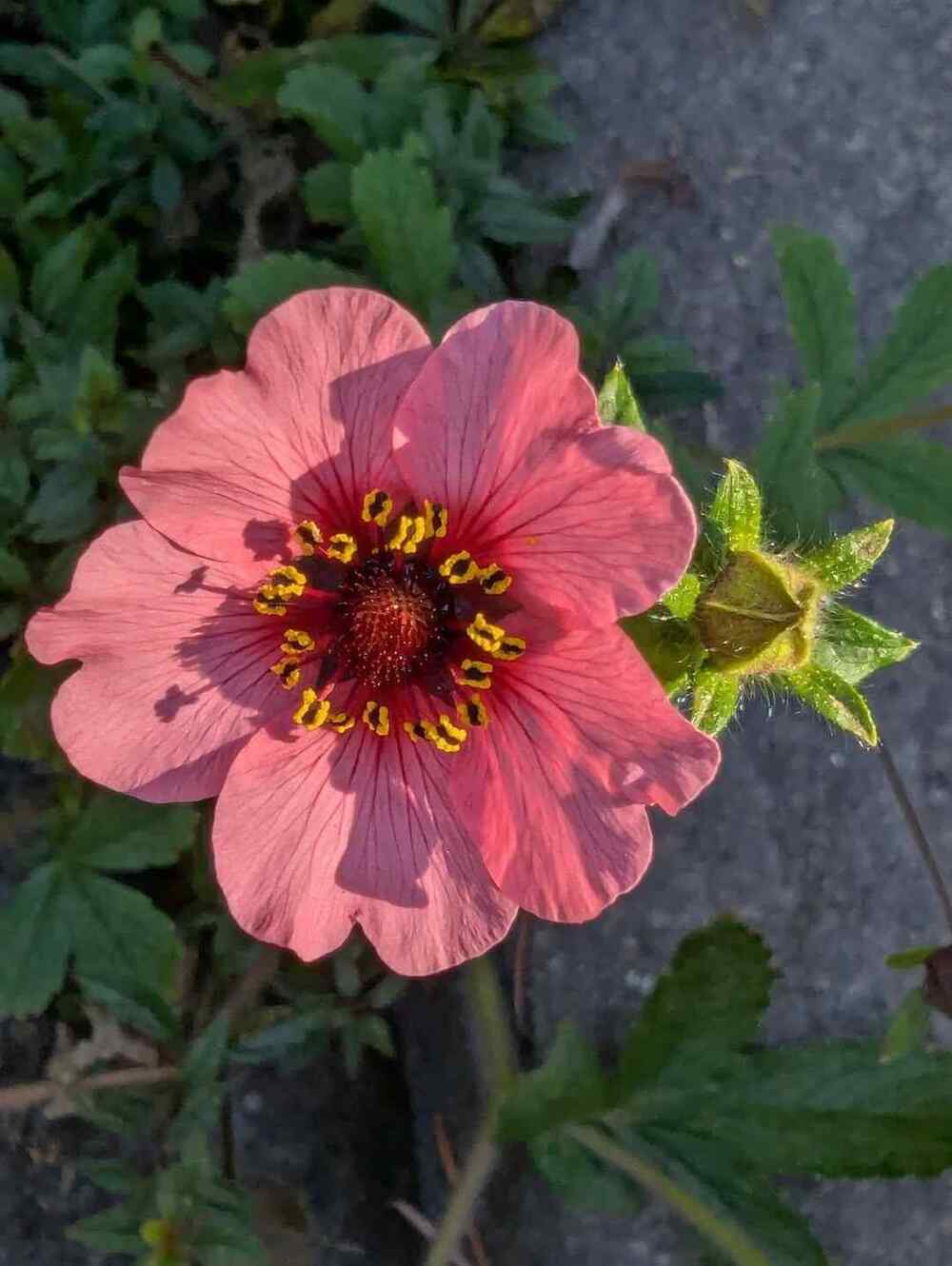
Potentilla is the steady worker: compact, reliable, and blooming for months. It’s one of the best options for long-season color in Zone 3 without demanding perfect soil.
Zones: 2–7
Sun: Full sun
Soil needs: Well-drained; tolerates poorer soils once established
Flower advantage: Blooms can run from late spring into fall, especially with a little deadheading.
Care tips: In early spring, shear lightly to refresh growth. If it gets woody, a harder renewal prune helps.
6) Rugosa Rose (Rosa rugosa)
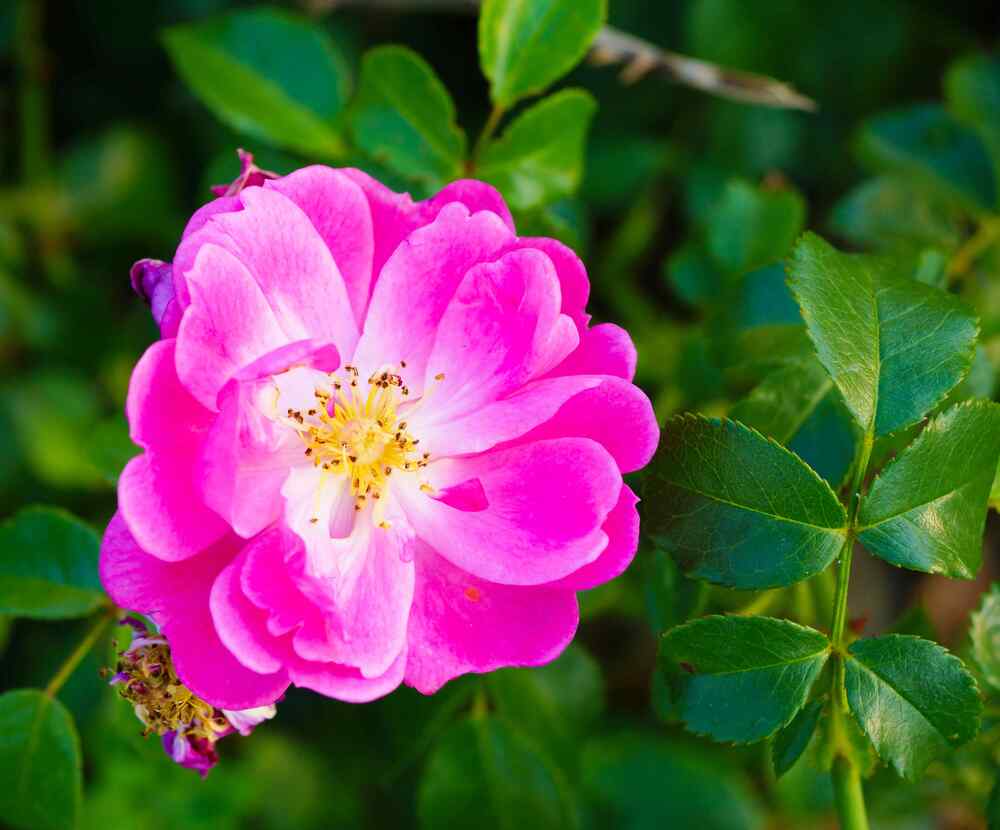
Rugosa rose is tough like it’s annoyed by winter. It brings fragrant blooms, thick textured leaves, and big rose hips in fall. Many types are also known for good disease resistance compared to fussier roses.
Zones: 2–7
Sun: Full sun
Soil needs: Well-drained; tolerates sandy soil and coastal-type conditions
Flower advantage: Flowers smell sweet, and the hips that follow are beautiful and feed birds.
Care tips: Give it space—rugosa can spread. If it gets too dense, remove older canes at the base. Wear gloves. You’ll thank yourself.
7) Juniper (Juniperus spp.)
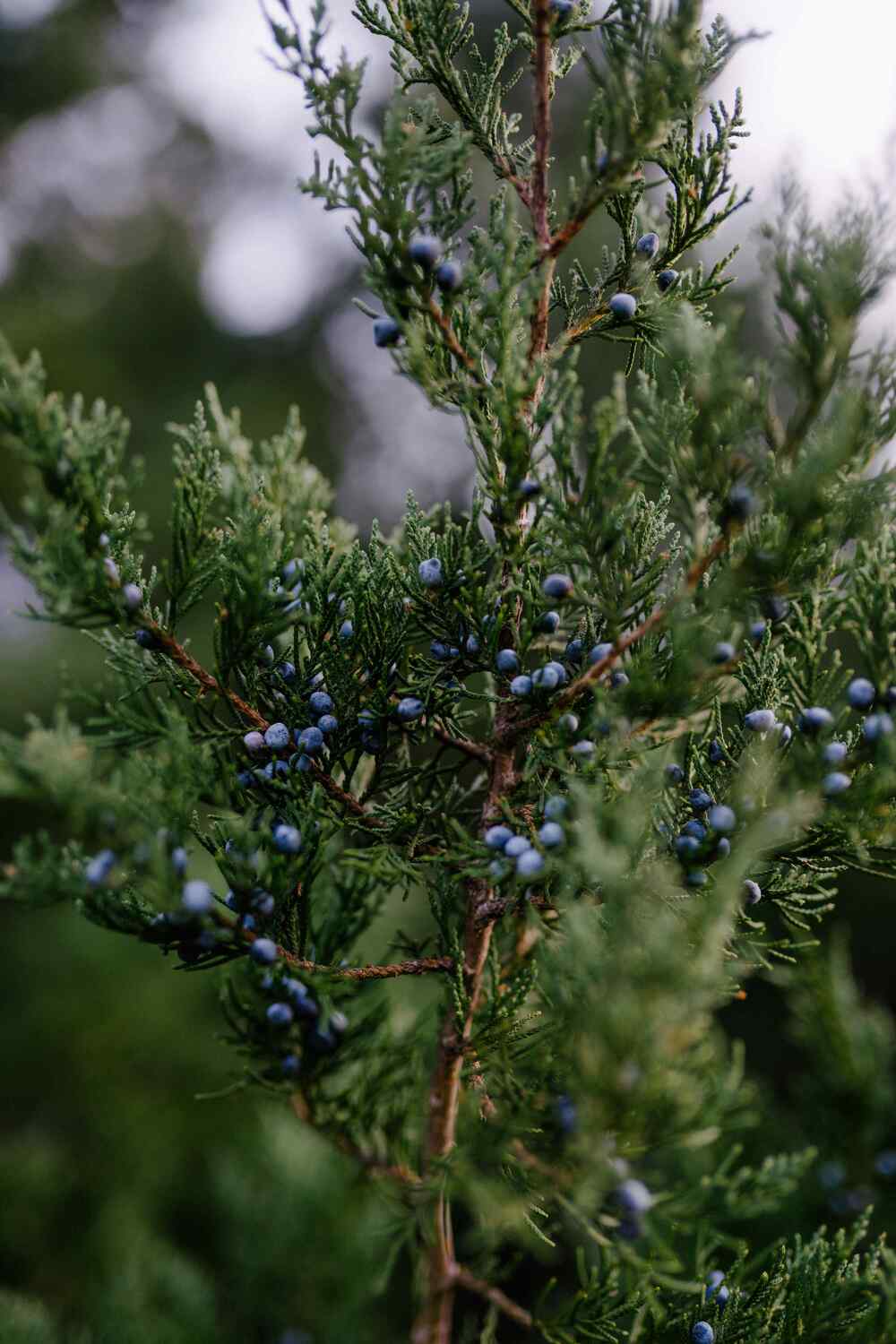
Juniper is one of the easiest ways to keep your yard from feeling empty in winter. It’s an evergreen that’s often drought-tolerant and deer-resistant, and you can choose low groundcovers or upright forms.
Zones: Many types are 2–7 (check the cultivar)
Sun: Full sun
Soil needs: Well-drained, even gravelly soil; dislikes soggy ground
Flower advantage: Not grown for showy flowers, but it offers year-round color and shelter for birds.
Care tips: Don’t plant it where snowmelt puddles. In windy spots, pick hardy cultivars with strong structure.
8) Forsythia (Forsythia spp.)
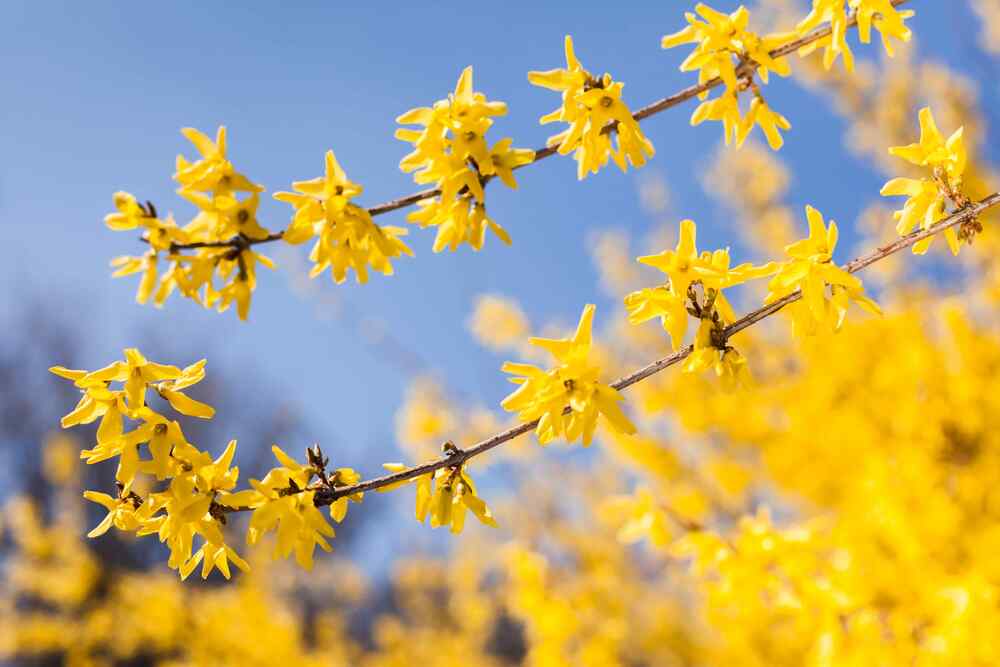
Forsythia is spring fireworks. In early spring, bare stems burst into bright yellow blooms that make the whole yard feel warmer, even if it’s still jacket weather. Zone 3 gardeners need to pick hardy cultivars, because buds can be damaged in extreme cold.
Zones: Depends on cultivar; some are hardy to Zone 3
Sun: Full sun for best flowering
Soil needs: Well-drained, average soil
Flower advantage: One of the earliest blooms, giving early pollinators something to work with.
Care tips: Plant it where snow protects lower stems—buds below snow line often survive best. Prune after flowering.
9) Weigela (Weigela florida)
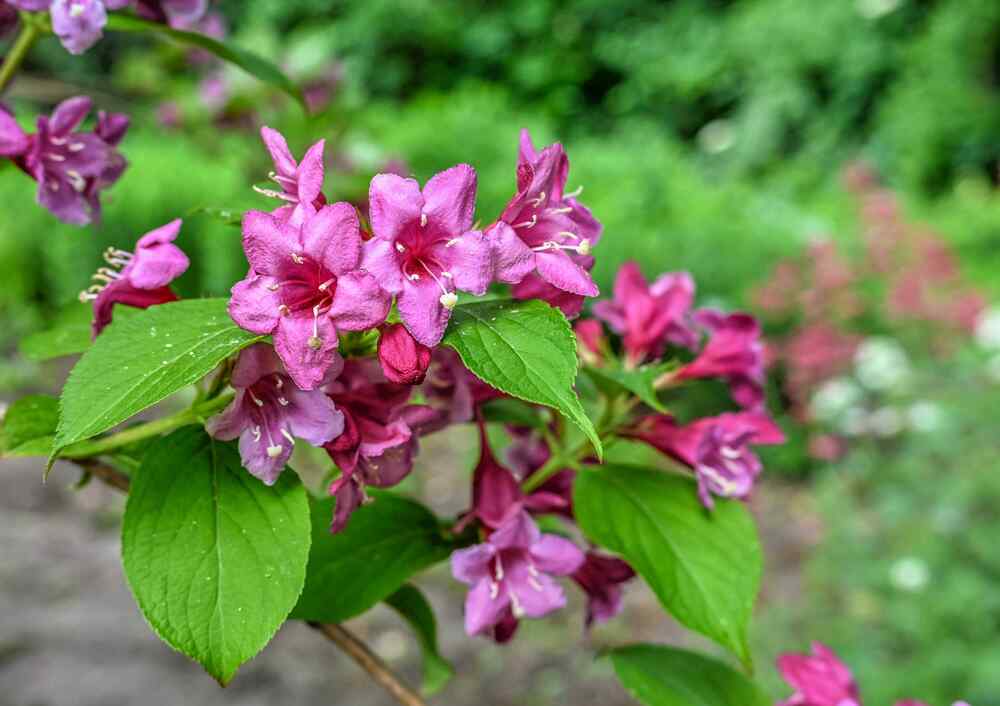
Weigela brings trumpet-shaped flowers that hummingbirds love, plus foliage that can be green, variegated, or burgundy depending on the variety. Like forsythia, hardiness depends heavily on cultivar, so stick to ones rated for cold.
Zones: Often 4–8, but some cultivars are bred for colder zones (verify the tag)
Sun: Full sun for best blooms and foliage color
Soil needs: Well-drained, moderately fertile
Flower advantage: Those tubular blooms are a magnet for hummingbirds and pollinators.
Care tips: If winter dieback happens, prune out dead wood in spring. Flowering is best on healthy stems, so placement out of harsh wind helps.
10) Dwarf Mugo Pine (Pinus mugo ‘Mughus’)
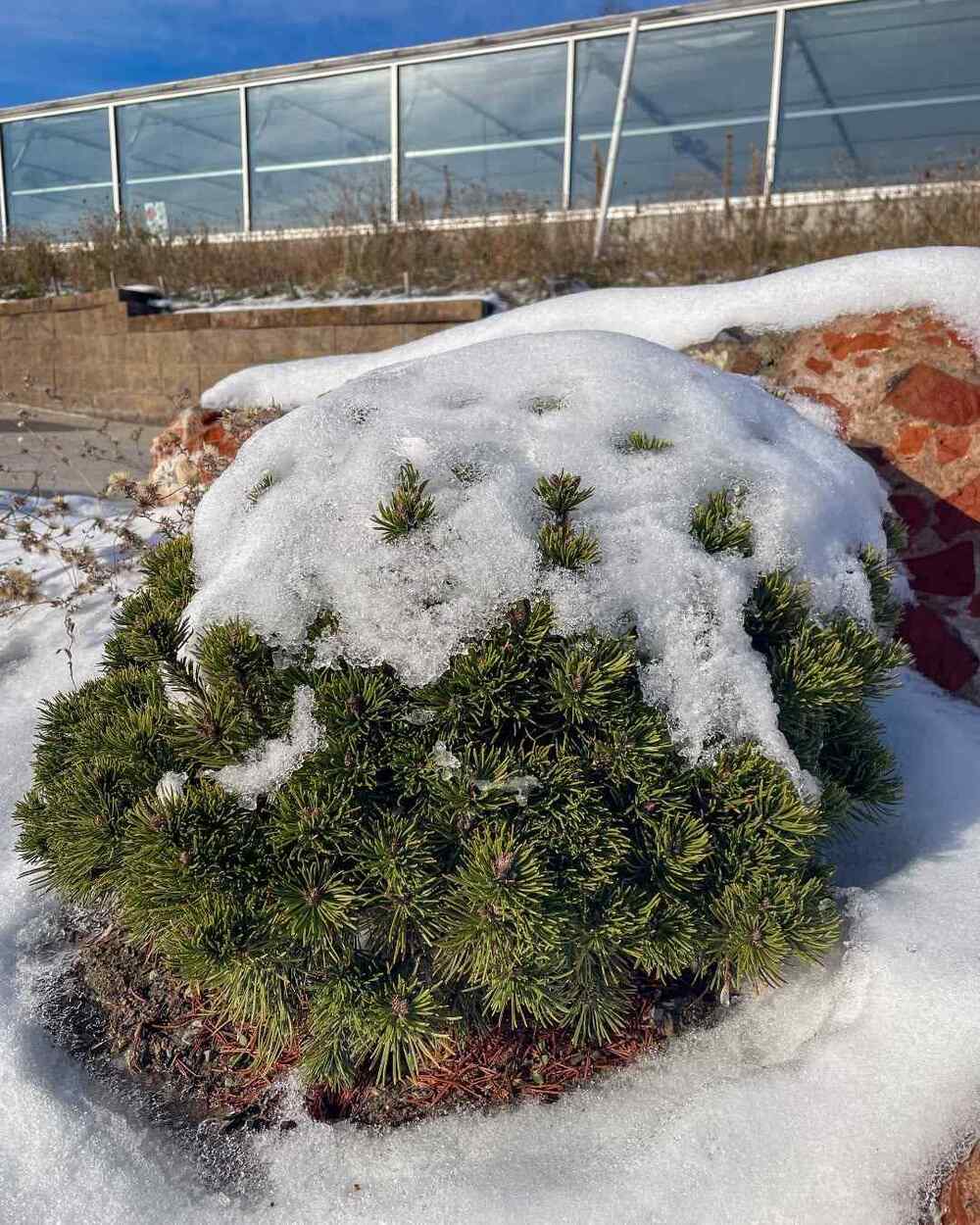
If you want an evergreen that stays compact and looks good all year, dwarf mugo pine is a strong choice. It adds structure, holds up under snow, and gives you that calm, “finished landscape” feeling even in February.
Zones: 2–7
Sun: Full sun
Soil needs: Well-drained; tolerates sand and lean soils
Flower advantage: Not a flower shrub, but it provides winter form and contrast that makes nearby blooms pop more.
Care tips: In late spring, you can pinch “candles” (new growth) to control size. Don’t cut back into old bare wood.
Quick Zone 3 planting notes that save headaches
Spacing matters more than you think. In cold climates, crowded shrubs stay wetter and get more disease pressure. Give them breathing room so they dry off quickly after rain and snowmelt.
Mulch like a pro. A 2–3 inch mulch layer helps even out freeze-thaw cycles, but keep it a few inches away from stems so you don’t invite rot or rodents.
Water deeply the first year. Even hardy shrubs need consistent moisture while establishing. After that, many of these choices become low-drama, especially juniper, ninebark, and potentilla.