A garden can feel a little flat when everything is the same green. Yellow shrubs fix that fast. Some bring early-spring fireworks before your perennials even wake up. Others hold golden foliage all year, so the yard stays cheerful even in dull months. Below are ten reliable choices, with practical notes on zones, soil, and where each one shines.
Table of Contents
1) Forsythia (Forsythia spp.)
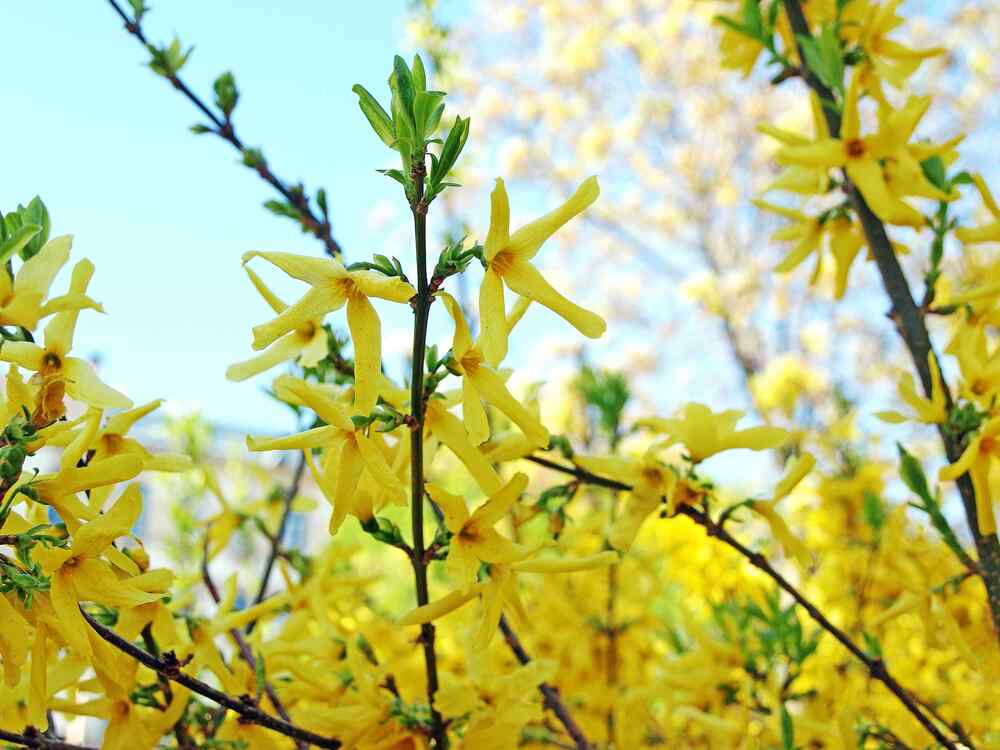
Forsythia is the classic “spring starts now” shrub: neon-yellow flowers line bare branches before leaves appear. It grows fast and forgives a lot, which is handy when you want quick results. Many types do well in USDA Zones 5–8. Give it full sun to light shade and well-drained soil for the heaviest bloom.
Forsythia’s best trick is timing. When it flowers, your yard looks awake while everything else still naps. Prune right after flowering (not in fall), because it blooms on old wood. If you prune late, you cut off next spring’s show. A loose, informal hedge is where it really earns its keep.
2) Witch Hazel (Hamamelis × intermedia)
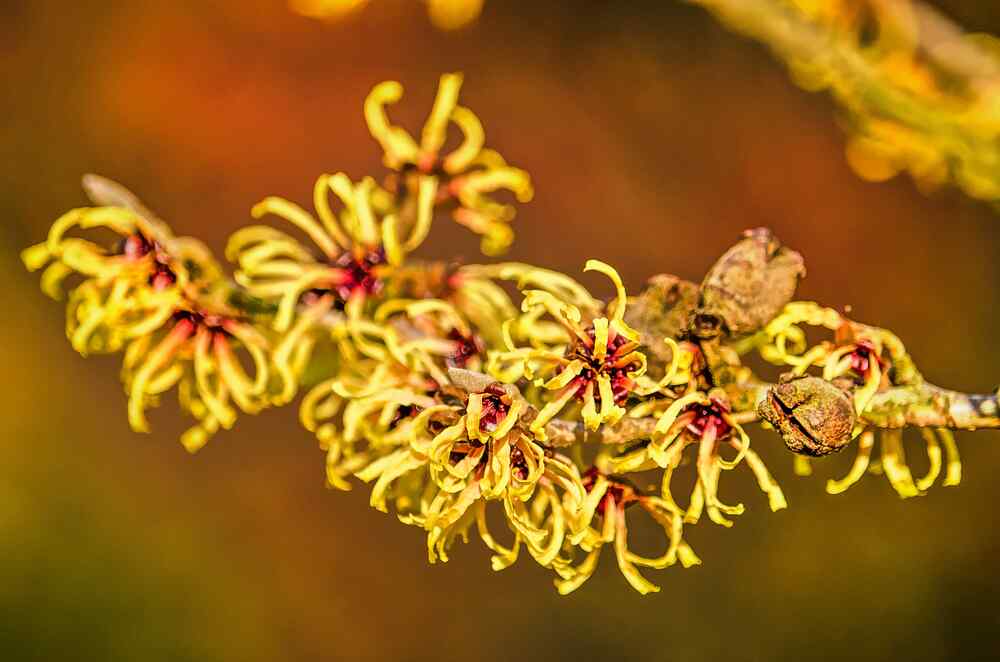
Witch hazel flowers when you least expect it—often late winter into very early spring. The yellow petals look like little ribbons and many varieties smell sweet, especially on milder days. Most do well in Zones 5–8. Plant it in sun to part shade with moist, well-drained, slightly acidic soil.
This shrub is a mood-lifter in the “grey stretch” of the year. It also has pretty fall color, so it pulls double duty. Keep the root zone evenly moist during dry spells, especially the first couple years. Prune lightly, if at all, and mainly to remove crossing branches.
3) Potentilla / Bush Cinquefoil (Potentilla fruticosa)
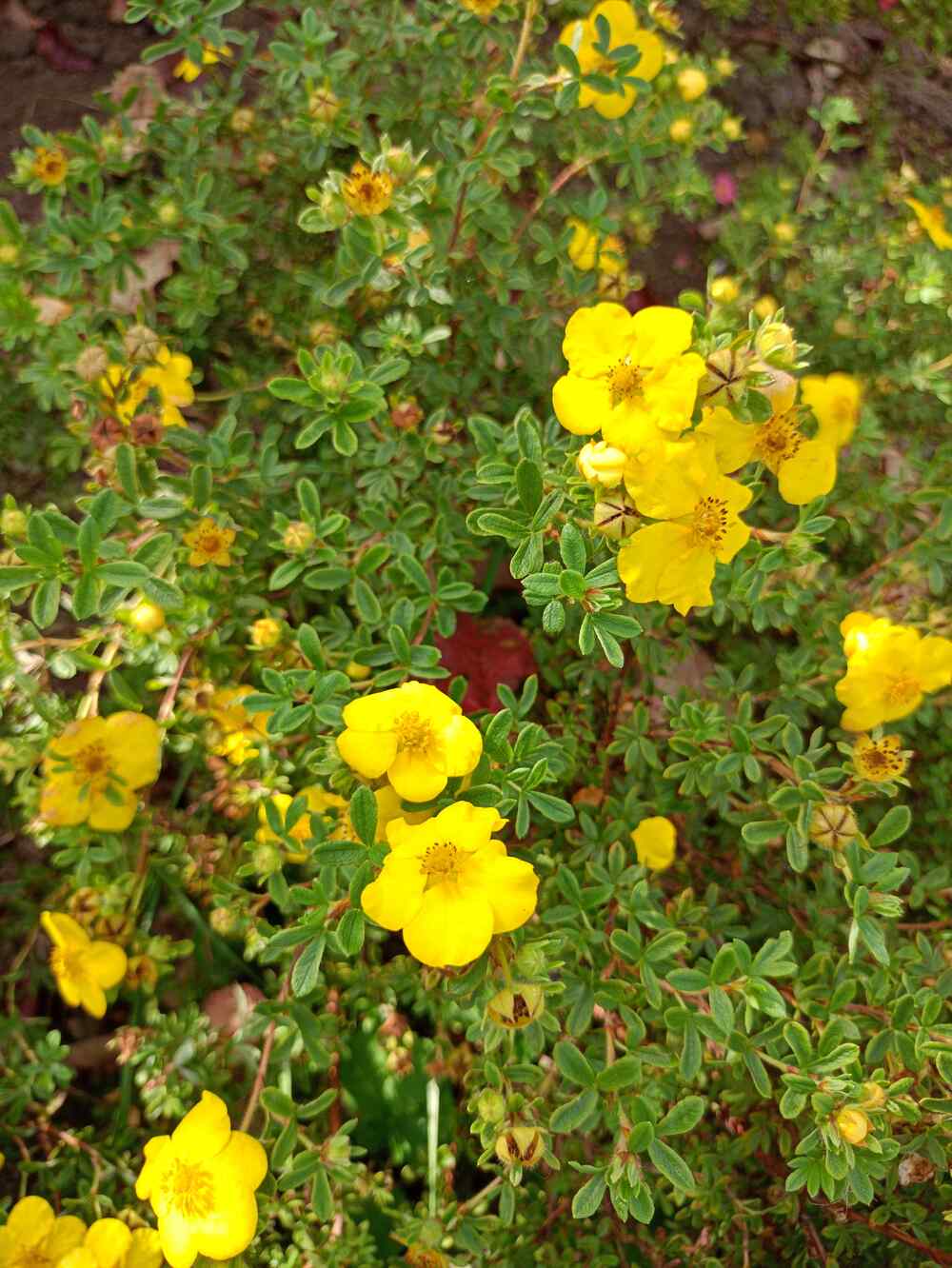
If you want yellow flowers that just keep coming, Potentilla is hard to beat. It’s compact, tough, and blooms from late spring through summer, often into early fall. Many cultivars thrive in Zones 3–7. It prefers full sun and well-drained soil, and it tolerates poorer soils better than most flowering shrubs.
Potentilla is a practical choice for busy gardeners. It handles heat, wind, and cold better than it looks like it should. Deadheading isn’t required, but a quick shear after a heavy flush can tidy it up. In early spring, trim back about a third to encourage fresh, flower-filled growth.
4) St. John’s Wort (Hypericum inodorum)
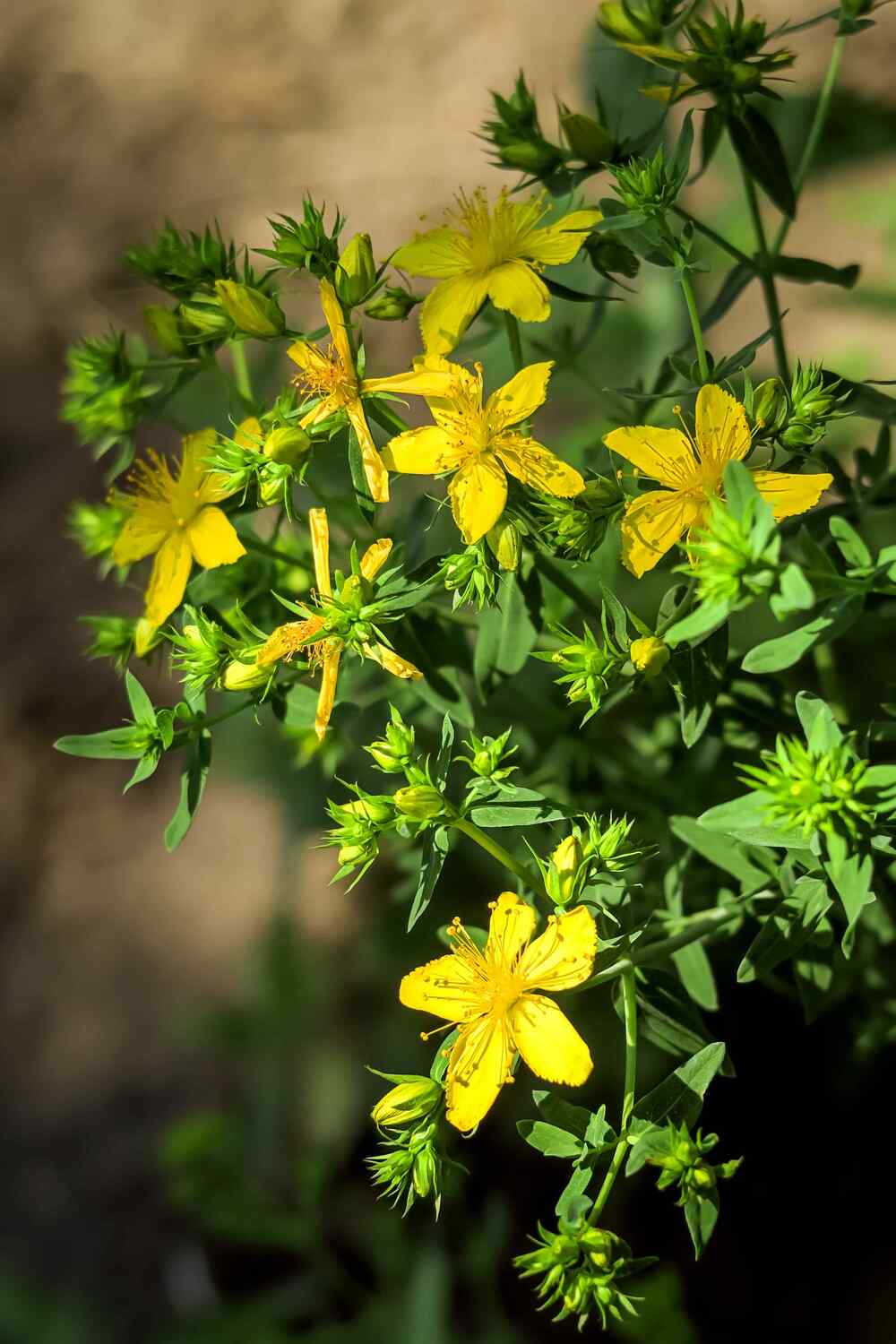
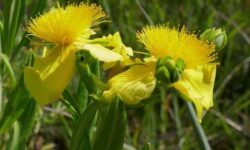
St. John’s Wort brings glossy foliage and bright yellow, cup-shaped blooms. Many selections also set attractive berries later, which adds color after flowering is done. It commonly grows in Zones 5–8. It likes sun to part shade and average, well-drained soil, though it can handle slightly damp ground better than some shrubs.
This plant is a nice “in-between” shrub—soft shape, long season of interest, not fussy. It’s useful in mixed borders where you want steady color without constant babysitting. Light pruning in early spring keeps it dense. If winters are harsh, a sheltered spot helps it look tidier year-round.
5) Japanese Rose (Kerria japonica)
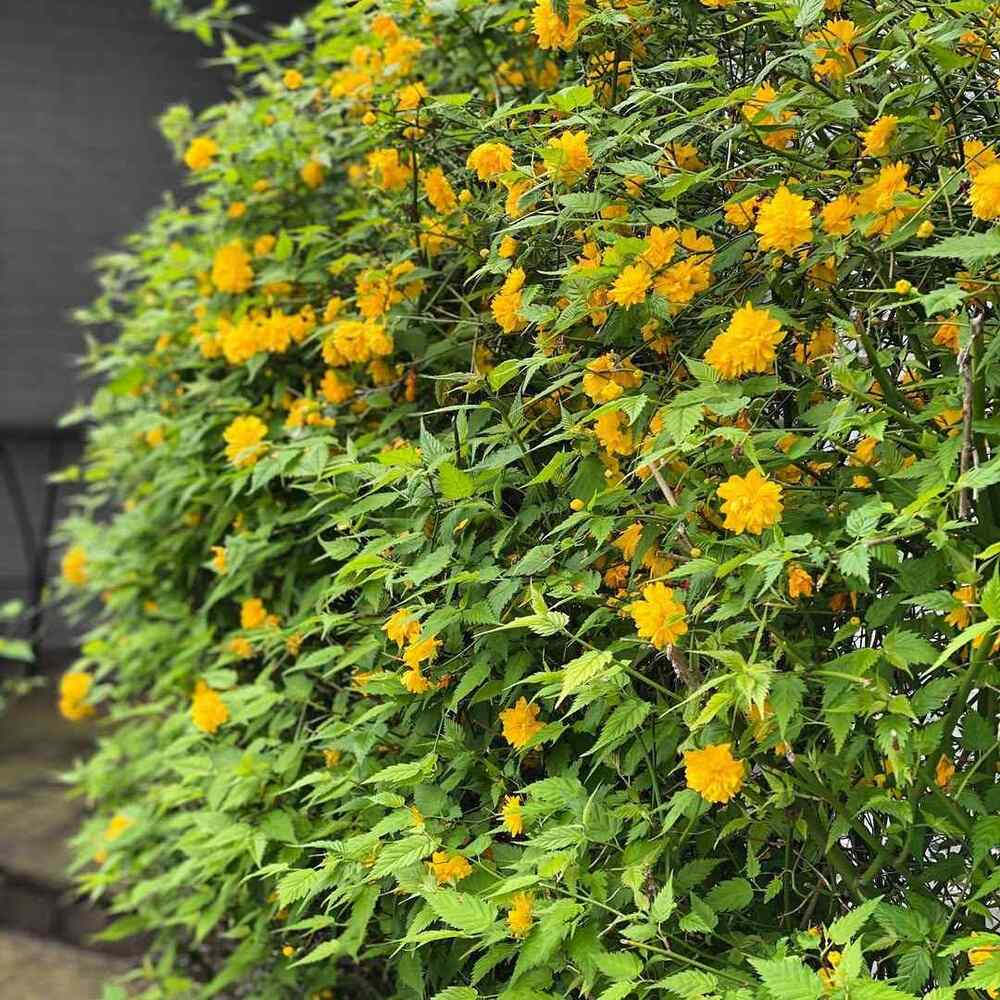
Kerria has bright yellow, pom-pom-like spring flowers and smooth green stems that stay decorative even after leaves drop. It typically grows well in Zones 4–9. It’s happiest in part shade, especially where summers are hot, with moist, well-drained soil rich in organic matter.
Kerria is a quiet hero for shady edges and woodland-style gardens where other yellow bloomers struggle. It can spread by suckers, which is either “free plants!” or “oh no,” depending on your mood. To control it, remove unwanted shoots at the base. Prune right after flowering to keep the arching shape graceful.
6) Golden Oakland® Holly (Ilex × ‘JRB2’)
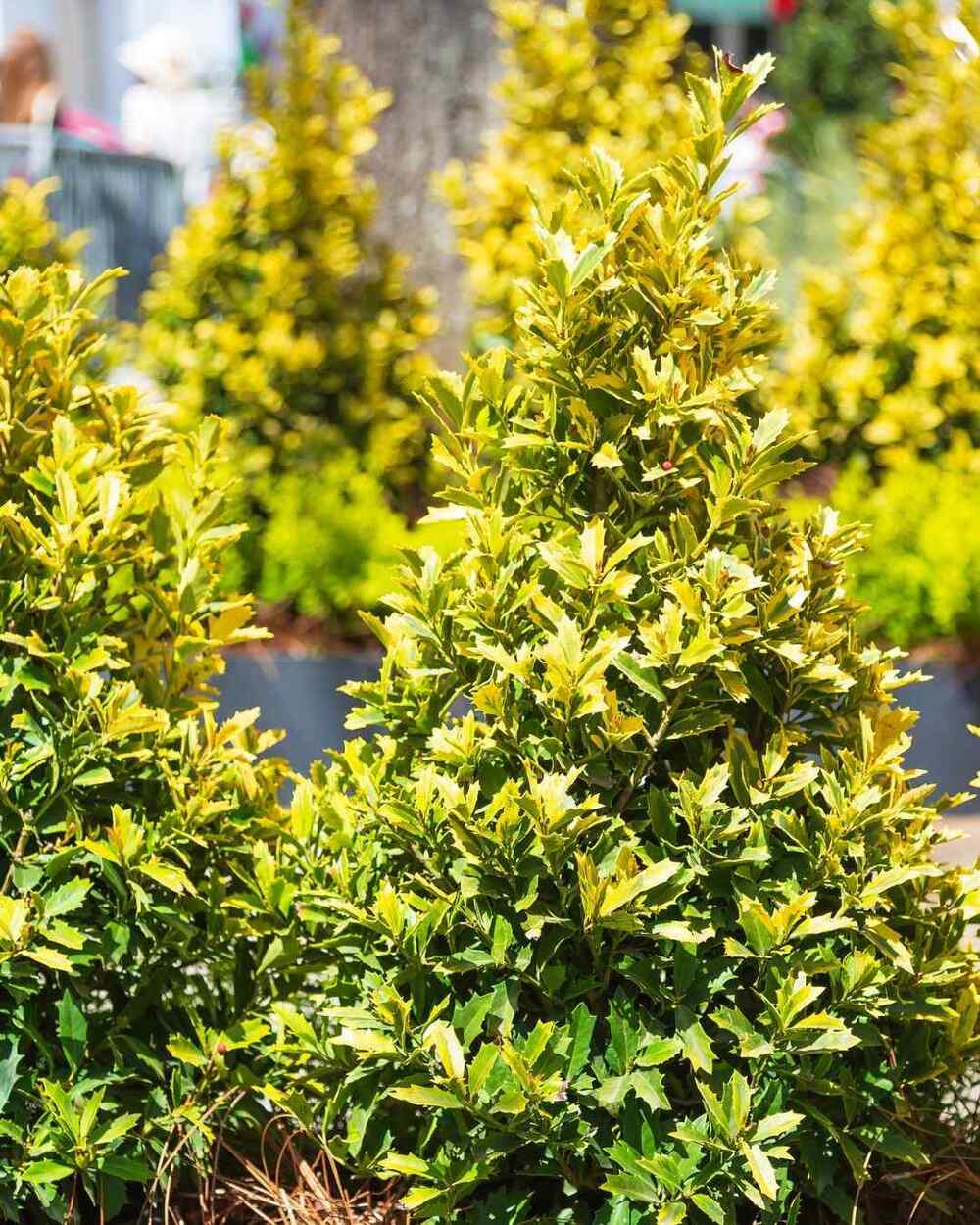
Not all “yellow shrubs” need yellow flowers. Golden Oakland® holly is about foliage—cream-and-gold variegation that stays bright through winter. It’s an evergreen with a sturdy presence, usually best in Zones 6–9. Plant in full sun to part shade and well-drained, slightly acidic soil for strongest color and vigor.
This holly is a good anchor plant when you want year-round structure. It also pairs nicely with dark evergreens or purple foliage plants. Like many hollies, it appreciates consistent moisture while establishing, but it doesn’t want soggy feet. Prune in late winter or early spring if you need shaping.
7) Yellow Azalea (Rhododendron spp.)
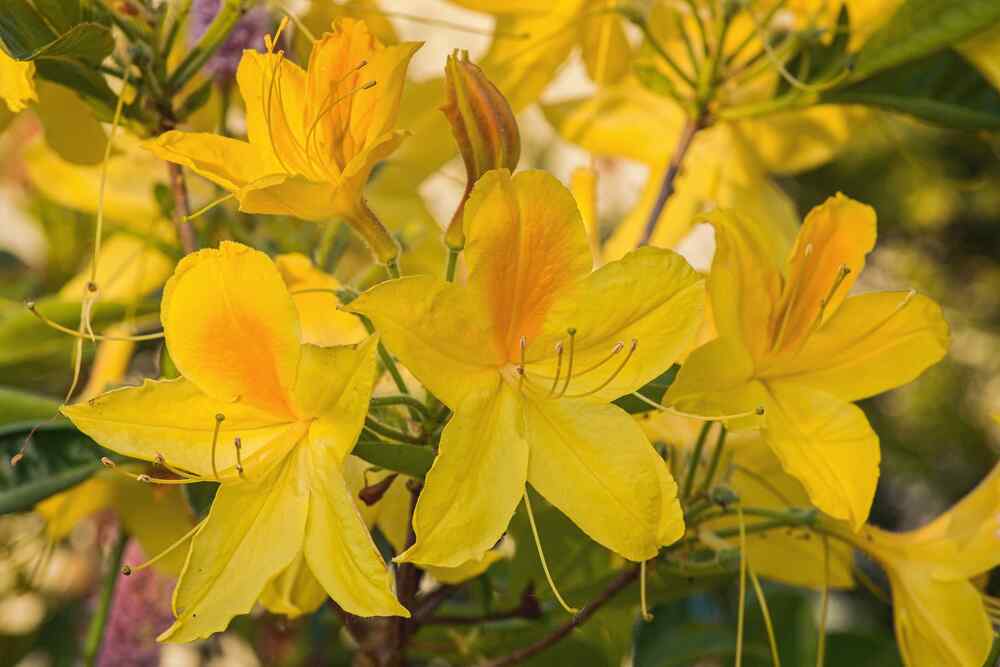
Yellow azaleas can stop people mid-walk. Many are fragrant, and the blooms can glow like sunlight in late spring. Hardiness depends on the group and cultivar, but many do well in Zones 5–8. They need acidic, organic, well-drained soil and prefer dappled shade or morning sun.
Azaleas reward you when you get the soil right. Think “forest floor”: leaf mold, compost, and consistent moisture. Mulch helps keep roots cool and shallow roots protected. Avoid heavy pruning; if you must, do it right after flowering. If leaves yellow between veins, the soil may be too alkaline.
8) Mahonia (Mahonia aquifolium)
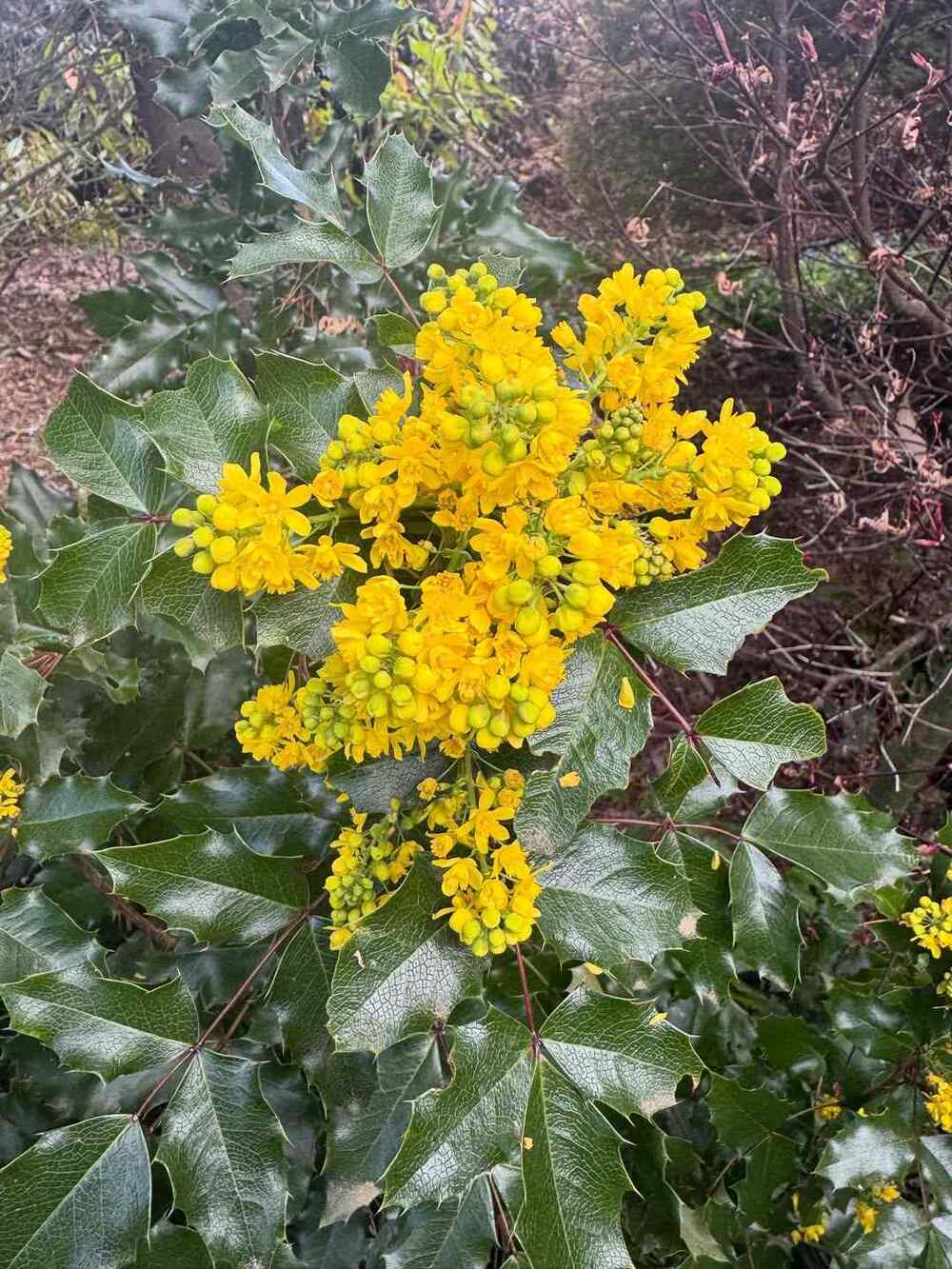
Mahonia is shade-tolerant, evergreen, and flowers in late winter or early spring with clusters of yellow blooms. It’s excellent for a more natural, slightly wild garden feel. Many forms thrive in Zones 5–8. Give it part to full shade and well-drained soil, and it will handle tougher spots.
Mahonia’s flowers are a welcome early nectar source, and the foliage can take on bronze tones in cold weather. It does better with some shelter from harsh winter winds. Minimal pruning is needed; just remove old stems after flowering if it gets leggy. In deep shade, it stays calmer and less spiky.
9) ‘Golden Sunshine’ Willow (Salix)
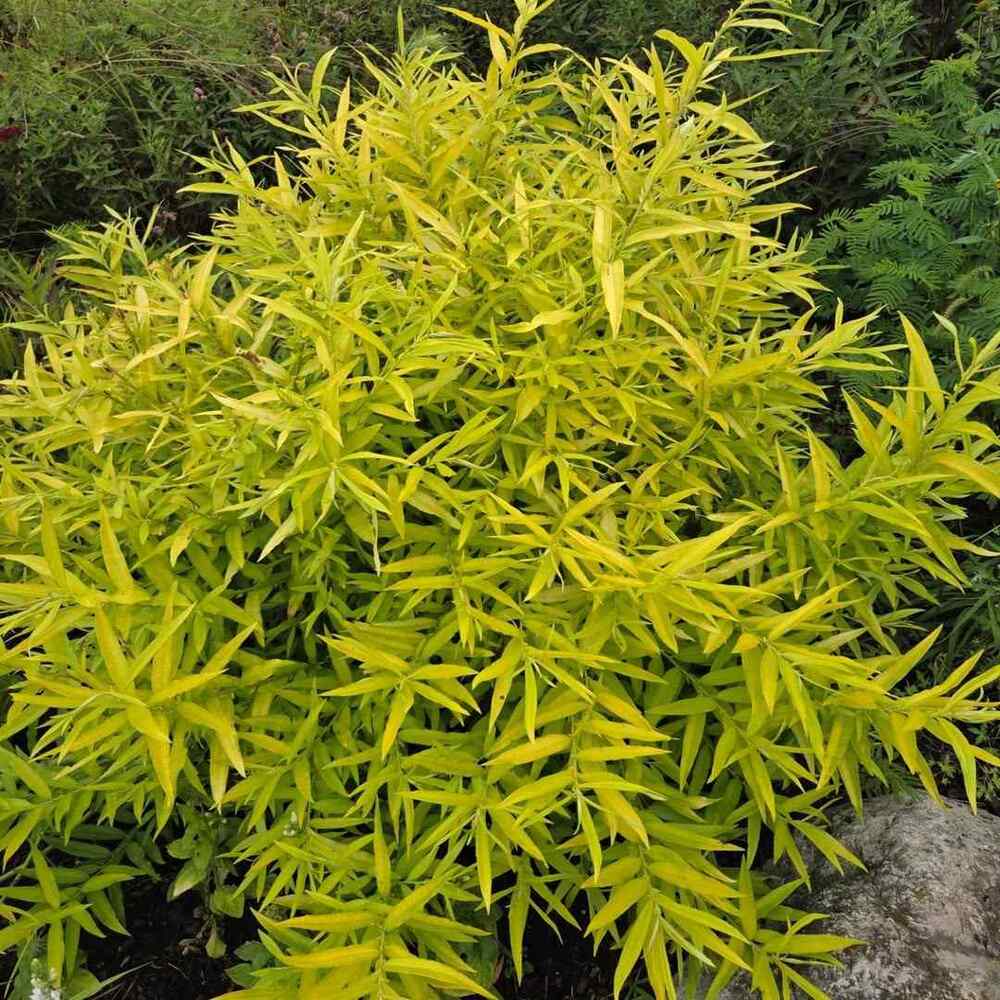
This is the bold foliage pick: chartreuse-to-yellow leaves that hold color through the growing season. It can get large, so it works best where you have room or where you don’t mind pruning for size. Many willows vary by cultivar, but many do well in Zones 4–8. They like full sun and moist soil.
Willows love water, so they’re useful near low areas that stay damp. The brighter the sun, the brighter the leaves. You can coppice (cut hard back) in late winter to push fresh, vivid growth. Just don’t place it right next to delicate plants; willows are energetic growers and can be a bit competitive.
10) All Gold Shore Juniper (Juniperus conferta)
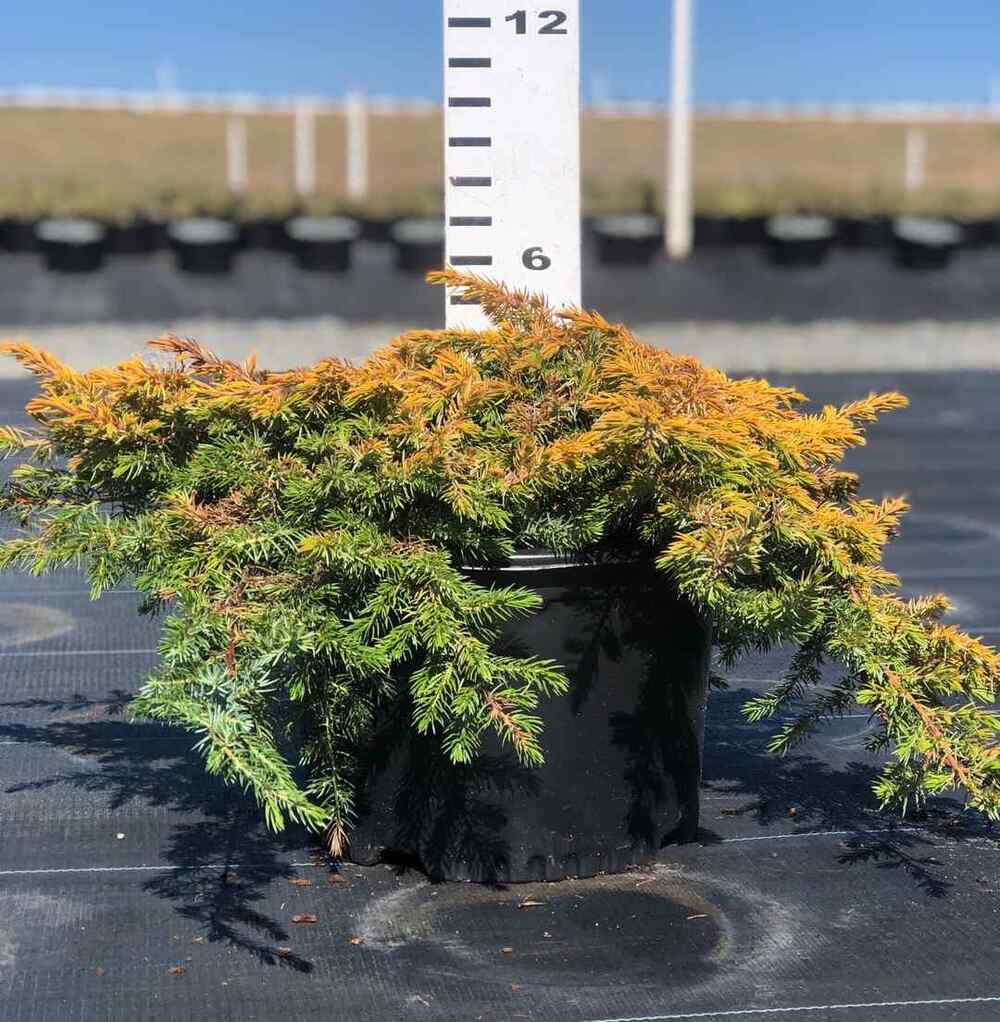
All Gold shore juniper is a low, spreading evergreen groundcover with brilliant golden foliage. It’s great for slopes, borders, and weed suppression once it fills in. It typically performs in Zones 5–9. Plant it in full sun with well-drained, sandy or rocky soil. Drainage matters more than fertility here.
This is the “set it and forget it” option. Once established, it tolerates drought well and asks for very little. Avoid heavy clay that stays wet; that can cause decline over time. To keep it neat, lightly trim stray shoots in spring. It’s especially striking next to stones or dark mulch.
Quick placement tips so yellow looks intentional
Yellow can feel loud if it’s scattered randomly. I like to repeat a yellow element at least three times: maybe Potentilla in one bed, All Gold juniper along a path, and Golden Oakland® holly near the entry. That repetition makes the color feel planned, not accidental. Add a few deep greens to give your eyes a place to rest.
Soil and care habits that help almost all of them
Most flowering shrubs bloom best with 6+ hours of sun, except shade-friendly picks like Mahonia and Kerria. “Well-drained” doesn’t mean dry; it means water moves through and roots don’t sit in muck. A 2–3 inch mulch layer (kept off the stems) stabilizes moisture and reduces weeds. Water deeply during the first year, then adjust to the plant.