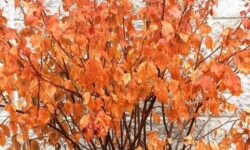
Shady parts of the yard can feel like the “nothing grows here” zone—until you plant the right shrubs. I love shade shrubs because they build the bones of a garden: they’re there in spring, they don’t vanish in summer heat, and many still show off in winter. Below are 12 perennial shrubs for shade with practical notes on sun exposure, USDA zones, and soil so you can plant with confidence.
Before you buy anything, do one quick check: morning sun + afternoon shade is “partial shade” and works for most of these. All-day shade is tougher, but several picks here handle it. Also notice if the spot is dry shade (under trees) or damp shade (low areas). Matching that one detail saves so much frustration.
Table of Contents
1) Hydrangea (Hydrangea spp.)
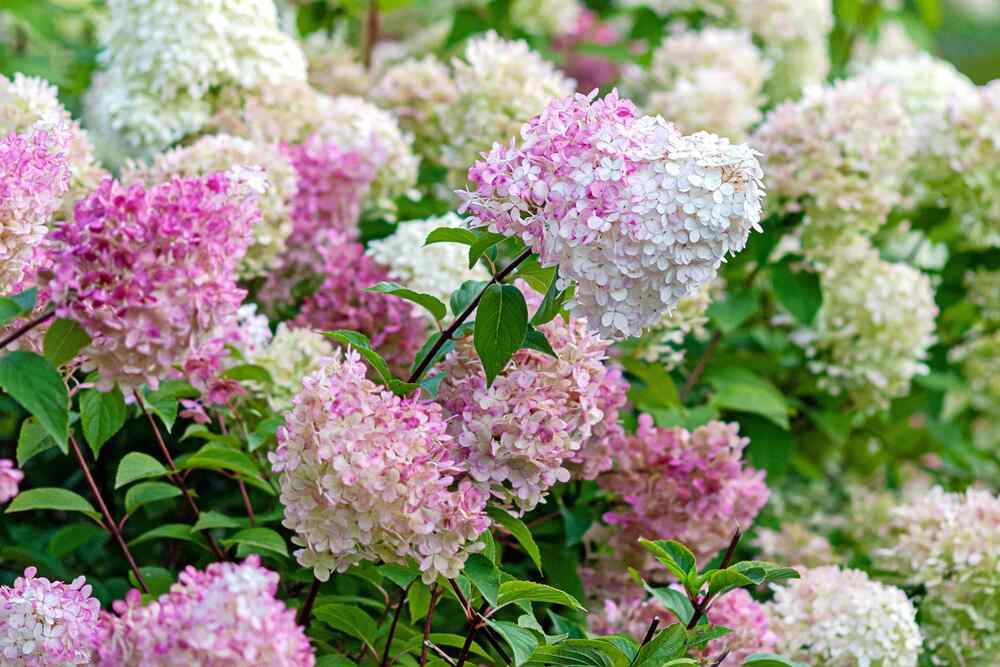
If you want big, happy blooms without baking your plants, hydrangeas are your best friend.
Sun exposure: Partial shade (morning sun is perfect); some types tolerate more shade.
USDA zones: Usually 3–9 (varies by species/cultivar).
Soil needs: Moist, well-drained, rich soil; mulch keeps roots cool.
Tip: In hotter climates, avoid harsh afternoon sun or the leaves scorch fast.
2) Azalea (Rhododendron spp.)
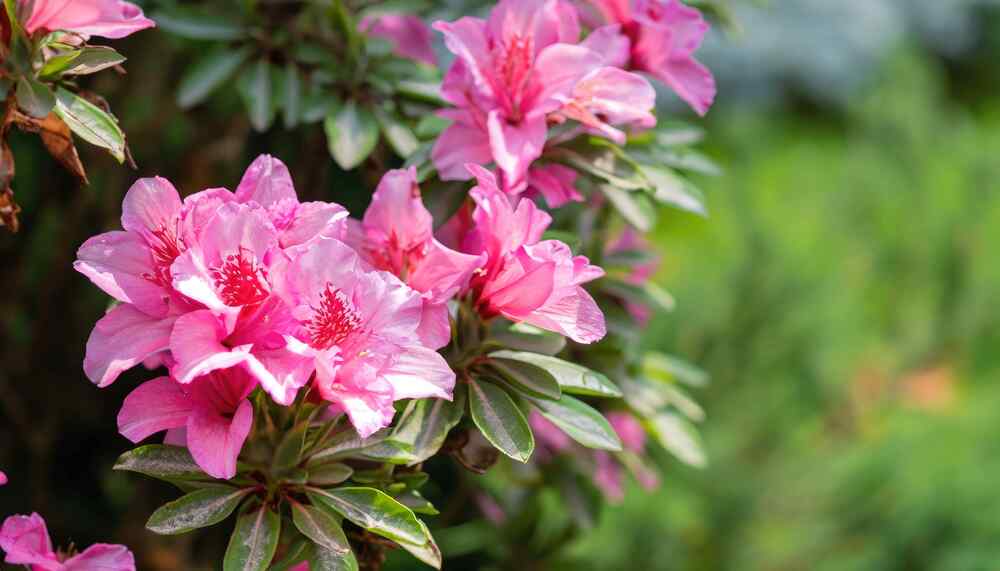
Azaleas are that classic spring “wow” shrub, especially under tall trees where light is filtered.
Sun exposure: Dappled shade to partial shade.
USDA zones: Roughly 5–9 (some hardy types lower).
Soil needs: Acidic, humus-rich, evenly moist, well-drained soil.
Tip: If leaves yellow with green veins, your soil may be too alkaline—add pine bark mulch and test pH.
3) Camellia (Camellia japonica / sasanqua)
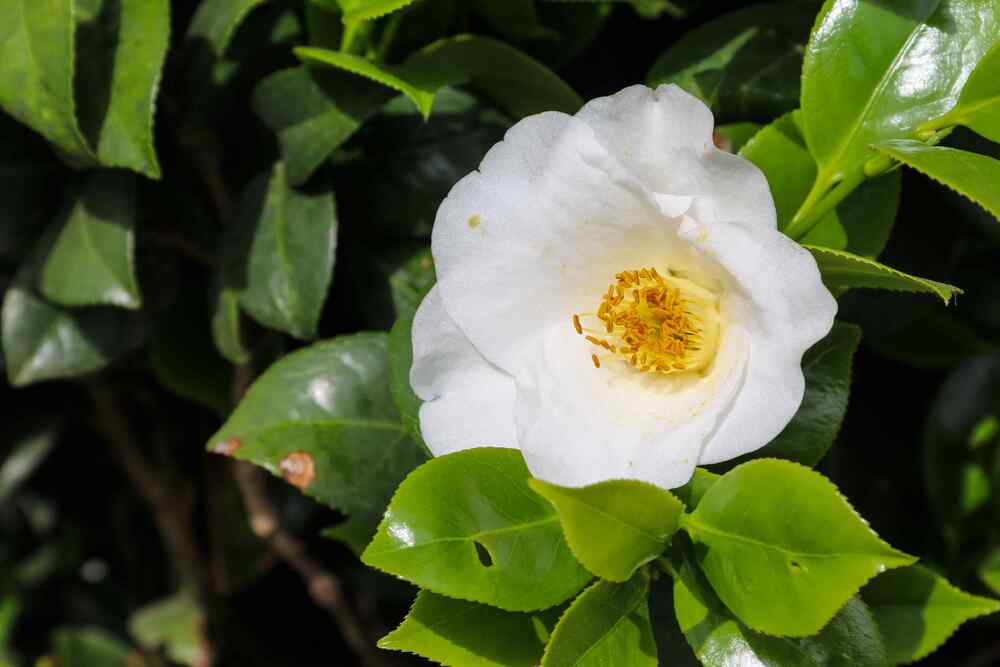
Camellias feel fancy, but they’re surprisingly doable if you give them shelter and decent soil.
Sun exposure: Partial shade; morning sun is ideal.
USDA zones: Typically 7–10 (some varieties to zone 6 with protection).
Soil needs: Acidic, well-drained soil with consistent moisture.
Tip: Protect from winter wind; buds can brown if they freeze and thaw repeatedly.
4) Boxwood (Buxus spp.)
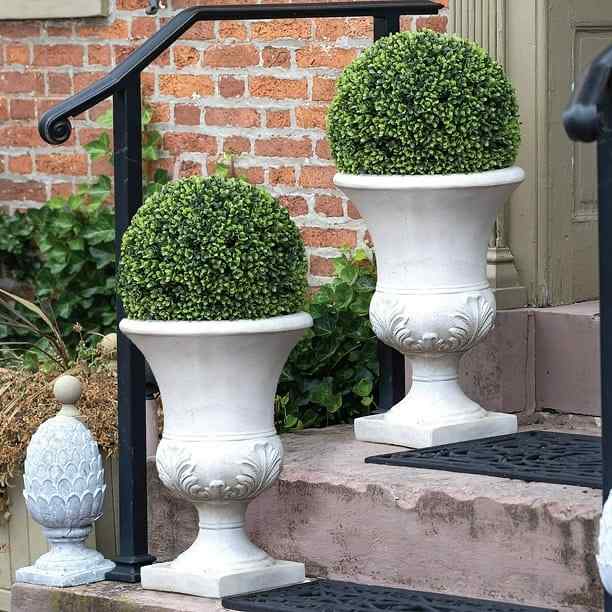
When you need structure—edges, low hedges, tidy evergreen shape—boxwood is a steady workhorse.
Sun exposure: Partial shade to shade (best with some light).
USDA zones: Commonly 5–9 (varies).
Soil needs: Well-drained soil; average fertility is fine.
Tip: In deep shade it can thin out, so give it at least a few hours of gentle light if possible.
5) Viburnum (Viburnum spp.)
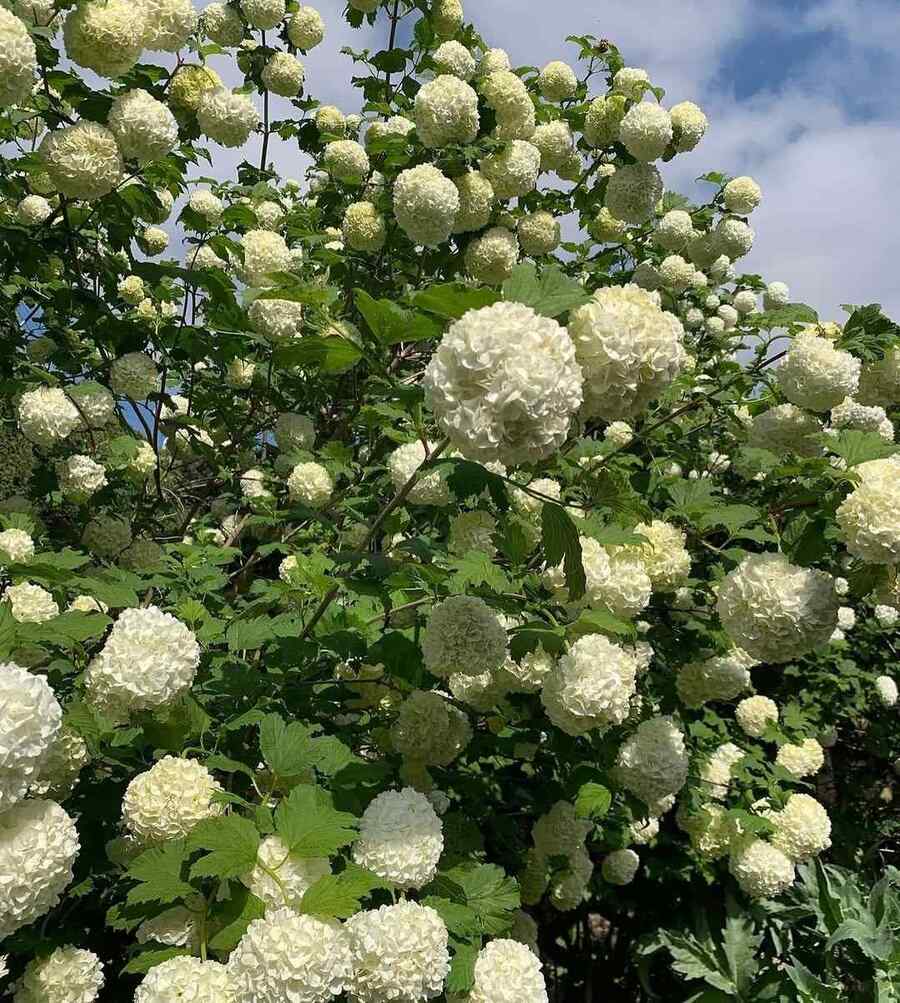
Viburnums are underrated: flowers, berries for birds, and often great fall color too.
Sun exposure: Partial shade; many flower best with a bit of sun.
USDA zones: About 2–9 depending on species.
Soil needs: Adaptable; prefer moist, well-drained soil.
Tip: If berries matter to you, plant a variety known for fruiting and check if it needs a pollinator partner.
6) Witch Hazel (Hamamelis spp.)
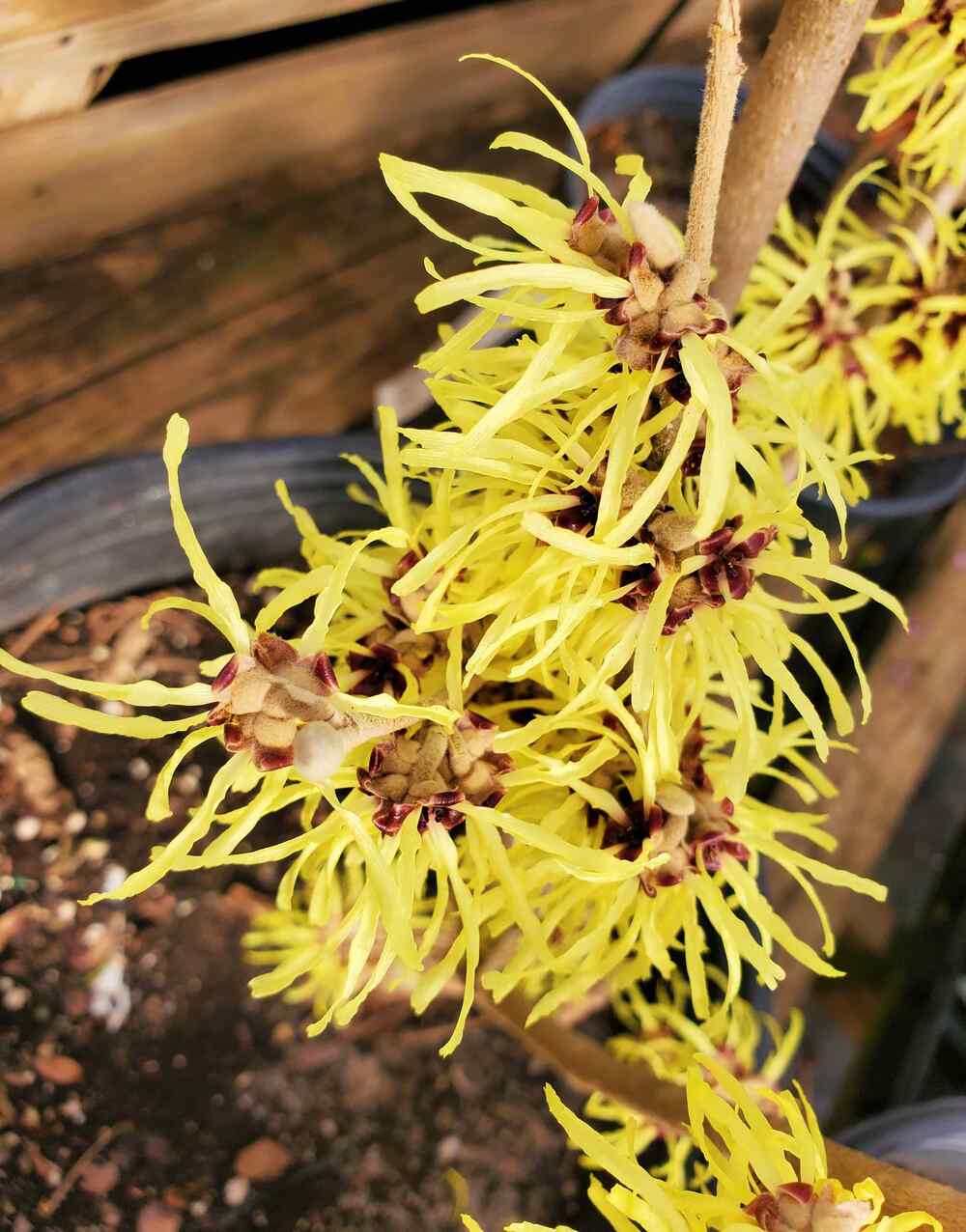
Witch hazel is my “winter surprise” plant—fragrant ribbon-like flowers when the garden looks asleep.
Sun exposure: Partial shade; tolerates shade but blooms more with light.
USDA zones: Generally 3–8.
Soil needs: Moist, well-drained, slightly acidic to neutral soil.
Tip: Give it room. It’s not a tiny shrub, and it looks best when it can spread naturally.
7) Japanese Rose (Kerria japonica)
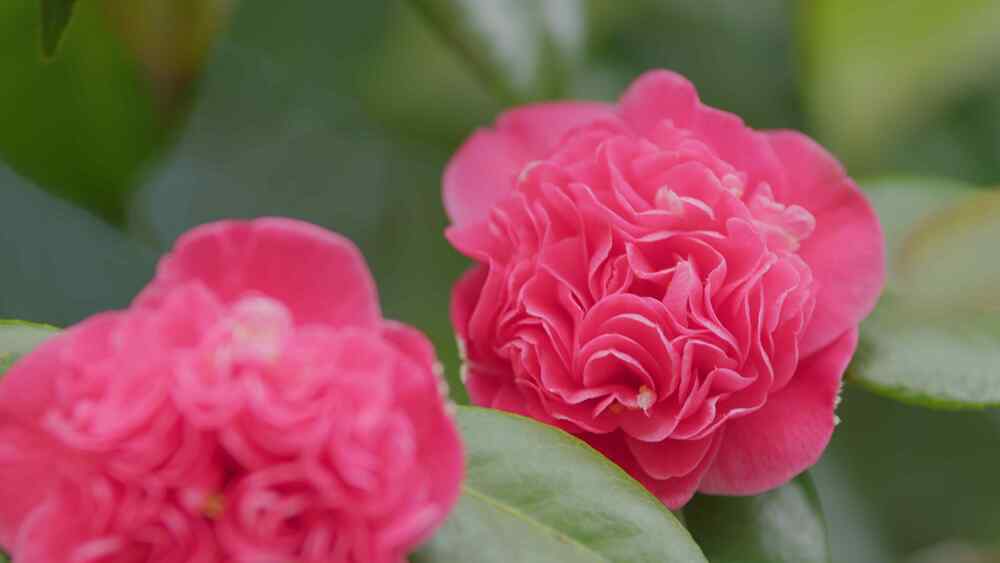
If your shade is deep and stubborn, Kerria still shows up with bright yellow spring flowers.
Sun exposure: Partial shade to full shade.
USDA zones: 4–9.
Soil needs: Average, well-drained soil; tolerates a range.
Tip: After flowering, remove a few older stems at the base to keep it from getting woody and messy.
8) Aucuba (Aucuba japonica) — “Gold Dust Plant”
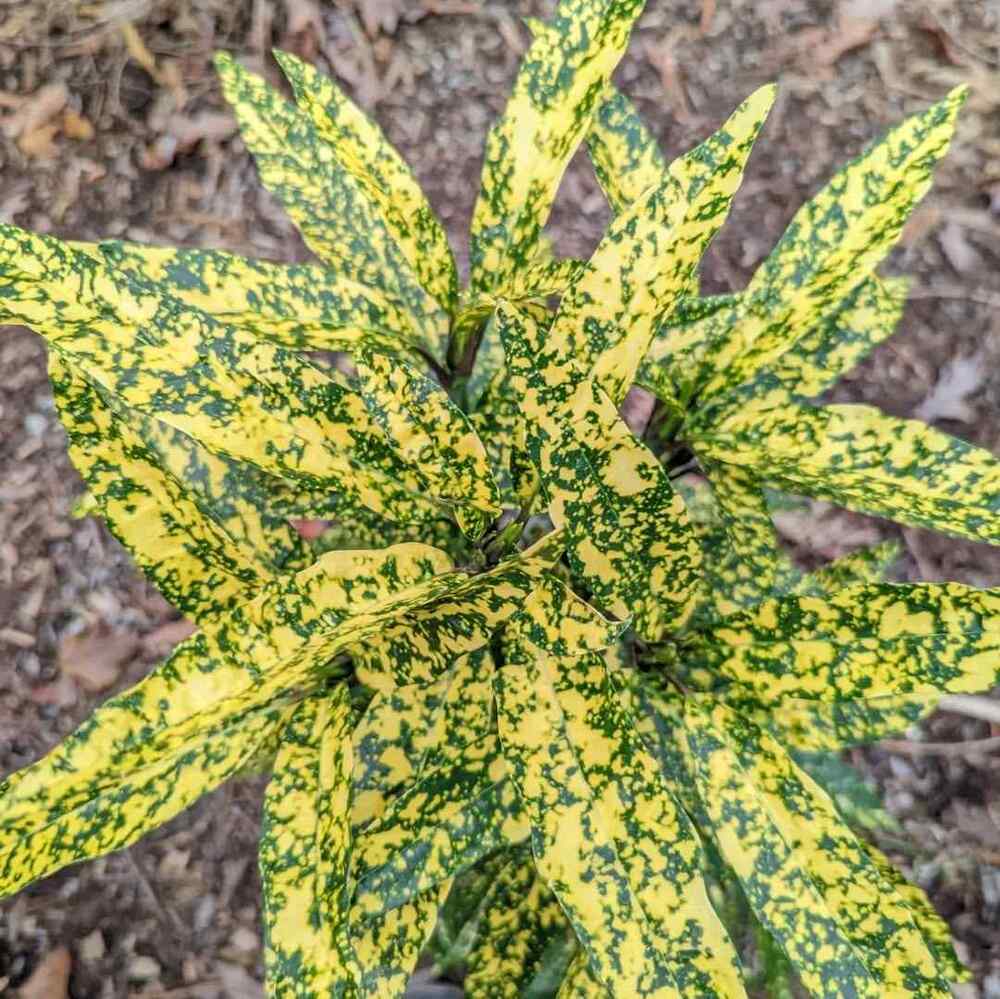
Aucuba is one of my favorite answers to dry shade, especially near foundations or under trees.
Sun exposure: Shade to partial shade (too much sun can scorch).
USDA zones: Usually 7–10 (some to 6 in protected spots).
Soil needs: Well-drained soil; surprisingly tolerant once established.
Tip: Those speckled leaves brighten dark corners like garden “confetti.”
9) Euonymus (Euonymus fortunei)
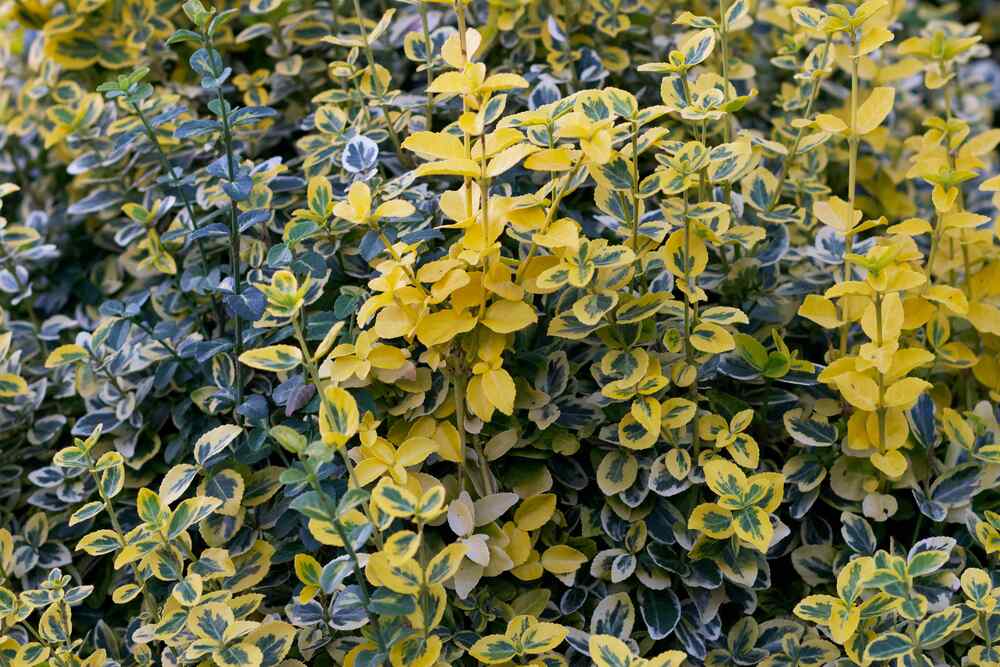
For evergreen coverage, variegated leaves, and easy-care vibes, Euonymus is a flexible option.
Sun exposure: Partial shade to shade (variegation is brighter with more light).
USDA zones: Commonly 4–9.
Soil needs: Adaptable; prefers well-drained soil.
Tip: Some forms creep and climb—great on slopes, but keep an eye on spread and prune as needed.
10) Red Twig Dogwood (Cornus sericea)
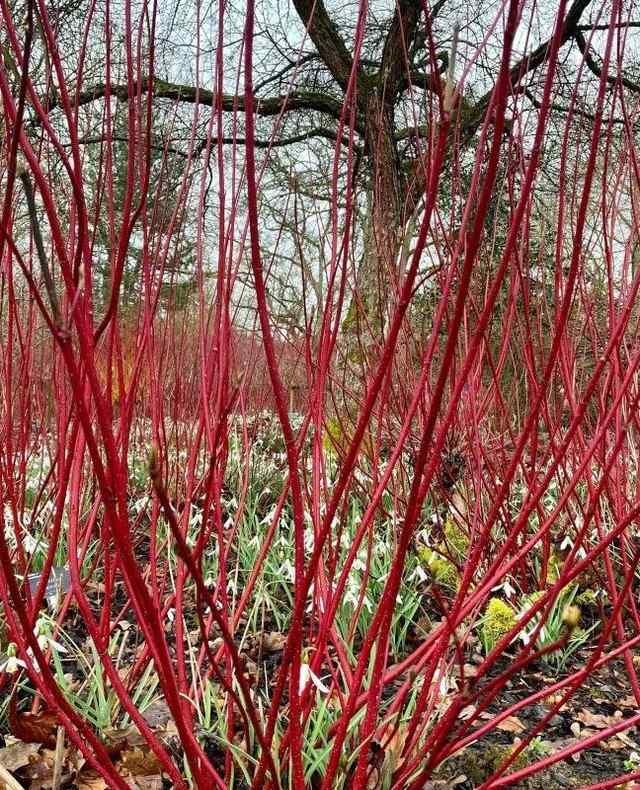
This one earns its spot for winter color alone—those red stems glow against snow or gray skies.
Sun exposure: Partial shade; tolerates shade, but stem color is boldest with more sun.
USDA zones: 2–7.
Soil needs: Moist to wet soil; handles damp shade beautifully.
Tip: For the brightest stems, cut back a portion of old stems each early spring (new growth is the reddest).
11) Elderberry (Sambucus spp.)
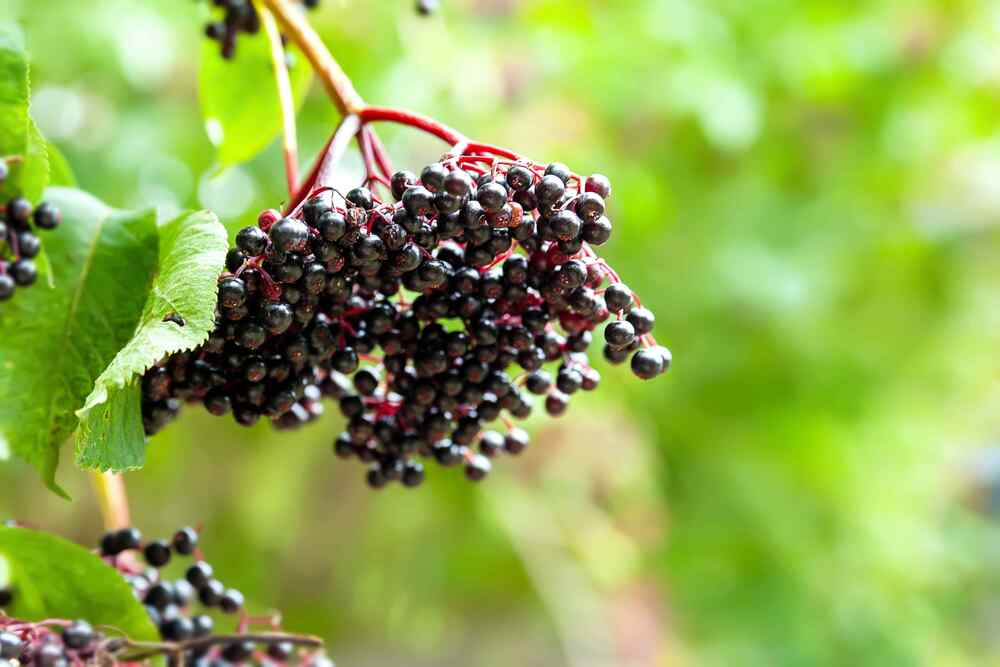
Elderberry gives you drama: bold foliage colors (especially purple or cutleaf types) and big flower clusters.
Sun exposure: Partial shade to sun; tolerates shade but grows fuller with light.
USDA zones: Usually 3–9.
Soil needs: Moist, fertile soil; doesn’t love drought.
Tip: If you’re planting for berries, confirm the variety and whether you need another cultivar for better fruiting.
12) Pieris (Pieris japonica)
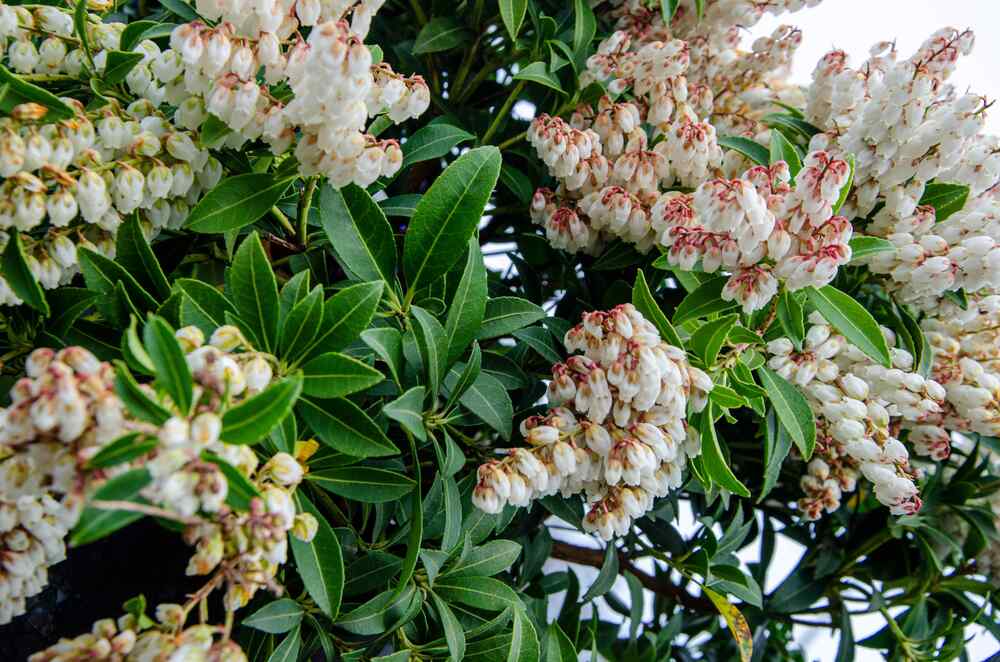
Pieris is evergreen, neat, and has those drooping flower clusters that feel like little lanterns in spring.
Sun exposure: Partial shade; avoid harsh afternoon sun.
USDA zones: Typically 5–8.
Soil needs: Acidic, well-drained soil kept evenly moist.
Tip: New growth can be red or bronze—give it a spot where you’ll actually see that fresh color.
Simple planting notes that make shade shrubs happier
For most shade shrubs, I follow a boring-but-effective routine: dig wide, loosen the soil, mix in compost, and water deeply after planting. Keep mulch 2–3 inches deep, but don’t pile it against stems (rot is real). Shade gardens also hide dry soil—check moisture with your finger before you assume it’s fine.
If you’re designing from scratch, layer your shrubs. Put the tallest (witch hazel, elderberry, some viburnums) at the back, medium shrubs (hydrangea, camellia, pieris) in the middle, and tidy structure (boxwood, euonymus) near paths. Add one shrub with winter interest—red twig dogwood does the job without trying too hard.
Shade doesn’t have to mean dull. With the right mix of blooms, foliage, berries, and evergreen structure, your low-light corner can feel like the most intentional part of the yard—even if it started as the spot you ignored for years.