If your front yard gets 6+ hours of direct sun most days, you’ve got the best kind of “problem.” Full sun makes flowers bloom harder, foliage color richer, and evergreens stay dense—as long as you pick shrubs that can take the heat and don’t collapse into a crispy mess by July.
Below are 12 full sun shrubs that are hardy, fairly low-maintenance, and easy to design with. I’ll also include USDA growing zones, soil needs, and a few practical “I learned this the hard way” notes, because front-yard planting is part gardening and part curb-appeal strategy.
Table of Contents
1) Knock Out® Roses
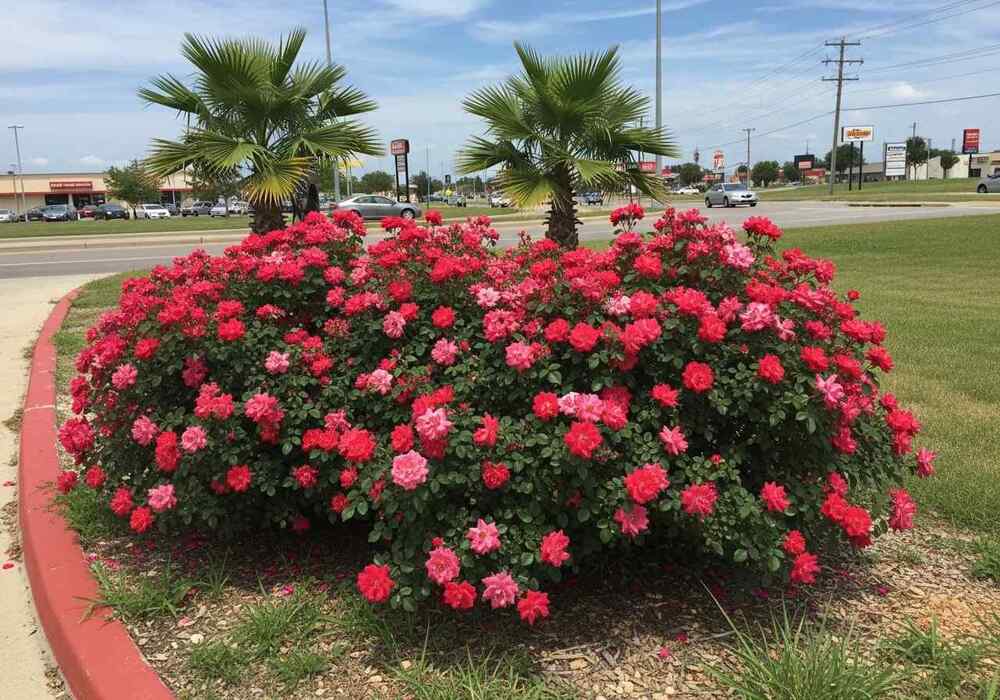
Why they work: They bloom like they’re showing off—spring through frost—and they’re famously disease-resistant.
-
USDA Zones: Typically 5–11
-
Sun: Full sun (the more, the better)
-
Soil Needs: Well-draining soil, average fertility; pH slightly acidic to neutral
-
Water: Weekly deep watering while establishing; after that, drought-tolerant once rooted
-
Front yard tip: Plant in a simple row along a walkway and suddenly your yard looks “planned.”
-
Spacing: Most varieties need 3–4 ft between plants for airflow.
Quick trick: In early spring, prune to about 12–18 inches tall. It feels scary. It’s worth it.
2) Panicle Hydrangea (Hydrangea paniculata)
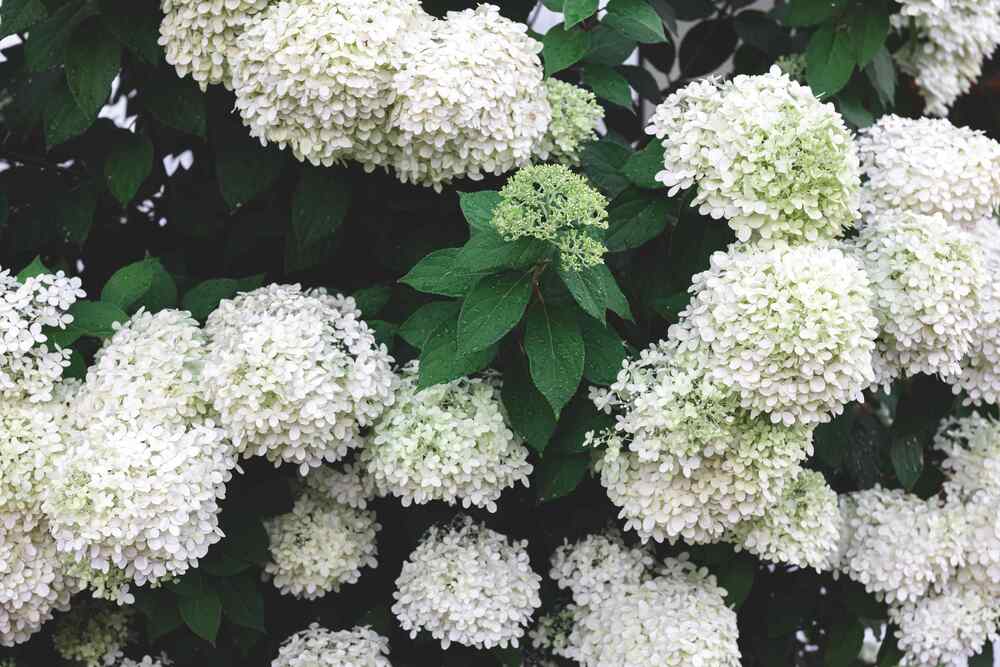
Why they work: Unlike bigleaf hydrangeas that get fussy, panicles handle sun, cold, and heat much better. Blooms often age to pink in fall.
-
USDA Zones: 3–8
-
Sun: Full sun to part sun (in very hot areas, afternoon shade is a bonus)
-
Soil Needs: Moist but well-drained, rich soil; not picky about pH
-
Water: Consistent moisture the first year; don’t let them bake dry in peak heat
-
Front yard tip: Put one as a feature shrub near the porch or mailbox. It gives instant softness.
-
Spacing: Usually 4–6 ft depending on cultivar (compact types can be tighter).
My personal rule: If your summers are brutal, mulch thick—hydrangeas love cool roots.
3) Smooth Hydrangea (Hydrangea arborescens)
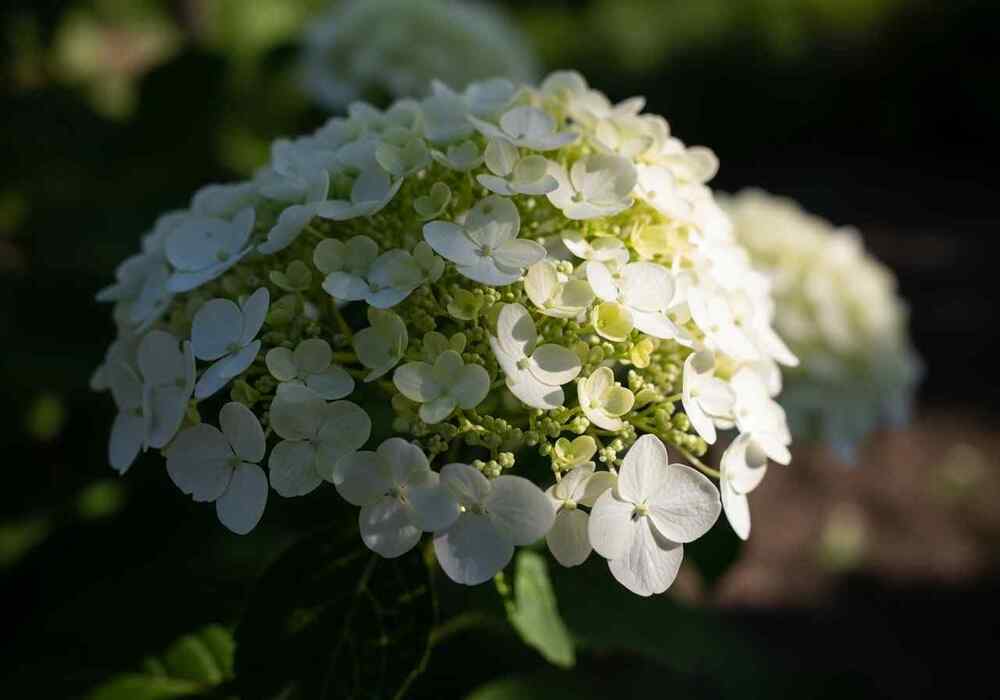
Why they work: Big white blooms, very cold-hardy, and forgiving. Great if you want hydrangeas without drama.
-
USDA Zones: 3–9
-
Sun: Full sun to part sun
-
Soil Needs: Average to rich, evenly moist, well-drained
-
Water: Regular during establishment; tolerates short dry spells once rooted
-
Front yard tip: Best in groupings of 3 for that “designer” look.
-
Spacing: 3–5 ft depending on variety.
4) Boxwood (Buxus)
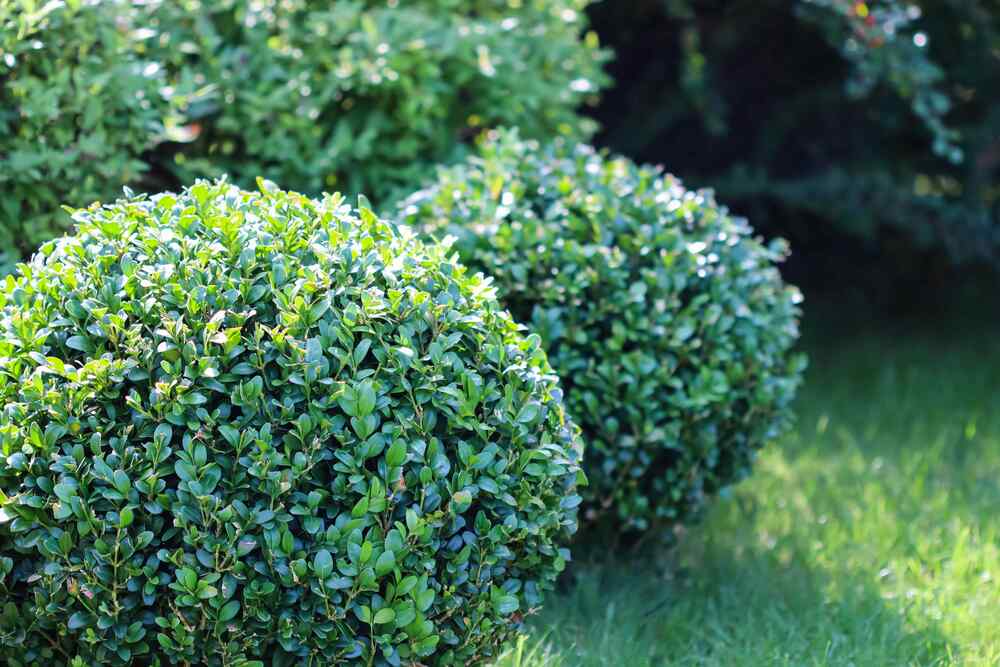
Why they work: Boxwoods are pure structure. They make your yard look tidy even when nothing is blooming.
-
USDA Zones: 5–9 (some newer varieties are tougher)
-
Sun: Full sun to part shade (full sun is fine with enough water)
-
Soil Needs: Well-drained soil is non-negotiable; they hate wet feet
-
Water: Deep water the first season; steady moisture in summer
-
Front yard tip: Use them to frame a walkway or outline a foundation bed.
-
Spacing: Depends on the look—2–3 ft for a hedge, wider for rounded shapes.
Small but real warning: In windy winter areas, boxwoods can bronze. A little burlap wind protection helps.
5) Juniper (Juniperus)
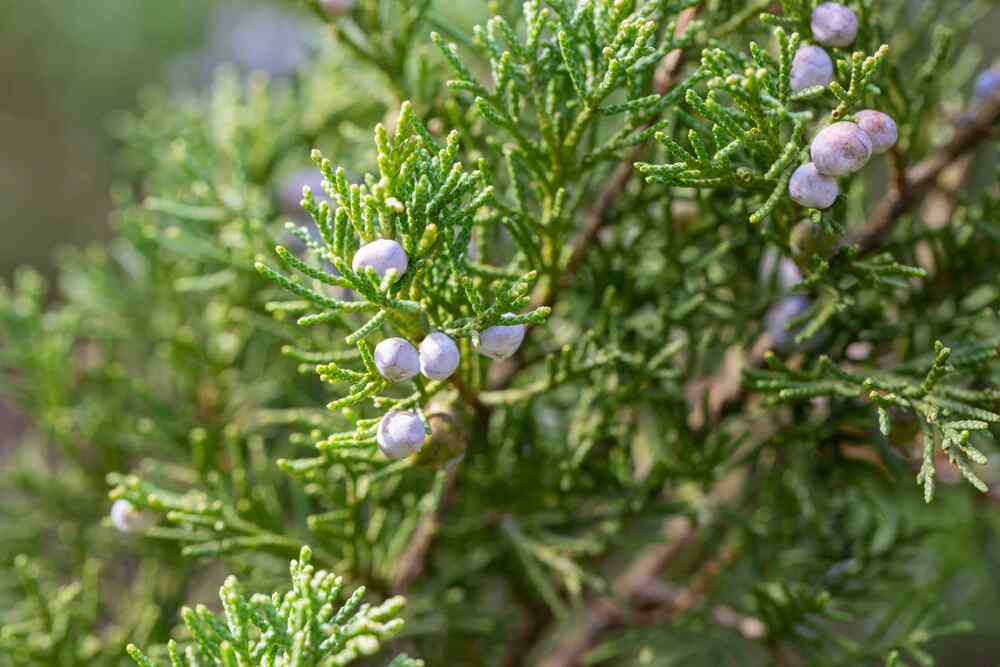
Why they work: Drought-tolerant, evergreen, and nearly impossible to offend. Great for slopes or tough spots.
-
USDA Zones: 3–9 (varies by species)
-
Sun: Full sun
-
Soil Needs: Well-draining; tolerates sandy/rocky soils
-
Water: Low once established
-
Front yard tip: Low-growing junipers act like a living mulch—clean, tidy, and no whining.
-
Spacing: Give them room; some spread wider than you expect.
Design move: Pair juniper with something soft and flowering (like hydrangea) so the bed doesn’t feel too “spiky.”
6) Bottlebrush (Callistemon)
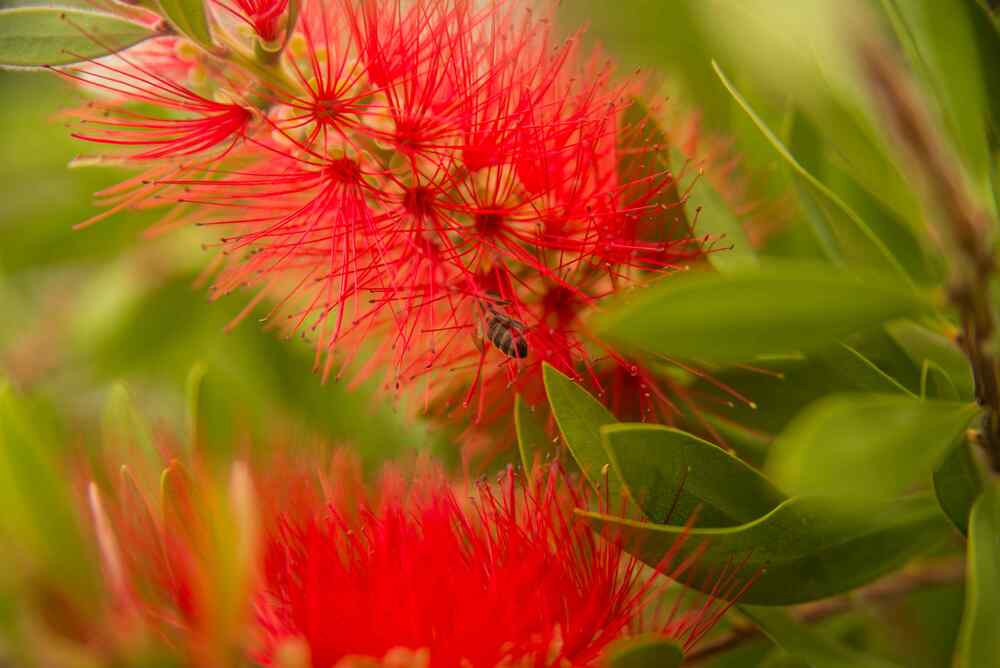
Why they work: Those crimson flower spikes are not subtle. If you live where heat is normal, bottlebrush is a flex.
-
USDA Zones: 8–11 (some tolerate 7 with protection)
-
Sun: Full sun
-
Soil Needs: Well-draining; tolerates poorer soils
-
Water: Moderate while establishing; fairly drought-tolerant afterward
-
Front yard tip: Place it where you’ll see it from the street—this one is a conversation starter.
-
Spacing: Usually 3–6 ft depending on variety.
Heat-climate tip: Don’t overwater. In hot regions, soggy roots cause more problems than dry spells.
7) Abelia (Abelia x grandiflora and hybrids)
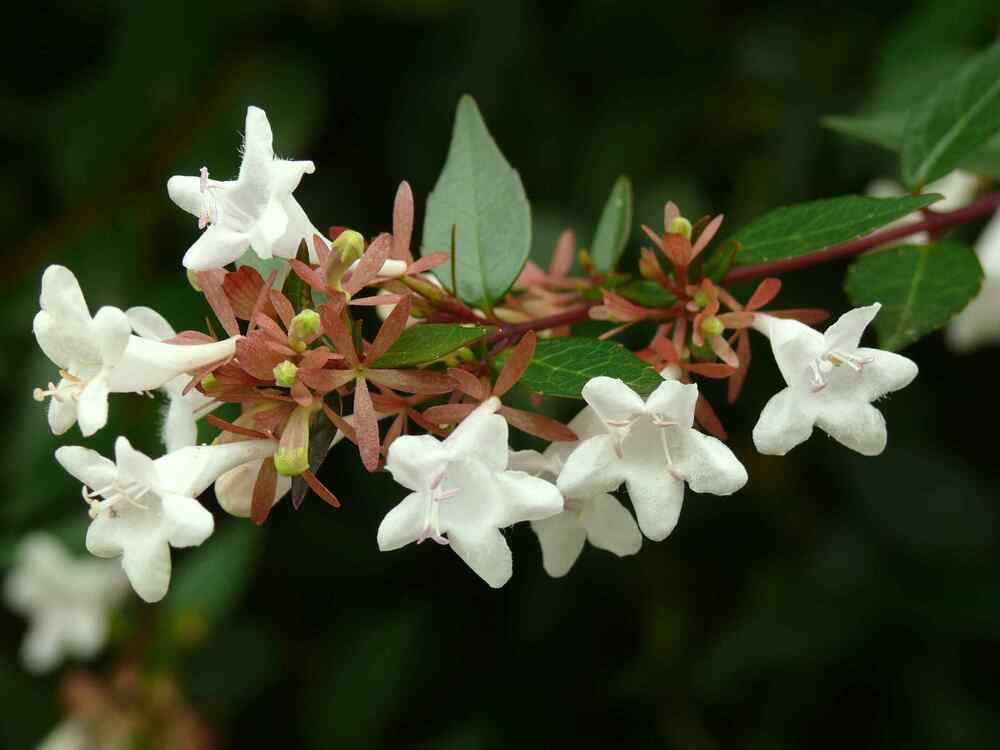
Why they work: Glossy foliage, soft arching form, and small flowers that keep going for months. Abelia is quietly excellent.
-
USDA Zones: 6–9 (some varieties 5–9)
-
Sun: Full sun to part sun (best color and flowering in full sun)
-
Soil Needs: Average, well-draining; adaptable
-
Water: Moderate; drought-tolerant once established
-
Front yard tip: Use abelia as a “bridge shrub” between taller foundation plants and low edging.
-
Spacing: Typically 3–5 ft.
Aesthetic detail: The foliage often has warm tones—perfect if your house has brick, stone, or beige siding.
8) Lilac (Syringa)
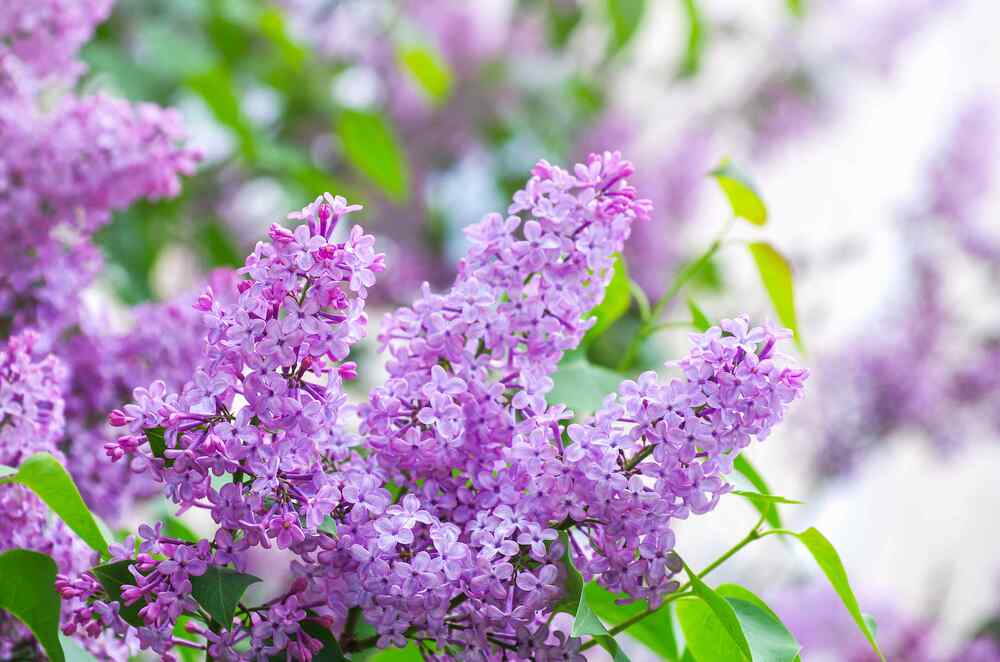
Why they work: The fragrance is the whole point. One lilac in bloom makes the entire yard feel nostalgic.
-
USDA Zones: 3–7 (some varieties extend beyond)
-
Sun: Full sun (for strong blooms)
-
Soil Needs: Well-drained; prefers neutral to slightly alkaline soil
-
Water: Moderate; don’t keep it constantly wet
-
Front yard tip: Plant where you’ll pass it—near a walkway, porch steps, or driveway edge.
-
Spacing: Often 6–10 ft depending on type.
Bloom tip: Avoid heavy pruning right after spring if you want flowers next year—lilacs set buds on old wood.
9) Forsythia
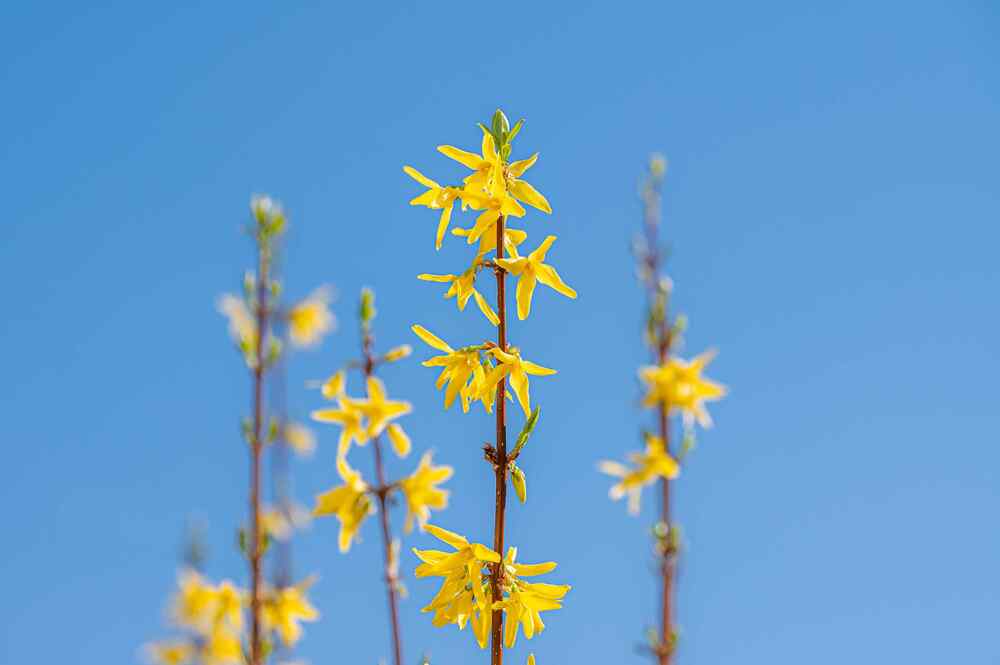
Why they work: It’s one of the first shrubs to bloom in early spring—bright yellow when everything else is still waking up.
-
USDA Zones: 5–8 (some types 4–8)
-
Sun: Full sun for best bloom
-
Soil Needs: Adaptable; prefers well-drained
-
Water: Moderate; hardy once established
-
Front yard tip: Use it in the back of a shrub bed so the arching branches have space.
-
Spacing: Often 6–8 ft wide when mature.
Pruning trick: Cut out a few old stems at the base right after flowering. It keeps the shape from turning into a wild tangle.
10) Camellia (Camellia sasanqua / japonica, depending on cultivar)
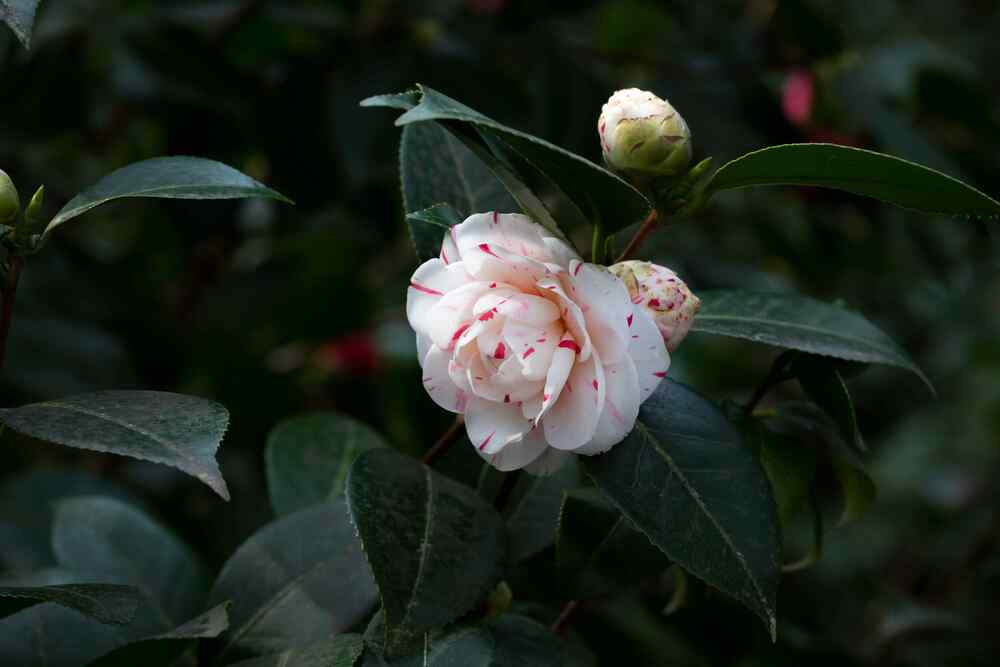
Why they work: Winter flowers are rare, and camellias deliver. Some bloom October through March depending on variety and region.
-
USDA Zones: 7–10 (some down to 6 with protection)
-
Sun: Full sun to part shade (morning sun is ideal; hot afternoon sun can scorch in some climates)
-
Soil Needs: Acidic, well-draining, consistently moist; add organic matter
-
Water: Regular; do not let roots dry out completely
-
Front yard tip: Put it where you’ll see it from a window in winter. That’s when it earns its space.
-
Spacing: Often 4–8 ft depending on variety.
Reality check: In harsh full-sun heat, give it a spot with a bit of afternoon protection if possible.
11) Viburnum
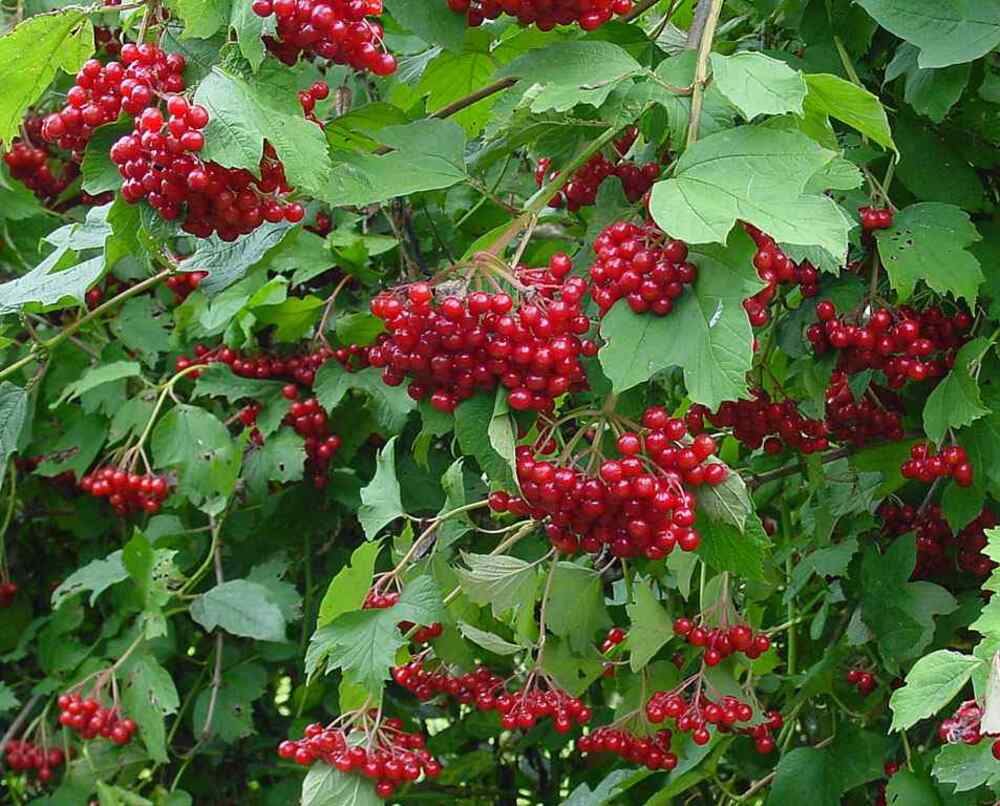
Why they work: Viburnums are versatile: showy white flowers, sometimes fragrance, and many types have berries and fall color.
-
USDA Zones: 2–9 (depends heavily on species)
-
Sun: Full sun to part shade
-
Soil Needs: Moist, well-drained; many tolerate clay if not waterlogged
-
Water: Moderate; steady moisture helps flowering
-
Front yard tip: Choose one as a foundation anchor shrub—viburnum looks substantial without being stiff.
-
Spacing: Many need 6–10 ft, but compact cultivars exist.
Bird bonus: If your yard feels quiet, viburnum berries tend to invite wildlife.
12) Nandina (Nandina domestica)
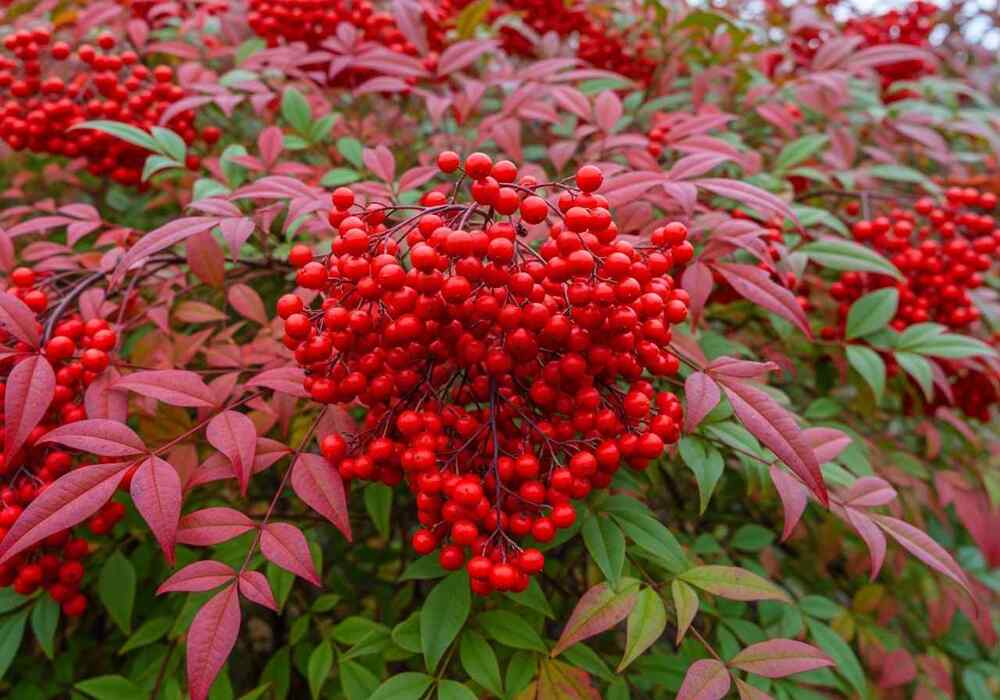
Why they work: Compact evergreen presence, colorful foliage shifts, and easy care. Great for year-round interest.
-
USDA Zones: 6–10
-
Sun: Full sun to part sun
-
Soil Needs: Average, well-draining; adaptable
-
Water: Moderate; drought-tolerant once established
-
Front yard tip: Use nandina in clusters to create a soft, layered look without needing constant trimming.
-
Spacing: Often 2–4 ft for compact varieties.
Small caution: Some nandina types can spread or reseed in certain regions—choose well-behaved cultivars where possible.
Tips That Make These Shrubs Succeed
Full sun means real sun
“Full sun” isn’t bright shade. Aim for 6+ hours of direct sun. If your front yard gets blasted for 8–10 hours, prioritize heat-tough picks like juniper, abelia, nandina, and Knock Out roses, and keep hydrangeas well-mulched and watered in year one.
Establishment watering is everything
Most shrubs fail because they’re watered like a houseplant: little sips. Instead:
-
Water deeply (slow soak) 1–2 times per week during the first growing season
-
After that, many of these shrubs handle normal rainfall with occasional help during heat waves
Spacing isn’t optional
Crowded shrubs invite disease and look messy fast. Use mature width as your guide and leave airflow space, especially for roses, hydrangeas, and lilacs.
Soil: drain first, improve second
If water puddles for hours after rain, fix drainage or choose shrubs that tolerate heavier soil. In most front yards, adding compost and a 2–3 inch mulch layer makes a bigger difference than fancy fertilizers.