If your front yard has to survive real life (work weeks, heat waves, a forgotten watering can), shrubs are the cheat code. They hold the shape of the landscape, soften the hard edges of the house, and make everything feel “finished” even when you haven’t touched a pruner in months.
The trick is picking shrubs that don’t demand perfect soil, constant water, or weekly haircuts. Below are 12 reliable options, with the basics you’ll want at planting time: USDA Growing Zones, plant type, sun exposure, soil needs, and a couple of practical tips.
Table of Contents
1) Boxwood (Buxus spp.)

-
Type: Broadleaf evergreen shrub
-
USDA Zones: Usually 5–9 (some hybrids handle colder)
-
Sun Exposure: Part shade to full sun (morning sun + afternoon shade is extra kind in hot zones)
-
Soil Needs: Adaptable, but best in well-drained loam/clay-loam with organic matter; pH roughly 5.5–7.2
-
Low-maintenance notes: Plant it where it won’t bake all afternoon, mulch the root zone, and only shear once a year (or not at all if you like a softer shape).
Front-yard use: Edging, foundation planting, neat little hedges.
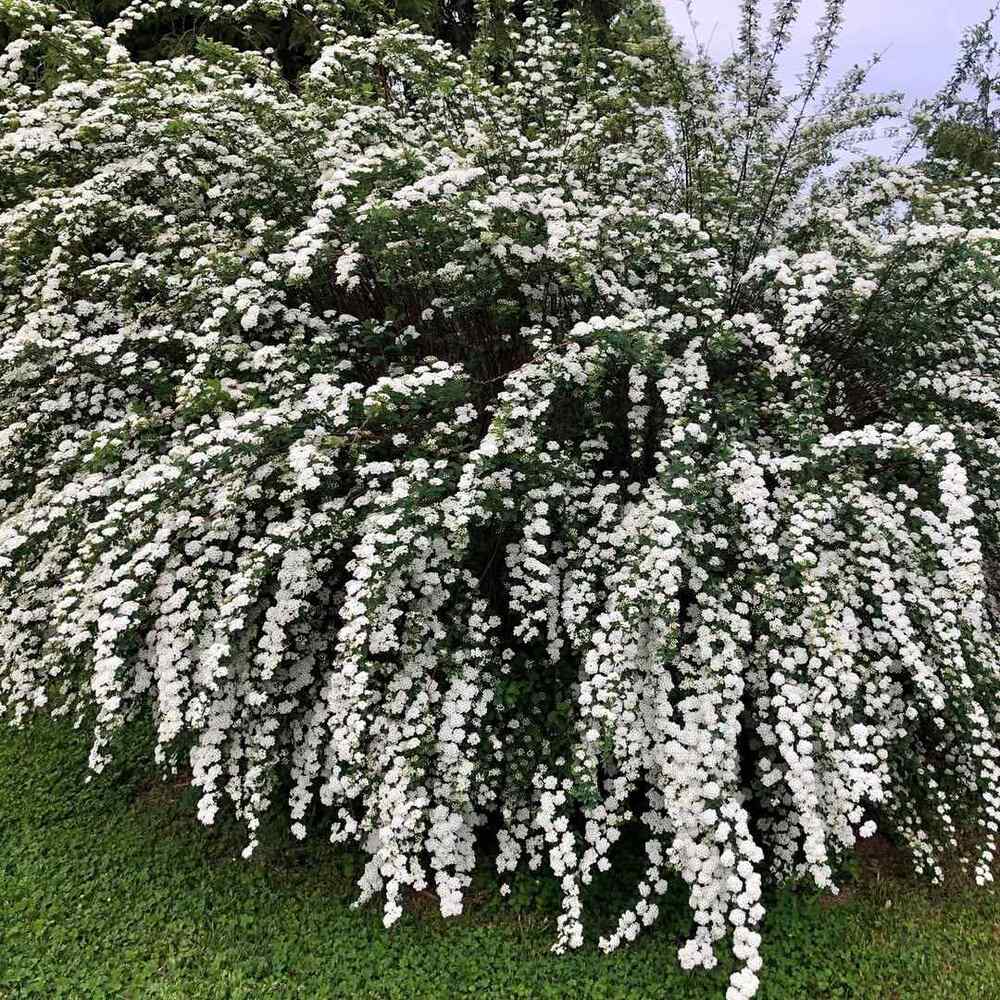
2) Spirea (Spiraea spp.)
-
Type: Deciduous flowering shrub
-
USDA Zones: Many are 3–8 (variety dependent)
-
Sun Exposure: Full sun for best blooms and foliage color; tolerates some light shade
-
Soil Needs: Handles a wide range; prefers well-drained soil; many tolerate pH from acidic to neutral
-
Low-maintenance notes: If you want almost zero pruning, pick compact cultivars (often sold as “mounded” or “dwarf”). If it gets shaggy, a light cut right after flowering keeps it tidy.
Front-yard use: Color blocks along walkways and under windows.
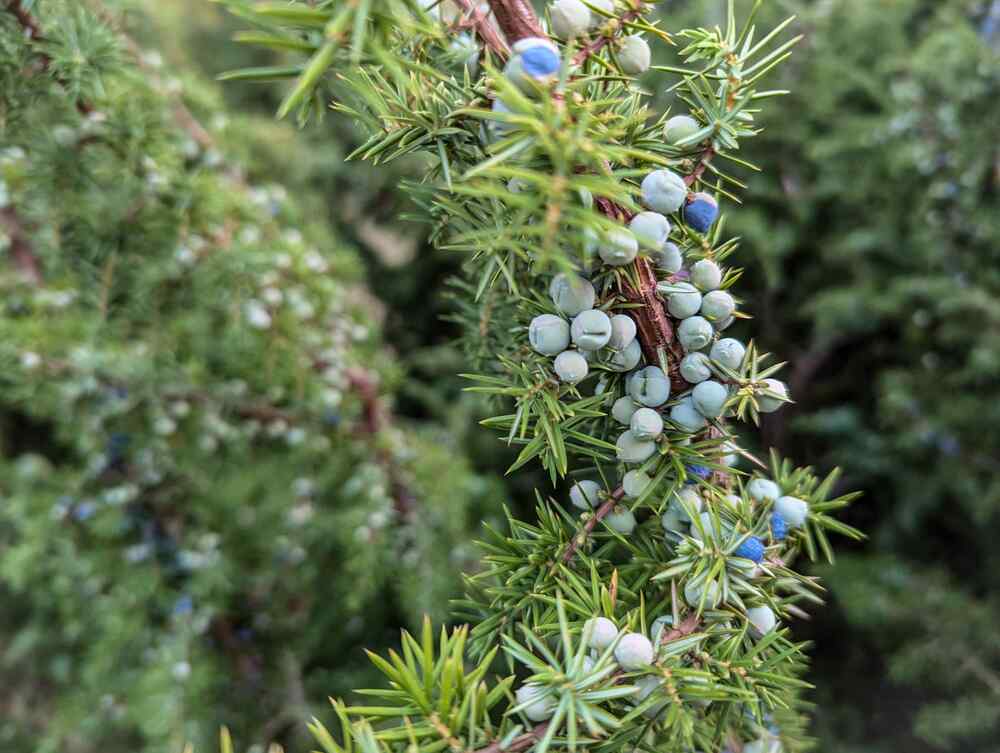
3) Juniper (Juniperus spp.)
-
Type: Evergreen conifer (groundcover to upright forms)
-
USDA Zones: Varies widely by species/cultivar (many are very cold-hardy)
-
Sun Exposure: Full sun
-
Soil Needs: Well-drained is the big requirement; once established, it needs little supplemental water
-
Low-maintenance notes: Juniper is a “set it and forget it” plant if you give it space. Crowding leads to more pruning and more disease issues, so read the tag and believe the mature width.
Front-yard use: Slopes, dry strips by driveways, low evergreen structure.
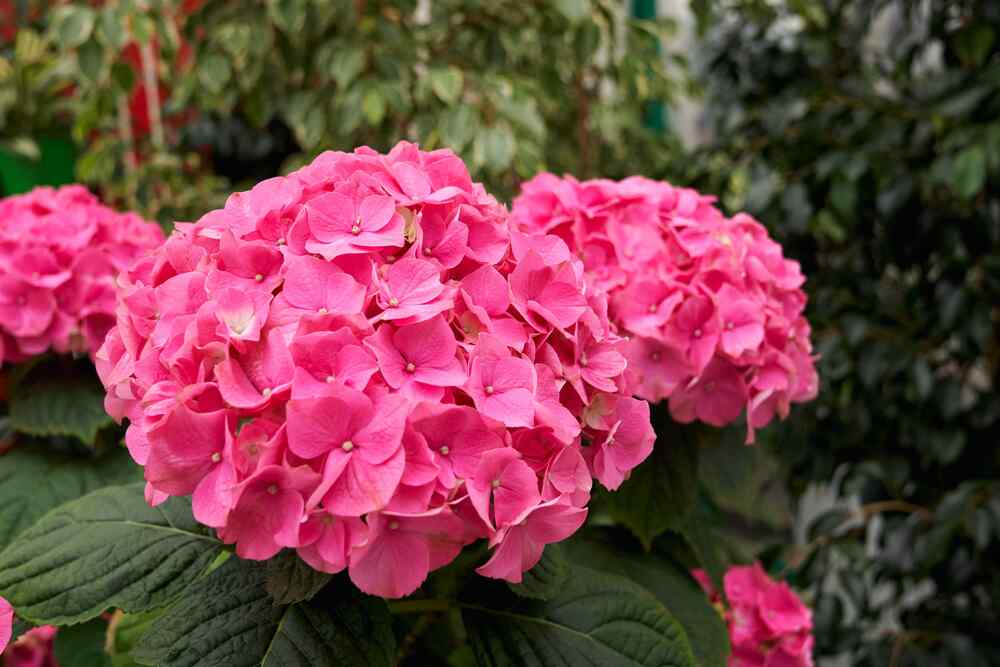
4) Hydrangea (Hydrangea spp.)
-
Type: Deciduous flowering shrub (some types tougher than others)
-
USDA Zones: Depends on species; panicle hydrangea (Hydrangea paniculata) is commonly 3–8 and very forgiving
-
Sun Exposure: Many do best with morning sun + afternoon shade; panicles handle full sun to light shade with adequate moisture
-
Soil Needs: Moist, well-drained soil is the sweet spot; consistent moisture helps avoid stress
-
Low-maintenance notes: If you want simple pruning, choose a type that blooms on new wood (panicles are popular for this). Mulch 2–3 inches and water deeply the first season.
Front-yard use: Big “wow” blooms near porches or entry paths.
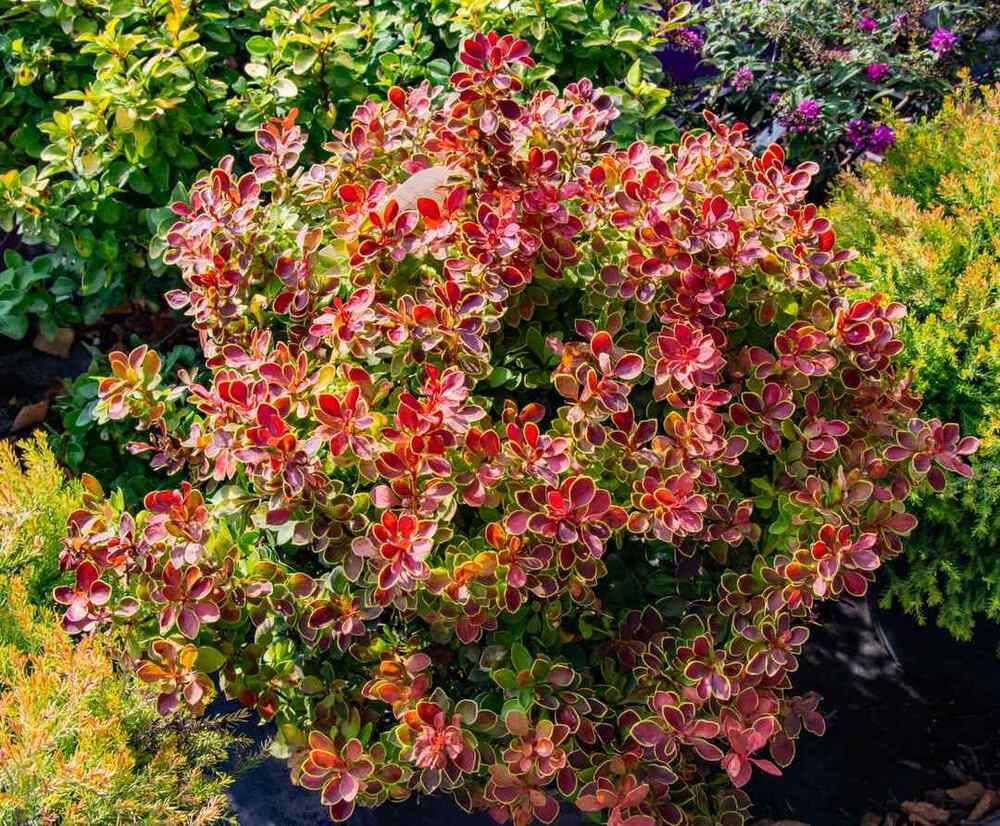
5) Japanese Barberry (Berberis thunbergii)
-
Type: Deciduous shrub (thorny, colorful foliage)
-
USDA Zones: Often listed around 5–10 (varies by cultivar)
-
Sun Exposure: Tolerates many light conditions; best color in full sun
-
Soil Needs: Adaptable; generally prefers well-drained soil (avoid soggy areas)
-
Low-maintenance notes: This one is tough, but it’s also controversial: barberry is invasive in some regions and restricted/banned in parts of the U.S. If you love the color, check local guidance and consider sterile or alternative shrubs.
Front-yard use: Barrier planting (those thorns mean business), color contrast.
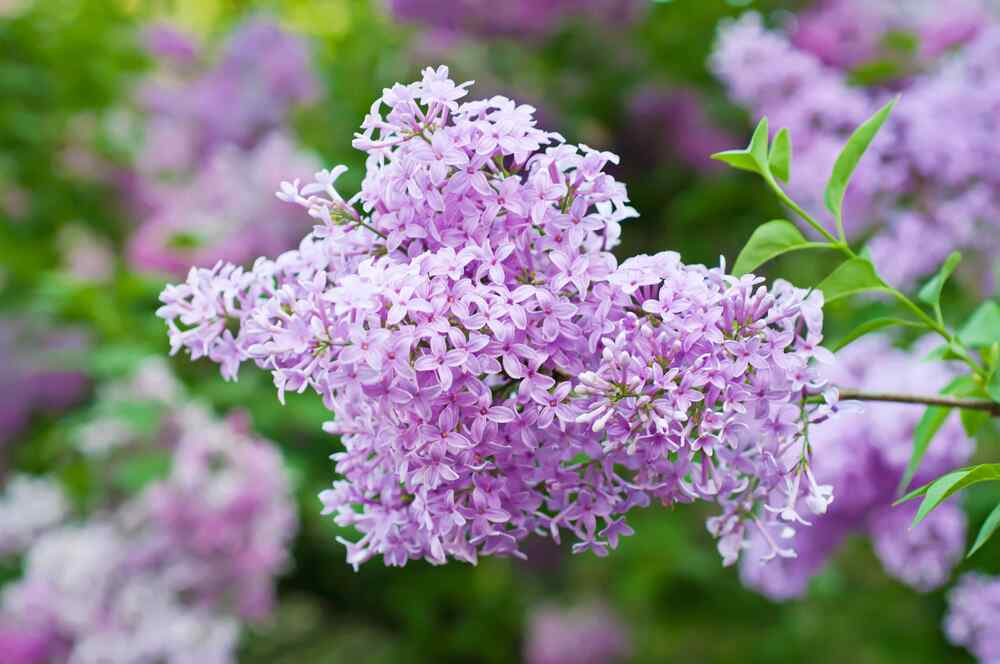
6) Lilac (Syringa vulgaris)
-
Type: Deciduous flowering shrub
-
USDA Zones: Common lilac is often 3–7
-
Sun Exposure: Full sun for best flowering (light shade is okay, heavy shade is not)
-
Soil Needs: Prefers well-drained soil; doesn’t like poorly drained sites
-
Low-maintenance notes: Lilac is easy, but it appreciates one thing: airflow (helps with mildew) and pruning right after flowering if you prune at all.
Front-yard use: Fragrance near windows or along a fence line.
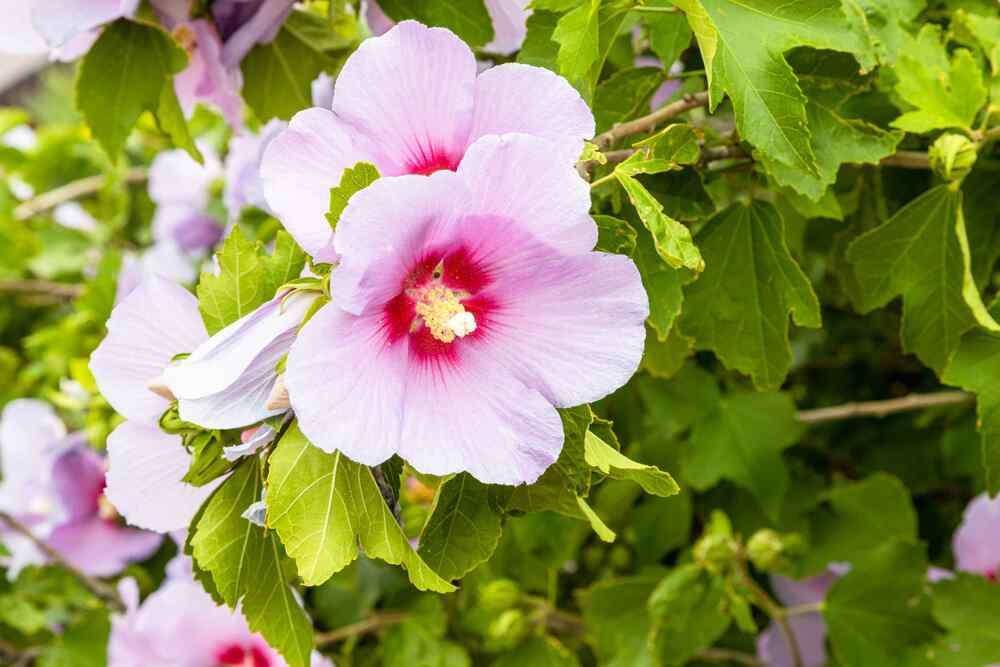
7) Rose of Sharon (Hibiscus syriacus)
-
Type: Deciduous flowering shrub (often grown as a small multi-stem tree)
-
USDA Zones: Commonly grown in warmer temperate zones; heat-tolerant
-
Sun Exposure: Full sun to partial shade (more sun = more flowers)
-
Soil Needs: Best in moist, well-drained soil, but tolerates many soils except extreme wet/dry
-
Low-maintenance notes: Blooms on new growth; light pruning in late winter/early spring can encourage bigger flowering.
Front-yard use: Late-summer color when other shrubs are tired.
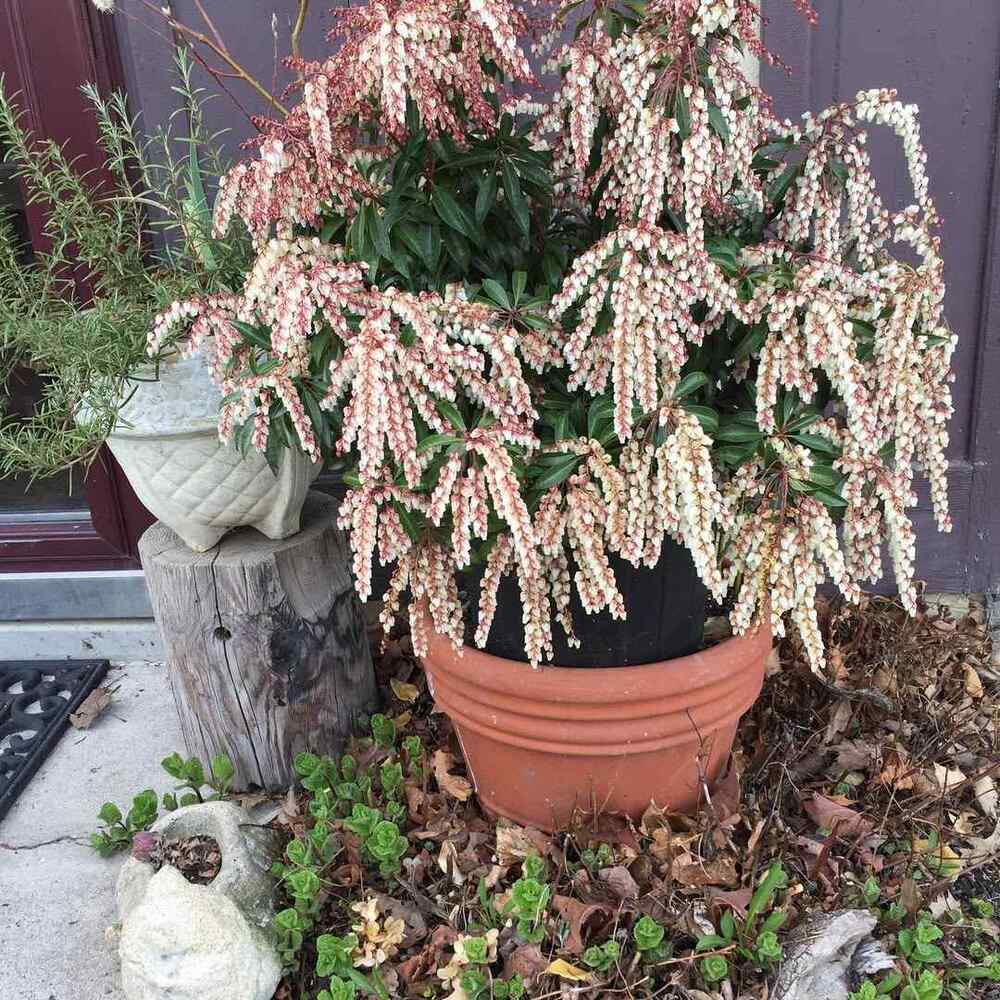
8) Japanese Pieris (Pieris japonica)
-
Type: Broadleaf evergreen shrub
-
USDA Zones: Commonly 4–8
-
Sun Exposure: Partial shade is safest (especially in warm climates)
-
Soil Needs: Acidic, humus-rich, well-drained soil; steady moisture but not soggy
-
Low-maintenance notes: Pieris is the “shady corner” evergreen that still feels fancy. Keep mulch on the root zone and avoid alkaline soil/water if you can.
Front-yard use: North/east side foundations, under tall trees (not bone-dry ones).
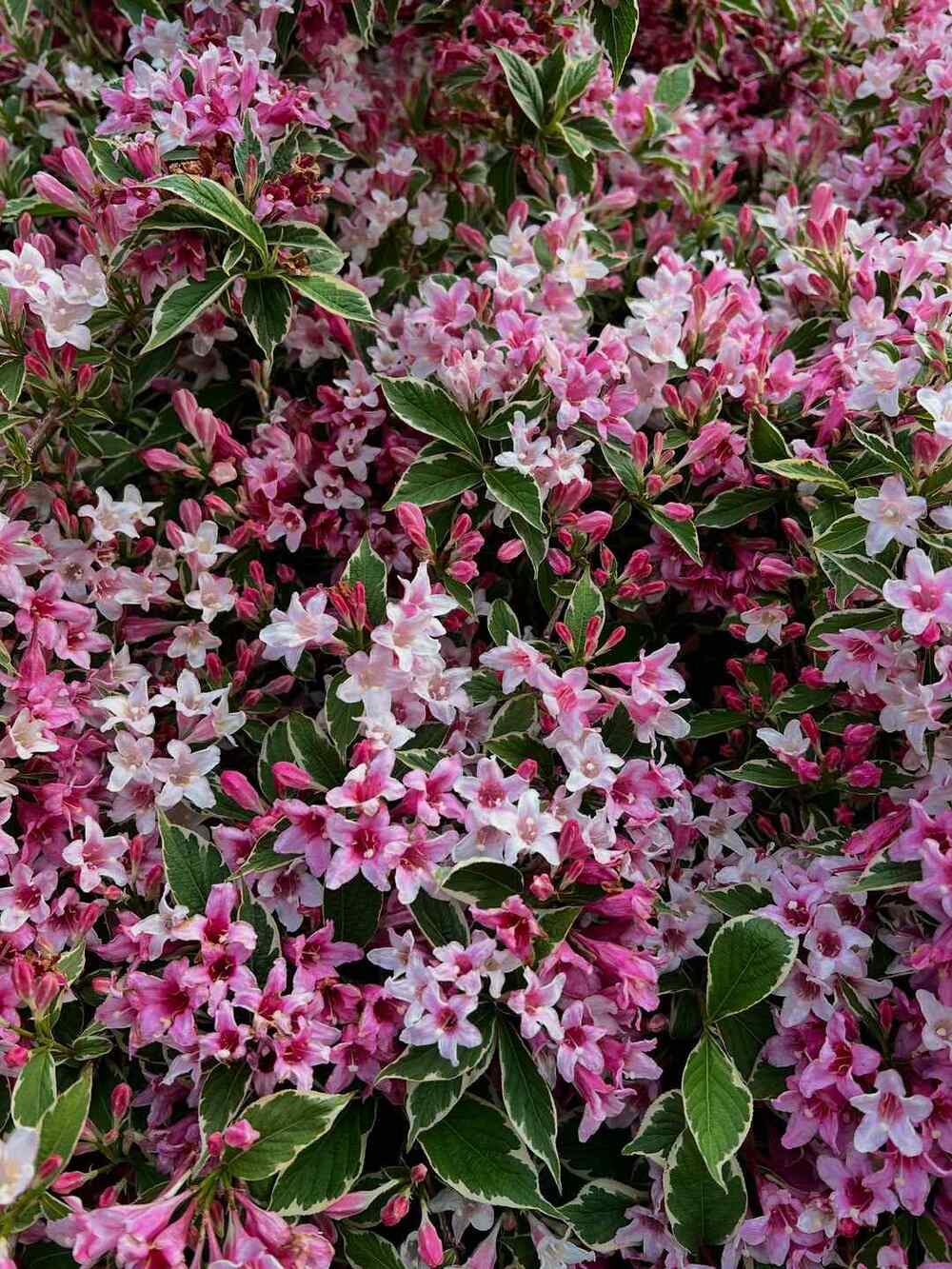
9) Weigela (Weigela florida)
-
Type: Deciduous flowering shrub
-
USDA Zones: Often 4–8
-
Sun Exposure: Full sun for best bloom and foliage color; tolerates light shade
-
Soil Needs: Average, well-drained soil; tolerates clay if drainage is reasonable
-
Low-maintenance notes: If you prune, do it right after flowering, because next year’s buds form later.
Front-yard use: Pollinator-friendly color with very little fuss.
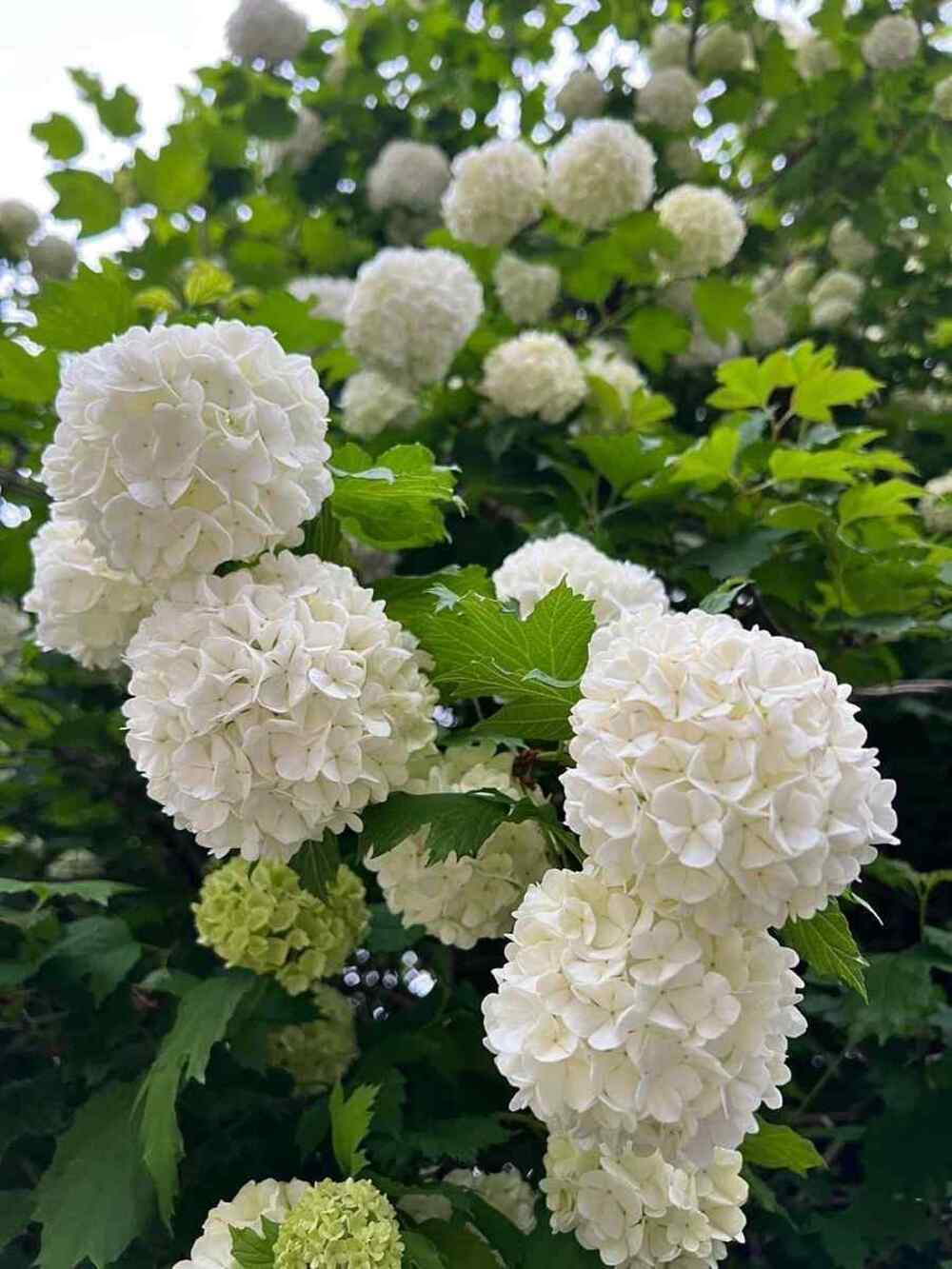
10) Viburnum (Viburnum spp.)
-
Type: Deciduous or evergreen shrub (variety dependent)
-
USDA Zones: Many common viburnums thrive around 3–8 (species varies; for example mapleleaf viburnum is 3–8)
-
Sun Exposure: Generally full sun to part shade
-
Soil Needs: Typically prefer well-drained soil; many tolerate a range and do fine in slightly acidic to slightly alkaline conditions
-
Low-maintenance notes: Viburnums are underrated for front yards because you get flowers + berries + fall color depending on the type, and they’re often pretty tough. Prune after flowering if needed.
Front-yard use: Hedges, screening, wildlife-friendly structure.
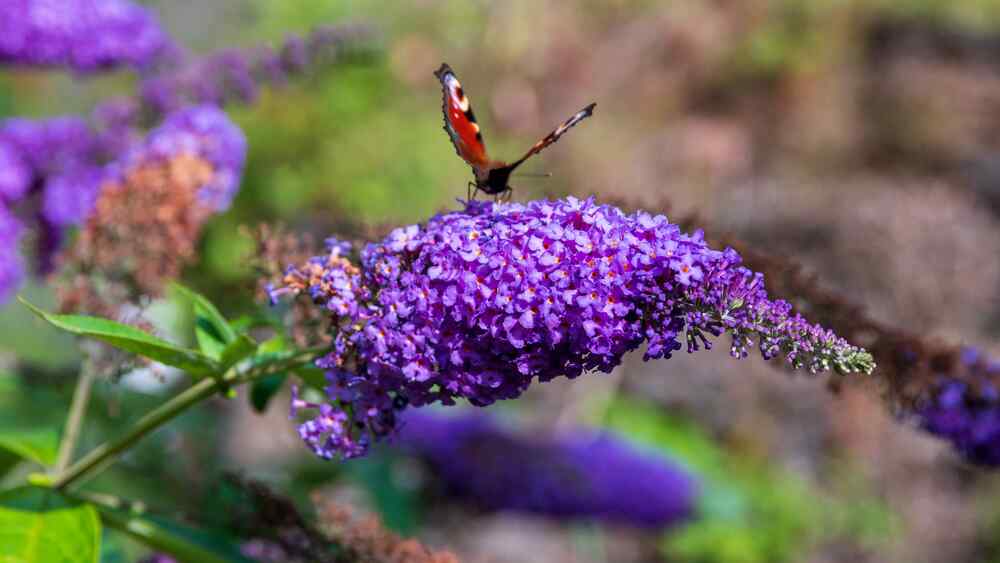
11) Butterfly Bush (Buddleja davidii)
-
Type: Deciduous shrub (often dies back in colder areas and regrows)
-
USDA Zones: Commonly 5–10
-
Sun Exposure: Full sun for best flowering
-
Soil Needs: Well-drained soil; dislikes saturated roots; fairly drought-tolerant once established
-
Low-maintenance notes: Deadhead if you feel like it, but it’s not mandatory. Bigger issue: in some regions, butterfly bush can be invasive—check local guidance and consider sterile cultivars.
Front-yard use: Pollinator magnet in hot, sunny spots.
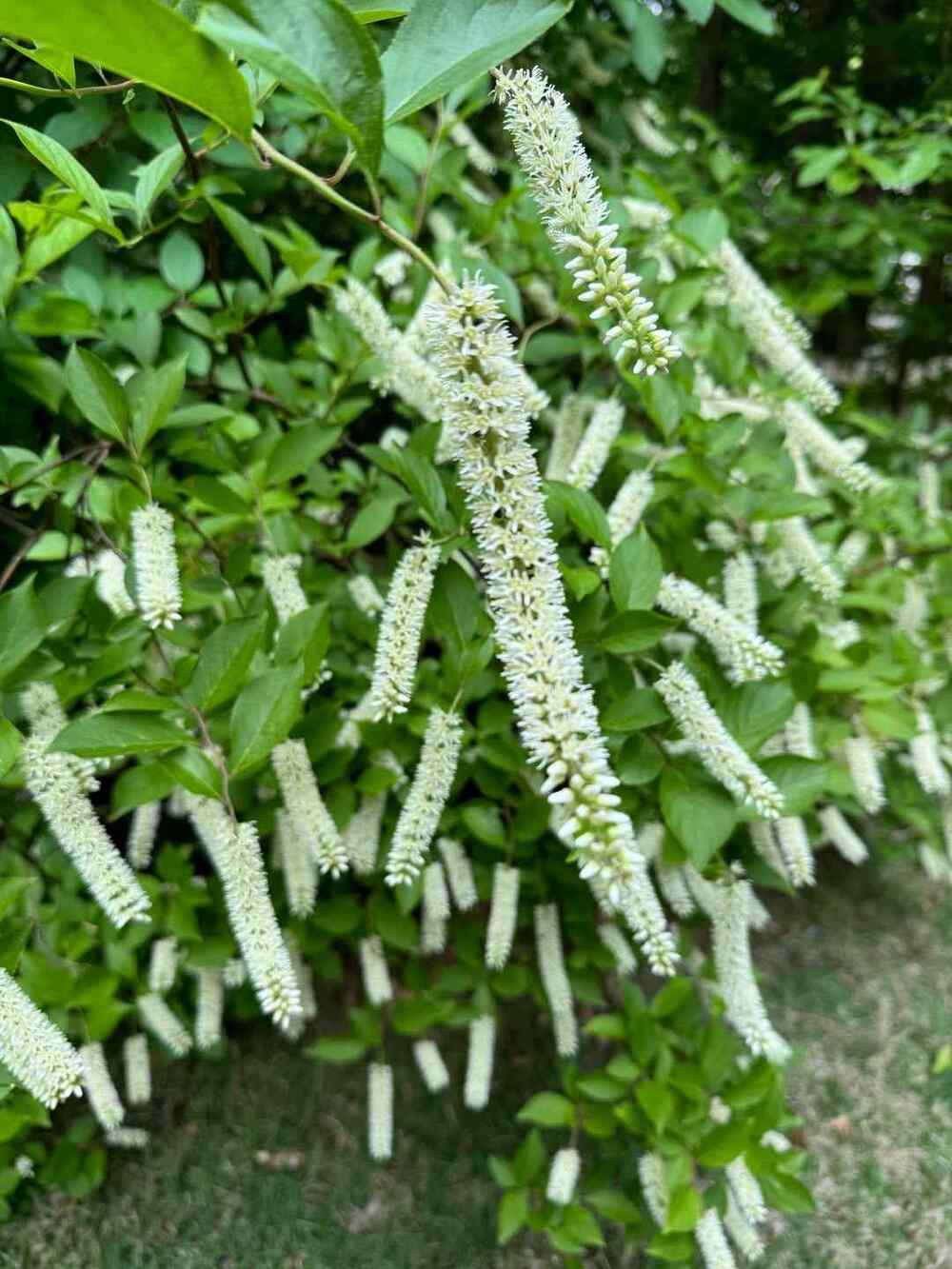
12) Sweetspire (Itea virginica)
-
Type: Deciduous (sometimes semi-evergreen in mild winters) shrub
-
USDA Zones: Commonly 5–9
-
Sun Exposure: Full sun to shade; best flowering in more sun
-
Soil Needs: Likes acidic, moist soils; tolerates clay and even poorer drainage better than many shrubs (great for rain-garden spots)
-
Low-maintenance notes: Sweetspire is one of my favorites for “problem areas” that stay damp. It gives fragrant blooms and strong fall color without drama.
Front-yard use: Rain gardens, low areas, woodland edges.
A few front-yard tricks that keep maintenance low
-
Match the shrub to the light first.
Full-sun shrubs in shade get thin and awkward. Shade shrubs in full sun scorch and sulk. This one decision saves the most work long-term. -
Plant for mature width, not the baby size.
Crowding is the main reason people end up pruning constantly. Junipers and viburnums especially need breathing room. -
Mulch like you mean it (but don’t volcano it).
A 2–3 inch mulch layer helps with moisture and weeds. Keep mulch a few inches away from stems so nothing stays wet against the bark. -
Water deeply the first season, then back off.
Most “drought-tolerant” shrubs are drought-tolerant after establishment. Deep watering encourages deep roots. Once roots settle in, shrubs like juniper and spirea can handle a lot more neglect. -
Use compact cultivars on purpose.
If you don’t want to prune, buy plants bred to stay smaller (common with spirea and hydrangea series). Less pruning is not lazy—it’s smart planning.