If you garden in Zone 5 and deer treat your yard like an open buffet, you’ve probably learned the hard way: “deer-resistant” doesn’t mean deer-proof. It means “usually not their first choice,” especially when there’s plenty to eat elsewhere. In late winter or early spring, when food is scarce, even the “safe” shrubs can get sampled.
That said, some evergreens are genuinely more dependable because deer dislike needle texture, spiny leaves, or strong scent. The shrubs below are solid candidates for year-round structure, privacy, and foundation planting in Zone 5—without becoming the main course.
I’m also adding practical details (sun, soil, plant type, size range, and where they shine) so you can plant with fewer regrets.
Table of Contents
Quick Deer Reality Check (Zone 5 Edition)
-
Hungry winter deer are different deer. When snow is deep, they may nibble almost anything.
-
Young plants are tastier. New growth is softer and easier to chew.
-
Location matters. Near woods, trails, or a creek? Expect more pressure.
-
Best strategy: plant deer-resistant shrubs and use smart layers (aromatic perennials) + occasional repellent on new shrubs.
A simple rule: plants with needles, prickly/spiny leaves, leathery texture, or strong smell are usually the least preferred.
10 Deer-Resistant Evergreen Shrubs Zone 5
1) Green Velvet Boxwood (Buxus ‘Green Velvet’)
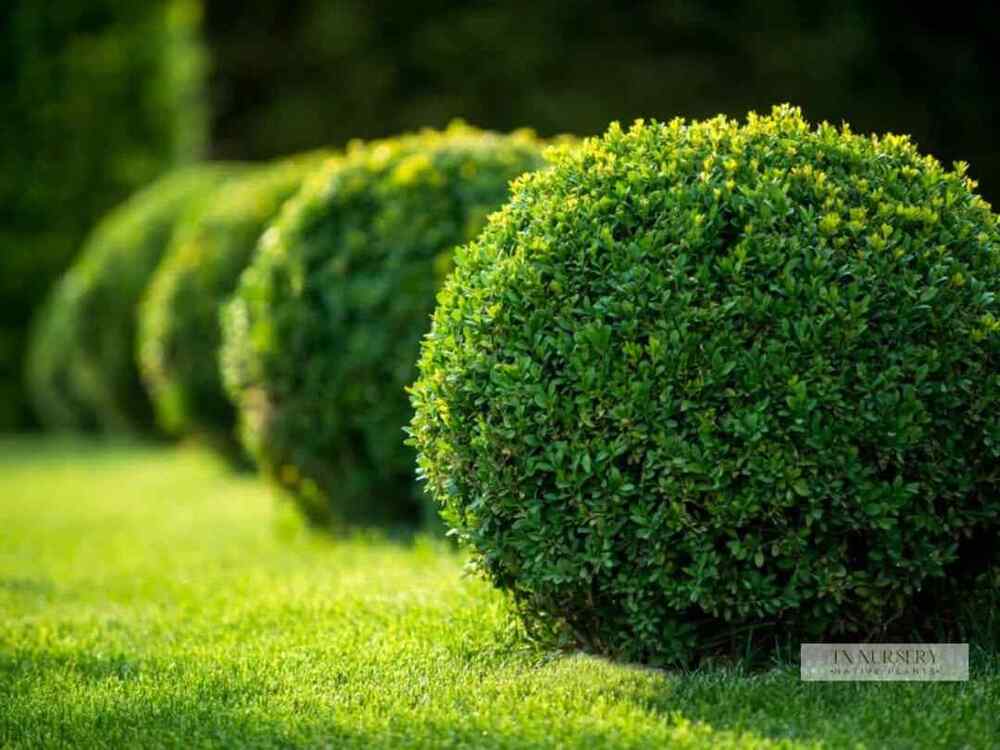
Type: Broadleaf evergreen shrub
Why deer often pass it by: Dense foliage with a slightly bitter scent/taste.
-
Sun exposure: Full sun to partial shade (afternoon shade helps in hot summer pockets).
-
Soil needs: Well-drained soil; average fertility is fine. Avoid soggy winter soil.
-
Size: Typically 3–4 ft tall and wide with time.
-
Best use: Foundation structure, low hedges, tidy “green mounds.”
-
Care notes: Mulch roots in fall. Water in dry autumns—winter burn is worse when plants go into freeze season thirsty.
2) Mugo Pine (Pinus mugo)
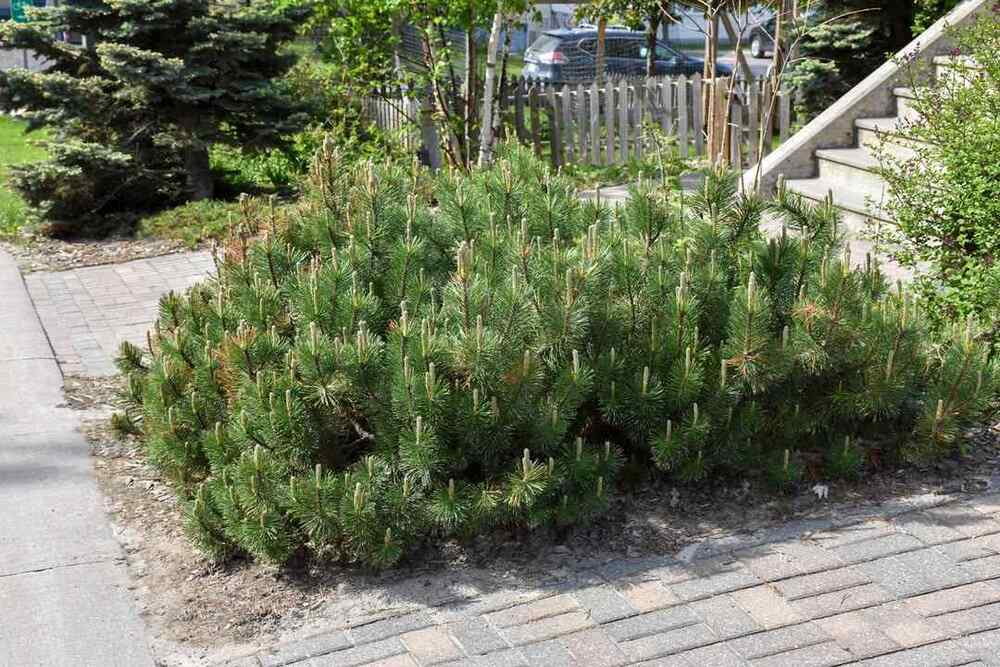
Type: Evergreen conifer shrub
Why deer often pass it by: Needles + resin scent. Not very snack-friendly.
-
Sun exposure: Full sun (best shape and density).
-
Soil needs: Well-drained; tolerates sandy or rocky soils.
-
Size: Dwarf forms vary, often 3–5 ft tall and wide depending on cultivar.
-
Best use: Corner anchors, texture contrast, winter interest.
-
Care notes: Optional “candle pinching” in late spring keeps it compact and bushy.
3) Blue Star Juniper (Juniperus squamata ‘Blue Star’)
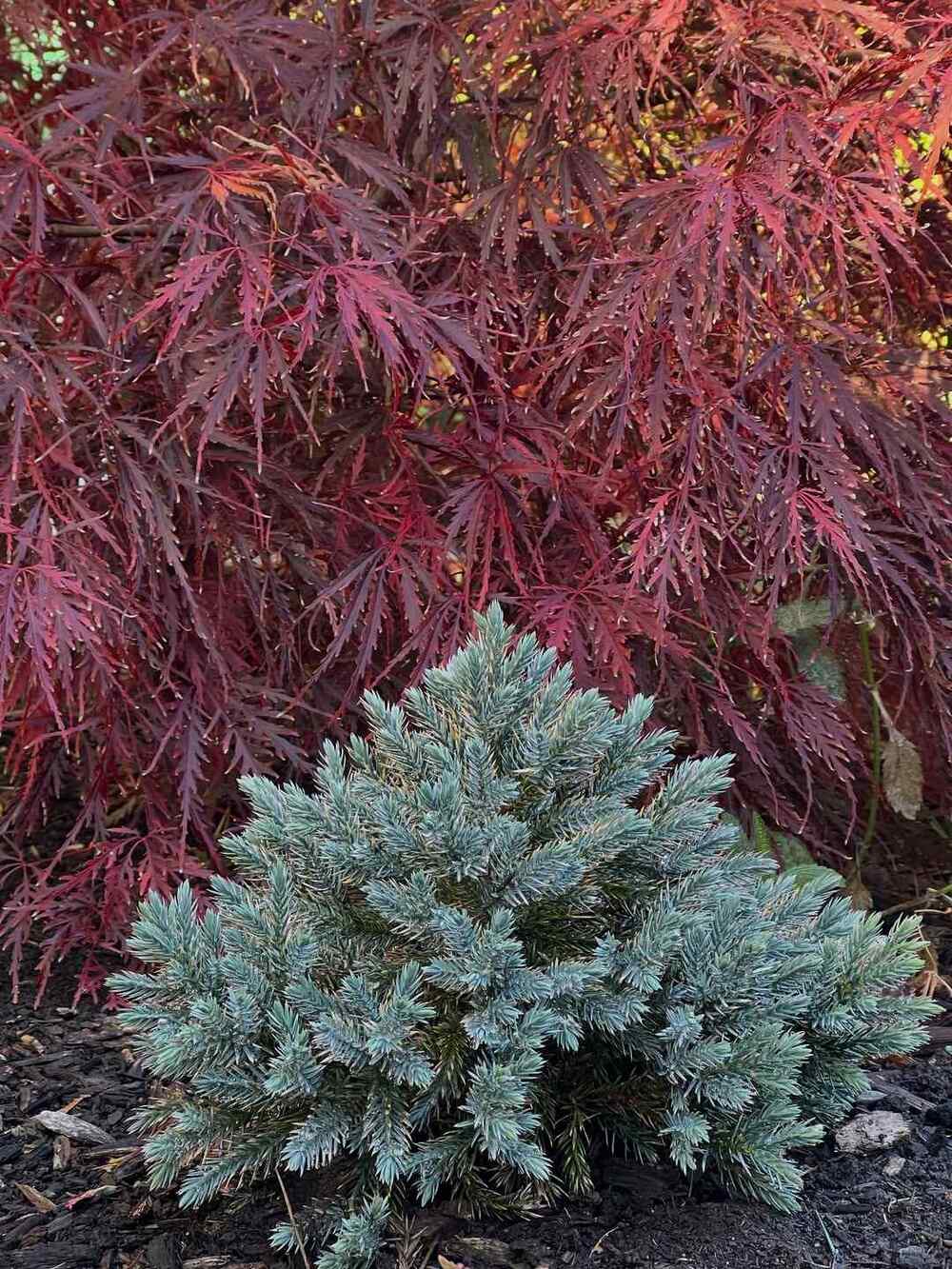
Type: Evergreen conifer shrub
Why deer often pass it by: Sharp texture and strong resin scent.
-
Sun exposure: Full sun.
-
Soil needs: Excellent drainage is the whole secret.
-
Size: Usually 1–3 ft tall, mounding.
-
Best use: Front-of-bed evergreen color, low-maintenance accents.
-
Care notes: Don’t overwater. Wet feet = sad juniper.
4) Blue Rug Juniper (Juniperus horizontalis ‘Wiltonii’)
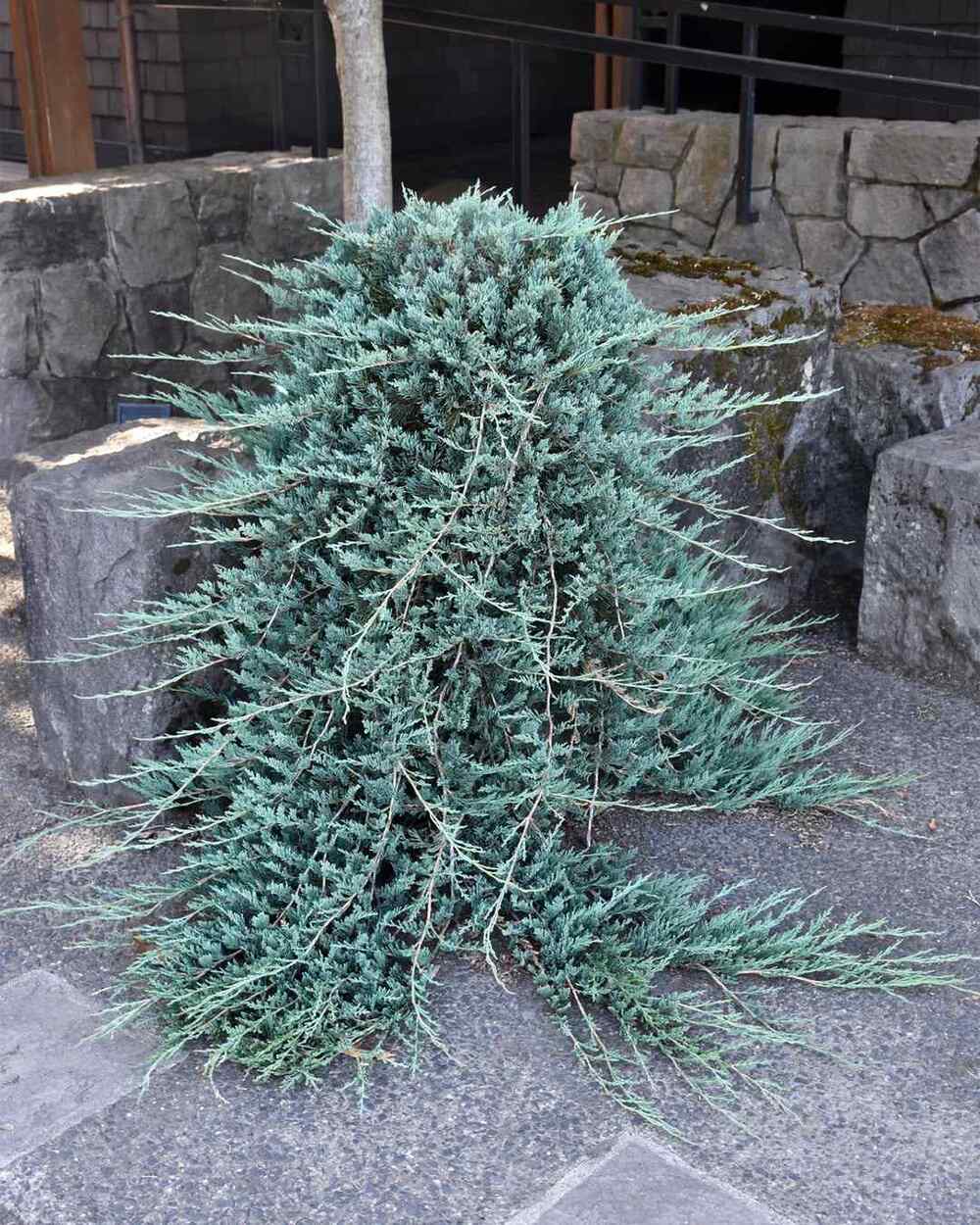
Type: Evergreen conifer groundcover
Why deer often pass it by: Needle texture and low palatability.
-
Sun exposure: Full sun.
-
Soil needs: Well-drained; handles poor soils better than most shrubs.
-
Size: Very low (4–6 inches tall) but can spread several feet wide.
-
Best use: Slopes, edging, hot sunny strips where grass won’t cooperate.
-
Care notes: Give it space to creep—this one is a “spreader,” not a tight little ball.
5) Russian Cypress (Microbiota decussata)
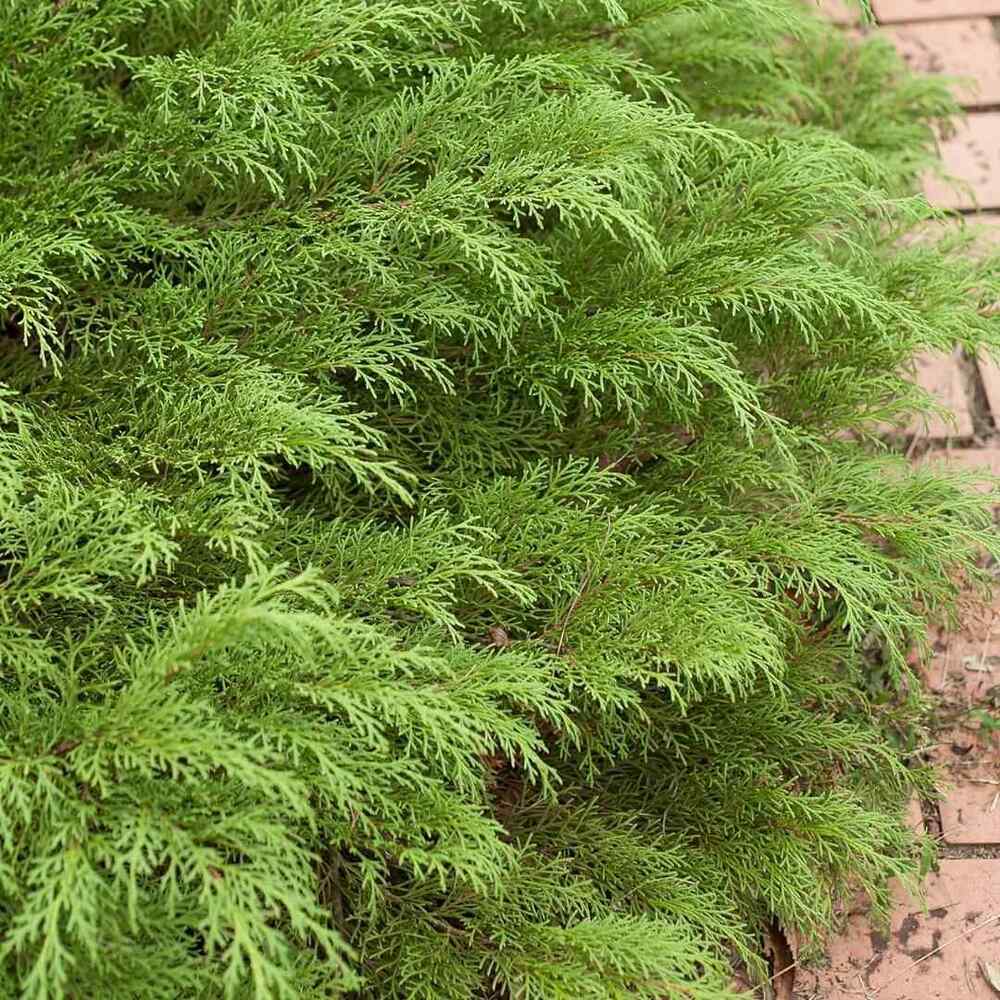
Type: Evergreen conifer-like shrub (soft, low growing)
Why deer often pass it by: Texture and evergreen oils; typically not preferred.
-
Sun exposure: Full sun to partial shade (a little shade is fine).
-
Soil needs: Moist but well-drained; appreciates compost in heavy soils.
-
Size: About 1–2 ft tall, spreading 3–5+ ft wide.
-
Best use: Soft, layered foundation beds, woodland edges, low evergreen massing.
-
Care notes: Can bronze in winter—normal color shift, not necessarily damage.
6) Oregon Grape Holly (Mahonia aquifolium)
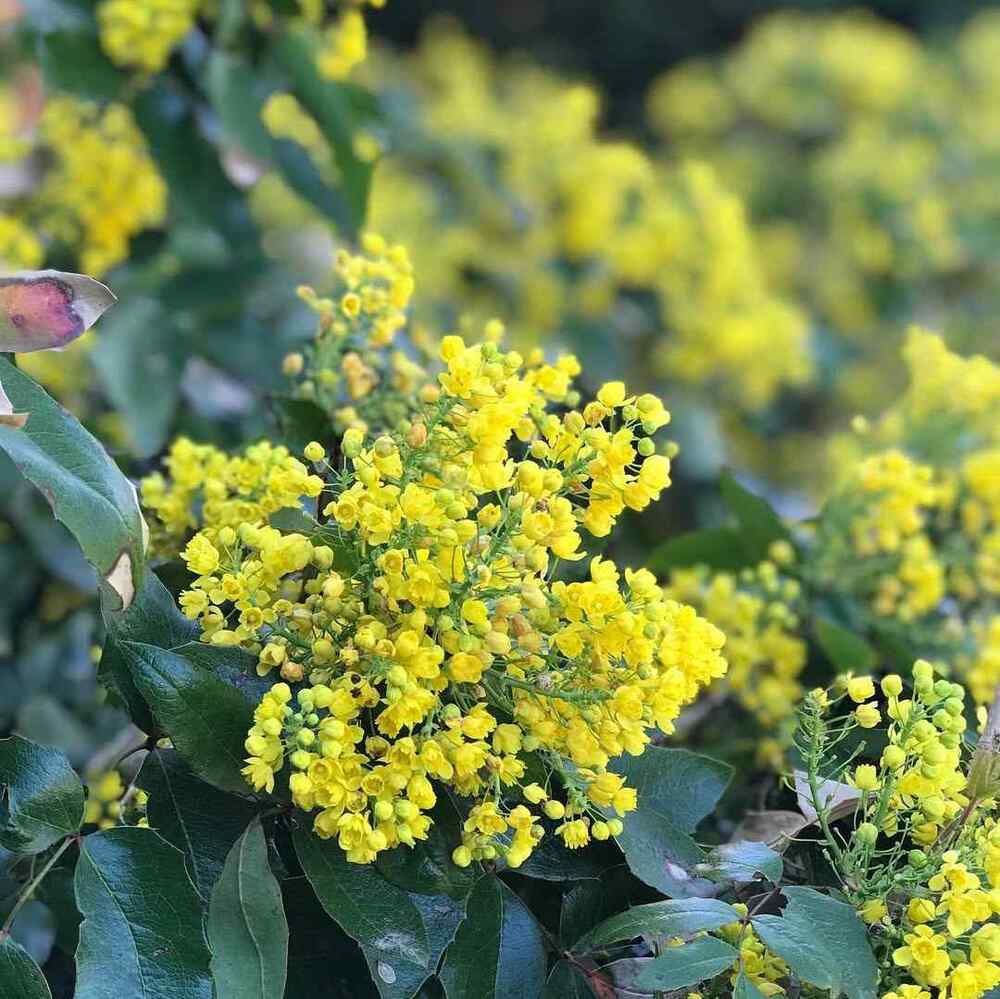
Type: Broadleaf evergreen (holly-like leaves)
Why deer often pass it by: Spiny leaves + strong texture.
-
Sun exposure: Partial shade to full sun (in Zone 5, partial shade often looks best).
-
Soil needs: Well-drained, moderately fertile soil.
-
Size: Usually 3–6 ft (varies with conditions).
-
Best use: Mixed borders, shady foundation areas, year-round structure.
-
Bonus: Yellow blooms in spring and blue berries on many plants.
-
Care notes: Plant where you won’t brush against it constantly—the leaves can be poky.
7) Inkberry Holly (Ilex glabra)
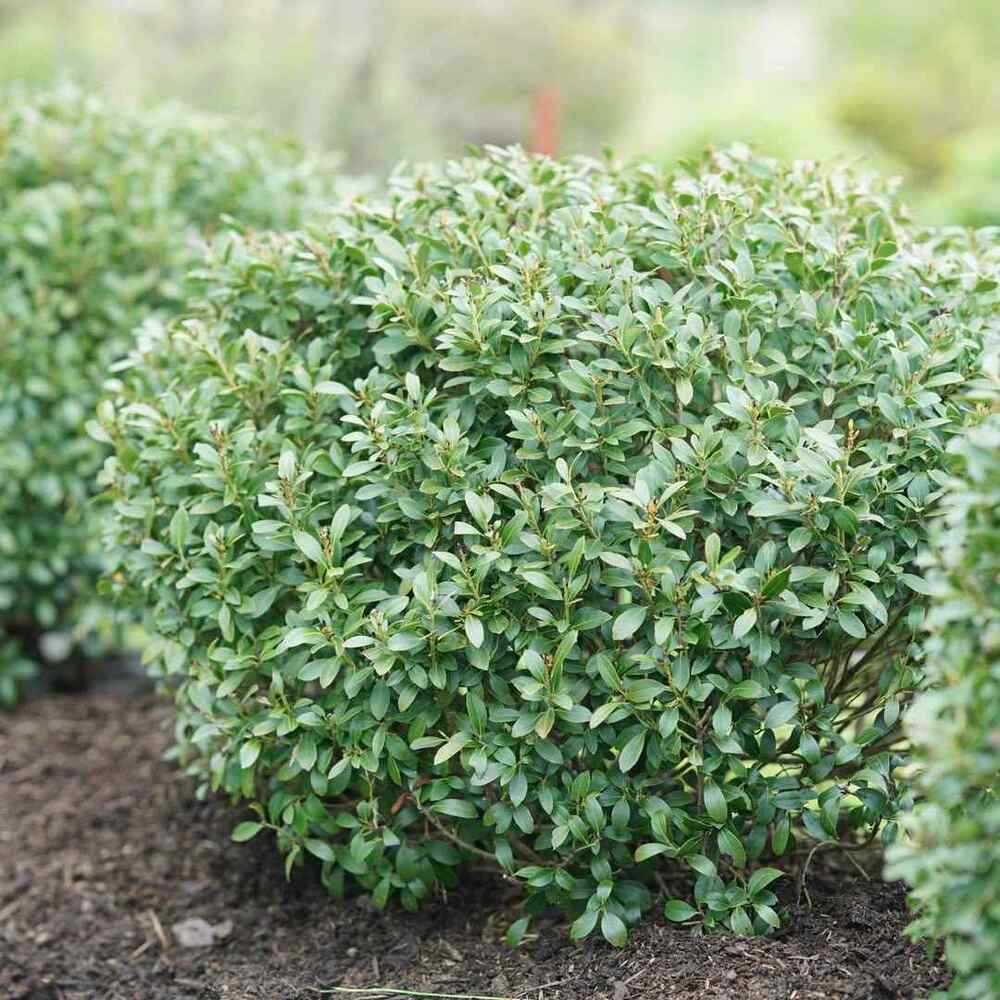
Type: Broadleaf evergreen shrub
Why deer often pass it by: Tough, less tasty foliage; generally avoided compared to softer shrubs.
-
Sun exposure: Full sun to partial shade.
-
Soil needs: Prefers moist, acidic soil but still needs decent drainage.
-
Size: Commonly 3–5 ft (compact forms smaller).
-
Best use: Boxwood alternative for hedging, foundation structure, mass plantings.
-
Care notes: If you want berries, check pollination needs (some hollies need a partner).
8) Dwarf Korean Boxwood (Buxus sinica var. insularis ‘Tide Hill’)
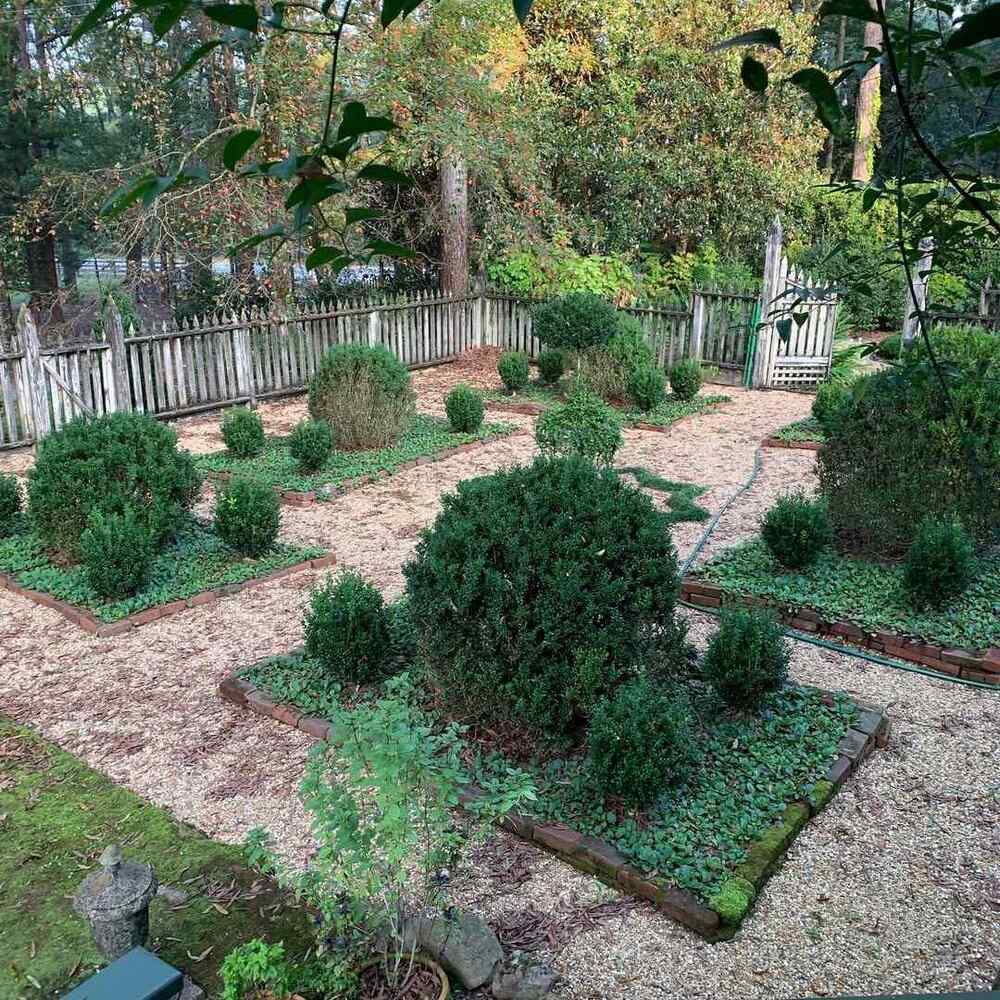
Type: Broadleaf evergreen shrub
Why deer often pass it by: Similar to other boxwoods—taste/scent is usually not a deer favorite.
-
Sun exposure: Full sun to partial shade.
-
Soil needs: Well-drained soil; avoid waterlogged winter spots.
-
Size: Low and spreading, often 1–2 ft tall and wider.
-
Best use: Low edging, “evergreen ribbon” in front of taller shrubs.
-
Care notes: Minimal pruning needed—let it do its tidy, low thing.
9) Japanese Pieris (Pieris japonica)
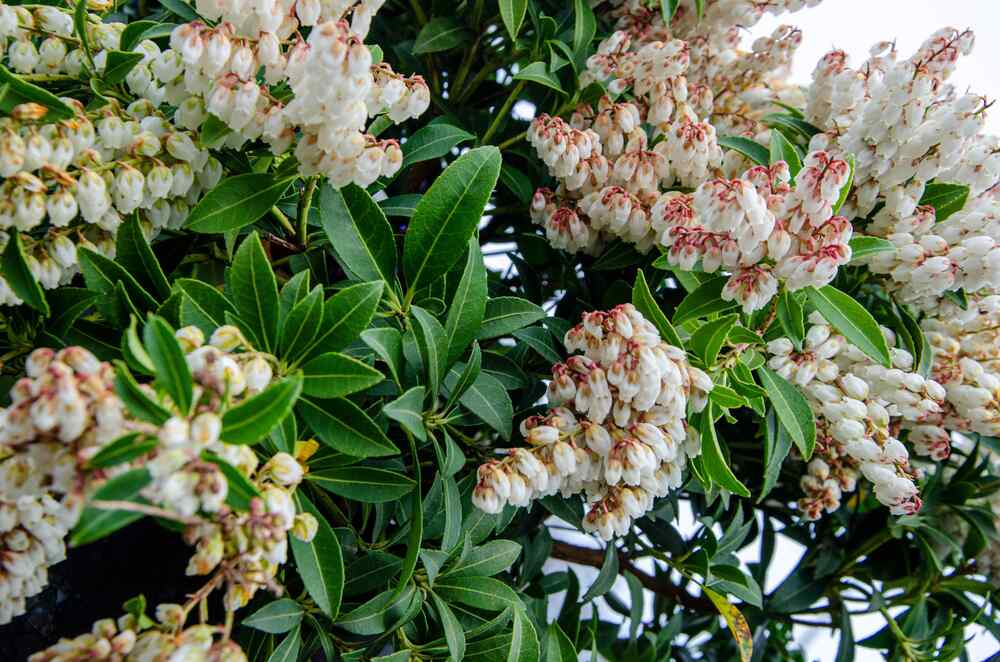
Type: Broadleaf evergreen shrub
Why deer often pass it by: Tough foliage and compounds that reduce palatability (still not deer-proof, but often spared).
-
Sun exposure: Partial shade is ideal; morning sun + afternoon shade is a safe bet.
-
Soil needs: Acidic, organic-rich, well-drained soil.
-
Size: Many varieties 3–6 ft.
-
Best use: Near entryways for a refined evergreen look; great with mulch and acidic-loving companions.
-
Bonus: Early-season flower clusters and colorful new growth on some cultivars.
-
Care notes: Pieris hates alkaline soil. If your leaves yellow, check pH and drainage.
10) Chinese Juniper (Juniperus chinensis ‘Pfitzeriana’)
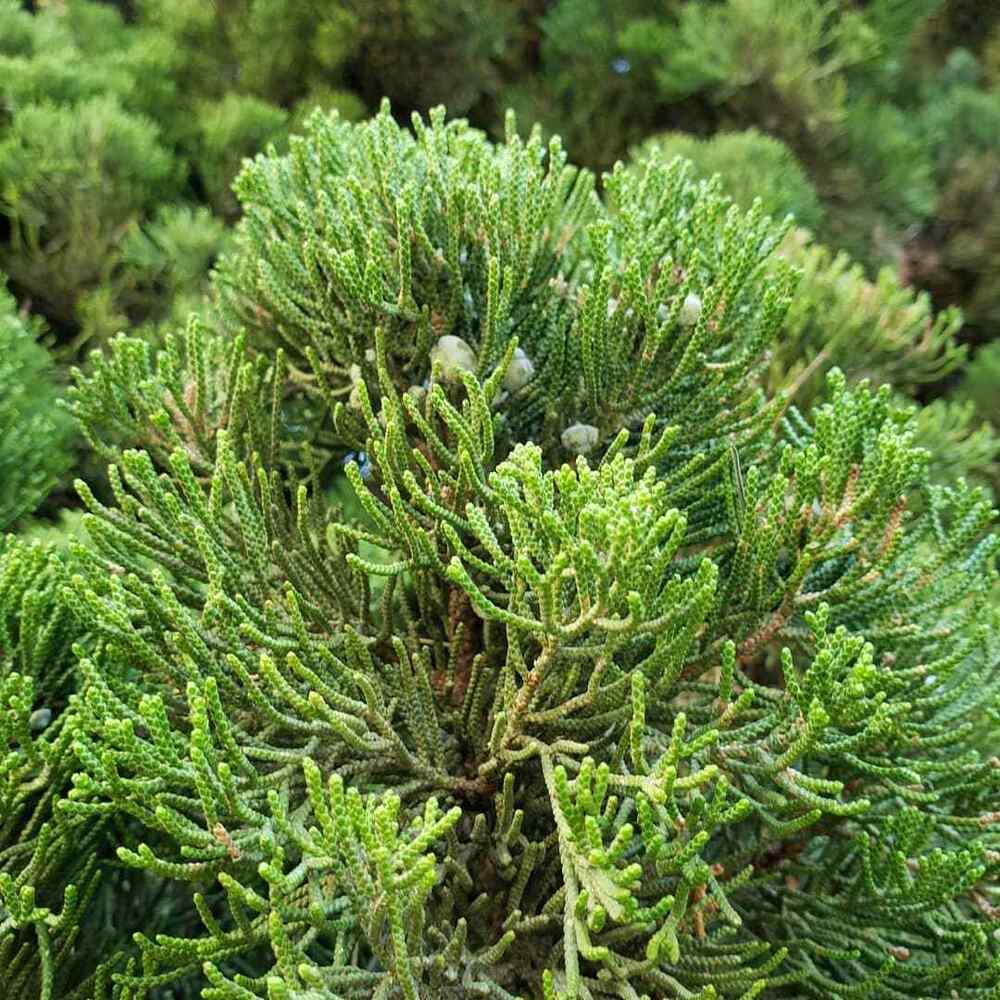
Type: Evergreen conifer shrub
Why deer often pass it by: Resinous foliage and prickly texture.
-
Sun exposure: Full sun.
-
Soil needs: Well-drained; fairly tolerant once established.
-
Size: Often 4–10 ft wide and several feet tall (check the exact cultivar—these can get large).
-
Best use: Privacy massing, big foundation corners, windbreak-style structure.
-
Care notes: Don’t plant too close to the house. Give airflow and mature space.
Tips to Make Deer-Resistant Shrubs Work Even Better
Use “Smell Layers” Around Your Shrubs
A deer-resistant shrub bed works better when it’s not just shrubs. Deer notice the edges first, so border your planting with aromatic perennials like:
-
Catmint
-
Russian sage
These don’t guarantee anything, but they increase the “not worth it” factor.
Protect New Plants (Especially the First Winter)
Even resistant shrubs can get sampled. For the first year:
-
Use a deer repellent on young shrubs, especially in fall and mid-winter thaws.
-
Consider temporary netting or a low fence if pressure is intense.
-
Don’t over-fertilize—lush new growth is basically dessert.
Pick the Right Spot
-
Avoid planting your “most deer-safe” shrubs right along a deer path and expecting miracles.
-
If your yard borders woods, use the toughest textures (junipers, mugo pine) on the outer edges.
A Simple Zone 5 Deer-Resistant Evergreen Layout (That Looks Intentional)
If you want a foundation bed that feels designed and stays green:
-
Back layer (taller structure): Inkberry holly + Chinese juniper (or mugo pine if you want lower)
-
Middle layer: Green Velvet boxwood + Oregon grape holly
-
Front edge / groundcover: Blue Star juniper + Blue Rug juniper + Tide Hill boxwood
-
Optional soft filler: Russian cypress to blend edges and keep it from feeling too prickly
Repeat plants in groups of 2–3 rather than planting one of everything. Repetition is what makes curb appeal feel calm.
Final note (because deer are deer)
If deer are truly relentless, the only “guarantee” is physical barrier fencing. But for most Zone 5 yards, this list gives you a strong chance of year-round evergreen structure without constant heartbreak.