If your front yard gets full sun and you’re in Zone 5, you’re in a sweet spot… and also a slightly dramatic one. Zone 5 sun can be bright and wonderful in summer, but winter is the real test. The shrubs that survive and still look good after wind, salt spray (if you’re near a driveway), and freeze-thaw cycles? Those are the shrubs worth planting in front of your house.
This list is built for a low-maintenance foundation bed: a mix of evergreens for structure (so your house doesn’t look bare in January) and flowering shrubs for color (so it doesn’t look boring in June either). I’m also including the details people always ask about later: sun exposure, soil needs, type of plant, height, bloom time, and care tips.
Table of Contents
Before You Plant: Quick Rules for Zone 5 Full Sun Foundations
-
Sun exposure reality check: “Full sun” usually means 6+ hours of direct sun. If your bed gets 8–10 hours and reflected heat from siding or pavement, pick tougher, sun-happy shrubs (junipers, potentilla, spirea, ninebark).
-
Soil matters more than you think: Most foundation shrubs fail because of wet, compacted soil. In Zone 5, winter wet + freezing roots is a bad mix.
Goal: soil that drains well but doesn’t turn to dust in July. -
Planting time: Spring planting is your best friend here—shrubs get a full season to root in before the first hard freeze.
-
Mulch like you mean it: A 2–3 inch mulch layer keeps moisture steady and protects roots from temperature swings. Keep mulch a few inches away from stems.
11 Best Shrubs in Front of House Full Sun Zone 5
1) Boxwood (‘Sprinter’ or ‘Green Velvet’)
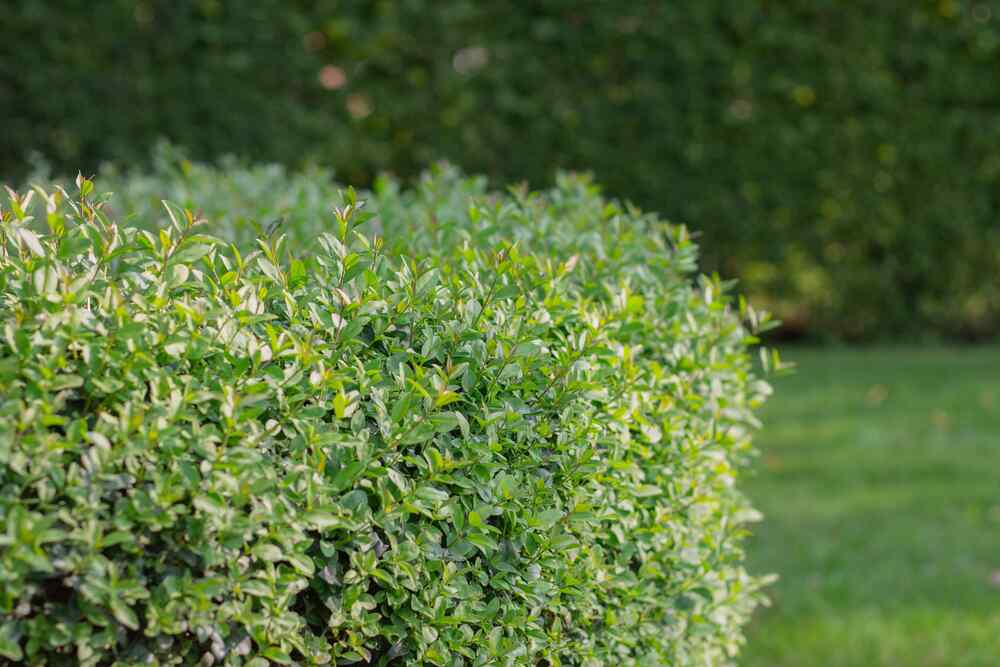
Type: Evergreen broadleaf shrub
Why it works out front: Boxwood is the “clean lines” shrub. It makes a foundation bed look intentional, even when everything else is doing its own thing.
-
Sun exposure: Full sun to partial shade. In full sun, keep it watered during heat waves.
-
Soil needs: Well-drained soil, neutral to slightly alkaline is fine. Avoid constantly wet spots.
-
Size: About 2–4 ft tall (variety dependent).
-
Seasonal interest: Year-round green structure.
-
Care tip: Water deeply the first year. Winter wind can bronze leaves—mulch and a sheltered spot helps.
Front-yard styling move: Use boxwood in repeats (pairs or a row) for a polished “foundation frame.”
2) Spirea (‘Double Play’ series)
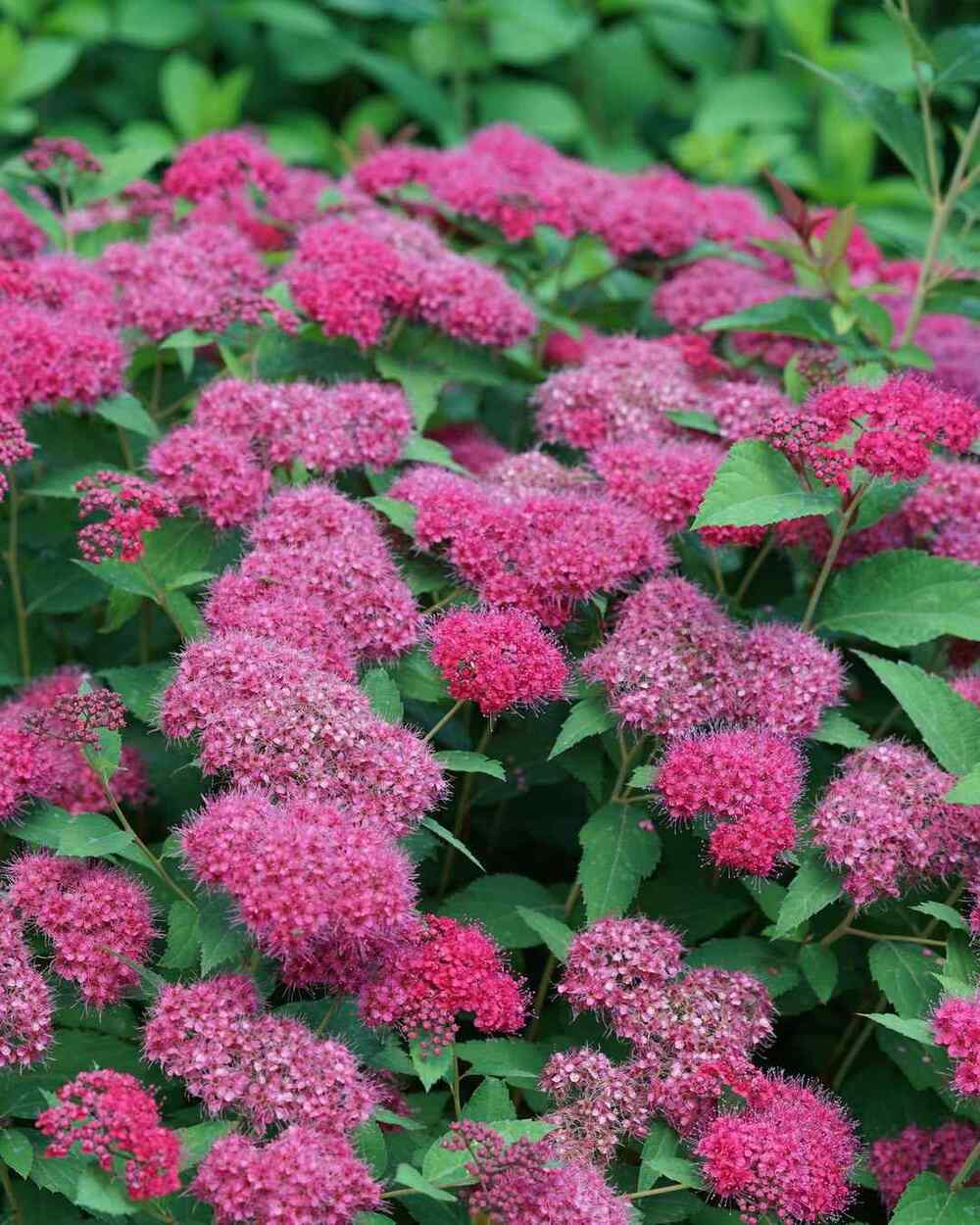
Type: Deciduous flowering shrub
Why it works out front: Spirea is cheerful and forgiving. The colorful foliage is the real magic—gold, orange, chartreuse—plus reliable blooms.
-
Sun exposure: Full sun for best color and flowers.
-
Soil needs: Average, well-drained soil; not picky.
-
Size: 2–3 ft tall.
-
Blooming season: Late spring into summer (variety-dependent), often pink or white.
-
Care tip: A light trim after flowering keeps it compact and full.
Personal note: If you want a bright, friendly foundation without constant work, spirea is basically the cheat code.
3) Weigela (‘Wine & Roses’)
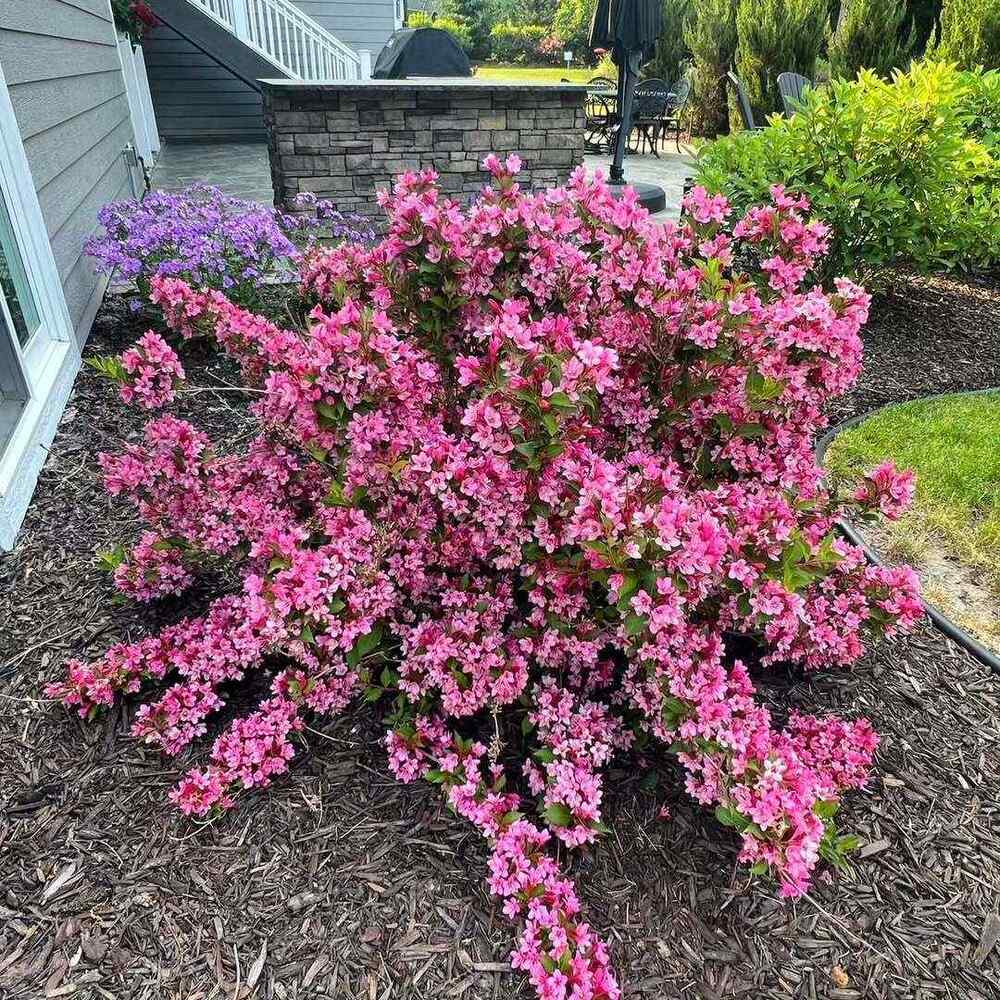
Type: Deciduous flowering shrub
Why it works out front: Dark purple foliage + pink blooms = instant contrast. It makes lighter siding and stonework pop.
-
Sun exposure: Full sun is best (more sun = better leaf color).
-
Soil needs: Well-drained, moderately fertile soil.
-
Size: 3–5 ft tall.
-
Blooming season: Late spring, sometimes a lighter repeat later.
-
Care tip: Prune right after blooming if you need shaping (it blooms on older wood).
Front-yard styling move: Place it behind lower shrubs so the foliage reads like a backdrop.
4) Potentilla (Cinquefoil)
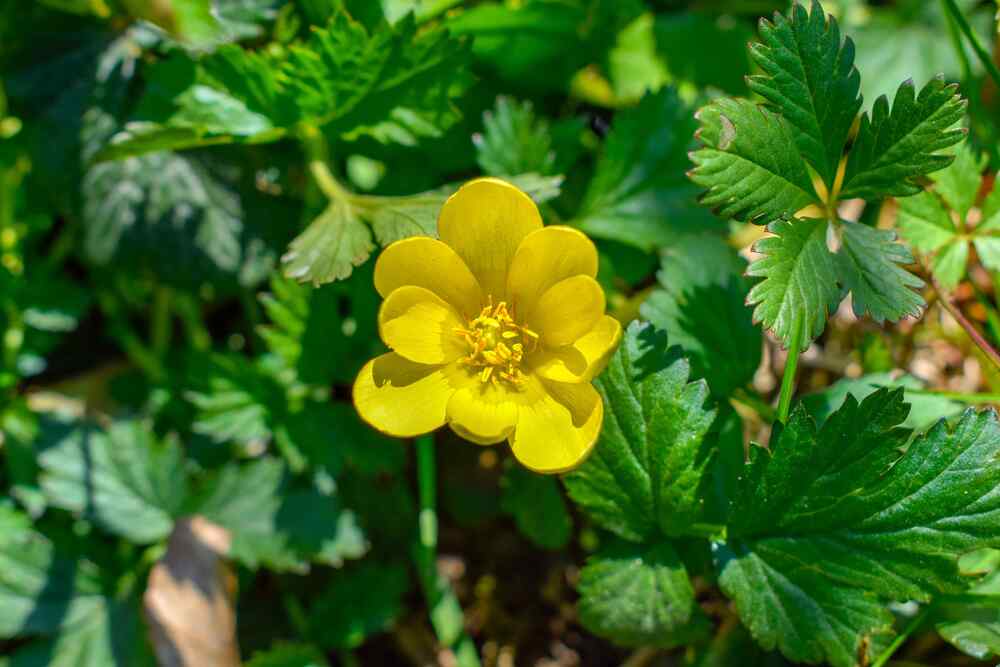
Type: Deciduous flowering shrub
Why it works out front: This one is ridiculously tough—cold hardy, heat tolerant, drought tolerant once established. It keeps flowering when other shrubs take breaks.
-
Sun exposure: Full sun (best flowering).
-
Soil needs: Well-drained; tolerates poorer soils.
-
Size: 2–3 ft tall.
-
Blooming season: Late spring through fall (long bloomer), yellow/white/red depending on variety.
-
Care tip: If it starts to look scraggly, a light early-spring cutback refreshes it.
If you hate fussing: Potentilla is a strong pick for busy people or rental properties.
5) Dwarf Juniper (‘Blue Star’)
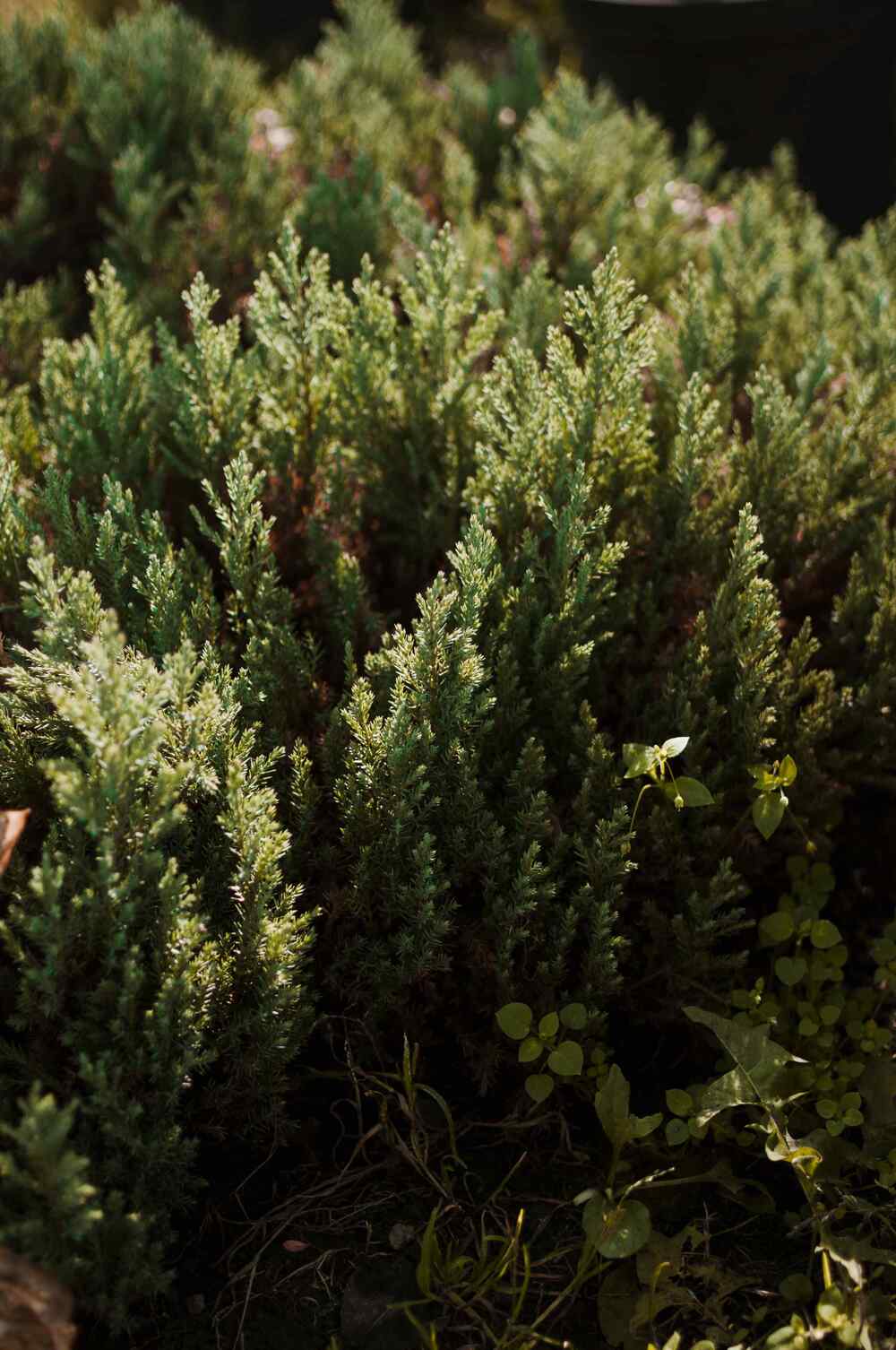
Type: Evergreen conifer shrub
Why it works out front: Low, blue-toned, and drought-tolerant. It’s great for hot foundation strips that bake in summer.
-
Sun exposure: Full sun for best density and color.
-
Soil needs: Very well-drained. Sandy or rocky soil is fine.
-
Size: 1–3 ft tall (often wider than tall).
-
Seasonal interest: Year-round evergreen color.
-
Care tip: Don’t baby it with too much water. Wet soil invites problems.
Front-yard styling move: Use it at the front edge like a living “blue carpet.”
6) Hydrangea paniculata (‘Little Lime’)
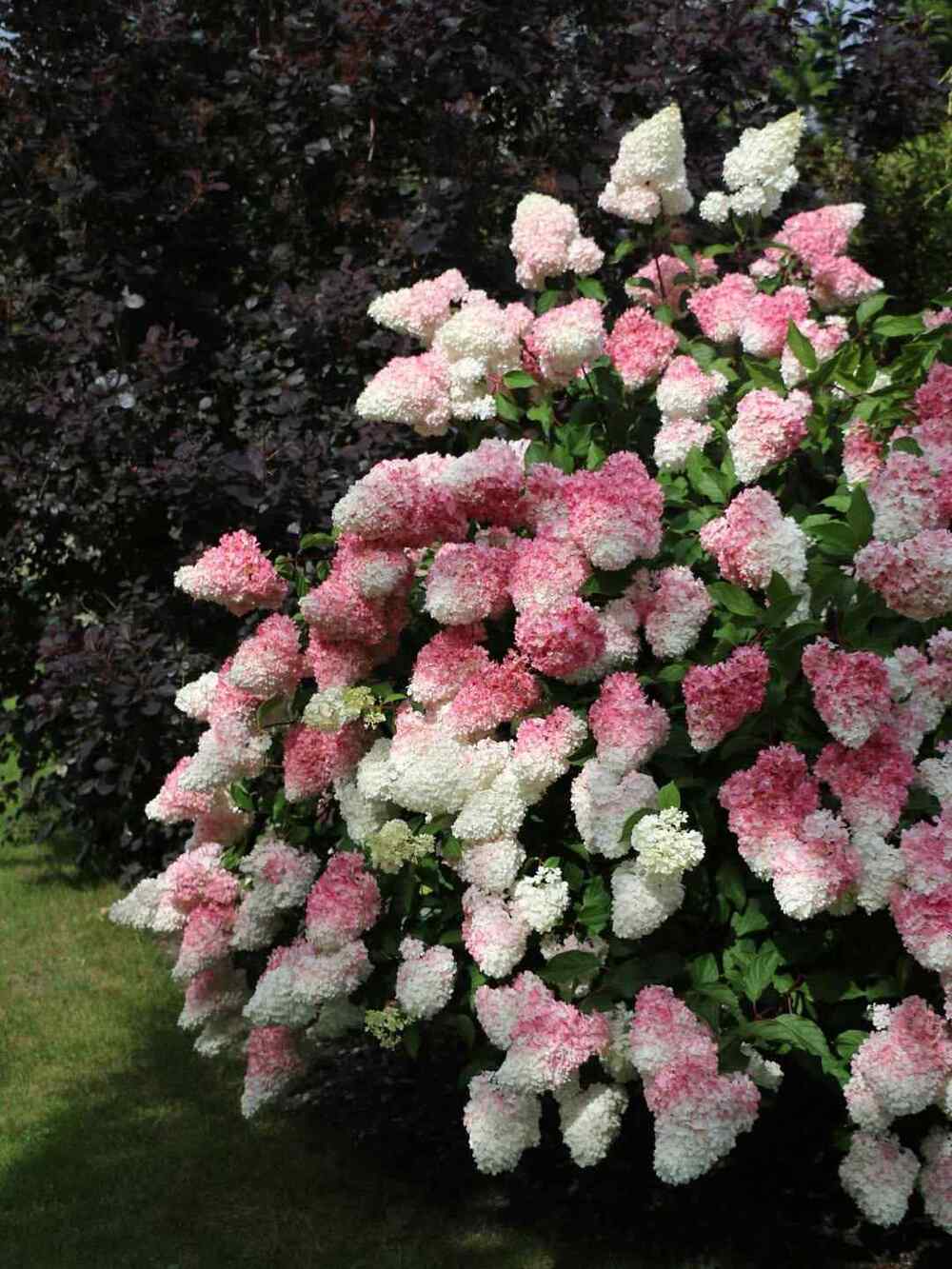
Type: Deciduous flowering shrub
Why it works out front: This is the hydrangea that behaves in sun and cold climates. Big cone blooms, reliable, and it doesn’t need shade to survive.
-
Sun exposure: Full sun to partial sun. In very hot spells, it appreciates consistent watering.
-
Soil needs: Moist but well-drained, compost helps.
-
Size: 3–5 ft tall.
-
Blooming season: Mid-summer into fall.
-
Care tip: Blooms on new wood—prune in late winter/early spring without fear.
Design tip: One ‘Little Lime’ near the entry is a “wow” moment without being high-maintenance.
7) Ninebark (‘Tiny Wine’)
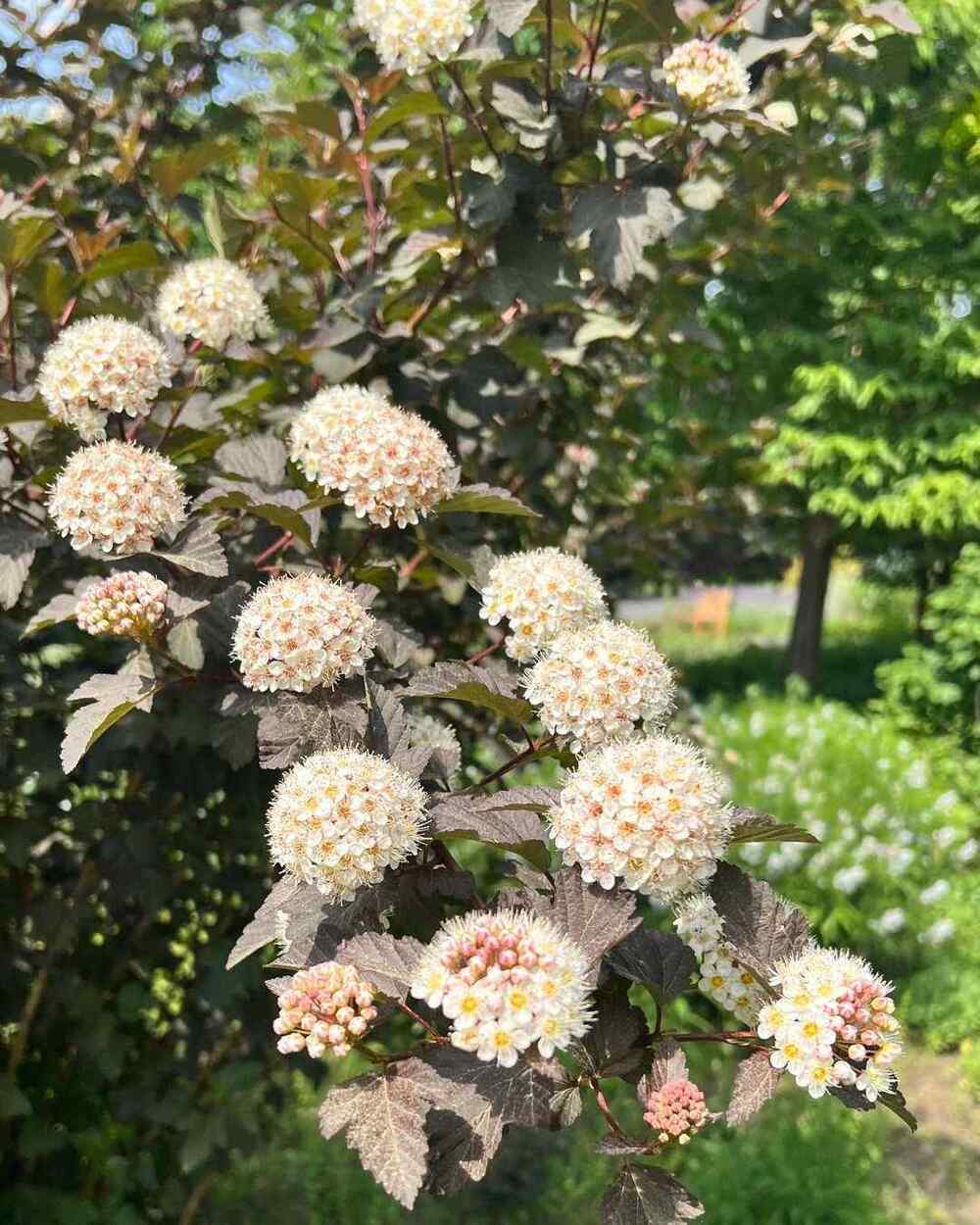
Type: Deciduous flowering shrub
Why it works out front: Dark foliage, compact habit, and it handles sun like a champ. It also gives your foundation planting that modern, moody depth.
-
Sun exposure: Full sun for best foliage color.
-
Soil needs: Adaptable; prefers well-drained soil but tolerates a lot.
-
Size: 3–4 ft tall.
-
Blooming season: Late spring, small white/pinkish clusters.
-
Care tip: Minimal pruning. Remove a few older stems in early spring if it thickens too much.
Front-yard styling move: Pair it with lime-green shrubs (like ‘Little Lime’) for a clean contrast.
8) Flowering Quince (‘Double Take’ series)
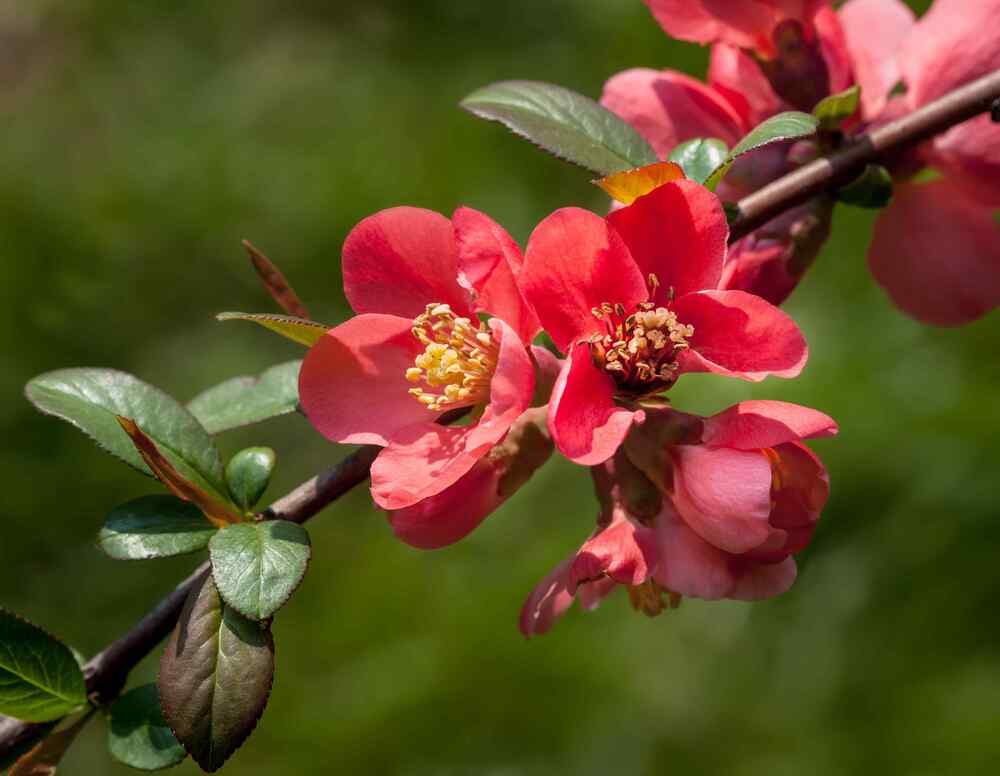
Type: Deciduous flowering shrub
Why it works out front: Early spring color when you’re desperate for signs of life. Those red/orange blooms show up before your yard is even awake.
-
Sun exposure: Full sun for best blooms.
-
Soil needs: Well-drained soil; tolerates average conditions.
-
Size: 2–4 ft tall.
-
Blooming season: Early spring.
-
Care tip: Prune after bloom if needed. Some quince can be thorny—‘Double Take’ is often chosen for being more friendly.
Placement idea: Put it where you can see it from a window—early spring blooms feel like a reward.
9) Inkberry Holly (‘Gem Box’)
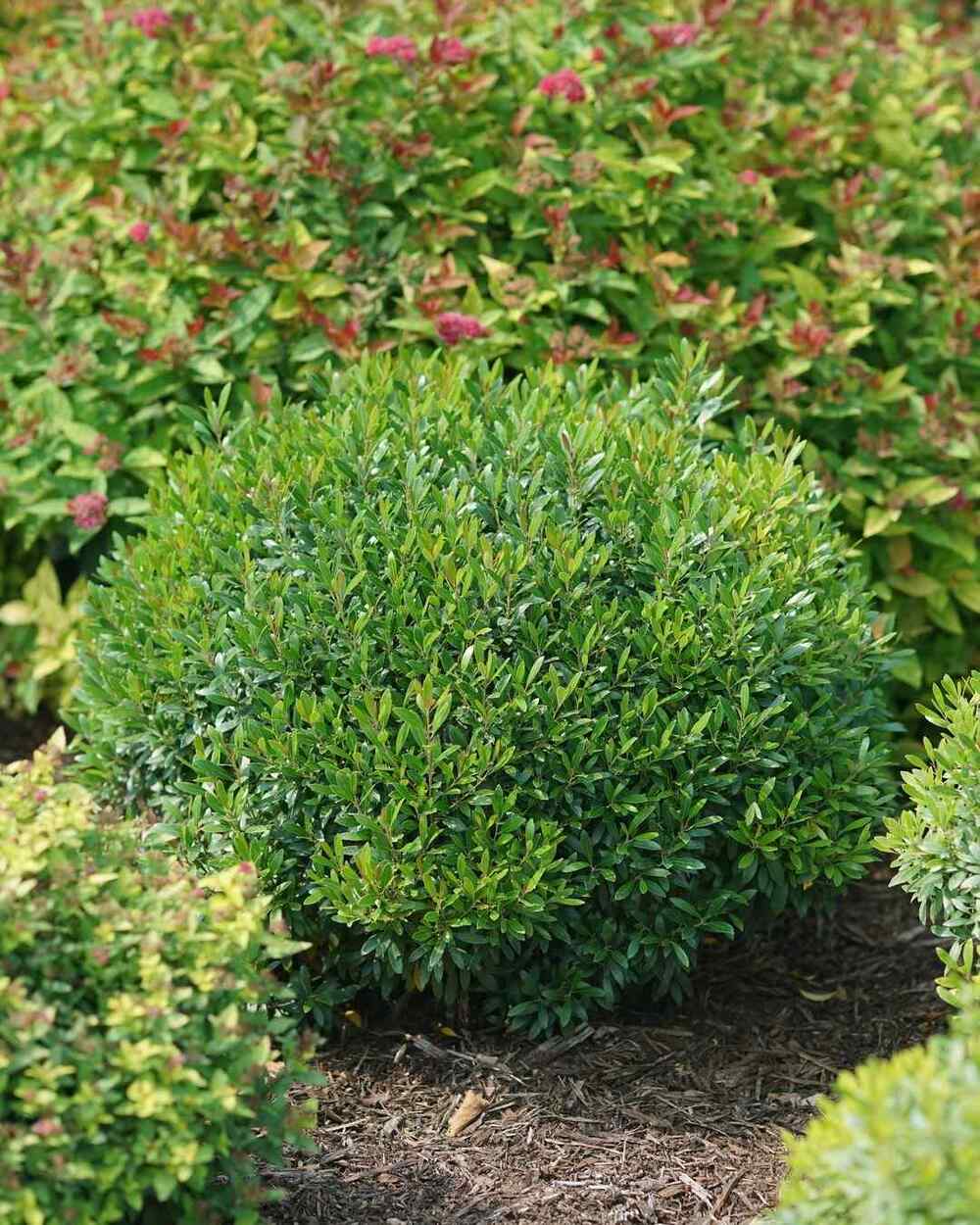
Type: Evergreen broadleaf shrub
Why it works out front: A boxwood-like look, but holly toughness. Great when you want evergreen structure with a slightly different vibe.
-
Sun exposure: Full sun to partial shade.
-
Soil needs: Likes moist, acidic soil but can adapt; still needs decent drainage.
-
Size: 2–3 ft tall.
-
Seasonal interest: Evergreen structure year-round.
-
Care tip: Water well the first year, especially in summer.
Design tip: Use inkberry where boxwood struggles or where you want a similar shape with a different plant.
10) Rugosa Rose
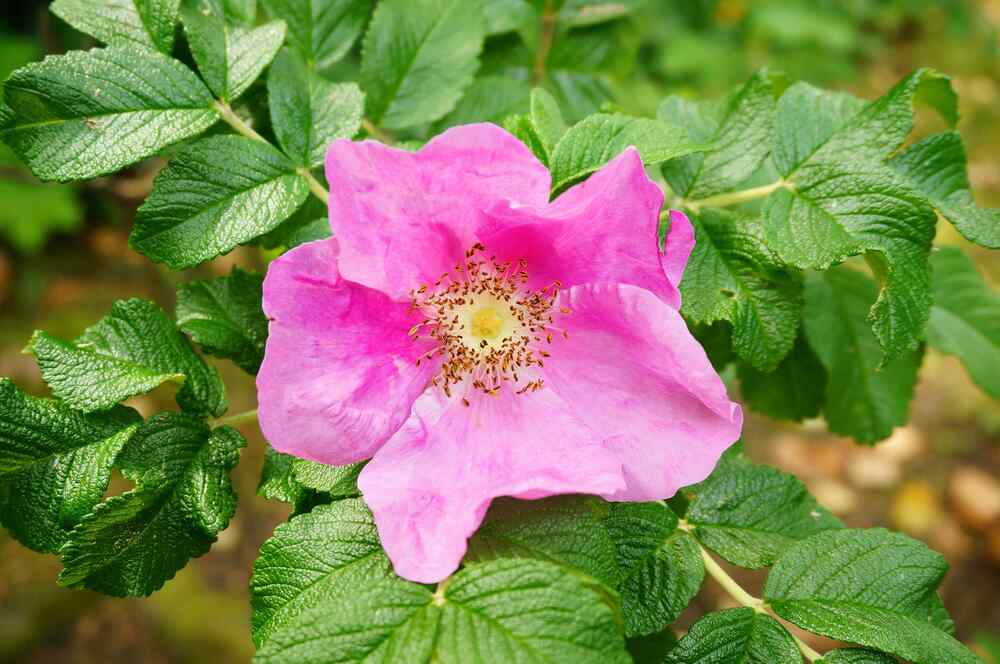
Type: Deciduous flowering shrub (rose)
Why it works out front: It’s one of the tougher roses—fragrant, hardy, and often disease-resistant. Plus it can produce nice rose hips for fall/winter interest.
-
Sun exposure: Full sun (the more sun, the better flowering).
-
Soil needs: Well-drained soil; tolerates sand and coastal conditions better than many roses.
-
Size: 3–5 ft tall.
-
Blooming season: Late spring through summer, often repeat blooming.
-
Care tip: Give it room. It can spread and get dense (which is great if you want a “shrubby” look).
Honest note: It’s not a tiny, delicate rose. It’s more “rugged cottage hedge,” which can be perfect out front if that’s your style.
11) Dwarf Lilac (‘Bloomerang’)
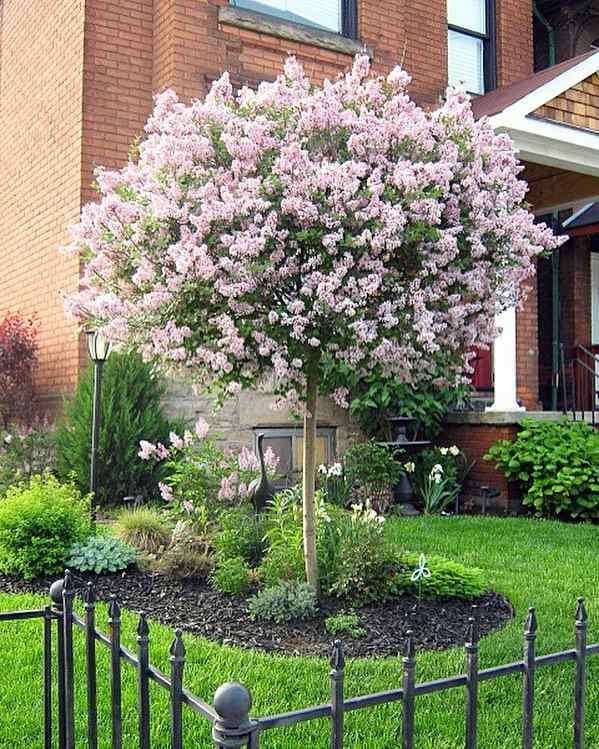
Type: Deciduous flowering shrub
Why it works out front: Lilac fragrance is a front-yard classic, and reblooming types stretch the season.
-
Sun exposure: Full sun for best blooms and shape.
-
Soil needs: Well-drained soil; slightly alkaline is okay.
-
Size: 2–3 ft tall.
-
Blooming season: Spring, with repeat blooms later (not always as heavy as the first flush).
-
Care tip: Don’t overfeed nitrogen—it can push leaves at the expense of flowers.
Placement idea: Near the walkway or porch so you actually enjoy the scent.
Easy Foundation Layout Idea (That Doesn’t Feel Random)
If you want a simple, good-looking structure for a typical sunny Zone 5 front bed:
-
Back layer (3–5 ft): Weigela + ‘Little Lime’ hydrangea + ‘Tiny Wine’ ninebark
-
Middle layer (2–3 ft): Spirea + potentilla + dwarf lilac
-
Front edge (low evergreen): ‘Blue Star’ juniper + a row of boxwood or inkberry
Repeat 2–3 shrubs instead of planting one of everything. Repetition makes it feel designed, not like a plant collection.
Zone 5 Success Checklist (Quick and Practical)
-
Drainage first. If water sits for hours after rain, amend with compost and consider a slight berm (raised mound).
-
Spring planting wins. Fall planting can work, but spring gives shrubs time to settle before winter.
-
Watering in year one: Deep water weekly in summer (more in heat waves), then taper as they establish.
-
Mulch: 2–3 inches, pulled back from stems.
-
Spacing: Leave room for mature width—airflow reduces disease and keeps shrubs fuller.