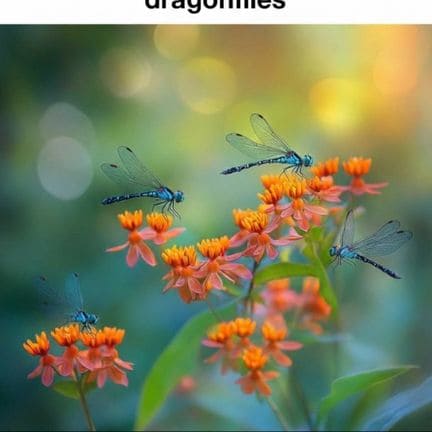
Dragonflies are super cool to watch, but they’re not just “pretty bugs.” They actually help keep nature in balance. If you can get dragonflies to hang out in your yard, you’ll also get a kind of natural pest control, especially for mosquitoes. A single dragonfly can eat hundreds of mosquitoes in one day, which is honestly kinda wild. That means fewer mosquitoes bugging you, and it can lower the risk of diseases mosquitoes spread. Plus, dragonflies help your garden feel more alive, because they support a healthier ecosystem overall.
Table of Contents
Understanding Dragonflies: Nature’s Mosquito Hunters
Dragonflies are part of a group called Odonata. They got long bodies, huge eyes, and two pairs of clear wings that are really strong. They fly fast and turn super quick, so you’ll see them zipping around ponds, streams, and gardens like little flying robots.
Dragonflies are meat-eaters (well, insect-eaters), and they mainly eat small bugs. Mosquitoes are one of their favorite snacks. They’re really good hunters too, because they can catch insects in mid-air with crazy accuracy. If you know what dragonflies like, you can set up your yard so they actually wanna stay.
How Dragonflies Control Mosquitoes
Dragonflies fight mosquitoes in two life stages, which makes them extra helpful.
-
Baby dragonflies (nymphs) live in water and eat mosquito larvae (baby mosquitoes).
-
Adult dragonflies fly around and catch adult mosquitoes in the air.
So basically, dragonflies hit mosquitoes before they even grow up AND after they grow up. That’s why they can lower mosquito numbers a lot, if your yard supports their life cycle.
How to Make Your Yard Dragonfly-Friendly
If you want dragonflies, you gotta give them what they need.
1) Add water (or keep water nearby)
Dragonfly babies grow up in water, so a yard with a pond or water feature is a big deal. If you add one, it’s better if it has:
-
shallow edges
-
water plants for hiding and hunting
2) Plant stuff they can land on
Dragonflies like to perch on tall stems and leaves so they can watch for prey. A mix of plants helps.
3) Don’t use pesticides
This is important. Pesticides can kill dragonflies, or kill the bugs they eat, so then they won’t stick around. Even if you only spray “a little,” it still messes things up.
Top 12 Plants That Help Attract Dragonflies
These plants help because they attract other insects (which dragonflies eat), and they give dragonflies places to land and hunt. Try picking plants that bloom at different times so there’s always something going on in the garden.
1. Butterfly Weed
Butterfly weed has bright orange flowers and it attracts pollinators. Dragonflies like it too because it has sturdy stems for perching. It grows best in full sun and well-drained soil, and it’s not hard to take care of.
2. Joe-Pye Weed
This plant grows tall and has pinkish-purple flowers. Dragonflies like tall plants since they can sit up high and scout for food. It does best in moist soil, and it really pulls in insects during late summer.
3. Black-Eyed Susan
These yellow flowers with dark centers bloom for a long time, from mid-summer into fall. They bring in lots of bugs and pollinators, and dragonflies often stop by too. They’re pretty easy to grow.
4. Swamp Milkweed
Swamp milkweed likes wet soil, which matches where dragonflies usually live. It has pink or white flowers, and it also supports monarch butterflies. If your yard has a wetter area, this plant is a really good pick.
5. Yarrow
Yarrow is hardy and doesn’t need a ton of water once it’s established. It blooms for a long time and has flat flower clusters, which dragonflies can land on like a little platform.
6. Meadow Sage
Meadow sage has flower spikes in blue, purple, or pink. It attracts insects with its nectar, and dragonflies like the vertical stalks for perching. It also smells nice, which is a bonus.
7. Coneflower
Coneflowers are tough plants with big daisy-like blooms. They bloom a long time and handle heat pretty well. The strong stems make good “landing posts” for dragonflies.
8. Goldenrod
Goldenrod blooms later in the season, when a lot of other flowers are done. That makes it useful for keeping insects around in late summer and fall, so dragonflies still have food.
9. Lavender
Lavender smells strong and has purple flower spikes. It attracts nectar-loving insects, and dragonflies follow the food. Lavender also likes full sun and well-drained soil.
10. Bee Balm
Bee balm has bright flowers and attracts tons of pollinators. That means more food for dragonflies too. It grows best with some moisture, and it really stands out in a garden.
11. Liatris (Blazing Star)
Liatris grows tall with purple or white flower spikes. Dragonflies can perch on the spikes, and the flowers bring in insects for them to hunt.
12. Asters
Asters bloom in fall and provide nectar late in the year when flowers can be harder to find. They also grow in thick clumps, which gives shelter and places for dragonflies to rest.
How Much Should You Plant?
You don’t need one of everything, but you do want variety. Here’s a simple way to plan it:
-
Plant in groups/clusters, not just one single plant by itself. Bugs notice groups more.
-
Pick plants that bloom in spring, summer, and fall, so food lasts longer.
-
Mix tall plants and short plants, because dragonflies like different heights.
-
Choose plants that actually work in your climate, cause if they struggle then your whole garden struggles too.
A garden with different plants and no pesticides is basically a dragonfly “welcome sign.”
Conclusion: A Yard With Less Mosquitoes (and More Cool Bugs)
If you add water, avoid pesticides, and plant the right stuff, dragonflies are way more likely to show up. And once they do, they help cut down mosquitoes naturally. You also get a garden that looks nicer and feels more alive. Dragonflies aren’t just helpful, they make your yard more interesting too—like, you’ll actually notice them flying around and it’s kinda awesome.