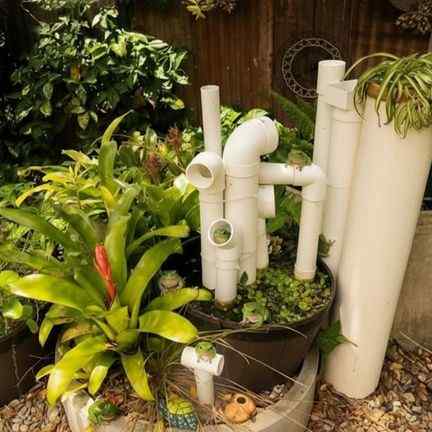
Frog hotels are simple, purposeful structures that turn an ordinary garden into a safer, more supportive habitat for frogs. At their core, these “hotels” do one thing extremely well: they recreate the cool, damp hiding places frogs naturally rely on—think leaf litter, hollow logs, rock crevices, and the shaded edges of ponds. In a world where natural wetlands and wild green spaces are shrinking, a frog hotel acts like a miniature refuge. It gives frogs a place to rest during the day, shelter during heat or drought, and protection from predators and human disturbance. If your garden already has even a small patch of shade and moisture, adding a frog hotel can make your outdoor space more wildlife-friendly almost immediately.
That matters because frogs are not just charming visitors. They are essential players in local ecosystems, and their decline has become a global conservation concern. Frogs are sensitive to environmental changes—water pollution, chemical runoff, habitat loss, sudden temperature swings—so when frogs disappear, it often signals broader ecological stress. A frog hotel won’t fix every issue, but it can help reduce the pressure frogs face in suburban and urban landscapes by giving them a stable microhabitat. Just as birdhouses support birds and insect hotels support pollinators, frog hotels can support amphibians—quietly, naturally, and with surprisingly large benefits.
Table of Contents
Why Frogs Matter in Your Garden Ecosystem
To understand why a frog hotel is worth building, it helps to understand the role frogs play in the food web. Frogs sit in a powerful middle position: they are both predators and prey. As predators, they eat a wide range of invertebrates—mosquitoes, flies, moths, slugs, beetles, and other garden insects. This makes frogs a form of built-in pest management, especially in gardens that avoid chemical pesticides. As prey, frogs become food for birds, snakes, lizards, and mammals. When frogs are present, they support a cascade of wildlife, boosting biodiversity in ways you may not notice at first.
Frogs are also excellent “environmental barometers.” Their skin is porous, and many species absorb water and oxygen through it. That means they’re directly affected by pollutants and habitat conditions. When your garden becomes frog-friendly—moist but not stagnant, sheltered but not sealed off—you’re often creating healthier conditions for other organisms too. The same damp, shady spaces that frogs love also support earthworms, beneficial insects, decomposers, and soil microbes that improve plant health. In short, a garden that can host frogs is usually a garden with strong ecological function.
Benefits of Setting Up a Frog Hotel
A frog hotel isn’t just a novelty. When it’s placed and built correctly, it can provide multiple practical and ecological advantages.
1) Natural Pest Control Without Chemicals
Frogs are enthusiastic insect hunters. When they take up residence in your garden, they help reduce populations of pests that damage plants or annoy humans—especially mosquitoes and flies. A frog hotel encourages frogs to stay nearby rather than passing through. With frogs active in the area, you may find you rely less on sprays, traps, and chemical treatments. This can create a healthier environment not only for frogs but also for pollinators, pets, and people.
2) More Biodiversity and a Stronger Garden Food Web
A frog hotel doesn’t operate in isolation. When frogs move in, they often bring a chain reaction. Their presence signals habitat quality, and their hunting supports balance among insect populations. Frogs can also attract predators that are part of a healthy ecosystem. Biodiversity isn’t just about having “more species” for the sake of it—diverse systems are typically more stable, more resilient to pests and disease, and better at recovering after weather extremes.
3) A Hands-On Learning Experience
Frog hotels offer genuine educational value. Unlike many garden features that stay static, a frog hotel changes with seasons and conditions. You can observe frog activity, notice patterns in weather and moisture, and learn which plants or features frogs prefer. For families, it can be a practical introduction to wildlife stewardship. For schools or community gardens, it can be an engaging project that teaches habitat design, ecology, and conservation through direct observation.
4) Conservation at a Local Scale
Many frog species face serious challenges: shrinking habitat, polluted water sources, pesticide exposure, invasive predators, and climate shifts that disrupt breeding cycles. Even if you’re not living near a natural wetland, providing a safe microhabitat can help frogs survive and move across fragmented environments. A single garden may not seem significant, but habitat patches add up across neighborhoods—especially when they provide moisture, shelter, and pesticide-free space.
5) Beauty, Atmosphere, and Sound
A frog hotel can be designed to fit your garden style—rustic, natural, minimalist, or decorative. But the biggest “aesthetic” upgrade often isn’t visual. It’s acoustic. When frogs feel safe enough to call (especially in the evening), your garden gains a natural soundtrack that makes the space feel alive. Many gardeners describe frog calls as calming, a sign that the garden is functioning as more than just landscaping—it’s habitat.
Step-by-Step Guide to Building a Frog Hotel
A frog hotel doesn’t need to be complicated, but it does need to respect frog biology. Frogs want three main things: moisture, shade, and security. Your job is to create a small zone that provides these consistently.
Choosing the Best Location
The location you choose will determine whether frogs actually use the hotel.
Look for:
-
A shaded or semi-shaded area (under shrubs, near a hedge, beside a shaded wall)
-
A spot that naturally stays damp, especially after rain
-
A site near water if possible (pond, rain garden, shallow basin, or even a regularly watered area)
Avoid:
-
Full sun locations (buckets and pots heat up fast and dry out)
-
Areas with heavy foot traffic
-
Places where dogs, cats, or curious children frequently disturb the ground
If you don’t have a pond, that’s not an automatic dealbreaker. Many frogs will still use the shelter as a daytime refuge if water is available nearby in some form. The key is consistent moisture and safe cover.
Materials You’ll Need
You can build a frog hotel using a mix of natural and simple man-made materials. The goal is not perfection—it’s function.
Shelter Materials
-
Ceramic pots (medium to large): excellent insulation and cool interiors
-
PVC pipes (varied diameters): mimic crevices and burrows
-
Hollow logs or log sections: natural shelter and humidity retention
-
Rocks and stones: stabilize the structure and create cooler microclimates
Habitat Boosters
-
Leaf litter or mulch: holds moisture and attracts insects
-
Moisture-loving plants (ferns, mosses, broad-leaf plants): shade and cover
-
A shallow water source: dish, basin, or small pond with easy entry
Tools
-
Trowel or shovel: for digging and anchoring pots/pipes
-
Saw: for trimming logs or pipe sections
-
Drill (optional): for extra drainage holes or securing pieces
Step 1: Build a Stable, Moist Base
Start by shaping the “core” shelter zone. This is where frogs will hide during the day when temperatures rise and predators are active.
-
Pick your shaded location and clear a small area—roughly the size of a doormat or larger depending on how many materials you have.
-
Partially bury ceramic pots on their side, leaving the opening accessible. This creates a cool, tunnel-like hideaway.
-
Anchor each pot so it won’t roll: pack soil around it or wedge it with stones.
-
Add logs and rocks around the pots to create multiple layers of shelter and reduce temperature swings.
Think of it like building a small, shady “cave system” with multiple entrances. Frogs prefer options—they don’t like being trapped in a single chamber.
Step 2: Add PVC Pipes as Crevice Shelters
PVC is helpful because it creates consistent, narrow hideouts similar to natural cracks and root gaps.
-
Cut PVC into sections about 6–12 inches (15–30 cm) long. Different sizes accommodate different frog species.
-
Place some pipes horizontally tucked under logs or behind pots.
-
Place some pipes vertically, burying the lower third in soil so they stay stable and hold moisture.
-
Angle a few pipes slightly downward so water doesn’t pool inside. Standing water can attract mosquitoes and make the space less appealing.
PVC isn’t “natural,” but frogs don’t care about aesthetics. They care about safety, humidity, and stable temperatures.
Step 3: Surround the Hotel With Frog-Friendly Plants and Moisture
A frog hotel works best when it sits inside a larger frog-friendly zone, not on bare soil.
-
Add leaf litter or mulch around the structure to lock in moisture.
-
Plant shade-tolerant, moisture-friendly plants nearby—ferns, mosses, and broad-leaf plants are especially useful because they create cover and reduce evaporation.
-
Provide a water source:
-
A shallow dish with rainwater
-
A small pond or basin with sloped edges
-
A mini “bog zone” created by a slightly sunken container that stays damp
-
Make sure frogs can enter and exit water easily. Steep-sided containers can become traps.
Step 4: Maintain and Monitor Without Disturbing
A frog hotel is not high maintenance, but it does need basic upkeep—mostly to keep conditions stable.
-
Check moisture during dry periods. If the area becomes dusty and dry, frogs won’t use it.
-
Remove hazards like sharp debris, chemical spills, or anything that could trap small animals.
-
Keep water fresh and avoid chlorinated water when possible. Rainwater is ideal.
-
Watch for predators. If pets are harassing the area, consider adding a small fence or placing the hotel in a more protected corner.
-
Observe rather than handle. Frogs have delicate skin, and frequent handling stresses them and can expose them to contaminants.
Over time, you can expand your hotel by adding more cover, more leaf litter, or a slightly larger water feature. Habitat builds gradually, and frogs often respond when the environment stays consistently safe.
Conclusion: Making Space for Frogs, Strengthening Your Garden
A frog hotel is a practical conservation feature that also makes your garden more functional. By giving frogs shelter, you support natural pest control, strengthen biodiversity, and create a richer outdoor environment. You also gain a living indicator of garden health—because when frogs choose to stay, it usually means you’ve created conditions that benefit many forms of life.
The best part is that you don’t need a large property or a professional build. A few pots, pipes, logs, and moisture-loving plants can turn a shady corner into a sanctuary. With gentle maintenance and thoughtful placement, your frog hotel can become a quiet success story—one that supports wildlife, improves ecological balance, and makes your garden feel more alive every season.