Container gardening has become one of the smartest ways to grow plants when space is tight. If you live in an apartment, have a small patio, or simply don’t want to dig up your yard, containers let you build a productive garden almost anywhere you can find sun. Instead of relying on traditional garden beds, you grow directly in portable pots—everything from leafy greens to fruiting vegetables and even small shrubs. And among all container options, the humble 5-gallon bucket stands out as one of the most practical choices for beginners and experienced gardeners alike.
A bucket garden is simple in concept: choose a container, fill it with a healthy growing mix, and match the right plant to the right conditions. But the real value of this method is the control it gives you. With a bucket, you can fine-tune soil texture, moisture, feeding, and even pest exposure. You can move plants to protect them from storms or extreme heat, rotate buckets to maximize sunlight, and isolate disease problems before they spread. For people who want fresh produce without committing to raised beds or in-ground plots, buckets are an easy entry point that still delivers real harvests.
Table of Contents
Why 5-Gallon Buckets Work So Well
A 5-gallon bucket hits the sweet spot between size and manageability. It’s large enough to support the root systems of many vegetables, but small enough to lift, relocate, or rearrange as needed. It’s also inexpensive—often free if you can find food-grade buckets from bakeries, restaurants, or construction sites (just make sure they previously held safe materials). Compared with fancy planters, buckets are durable, widely available, and surprisingly adaptable. You can drill holes, cut openings, add trellises, paint the exterior to reduce heat absorption, and customize them for almost any crop.
Buckets also make resource management more efficient. In an enclosed container, water goes where the roots are, instead of running off into pathways or soaking into surrounding soil that doesn’t benefit the plant. Fertilizer stays more concentrated as well, so feeding can be more targeted. That said, containers can dry out faster than garden beds, so success depends on building a good soil mix and staying consistent with watering—especially during hot spells.
Finally, bucket gardening is accessible. You don’t need expensive tools, perfect soil, or even a yard. If you can get sunlight, you can grow. That accessibility is a big part of why bucket gardens are popular with new gardeners, renters, and anyone looking for a flexible way to grow food at home.
The Right Setup: What Makes or Breaks a Bucket Garden
A bucket garden will only thrive if the container is prepared correctly. The first essential step is drainage. Most plants hate sitting in stagnant water, and without drainage holes, roots can rot fast. Drill multiple holes in the bottom of each bucket—usually 8–12 holes spread evenly works well. If you want extra protection, drill a few small side holes near the base to help water escape if the bottom holes clog.
Next comes the soil. Avoid filling buckets with heavy backyard dirt. Garden soil compacts in containers, which chokes roots and reduces drainage. Instead, use a high-quality potting mix or create a blend that balances water retention with airflow. A simple and reliable mix is potting soil combined with compost for nutrition and perlite or coco coir for structure. Compost adds slow-release nutrients and improves moisture stability, while perlite keeps the mix from compacting.
Some gardeners add gravel to the bottom, but it’s not necessary if drainage holes are adequate. In fact, gravel can reduce the usable soil volume for roots. A better approach is to use a mesh screen or a small piece of landscape fabric inside the bucket to keep soil from washing out of the holes while still allowing water to drain.
Placement matters too. Buckets heat up faster than in-ground beds, especially if they are dark-colored and exposed to intense sun. If your climate is hot, consider painting buckets a lighter color or shading the container itself while keeping the plant in sun. Buckets also benefit from being raised slightly off the ground on bricks or boards so water can drain freely.
Finally, develop a simple care routine: check moisture daily in warm weather, feed regularly (because nutrients leach faster in containers), and monitor plants closely for pests and stress. That routine is what turns buckets from “temporary pots” into productive mini-gardens.
18 Plants That Grow Exceptionally Well in 5-Gallon Buckets
Below are crops that consistently perform well in buckets, along with practical guidance to help each one succeed.
1) Tomatoes: The Container Garden MVP
Tomatoes are one of the most rewarding bucket crops. For best results, choose determinate (bush) varieties or compact “patio” types. Indeterminate tomatoes can work too, but they require stronger staking and more frequent feeding. Tomatoes need 6–8 hours of sun, steady watering, and support—use a tomato cage, stake, or trellis system secured firmly in the bucket. In containers, tomatoes respond well to consistent fertilization, especially once flowering begins. If watering is irregular, tomatoes may split or develop blossom-end rot, so aim for even moisture and consider mulching the soil surface.
2) Peppers: Sweet, Spicy, and Surprisingly Easy
Peppers thrive in warm conditions and do very well in 5-gallon buckets. They like full sun, a loose potting mix, and steady moisture without being soggy. Both bell peppers and hot varieties tend to stay compact enough for containers, but they benefit from occasional staking once fruit sets and branches get heavy. Feed peppers with a balanced fertilizer early, then shift toward a formula with more potassium and phosphorus when flowering begins. With proper sunlight and consistent care, a single bucket pepper plant can produce a steady harvest.
3) Cucumbers: Crisp Fruit in Vertical Form
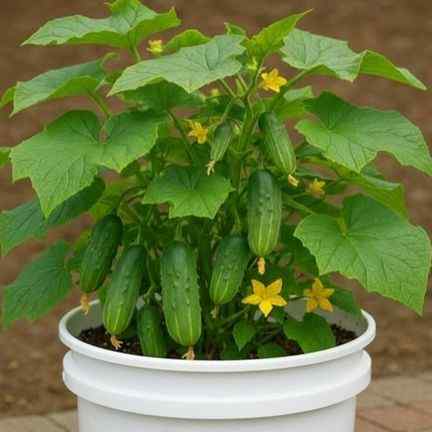
Cucumbers love sunshine and consistent water, but they can take up space unless you grow them vertically. Choose bush or compact cucumber varieties and add a trellis directly behind the bucket or insert a sturdy support into the bucket itself. Vertical growth improves airflow and helps reduce disease issues. Cucumbers can be thirsty, so monitor soil moisture carefully in summer. Harvest often—overripe cucumbers slow down production, while frequent picking encourages more fruit.
4) Lettuce: Fast, Flexible, and Continuous
Lettuce is one of the easiest bucket crops because it doesn’t demand deep roots or intense feeding. Loose-leaf types are especially good for containers because you can harvest outer leaves repeatedly. Lettuce prefers cooler weather, so it shines in spring and fall, and it can struggle in midsummer heat unless it gets partial shade. Keep soil consistently moist and consider planting in waves (every 1–2 weeks) to maintain a continuous supply of fresh greens.
5) Spinach: A Cool-Season Powerhouse
Spinach grows well in buckets, especially when temperatures stay mild. It likes rich soil and steady moisture. You can harvest spinach as baby greens or allow leaves to mature for larger harvests. Like lettuce, spinach bolts (flowers and turns bitter) when days get hot and long, so it’s best in cooler seasons or partial shade. Regular harvesting keeps plants producing longer and helps prevent overcrowding.
6) Radishes: The Quick Win Crop
Radishes are perfect if you want fast results. They grow quickly, tolerate cooler weather, and don’t need a large root zone. Use loose potting mix so the roots can expand easily. Because radishes mature fast—often within a month—succession planting is a great strategy: sow a new batch every week or two. Harvest promptly to keep them crisp and avoid woody texture.
7) Carrots: Sweet Roots With the Right Variety
Carrots can do well in buckets, but variety selection matters. Choose shorter, container-friendly types like ‘Nantes’ or ‘Chantenay.’ The biggest requirement is depth and looseness—carrots need soil that is airy and free of rocks. Keep moisture consistent and thin seedlings early so roots have space to form properly. Patience pays off: homegrown carrots are often sweeter and more aromatic than store-bought.
8) Beets: Roots and Greens in One Crop
Beets are productive in containers because you get two harvests: the root and the greens. Use soil with plenty of organic matter and keep moisture steady to avoid tough roots. Beets need thinning, because each seed cluster produces multiple seedlings. Harvest greens early and often, and pull roots when they reach the size you prefer—baby beets are tender, while larger beets are better for roasting or pickling.
9) Green Beans: High Yield, Small Footprint
Beans are a strong choice for bucket gardens, especially when grown vertically. Pole beans need a trellis, but they produce longer and often yield more per plant. Bush beans work too, and they’re simpler because they don’t require support. Beans like sun, consistent watering, and moderate feeding. Harvest frequently so plants keep producing tender pods instead of slowing down to mature seeds.
10) Strawberries: Dessert From a Container
Strawberries are ideal for buckets because they stay compact, trail attractively, and reward you with sweet fruit. Choose everbearing or day-neutral varieties if you want extended harvests. Strawberries need full sun, good drainage, and steady moisture. Mulching helps keep fruit clean and reduces rot. Birds love strawberries, so you may need netting or physical protection once berries start to ripen.
11) Basil: The Herb That Pays You Back
Basil thrives in warm weather and grows vigorously in buckets. It loves full sun and well-drained soil. The key to basil is harvesting: pinch the tips regularly to promote bushy growth and delay flowering. If basil flowers, leaf flavor can become less intense. A healthy basil plant can supply weeks of pesto, salads, and sauces, especially if you harvest consistently.
12) Parsley: Reliable, Versatile, and Long-Lasting
Parsley is slower to start but very steady once established. It tolerates partial shade and grows well in containers with rich soil. Harvest by cutting outer stems so the plant keeps producing from the center. Parsley can last a long time in a bucket, giving you regular fresh garnish and flavor without much effort.
13) Cilantro: Best in Cool Seasons
Cilantro grows quickly but bolts easily in heat. In buckets, it does best in spring and fall or in partial shade during warmer months. Harvest outer leaves regularly and reseed frequently to maintain supply. If cilantro bolts, don’t consider it a failure—its seeds mature into coriander, which is also useful in cooking.
14) Chives: Minimal Effort, Big Flavor
Chives are one of the lowest-maintenance herbs you can grow. They tolerate containers well, return year after year in many climates, and provide mild onion flavor throughout the season. Harvest by cutting leaves near the base. Chives also flower with purple blooms that are edible and attractive, making them both functional and ornamental.
15) Zucchini: Big Producer, Needs Attention
Zucchini can grow in a 5-gallon bucket if you choose compact or bush varieties and give it rich soil. It’s a heavy feeder and a thirsty plant, so consistent watering and regular fertilization are critical. Zucchini also benefits from good airflow to prevent mildew. Harvest fruit when it’s small to medium—this keeps texture tender and encourages continued production.
16) Eggplant: Heat Lover With Strong Container Potential
Eggplant thrives in warm weather and can do very well in buckets. Compact varieties are best. Eggplant likes consistent moisture, nutrient-rich soil, and full sun. As fruits grow, branches may need staking to prevent snapping. Harvest when fruit is glossy and firm; if it becomes dull, it may be overmature and bitter.
17) Kale: A Bucket-Friendly Supergreen
Kale is hardy, adaptable, and extremely productive in containers. It tolerates cool temperatures well and often tastes sweeter after light frost. Harvest outer leaves so new growth continues in the center. Kale can handle partial shade but grows fastest in full sun. With steady harvesting, one bucket can supply leafy greens for weeks.
18) Swiss Chard: Colorful, Nutritious, and Continuous
Swiss chard is one of the best “cut and come again” crops for buckets. It produces large leaves with vibrant stems and grows in a range of temperatures. Like kale, you harvest outer leaves and leave the center intact. Chard tolerates partial shade and can keep producing long after other greens slow down. It’s also a great choice if you want an edible plant that looks decorative.
How to Maximize Harvests in Bucket Gardens
To get the most out of your bucket garden, think like a systems manager: sunlight, soil, water, and nutrients must stay balanced.
Sunlight: Fruiting crops (tomatoes, peppers, cucumbers, zucchini, eggplant, strawberries) need the most sun. Leafy greens and herbs can tolerate partial shade. Arrange buckets so tall plants don’t shade short plants.
Watering: Containers dry out faster than garden beds. In hot weather, watering may be daily. A simple trick is to water deeply until you see drainage, then check again later. If buckets dry out too frequently, top the soil with mulch to reduce evaporation.
Feeding: Most vegetables are heavy feeders in containers. Compost helps, but you will still need fertilizer—especially for fruiting plants. Use a balanced fertilizer early, then adjust during flowering and fruiting.
Spacing: One plant per bucket is usually best for large crops (tomatoes, peppers, cucumbers, eggplant, zucchini). Leafy greens can be planted more densely, but overcrowding reduces airflow and invites disease.
Support: Trellises and stakes aren’t optional for many bucket crops. Vertical supports increase yield, improve airflow, and keep plants healthier.
Conclusion: Turning Buckets Into a Real Garden
Growing in 5-gallon buckets is one of the most practical ways to garden when space is limited. You can build a productive, flexible system with minimal cost, and you can scale it up or down depending on your needs. With proper drainage, a strong potting mix, consistent watering, and smart crop selection, buckets can produce an impressive variety of vegetables, greens, herbs, and even fruit.
Most importantly, bucket gardening makes growing food feel possible. You don’t need perfect soil or a big backyard to harvest tomatoes, herbs, greens, or strawberries. With a few buckets and a little consistency, you can turn a balcony, patio, or sunny corner into a mini-farm that rewards you all season long.