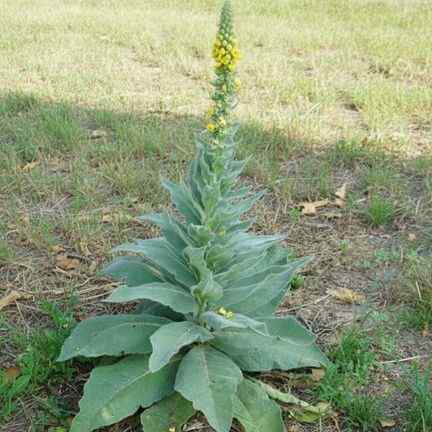
There’s a tall, fuzzy plant you’ve probably seen along roadsides or in open fields and dismissed as “just a weed.” But that plant—mullein (Verbascum thapsus)—has a long history as a practical, do-it-yourself herbal remedy. With its soft, velvety leaves and bright yellow flower spike, it’s easy to recognize once you know what you’re looking for.
Table of Contents
Why mullein matters (and why it has a reputation)
Mullein has been used for generations in traditional medicine, and its folklore runs deep. Ancient cultures reportedly used it in remedies and rituals, and in medieval Europe it even earned the nickname “Hag’s Taper” because dried stalks could be used as candle wicks. Indigenous communities in North America also used it for everyday ailments such as coughs and skin issues.
How to identify mullein in the wild
Mullein stands out once you notice its signature traits:
-
Height: typically 2–6 feet tall
-
Growth shape: one main, upright stalk
-
Leaves: large, pale green, and soft/fuzzy, forming a rosette near the base
-
Flowers: a tight cluster of small yellow blooms near the top
The fuzzy leaf texture isn’t just cosmetic—it helps the plant conserve moisture.
Where it grows best
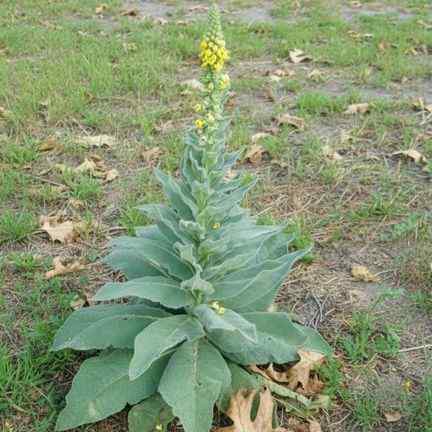
Mullein is tough and adaptable. It prefers well-drained, sandy soil and often pops up in disturbed areas like roadsides, meadows, and open fields. It’s also a biennial: the first year focuses on leaf growth, and the second year produces the flowering stalk.
10 Commonly Cited Benefits of Mullein
Note: These are traditional and commonly claimed uses, not a substitute for medical advice.
1) Supports respiratory comfort
Mullein is often used as an expectorant, meaning it may help loosen mucus and soothe irritated airways—commonly mentioned for coughs, colds, and bronchitis.
2) Helps calm inflammation
The plant is frequently described as anti-inflammatory and is sometimes used for aches or stiffness, including joint discomfort.
3) Offers antimicrobial support
Mullein is often credited with antimicrobial effects and is used by some people as part of cold/flu season routines.
4) Mild pain-soothing properties
Traditionally, it’s been used to ease minor pains like headaches or muscle aches—either applied externally or taken in prepared forms.
5) Skin-soothing and wound support
Its combination of soothing and antimicrobial qualities is why it’s sometimes used for minor irritation, burns, or small cuts.
6) Gentle digestive support
Some people use mullein to settle the digestive tract, especially for cramps or bloating.
7) Immune routine add-on
It’s commonly framed as a general wellness herb used to support the body’s defenses.
8) Antioxidant content
Mullein is often described as antioxidant-rich, which is associated with protection from oxidative stress.
9) Calming effect for stress
Many herbal traditions describe mullein as gently calming—often consumed as tea as part of a wind-down routine.
10) Traditional ear comfort remedy
A well-known folk use is mullein-infused oil for ear discomfort, applied carefully and gently.
Harvesting and preparing mullein
Typically, people harvest:
-
Leaves in year one
-
Flowers in year two (when blooming)
Leaves and flowers are commonly dried for tea, made into tinctures, or infused into oil. It’s important to collect only from clean areas away from pollution and chemicals.
Safety notes
Mullein is generally considered low-risk for many people, but reactions can happen—especially skin irritation or allergies. Do a small patch test before topical use, and if you’re pregnant, breastfeeding, or managing health conditions, check with a clinician first.