Saving kitchen scraps is kind of fun, and plants that thrive with coffee grounds make it even more worth it. Used coffee grounds can add a gentle nutrient boost, help soil texture, and (for some plants) support the slightly acidic soil they like. But you gotta use it smart, not like dumping a whole bucket every week.
Table of Contents
Plants that thrive with coffee grounds: what coffee grounds actually do
Used coffee grounds aren’t “magic,” but they can help in a few real ways.
Coffee grounds can add nutrients like nitrogen (plus some phosphorus and potassium), and they can improve soil structure over time when mixed in. They can also help lower soil pH a bit, which matters for plants that enjoy slightly acidic soil.
One big warning though: more is NOT better. Too many coffee grounds can make soil too acidic and can even form a dense layer that blocks water from soaking in. That’s the opposite of what you want.
How to use coffee grounds without messing things up
This part saves you from the classic mistake: “I heard it helps, so I used a ton.” Yep…been there, done that (well, not me, but you know what I mean).
Use coffee grounds in moderation (seriously)
The main safety rule is moderation. Too much can lead to soil getting overly acidic and compacted, and water may not penetrate the soil well.
A simple approach that gets mentioned is keeping it to a thin layer and not piling it up thick. In the same post’s comments, there’s also a rough rule like no more than about a 1/2 inch layer per month around a plant (and less for small plants).
You don’t have to measure it with a ruler like a scientist, just don’t make a coffee ground “mulch mountain.”
Mix grounds into soil or compost
A good beginner move: mix used grounds into compost or lightly into the top layer of soil. This helps stop that thick crust problem and spreads nutrients more evenly.
Check your soil pH if you can
If you’re using coffee grounds a lot, it’s smart to test soil pH sometimes (cheap kits exist). The post talks about taking multiple soil samples and testing them so you don’t guess wrong.
You don’t need to be perfect, but it helps you not accidentally turn your soil into sour soup.
17 plants that thrive with coffee grounds (the full list)
Below are 17 plants that thrive with coffee grounds, in the same order from the source. For each plant, I’ll keep it simple: why coffee grounds can help, and a few easy ways to use them without going overboard.
17. Tomatoes
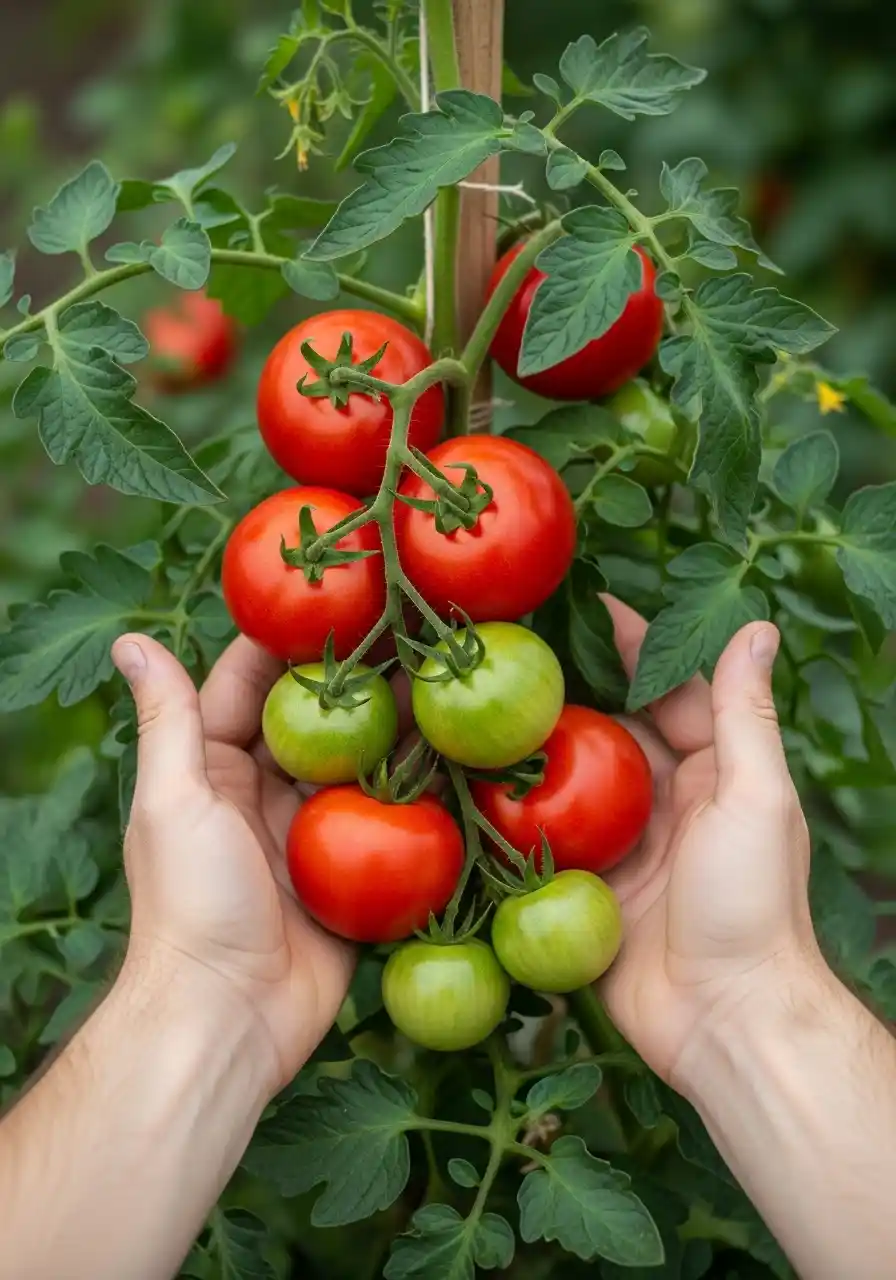
Tomatoes can benefit because coffee grounds provide a nitrogen boost, which supports foliage growth and can help with fruiting. The post also says tomatoes prefer slightly acidic soil and coffee grounds can help lower pH for better growth and yields.
How I’d use it: mix a small amount into compost or top-dress lightly around the plant, then water it in. Don’t dump a thick ring right against the stem.
16. Garlic
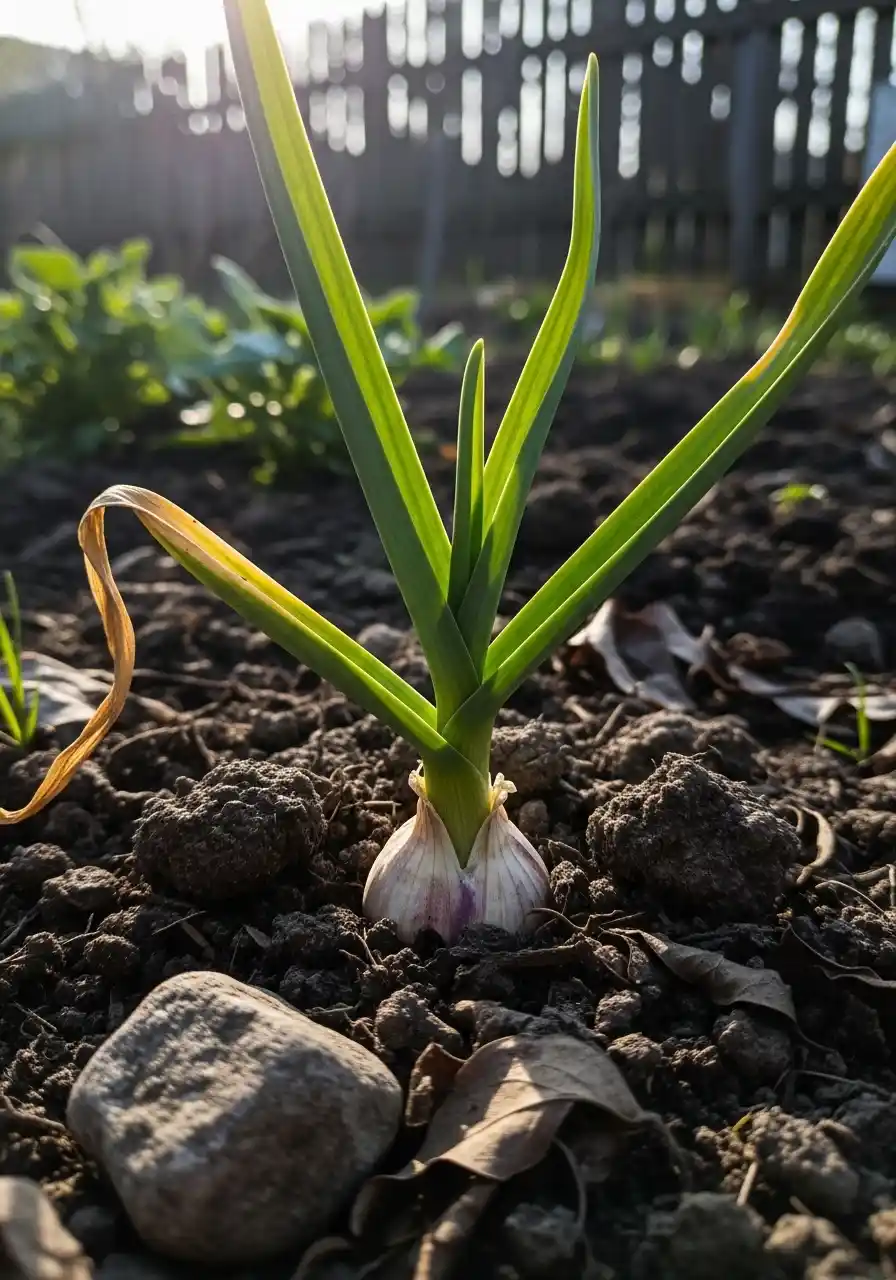
Garlic can benefit because coffee grounds improve soil fertility and structure, and the slow nitrogen release can support healthier bulb development (aka better garlic heads).
How I’d use it: sprinkle a light dusting around the row, then mix it into the top inch of soil. Garlic likes loose soil, so don’t create a crust.
15) Onions
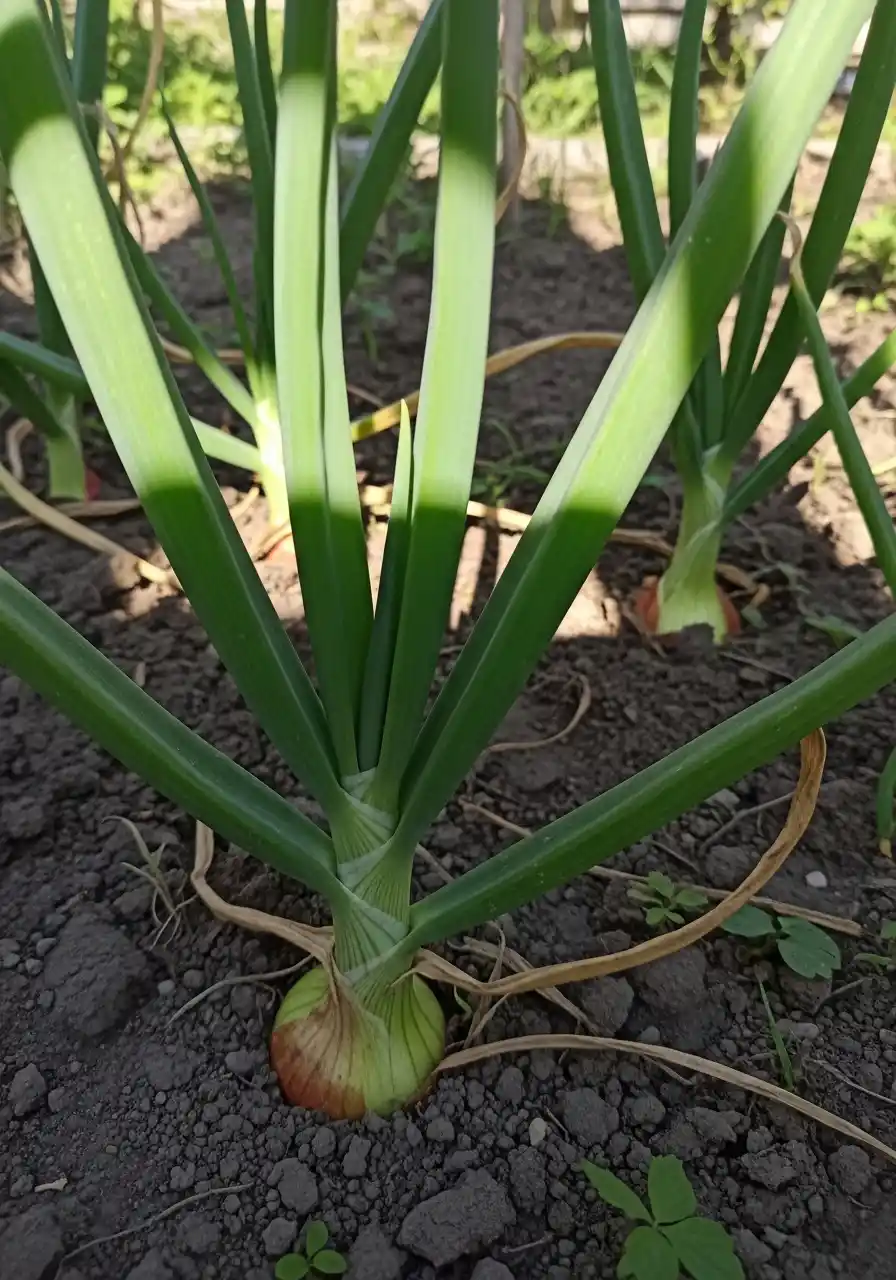
Coffee grounds can reduce soil compaction, helping onions develop fuller and more even roots. The post also says you can use grounds as mulch to support healthier growth and help prevent waterlogging issues.
How I’d use it: tiny amounts as a mulch mixed with leaf mulch, not a thick pure coffee layer.
14) Cucumbers
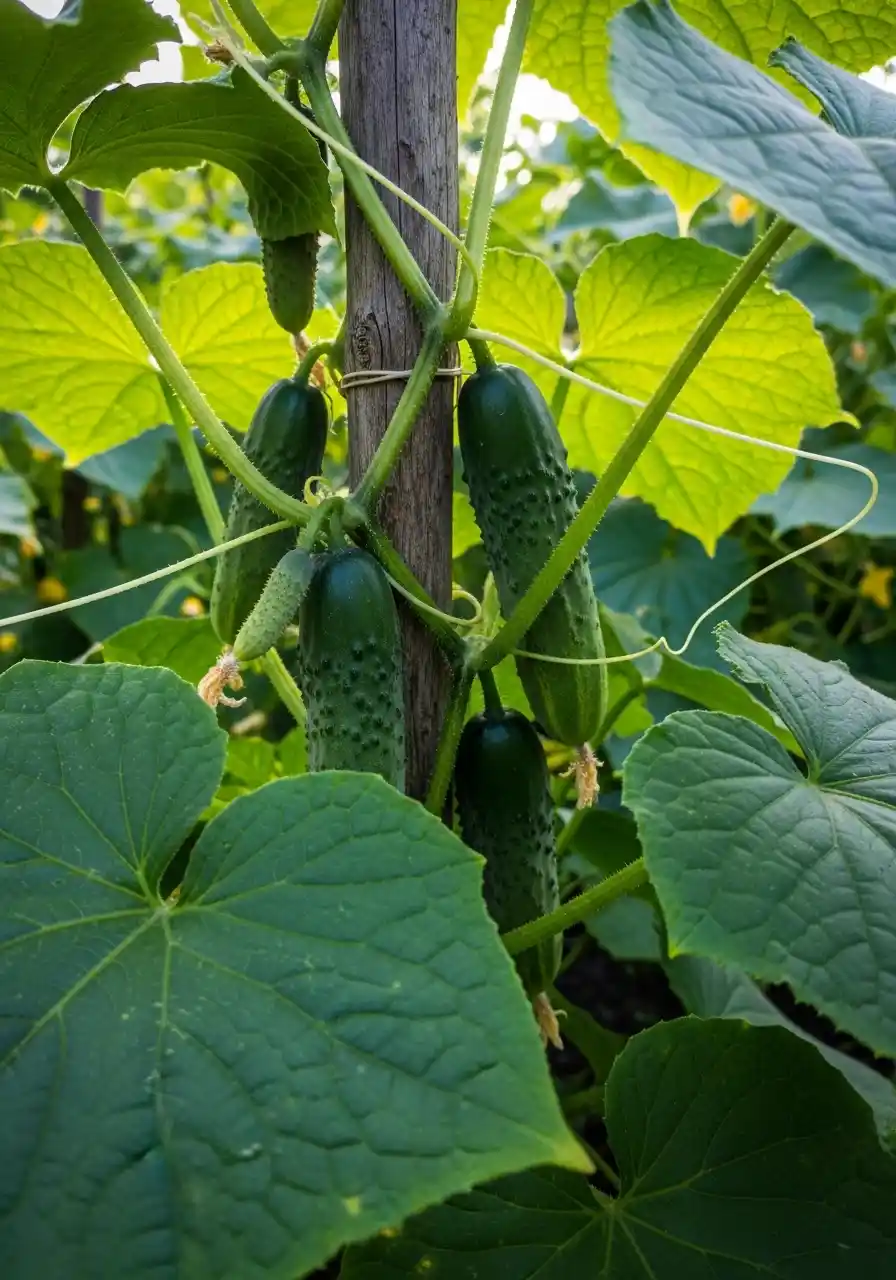
For cucumbers, coffee grounds can help soil structure and moisture retention, and slow nitrogen release can support root development and more vigorous fruiting (bigger yields).
How I’d use it: mix grounds into compost, then feed the cucumber bed/containers with that compost. Cucumbers are thirsty, but still don’t want water blocked by a coffee crust.
13) Basil
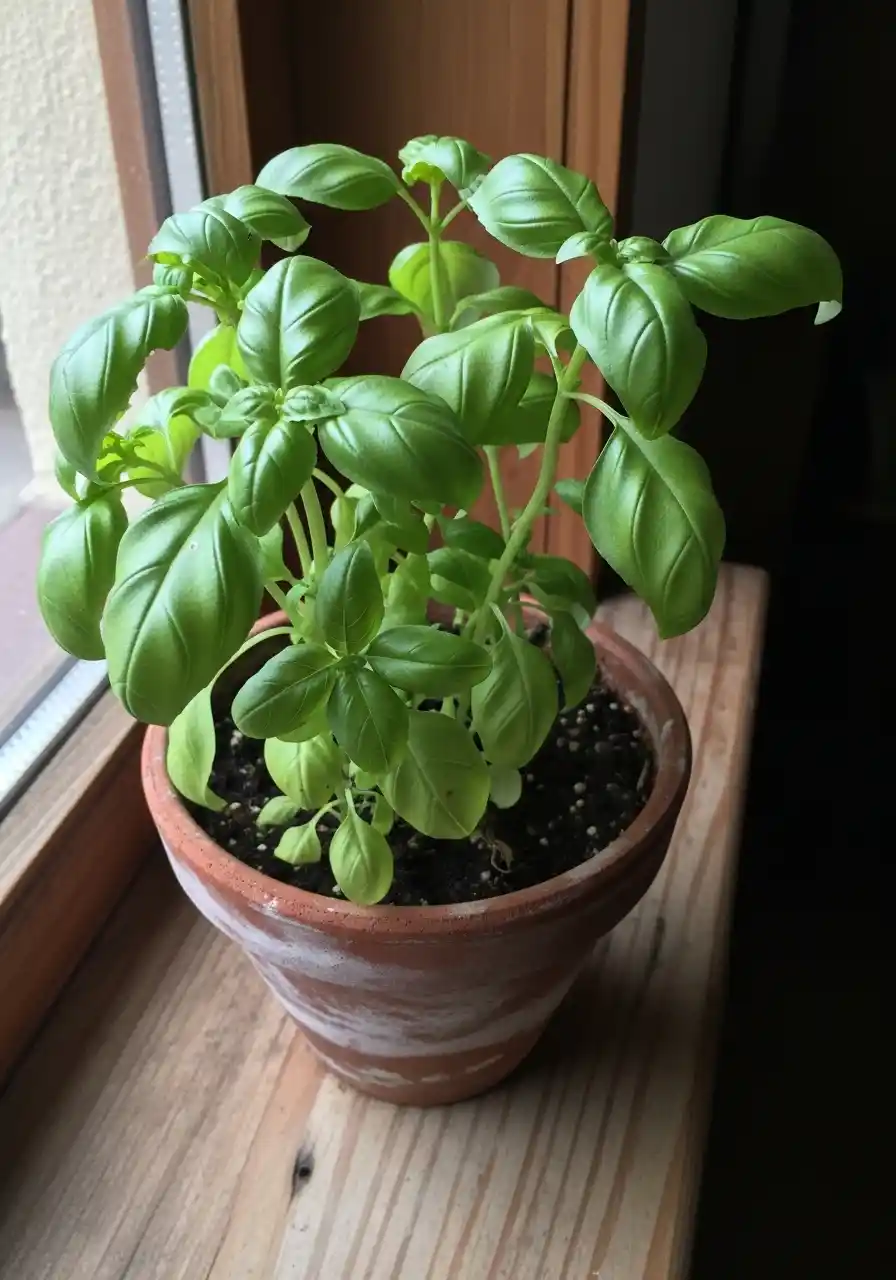
Basil can benefit from the nitrogen boost, since nitrogen supports lush leaf growth. The post also notes coffee grounds can improve soil structure for basil to thrive.
How I’d use it: a pinch mixed into potting soil (very light), or composted grounds. Basil is fast-growing, so don’t “overfeed” and end up with weird weak stems.
12) Rosemary
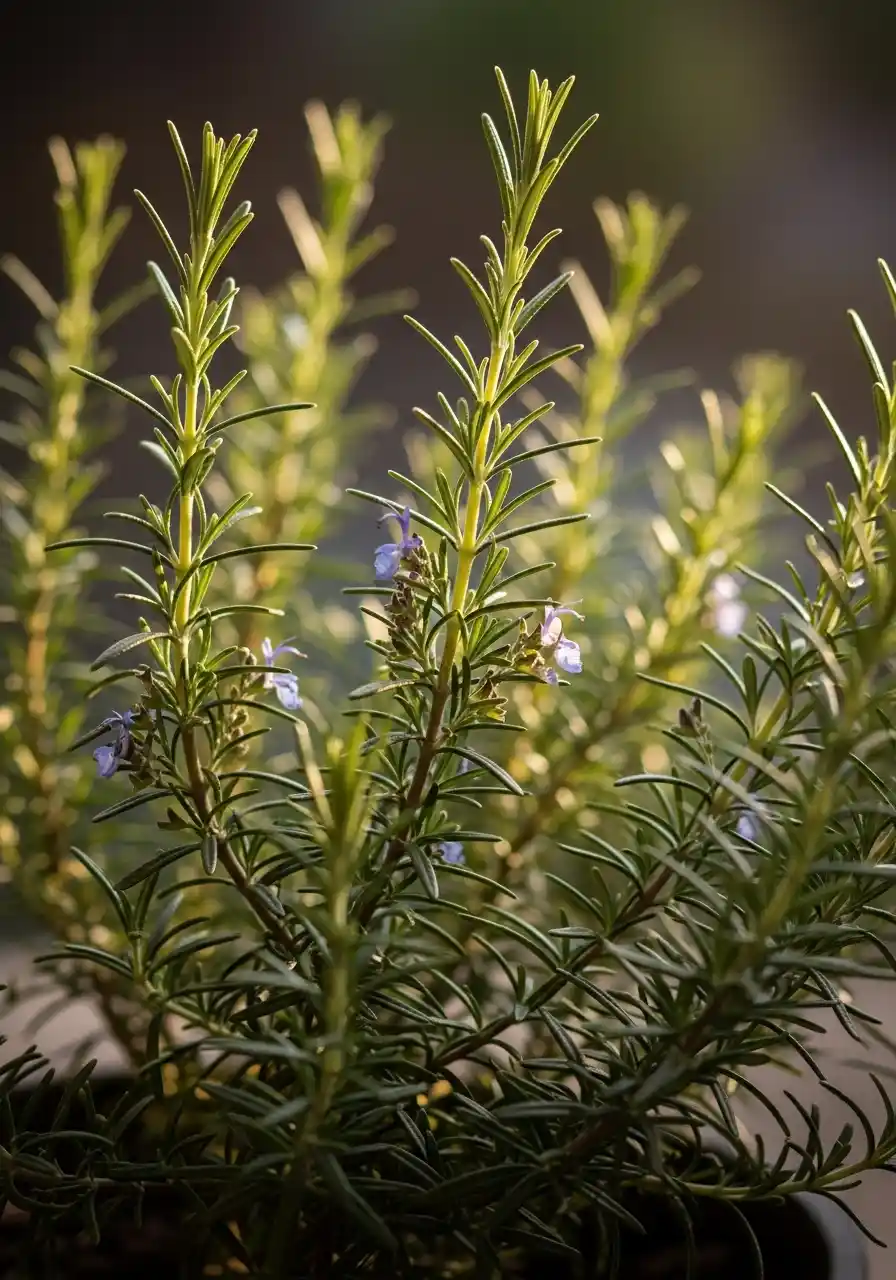
The post says coffee grounds can help rosemary maintain soil acidity it needs and support root development.
How I’d use it: honestly, carefully. Rosemary hates soggy soil. I’d only use compost with a small amount of coffee grounds mixed in, and make sure the pot drains well.
11) Mint
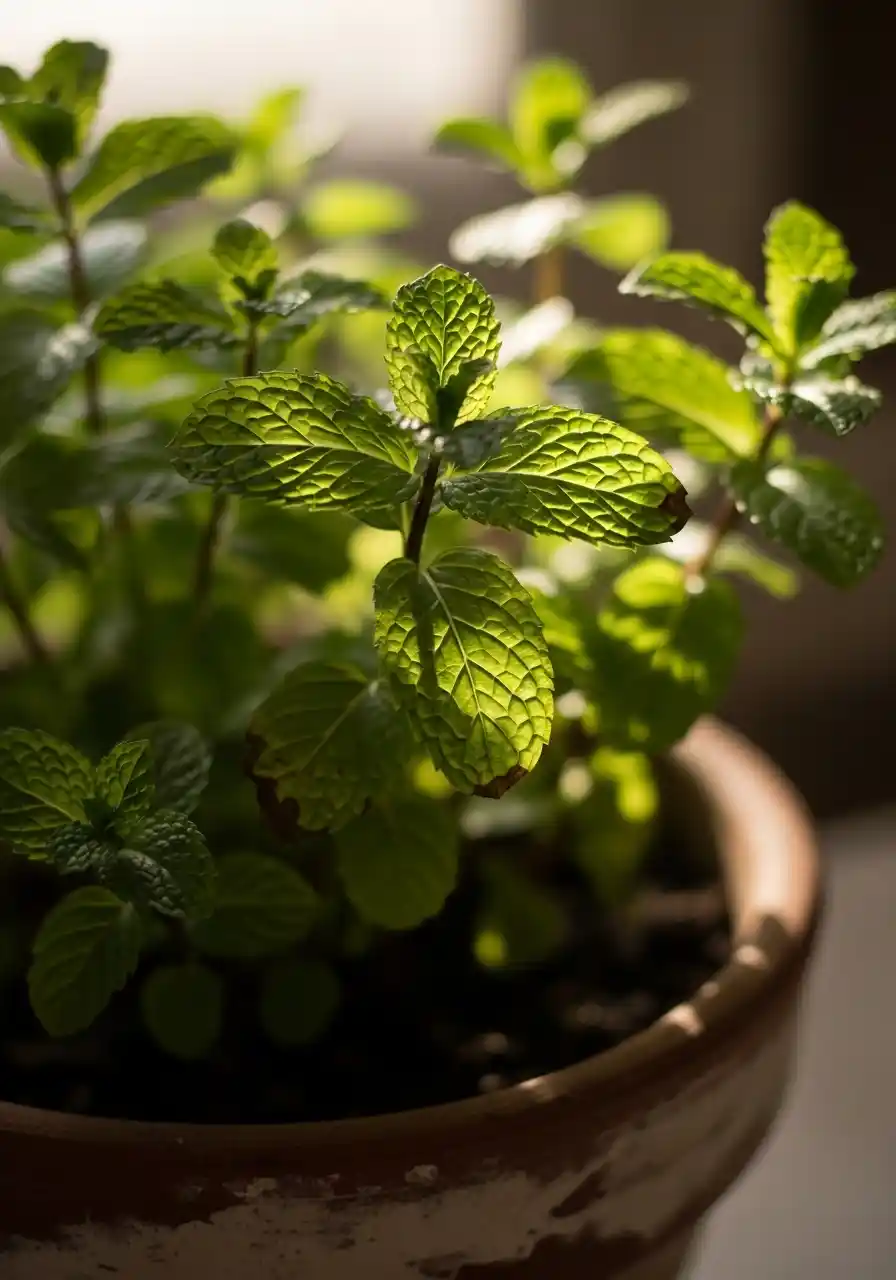
Mint needs aeration and drainage to reduce root rot risk. Coffee grounds can help by improving soil structure and adding nitrogen for healthy leaf growth. It also says coffee grounds can help retain moisture in soil that’s too dry.
How I’d use it: mint is a bully plant, so many people grow it in pots. Mix a small amount of composted coffee grounds into the potting mix. Keep it light, mint doesn’t need a ton to grow like crazy.
10) Blueberries

Blueberries love acidic soil, and the post says coffee grounds add acidity and improve soil structure. It also mentions using coffee grounds as mulch to suppress weeds and improve moisture retention around blueberry bushes.
How I’d use it: mix coffee grounds with pine needles or bark mulch, then apply a thin layer. Blueberries are a top “yes please” plant for coffee grounds, but still… not a giant pile.
9) Strawberries

Strawberries enjoy acidic soil, and coffee grounds can lower pH while improving soil fertility and structure. The post also says the nitrogen boost can enhance fruit production for plump, juicy berries.
How I’d use it: mix into compost and top-dress around plants after they start growing. Avoid burying the strawberry crown.
8) Pumpkins
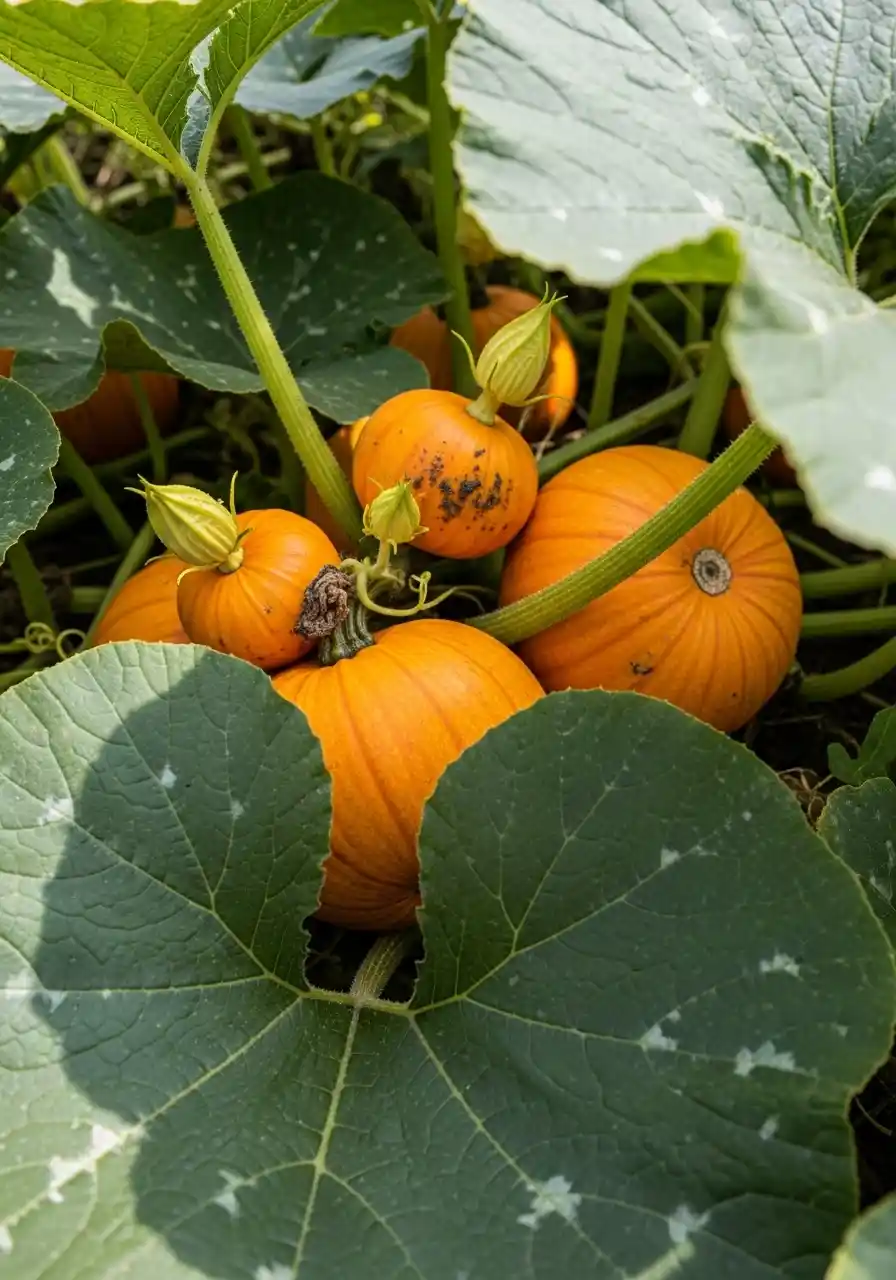
Coffee grounds can help pumpkins by enriching soil with nitrogen that supports vine growth and fruit development. The post says grounds also improve aeration and moisture retention, helping reduce dryness issues and root rot chances.
How I’d use it: compost first, then feed the pumpkin patch with compost. Pumpkins are heavy feeders, but they still need balanced soil, not just coffee.
7) Squash
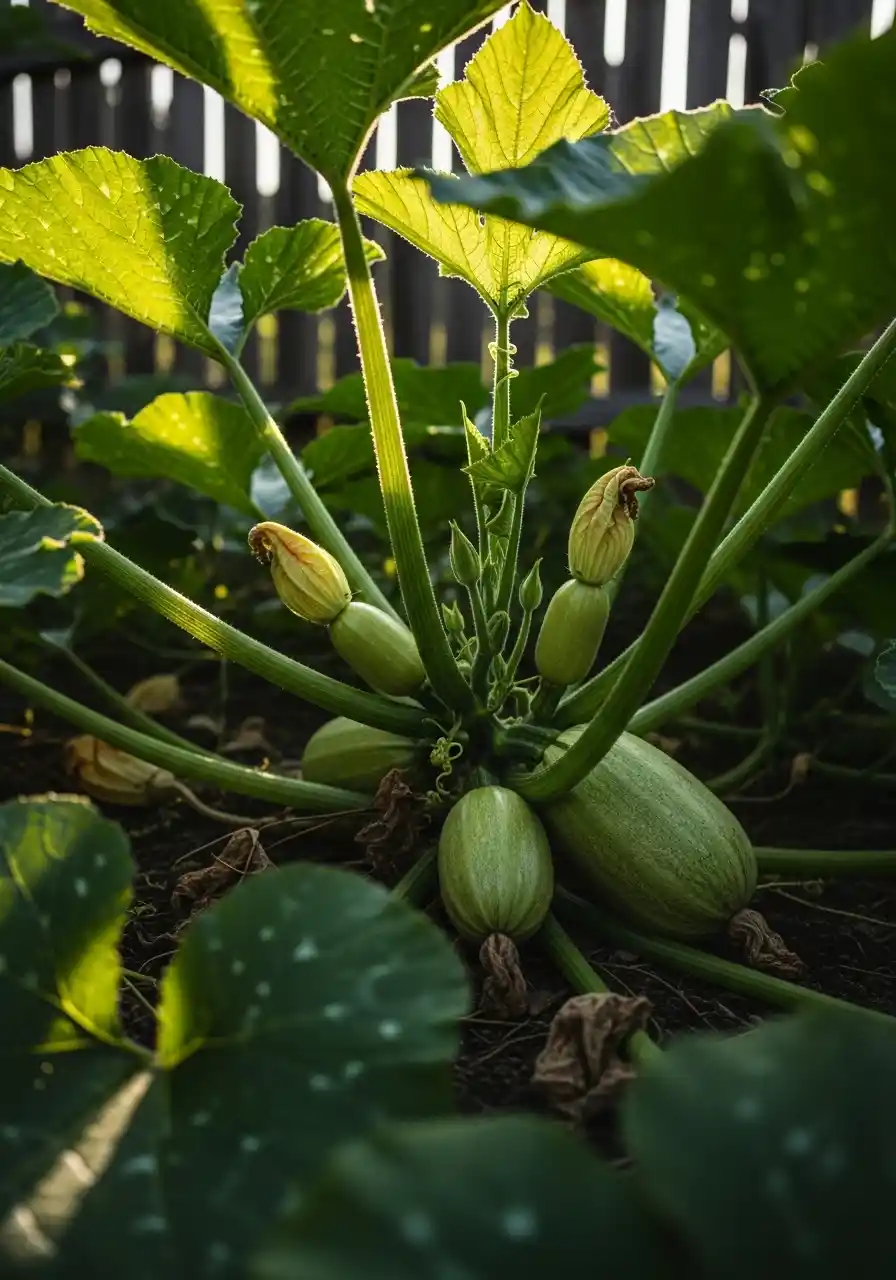
For squash, the post says coffee grounds improve soil fertility, water retention, root development, and soil texture—important for squash growth.
How I’d use it: same as pumpkins—composted is safest. Also keep mulch fluffy, not packed down.
6) Peppers
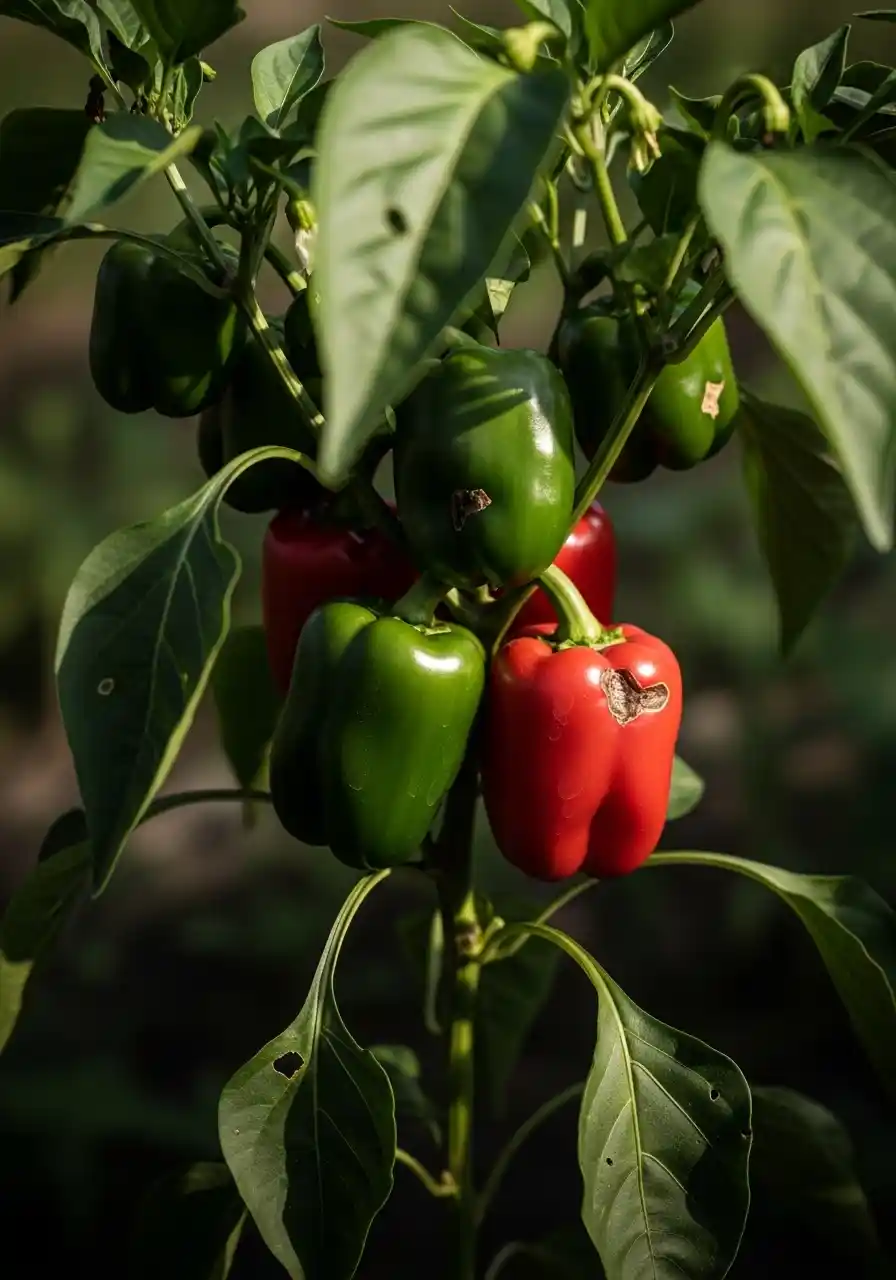
The post says adding coffee grounds can boost nutrients and improve aeration, and you may see peppers fruiting more and getting stronger.
How I’d use it: a little mixed into compost, then apply around pepper plants. Peppers don’t like cold wet soil, so don’t make the soil heavy and soggy.
5) Roses

Yes, roses can benefit too. The post says roses appreciate slow-releasing nitrogen for better foliage and blooming, plus improved overall plant health and bloom vibrancy.
How I’d use it: sprinkle lightly around the drip line (not right against the stem) and scratch it into soil, then water. Or mix into compost and use compost around roses.
Extra tip section: roses + coffee grounds without the drama
Roses can be picky. If you notice leaf yellowing or fewer blooms after using coffee grounds, it might be too much or your soil is already rich. Coffee grounds are a booster, not a full diet.
4) Hydrangeas

The post says coffee grounds help maintain acidity that supports growth, adds nutrients like nitrogen and trace minerals, and improves soil structure. It also mentions more vigorous, colorful blooms.
How I’d use it: mix into compost and apply as a thin top-dress. Hydrangeas like moisture, so water it in, but don’t cake the grounds on top.
3) Gardenias

Gardenias like acidic soil for optimal growth and blooming, and the post says coffee grounds help adjust pH slightly and provide a nutrient boost for vibrant flowers.
How I’d use it: tiny amounts, regularly but lightly. Gardenias can be dramatic if the soil swings too much, so slow and steady wins.
2) Fuchsias

The post says fuchsias thrive in slightly acidic soil and benefit from coffee grounds. Added nitrogen encourages robust growth and flowering, and coffee grounds increase organic matter in soil.
How I’d use it: fuchsias often grow in containers. I’d mix a small spoon of dried grounds into the potting mix once in a while, or use composted grounds. Watch for mold if the soil stays too wet.
1) Hostas
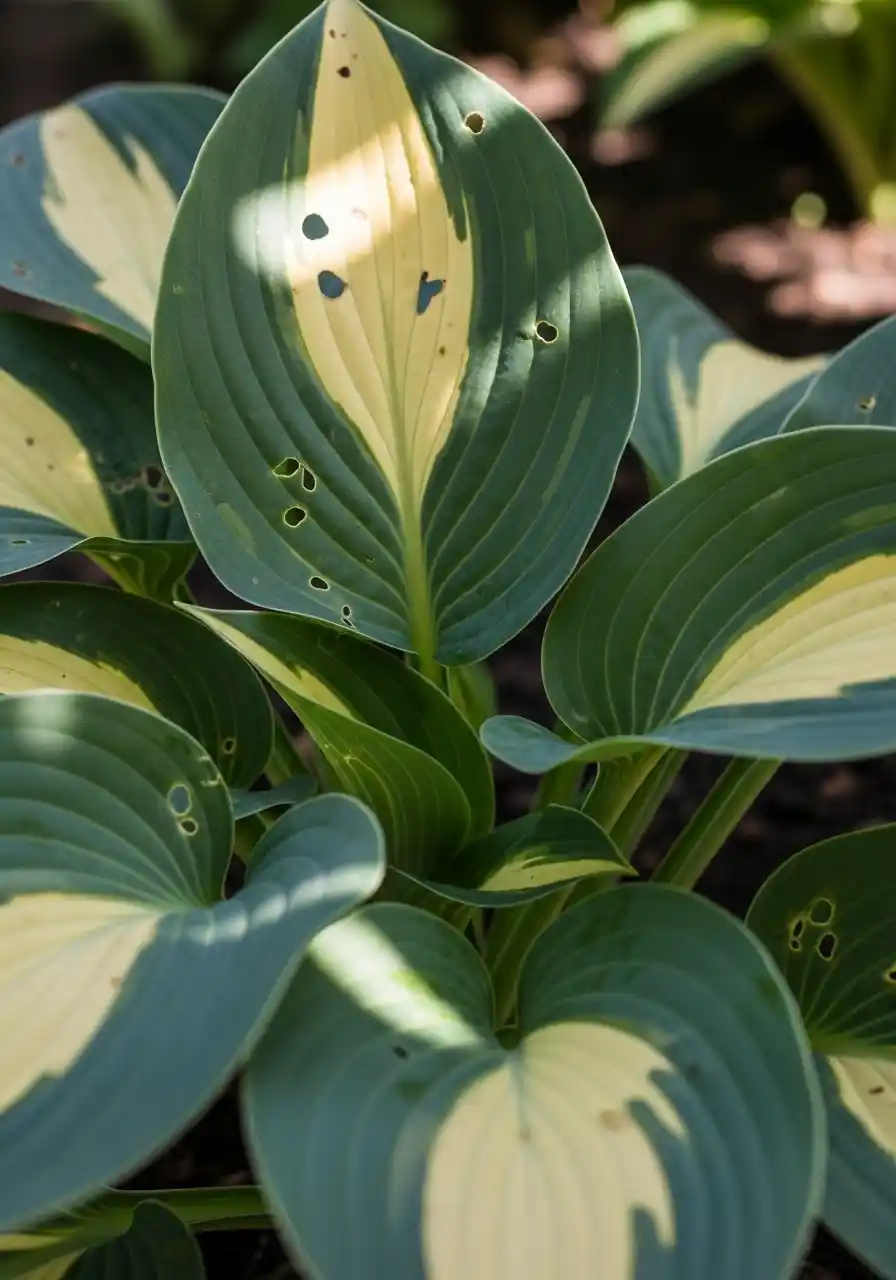
Hostas don’t require acidic soil, but the post says coffee grounds can still help by improving soil texture and giving nutrients that support better foliage and lush growth.
How I’d use it: hostas are shade plants a lot of the time, and shade soil can stay damp. So I’d do composted grounds only, and keep it light so you don’t get fungus or a slimy top layer.
Common mistakes with coffee grounds (and how to avoid them)
Even if you pick the right plants that thrive with coffee grounds, you can still mess up the method. Here are the big oops moments.
Mistake 1: using a thick coffee ground layer like mulch
Coffee grounds can pack down and block water. The post warns that an overly dense layer can make it harder for water to penetrate soil properly.
Fix: use a thin layer, mix it with other mulch, or compost it first.
Mistake 2: assuming coffee grounds always make soil acidic
They can lower pH, but the impact depends on your soil and how much you use. Still, the post clearly frames coffee grounds as something that can lower soil pH and help plants that like slightly acidic soil.
Fix: test soil sometimes, especially if you’re adding grounds often.
Mistake 3: thinking “more grounds = bigger harvest”
Nope. The post literally says people overuse it, and “More is NOT better!”
Fix: treat coffee grounds like seasoning, not the whole meal.
Easy ways to collect and prep coffee grounds
This is the lazy-friendly part (my favorite kind).
Let used grounds dry a bit
Wet grounds can get moldy if you store them in a closed container. Spread them out on a tray, let them dry, then store in a bucket or paper bag.
Mix into compost for the safest use
If you compost, coffee grounds are easy to toss in. They blend in with leaves and kitchen scraps and become a balanced soil amendment later.
FAQ: plants that thrive with coffee grounds
1) Are used coffee grounds better than fresh grounds for plants?
Used grounds are generally the normal choice people mean. Fresh grounds can be stronger and not always ideal.
2) How often should I add coffee grounds to plants?
Small amounts once in a while is better than frequent heavy dumping. A thin monthly layer is one rough guideline mentioned.
3) Can coffee grounds replace fertilizer?
Not really. Coffee grounds can add nutrients and organic matter, but they’re more like a helper than a full fertilizer plan.
4) What’s the best way to apply coffee grounds?
Mix into compost or lightly into the top soil, so you don’t create a packed layer that blocks water.
5) Which vegetables are on the “plants that thrive with coffee grounds” list?
Tomatoes, garlic, onions, cucumbers, pumpkins, squash, and peppers are included.
6) Which fruits do well with coffee grounds?
Blueberries and strawberries are on the list, and both like more acidic soil.
7) Can coffee grounds help flowering plants too?
Yes—roses, hydrangeas, gardenias, and fuchsias are on the list for improved growth or blooming support.
8) Do hostas really like coffee grounds?
Hostas don’t require acidity, but coffee grounds can help with soil texture and nutrients for foliage growth.
9) Why do coffee grounds sometimes hurt plants?
Too much can make soil too acidic, and thick layers can block water from getting into the soil.
10) Will coffee grounds attract pests?
If you leave wet grounds in clumps, it can get gross or moldy. Use thin layers and keep things clean.
11) Can I use coffee grounds in containers?
Yes, but go even lighter in pots. Containers already have limited airflow and drainage issues if you overdo it.
12) Should I test soil pH before using coffee grounds?
If you’re using grounds often, testing helps. The post suggests collecting multiple soil samples and checking acidity.
13) Do coffee grounds help soil structure?
Yes, improving soil texture/structure is mentioned across multiple plants and in the benefits section.
14) What’s the biggest “beginner-safe” method?
Compost the grounds first, then use the compost around plants.
Conclusion
If you’re trying to garden a little more naturally (and save money), plants that thrive with coffee grounds give you an easy win. Coffee grounds can support soil nutrients, improve texture, and help with slightly acidic conditions for certain plants.
Just keep the main rule in your head: use it in moderation. Too much can cause problems like overly acidic soil and water not soaking in right.
Go slow, watch how your plants react, and adjust. Gardening is kind of like cooking… you taste as you go. Except the “taste test” is your plants not looking sad.