Red is like a big bright “sign” in the garden, and it helps a lot when you want red flowers that attract hummingbirds. If you plant the right red blooms, hummingbirds usually show up more often, and they don’t act shy about it either. They zip in, drink nectar, argue with each other, then zoom away like tiny fireworks.
Table of Contents
Red flowers that attract hummingbirds: why red works so well
Hummingbirds are strongly drawn to red flowers, and one reason is how their eyes are tuned—Birds & Blooms explains the cones in their retina prioritize red and yellow tones more than cooler shades like blue. That means red blooms can stand out like crazy in a yard.
Also, many red flowers are shaped in a way hummingbirds like. Lots of the best ones are tubular or kind of trumpet-shaped, which matches the hummingbird’s long bill. BirdAdvisors even points out the bright red tubular flowers of cardinal flower are basically designed for hummingbirds’ long bills.
And just to say it simple: hummingbirds are after nectar. Red flowers often have good nectar, so it becomes a habit for them. BirdAdvisors says hummingbirds are famously attracted to red flowers for nectar that sustains them.
Red flowers that attract hummingbirds: quick garden tips that matter
You don’t need a perfect garden. You just need a few smart choices.
Plant in “clumps,” not one lonely flower
If you plant one red flower in one corner, it can get missed. But a group of the same red plant looks like a bigger target. Hummingbirds notice easier.
Give them a safe-ish spot
Hummingbirds like open areas where they can see danger coming. If you can, don’t hide your best flowers deep behind big bushes.
Keep blooms coming for a longer season
Try mixing plants that bloom in different months. Some bloom in spring, some in mid-summer, some in fall. That way you’re not “out of nectar” too early.
Red flowers that attract hummingbirds: 25 picks that really help
Below are 25 red flowers (and red-flowering plants) hummingbirds commonly go for. Some are annuals, some perennials, some vines, some shrubs. A few come in many colors, but they do come in red, and red is the goal here.
1) Cardinal Flower (Lobelia cardinalis)
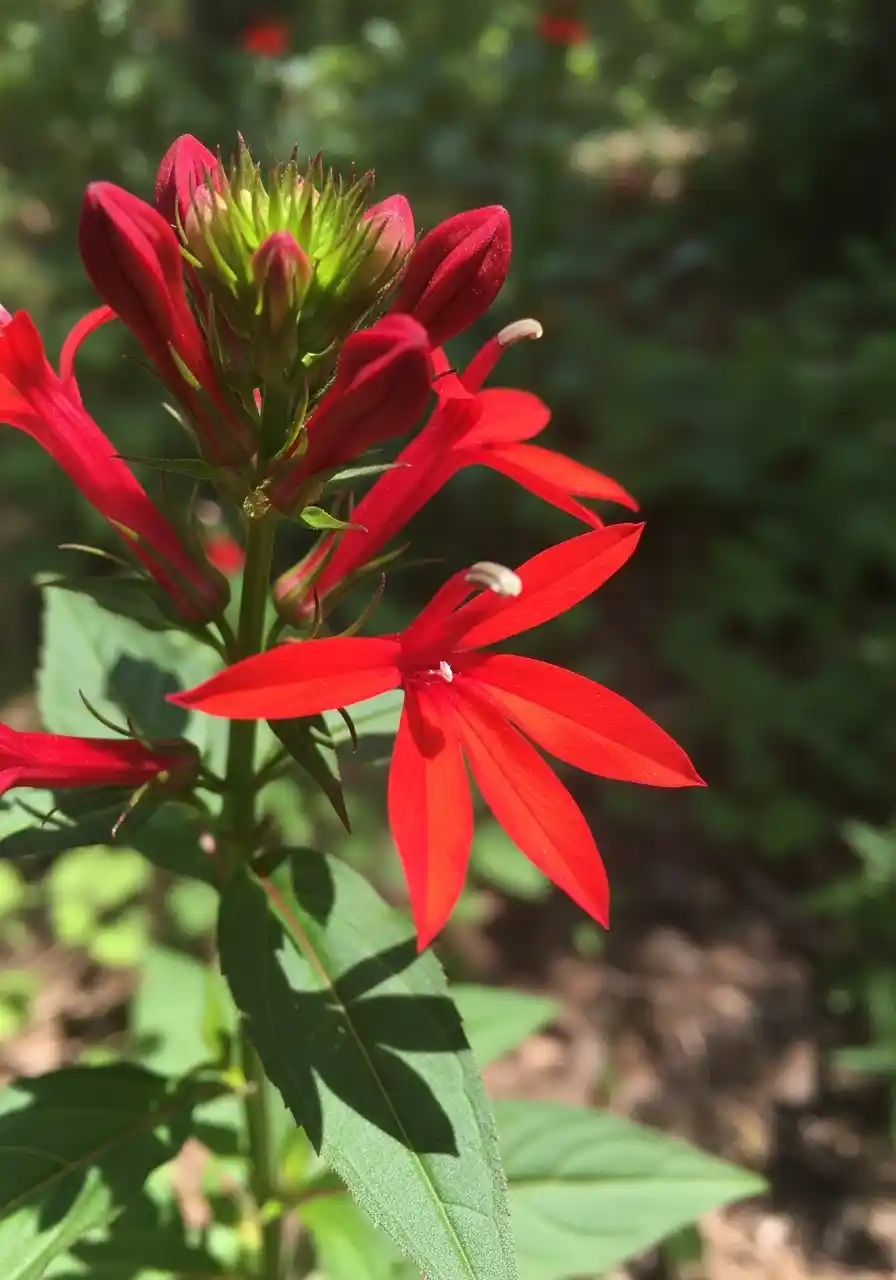
This is a famous hummingbird magnet. The flowers are bright red and shaped like little tubes. It’s like a perfect straw for hummingbirds. It tends to like moist soil, not dry dusty dirt. If your summers are hot, don’t let it bake. It can do sun to partial shade, but it really wants consistent moisture.
2) Scarlet Bee Balm (Monarda didyma)
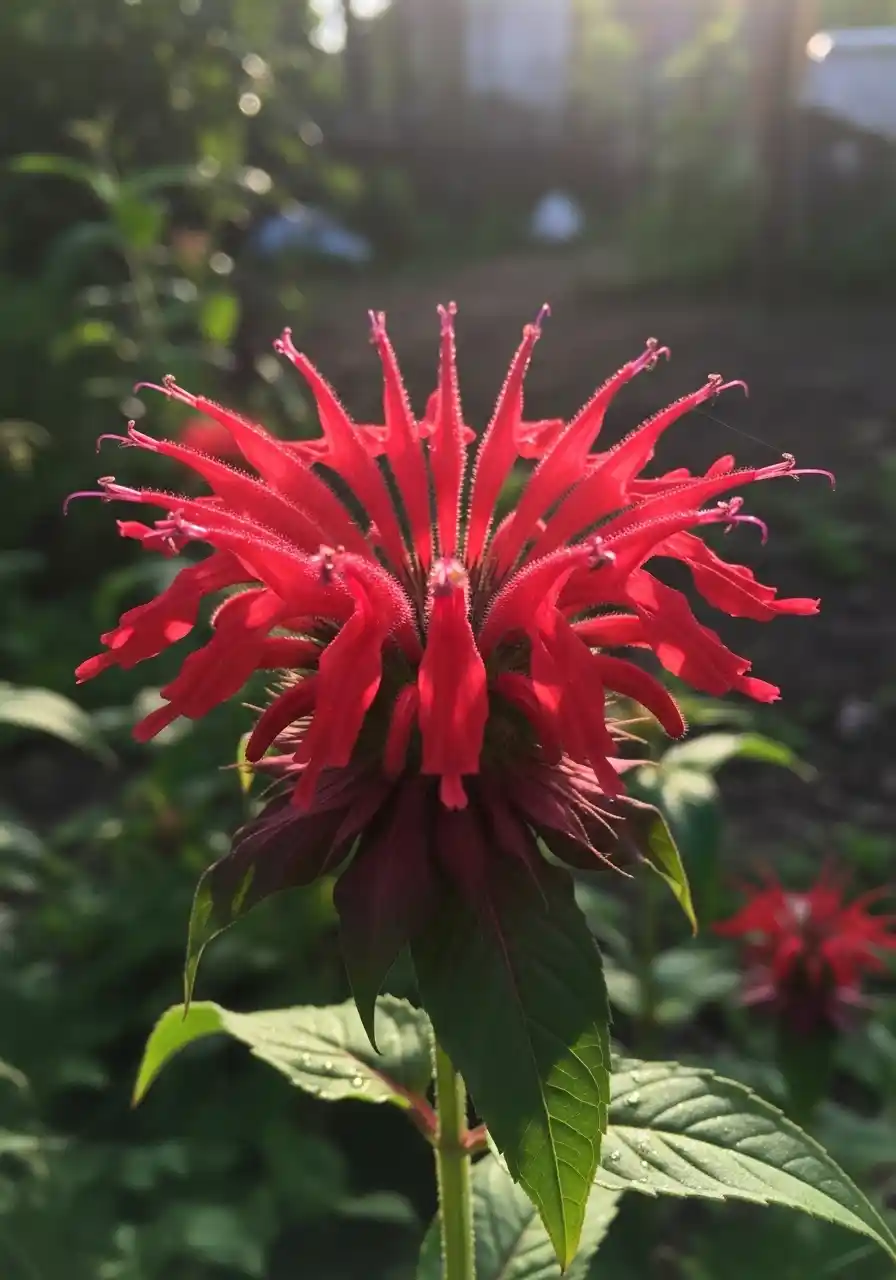
Bee balm is bold and kinda wild looking, like a messy fireworks flower. Hummingbirds love the tubular bloom parts and it can bloom for weeks in summer. It can spread, so give it space or use a big container. Also, airflow helps because bee balm can get powdery mildew sometimes. Not always, but yeah it happens.
3) Red Columbine (Aquilegia)
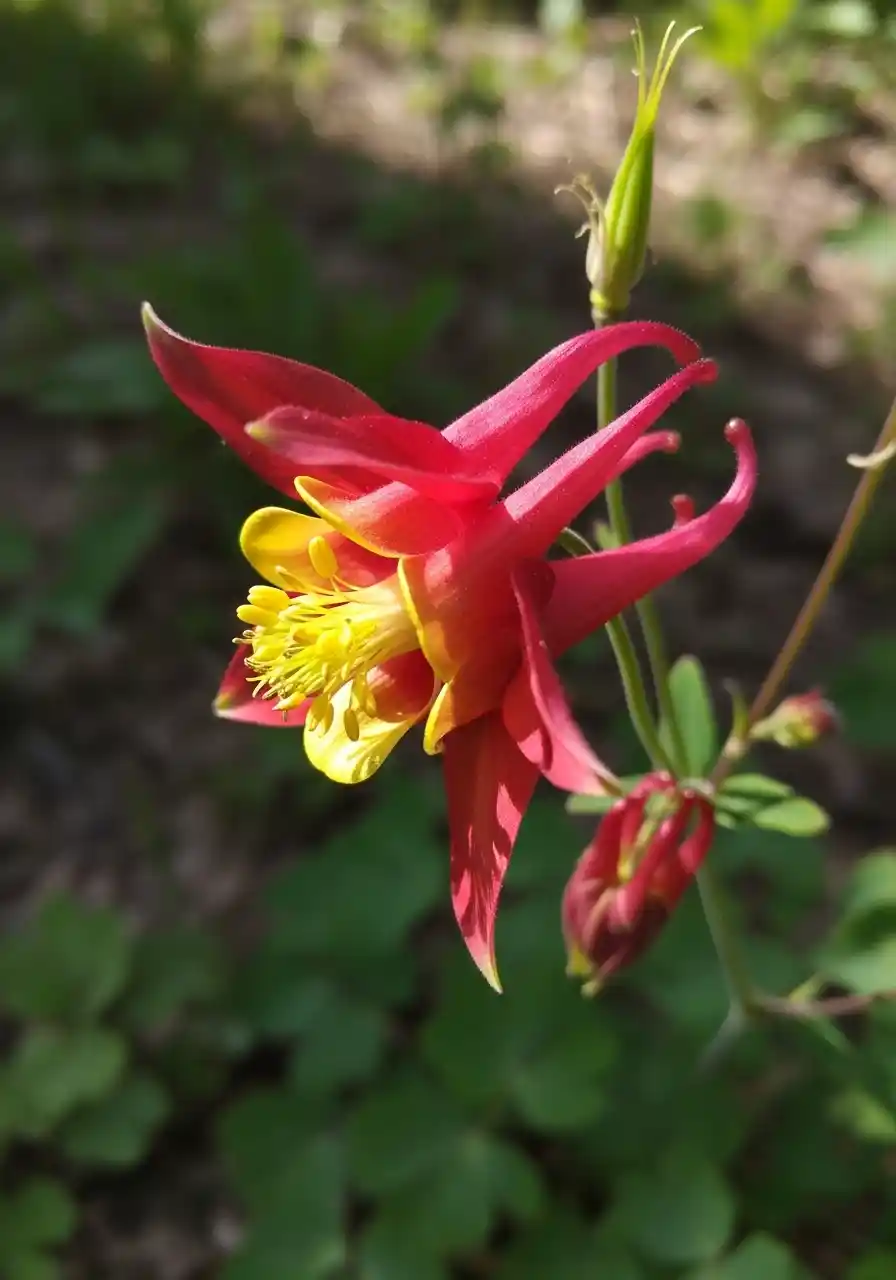
Columbine flowers look like little dancers with spurs in the back. Hummingbirds like them because the nectar is tucked in a way that hummingbirds can reach better than many insects. Red columbine is often an early-season helper, so it can support hummingbirds when they first arrive. It usually likes partial shade in hotter areas.
4) Salvia (red types)
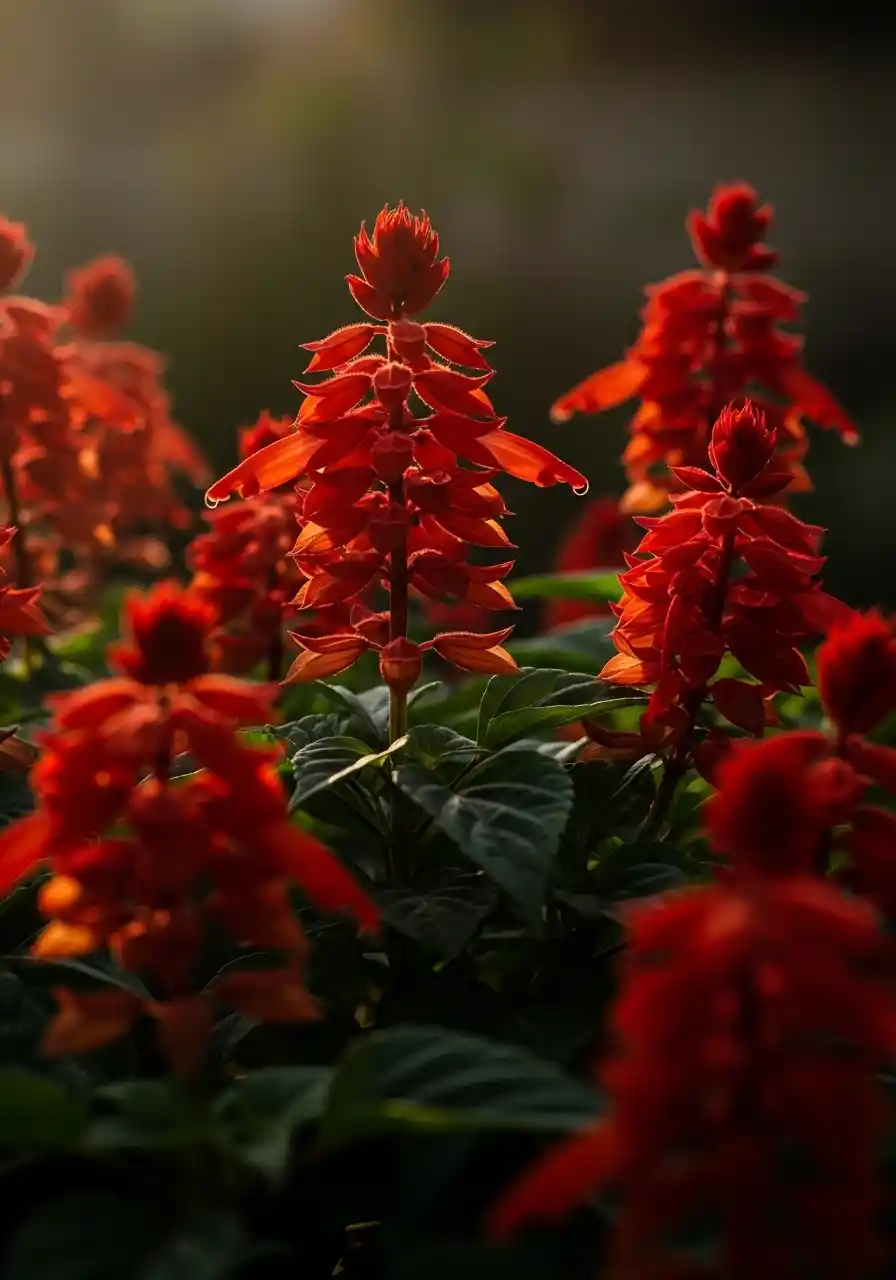
Red salvia is like a nectar machine when it’s happy. Many salvias have flower spikes full of tube-shaped blooms, and hummingbirds will keep checking them. Salvias often like sun and don’t want soggy soil. If you want something that blooms a lot without acting too dramatic, red salvia is a strong pick.
5) Petunias (red varieties)
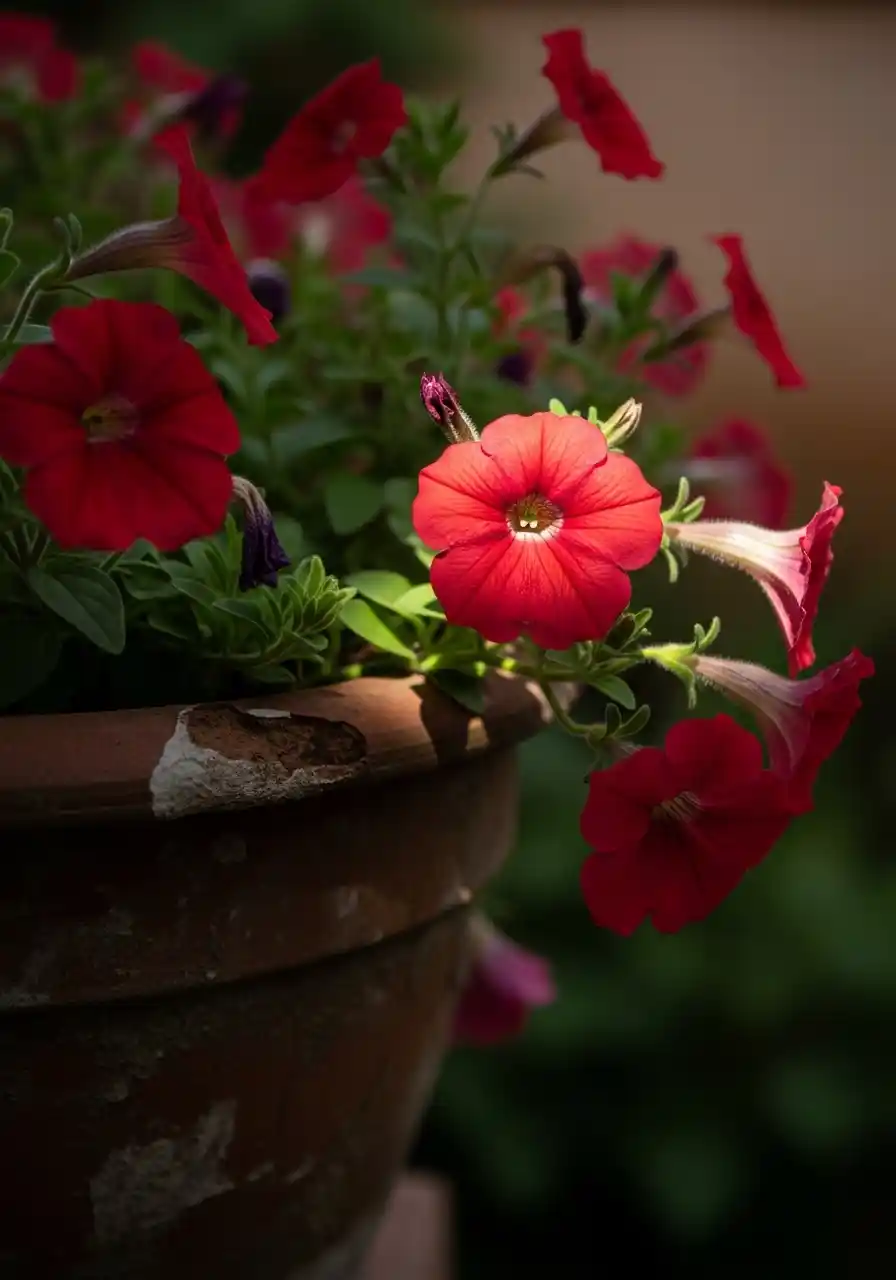
Petunias are easy and cheerful, and they work great in pots or hanging baskets. Red petunias add strong color, and hummingbirds will visit, especially when flowers are fresh and open. Petunias like sun and regular watering. If they get leggy, trimming them back helps (it feels mean, but they bounce back).
6) Lantana (red varieties)
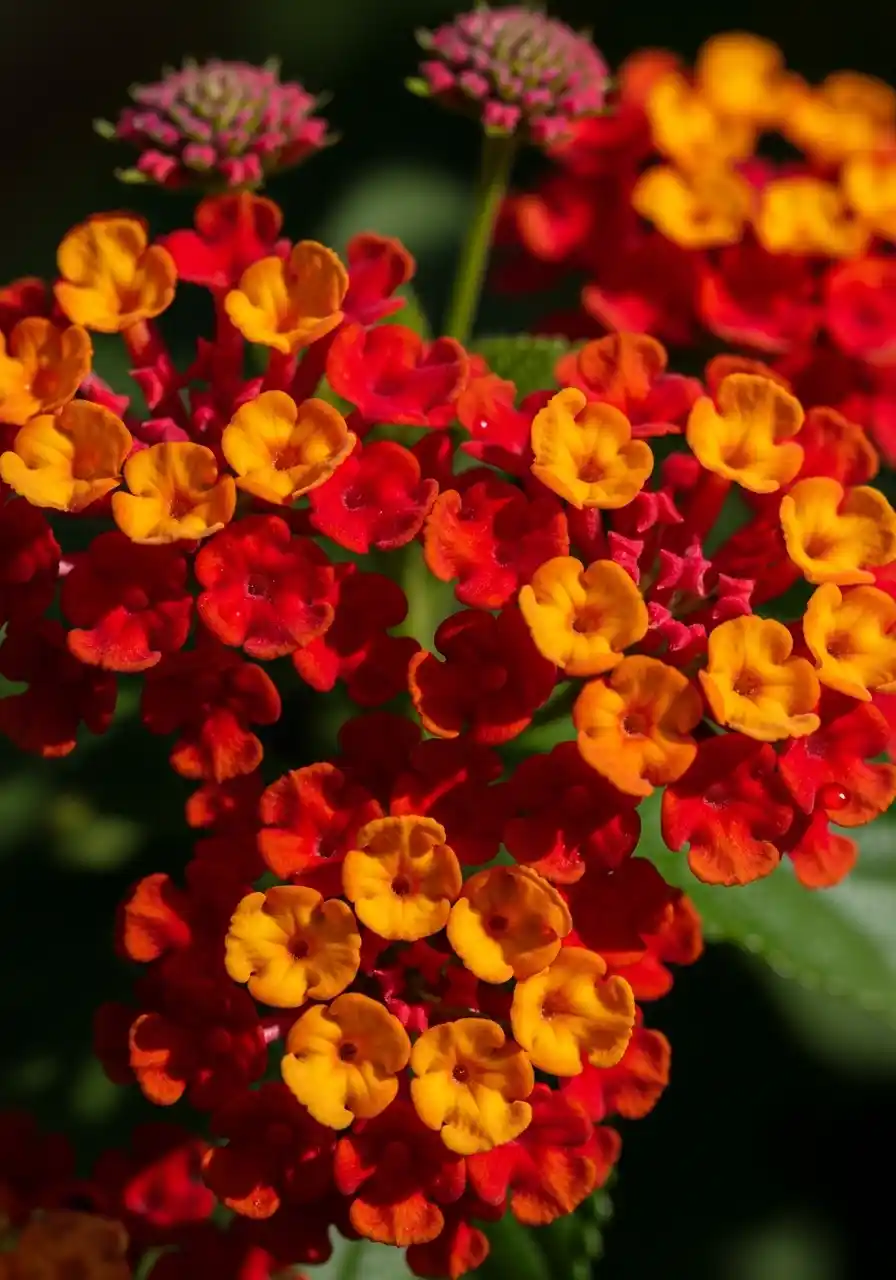
Lantana has clusters of tiny flowers, and hummingbirds will sip around the cluster like they’re taste-testing. Lantana loves heat and sun, and once it’s established, it can handle dry spells pretty well. In some warm places lantana can spread too much, so people often keep it in containers to control it.
7) Nasturtiums (red varieties)
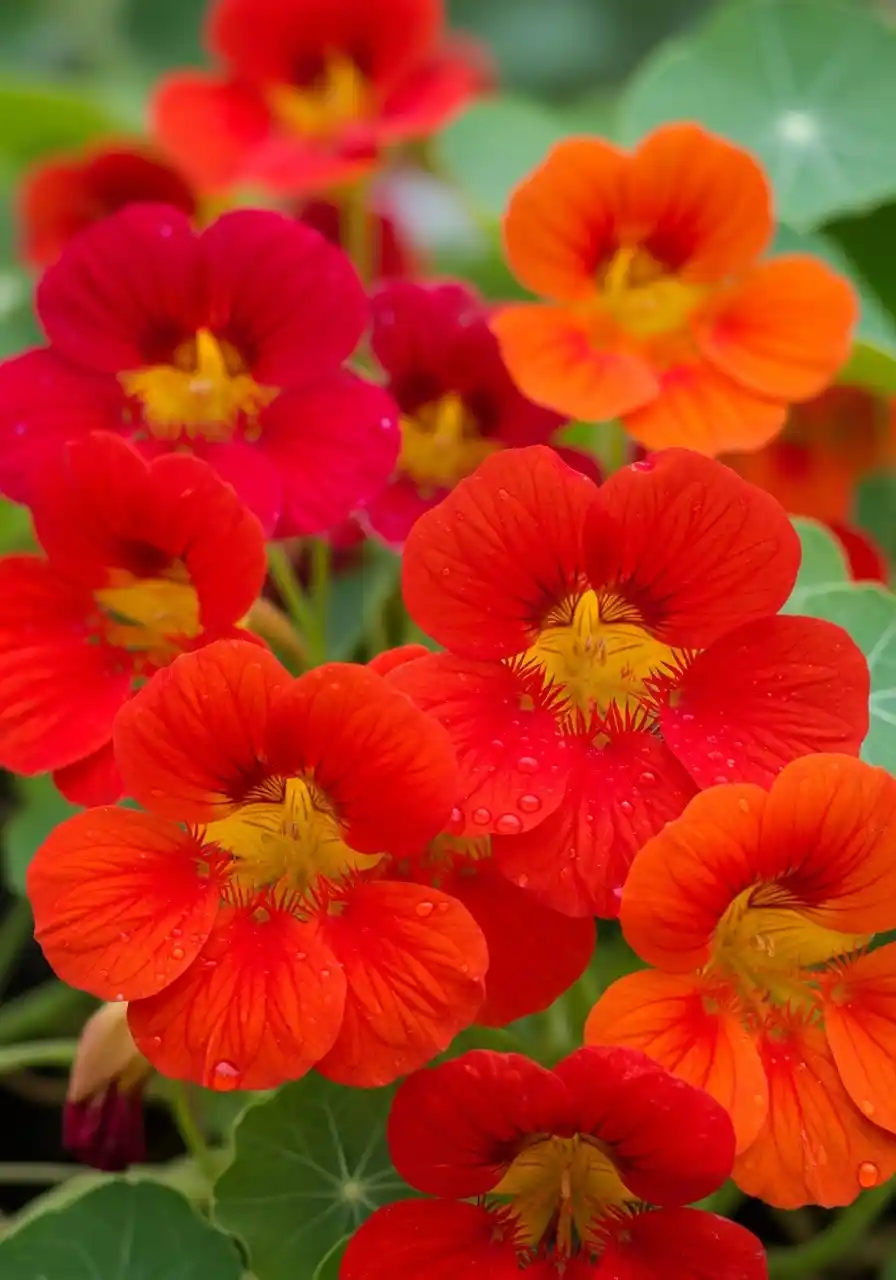
Nasturtiums are fun because they look bright and also have edible leaves and flowers. The blooms have a deeper shape, and hummingbirds can reach the nectar. They do great in containers and can trail over edges. Nasturtiums don’t always need rich soil—too much fertilizer can make more leaves and fewer blooms (plants are weird like that).
8) Trumpet Honeysuckle (Lonicera sempervirens)
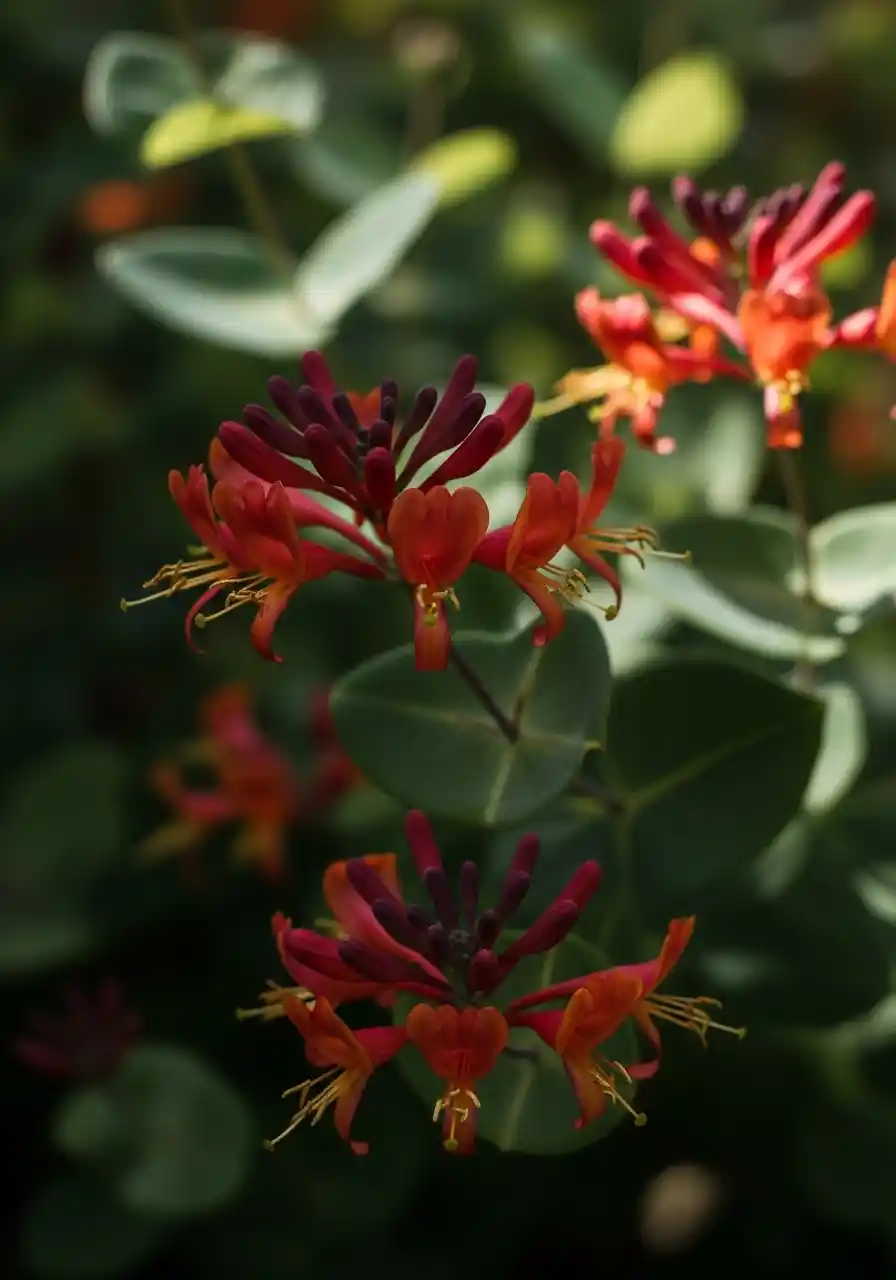
This is a vine with tubular, trumpet-like flowers that hummingbirds love. It’s great for trellises, fences, or arbors. If you want vertical color, this one does it. It usually likes sun to partial shade, and it can bloom over a long season in many areas. Give it something sturdy to climb, or it’ll flop around looking confused.
9) Weigela (red varieties)
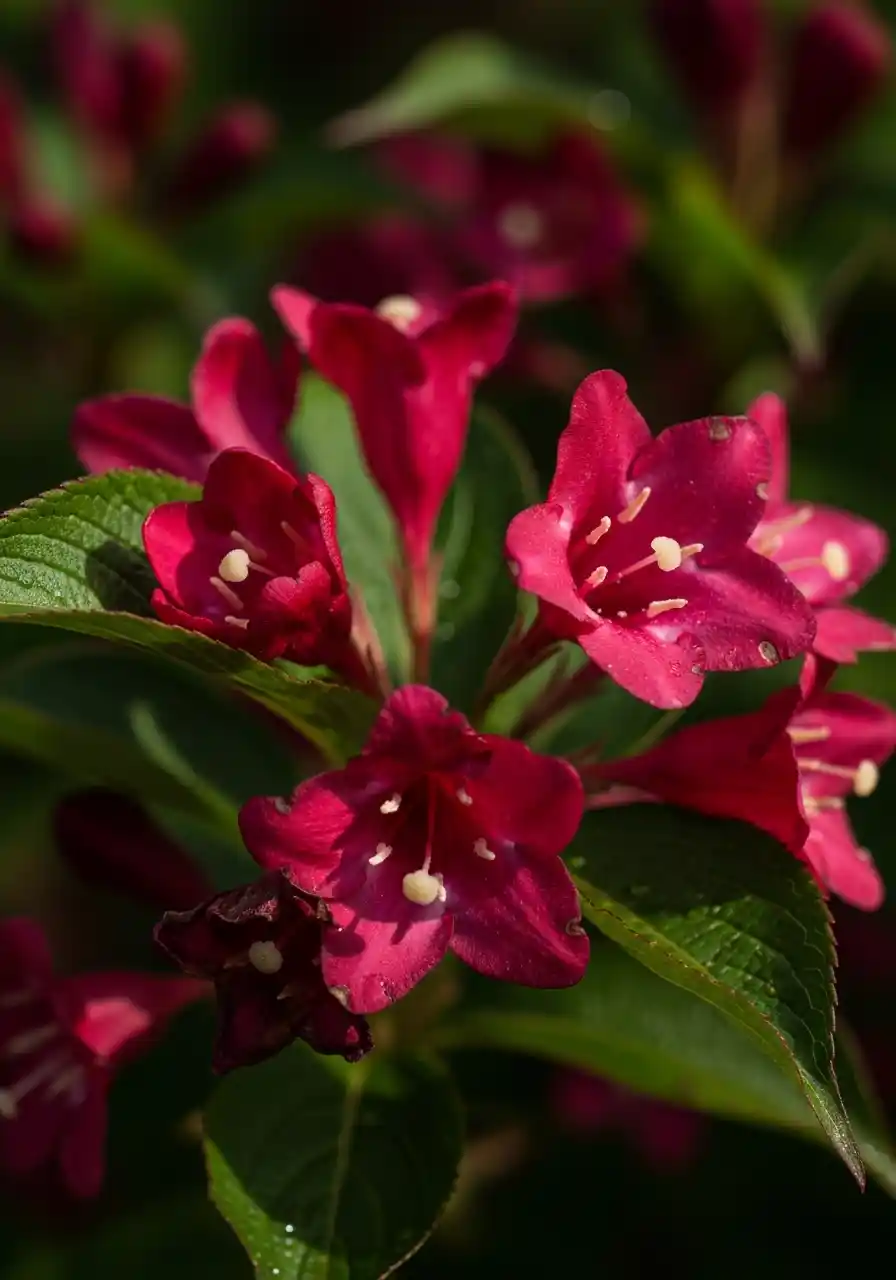
Weigela is a shrub with loads of little trumpet blooms. Hummingbirds can visit it like a buffet, especially when the shrub is covered in flowers. It’s also nice because it can be a “background plant” that still feeds birds. Many weigelas like sun for best blooms. Pruning after flowering can help keep it shaped.
10) Hibiscus (red types)
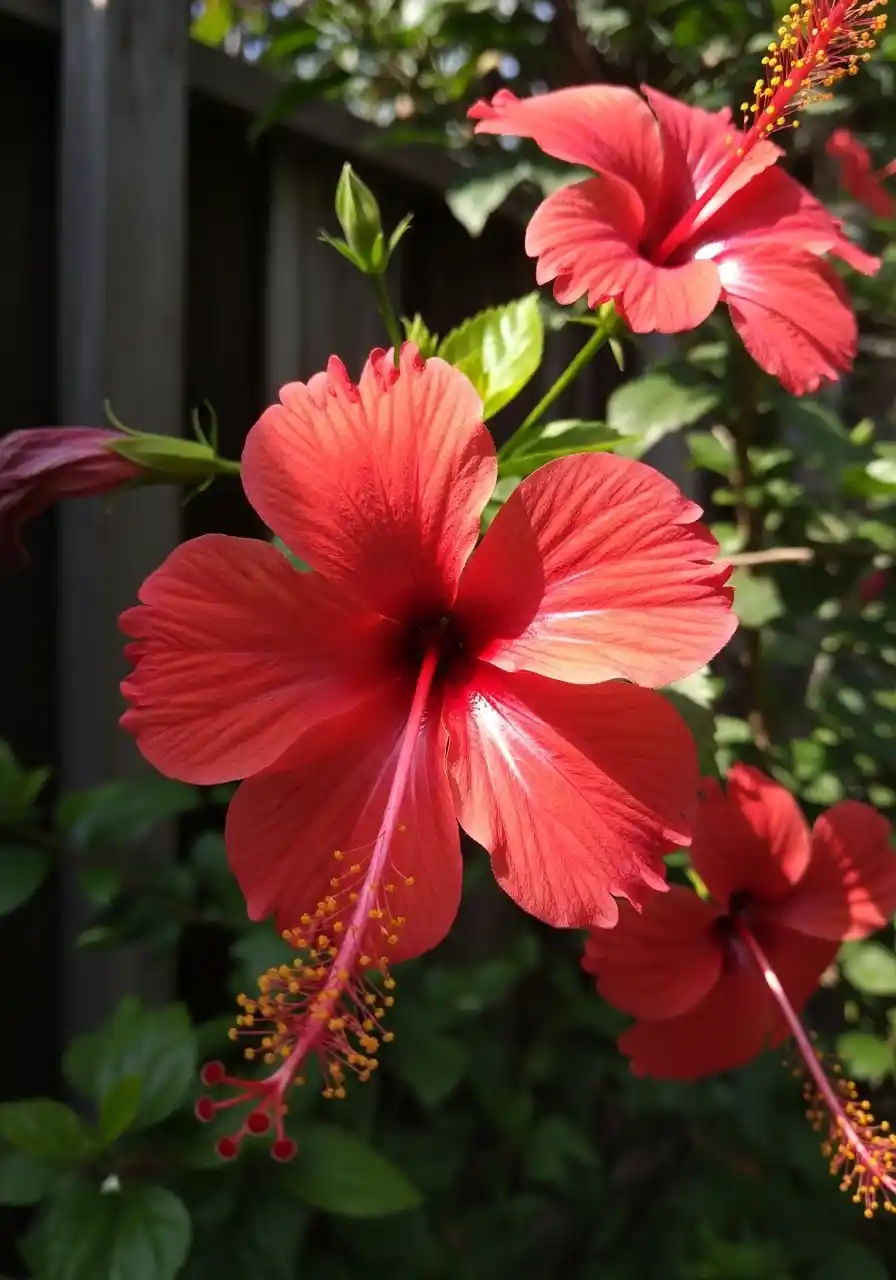
Red hibiscus flowers are big, bright, and hard to ignore. Hummingbirds like them for nectar, and people like them because they look tropical and dramatic. Hibiscus often likes sun and steady watering. In cooler places, many people grow hibiscus in pots so they can move it when the weather changes.
11) Zinnia (red varieties)
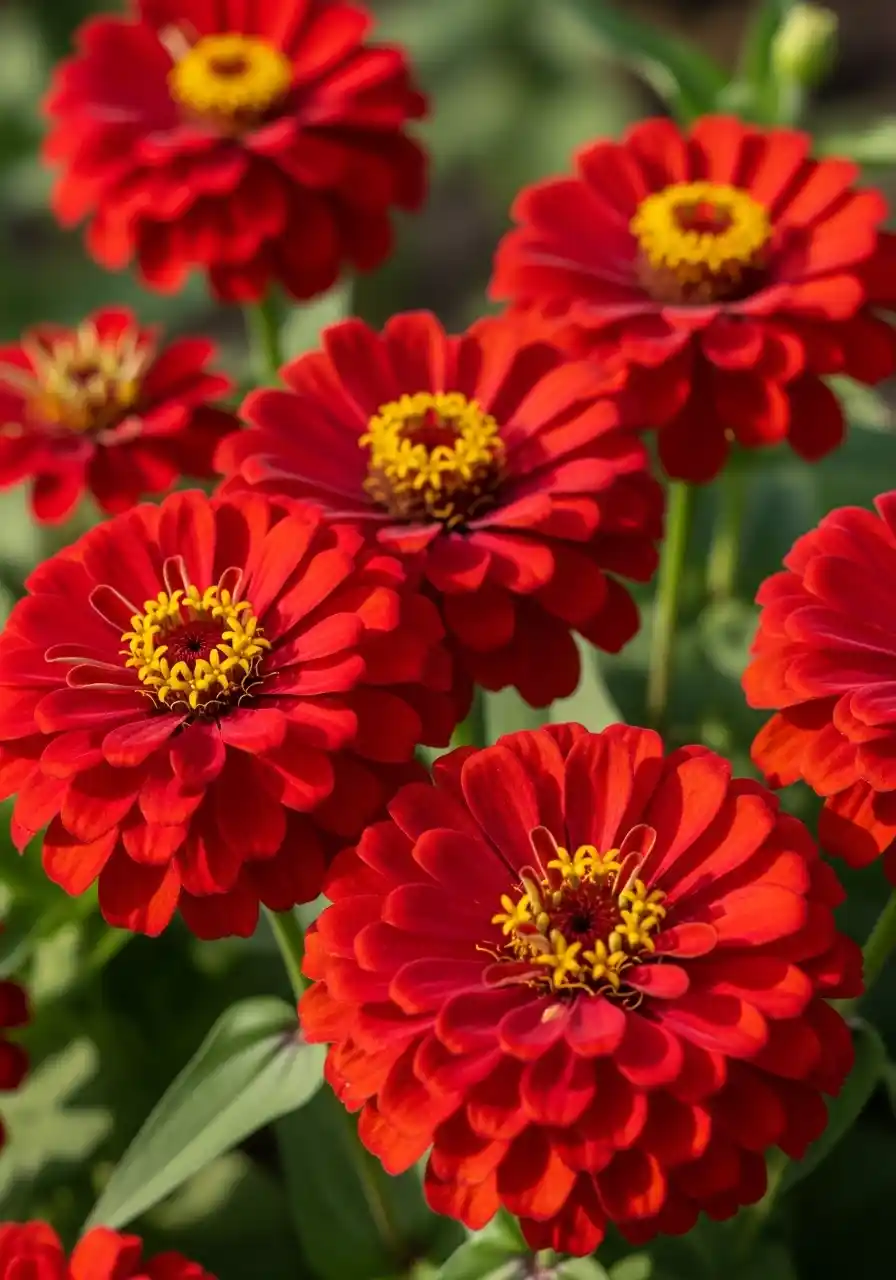
Zinnias are easy summer flowers and they bloom like crazy. While the bloom shape is more open than tubular, hummingbirds still visit (and butterflies too). Zinnias love sun and do best with good airflow. They can be grown from seed without much fuss, which is good if you’re trying to save money.
12) Garden Phlox (red varieties)
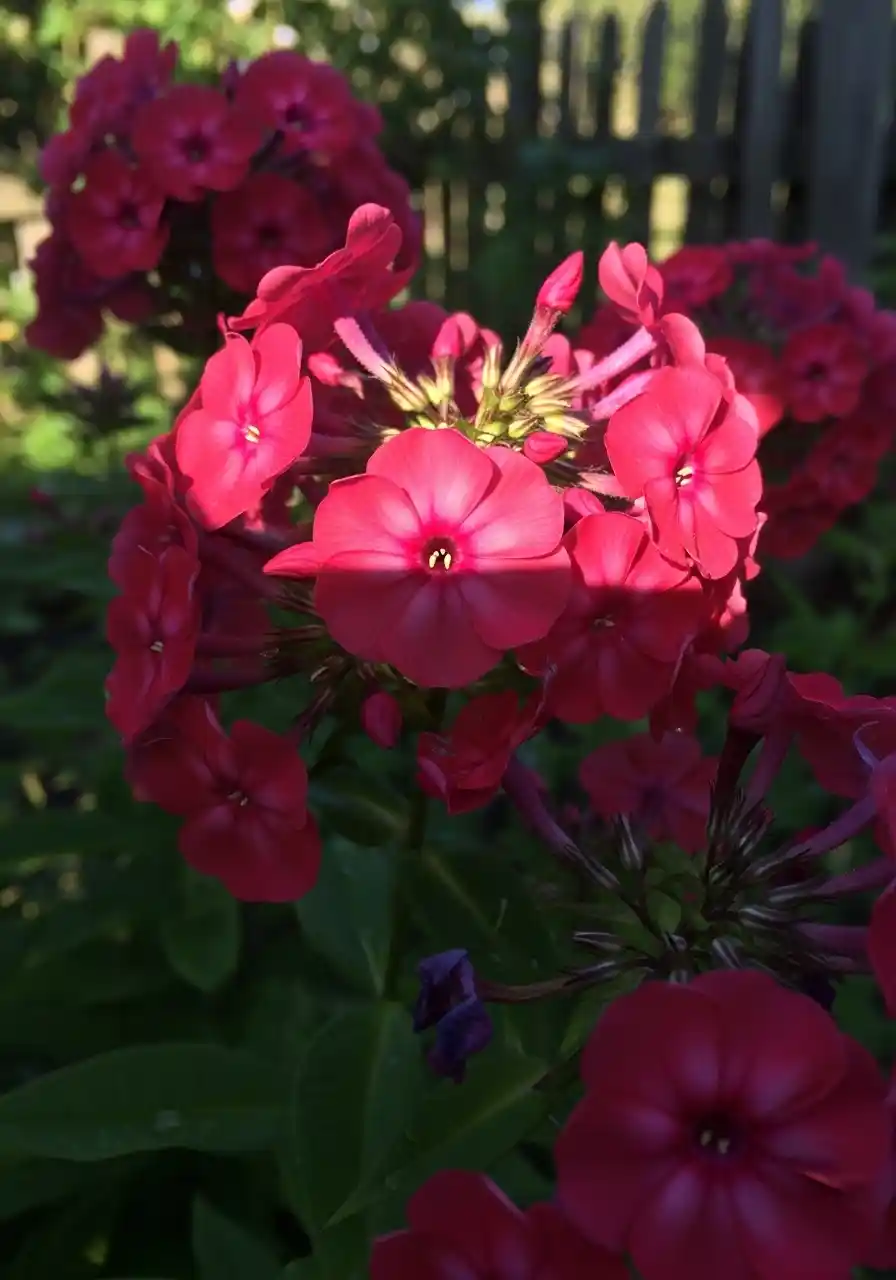
Garden phlox makes clusters of small blooms and can smell nice too. Hummingbirds may visit because it offers nectar and lots of flowers in one area. Phlox usually likes sun and moist soil that drains well. If it gets too dry, it can look sad quick. Some phlox types can get mildew, so spacing helps.
13) Bleeding Heart (red types)
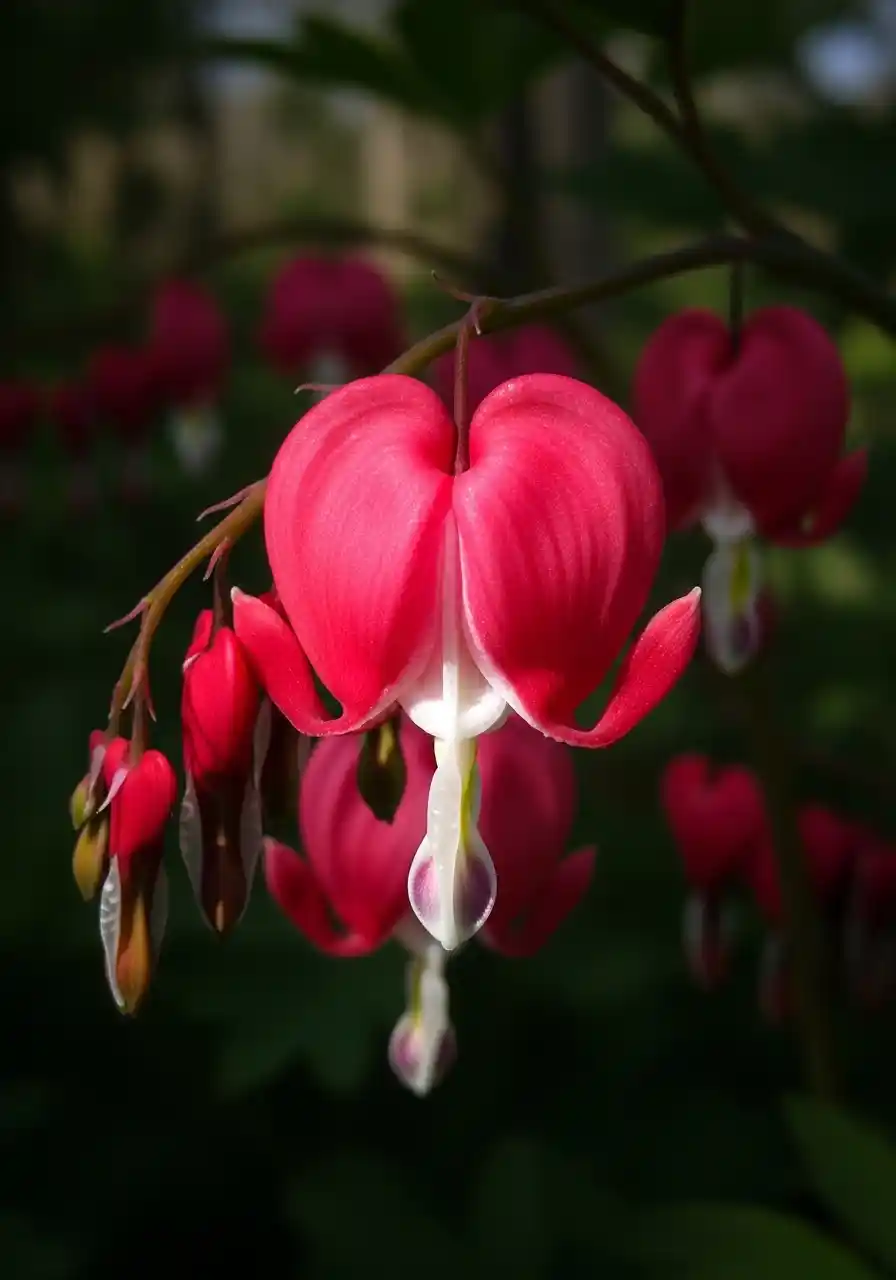
Bleeding heart flowers look like tiny heart-shaped drops. It’s more of a shade garden plant, and it can bring hummingbirds into cooler spots of the yard. Many bleeding hearts like richer soil and steady moisture. They often bloom in spring, then the plant may fade back in summer heat, so don’t panic if it “disappears”.
14) Impatiens (red varieties)
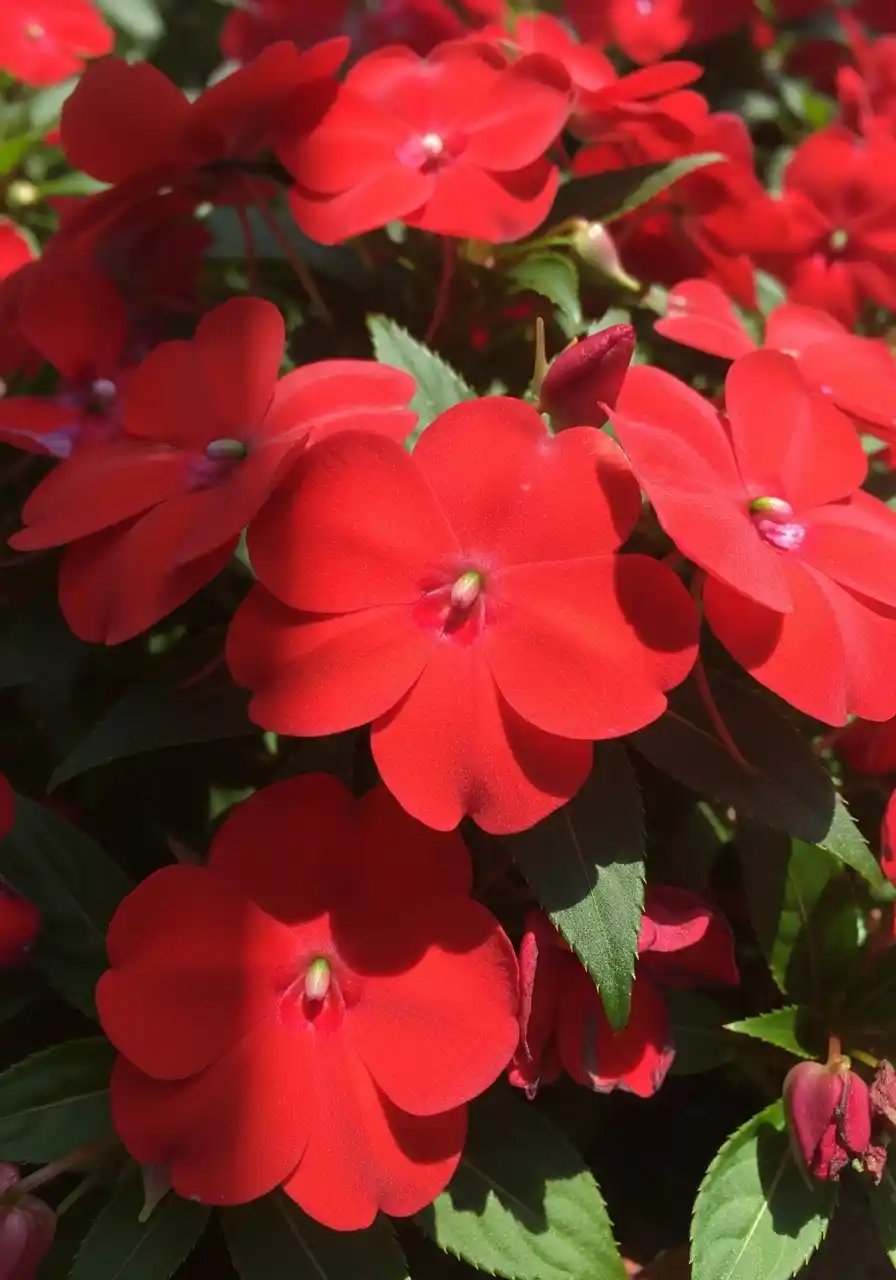
Impatiens are perfect for shade and porches. They bloom a lot even with less sun, which is rare. Hummingbirds can still visit them, especially if you have a big patch of red impatiens together. They like moist, well-draining soil and consistent watering.
15) Hydrangea (red/pink-red types)
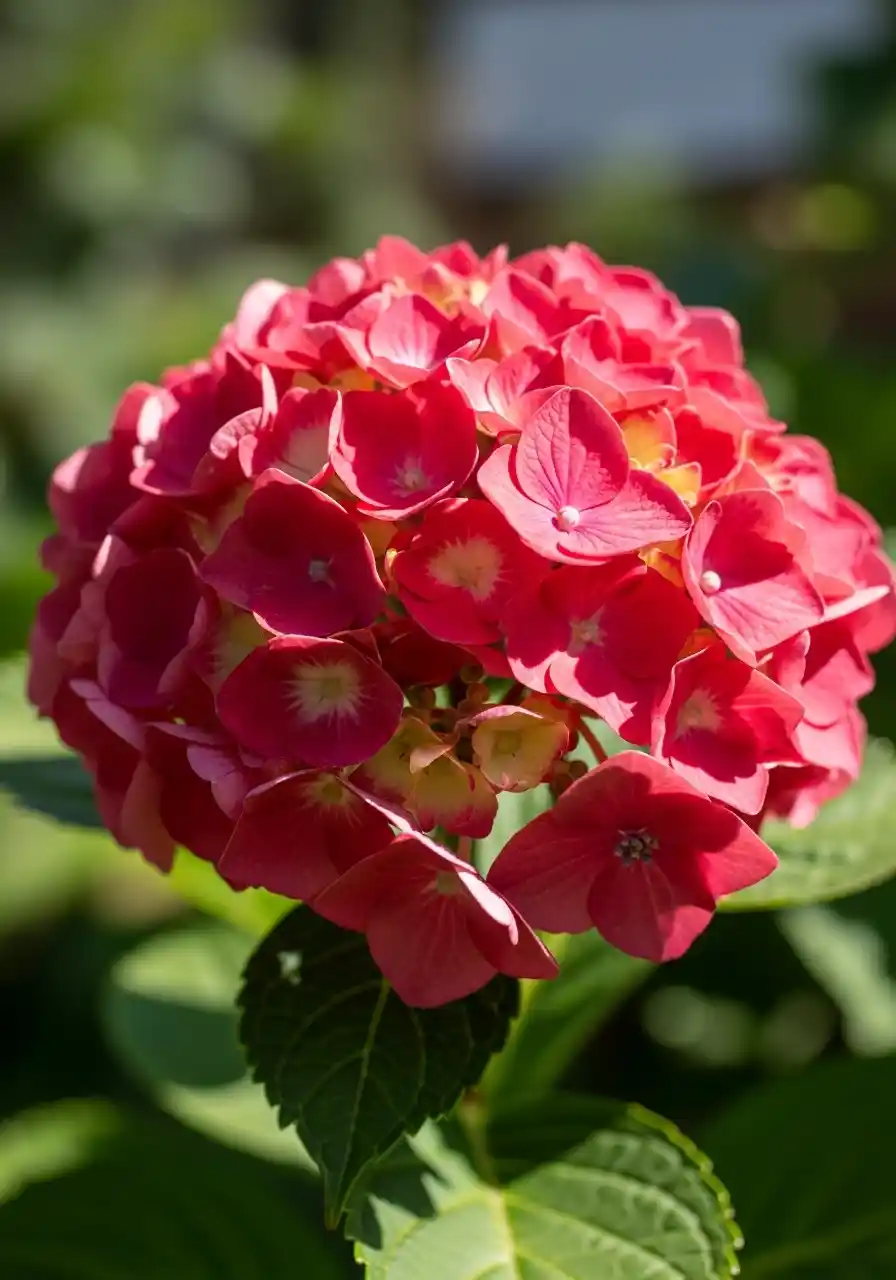
Hydrangeas have big flower heads and can light up shady areas. Some types turn more pink or red depending on soil conditions. Hummingbirds may visit, though hydrangeas are not always the top nectar flower—still, they help add color and structure. Hydrangeas like moisture, and many prefer some afternoon shade in hot climates.
16) Penstemon (red types)
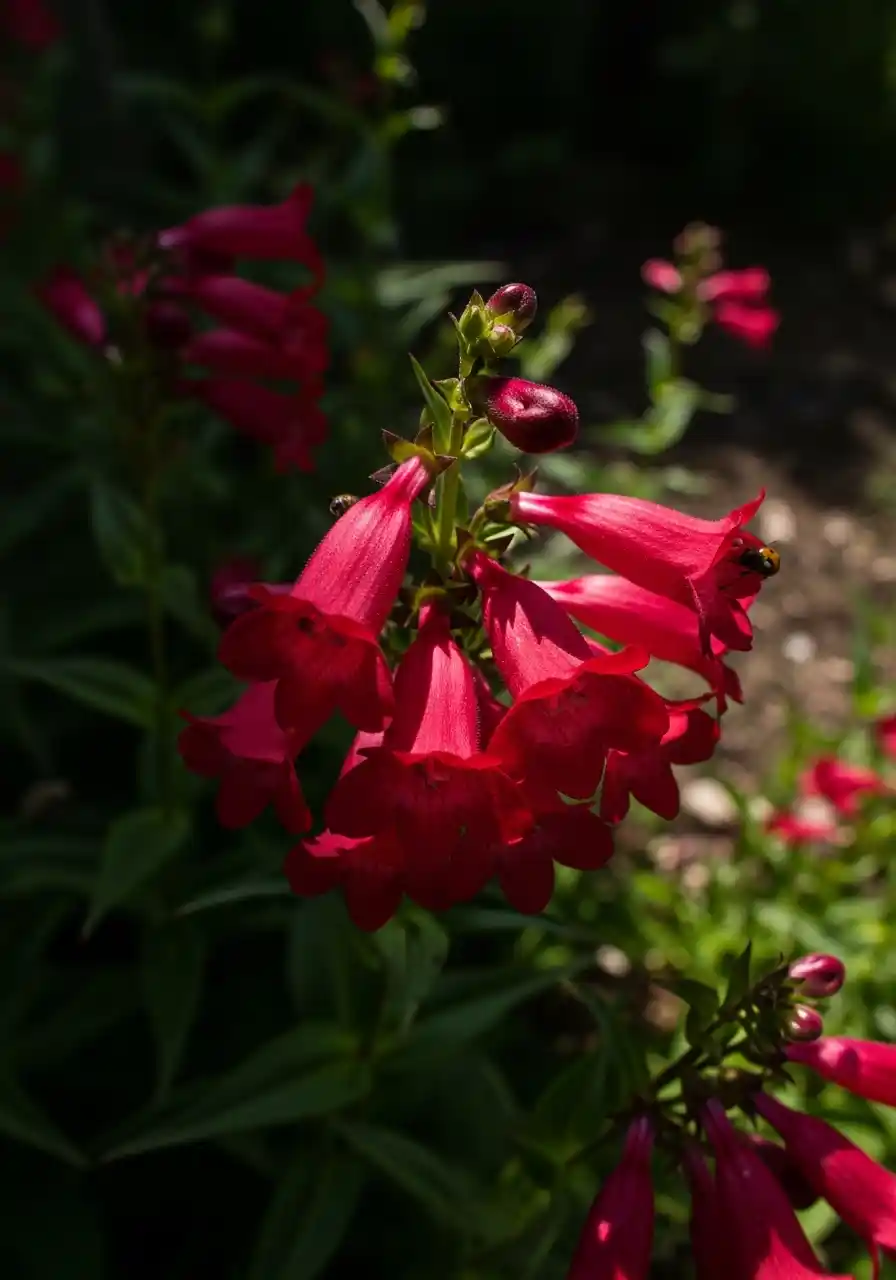
Penstemon flowers are often tubular and very hummingbird-friendly. They can look like little bells or trumpets on tall stems. Many penstemons like well-drained soil and sun. They’re great if you want a “native style” garden look. Once established, some are pretty tough and not too needy.
17) Delphinium (red varieties)
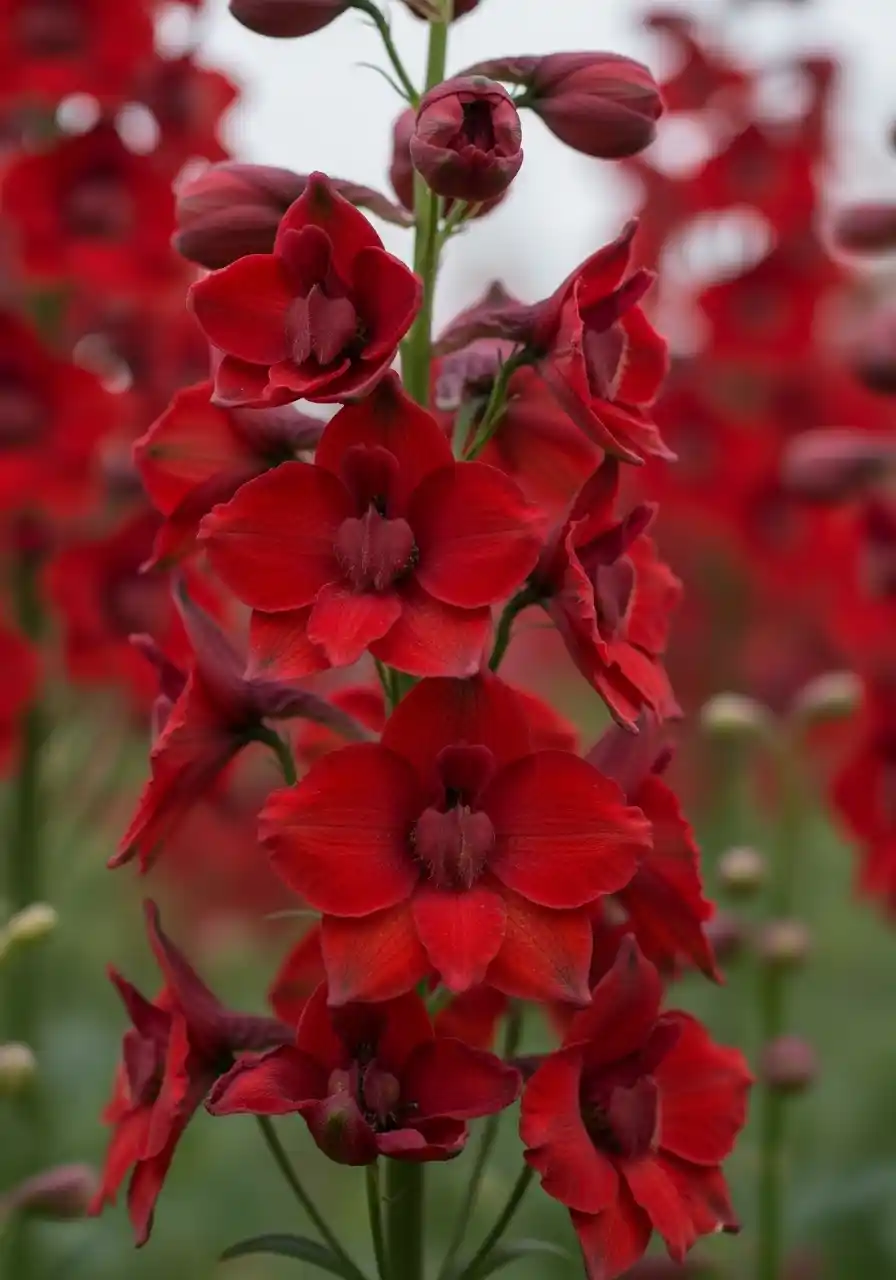
Delphiniums are known more for blues, but red varieties exist too. They grow tall flower spikes that can add height behind smaller plants. Hummingbirds may visit the nectar-rich flowers. Delphiniums can be a bit picky: they usually like cooler temps and may need staking if wind knocks them around.
18) Lupine (red varieties)
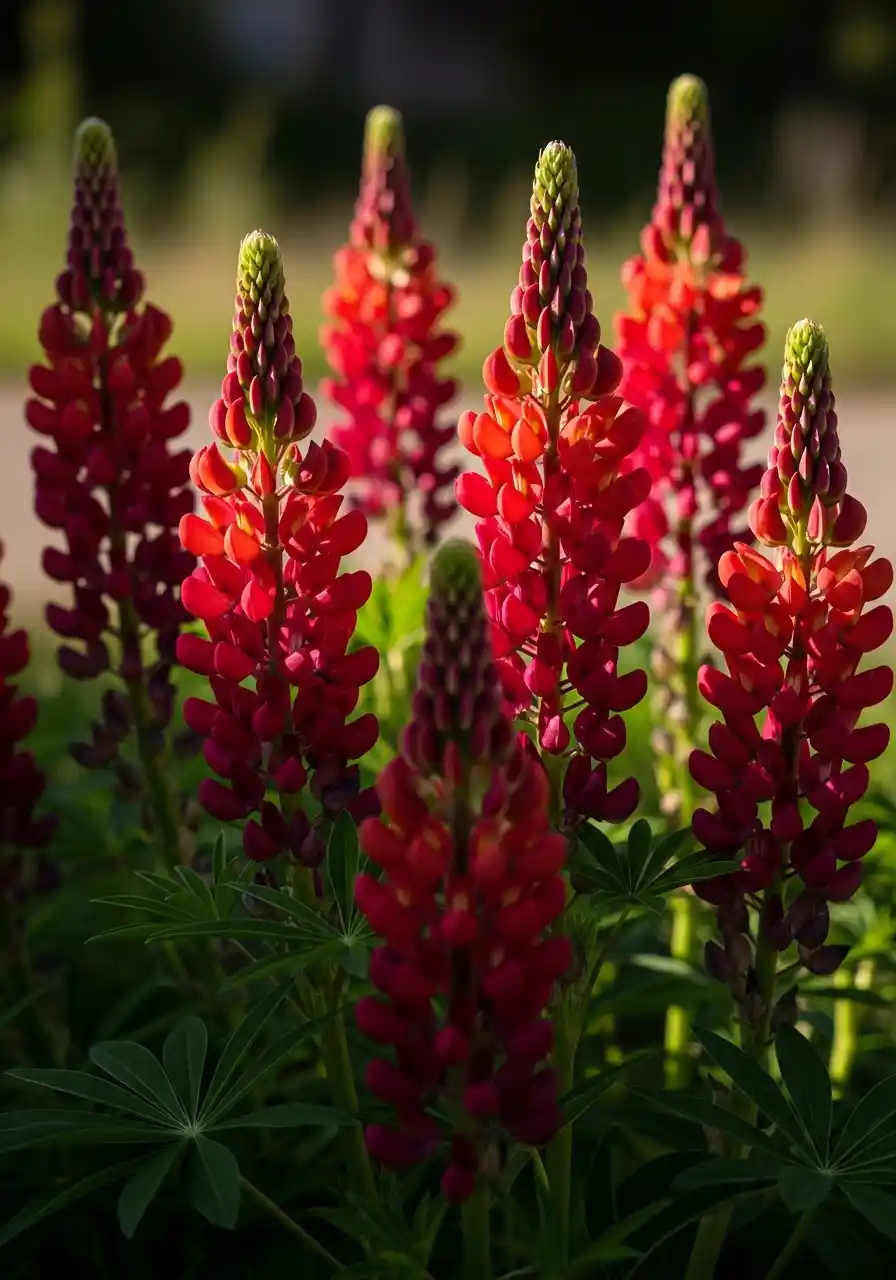
Lupines make spiky flower clusters and can be very eye-catching. Hummingbirds can visit, and bees will too. Lupines often like well-drained soil and cooler weather. In hot areas they may struggle, so some people treat them like seasonal flowers rather than “forever plants”.
19) Fire Pink / Scarlet Catchfly (Silene virginica)
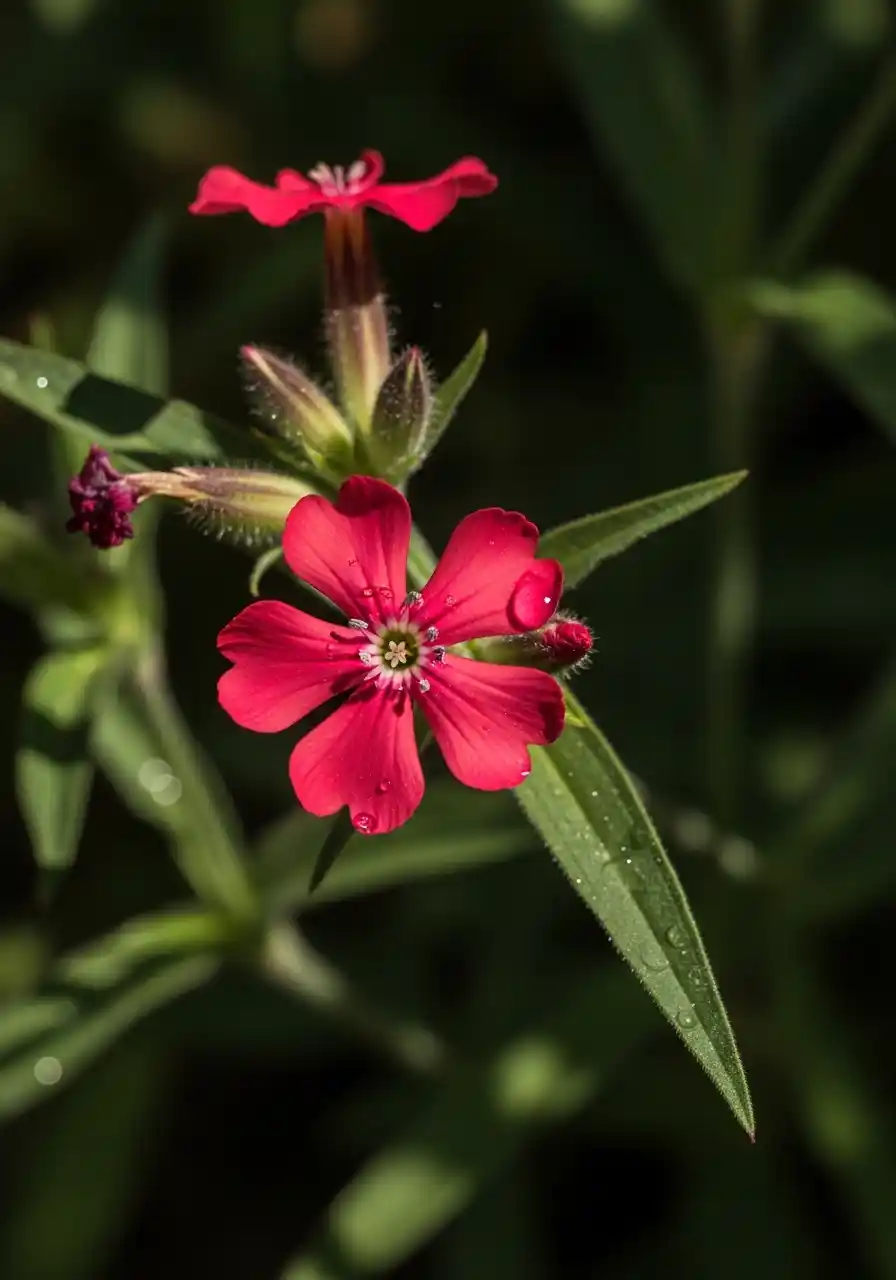
This is a bright red wildflower type that’s well-known for hummingbird appeal. The flower shape and color works well for hummingbirds, and it can bring a more natural woodland-edge vibe to your yard. It often likes well-drained soil and can handle partial shade. It’s a great pick if you want something a bit less common.
20) Red Buckeye (Aesculus pavia)
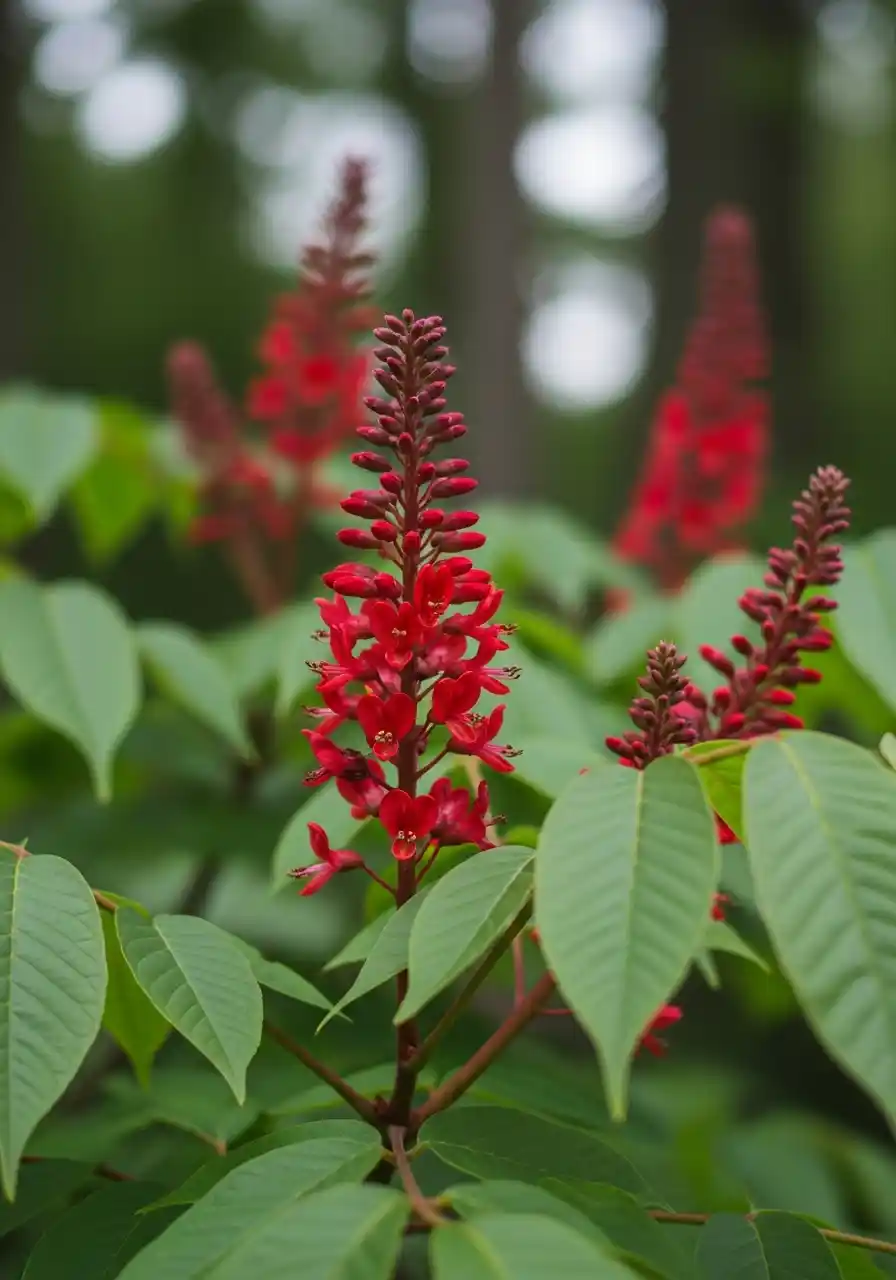
Red buckeye is a shrub or small tree with upright red tubular flower clusters. When it blooms, it can be a hummingbird hotspot. It often blooms in spring, which is awesome timing. It can handle some shade, but it may bloom better with more sun. Just give it space because it’s not a tiny plant.
21) Daylily (red varieties)
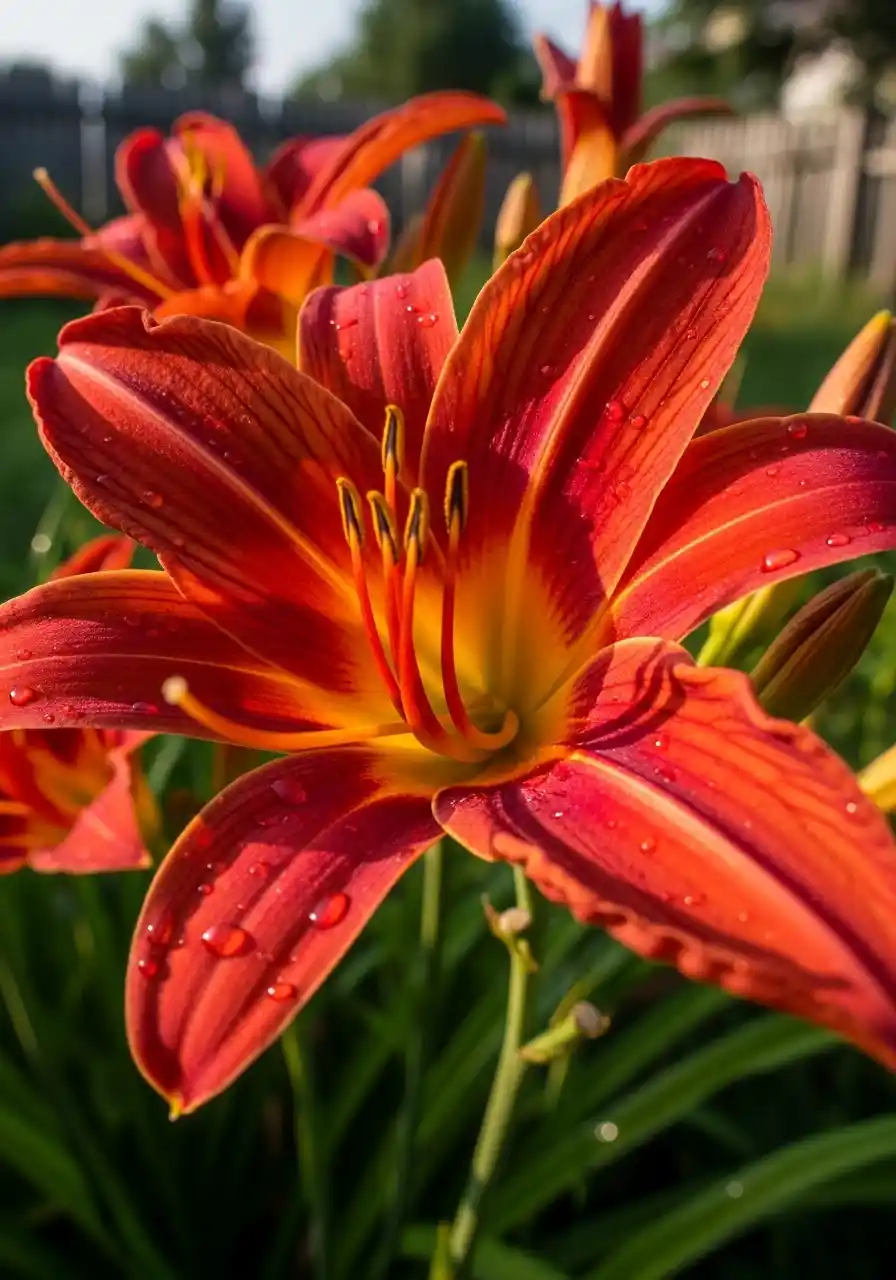
Daylilies are tough and dependable. Red daylily varieties add bright color, and hummingbirds may visit, especially if the flowers are more trumpet-shaped. Each bloom doesn’t last long, but the plant makes many buds over time. Daylilies like sun and are pretty forgiving once established.
22) Calibrachoa (red varieties)
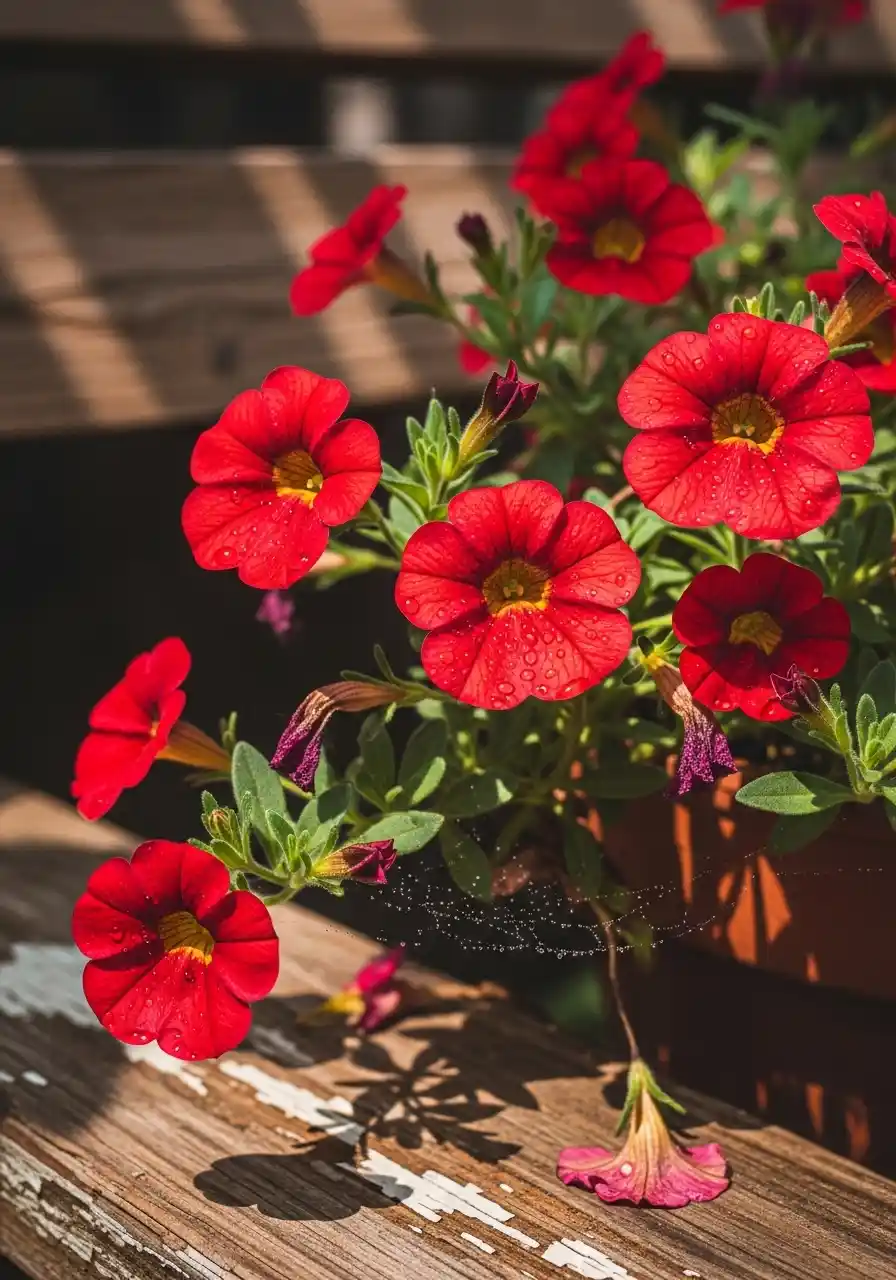
Calibrachoa looks like a mini petunia and works amazing in hanging baskets. Red calibrachoa can make a waterfall of flowers. Hummingbirds may check them out, and it’s also just pretty to look at from a window. It likes sun, regular watering, and decent drainage—don’t keep it soaked.
23) Figwort (Scrophularia)
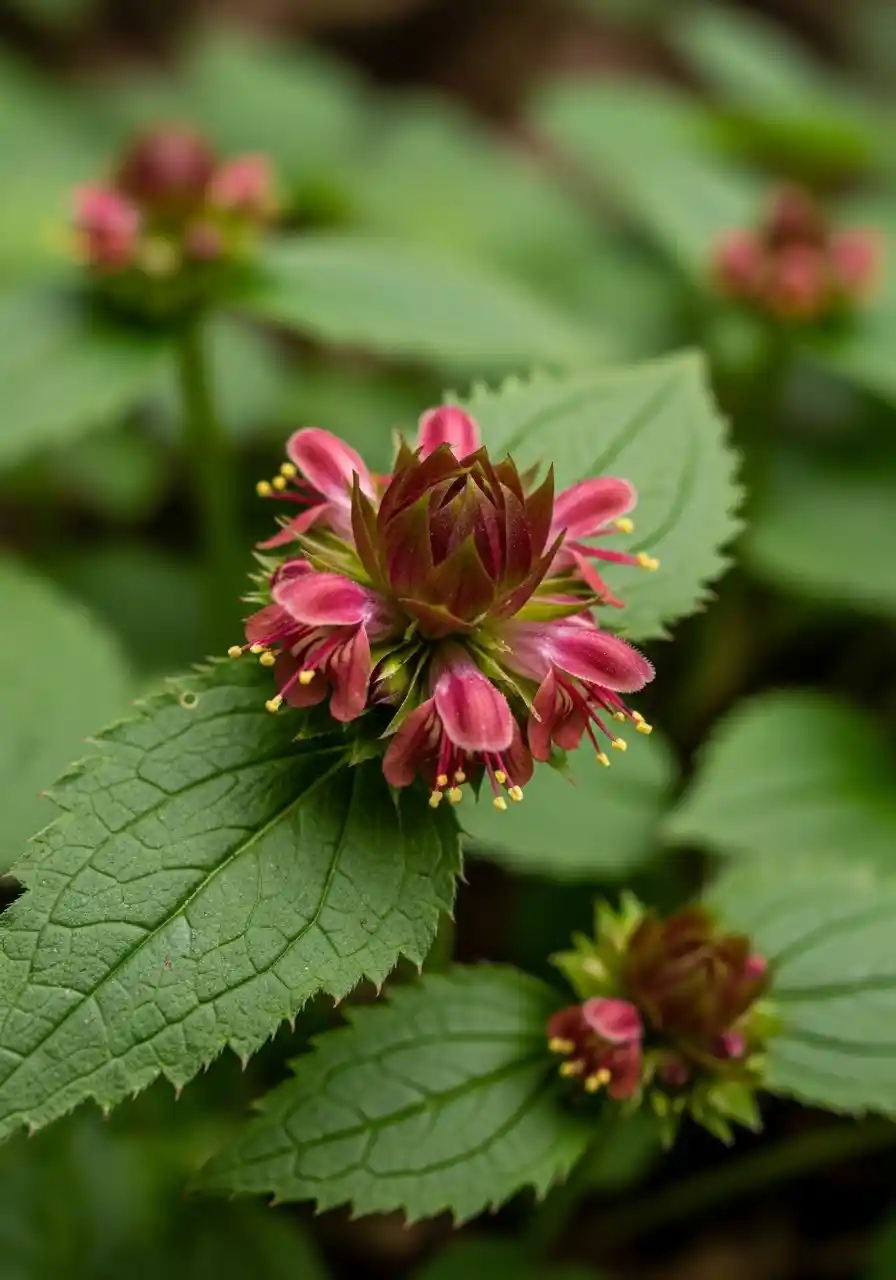
Figwort isn’t the flashiest plant, but it can be very valuable for pollinators, including hummingbirds. Some figwort flowers are small and not super showy, but they can still provide nectar. This is a good “support plant” if you like a more natural garden style. It can also grow fairly tall, so place it behind shorter flowers.
24) Crape Myrtle (red varieties)
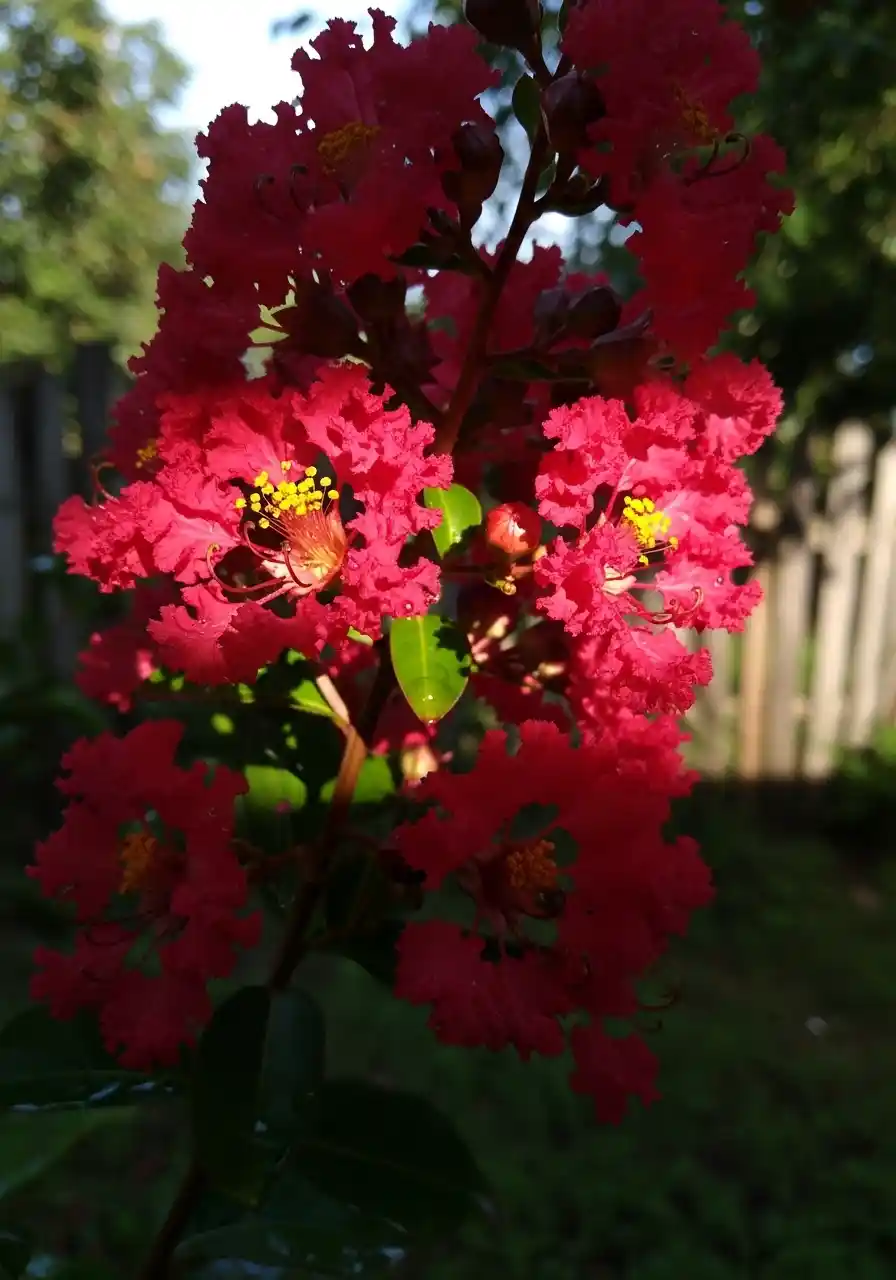
Crape myrtle is a tree or large shrub with big flower clusters in summer. Red varieties can add strong color during hot months, and hummingbirds may visit when it’s blooming heavy. Crape myrtle usually likes sun and heat, and it can be fairly drought-tolerant once established. Pruning style depends on your preference, but don’t butcher it into weird stubs (people do that a lot).
25) Passionflower / Passion Vine (red forms exist)
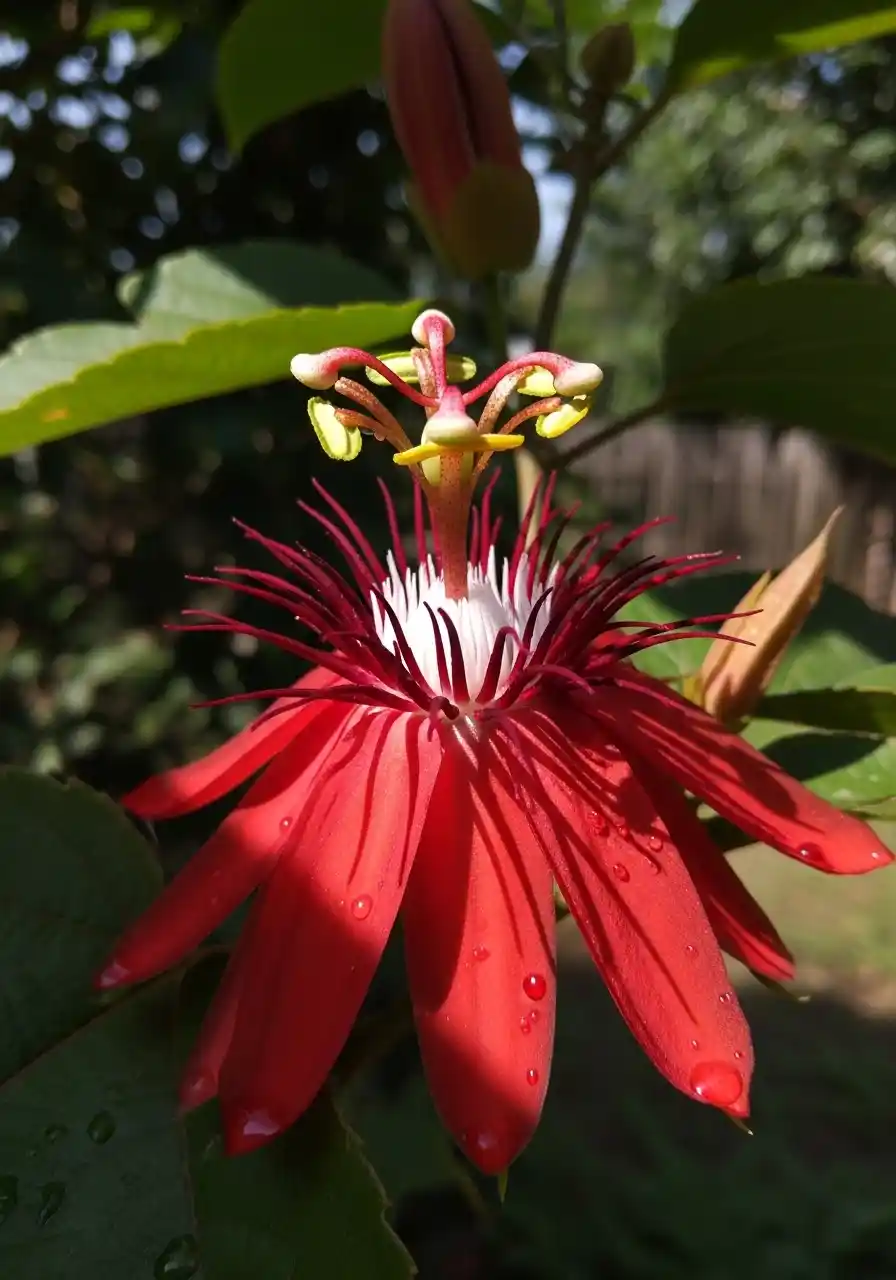
Passion vines are climbing plants with very unique flowers. Some forms are red or red-toned, and hummingbirds can visit for nectar. Passion vines like a support to climb, and they can grow fast when happy. In warm areas they may spread a lot, so keep an eye on it if you don’t want it taking over everything.
Red flowers that attract hummingbirds: how to choose the right 5 for your yard
Not everybody needs all 25. Honestly, it can be too much. Here’s a simple way to pick:
If you have full sun (6+ hours)
Try: salvia, zinnia, petunias, penstemon, daylily.
Most of these like sun and bloom a lot.
If you have part shade
Try: cardinal flower, columbine, weigela, hydrangea, fire pink.
If you have shade (like porch shade)
Try: impatiens and bleeding heart, and maybe a hydrangea nearby.
Red flowers that attract hummingbirds: simple care so you don’t lose your mind
Plants don’t need perfection. They need “good enough” done often.
Watering without stress
Some plants need moist soil (cardinal flower is one). BirdAdvisors says cardinal flower isn’t drought tolerant and likes moist soil.
Other plants want drainage, like penstemon in lean fast-draining soil.
So the trick is: match the plant to the spot. Don’t fight your yard too much.
Don’t over-fertilize
Too much fertilizer can make leaves grow huge, but flowers get lazy. It’s like the plant is “full” and stops trying. A light flower fertilizer is fine, but go easy.
Prune or pinch some plants
Petunias can get leggy, and BirdAdvisors suggests pruning them to prevent thin growth.
If something looks scraggly, a small trim can help it rebloom.
Red flowers that attract hummingbirds: what if hummingbirds still don’t show up?
Sometimes people plant red flowers and then… nothing. It’s annoying, yeah.
Common reasons
-
Not enough blooms yet. New plants can take a bit to settle in.
-
Not enough sun. Some flowers just won’t bloom in low light.
-
Too few plants. One pot might not be noticed.
-
The season is wrong. In some places hummingbirds are only around certain months.
What usually fixes it
Plant a few more red bloomers, and keep flowers coming all season. Also, don’t put your best flowers where they’re hidden.
FAQ: red flowers that attract hummingbirds
1) Do hummingbirds only visit red flowers?
No, they visit other colors too, but red is very eye-catching for them.
2) What’s the best red flower for hummingbirds in wet soil?
Cardinal flower is a big one for moist soil.
3) What red flowers work in shade?
Impatiens and bleeding heart are good shade or part shade choices.
4) What red flowers work best in containers?
Petunias, calibrachoa, nasturtiums, and lantana are all container-friendly picks.
5) Are tubular flowers really better for hummingbirds?
Often yes, because their bills fit well in tube-shaped blooms (cardinal flower is a famous example).
6) What red vines attract hummingbirds?
Trumpet honeysuckle is a strong vine choice, and passionflower can work too.
7) Can I use red shrubs to attract hummingbirds?
Yes—weigela and crape myrtle can help bring them in.
8) Will zinnias bring hummingbirds or just butterflies?
Zinnias can bring hummingbirds too, especially bright colors, and they bloom a lot in sun.
9) Why do my petunias stop blooming?
They might need trimming (they can get leggy) and steady watering.
10) What red flower helps early in the season?
Red buckeye is a spring bloomer that hummingbirds can like.
11) Do I need a feeder if I plant red flowers?
Not always. Red flowers with nectar can be enough, but feeders can help in some spots.
12) How many red flowers do I need to attract hummingbirds?
More than one. A few plants grouped together works better than single plants spread far apart.
13) Can daylilies really attract hummingbirds?
They can, especially bright red and more tubular types that hold nectar.
14) What’s a good “easy mix” of red flowers for beginners?
Try salvia + zinnia + petunias for sun, or impatiens + hydrangea for shade-ish spaces.
Conclusion
Planting red flowers that attract hummingbirds is one of the easiest ways to make your yard feel alive. Red stands out to hummingbirds, and many red blooms also have the right shape for them to sip nectar fast.
If you only start with five plants, that’s still enough to make a difference. Pick a couple for sun (like salvia and zinnia), add one container spiller (like petunias or calibrachoa), and add one “special” plant like cardinal flower if you can keep soil moist.
Then just keep them watered, keep them blooming, and give it a little time. When the hummingbirds finally show up and start fighting over “their” flower pot… it’s kinda silly, but also super cool.